
2026 Isuzu Trucks For Sale in Washington
Shop 2026 Isuzu trucks in Washington. Compare low-cab-forward gas and diesel models built for delivery, landscaping, flatbed, and upfit work.
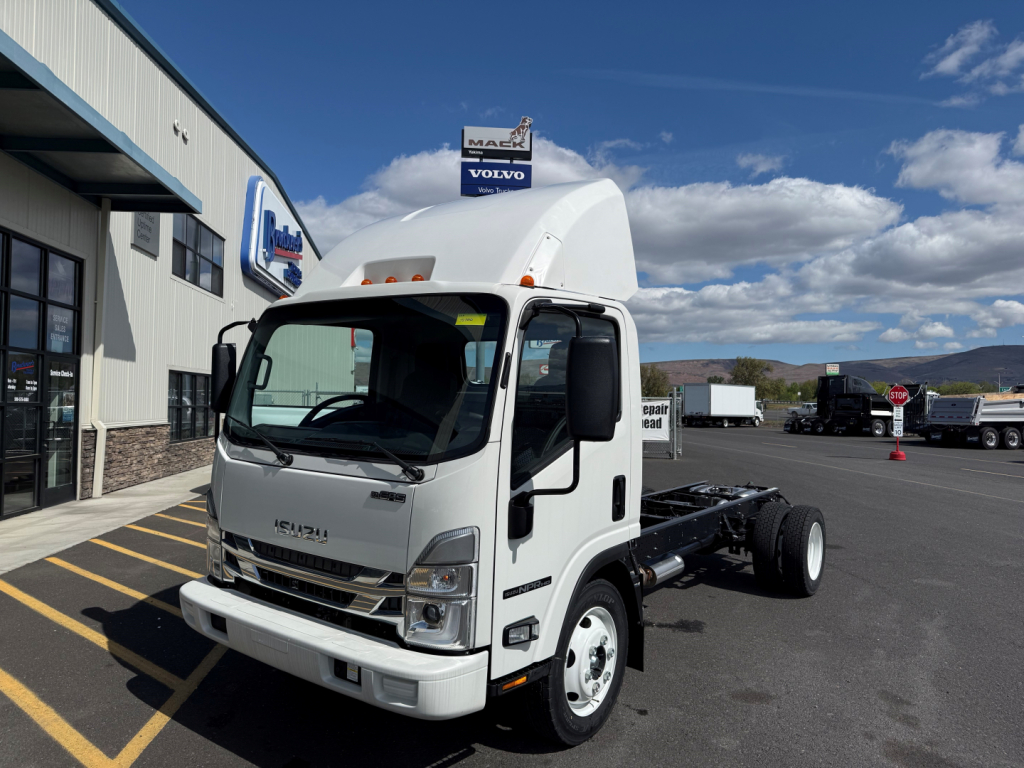
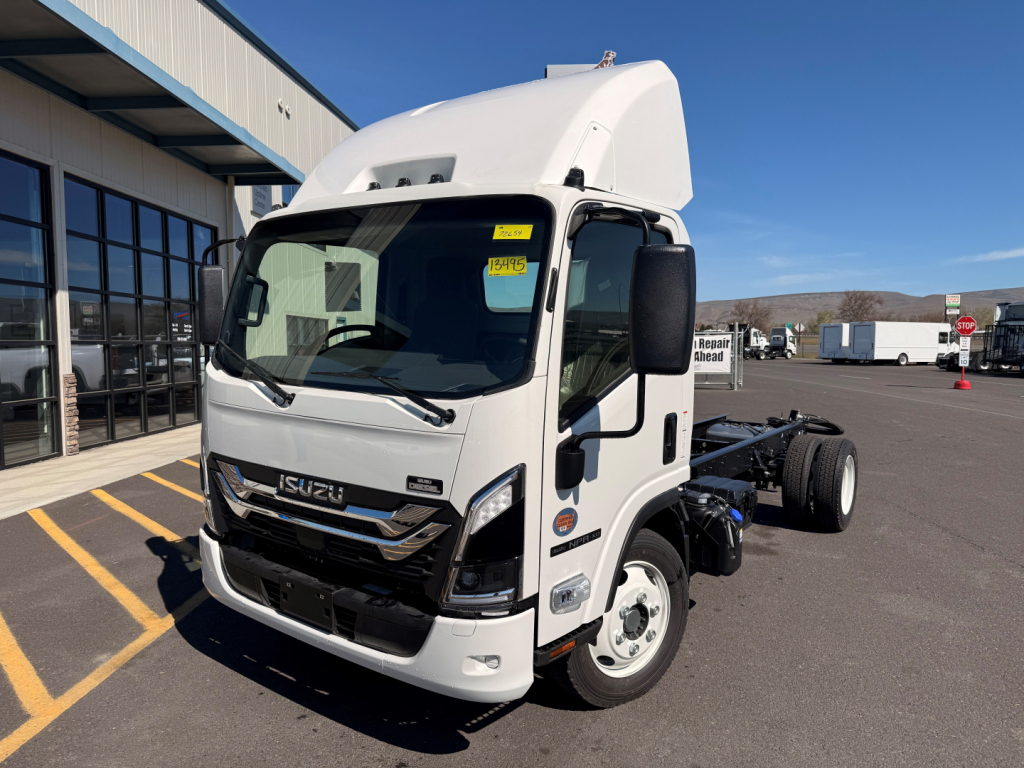
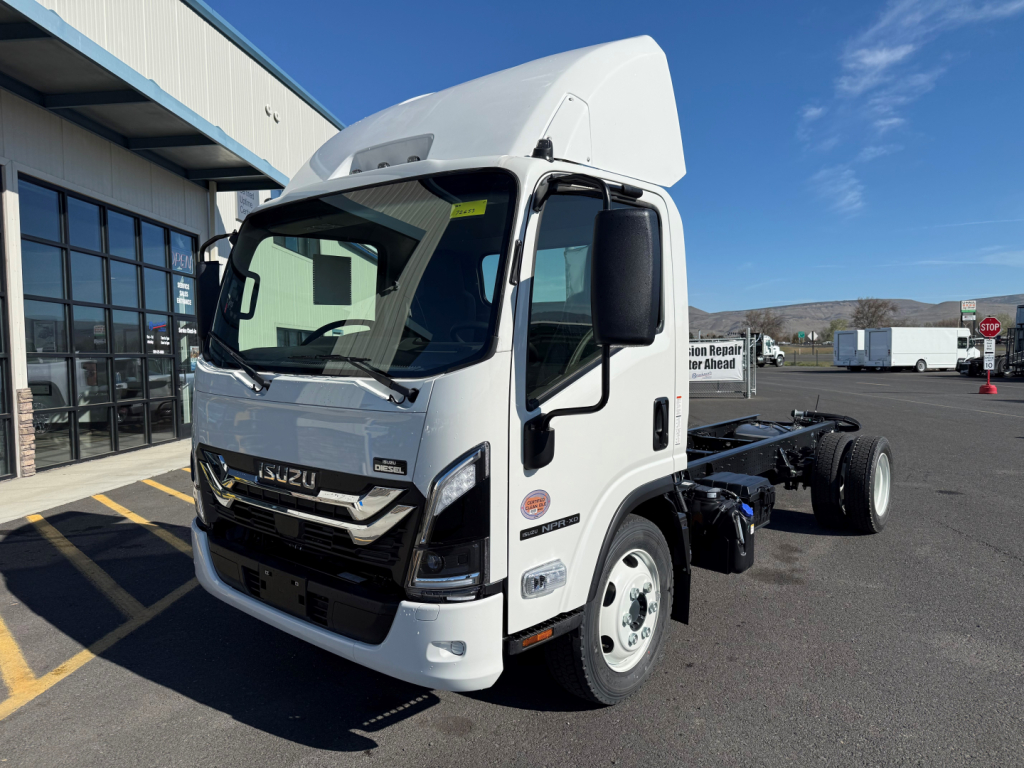
Selling a 2026 isuzu truck? List your 2026 isuzu truck for sale and reach thousands of commercial buyers.
2026 Isuzu Trucks in Washington
The core 2026 Isuzu lineup usually centers on cab and chassis configurations like the NPR and NQR series, with gas and diesel options depending on application. Common uses include dry vans, refrigerated bodies, landscape bodies, stake beds, flatbeds, dump bodies, service bodies, and specialty vocational upfits. Diesel models are often favored for higher mileage routes and torque-heavy duty cycles, while gas models appeal to fleets looking for simpler emissions systems, easier maintenance planning, and strong parts availability. On many Isuzu builds, buyers pay close attention to GVWR ratings in the 14,500 to 19,500 pound range, front and rear axle ratings, frame strength, and available cab-to-axle dimensions to make sure the chassis matches the intended body.
Body compatibility is a major buying point with Isuzu trucks because the chassis is often the platform, not the finished product. A buyer looking at a cab and chassis should verify wheelbase, axle placement, fuel tank location, and clear frame space for body mounting, liftgate installation, toolboxes, or PTO-driven equipment where applicable. If the truck will spend its life on frequent-stop delivery work, features like automatic transmissions, low step-in height, visibility from the driver seat, and easy ingress and egress become just as important as raw horsepower. For dry van and box truck applications, details like scuff liners, E-track or logistic track, ramp style, and door opening height directly affect daily usability.
For Washington operators, corrosion resistance, cooling performance over mountain grades, and service support are practical considerations. Aluminum van bodies, durable coatings, and well-designed underbody components can matter in wet western conditions, while payload and gradeability become more important for routes crossing passes or serving mixed urban-rural territories. A 2026 Isuzu truck is best matched by starting with the job, then sizing the chassis around body length, cargo weight, route density, and maintenance strategy. That approach usually leads to the right choice faster than shopping by model name alone.
Frequently Asked Questions about 2026 Isuzu Trucks in Washington
What are 2026 Isuzu trucks commonly used for?
2026 Isuzu trucks are commonly used for box truck delivery, flatbed hauling, landscaping, refrigerated delivery, stake bed work, and cab and chassis upfits for service or contractor applications. Their low-cab-forward layout makes them especially effective in urban and suburban routes where turning space is limited and drivers make frequent stops. Many buyers choose them as a platform vehicle and then spec the body around the job.
Should I choose a gas or diesel 2026 Isuzu truck?
Gas and diesel both have a place in the Isuzu lineup, and the better choice depends on duty cycle and maintenance priorities. Gas models are often attractive for lower annual mileage, municipal-style operation, or fleets that want simpler maintenance and broad service familiarity. Diesel models are often preferred for higher mileage applications, heavier payload demands, and routes where low-end torque and fuel efficiency under load are more important. The right decision usually comes from comparing total operating cost, not just purchase price.
What GVWR range should I expect on a 2026 Isuzu truck?
Many 2026 Isuzu medium-duty models fall into GVWR classes that support commercial bodies such as dry vans, flatbeds, and landscape bodies, commonly in the mid-14,000 to 19,500 pound range depending on the chassis. GVWR matters because it affects payload capacity, licensing requirements, body selection, and how much margin the truck has once the upfit is installed. Buyers should calculate real operating weight with the body, equipment, fuel, and crew included rather than relying on chassis rating alone.
Why do buyers choose Isuzu low-cab-forward trucks over conventional cab trucks?
The main advantages are visibility, maneuverability, and efficient packaging. A low-cab-forward truck can often carry a longer body on a shorter overall wheelbase than a conventional cab design, which helps on city routes and crowded job sites. Drivers also benefit from a more direct view of the road and easier entry and exit during high-frequency stop-and-go operation. That combination is a major reason Isuzu remains strong in delivery and vocational applications.
What should I verify before buying an Isuzu cab and chassis for an upfit?
The key items are wheelbase, cab-to-axle measurement, frame length, GVWR, axle ratings, and compatibility with the intended body or equipment. Buyers should also confirm clearance for toolboxes, liftgates, ramps, PTO components if needed, and any body-specific mounting requirements. Getting those dimensions right up front prevents expensive rework and ensures the finished truck has balanced weight distribution and usable payload.