
2026 Isuzu Trucks For Sale
Browse 2026 Isuzu trucks for sale, including NPR and NRR-style low cab forward chassis built for box, landscape, tow, and delivery work.
Selling a 2026 isuzu truck? List your 2026 isuzu truck for sale and reach thousands of commercial buyers.
2026 Isuzu Trucks
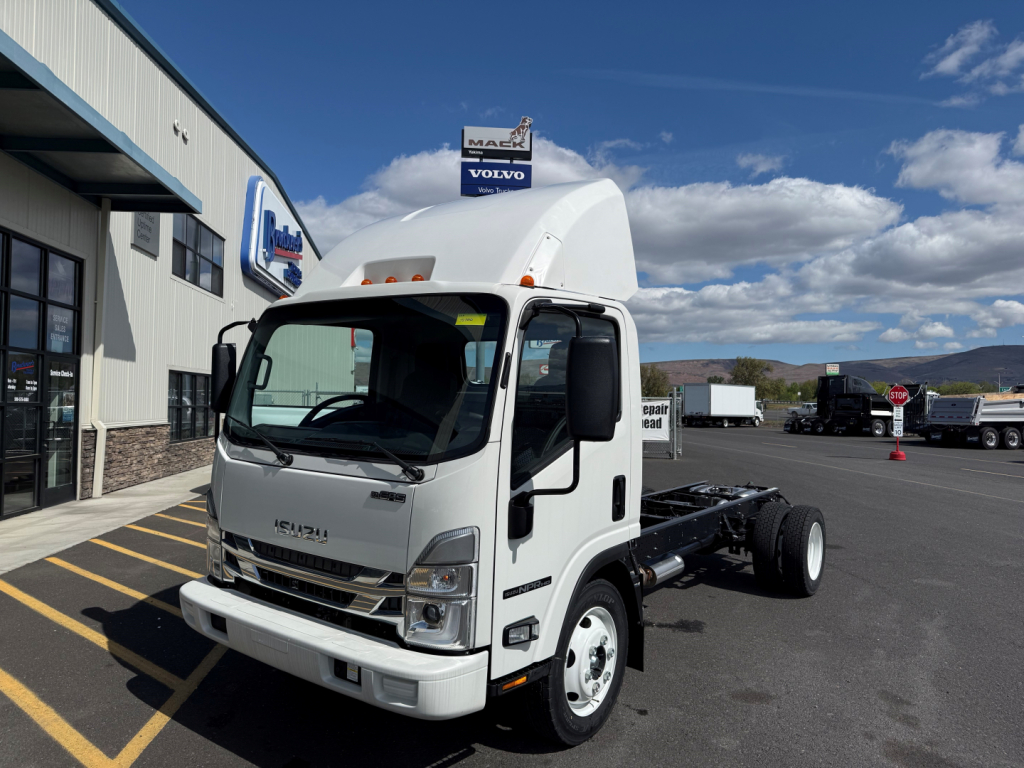
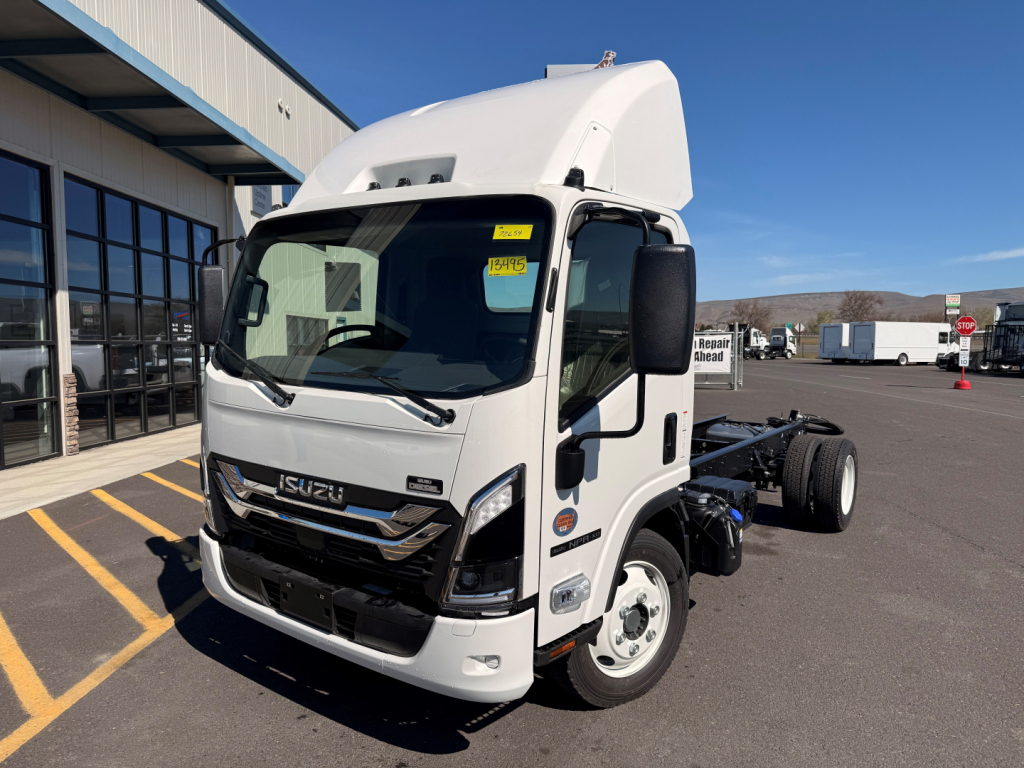
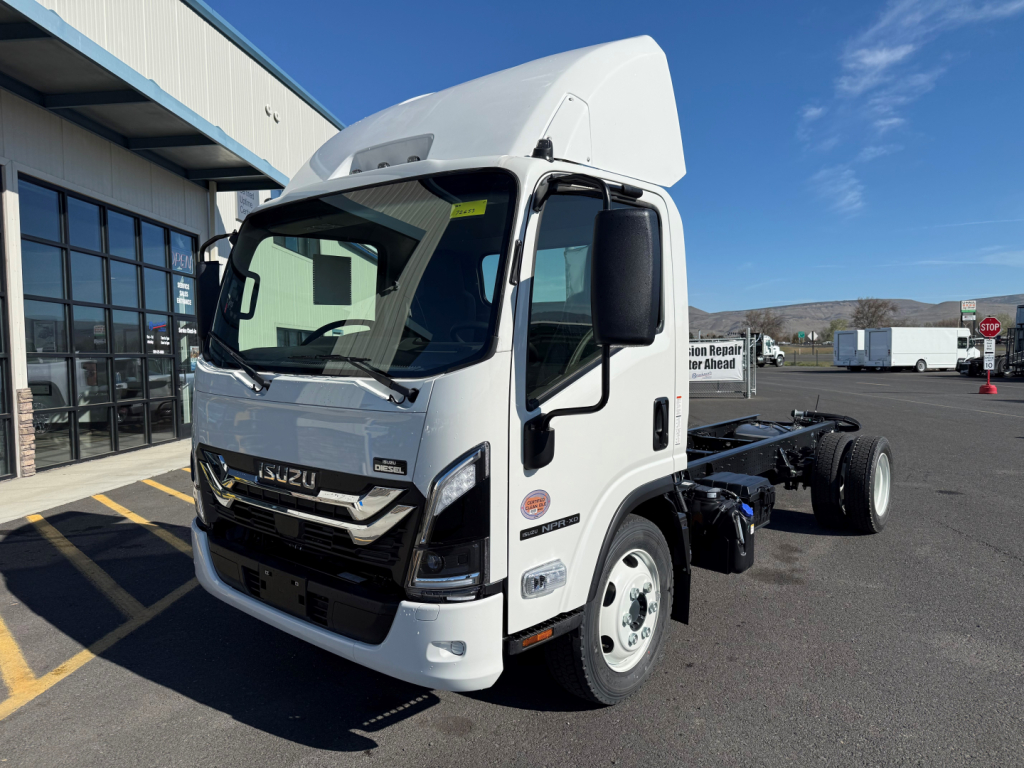
Gas versus diesel is one of the first buying decisions. Gas-powered NPR HD trucks are common in local fleets that want lower upfront cost, straightforward maintenance, and lighter-duty stop-and-go use. Diesel NRR-type trucks are more common when buyers need higher GVWR, stronger torque under load, and better suitability for rollback, parcel, beverage, and longer-route applications. Most trucks in this segment are 4x2 automatics with single rear axles, spring suspension, and 19.5-inch wheels, but the important spec is how the wheelbase matches the body. A short wheelbase helps maneuverability, while a longer wheelbase supports larger box bodies, flatbeds, landscape dumps, or carrier decks.
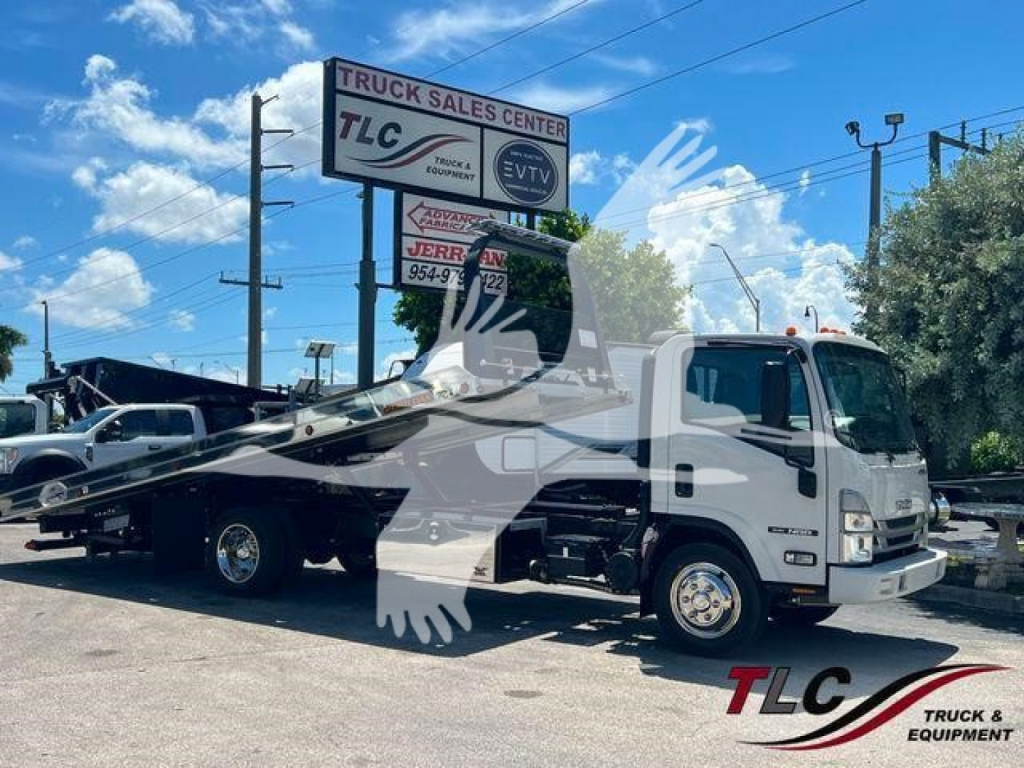
Body application matters as much as the badge. Isuzu cab and chassis trucks are frequently upfitted as box trucks, dry vans, reefer bodies, flatbeds, landscape bodies, dump bodies, and rollback tow trucks. A box truck buyer should look closely at inside body length, door opening height, liftgate rating, and rear axle capacity. A landscape or dump buyer should check hoist type, side height, barn doors or spreader gate setup, ramp capacity, and underbody storage. A tow application needs close attention to deck length, wheel-lift rating, subframe reinforcement, PTO or hydraulic setup, and front axle loading once the body is installed. On any upfit, verify body builder data, finished curb weight, and remaining payload rather than relying only on chassis GVWR.
For a 2026 Isuzu truck, the smartest comparison points are cab configuration, engine and fuel type, wheelbase, GVWR, and the quality of the upfit. Regular cab trucks maximize body length in a compact footprint, while crew cab versions trade some body space for added personnel capacity. Buyers running dense metro routes often prioritize visibility, door-to-door maneuverability, and low step-in height. Buyers in seasonal or heavier vocational work usually focus more on axle ratings, brake condition, frame integrity, hitch provisions, and how well the body was engineered for the job. A well-matched Isuzu truck should feel purpose-built for its route and payload, not just adequate on paper.
Frequently Asked Questions about 2026 Isuzu Trucks
What are the most common applications for an Isuzu truck in this class?
Isuzu trucks in the NPR HD and NRR range are commonly used for box truck delivery, moving, landscaping, dump service, flatbed work, rollback towing, and general commercial service bodies. Their low cab forward design makes them especially well suited for city and suburban routes where tight turns, dock access, and visibility matter. The same chassis can perform very differently depending on the body, so buyers should evaluate the complete truck as a finished vocational package rather than the chassis alone.
How do I choose between a gas and diesel Isuzu truck?
Gas Isuzu trucks are often preferred for local duty cycles with lower annual miles, lighter payloads, and fleets that want a lower initial purchase price with simpler service requirements. Diesel Isuzu trucks are usually the better fit for heavier bodies, higher GVWR needs, stronger torque under load, and applications such as rollback towing or dense delivery routes with sustained payload. The right choice depends on route length, idle time, typical cargo weight, service access, and total operating cost over the life of the truck.
What GVWR range should I expect on Isuzu medium-duty cab-over trucks?
Many Isuzu trucks in this segment fall around 14,500 lb GVWR for lighter NPR HD-style configurations and up to about 19,500 lb GVWR for heavier NRR-style configurations. That number affects payload potential, body selection, registration, and in some cases driver qualification requirements. GVWR alone does not tell the whole story, because the completed body, liftgate, hoist, toolbox package, ramps, and fuel load all reduce actual payload capacity.
Why is wheelbase so important on an Isuzu cab and chassis truck?
Wheelbase determines how the chassis can be upfitted and how the truck will handle in real work. A shorter wheelbase improves maneuverability and is valuable for city delivery, alleys, and tighter job sites. A longer wheelbase allows a larger box, longer rollback deck, or more usable flatbed space, but it changes turning radius and weight distribution. Buyers should match wheelbase to the exact body length and axle loading requirements instead of choosing by overall appearance alone.
What should I inspect on an upfitted Isuzu truck before buying?
Inspect the truck as both a chassis and a body installation. Confirm GVWR, axle ratings, wheelbase, suspension type, tire size, and brake condition on the chassis side. On the body side, verify the body manufacturer, subframe design, mounting method, hydraulic or electrical components, hoist or liftgate rating, deck or box dimensions, and any signs of frame modification done incorrectly. A clean installation with documented body specs is usually more valuable than a truck with extra accessories but poor weight balance or questionable upfit quality.