
2026 Commercial Trucks For Sale in New Mexico
Shop 2026 trucks for sale in New Mexico, including medium-duty and heavy-duty chassis for delivery, vocational, tank, and day cab applications.
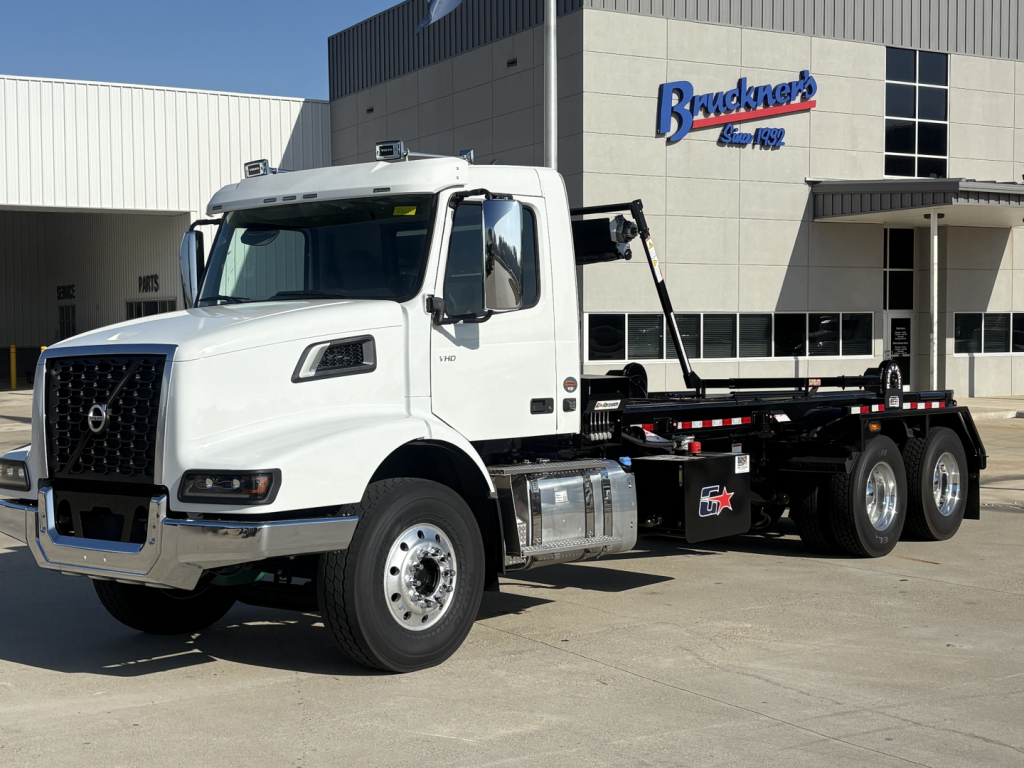
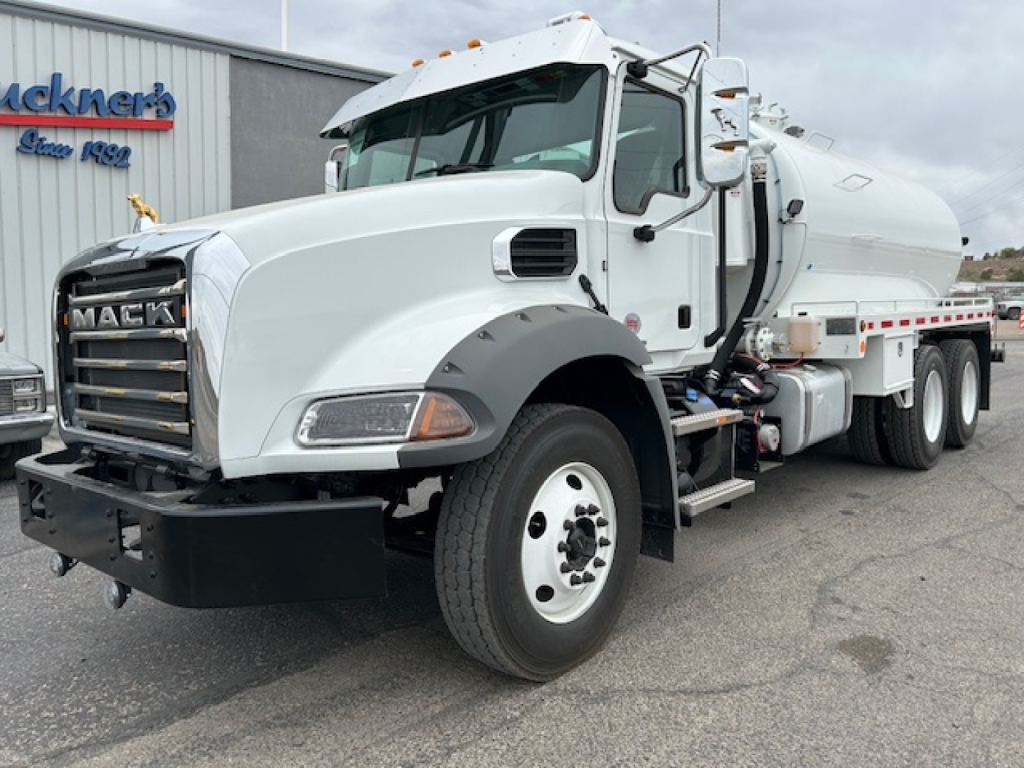
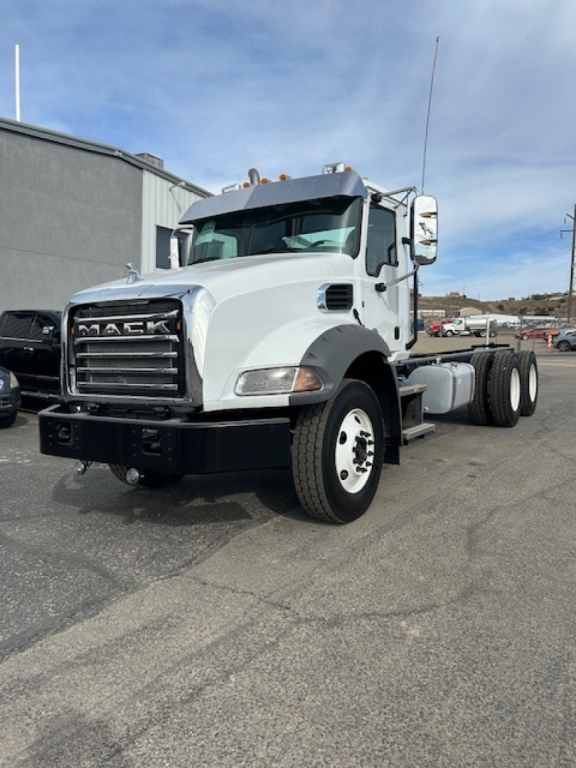
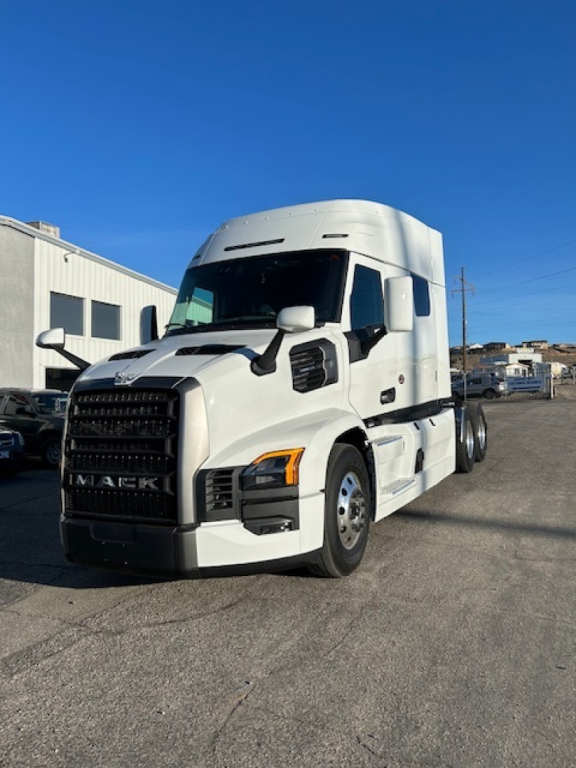

Selling a 2026 commercial truck? List your 2026 commercial truck for sale and reach thousands of commercial buyers.
2026 Commercial Trucks in New Mexico
For New Mexico operations, cooling capacity, gradeability, and fuel range matter more than many buyers first expect. Long highway stretches, oilfield traffic, mountain grades, and hot weather all put extra demand on the engine, transmission, and braking system. A medium-duty truck with a higher rear axle ratio can make sense for stop-and-go delivery, propane route work, or body-upfit applications where launch performance matters more than highway cruise speed. On tandem axle trucks, rear ratios in the low 3s are common for linehaul or regional day cab work, while vocational builds may lean toward ratios and suspensions that support PTO use, off-pavement traction, or slow-speed control. Front axle ratings, rear suspension type, and wheelbase all deserve close attention because they directly affect payload distribution, turning radius, and body compatibility.
Body and equipment integration is a major buying factor in the 2026 truck market. A box truck buyer may focus on wheelbase, cab-to-axle dimension, and transmission programming for urban delivery. A vacuum tank or propane chassis buyer needs to look harder at PTO provisions, frame strength, suspension capacity, and how the truck is configured for mounted equipment. Air brake setups, single versus tandem axles, and spring versus air ride suspensions also change how a truck performs in its intended role. Medium-duty trucks in the 27,000 to 33,000 GVWR range are often chosen for tighter routes and easier maneuverability, while heavier tandem units are built for higher gross weights, more demanding terrain, and specialized vocational service.
A strong 2026 truck spec is the one that matches the body, payload, and route without overspending on capacity that will never be used. Buyers comparing trucks in New Mexico should pay close attention to horsepower, axle ratings, wheelbase, rear ratio, transmission type, and suspension design before looking at trim details. Those core specs determine uptime, operating cost, driver acceptance, and how well the truck fits local freight, municipal, construction, energy, or delivery work. Also search by common body style terms such as box truck, day cab, vacuum truck, propane bobtail, or vocational chassis when narrowing down the right equipment class.
Frequently Asked Questions about 2026 Commercial Trucks in New Mexico
What types of 2026 trucks are commonly available in New Mexico?
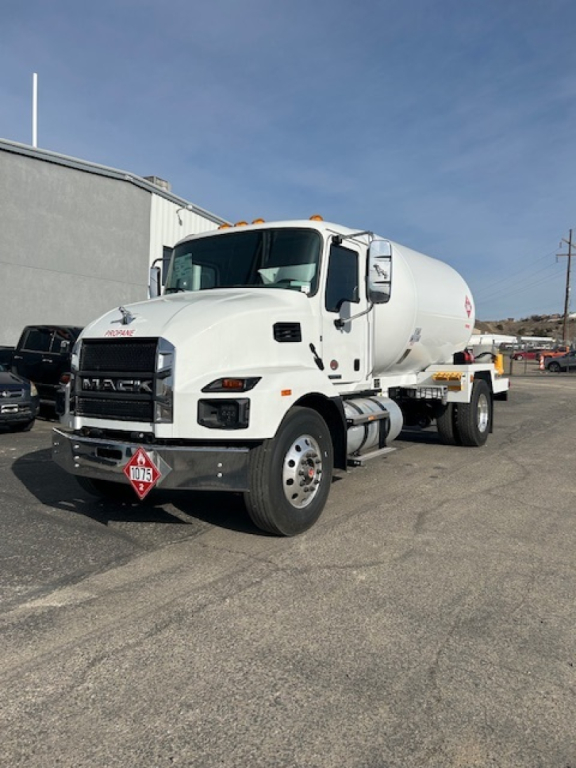
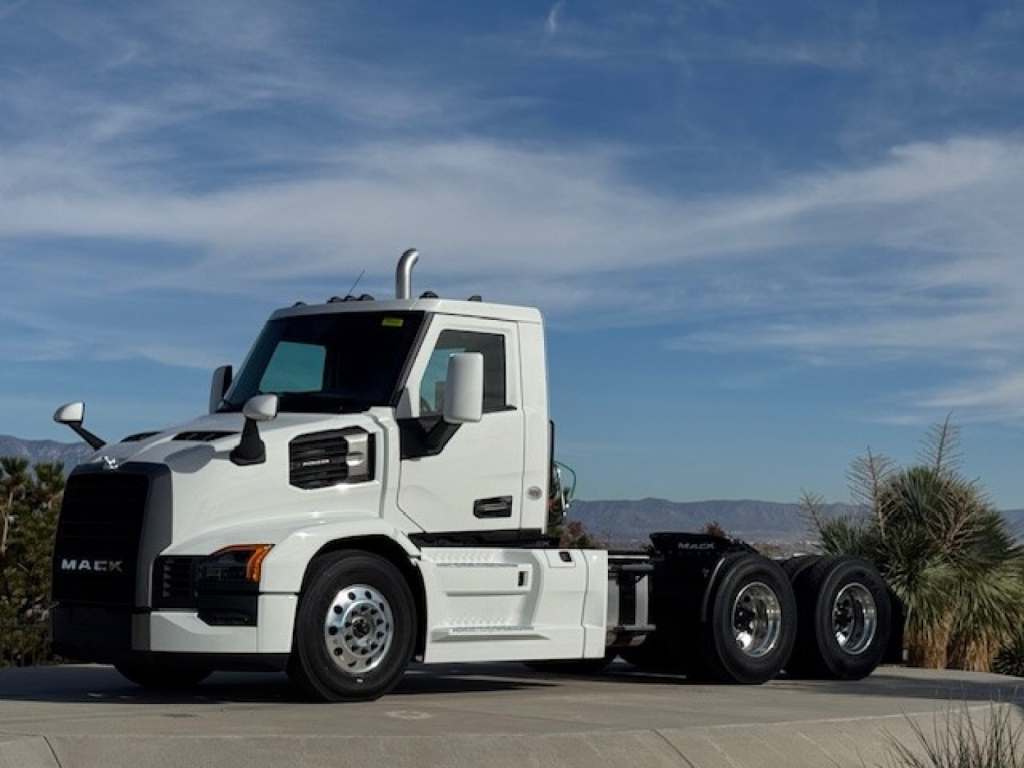
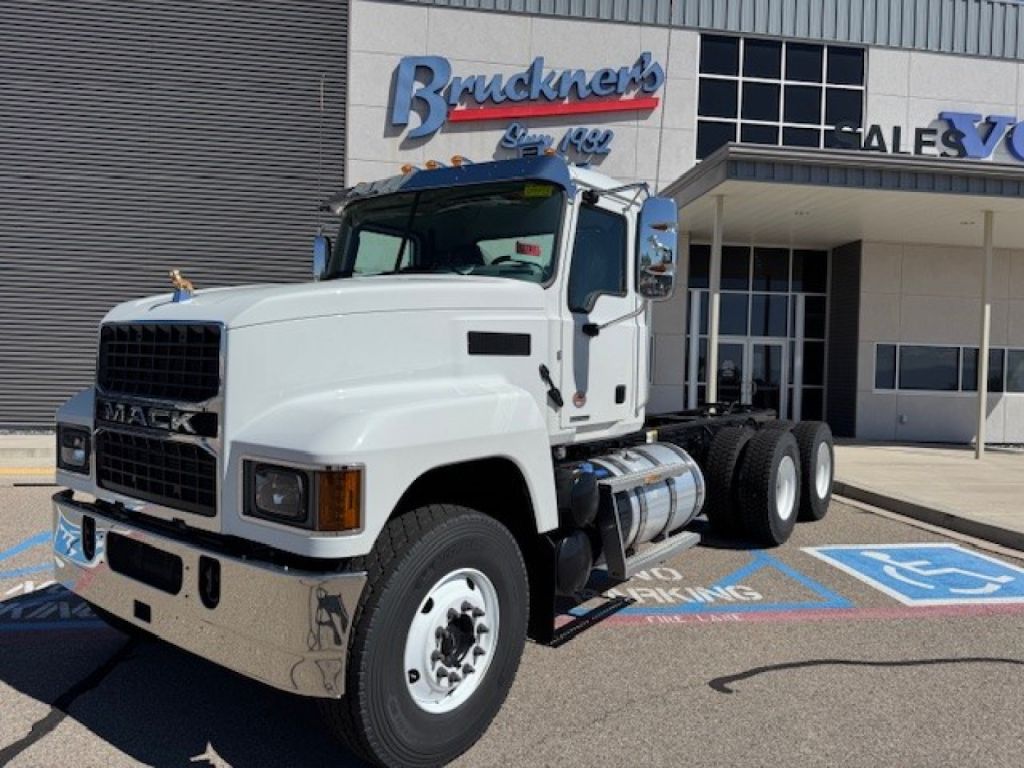
The 2026 truck market in New Mexico commonly includes medium-duty box trucks, vocational chassis, propane bobtails, vacuum tank trucks, and heavy-duty conventional day cabs. These trucks range from single axle delivery units around 26,000 to 33,000 GVWR up to tandem axle heavy-duty trucks above 50,000 GVWR. The right category depends on payload, body type, terrain, and whether the truck will be used for urban delivery, oilfield support, municipal service, or regional hauling.
What specs matter most when comparing 2026 trucks for sale?
The most important specs are GVWR, wheelbase, axle ratings, engine horsepower, transmission type, rear axle ratio, and suspension design. Wheelbase and cab-to-axle dimensions determine what bodies or tanks can be installed. Axle ratings and suspension capacity control legal payload and durability. Rear axle ratio affects launch performance, gradeability, and cruise RPM. Transmission choice matters for driver familiarity, PTO operation, and duty cycle, especially on delivery and vocational trucks.
Are automatic and automated manual transmissions both common in 2026 trucks?
Yes. Medium-duty trucks are often equipped with Allison automatic transmissions because they work well in stop-and-go delivery, route service, and body-equipped applications. Heavy-duty trucks commonly use automated manual transmissions such as Mack mDRIVE for fuel efficiency and reduced driver fatigue. The better choice depends on application, terrain, PTO requirements, and how much low-speed maneuvering the truck will see.
How does New Mexico operating terrain affect truck selection?
New Mexico buyers should account for hot temperatures, long highway distances, mountain grades, and, in some areas, oilfield or off-pavement conditions. Those factors make cooling performance, brake specification, axle ratio, and suspension setup more important than they might be in flatter or milder regions. Trucks used on grades or in vocational service often benefit from stronger horsepower and torque ratings, appropriate gearing, and chassis components designed for sustained heavy loads and rougher operating conditions.
What is the difference between a medium-duty truck and a heavy-duty truck in this market?
A medium-duty truck is usually a Class 6 or Class 7 chassis used for deliveries, service bodies, and smaller tank or box applications. These trucks prioritize maneuverability, easier body installation, and lower operating weight. A heavy-duty truck is typically a Class 8 chassis with higher axle capacities, stronger frames, and tandem axle configurations for larger payloads, severe-duty work, or tractor applications. The decision comes down to body weight, cargo weight, operating terrain, and how hard the truck will be worked each day.