
2026 Commercial Trucks For Sale in Colorado
Browse 2026 trucks for sale in Colorado, including highway tractors, vocational trucks, and medium-duty models with modern powertrain options.
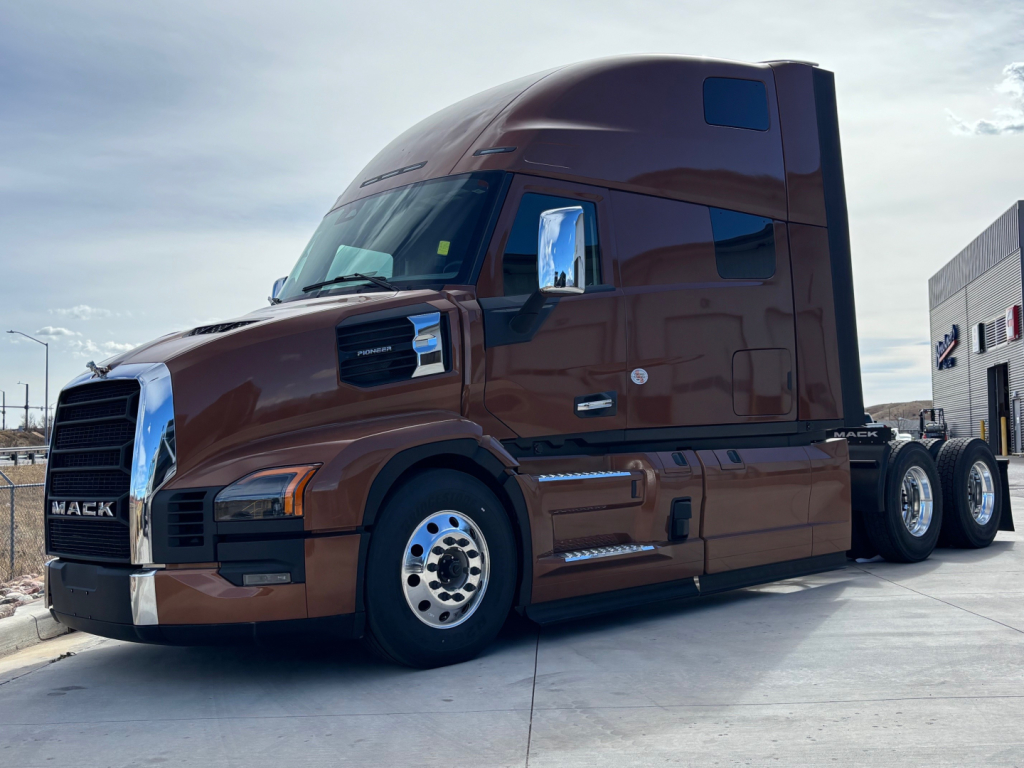
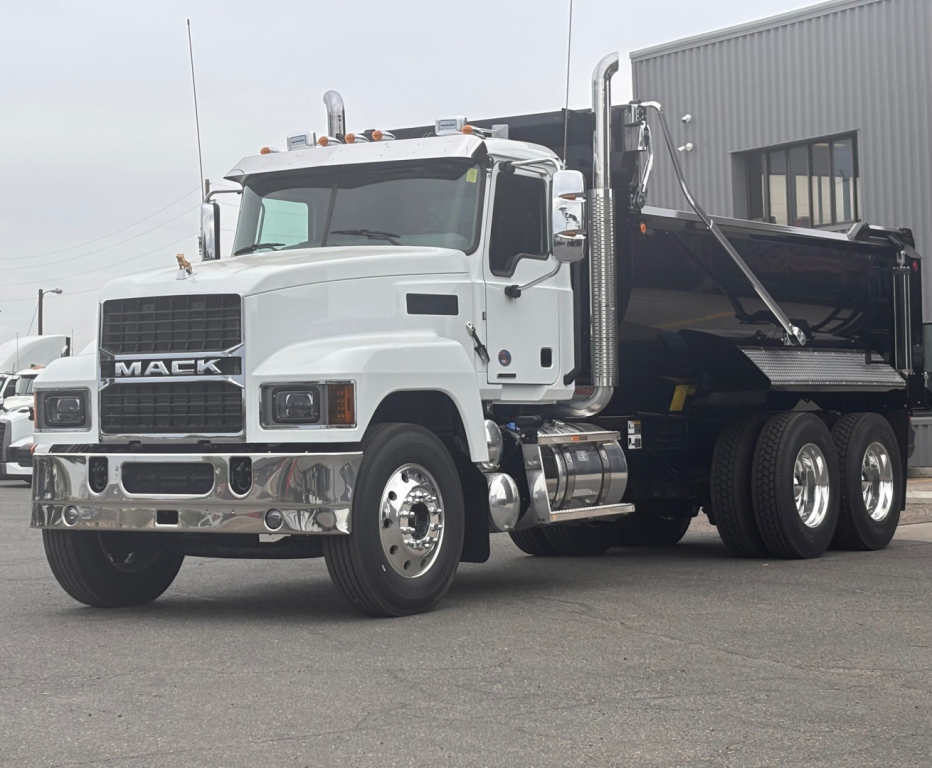
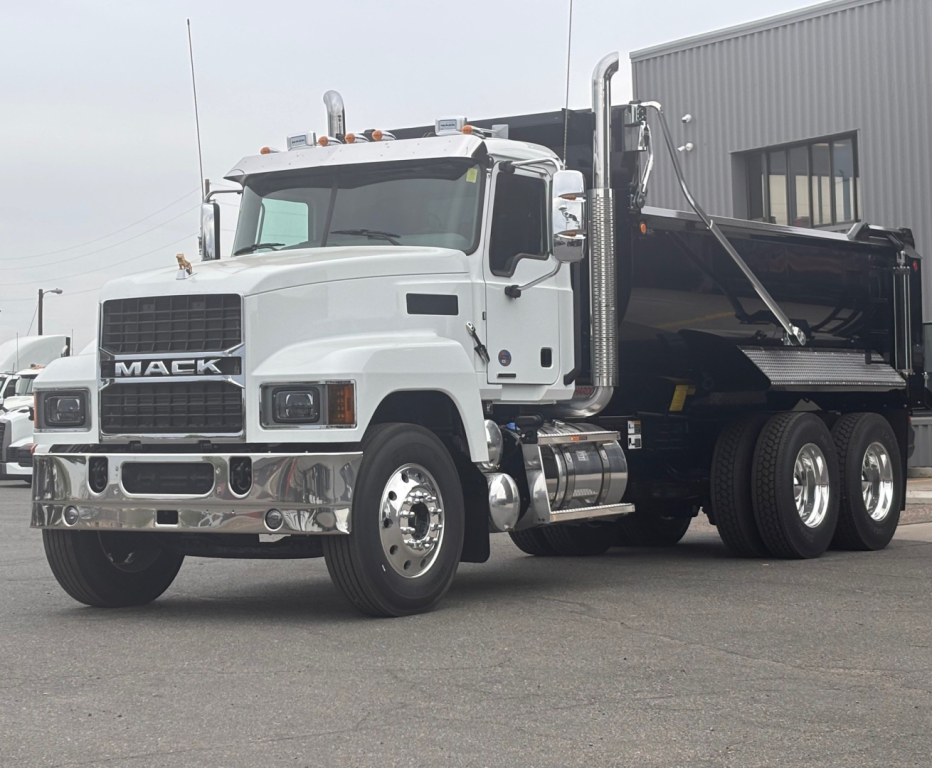
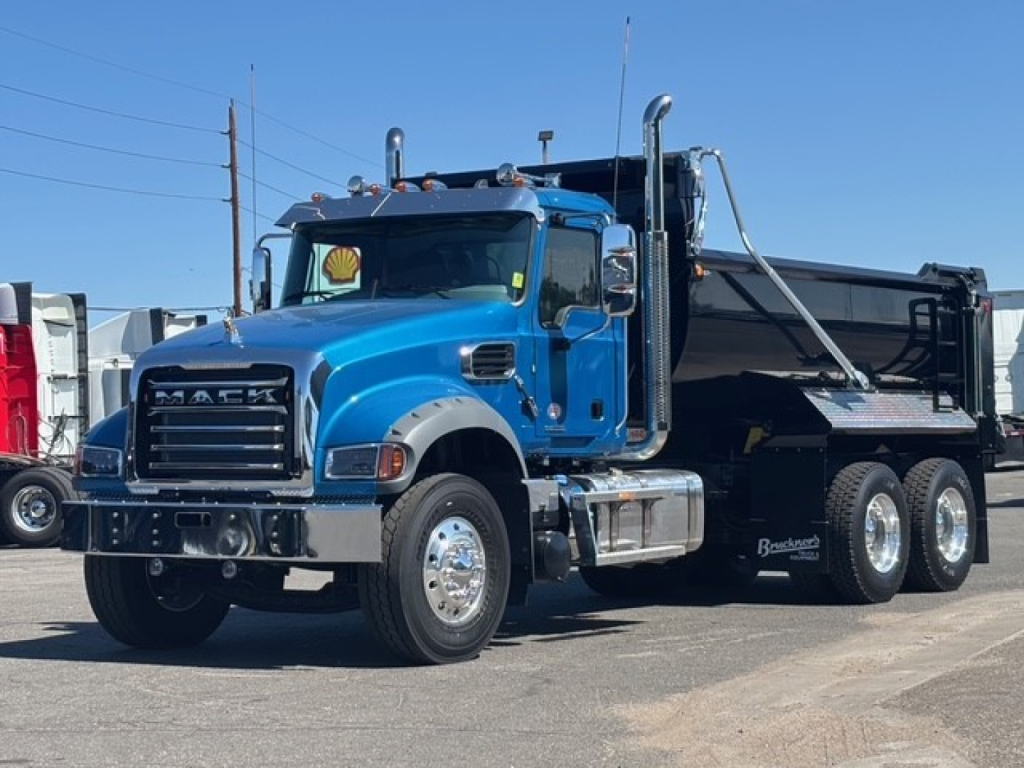
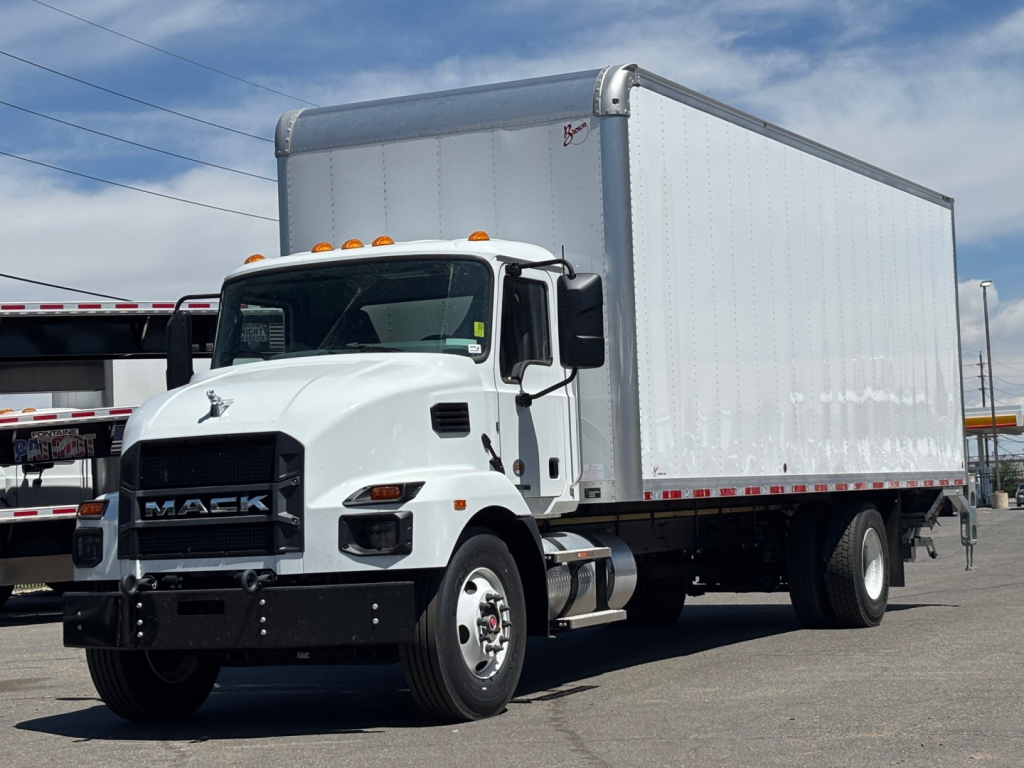
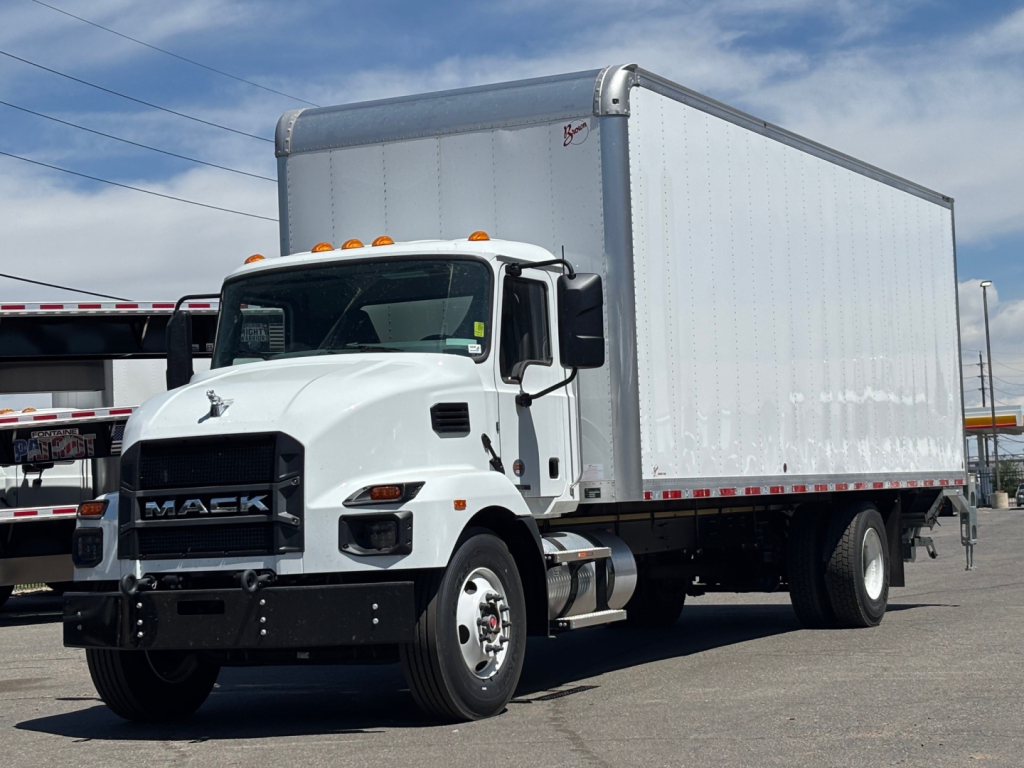
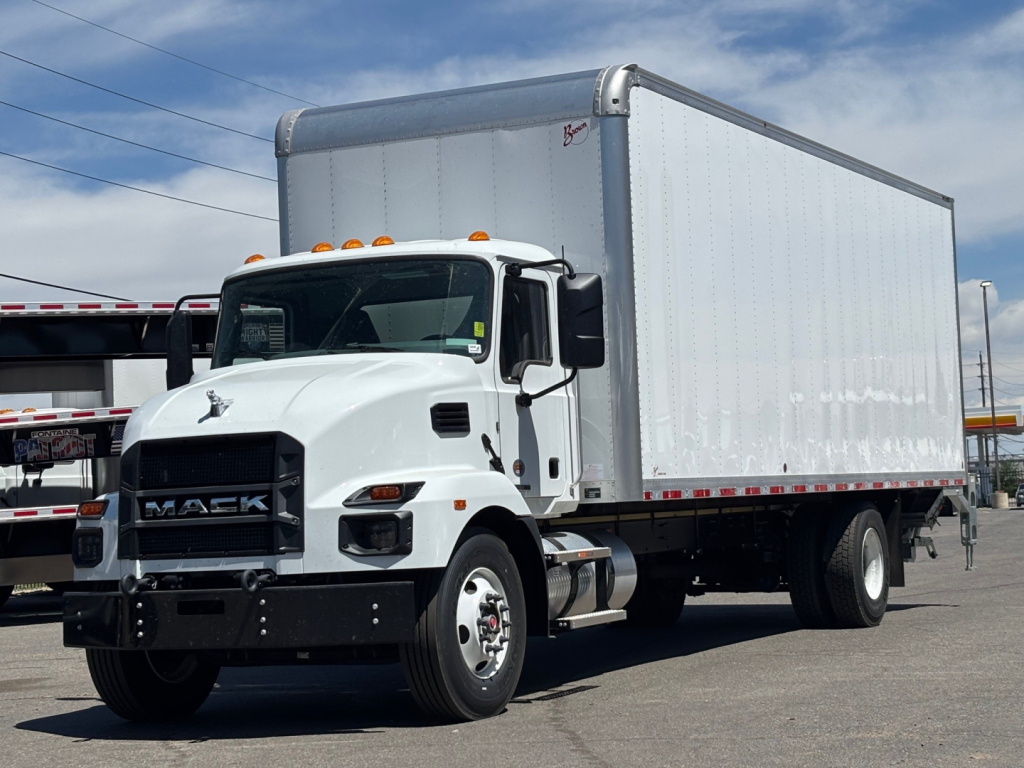
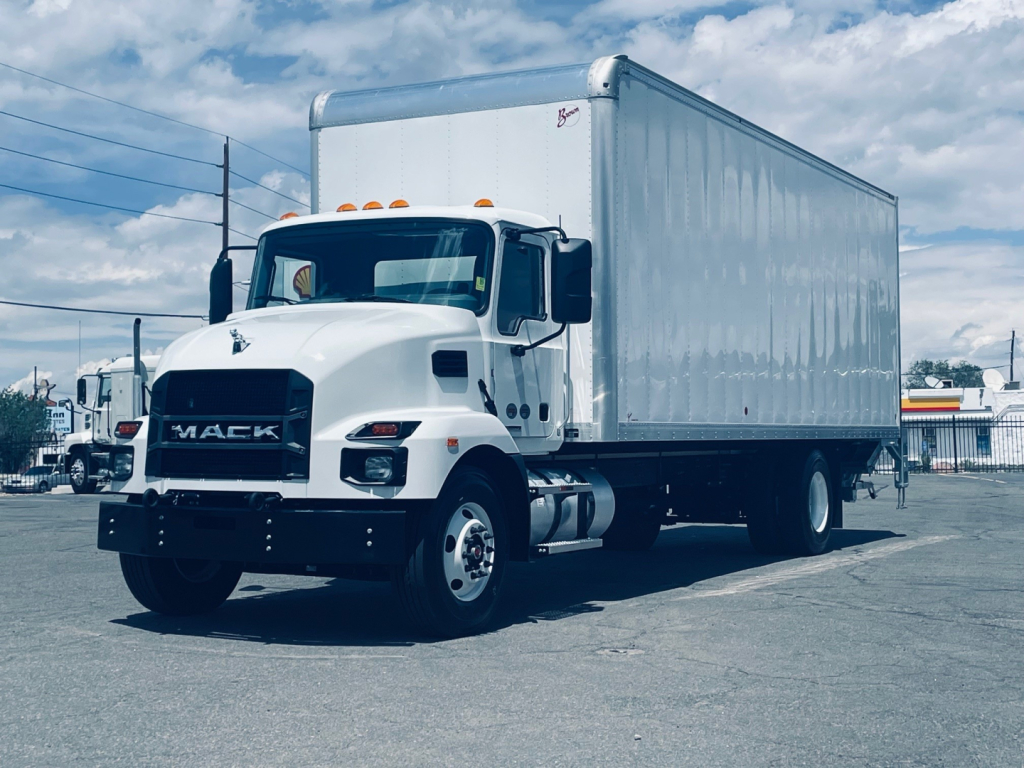
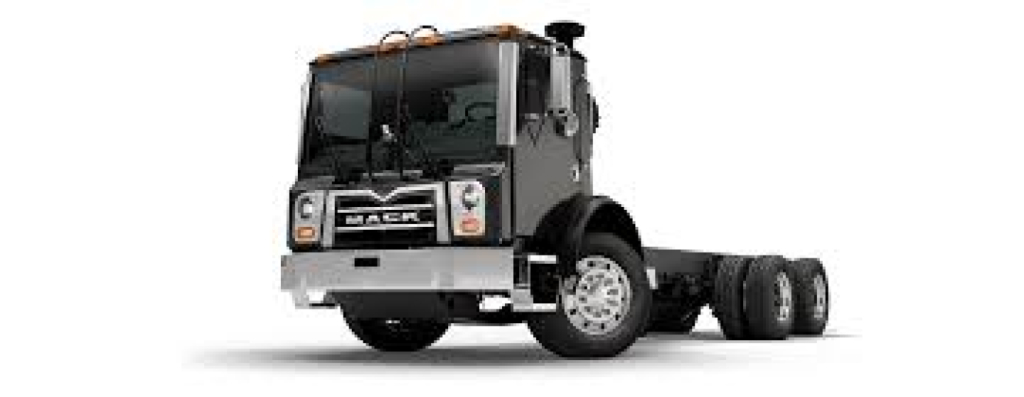
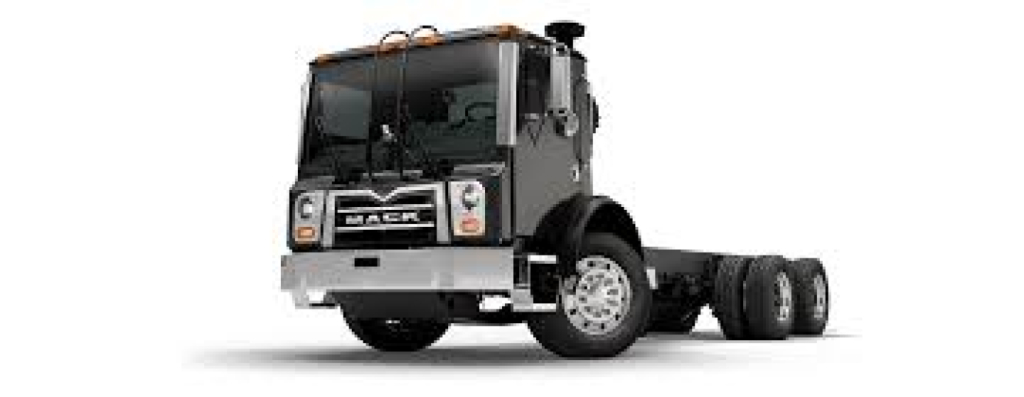
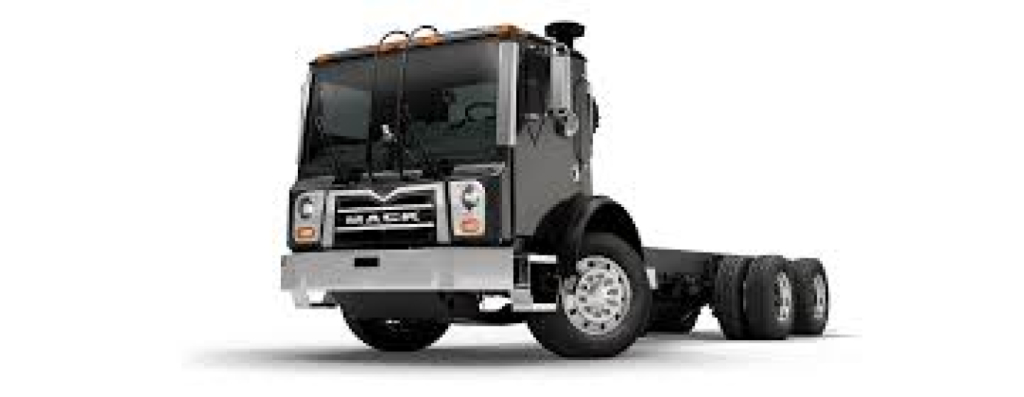
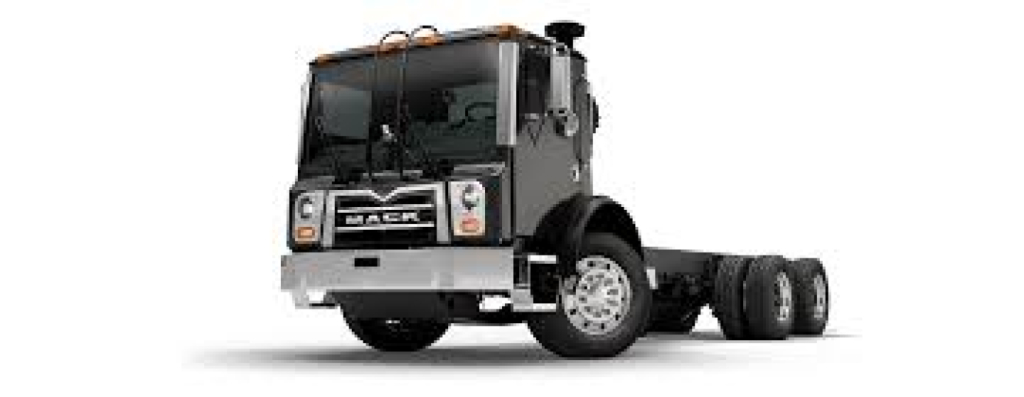
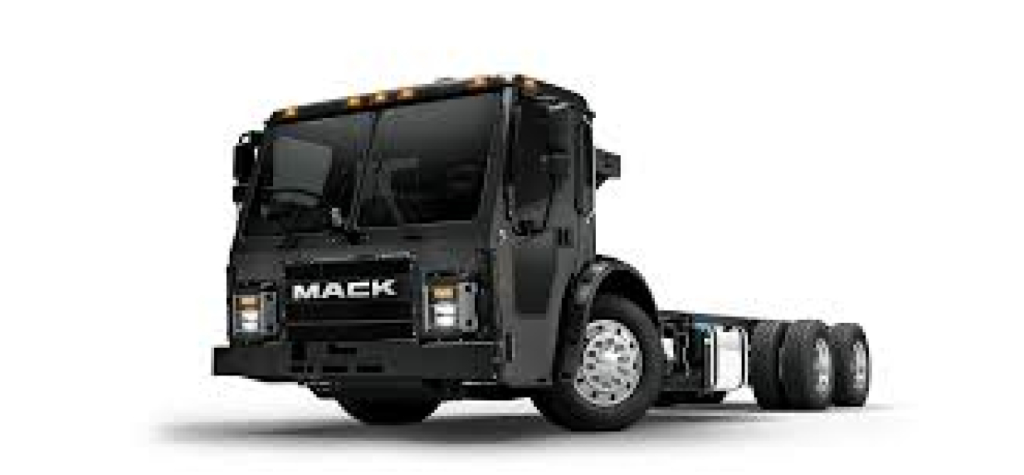
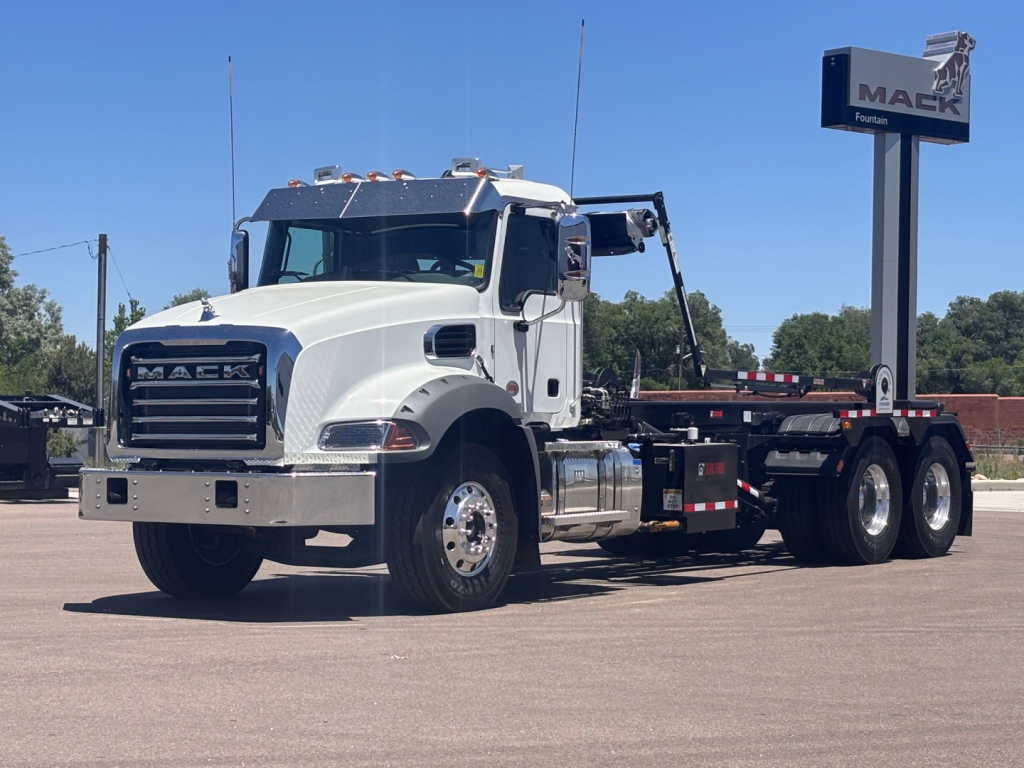
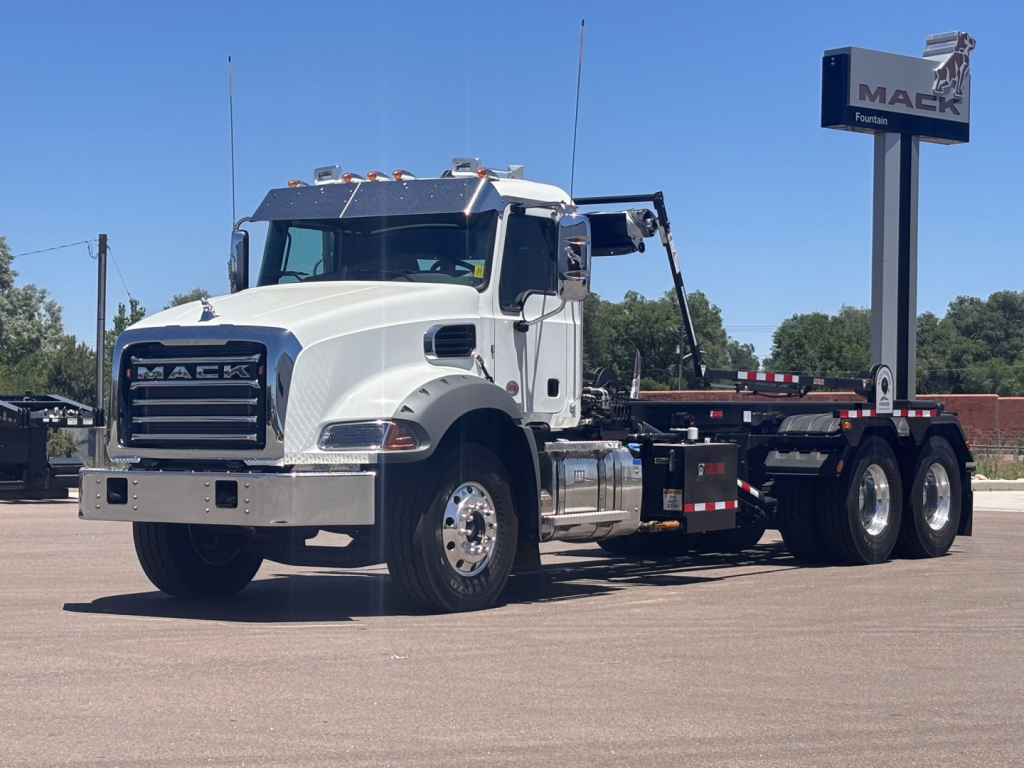
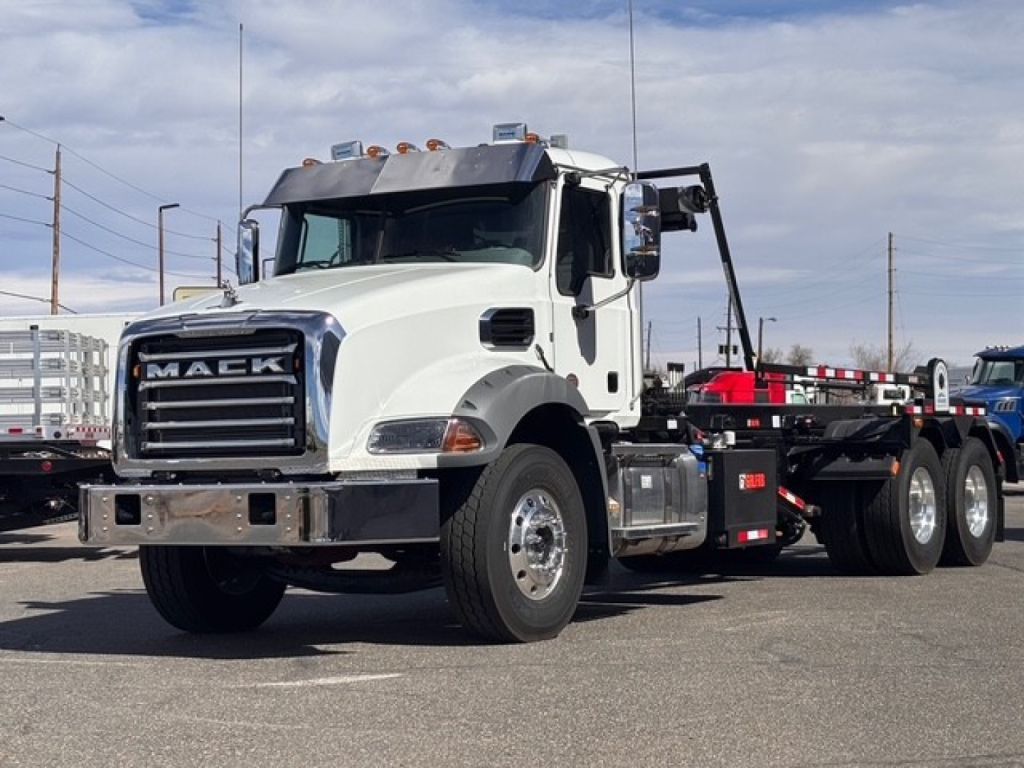
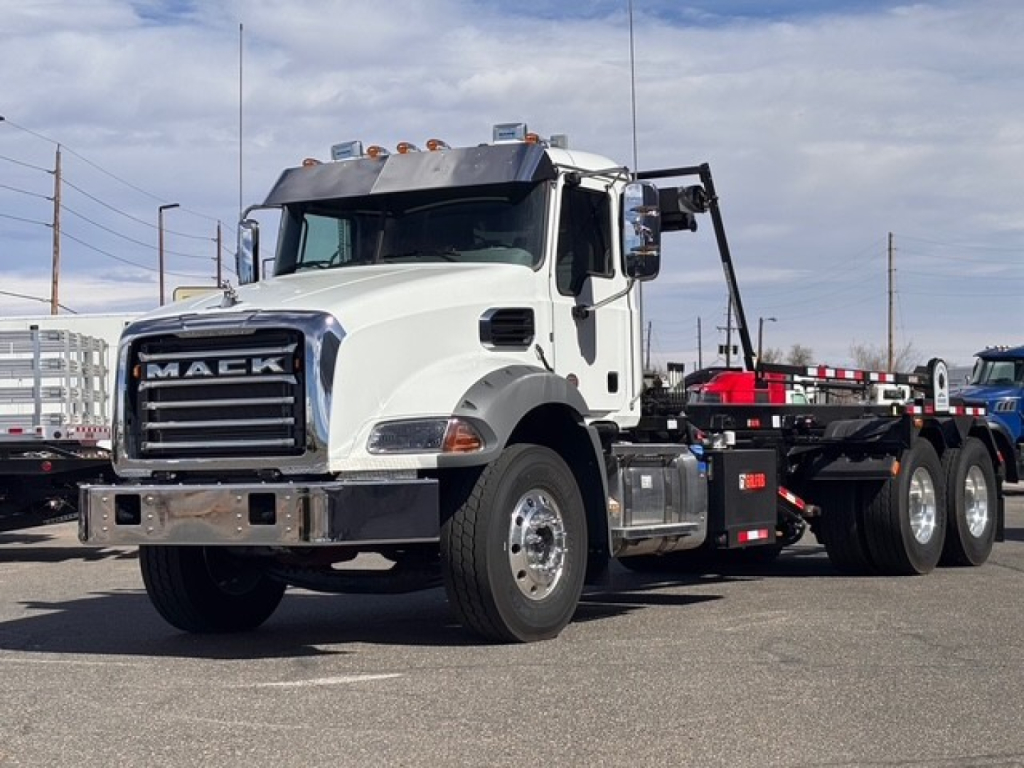
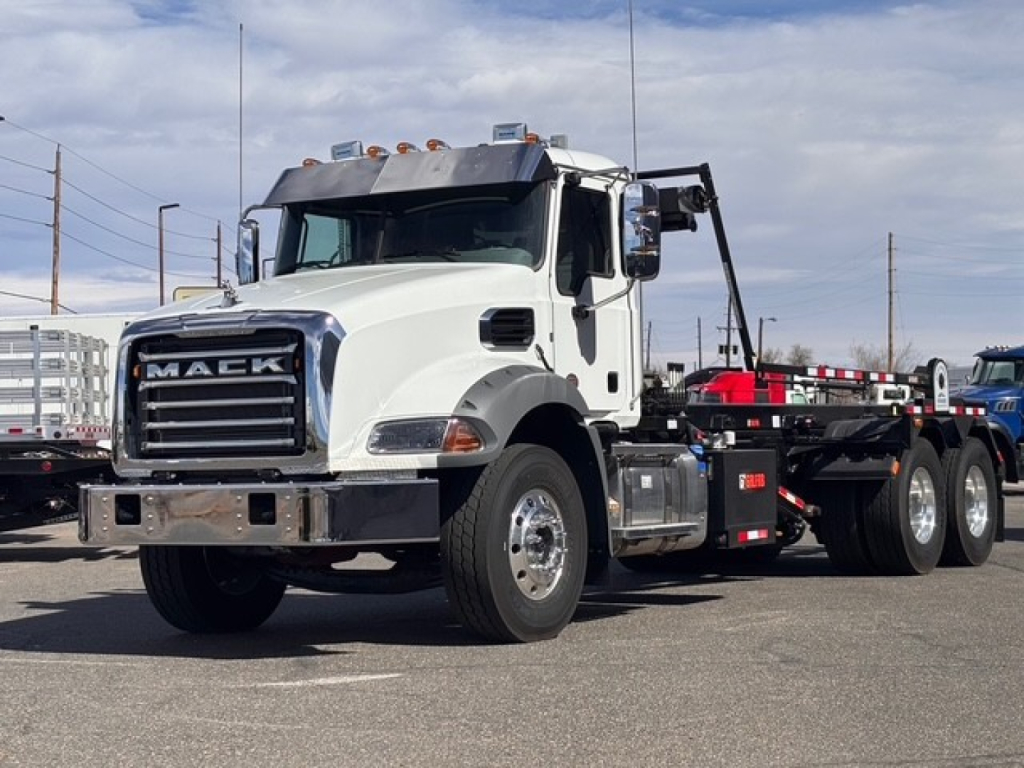
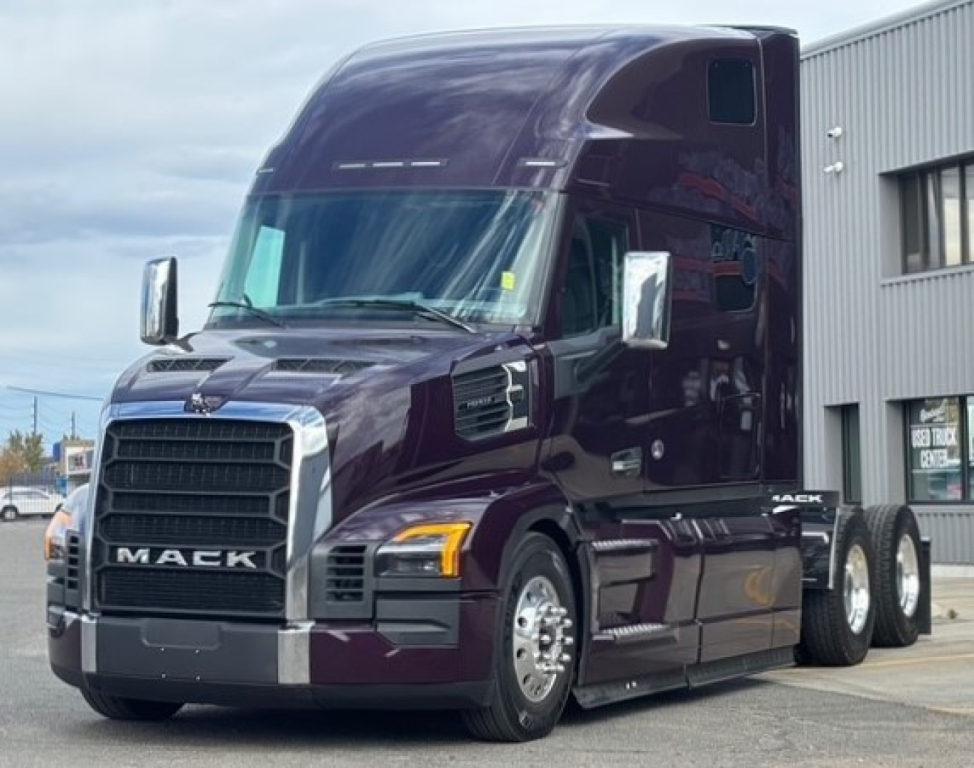
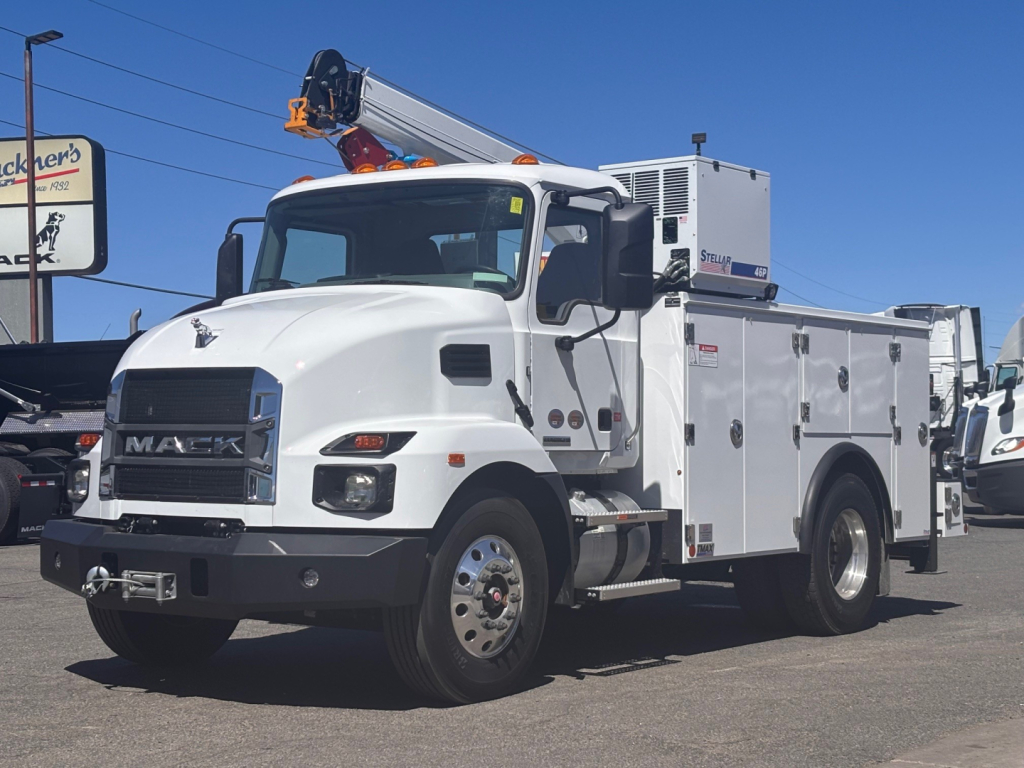

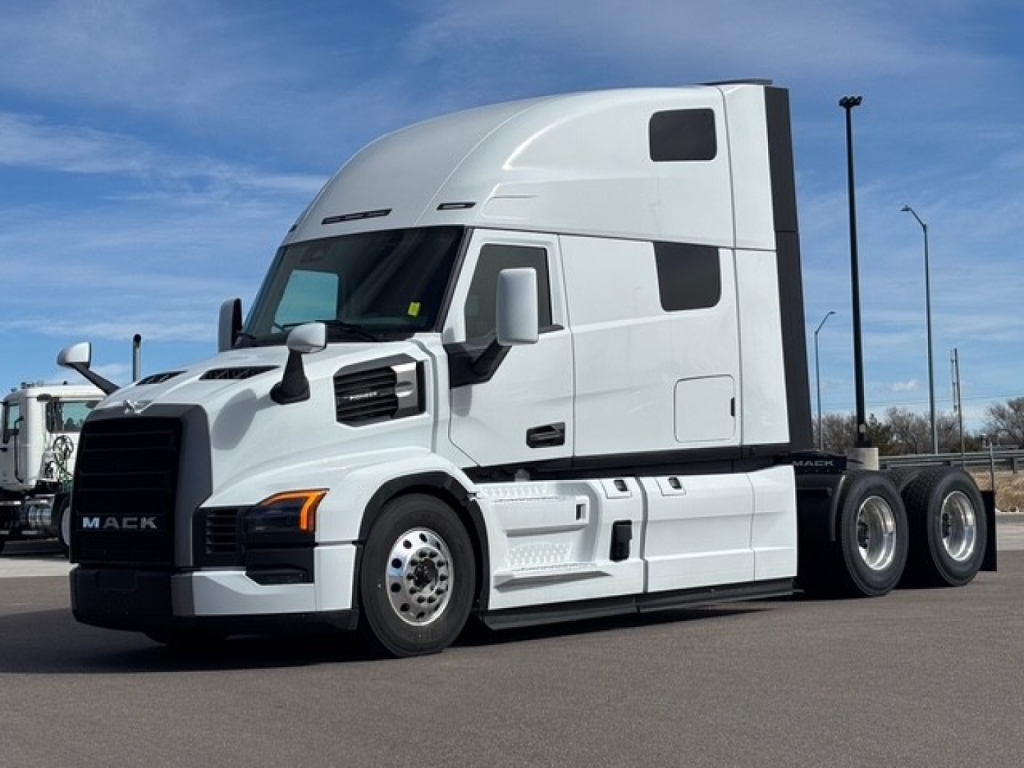
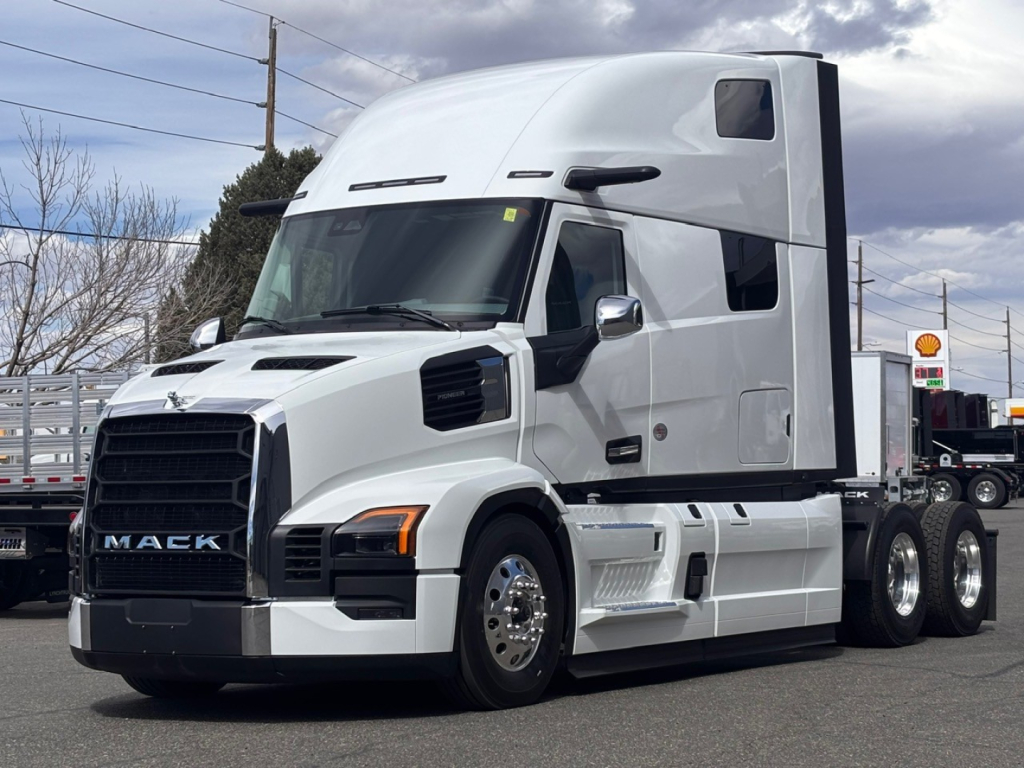
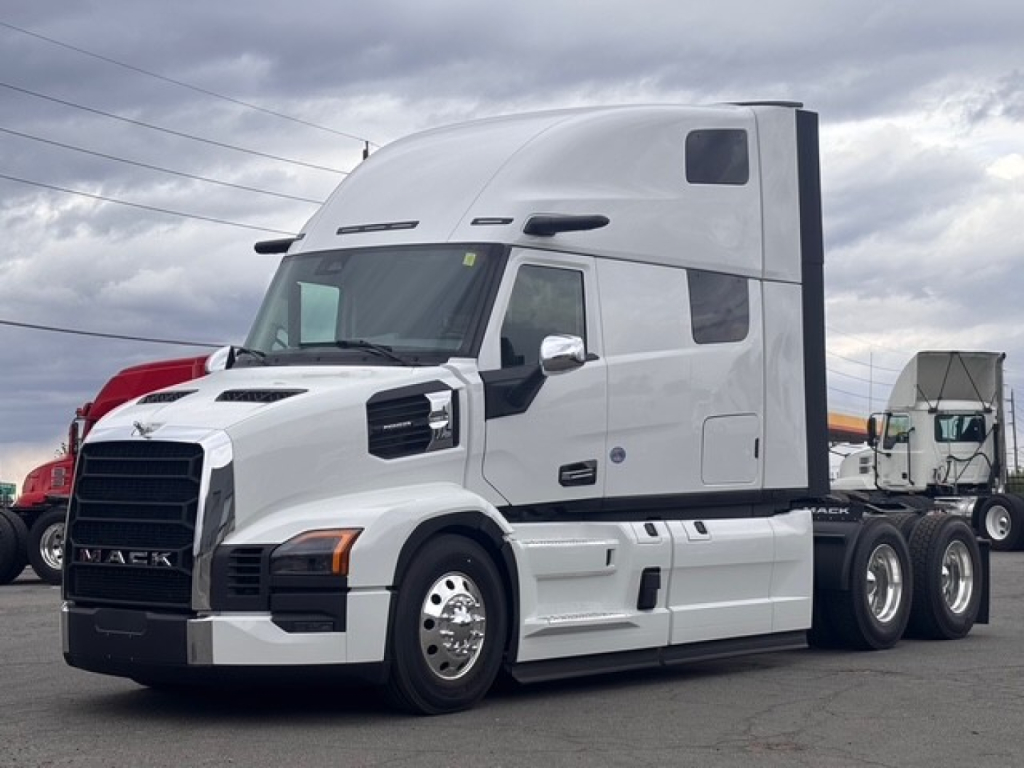
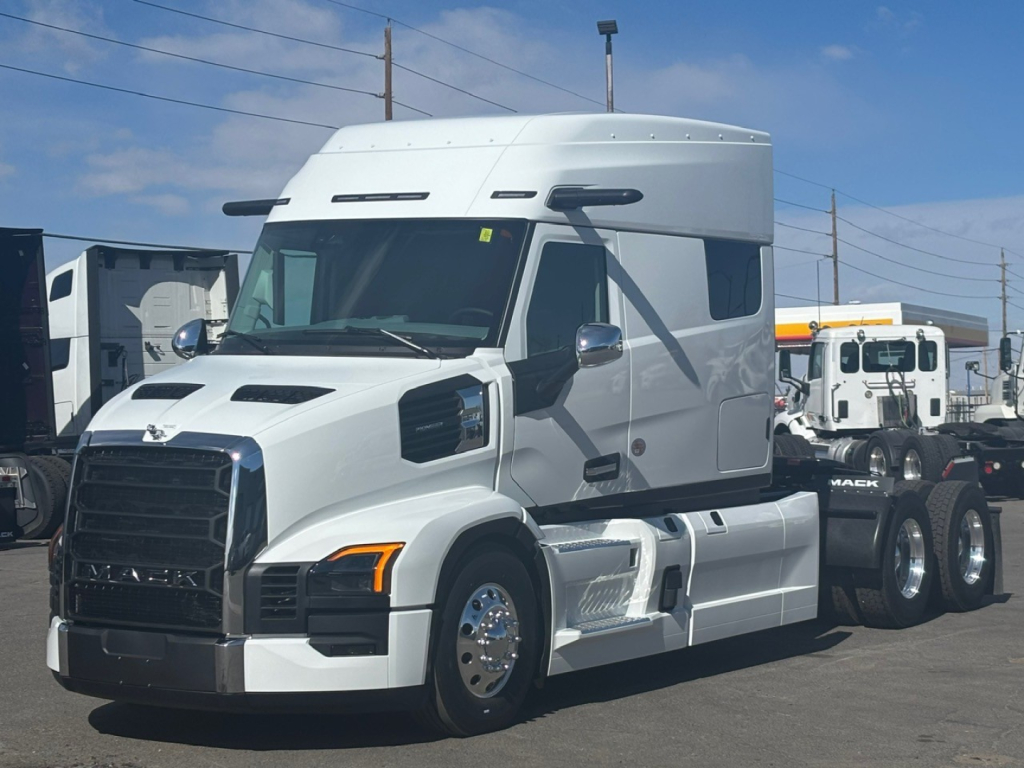
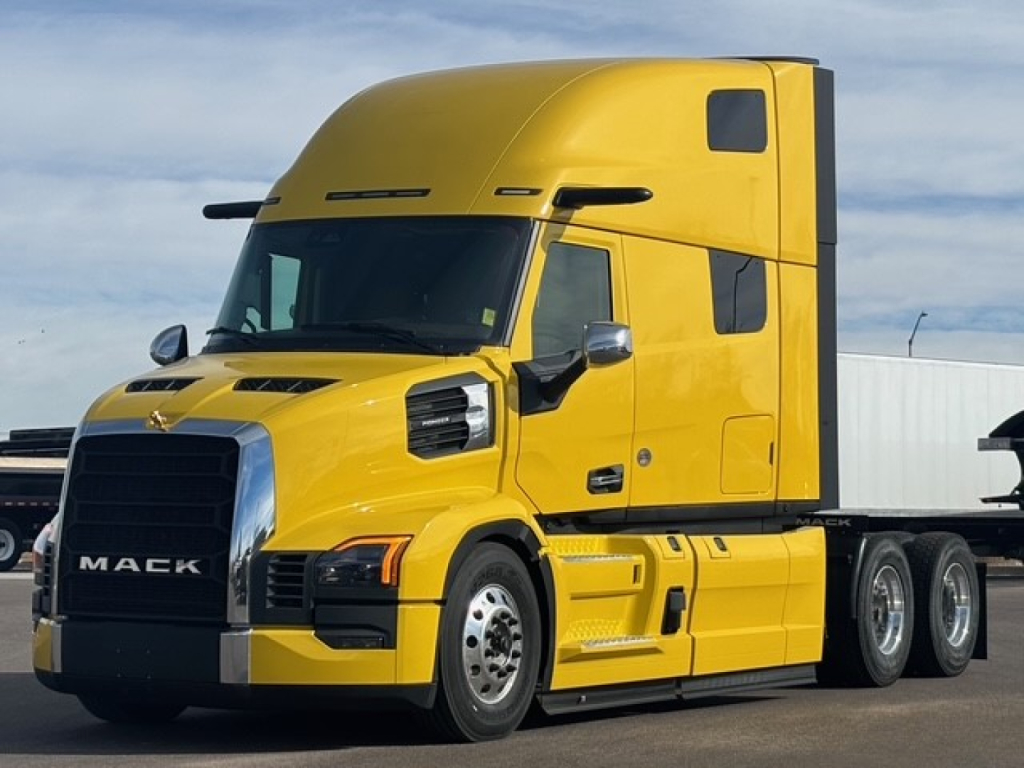
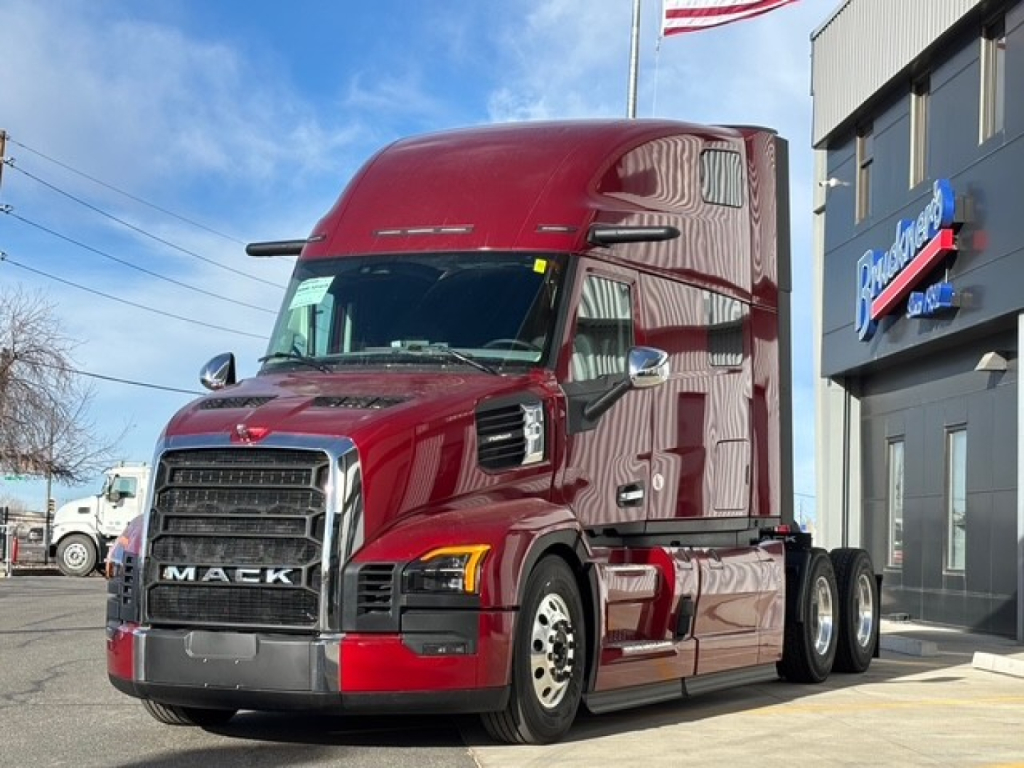
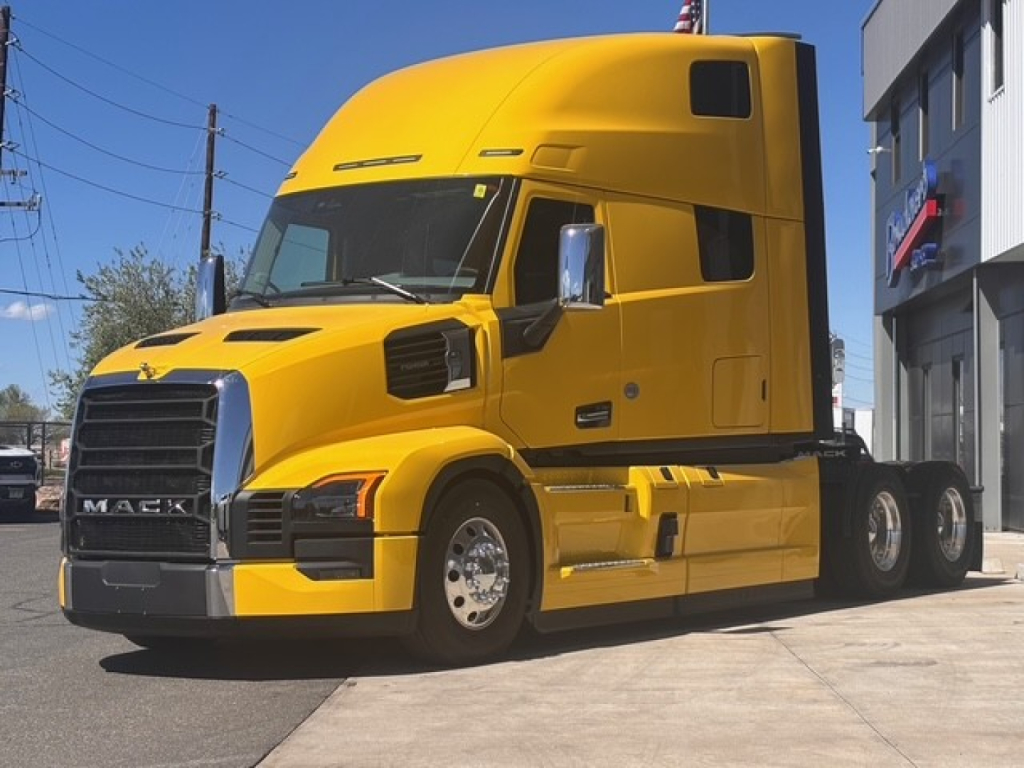
Showing 1 to 28 of 32 results
Selling a 2026 commercial truck? List your 2026 commercial truck for sale and reach thousands of commercial buyers.
2026 Commercial Trucks in Colorado
For over-the-road and regional hauling, 2026 conventional day cabs and sleeper trucks commonly feature diesel engines in the 400 to 500 horsepower range, automated manual transmissions, and 6x4 tandem-drive configurations. Wheelbase, fifth wheel travel, and rear axle ratio matter because they directly affect bridge law compliance, trailer compatibility, maneuverability, and cruising RPM. Buyers comparing road tractors should look closely at suspension type, fuel tank capacity, fairings, engine brake performance, and whether the truck is spec'd for van, reefer, flatbed, or heavier vocational trailer work. Newer aerodynamic packages and downsped drivetrains can lower operating costs, but they need to match the duty cycle and terrain.
Medium-duty and vocational 2026 trucks can include dump trucks, box trucks, step vans, service trucks, and chassis built for upfit. GVWR often ranges from around 19,500 to 33,000 pounds in medium-duty applications, while heavier vocational models may use tandem rear axles, double-frame construction, PTO provisions, and severe-service suspensions. Electric truck options are also becoming more visible in urban and return-to-base operations, especially for delivery routes where predictable mileage, quiet operation, and reduced idle time matter. On these trucks, battery range, charging compatibility, payload impact, and body integration are just as important as horsepower figures.
Colorado buyers should also pay attention to brake configuration, tire size, axle ratings, and body or frame corrosion exposure from winter road treatment. A truck that works well on the Front Range may need a different spec for mountain routes, aggregate hauling, or stop-and-go city delivery. The strongest 2026 truck specs are the ones aligned to the actual job: proper gearing for grades, suspension matched to payload, cab layout suited to route length, and enough frame and axle capacity to support the body, equipment, or trailer it will handle every day.
Frequently Asked Questions about 2026 Commercial Trucks in Colorado
What types of 2026 trucks are most common in Colorado?
The most common 2026 trucks in Colorado usually include conventional day cabs, sleeper tractors, dump trucks, box trucks, step vans, and other medium-duty vocational chassis. Demand tends to be strongest for trucks that can handle a mix of highway miles, elevation changes, and seasonal weather, so buyers often focus on versatile specs such as tandem-drive tractors, strong engine brakes, and medium-duty platforms that can be easily upfitted for delivery, utility, or construction work.
What should I look for in a 2026 highway truck for mountain driving?
For mountain driving, focus on torque, engine brake performance, rear axle ratio, transmission programming, and cooling system capacity. A truck built for flatter regional lanes may be efficient on paper but underwhelming on long grades or in winter conditions. Buyers operating in Colorado often prefer a spec that balances fuel economy with gradeability, especially if the truck will pull at higher gross weights through the Rockies or on mixed regional routes.
Are 2026 electric trucks practical for commercial use?
2026 electric trucks can be practical for the right duty cycle, especially local and return-to-base operations such as parcel delivery, municipal service, and urban distribution. The key buying factors are usable range under payload, charging access, battery warranty terms, and how the truck performs in cold weather or at elevation. Electric trucks are generally less suitable for long, variable routes unless charging infrastructure and route planning are already in place.
How important is axle ratio on a 2026 truck?
Axle ratio is one of the most important spec decisions because it affects launch performance, grade climbing, cruising RPM, and fuel economy. A faster ratio can help with heavy loads and mountain routes, while a taller ratio may improve efficiency on steady highway runs. On a 2026 truck with an automated transmission, the axle ratio also works closely with transmission calibration, so the best choice depends on terrain, trailer weight, and average road speed.
What makes a good 2026 vocational truck spec?
A good vocational truck spec starts with the job requirement, not the badge on the hood. Buyers should confirm GVWR, front and rear axle ratings, frame strength, suspension type, PTO capability, wheelbase, and body compatibility before comparing cosmetic features. For dump, construction, or severe-service work in Colorado, durability items such as heavy suspensions, locking differentials, proper tire selection, and brake configuration usually matter more than highway comfort options.