
2026 Box Trucks For Sale in Colorado
Shop 2026 box trucks for sale in Colorado. Compare dry van bodies, liftgates, GVWR, cargo dimensions, and under-CDL delivery specs.
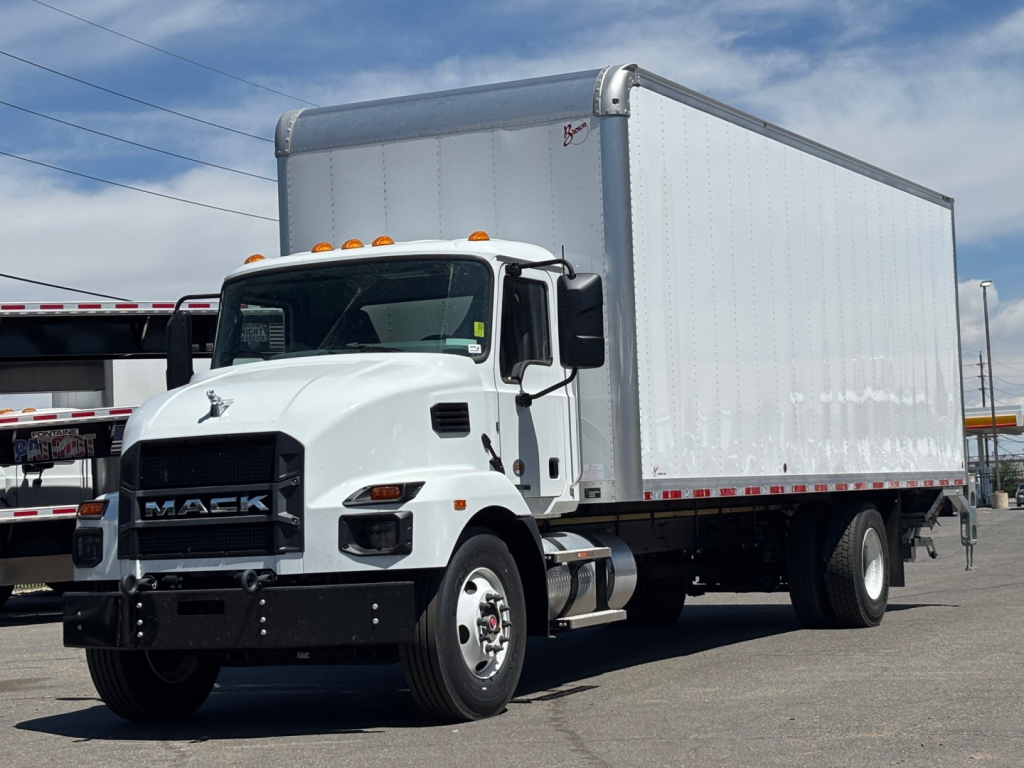
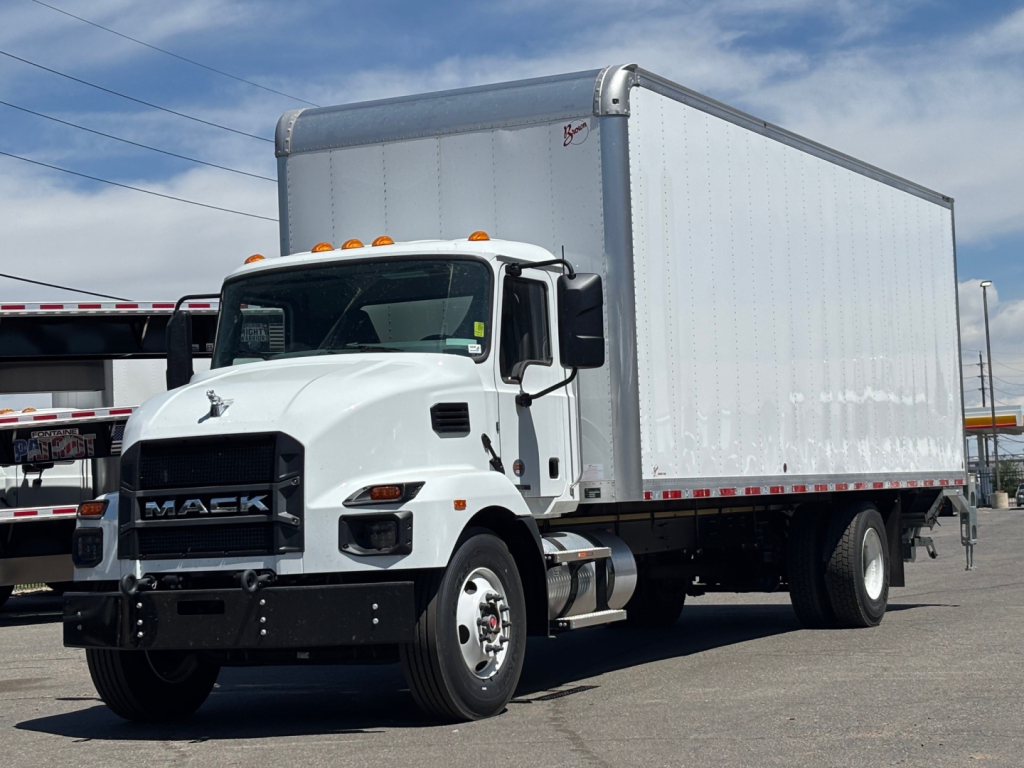
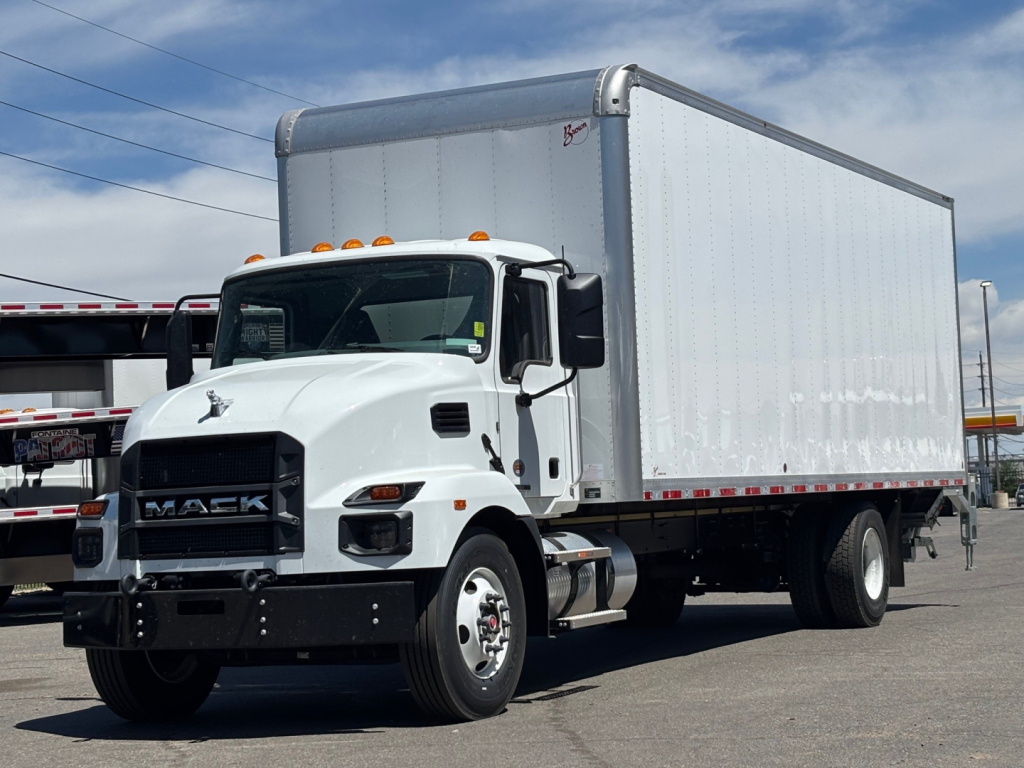
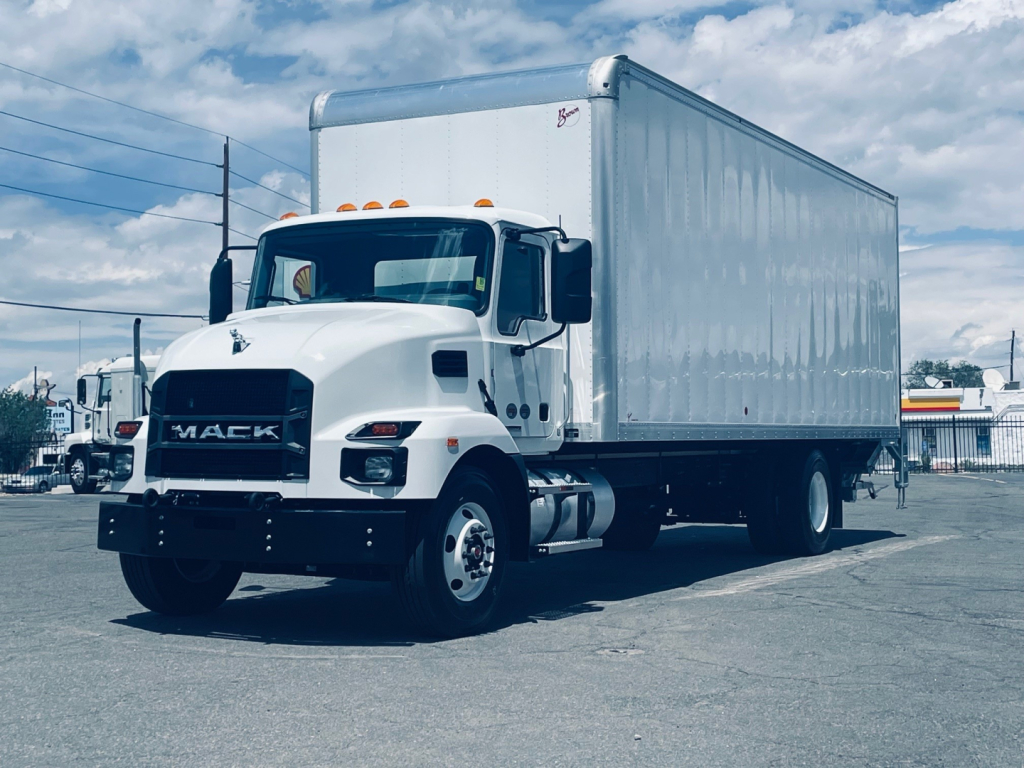
Selling a 2026 box truck? List your 2026 box truck for sale and reach thousands of commercial buyers.
2026 Box Trucks in Colorado
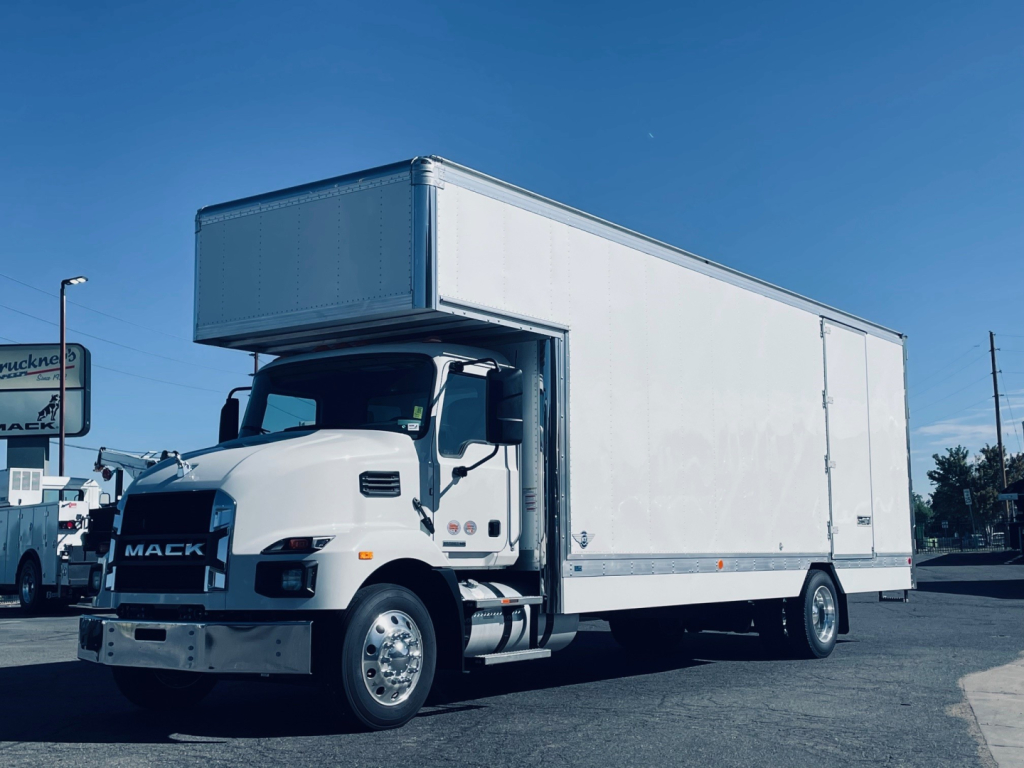
Most late-model box trucks in this class are built on medium-duty chassis from brands such as Mack, Isuzu, Freightliner, International, Hino, and Chevrolet. Common powertrains include diesel engines in the 6.7-liter range paired with Allison automatic transmissions, a combination favored for stop-and-go durability and simple driver training. Body lengths commonly run from 16 to 26 feet, with 24-foot and 26-foot bodies especially common for furniture, appliance, parcel, and general freight work. Cargo body details matter more than many first-time buyers expect. Composite or aluminum wall construction, hardwood or laminated floors, galvanized or aluminum scuff liners, E-track placement, roll-up rear doors, interior height, and bulkhead reinforcement all affect how well the truck fits your freight and how expensive it will be to keep in service.
Colorado buyers should also think about operating environment, not just body size. Front Range delivery routes, mountain grades, winter weather, and mixed urban-suburban stops can all influence the right spec. A higher-horsepower engine, proper rear axle ratio, and an automatic transmission calibrated for grade performance can make a noticeable difference when the truck spends time west of Denver or carries dense loads at elevation. Liftgates are another major decision point. Capacities around 2,500 to 3,300 pounds are common on delivery box trucks, but platform size, cart-stop setup, and dock use should match the freight. If the truck will handle pallets, beverages, appliances, or medical equipment, rear frame design and liftgate spec deserve close attention.
The strongest 2026 box truck specs usually balance cargo cube, payload, and ease of use instead of chasing the longest body available. Check inside height and width, rear door opening, floor condition or floor material, tiedown layout, and roof construction before comparing engines on paper. For moving and final-mile work, features such as composite side walls, recessed E-track, LED cargo lighting, and durable rear frames can be just as important as horsepower. A well-matched box truck should load easily, protect freight, stay legal on your routes, and keep drivers productive across repeated delivery cycles.
Frequently Asked Questions about 2026 Box Trucks in Colorado
What is the difference between an under-CDL box truck and a CDL box truck?
The main difference is gross vehicle weight rating. An under-CDL box truck is typically rated at 25,995 lbs GVWR so it stays below the 26,001-lb threshold that generally triggers a CDL requirement for the truck itself. That makes it attractive for delivery and moving operations that want a broader hiring pool. A CDL-rated straight truck can carry more payload, but licensing, insurance, and driver availability may become more restrictive depending on the exact configuration and use.
What box truck length is most common for delivery and moving work?
The most common lengths are 24 feet and 26 feet because they offer strong cargo cube for furniture, appliances, parcel freight, and general route work without moving into larger commercial truck territory. Shorter 16-foot to 20-foot bodies are often better for tight urban routes and lighter freight. The right length depends on your freight density, stop frequency, dock access, and whether maneuverability or cubic capacity is more important in daily operation.
What features should I check on the cargo body of a 2026 box truck?
Focus on body construction and freight-control details, not just the chassis. Important items include inside dimensions, door opening height, floor material and thickness, scuff liners, E-track location, roof design, rear frame material, lighting, and whether the body uses composite, aluminum, or sheet-and-post construction. These details affect durability, loading speed, freight protection, and repair cost. For moving and final-mile delivery, liftgate capacity and platform size are also critical.
Is a diesel engine with an Allison automatic a good setup for a box truck?
Yes. In medium-duty box trucks, a diesel engine in the 6.7-liter class paired with an Allison automatic is a common and proven combination. It works well in stop-and-go service, is easy to train drivers on, and generally provides the torque needed for loaded starts, city delivery, and moderate grade work. The exact horsepower and rear axle ratio still matter, especially in Colorado where elevation and mountain routes can expose an under-spec'd truck quickly.
What should Colorado buyers look for in a box truck spec?
Colorado operators should pay close attention to powertrain performance at elevation, cooling capacity, brake condition, tire choice, and traction needs for winter service. If the truck will run mountain corridors or carry heavier loads, horsepower, torque, and axle ratio become more important than they might be in flatter regions. Buyers should also confirm that the body and liftgate are matched to the freight because steep grades and repeated stop-start cycles put extra strain on both the chassis and cargo-handling equipment.