
2026 Box Trucks For Sale
Shop 2026 box trucks for delivery, moving, and route work. Compare GVWR, body lengths, liftgates, cargo access, and drivetrain specs.
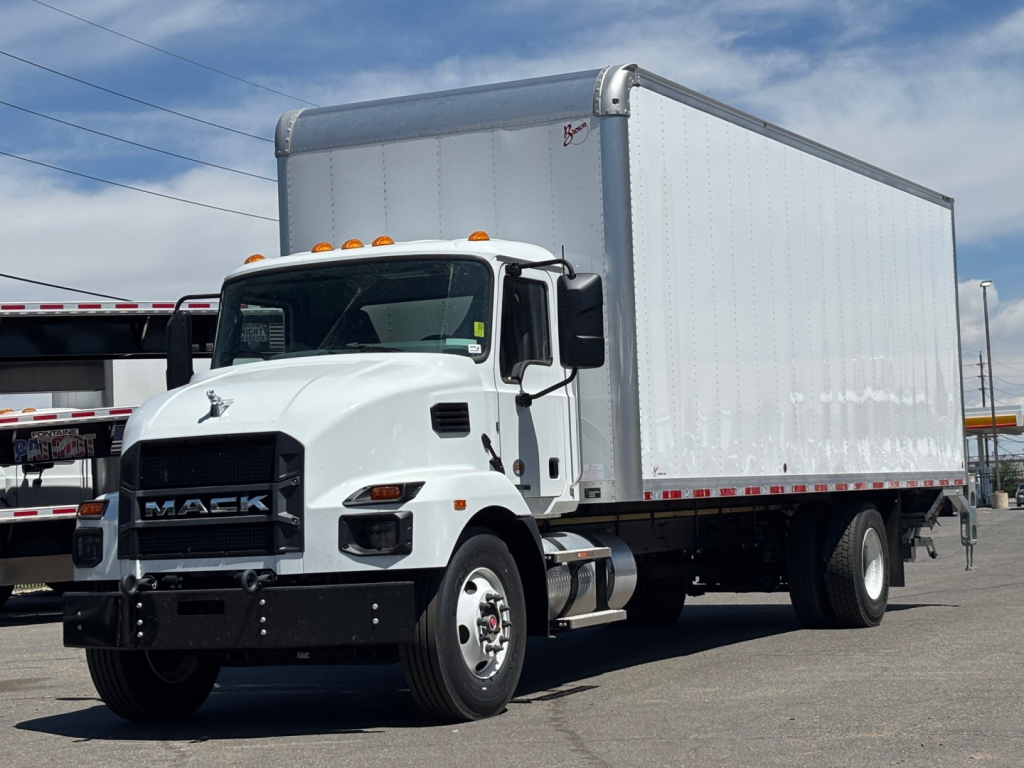
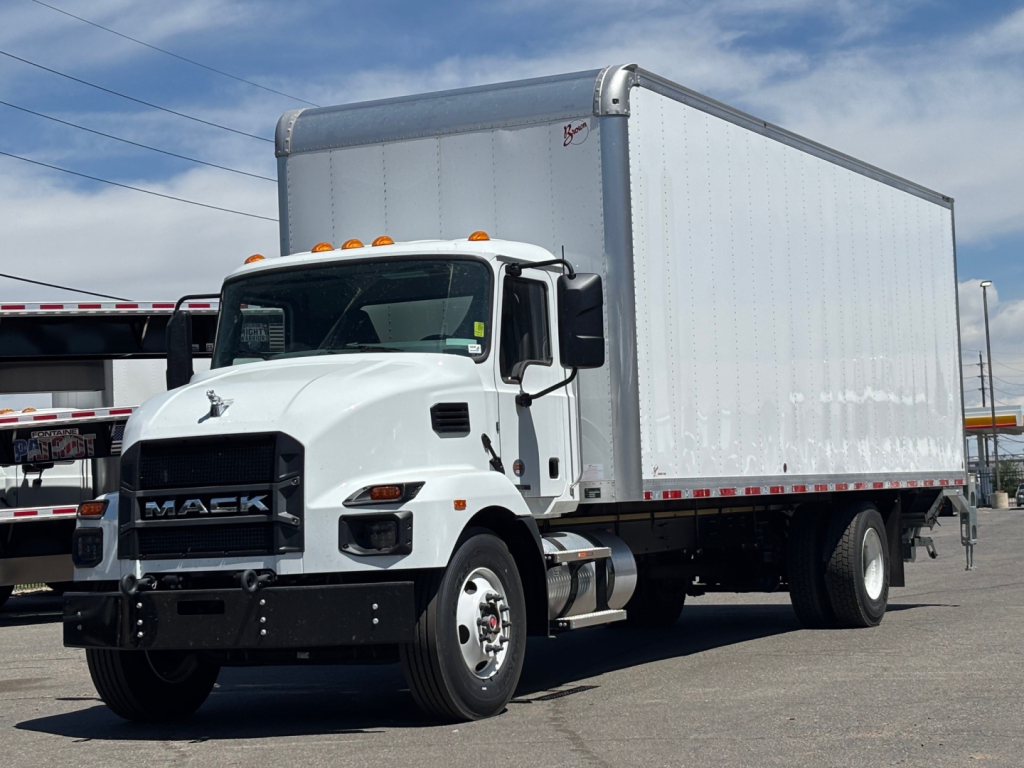
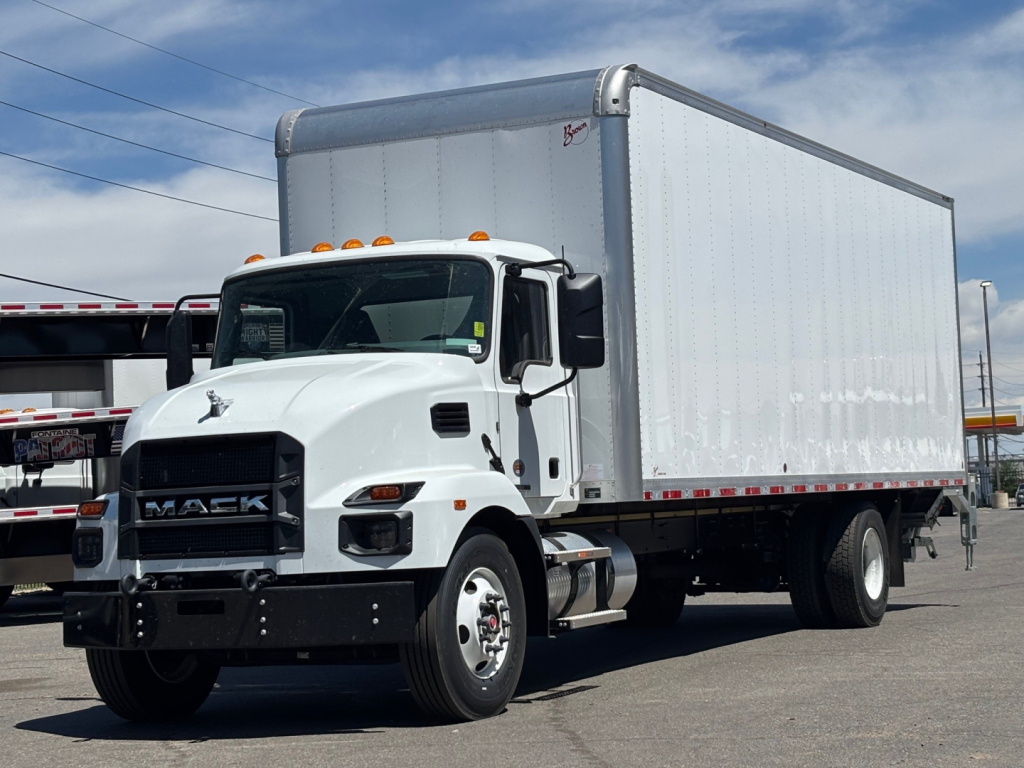
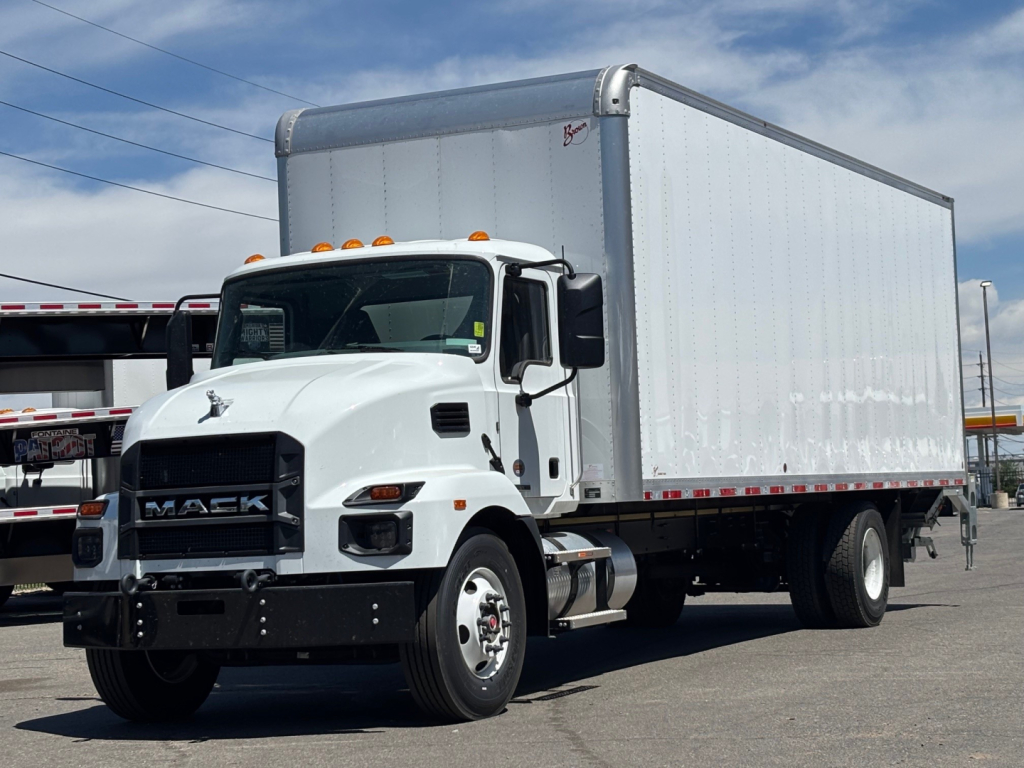
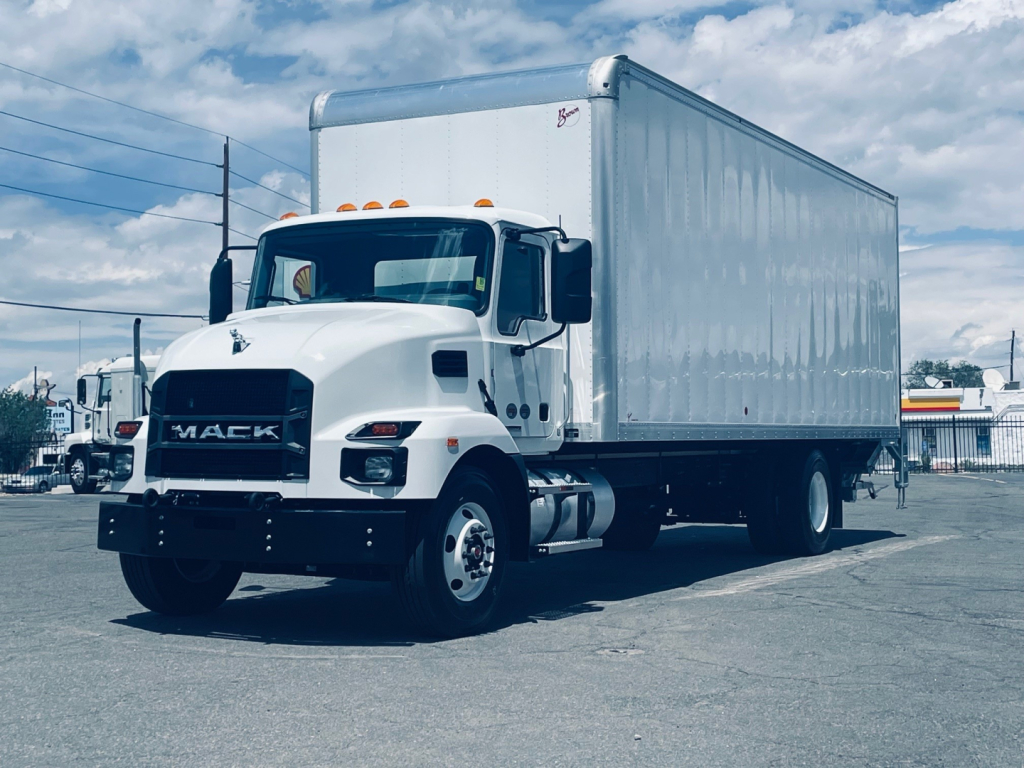
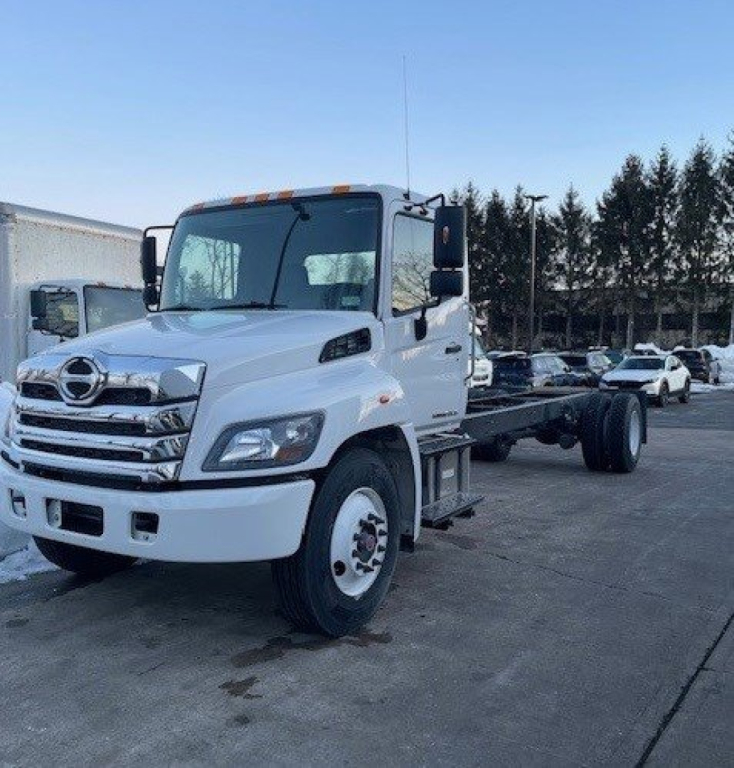
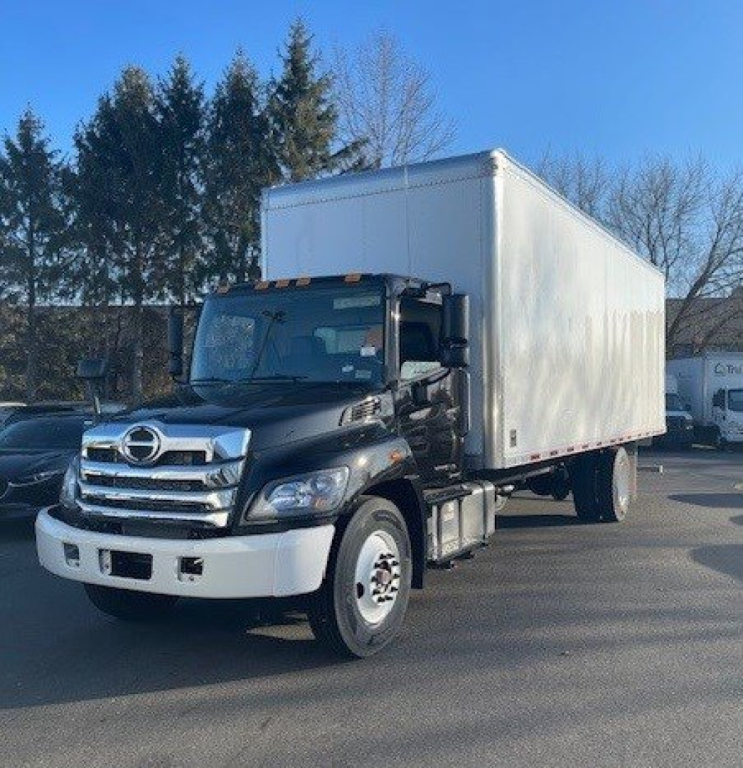
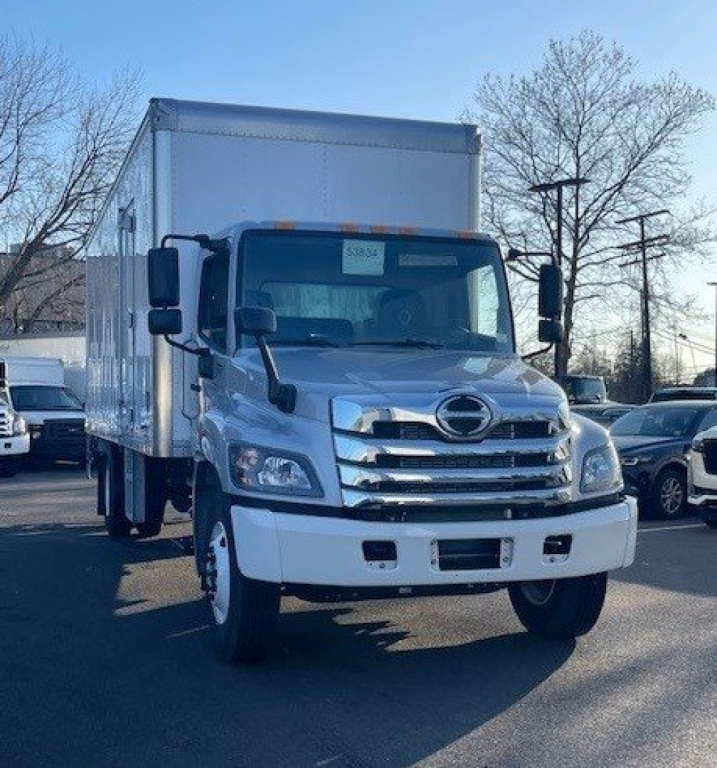
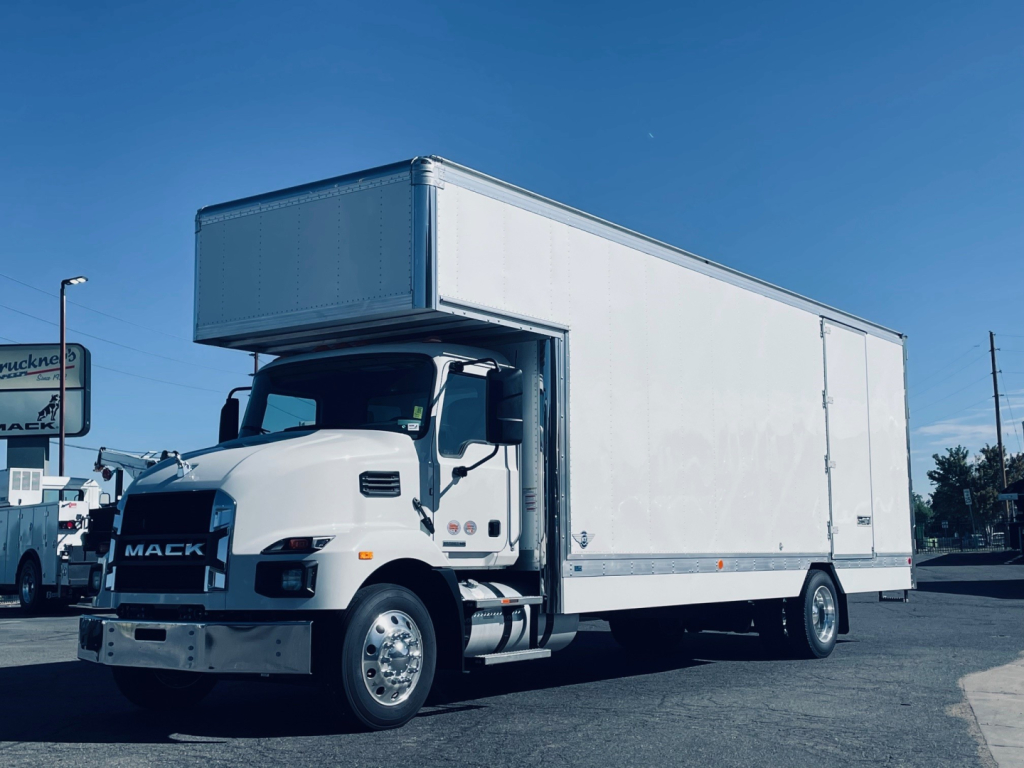
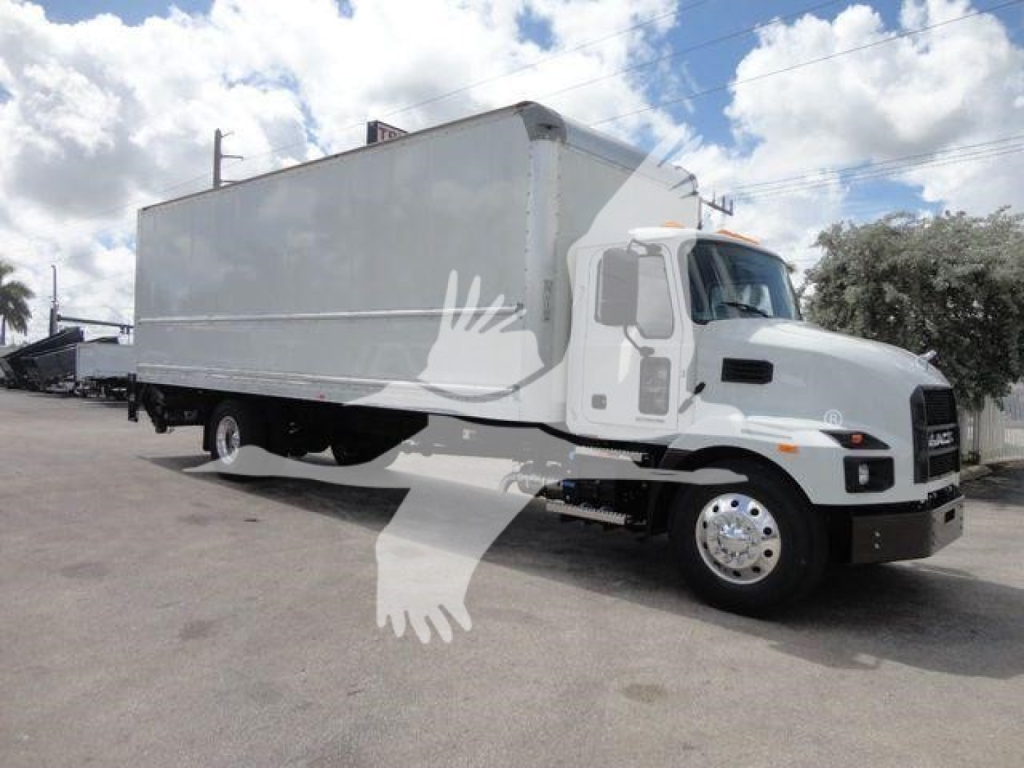
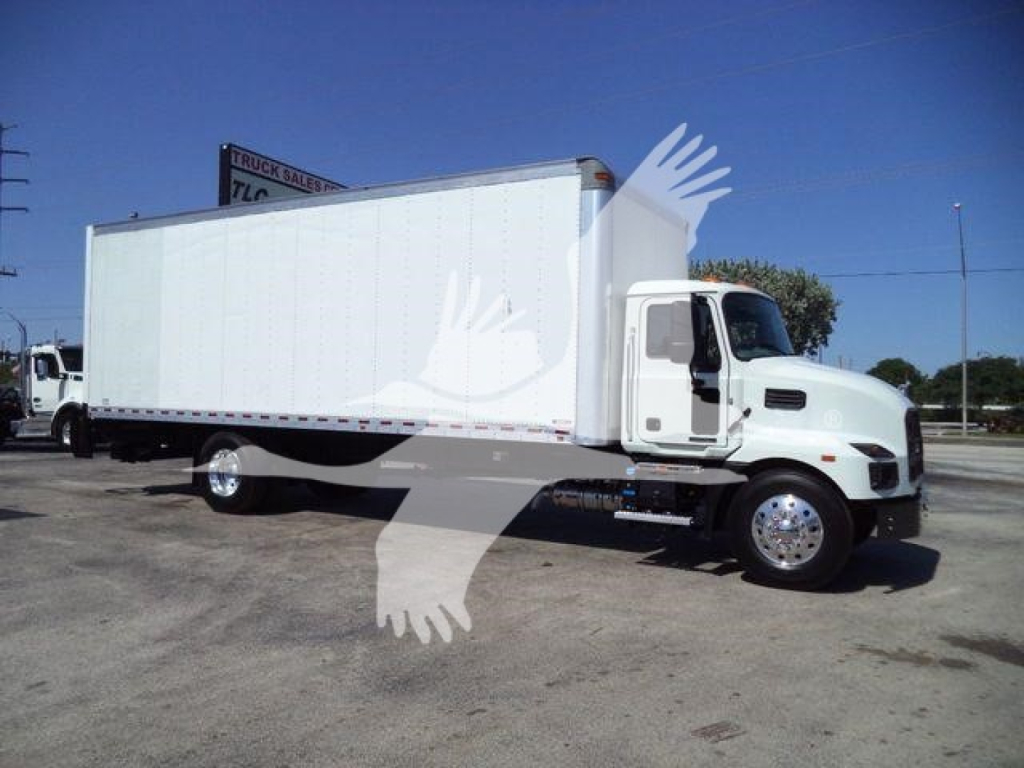
Selling a 2026 box truck? List your 2026 box truck for sale and reach thousands of commercial buyers.
2026 Box Trucks
Body spec matters as much as the chassis. Common box lengths include 16-foot, 20-foot, 22-foot, 24-foot, and 26-foot bodies, with dry freight bodies from builders such as Morgan, Wabash, and other well-known upfitters. Interior width is often around 96 inches, and inside height frequently lands in the low to mid 90-inch range, which affects pallet count and stackability. Buyers should look closely at floor construction, scuff liners, E-track or logistics posts, translucent roof panels, roll-up versus swing doors, and the condition or design of the rear frame. For loading, a tuck-under or rail liftgate can be critical for route work without dock access, while a pull-out ramp may make more sense for lighter hand-cart deliveries. If the cargo is dense, the payload rating and rear axle capacity become more important than the box length alone.
On the chassis side, most box trucks in this segment use diesel power with an automatic transmission, often paired with spring or air suspension depending on ride quality and cargo sensitivity. Engines in this class are commonly in the roughly 200 to 260 horsepower range, with axle ratios selected for stop-and-go performance rather than highway speed. Air brakes are common on heavier non-CDL units, and tire size, wheel type, and brake spec all affect maintenance cost and uptime. Cab style also changes how the truck works. Cab-over designs help in tight city streets and maximize body length on a shorter wheelbase, while conventional cabs can offer easier service access and a more familiar driving position for longer runs. For buyers working dense urban routes, overall length, curb-to-curb maneuverability, and mirror visibility deserve as much attention as engine spec.
A good 2026 box truck should match the freight, the route, and the loading method without wasting payload or cargo cube. Refrigeration, shelving, side doors, liftgate capacity, and dock height all influence productivity in real use. It is worth checking door opening dimensions, floor height, roof bow design, and any body reinforcements if the truck will see repeated cart, pallet jack, or appliance work. For fleets, standardizing around one body length and one powertrain can simplify driver training and parts stocking. For owner-operators, the better buy is often the truck with the most practical body spec and lowest downtime risk, not just the newest cab or highest advertised horsepower.
Frequently Asked Questions about 2026 Box Trucks
What size box truck is most common for commercial delivery work?
The most common commercial box truck sizes are 22-foot, 24-foot, and 26-foot bodies on medium-duty chassis. A 26-foot box truck is especially common for final-mile, furniture, appliance, and general freight work because it offers strong cargo volume while often staying just under the 26,000-pound GVWR threshold. Smaller 16-foot to 20-foot units are often a better fit for urban delivery, tighter loading zones, and lighter payloads.
Is a 26,000-pound GVWR box truck considered non-CDL?
In many applications, a box truck with a GVWR of 26,000 pounds or less can be operated without a CDL, but licensing requirements depend on state rules, endorsements, air brake restrictions, and how the truck is used. Many buyers target 25,500 to 25,950 pounds GVWR specifically to maximize payload while remaining in the non-CDL range. It is important to verify local and interstate requirements before purchase, especially for fleet hiring and compliance.
What should I look for in a box truck body?
The body should be matched to the freight and loading method. Key points include body length, inside height, floor material, wall construction, scuff protection, logistics track, roof condition, and rear door type. Liftgate capacity matters if freight is loaded without a dock, and door opening dimensions matter if the truck handles pallets, carts, or bulky appliances. A strong body spec improves daily productivity just as much as the chassis.
Which is better for a box truck, a cab-over or a conventional cab?
A cab-over box truck is usually better in dense urban work because it turns tighter, improves forward visibility, and allows more body length on a shorter wheelbase. A conventional cab can be a better choice for regional routes and serviceability because the engine is easier to access and many drivers prefer the driving position. The better layout depends on route density, parking conditions, and maintenance priorities.
Do I need a liftgate on a box truck?
A liftgate is one of the most important options for delivery operations that do not consistently load at a dock. It speeds up handling, reduces labor strain, and expands the range of delivery stops the truck can service. Tuck-under liftgates are common for general freight, while rail gates may suit heavier or more frequent pallet work. If most freight is hand-loaded and lightweight, a pull-out ramp may be enough, but many commercial buyers find a liftgate adds more real-world versatility.