
2026 Cab and Chassis Trucks For Sale in Colorado
Shop 2026 cab and chassis trucks in Colorado. Compare axle ratings, wheelbase, PTO setup, and body-ready specs for vocational applications.
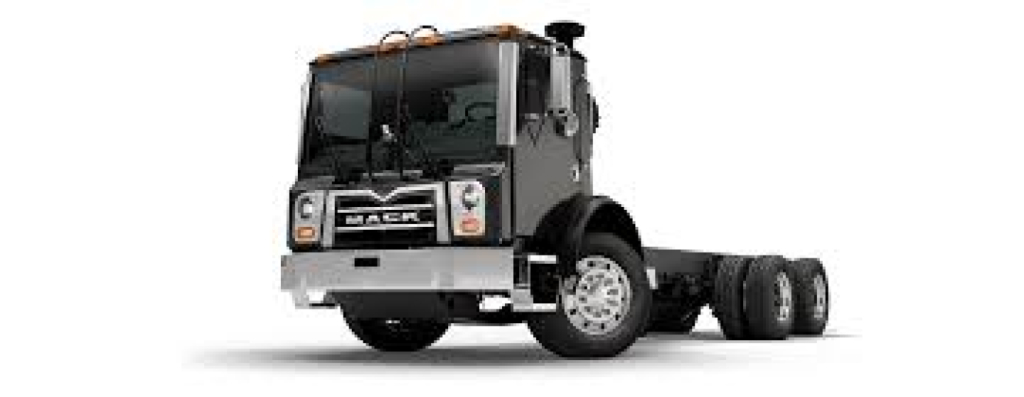
Selling a 2026 cab and chassis truck? List your 2026 cab and chassis truck for sale and reach thousands of commercial buyers.
2026 Cab and Chassis Trucks in Colorado
In Colorado, terrain and altitude matter. A chassis that will spend time on Front Range municipal routes has a different ideal spec than one working in mountain grades, oilfield service, aggregate hauling, or snow and ice operations. Buyers should pay close attention to engine horsepower and torque, transmission type, rear axle ratio, and cooling capacity, especially for stop-and-go work or steep elevation changes. Automatic transmissions, including Allison automatics, are common in cab and chassis applications because they reduce driver fatigue and improve consistency in vocational service. Front axle ratings, rear suspension choice, and frame reinforcement also matter if the truck will carry a heavy body, run a crane, or operate off-pavement.
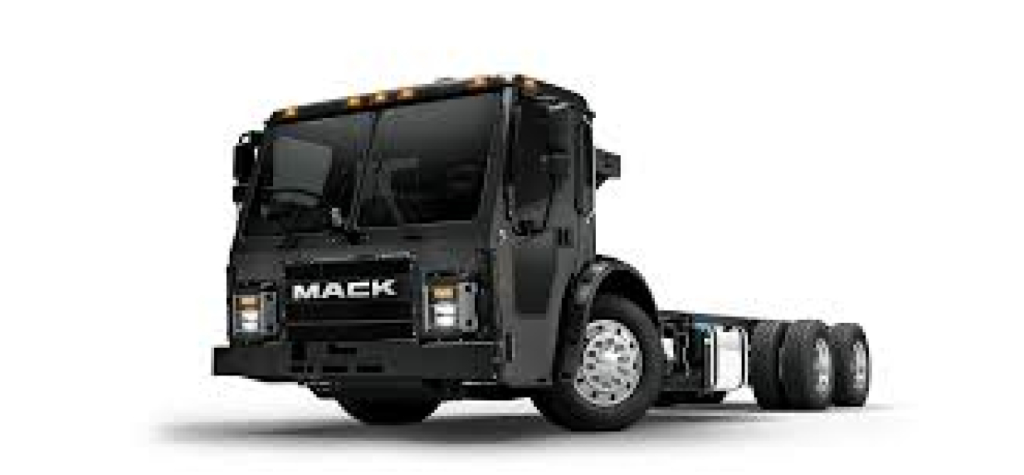
Wheelbase and cab-to-axle dimension are critical on any cab and chassis truck for sale because they determine what bodies can be installed without compromise. Too short or too long a frame can create fitment issues, poor weight distribution, or lost payload. PTO compatibility is another major checkpoint for hydraulic equipment like dumps, wreckers, and refuse systems. Buyers also look for body-builder wiring, clean back-of-cab layout, fuel tank placement, and axle spread that supports legal payload and turning radius requirements. On urban and municipal specs, low-entry cabs, excellent sightlines, and right-hand visibility features are often more important than sleeper-style comfort. On heavier conventional chassis, durability, service access, and upfitter flexibility usually lead the list.
Common 2026 cab and chassis configurations include Class 6, Class 7, and Class 8 platforms in 4x2, 6x4, and specialized multi-axle layouts. Diesel remains the standard for heavy vocational use, while some newer low-cab-forward and municipal platforms are also appearing with alternative fuel or electric options. A strong cab and chassis spec should be evaluated as a complete foundation for the finished truck, not just as a standalone vehicle. That means checking intended GVWR, axle capacities, frame section modulus, suspension design, brake setup, and the exact body-ready dimensions before committing to an upfit.
Frequently Asked Questions about 2026 Cab and Chassis Trucks in Colorado
What is a cab and chassis truck used for?
A cab and chassis truck is a stripped vocational platform built to receive a body or work equipment after purchase. Common applications include dump trucks, utility trucks, box trucks, flatbeds, tow trucks, refuse trucks, vacuum units, and service trucks. The value of this equipment class is flexibility, because the chassis can be matched to the exact body, payload, and duty cycle required.
What specifications matter most when buying a cab and chassis truck?
The most important specs are GVWR, front and rear axle ratings, wheelbase, cab-to-axle dimension, engine torque, transmission type, rear axle ratio, and frame strength. Buyers should also confirm PTO capability, suspension type, brake configuration, and any body-builder wiring provisions. If the truck is being upfitted for a specialized body, exact frame dimensions and weight distribution are just as important as horsepower.
Why does wheelbase matter on a cab and chassis?
Wheelbase affects body fit, turning radius, bridge law compliance, and how weight is distributed across the axles. A chassis with the wrong wheelbase can limit body choices or create an overloaded front or rear axle once the equipment is installed. Matching the wheelbase and cab-to-axle measurement to the intended body is one of the most important steps in a successful cab and chassis purchase.
Are automatic transmissions common in cab and chassis trucks?
Yes. Automatic transmissions are very common in vocational cab and chassis applications, especially in municipal, refuse, utility, and stop-and-go service. Allison automatics are frequently specified because they are well suited for PTO work, repeated starts and stops, and operators with varied experience levels. In many fleets, an automatic improves uptime and driver acceptance compared with a manual or automated manual in severe-duty service.
What should Colorado buyers consider when choosing a cab and chassis truck?
Colorado buyers should account for altitude, steep grades, seasonal weather, and the possibility of mixed on-road and off-road use. Higher elevation can affect performance, so engine torque, rear axle ratio, cooling, and transmission calibration deserve extra attention. If the truck will operate in snow, construction zones, or mountain regions, traction, suspension durability, brake performance, and body weight distribution become even more important.