
2026 Dump Trucks For Sale in Colorado
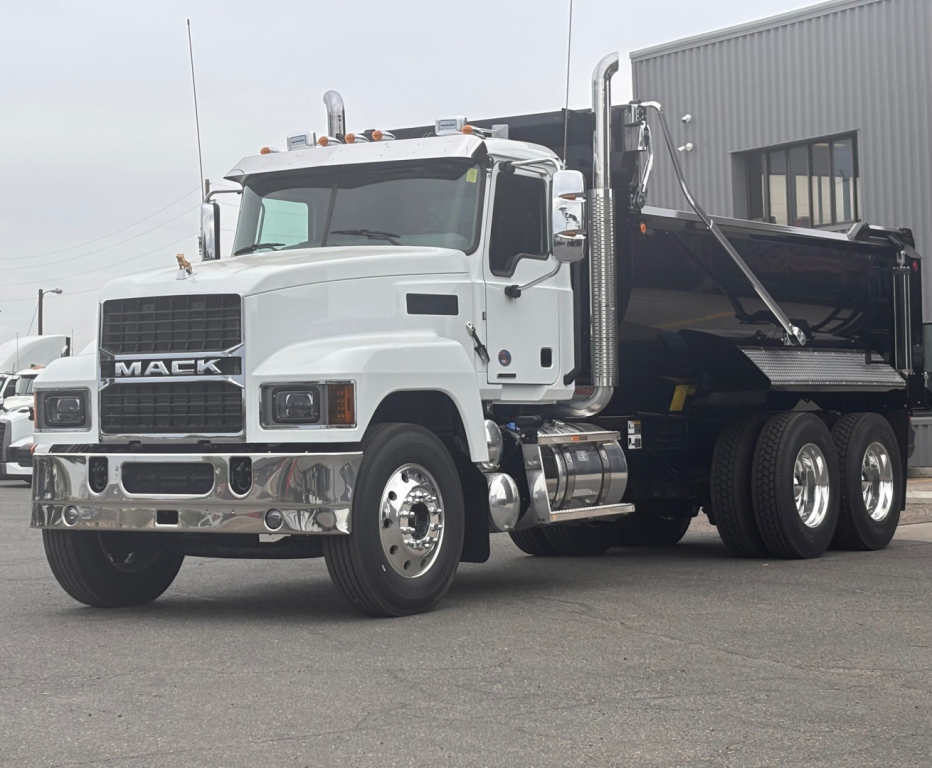
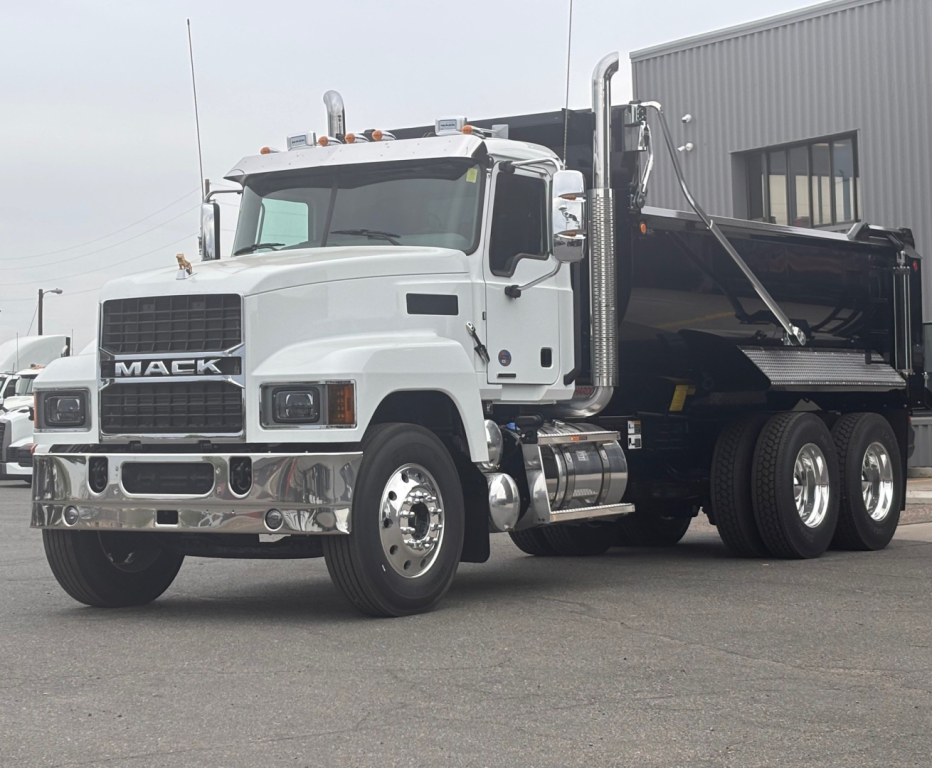
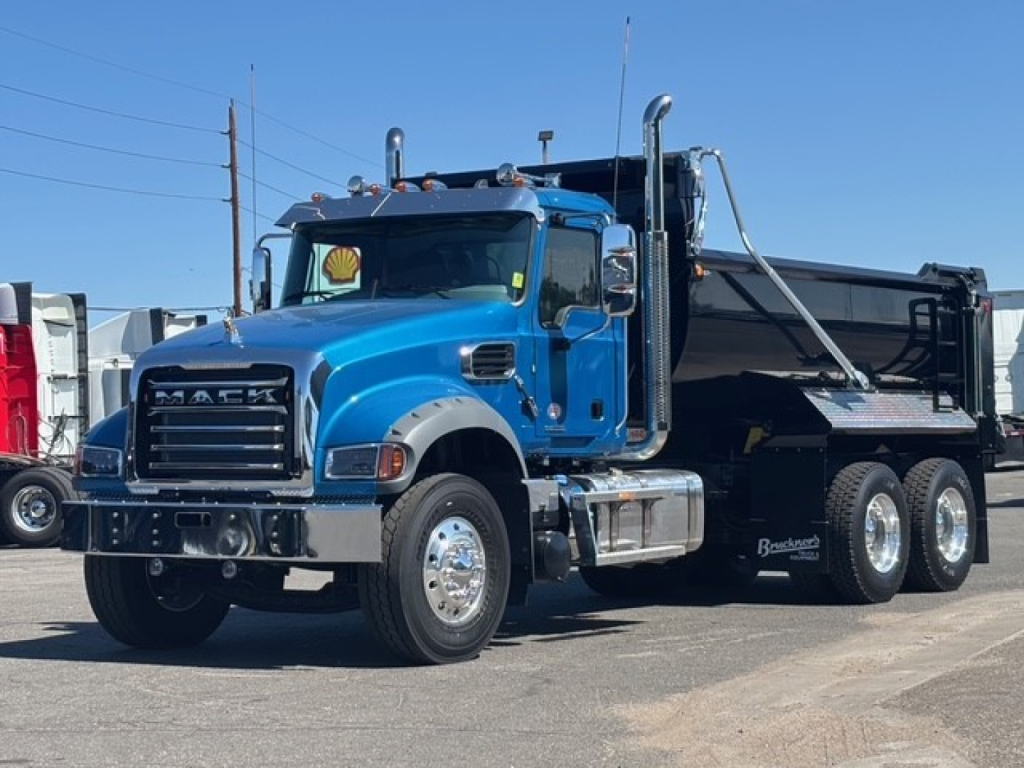
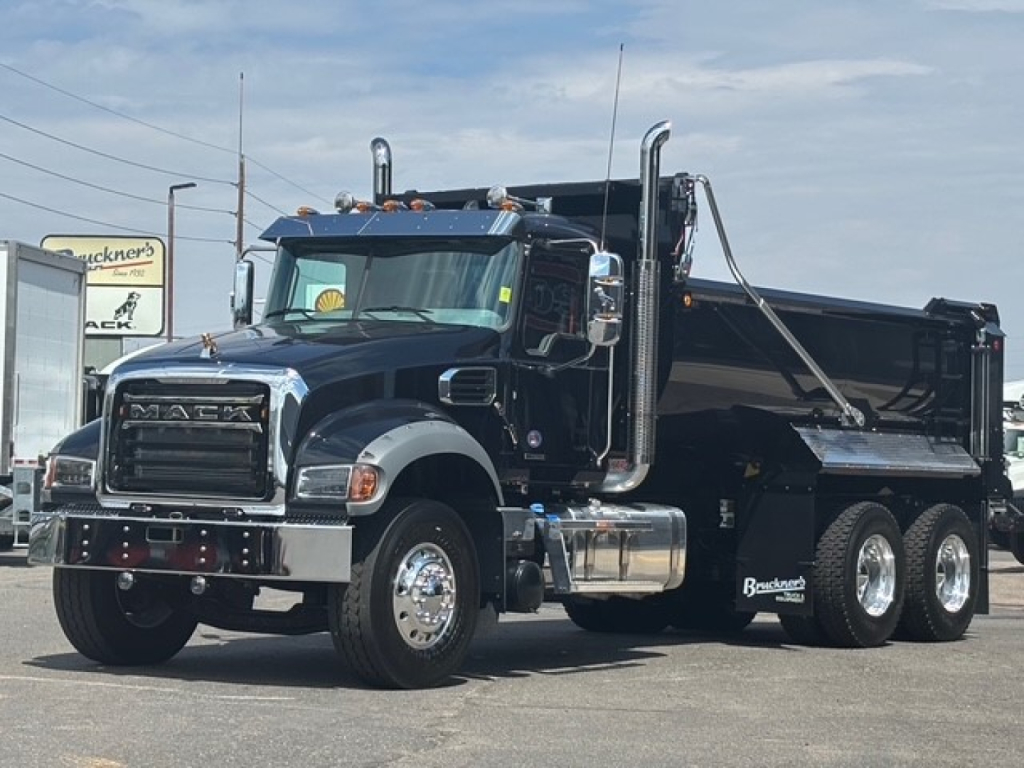
Shop 2026 dump trucks for sale in Colorado. Compare specs, body styles, GVWR, axle setups, and vocational features for hauling aggregate and debris.
Selling a 2026 dump truck? List your 2026 dump truck for sale and reach thousands of commercial buyers.
2026 Dump Trucks in Colorado
Frequently Asked Questions about 2026 Dump Trucks in Colorado
What body style is best for a 2026 dump truck in Colorado?
It depends on the material and the route. Elliptical and half-round bodies are popular for rock, demolition, and sticky aggregate because they shed material more cleanly and usually weigh less than a comparable square body. Square and contractor-style bodies can be a better fit when side boards, flatter floors, or more versatile loading are important. In Colorado, material type and mountain grades matter, so body weight and clean discharge are often just as important as rated capacity.
What engine and transmission setup is common in a 2026 dump truck?
Current dump truck specs often include diesel engines in the medium to heavy vocational range, commonly paired with automatic, automated manual, or traditional manual transmissions. Automated manuals are common in tandem axle dump applications because they reduce driver fatigue and can improve consistency on mixed routes. Full automatics are also common in lighter dump trucks and municipal work. The right setup depends on startability on grades, PTO compatibility, loaded stop-and-go work, and the experience level of the driver pool.
What should I look for in a dump truck suspension and axle spec?
Suspension and axle ratings should match both legal payload targets and the type of terrain the truck sees every day. Heavy vocational suspensions are designed for repeated loading, rough entrances, and uneven jobsites, while lighter specs may ride better but give up durability. Buyers should check front axle capacity, rear axle ratio, locking differentials, wheelbase, and bridge law considerations. In Colorado, steep grades and off-pavement access make traction devices, proper gearing, and frame reinforcement especially important.
What dump truck features matter most for jobsite productivity?
The most useful vocational features are the ones that cut cycle time and reduce cleanup. Electric or manual tarp systems, high-lift or combination tailgates, pintle hitches, trailer connections, body vibrators, backup cameras, and well-matched hoists all affect daily productivity. Material-specific body liners, Hardox or similar abrasion-resistant steel, and properly placed mudflaps and fenders also matter when the truck is hauling abrasive rock or wet material. A dump truck that empties cleanly and hooks easily to support equipment usually earns its keep faster than one with a higher advertised body capacity alone.
How do I compare a medium-duty dump truck to a heavy-duty tandem dump?
A medium-duty dump truck is usually the better choice for tighter sites, lower acquisition cost, and lighter payloads such as mulch, topsoil, or small concrete and utility jobs. A heavy-duty tandem dump is built for higher legal payload, harsher duty cycles, and more demanding body and hoist packages. The comparison should focus on GVWR, axle ratings, body construction, brake system, frame strength, and how often the truck will run at max weight. If the work regularly involves rock, asphalt, demolition debris, or mountain routes, a tandem vocational chassis is usually the more durable long-term fit.