
2026 Commercial Trucks For Sale in Florida
Browse 2026 trucks for sale in Florida, including vocational and highway models with diesel power, automatic or manual transmissions, and varied GVWRs.
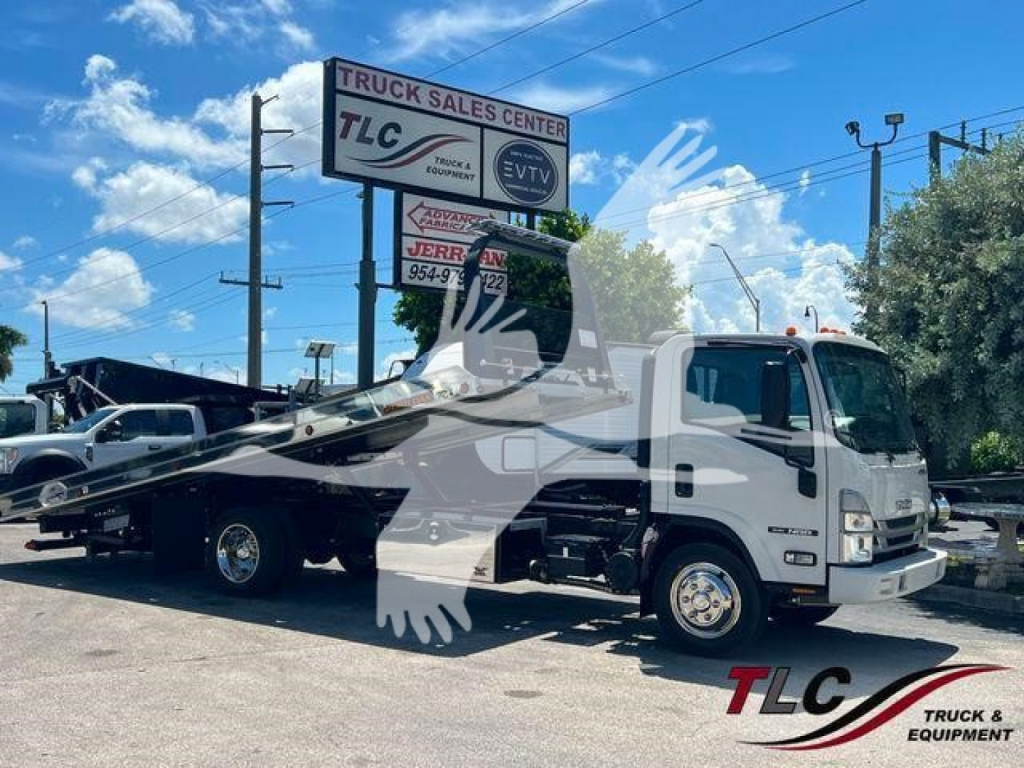
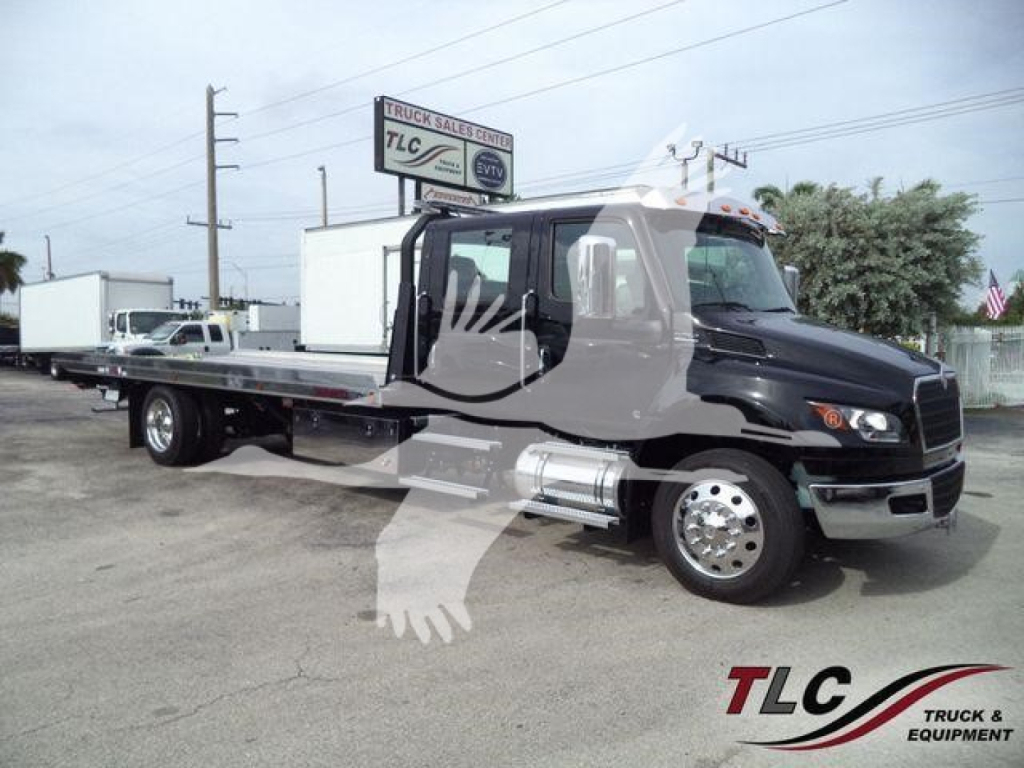
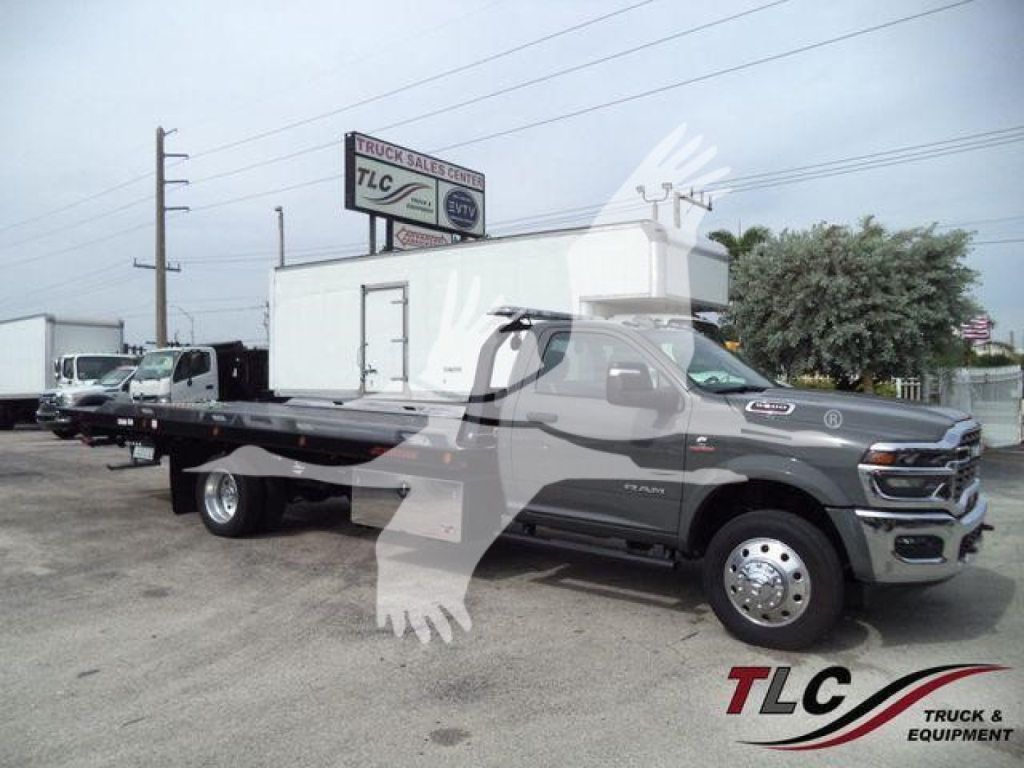
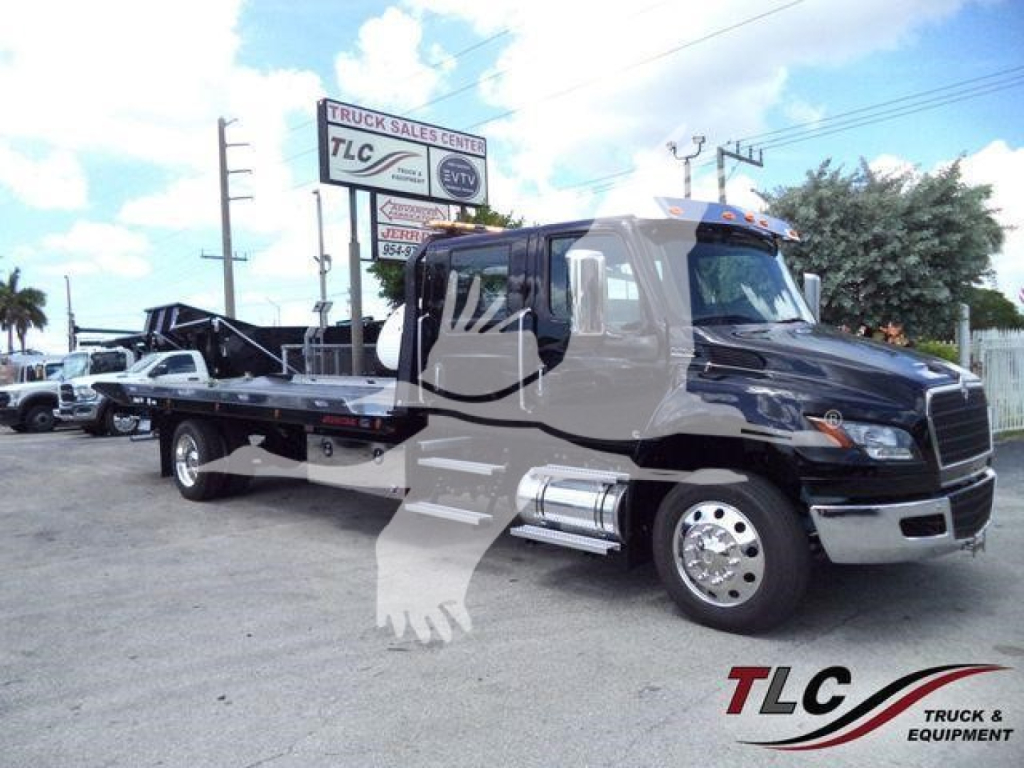
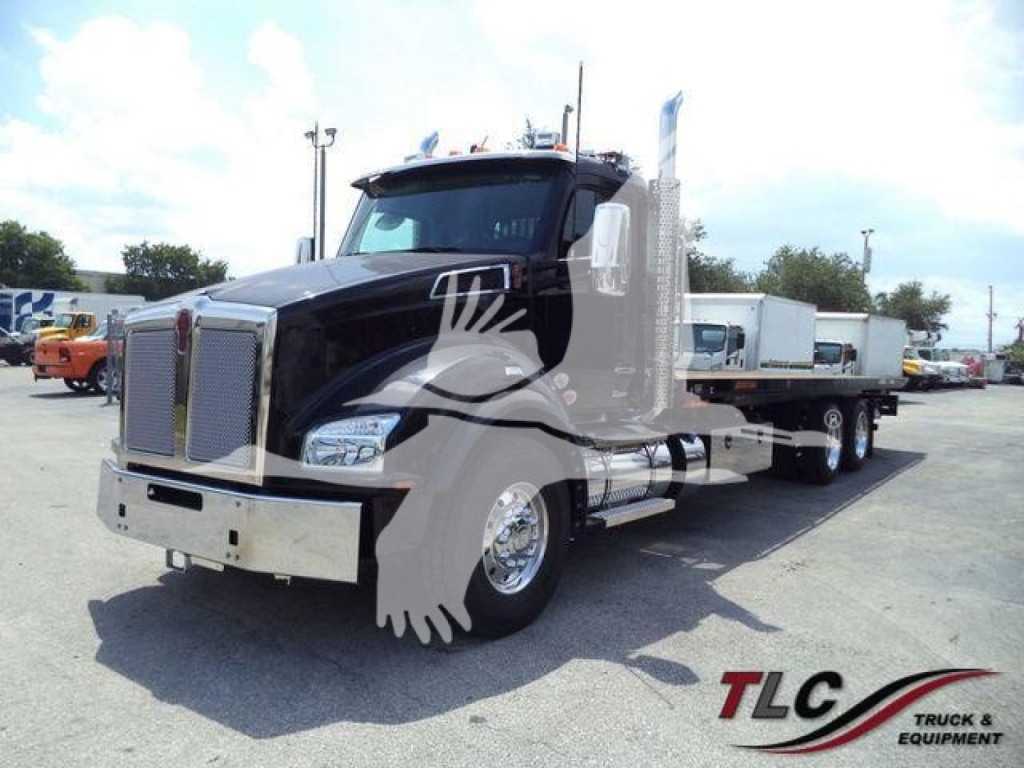
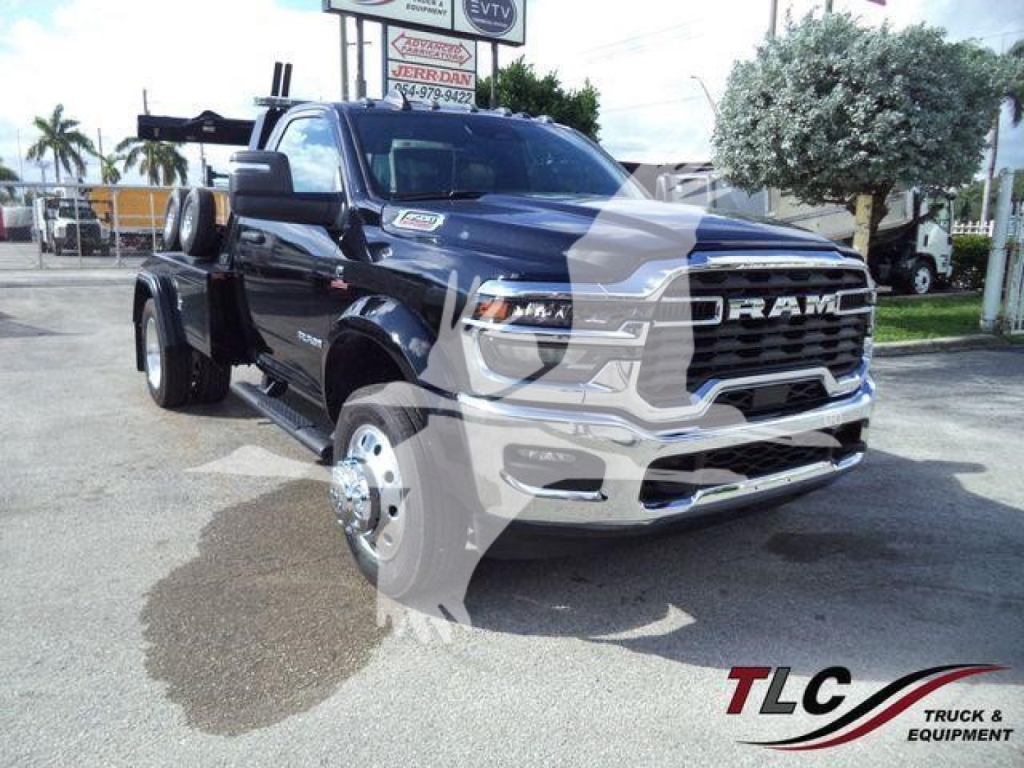
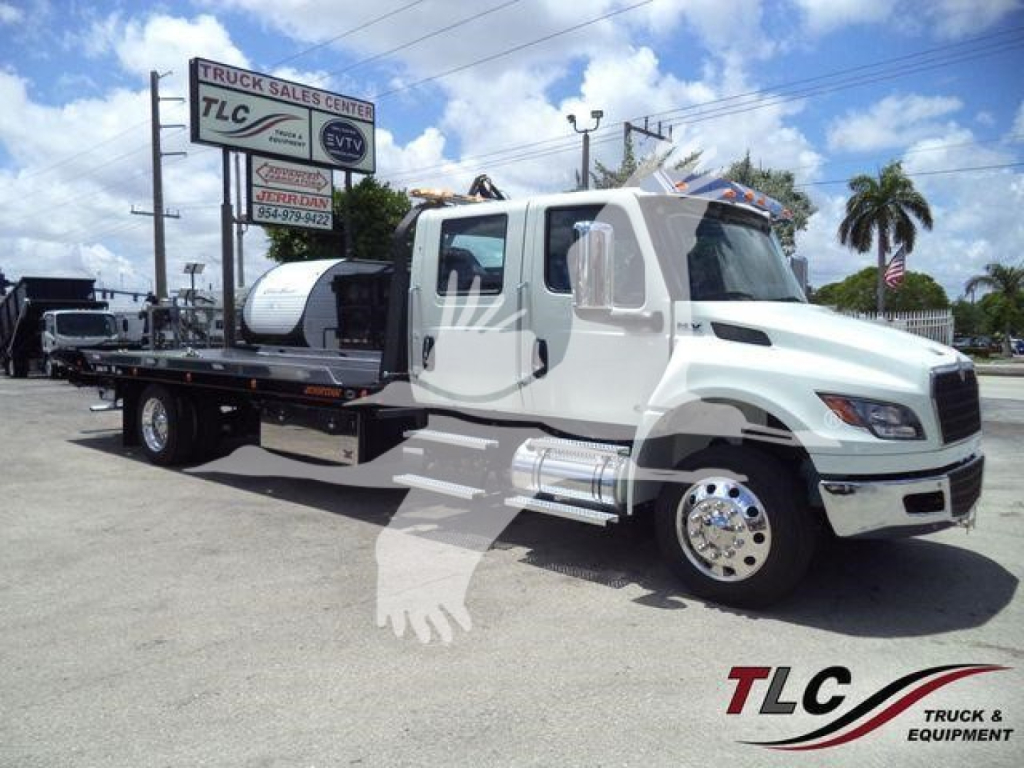
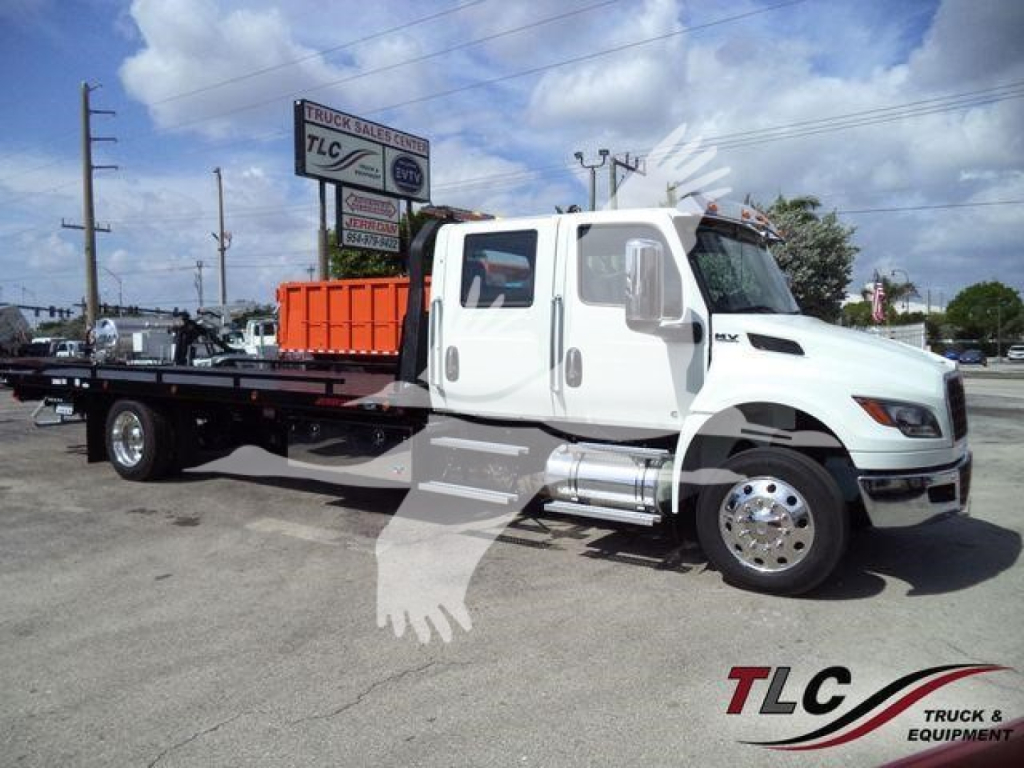
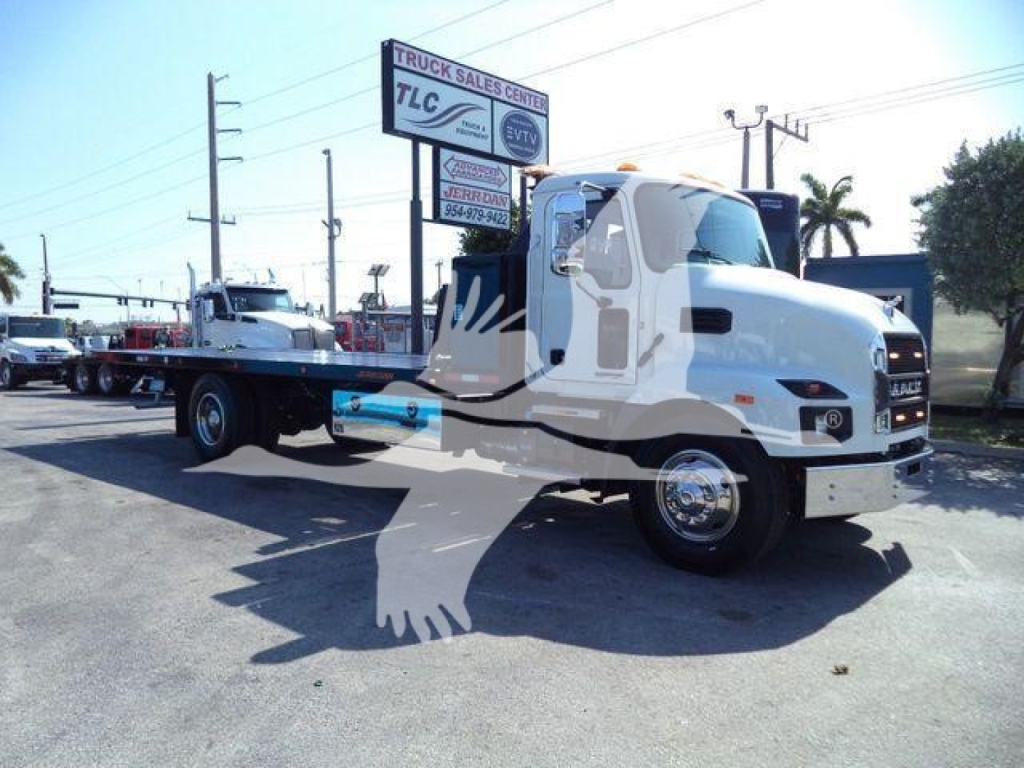
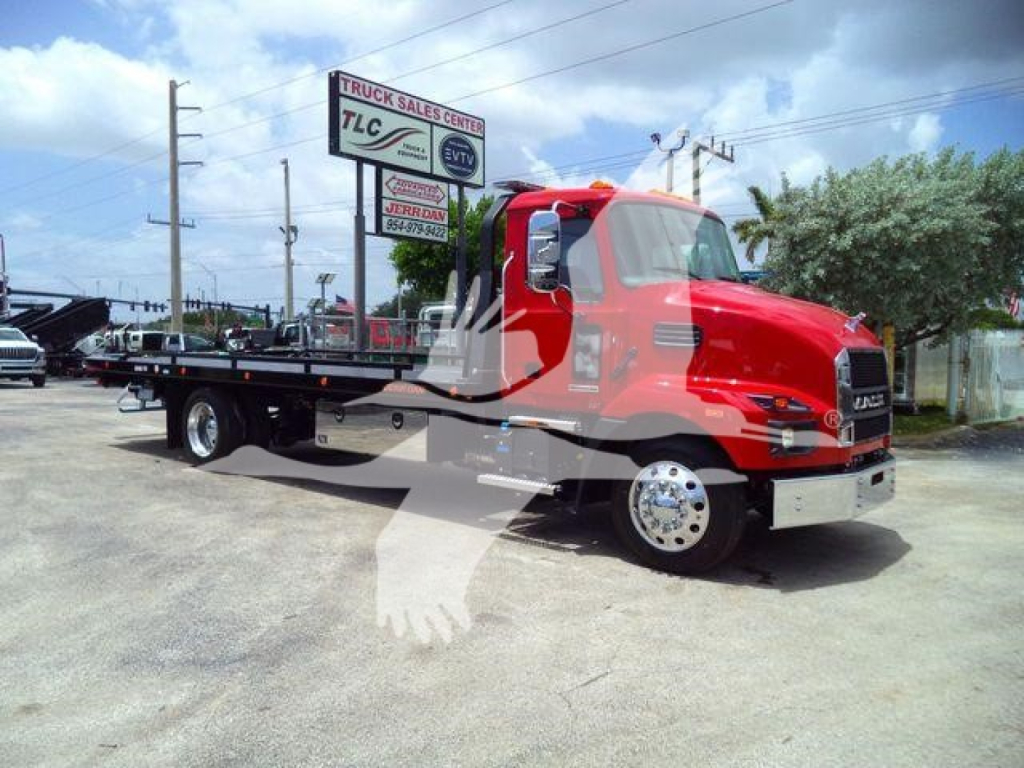
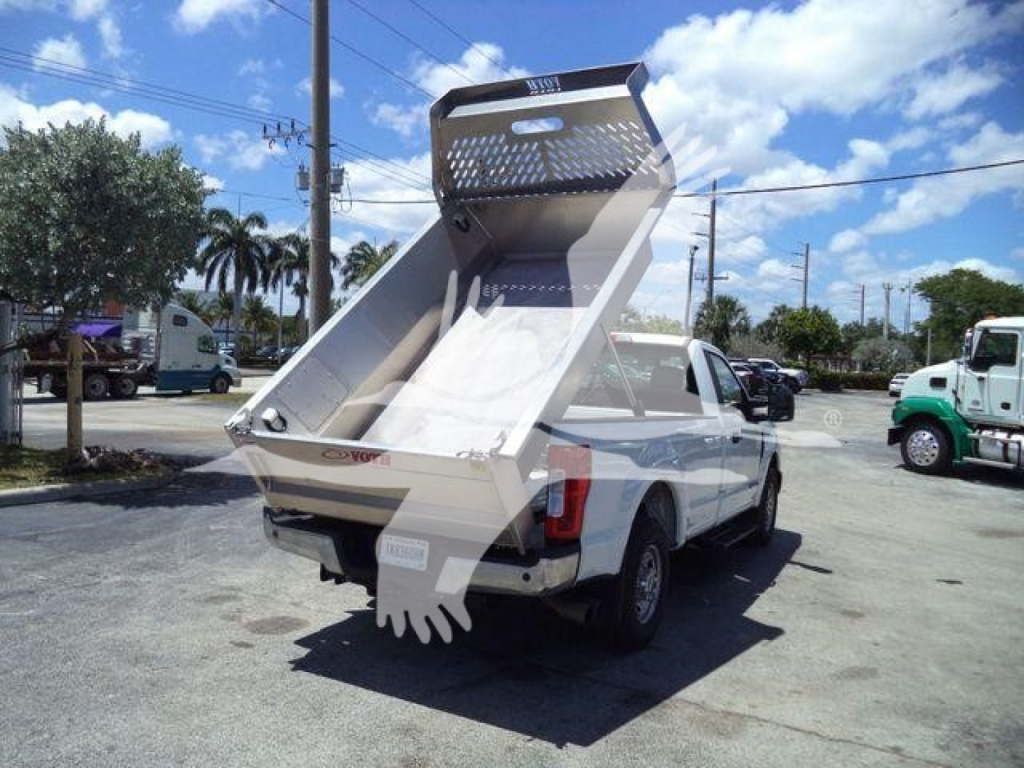
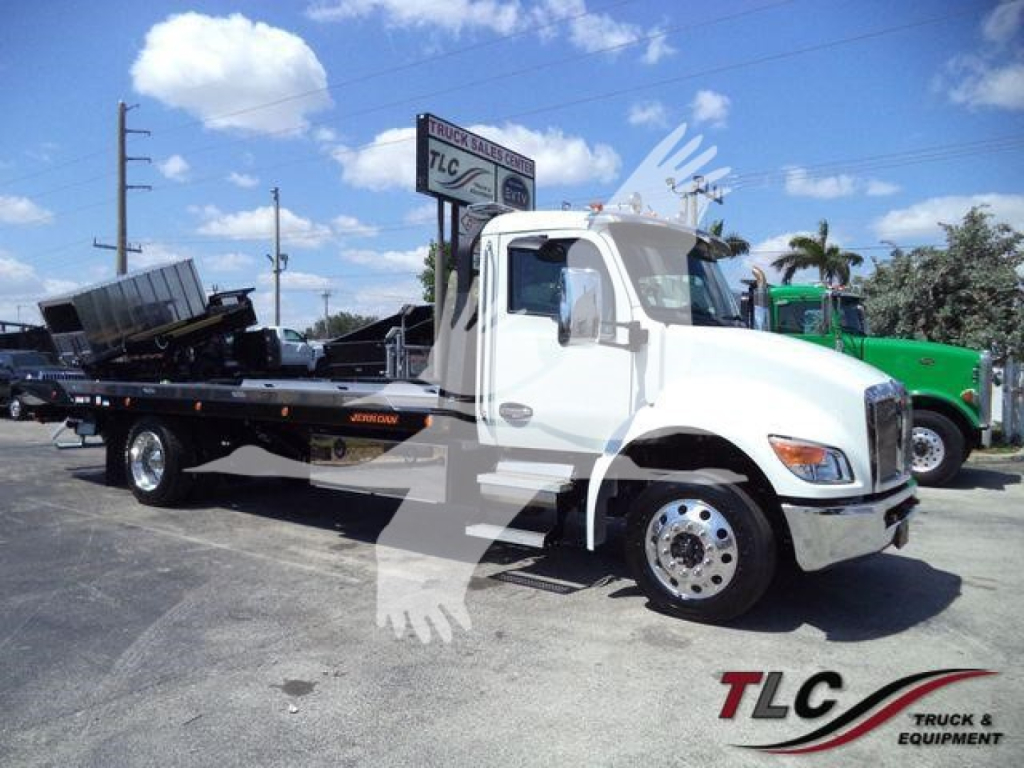
Showing 1 to 28 of 46 results
Selling a 2026 commercial truck? List your 2026 commercial truck for sale and reach thousands of commercial buyers.
2026 Commercial Trucks in Florida
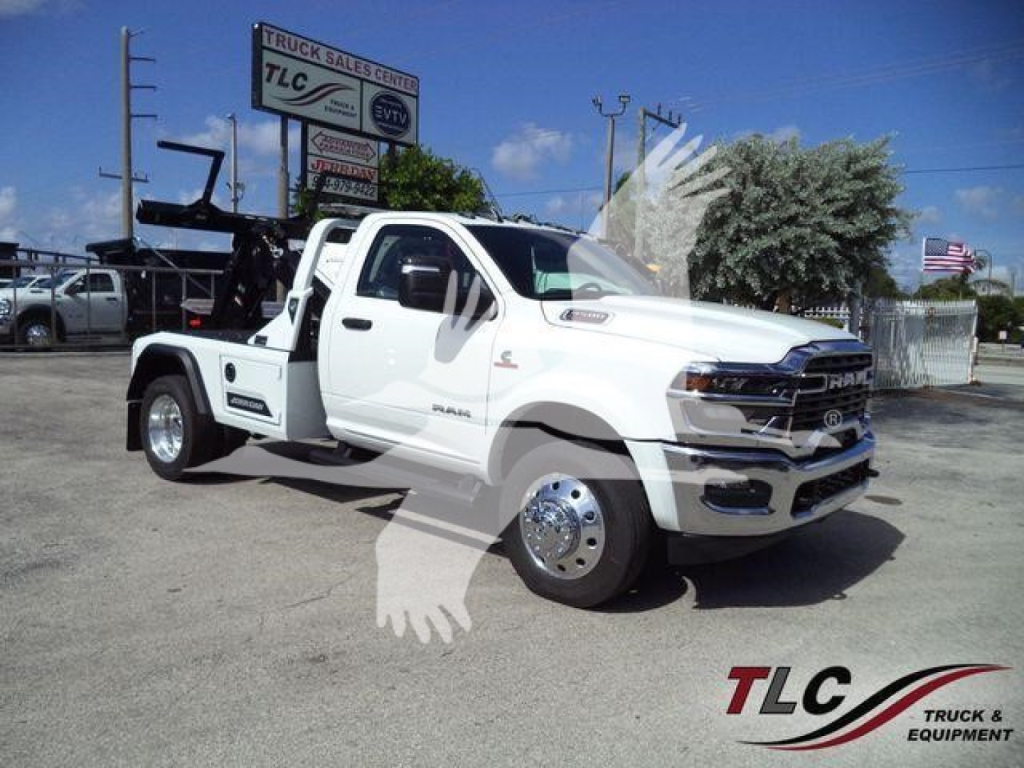
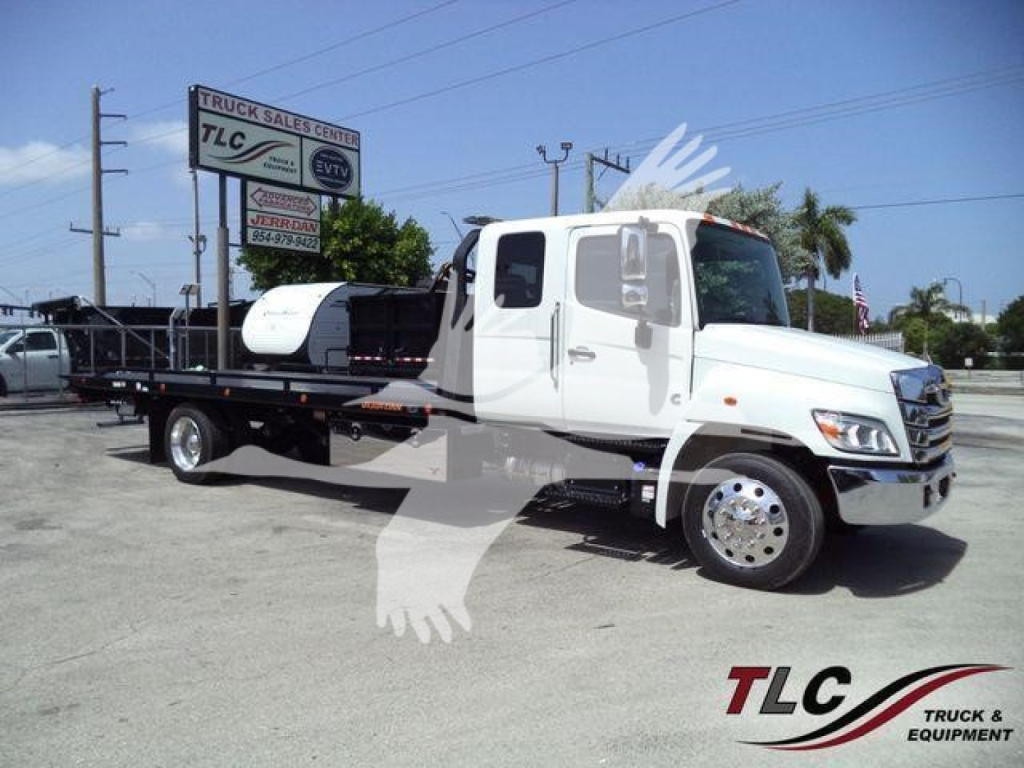
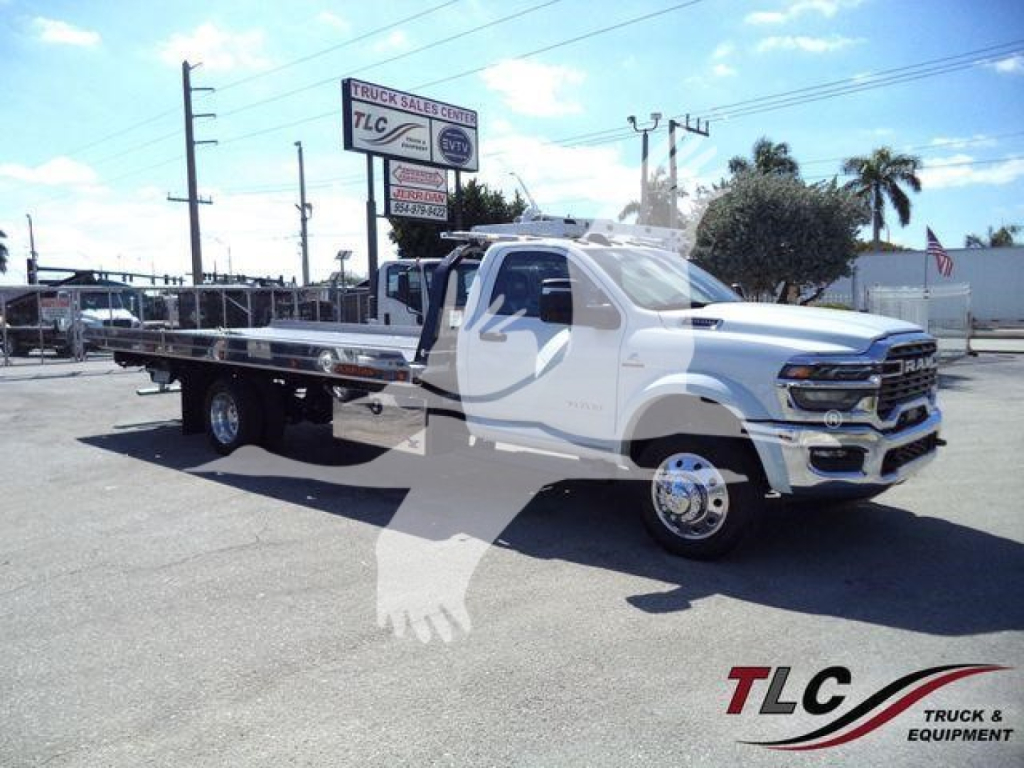
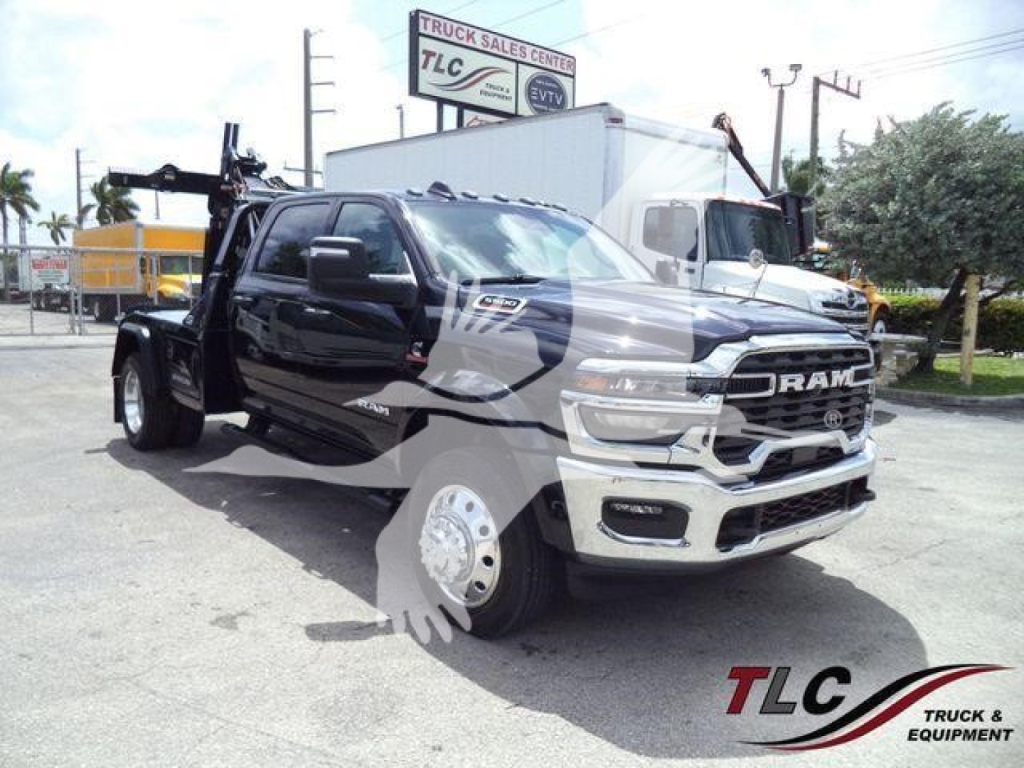
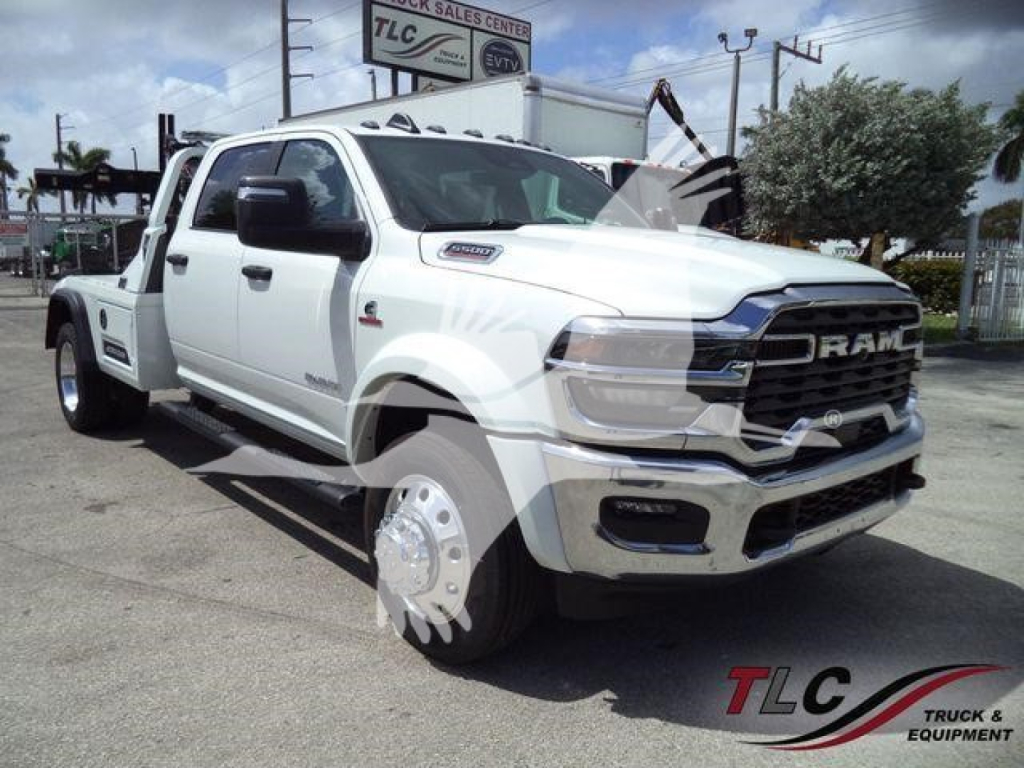
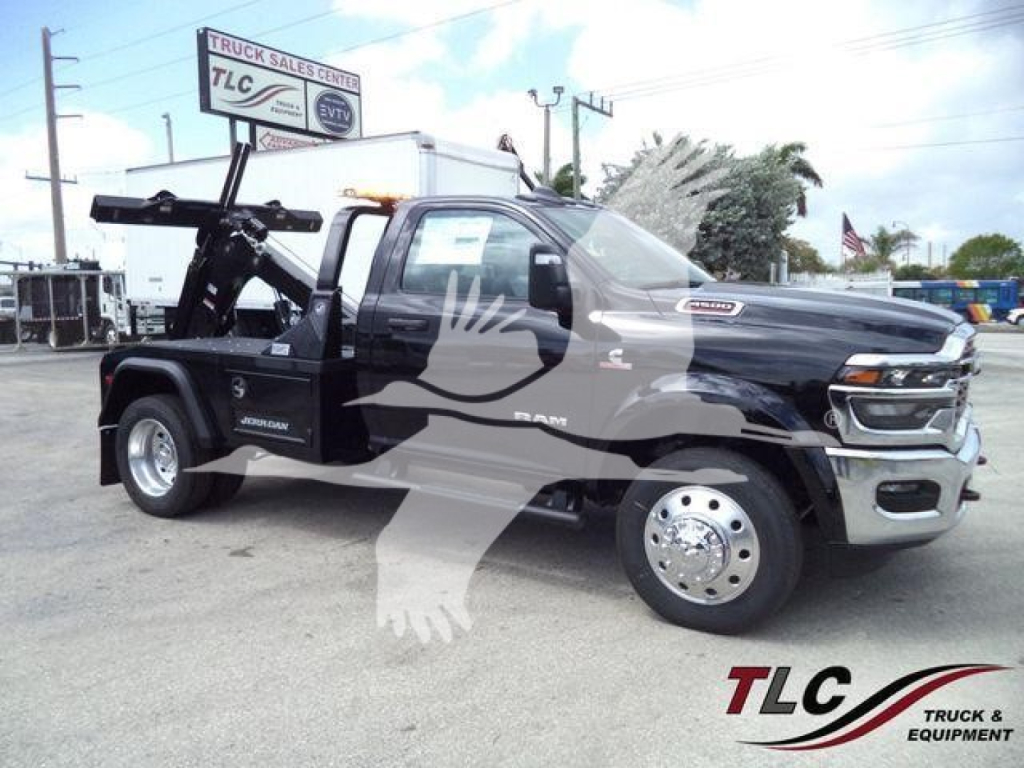
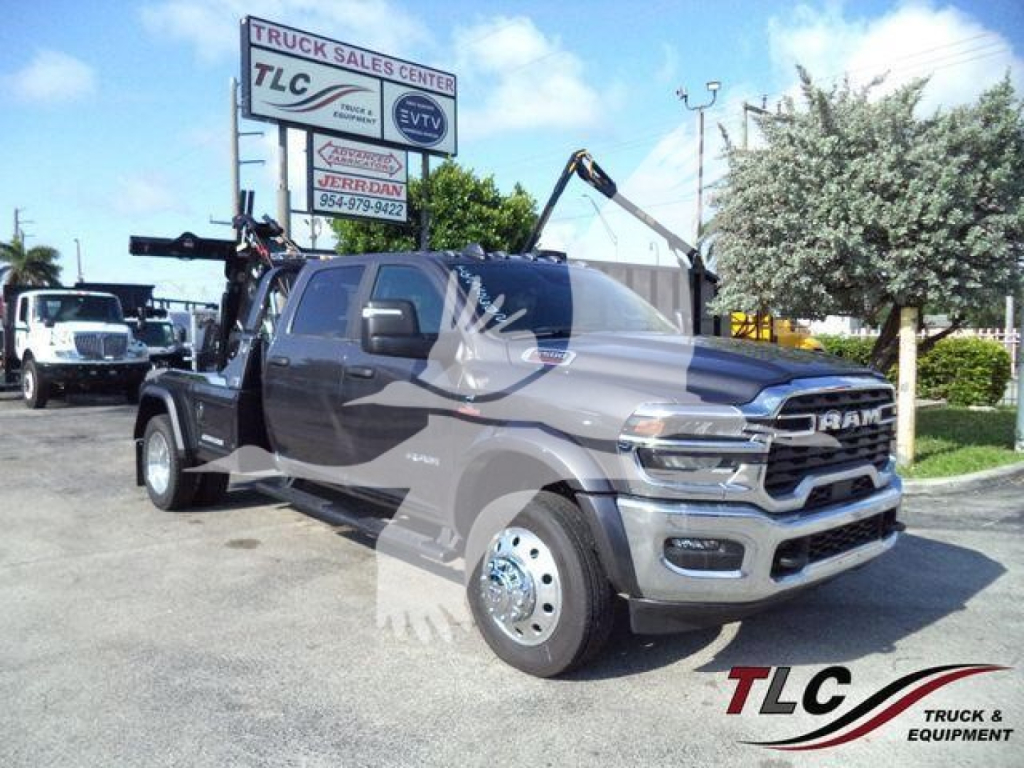
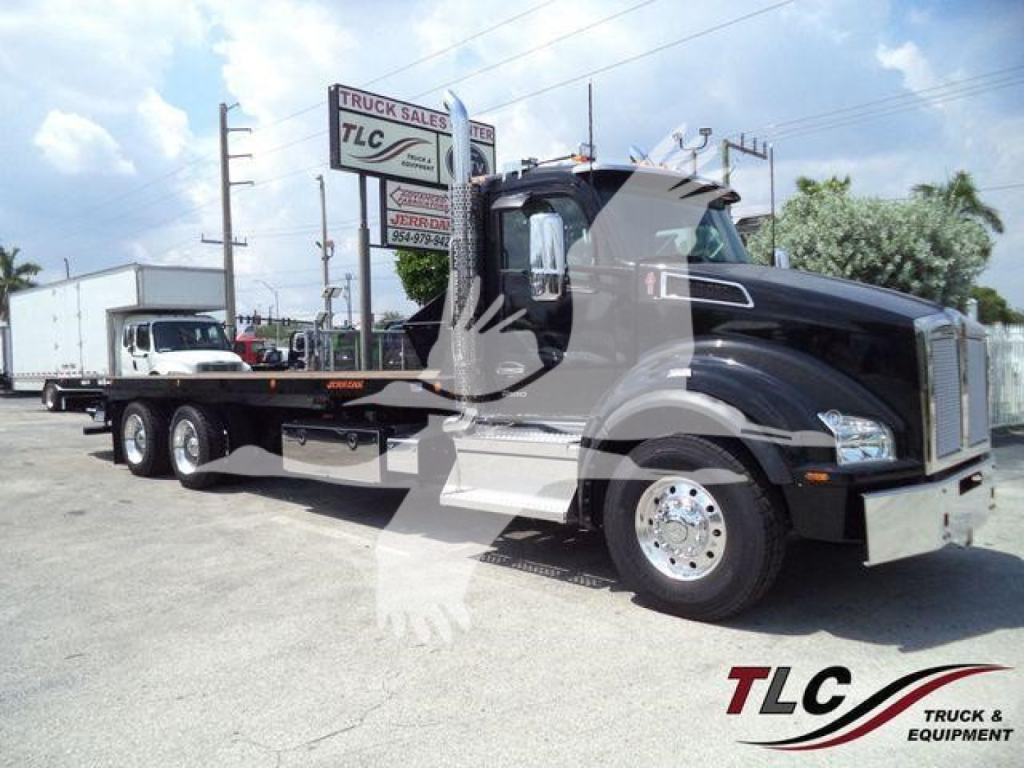
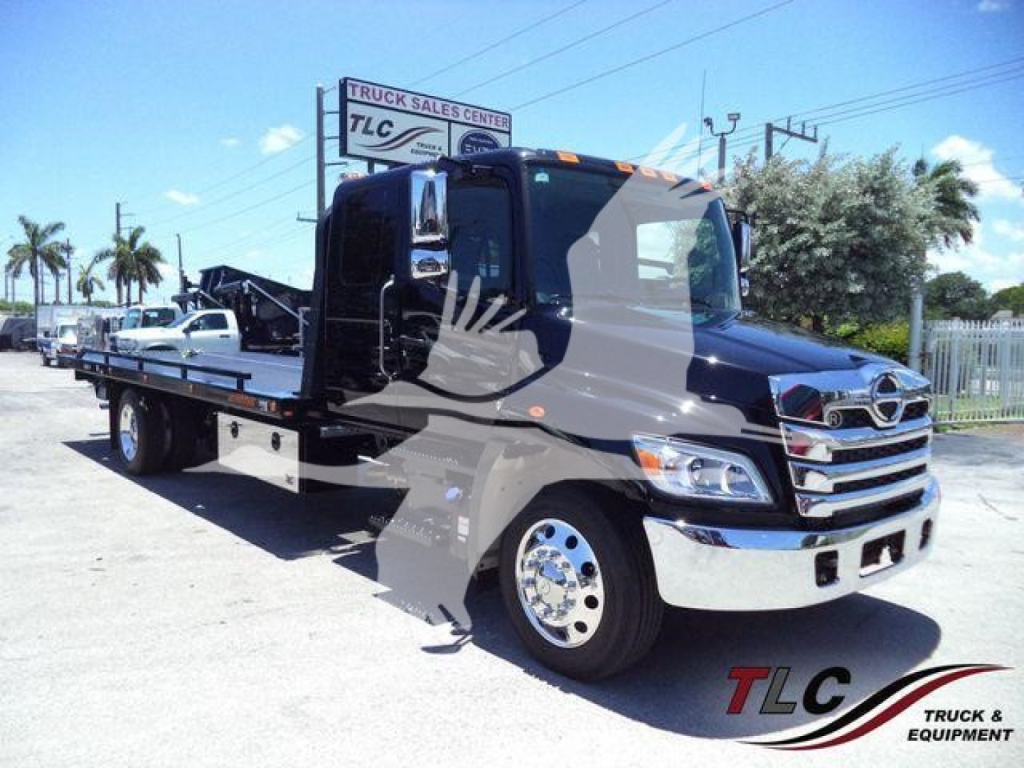
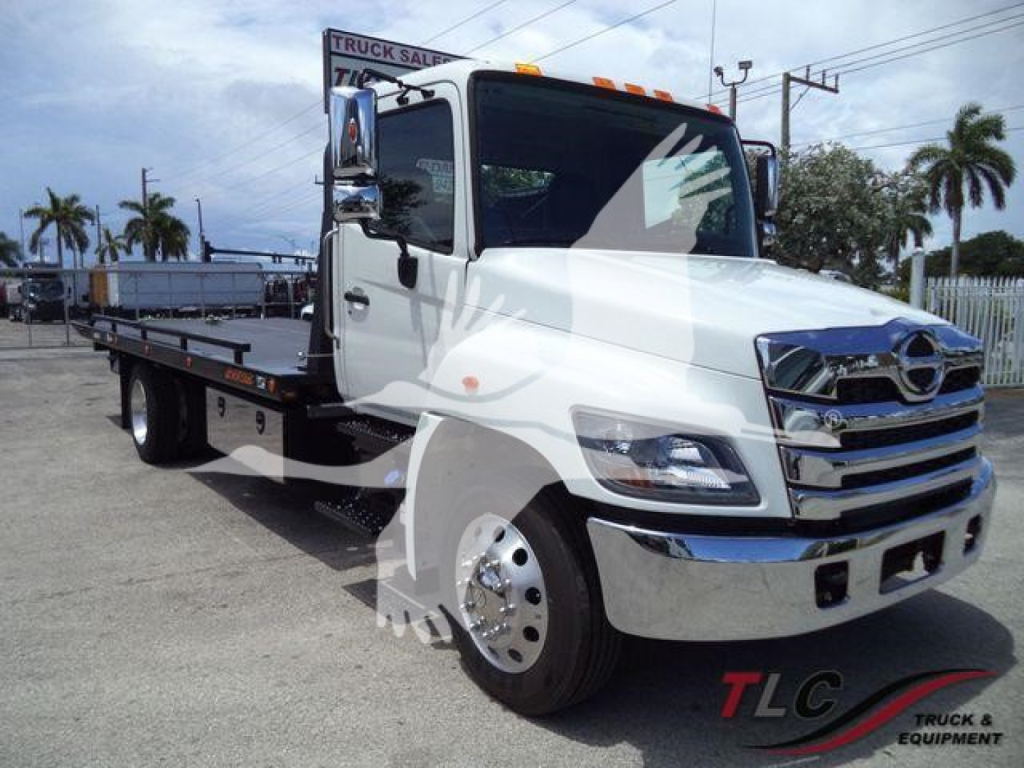
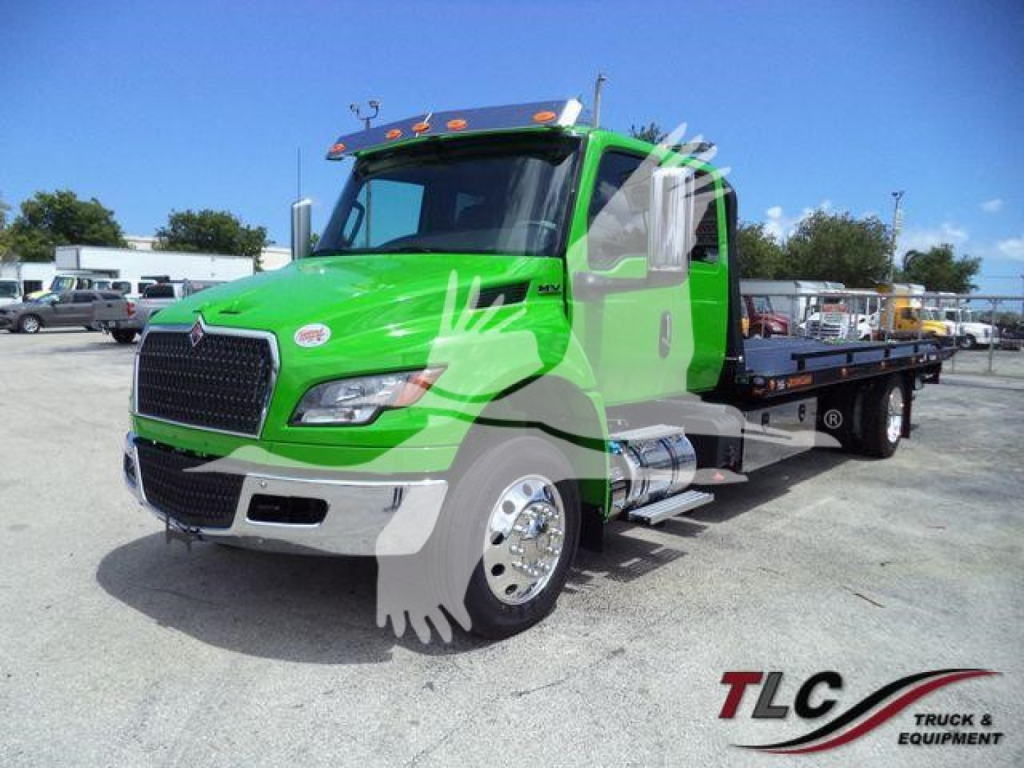
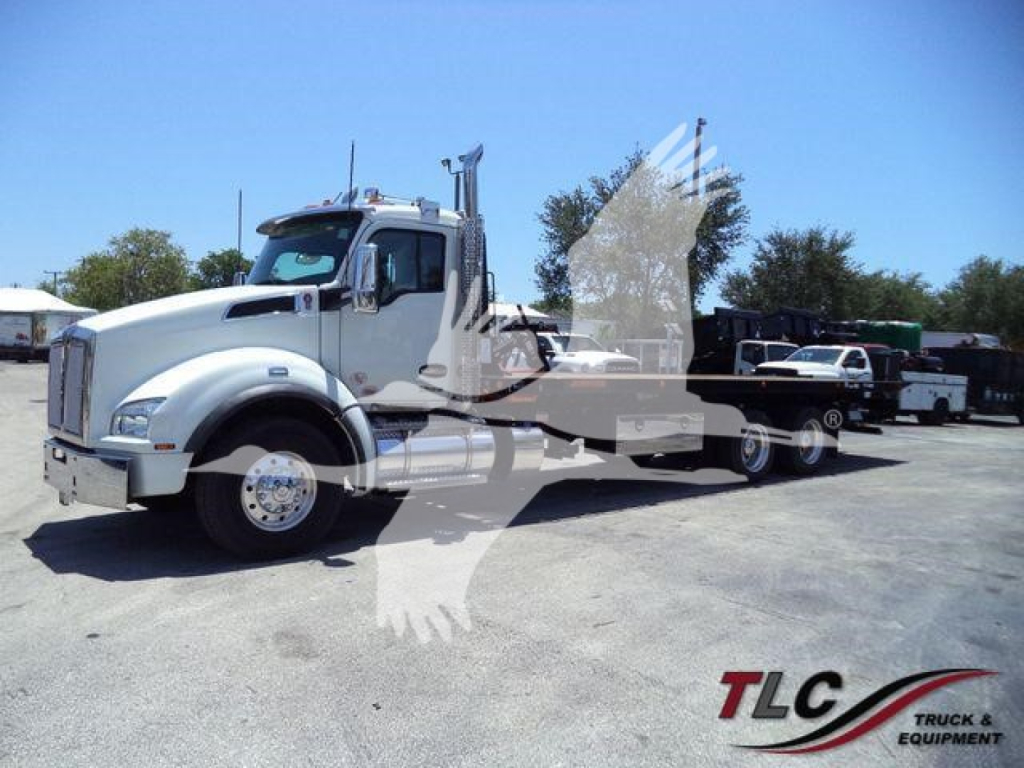
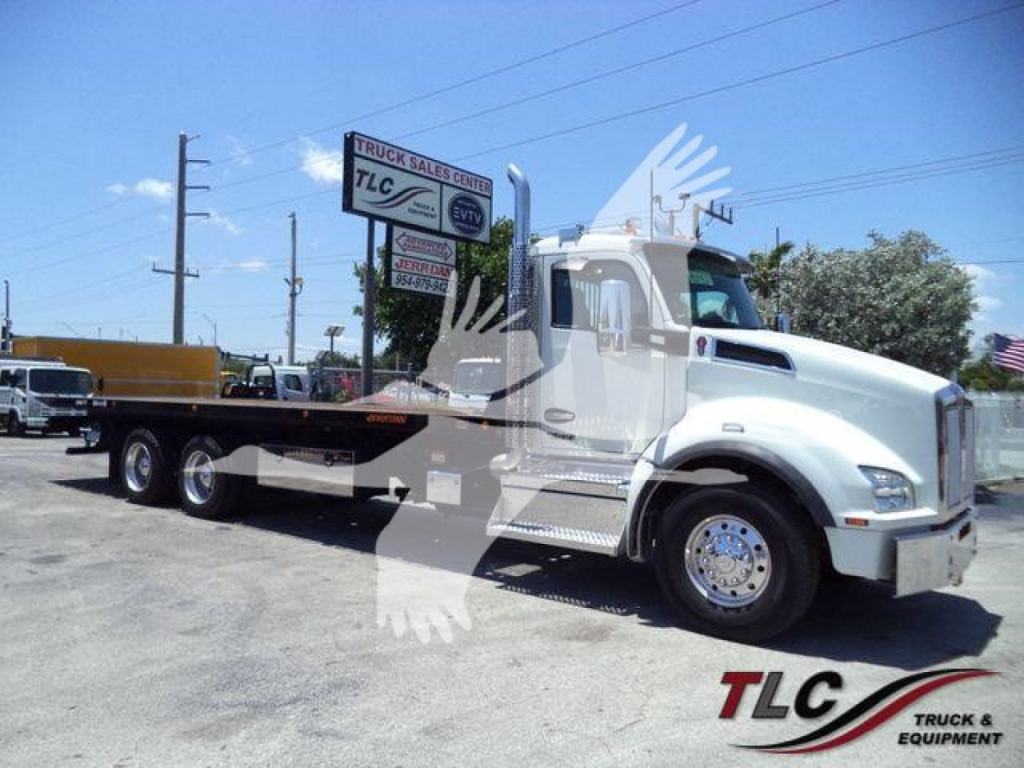
The biggest divide in this category is light and medium-duty work trucks versus Class 8 highway tractors. On the work truck side, common choices include cab and chassis models upfitted as rollback tow trucks, self-loaders, dump bodies, vacuum trucks, service trucks, and landscape bodies. Key buying points are GVWR, front axle capacity, rear axle rating, frame strength, PTO capability, suspension type, turning radius, and how well the chassis matches the installed body. Diesel engines remain common, with automatic transmissions dominating many tow, municipal, and delivery applications because they reduce driver fatigue and simplify training. For heavier on-road tractors, buyers usually focus on horsepower, torque, sleeper size, rear axle ratio, fifth wheel configuration, fuel capacity, and aerodynamics. In Florida, a truck that spends time on I-10, I-75, the Turnpike, or port-related freight lanes may need a different spec than one staying local in Orlando, Jacksonville, Miami, Tampa, or the Panhandle.
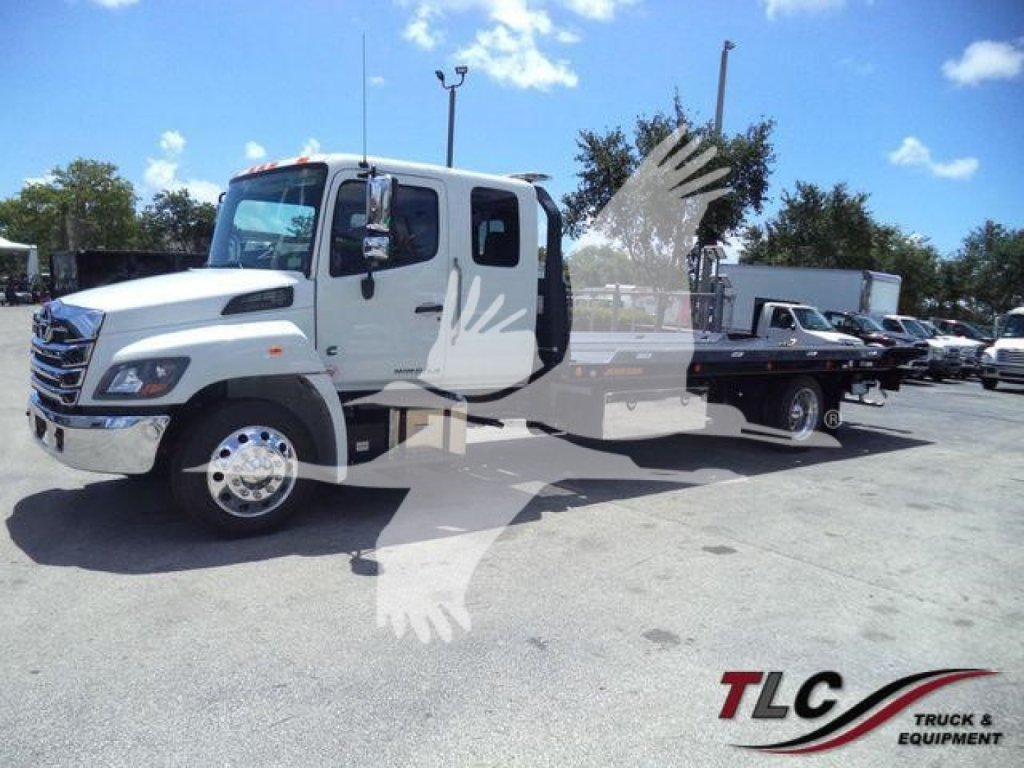
Body and application details often matter more than model year alone. A rollback or wrecker buyer should verify deck length, wheel-lift rating, winch capacity, low-profile deck design, toolbox placement, and lighting package. A dump or landscape truck should be evaluated for hoist design, body material, side height, barn doors, tarp system, hitch setup, and payload relative to GVWR. Vacuum trucks need close review of blower capacity, water tank size, pump rating, hours on auxiliary equipment, and service access to the vacuum system. Sleeper tractors should be checked for engine brake, transmission type, axle ratio, suspension, wheelbase, fairings, bunk heater, APU, and whether the spec matches freight type and average terrain. If the truck is part of a body-builder package, clean integration of hydraulics, electrical controls, and mounting points is a major value factor.
For a 2026 model, buyers should also pay attention to warranty coverage, telematics availability, ADAS features, and service support from the OEM and body manufacturer. Newer trucks may include collision mitigation, lane departure warning, backup camera systems, and improved dash controls, but the best truck is still the one with a spec that fits the route, payload, driver, and uptime demands. A well-matched 2026 truck can reduce maintenance surprises, improve resale value, and deliver better productivity than a higher-priced unit with the wrong axle, body, or drivetrain configuration.
Frequently Asked Questions about 2026 Commercial Trucks in Florida
What should I look for first when buying a 2026 truck in Florida?
Start with the application, not the badge. Florida buyers should match the truck to payload, route length, terrain, and body type, then confirm GVWR, axle ratings, wheelbase, cooling performance, corrosion resistance, and air conditioning capacity. For coastal or high-humidity service, electrical connections, frame condition, body materials, and overall rust prevention are especially important.
Are 2026 trucks mostly automatic or manual?
Many 2026 light, medium-duty, and vocational trucks are equipped with automatic or automated transmissions because they improve drivability in traffic and reduce driver fatigue. Manual transmissions still appear in some specialized applications, but automatics dominate towing, delivery, municipal, and many highway fleet specs. Transmission choice should be tied to driver availability, terrain, PTO needs, and maintenance preferences.
How do I choose between a vocational truck and a highway tractor?
A vocational truck is built around a task-specific body or work function, such as towing, dumping, vacuum service, utility work, or local delivery. A highway tractor is designed primarily to pull semi-trailers for regional or long-haul freight. The right choice depends on whether revenue comes from the body equipment and PTO system or from fifth wheel towing capacity, sleeper comfort, fuel range, and over-the-road efficiency.
What specs matter most on a 2026 tow, dump, or vacuum truck?
On a tow truck, focus on deck length, wheel-lift rating, winch capacity, underlift design, and chassis stability. On a dump or landscape truck, pay attention to body dimensions, hoist type, side height, tarp system, and payload capacity. On a vacuum truck, key specs include blower CFM, tank size, water system pressure, auxiliary engine hours, and ease of servicing pumps, valves, and hoses. In each case, the truck chassis and the upfit need to be properly matched.
Do newer 2026 trucks offer meaningful advantages over older models?
Yes, if the truck’s spec fits the job. A 2026 truck may offer improved safety technology, better diagnostics, updated emissions components, more refined cab layouts, telematics integration, and stronger warranty support. Those advantages are most valuable when uptime, driver retention, and predictable operating cost matter more than lowest upfront price.