
2026 Rollback Trucks For Sale in Florida
Shop 2026 rollback trucks for sale in Florida. Compare car carriers, tow trucks, and heavy-duty rollback specs, deck sizes, GVWR, and body options.
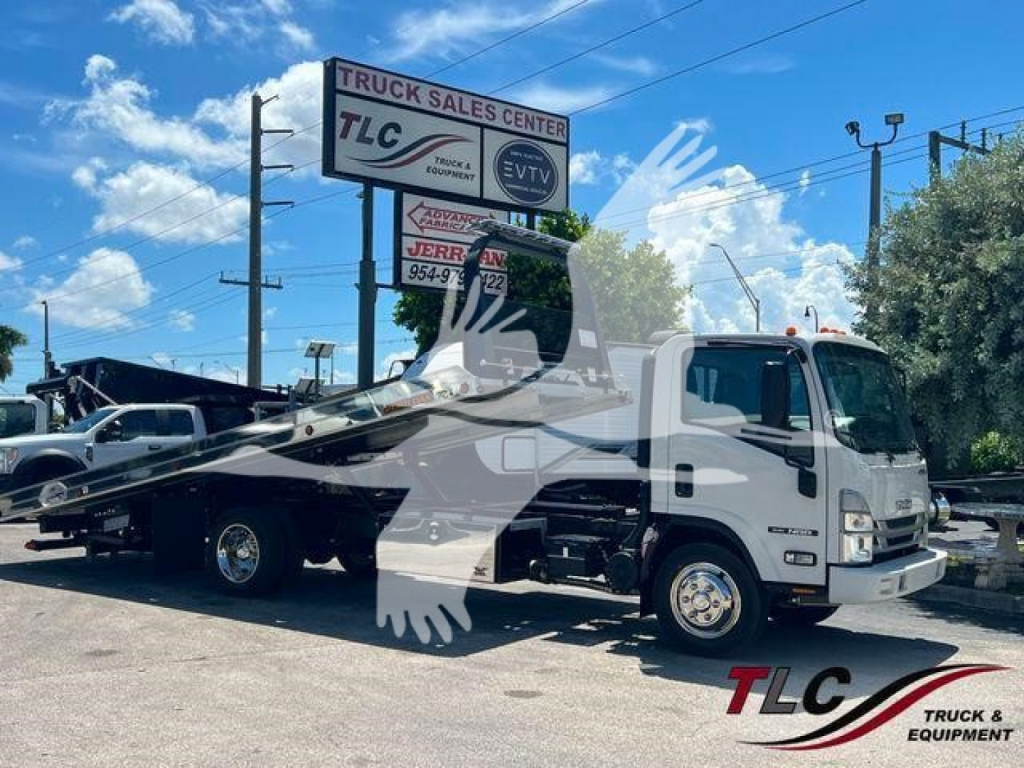
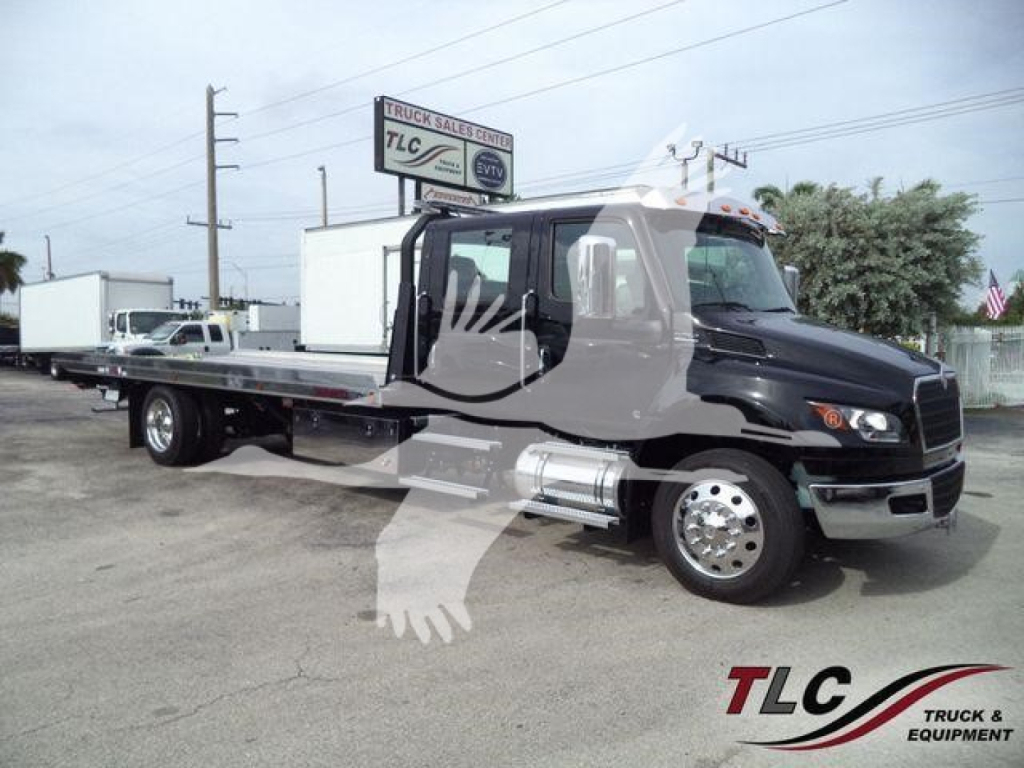
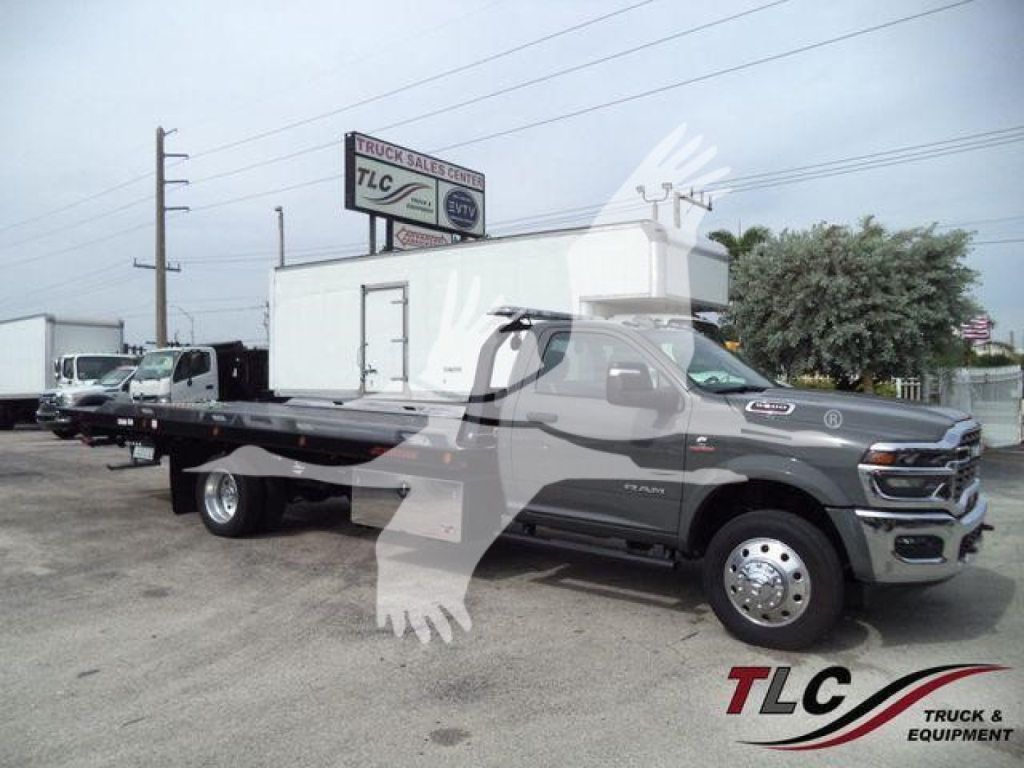
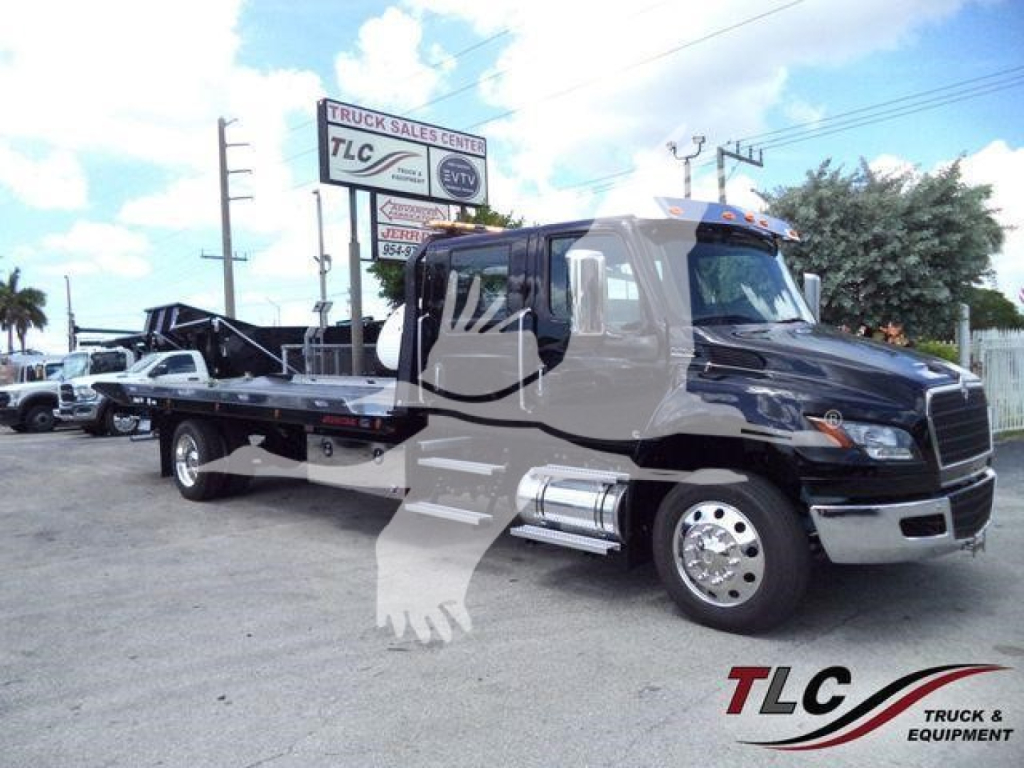
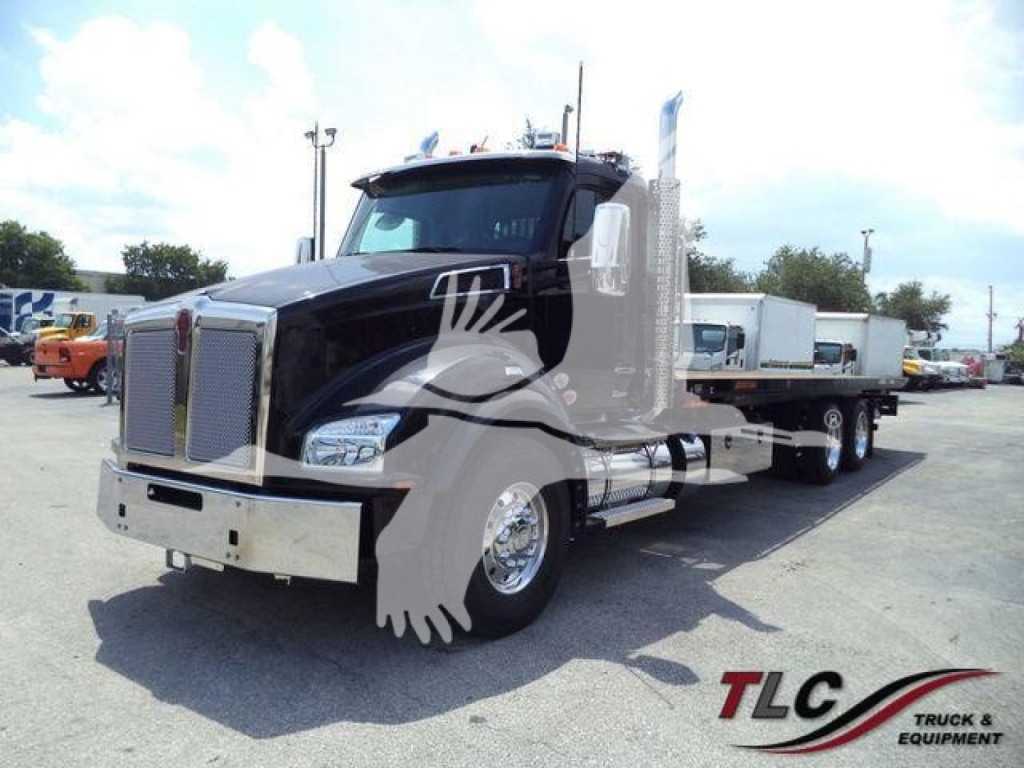
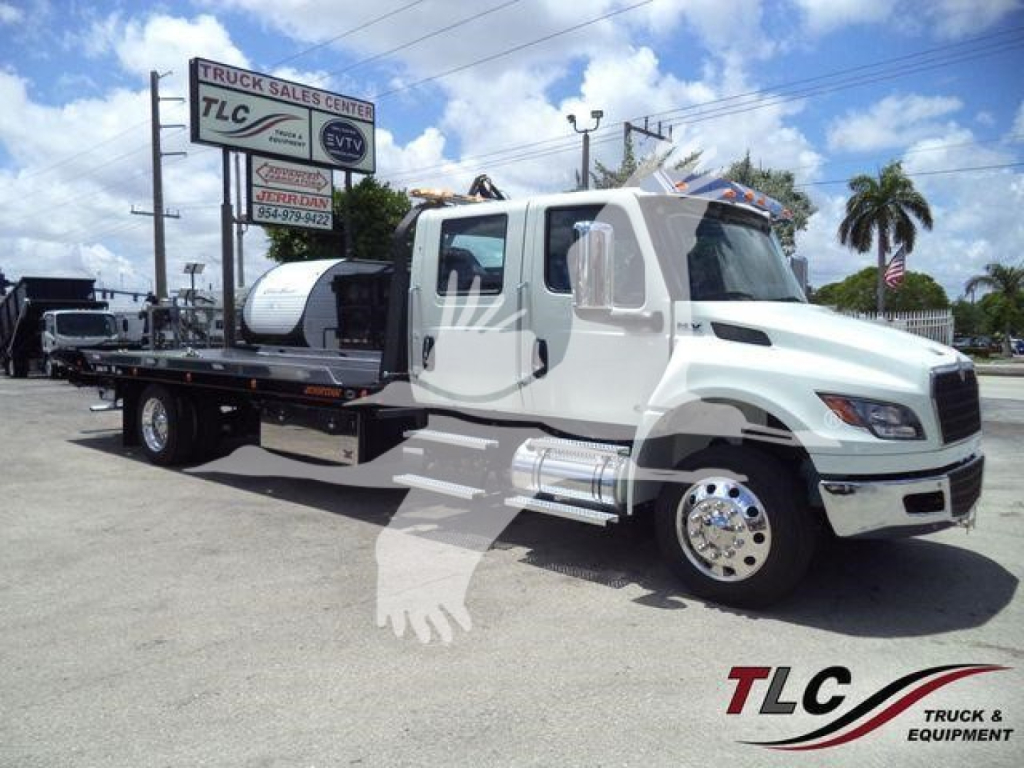
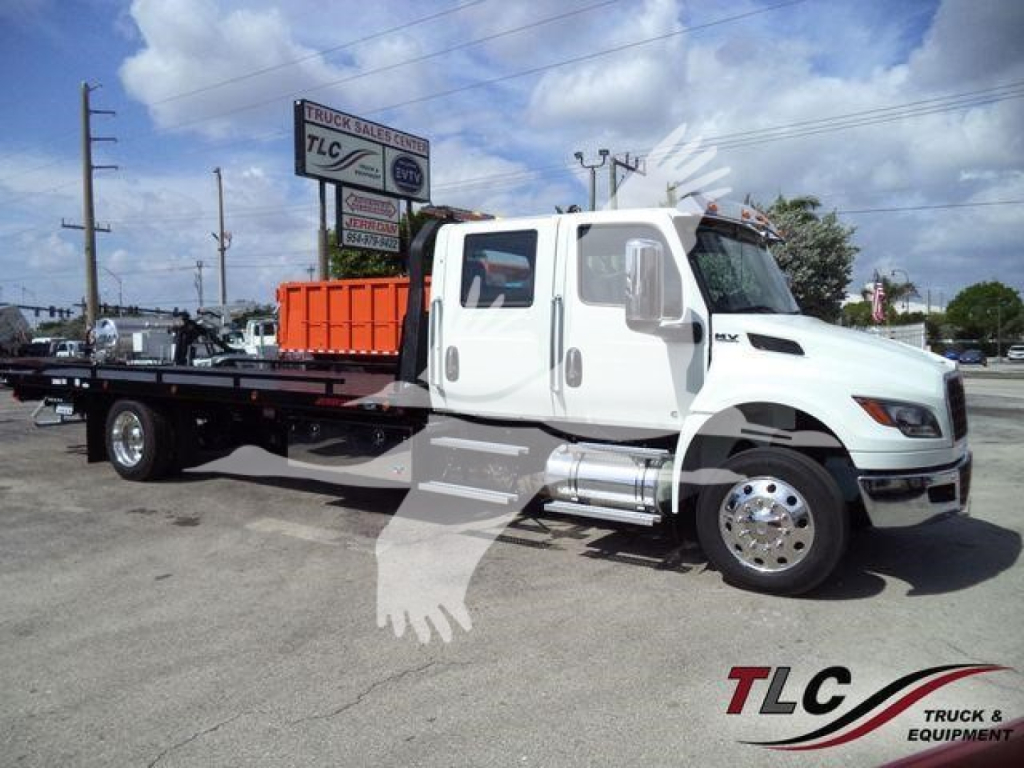
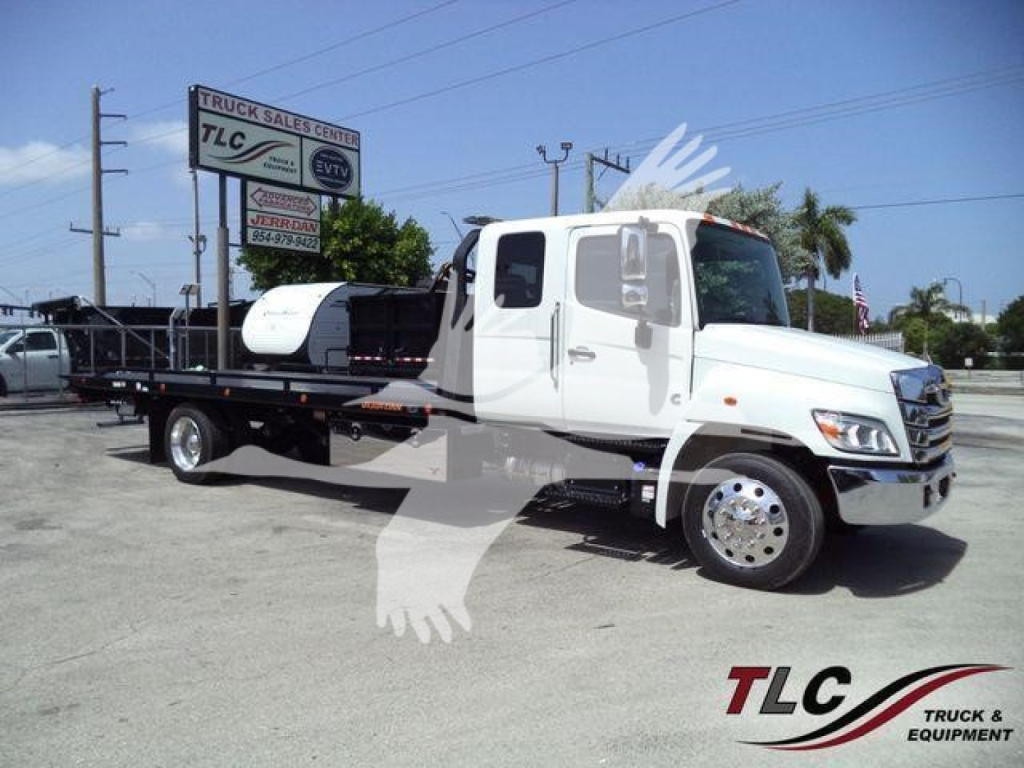
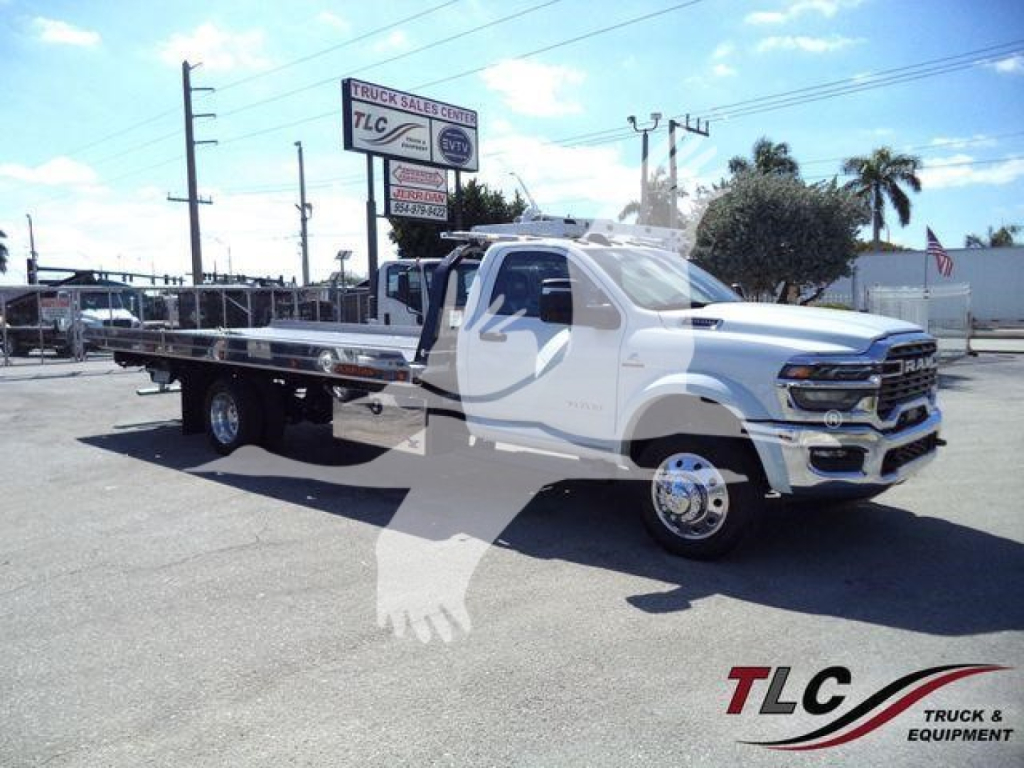
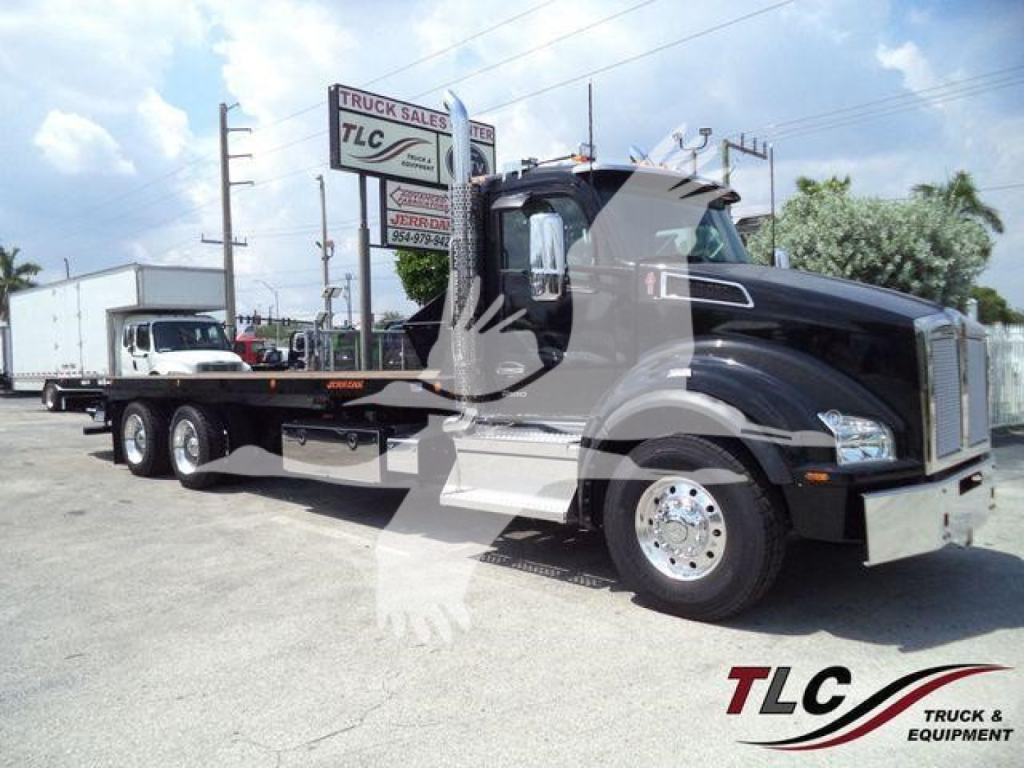
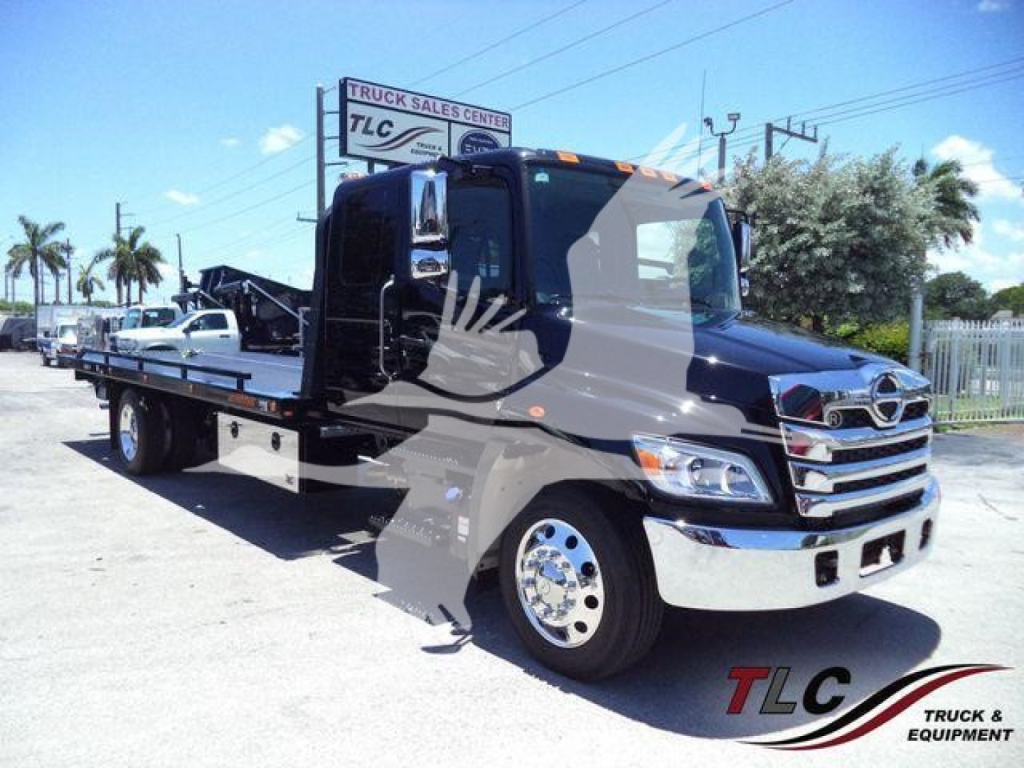
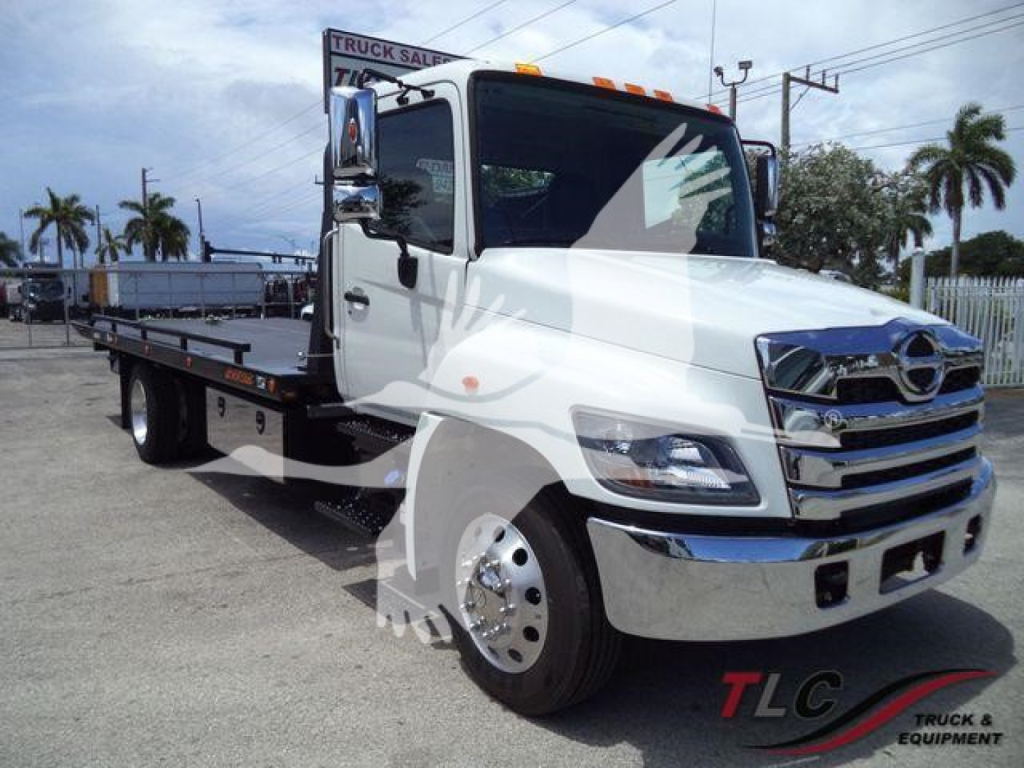
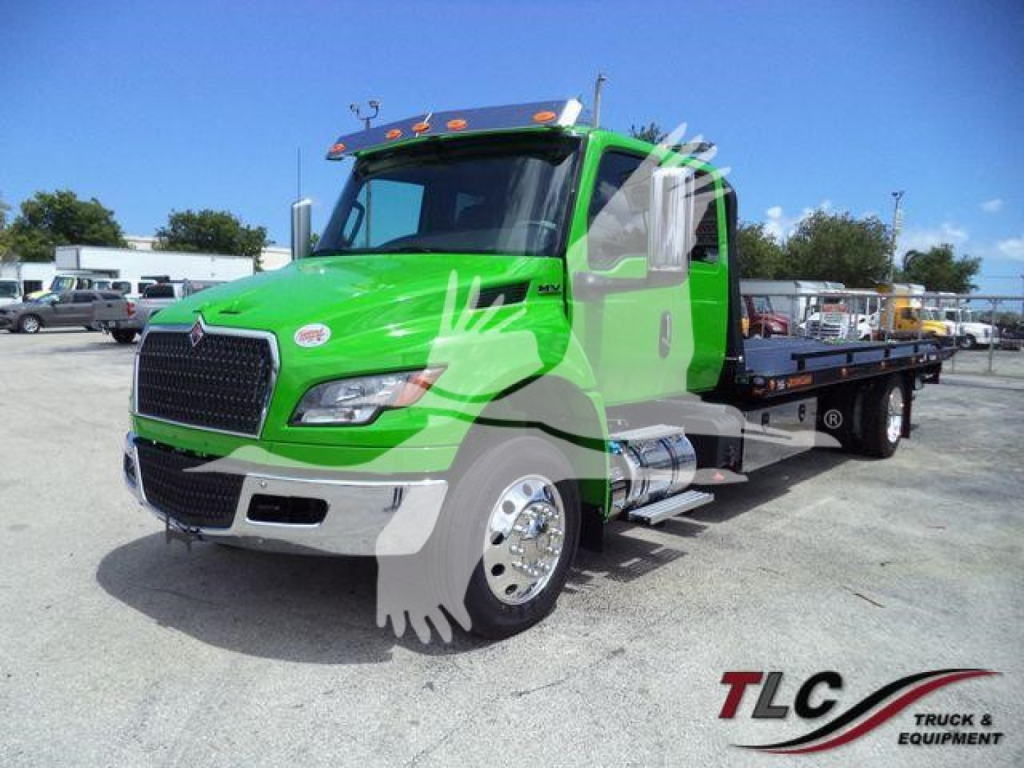
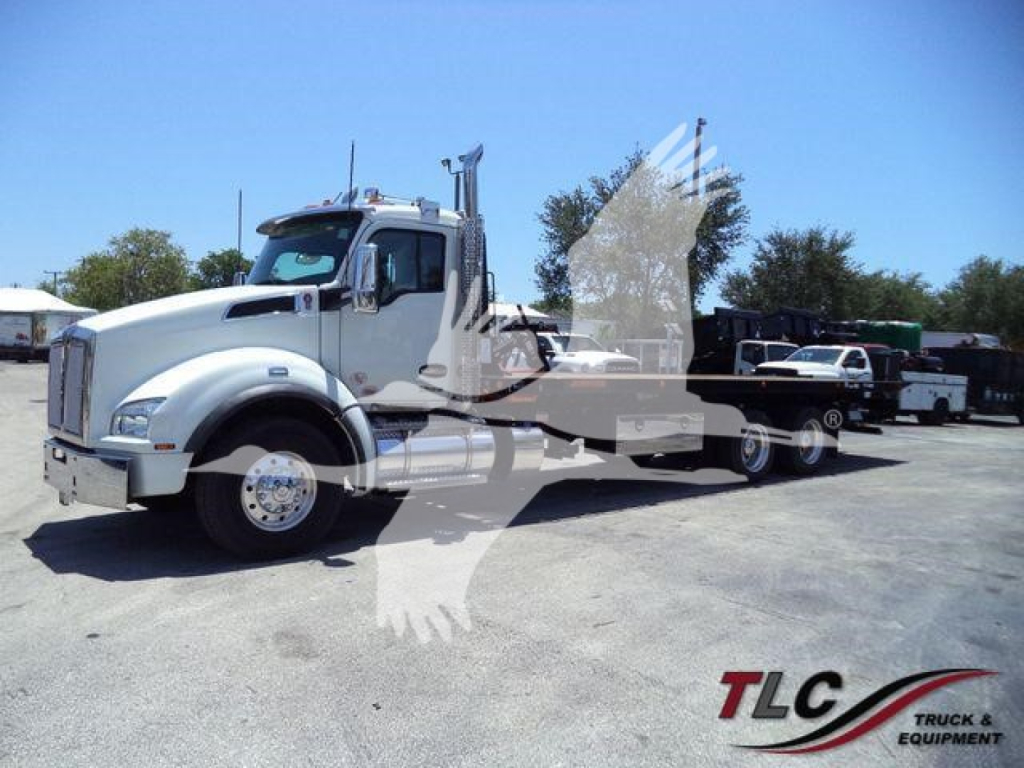
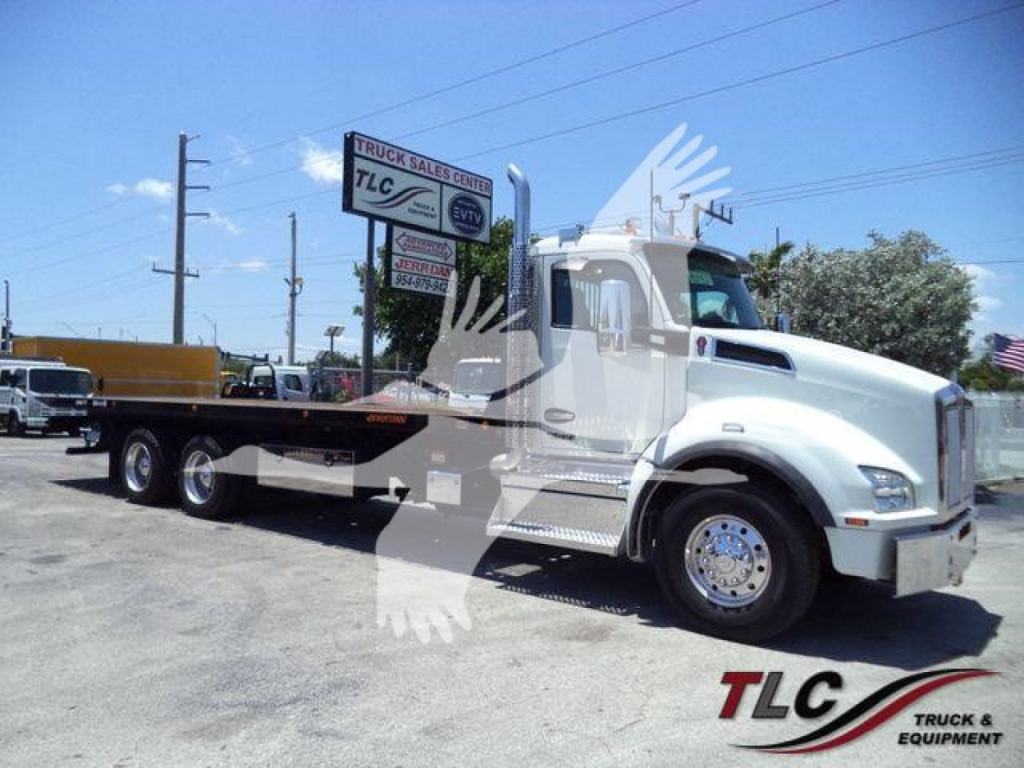
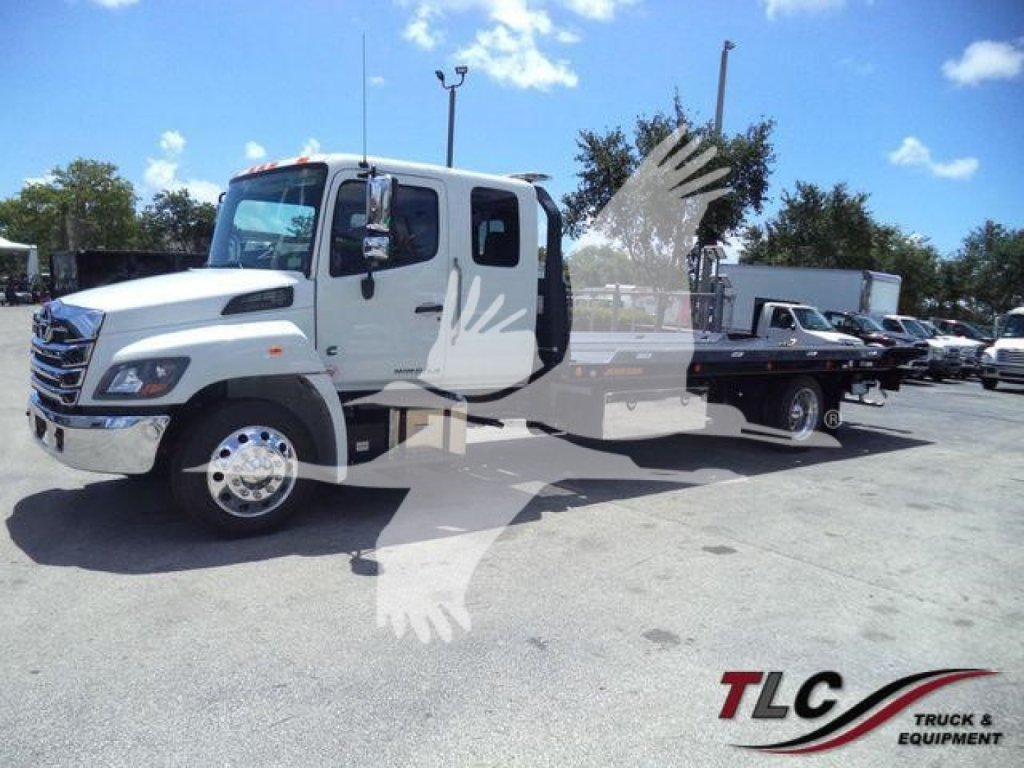
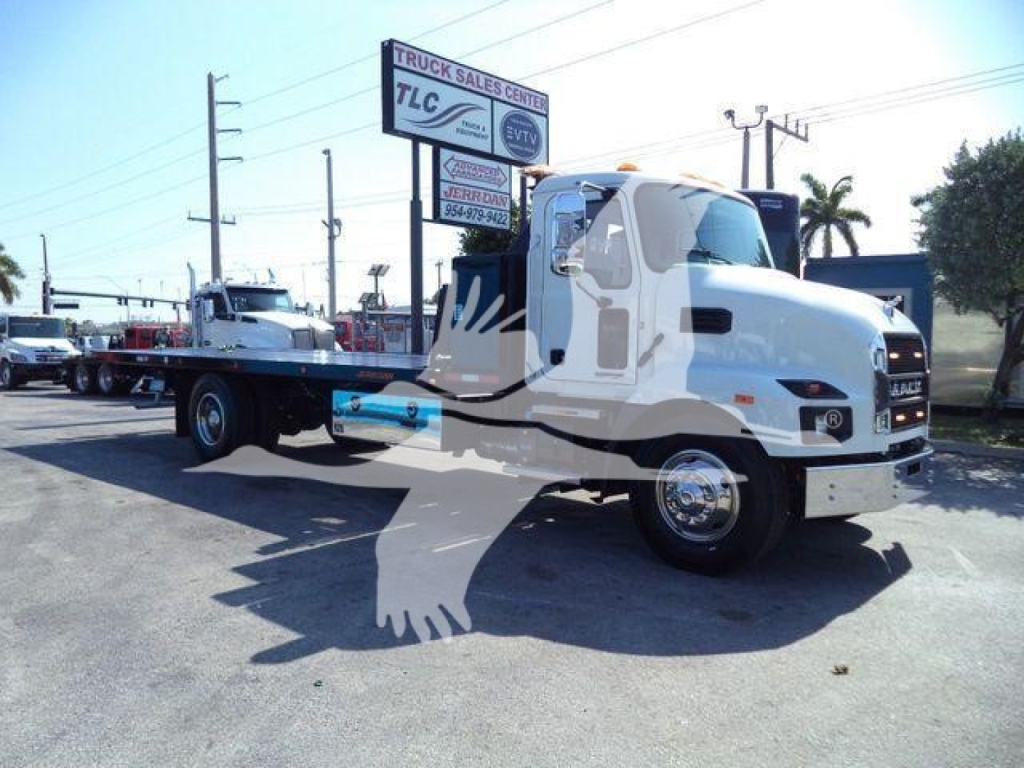
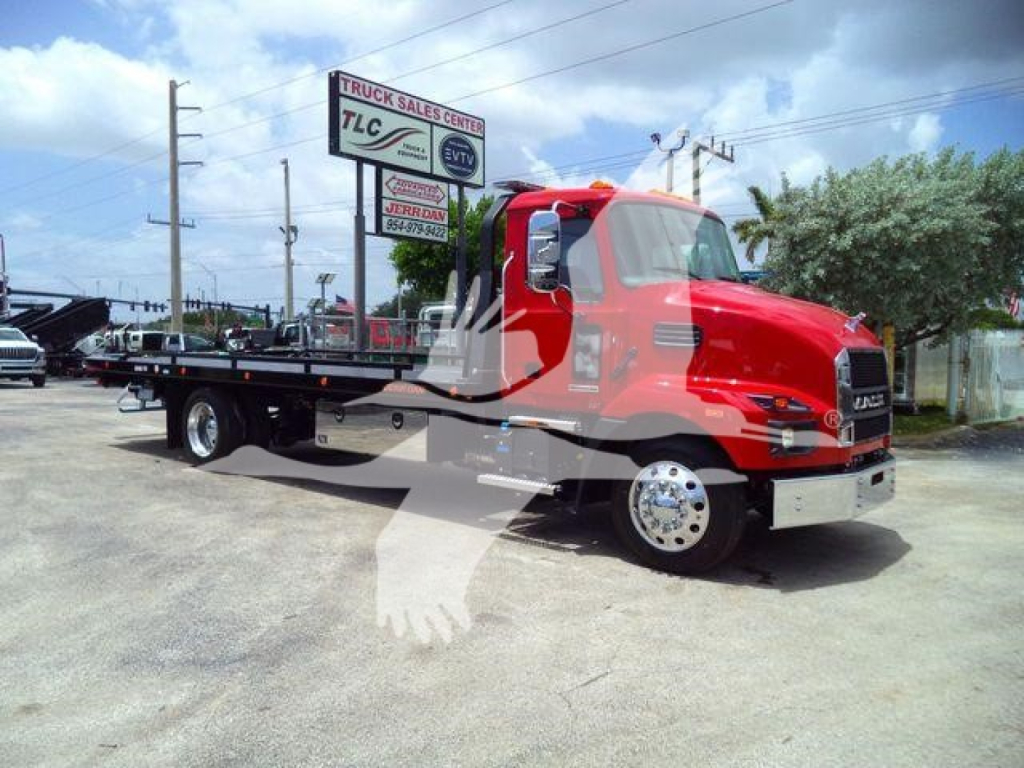
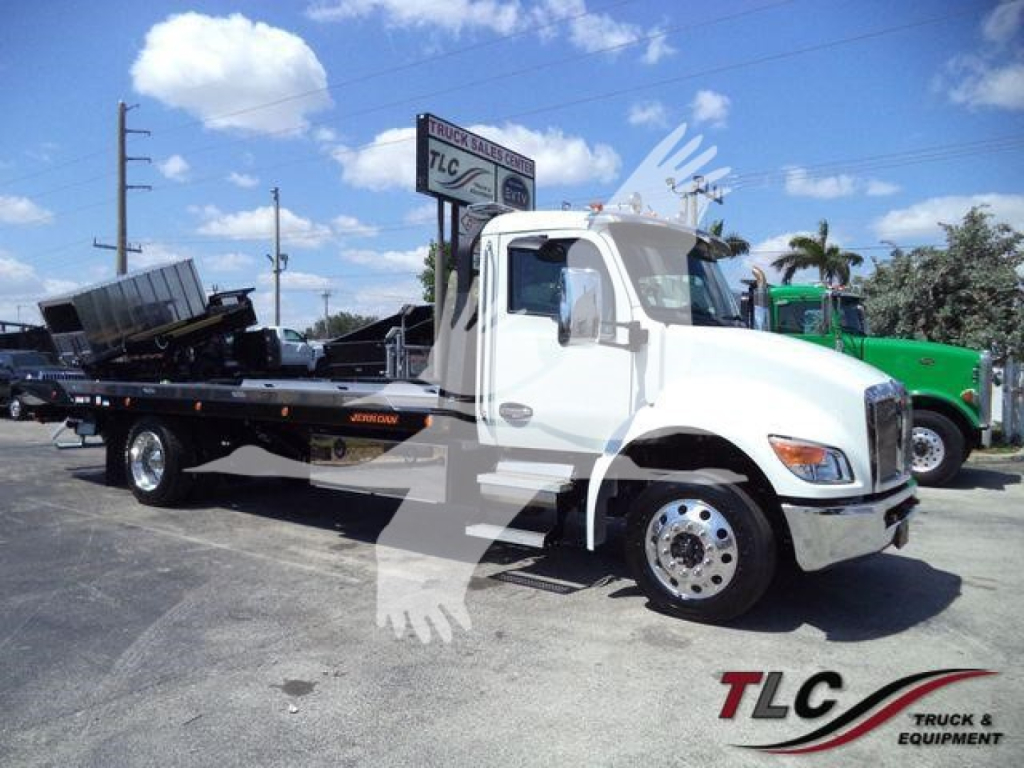
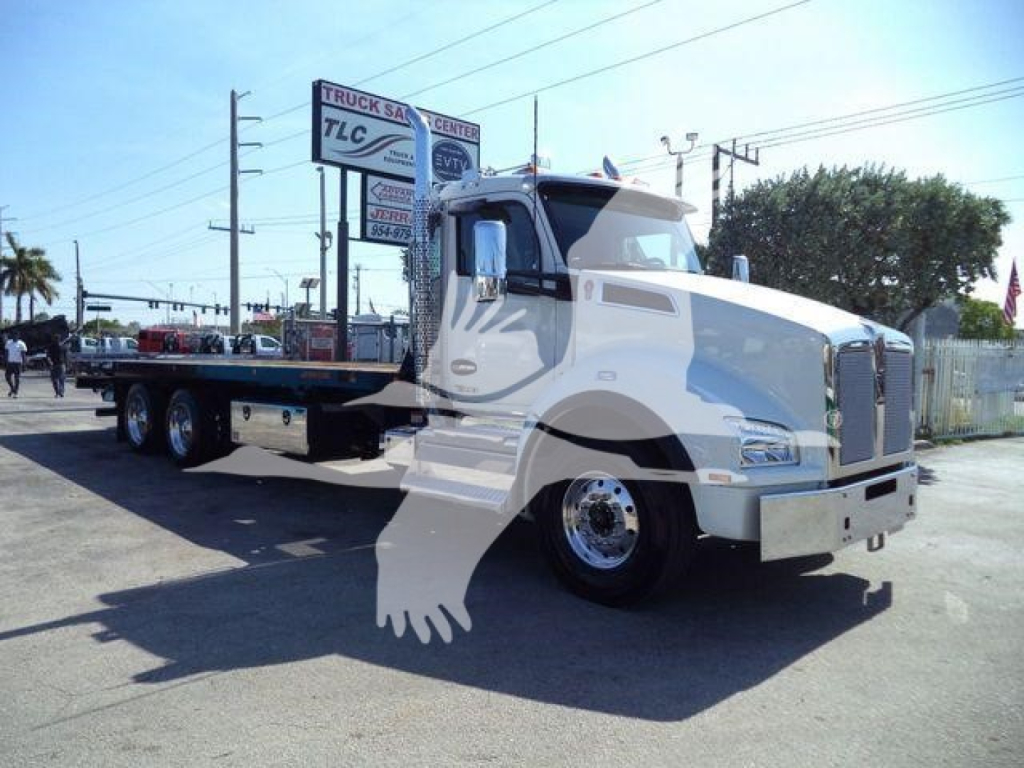
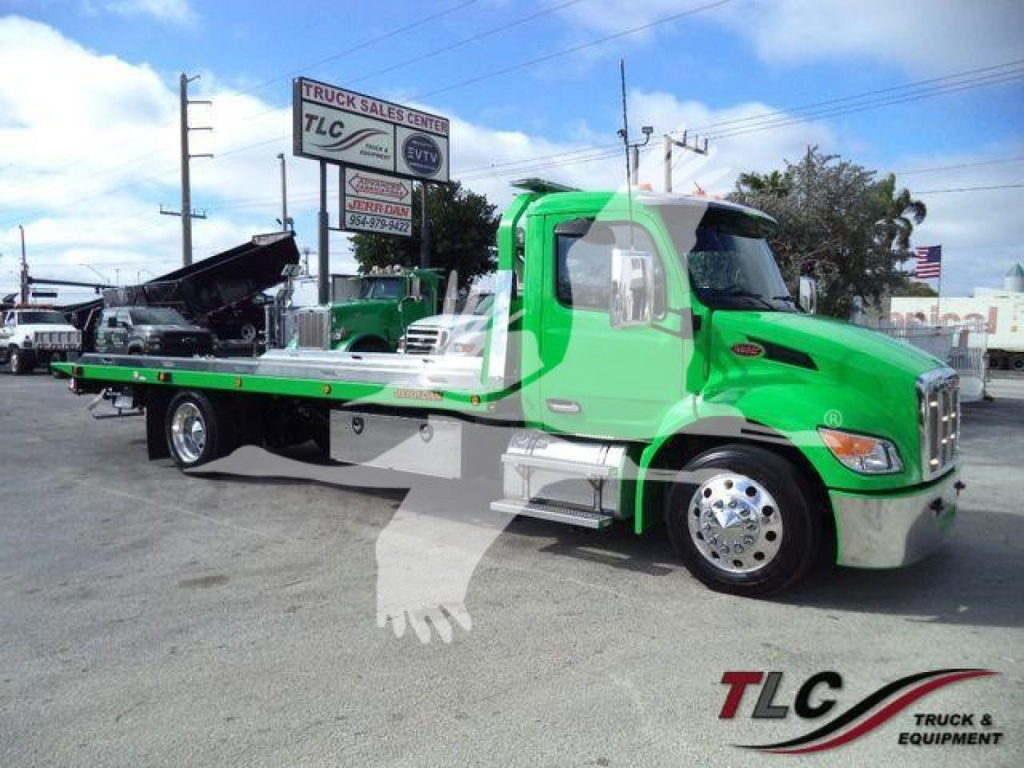
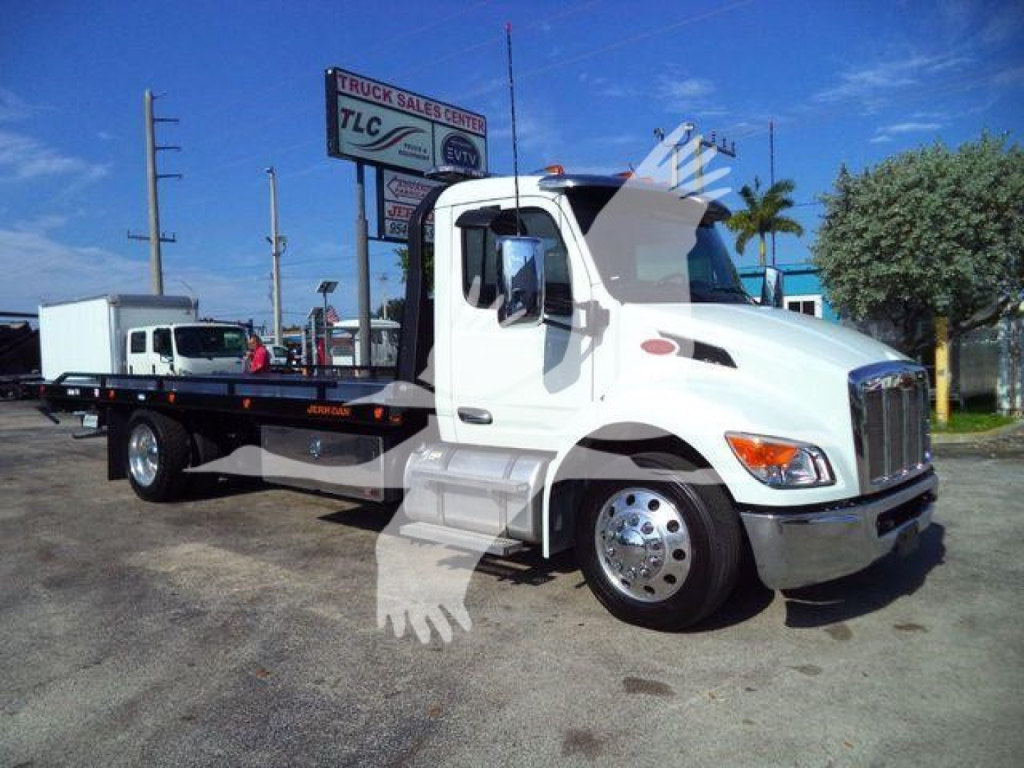
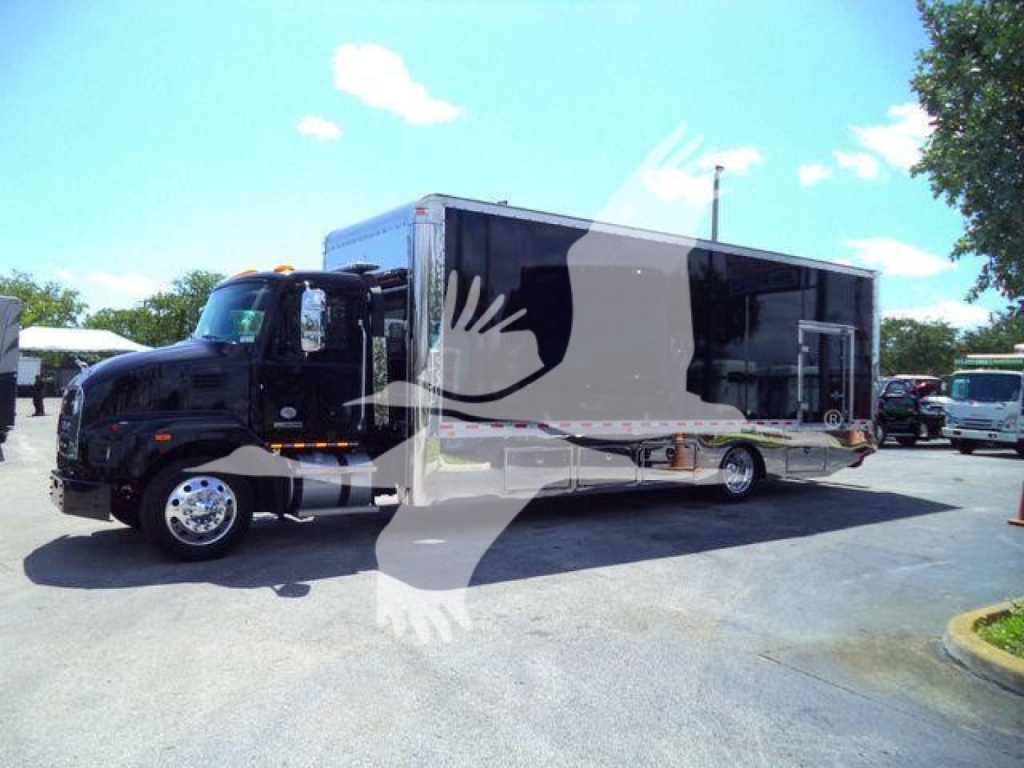
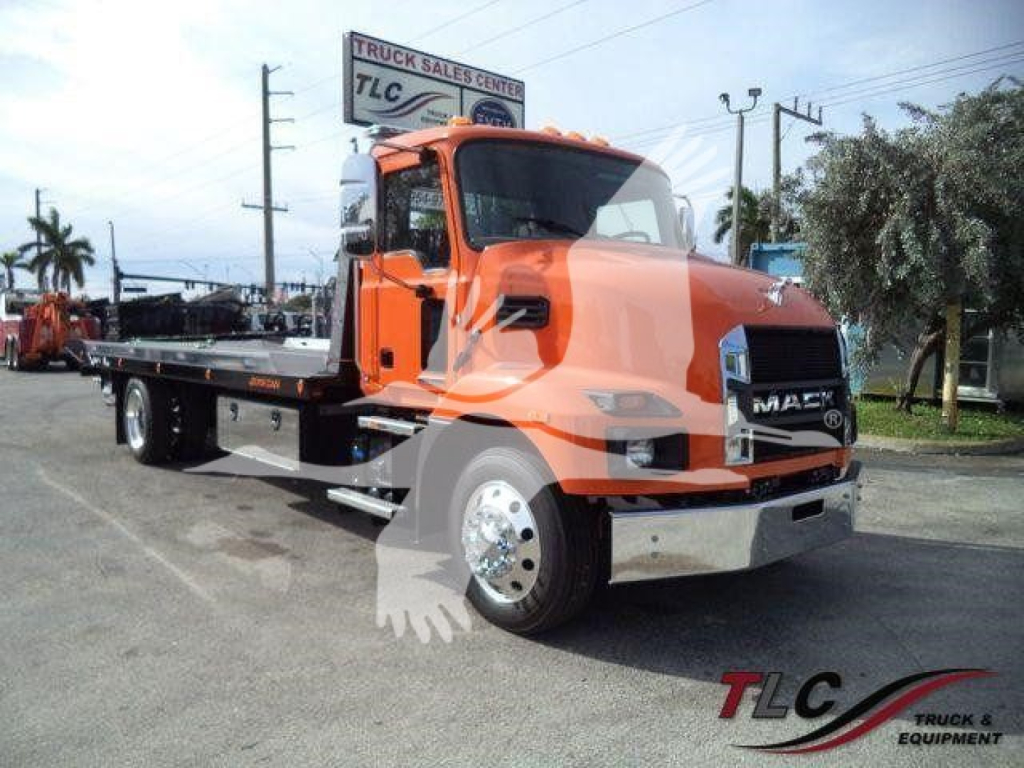
Showing 1 to 28 of 30 results
Selling a 2026 rollback truck? List your 2026 rollback truck for sale and reach thousands of commercial buyers.
2026 Rollback Trucks in Florida
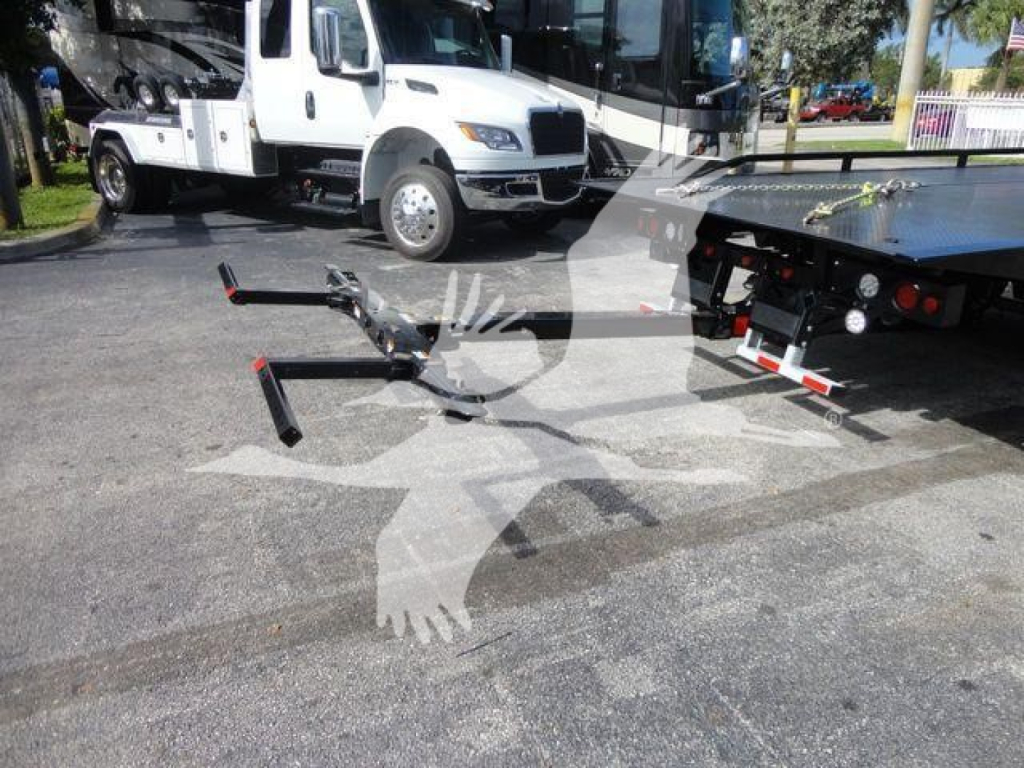
Deck design matters as much as chassis spec. Buyers in this category should compare steel versus wood decks, extra-low-profile bodies, deck width, stationary or removable rails, wheel-lift options, and rear dock stabilizers. A 102-inch wide XLP deck is a common fit for low-clearance vehicles and general towing because it improves approach angle and reduces scraping on long wheelbase cars. For heavier commercial hauling, a 28 foot industrial transporter body with stake pockets, rub rails, galvanized subframe construction, and a 15-ton class rating can be the better fit. Winch size is another key separator. Light-duty carriers may use smaller recovery winches, while heavy rollback applications often pair with 20,000-pound Ramsey or similar winches for controlled pulls and equipment loading.
Florida buyers usually pay close attention to corrosion resistance, cooling performance, and duty cycle. Aluminum wheels, galvanized body components, stainless toolbox doors, and durable lighting packages hold up better in humid and coastal conditions. Automatic transmissions are common on modern rollback trucks because they simplify stop-and-go towing and urban dispatch work, while air brakes and air ride suspension are more common as capacity increases. On tandem axle units, look closely at front axle and rear axle ratings, frame reinforcement, PTO setup, hitch arrangement, and whether the truck includes rear air glad hands, pintle capability, or hydraulic wheel-lift equipment. These details determine if the truck is optimized for vehicle recovery, contractor hauling, equipment transport, or a mix of all three.
A strong 2026 rollback truck should match the work before it matches the paint. For routine vehicle towing, focus on bed height, wheel-lift rating, storage, tie-down layout, and maneuverability. For commercial hauling, focus on wheelbase, double-frame construction, deck length, bed material, winch rating, and legal payload after the body is installed. Newer chassis in this class often bring cleaner emissions systems, better cab ergonomics, improved lighting, and more refined controls, but the real value is in choosing the right combination of chassis, rollback body, and towing hardware for the loads you plan to move every day.
Frequently Asked Questions about 2026 Rollback Trucks in Florida
What is the difference between a light-duty rollback and a heavy-duty industrial transporter rollback?
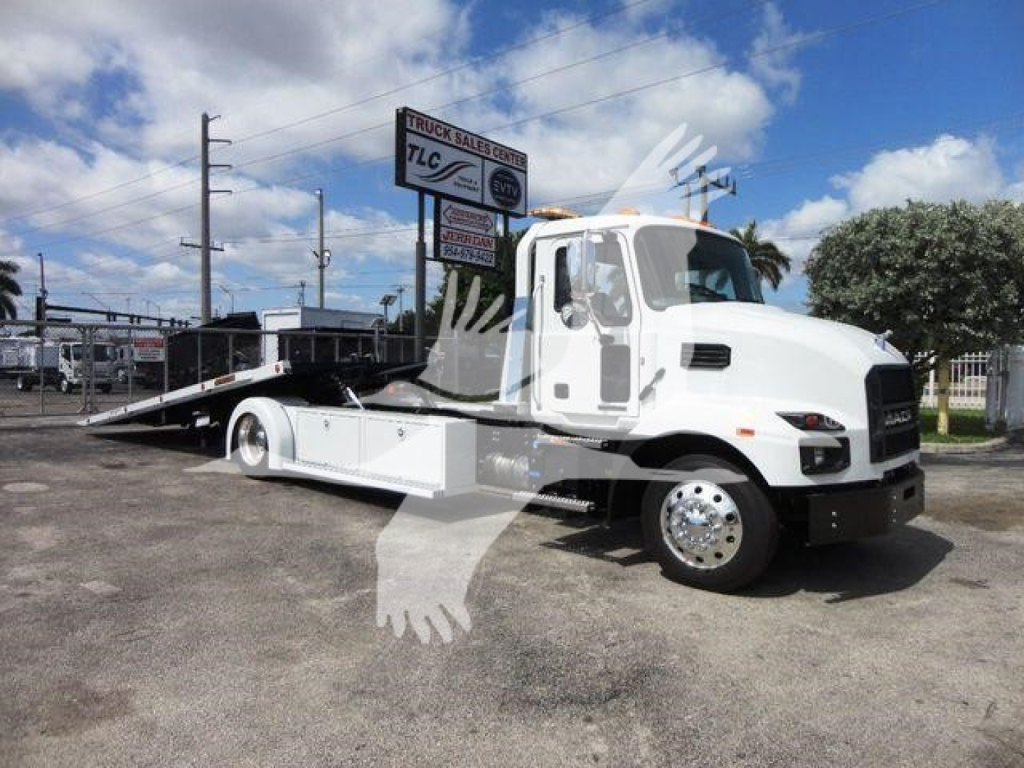
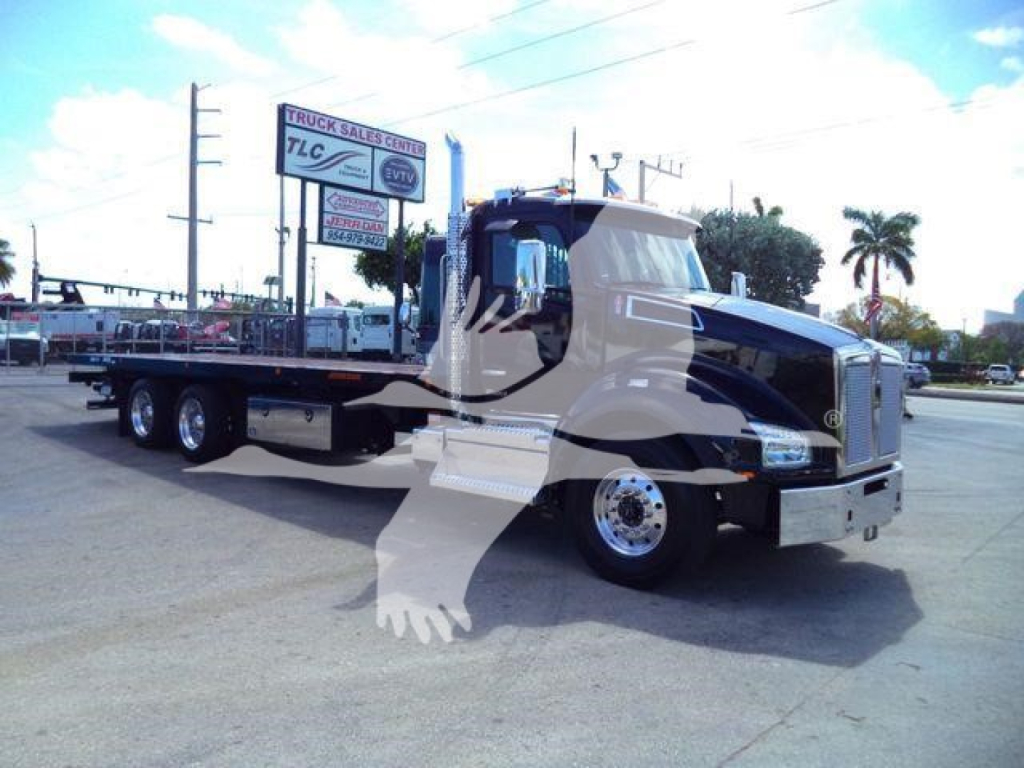
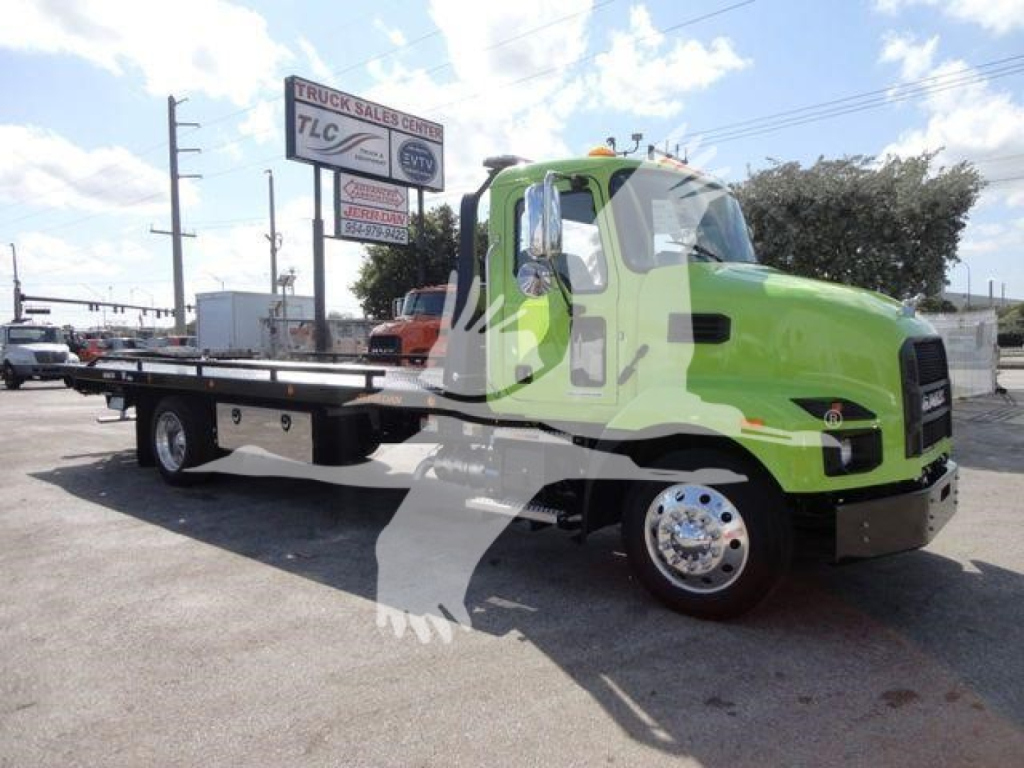
A light-duty rollback is typically built for passenger vehicles, light trucks, and general repossession or roadside towing. These trucks commonly use 19 to 22 foot decks, 6-ton class carrier bodies, and single-axle chassis in the 23,500 to 26,000 pound GVWR range. A heavy-duty industrial transporter rollback is designed for larger trucks, equipment, and commercial loads. It often uses a 28 foot deck, tandem axles, a 60,000 pound GVWR chassis, heavier winch capacity, and a stronger bed and subframe package.
What deck length is best on a rollback truck?
The right deck length depends on what you haul most often. A 20 to 22 foot rollback is a common choice for cars, pickups, SUVs, and general towing because it balances capacity with maneuverability. A 28 foot rollback is better for longer wheelbase vehicles, contractor equipment, and heavier commercial transport. Buyers should also consider usable deck length, pylon design, and whether a wheel-lift reduces or adds flexibility for the jobs they handle.
Is an extra-low-profile rollback deck worth it?
An extra-low-profile, or XLP, deck is valuable if you regularly load low-clearance cars, specialty vehicles, or long wheelbase units that are prone to scraping. The lower loading angle improves approach and breakover clearance and can reduce loading damage. For standard towing fleets, an XLP body can broaden the range of vehicles the truck can handle. For heavier industrial hauling, deck strength, subframe design, and total capacity may matter more than a very low load angle.
What chassis specs matter most when buying a 2026 rollback truck?
The most important chassis specs are GVWR, axle ratings, wheelbase, engine horsepower and torque, transmission type, brake system, and frame strength. A rollback body adds significant weight, so legal payload and weight distribution are critical. Buyers should also verify PTO compatibility, suspension type, tire size, and hitch setup. In heavier applications, tandem axles, air brakes, double-frame construction, and air ride suspension are common priorities.
What should Florida buyers look for in a rollback truck?
Florida buyers often prioritize corrosion resistance, dependable cooling, and equipment that handles year-round humidity and frequent stop-and-go work. Galvanized subframes, aluminum wheels, stainless toolbox doors, sealed LED lighting, and durable wiring protection are all useful in this market. Coastal operators may place even more value on rust prevention. For busy towing routes and mixed urban driving, automatic transmissions, strong A/C performance, and easy-access tie-down storage also matter.