
2026 Rollback Trucks For Sale
Shop 2026 rollback trucks with low-profile carriers, wheel lifts, and winch options for vehicle transport, towing, and recovery work.
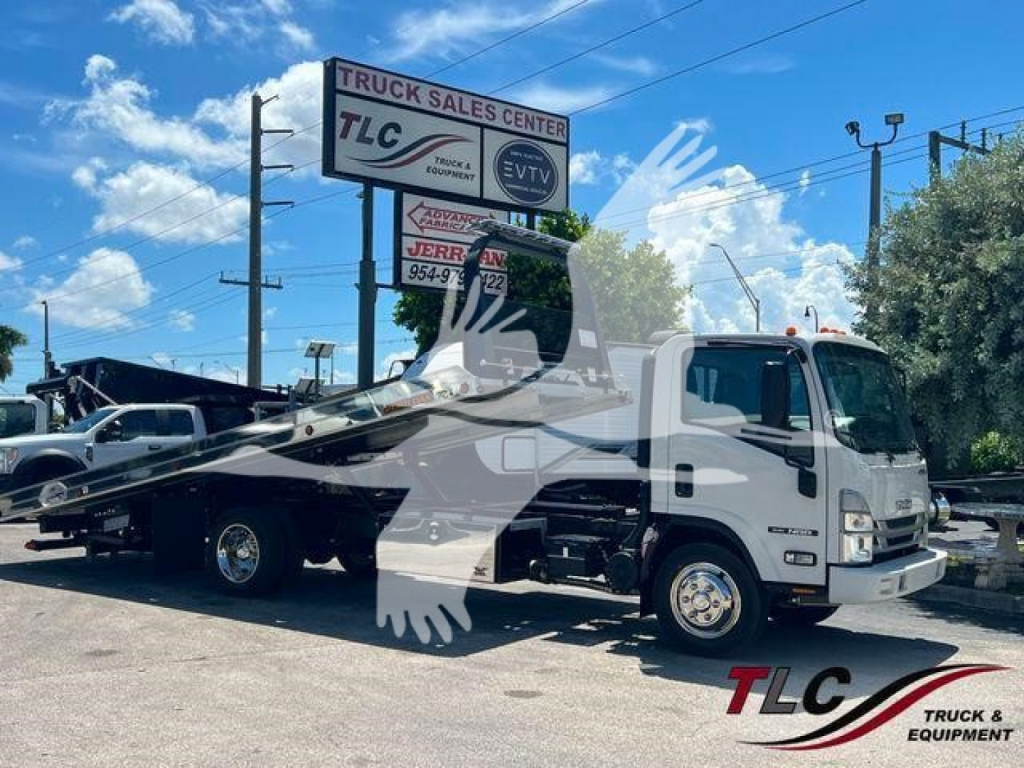
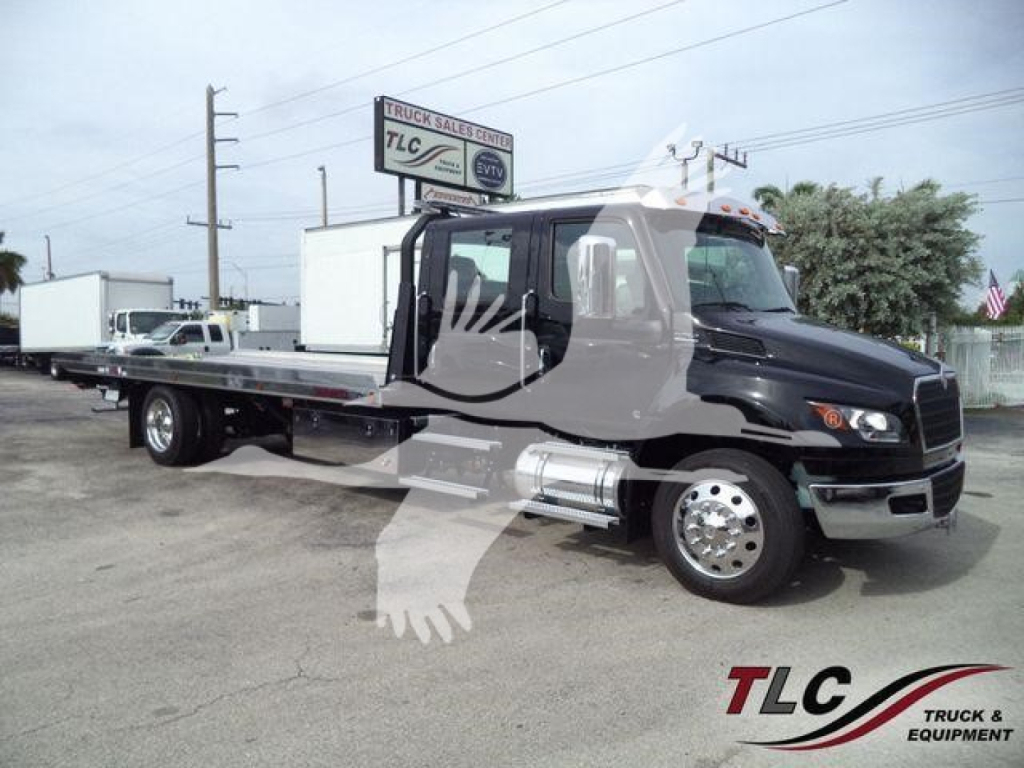
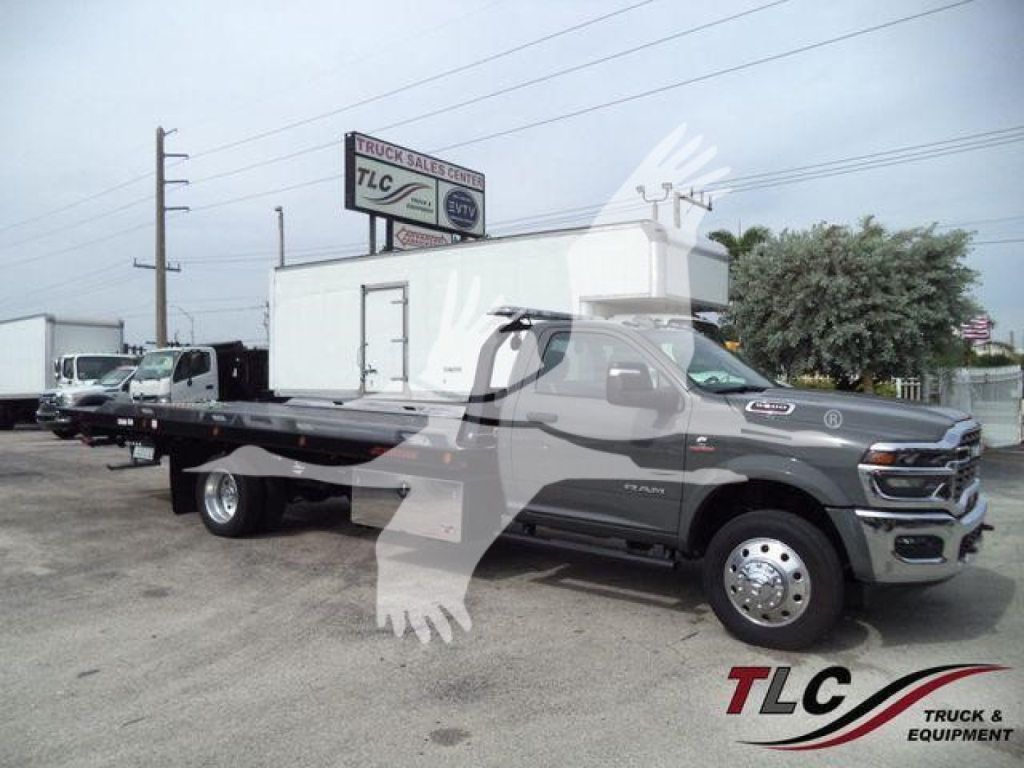
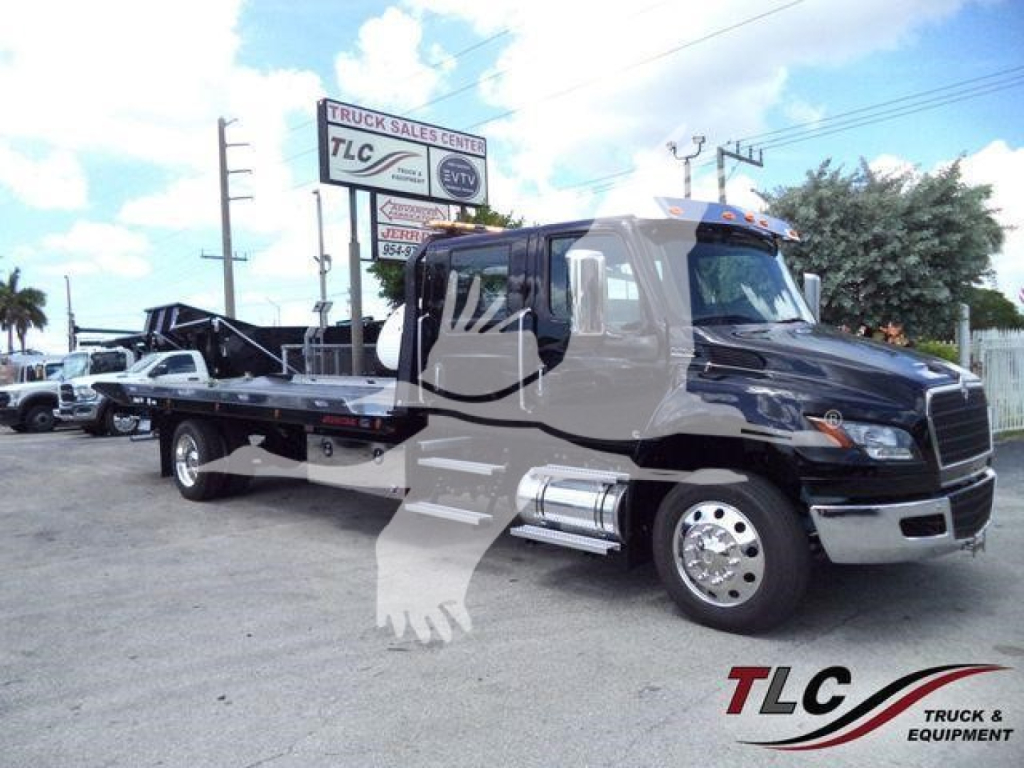
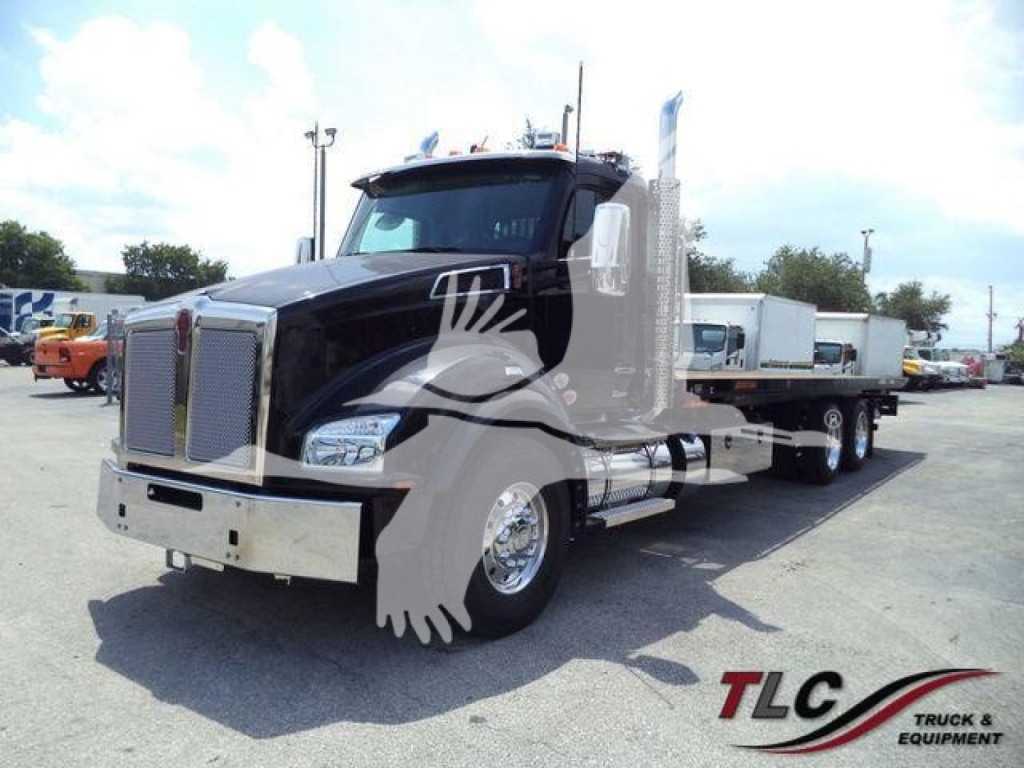
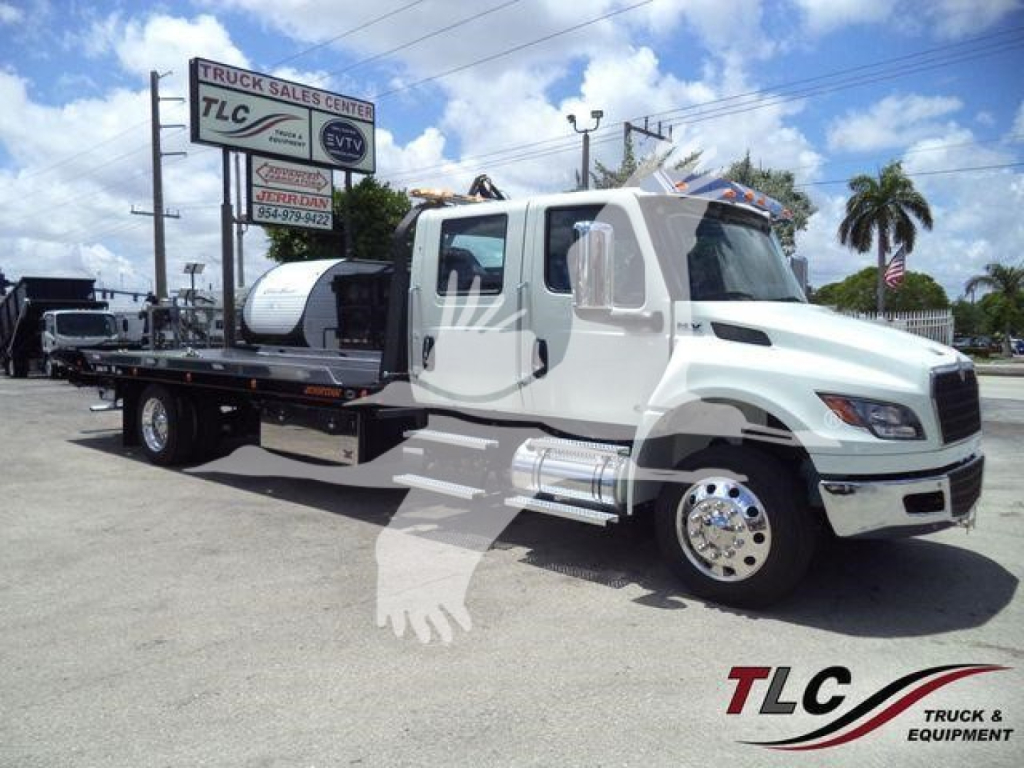
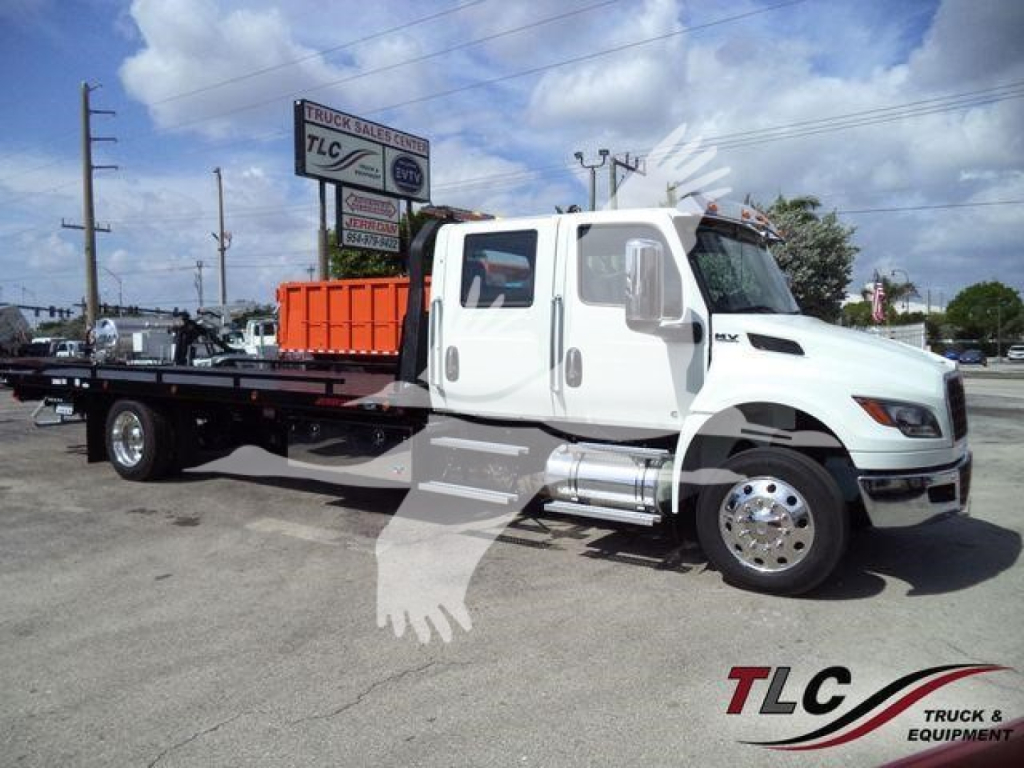
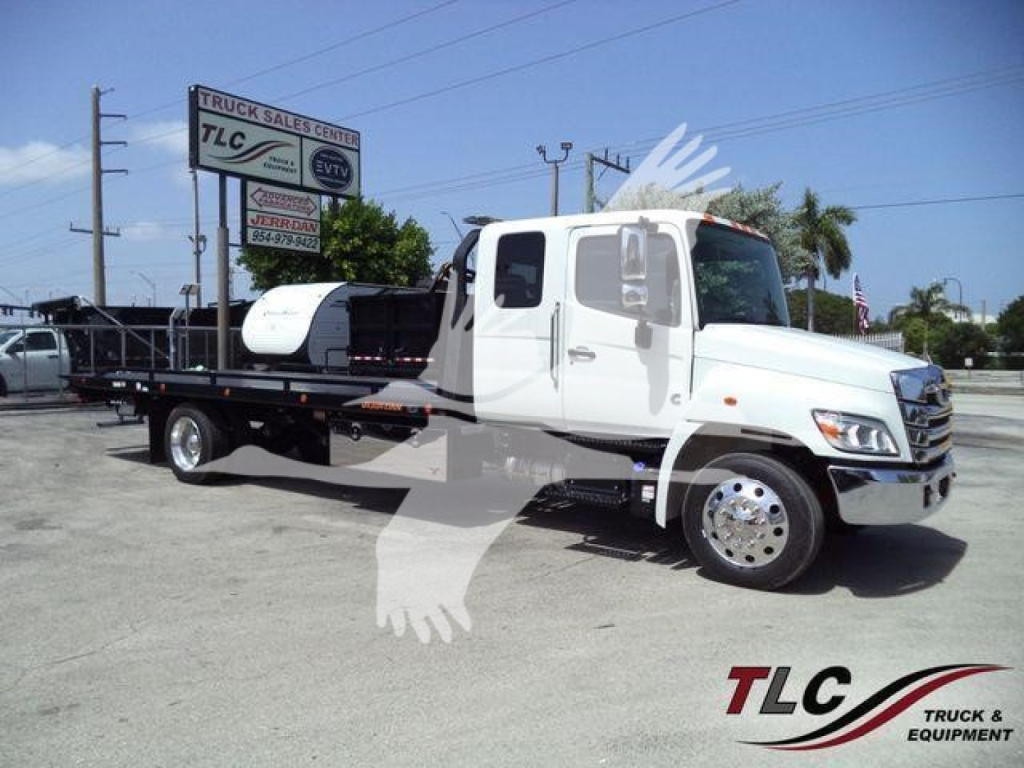
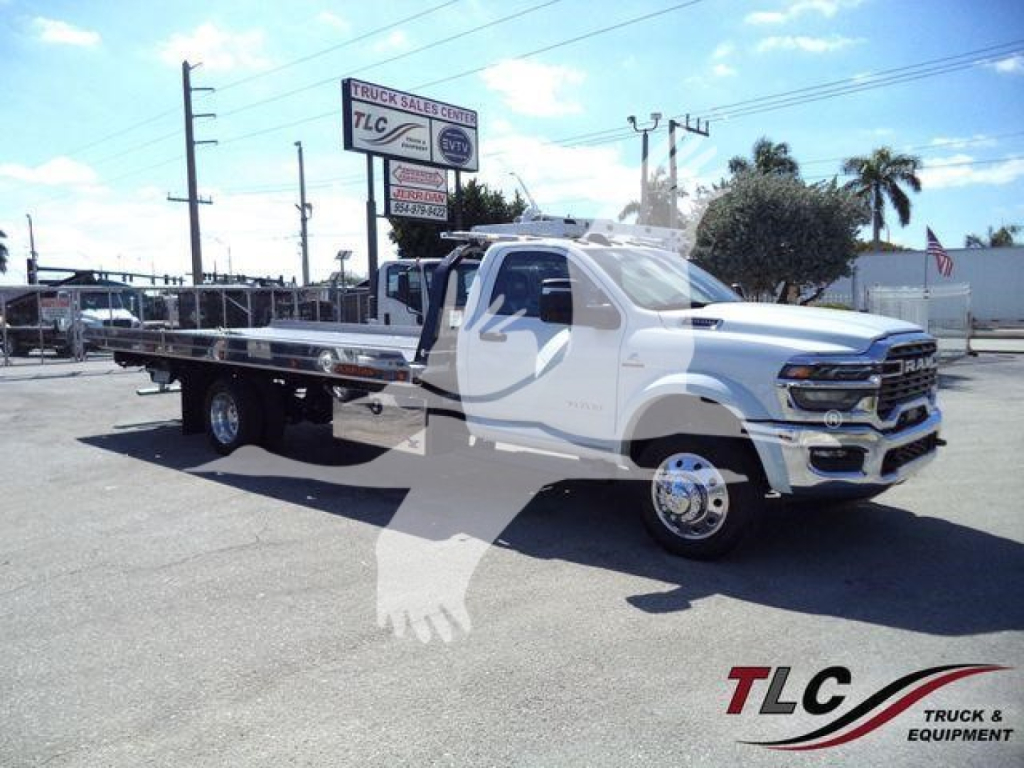
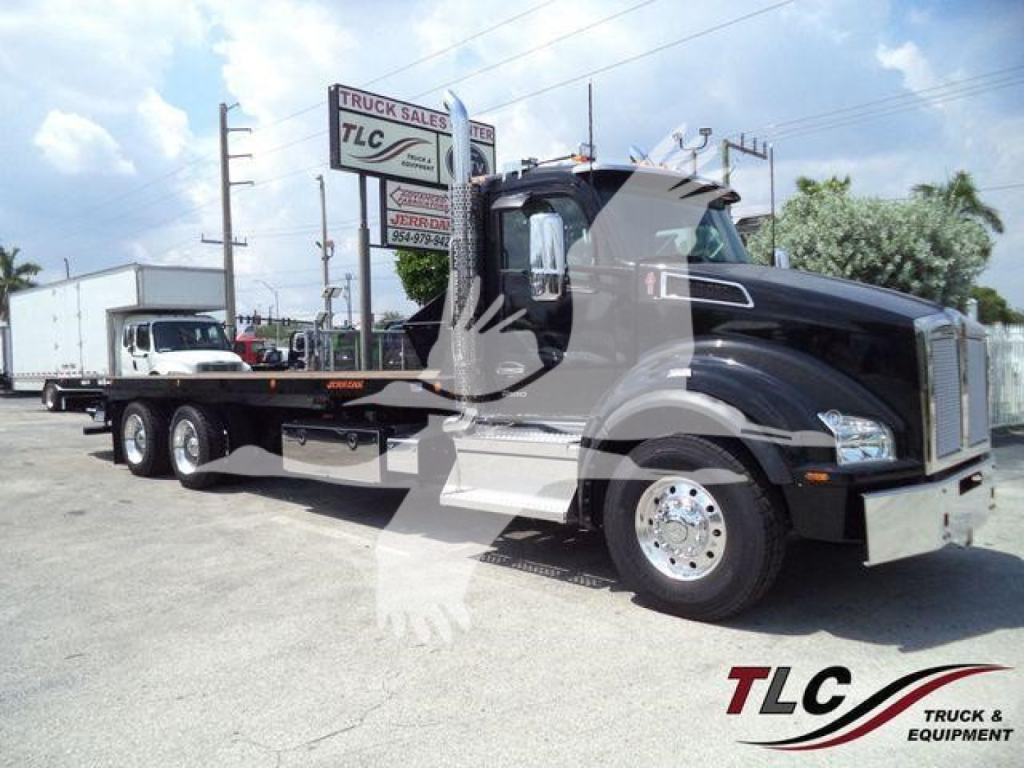
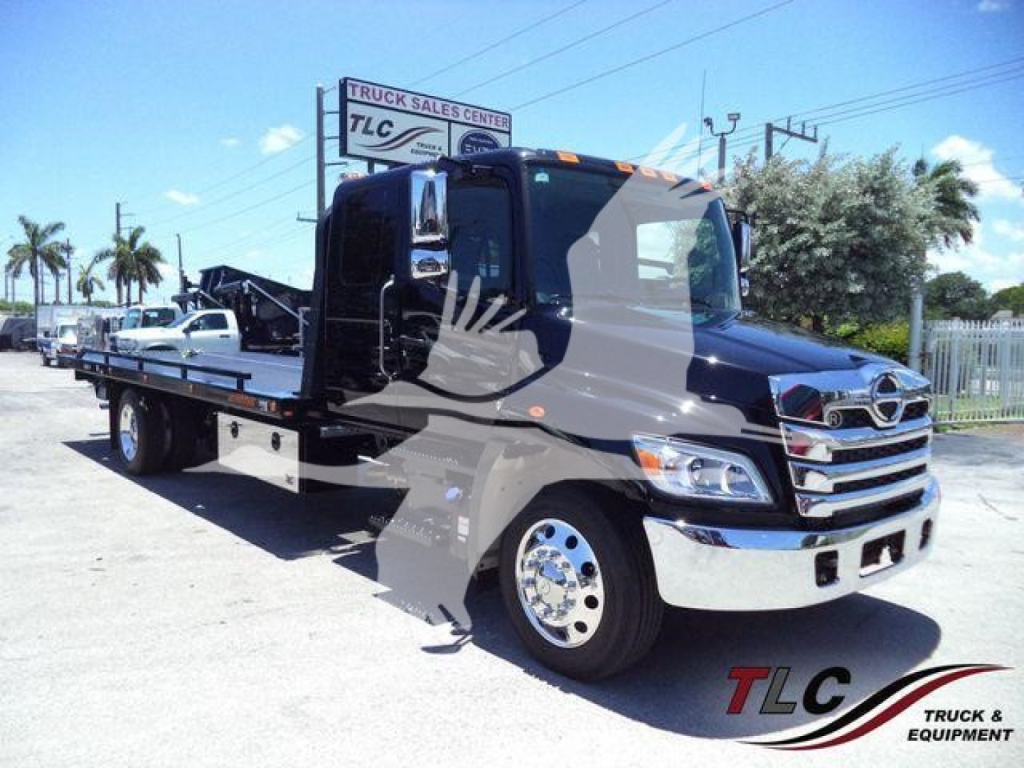
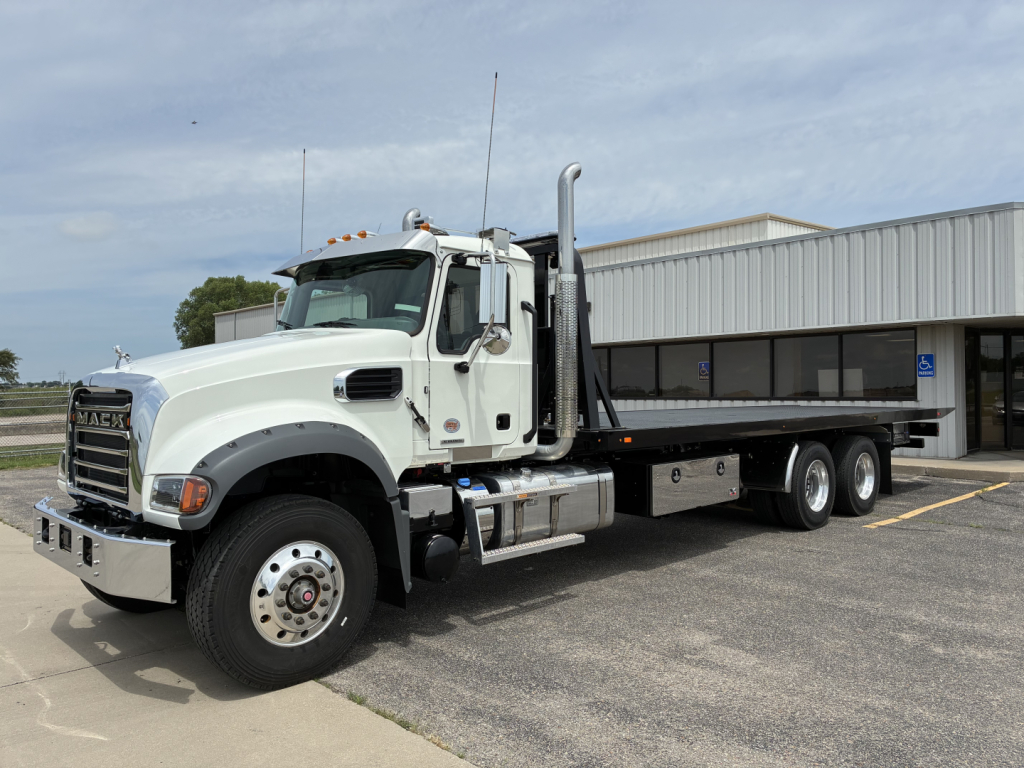
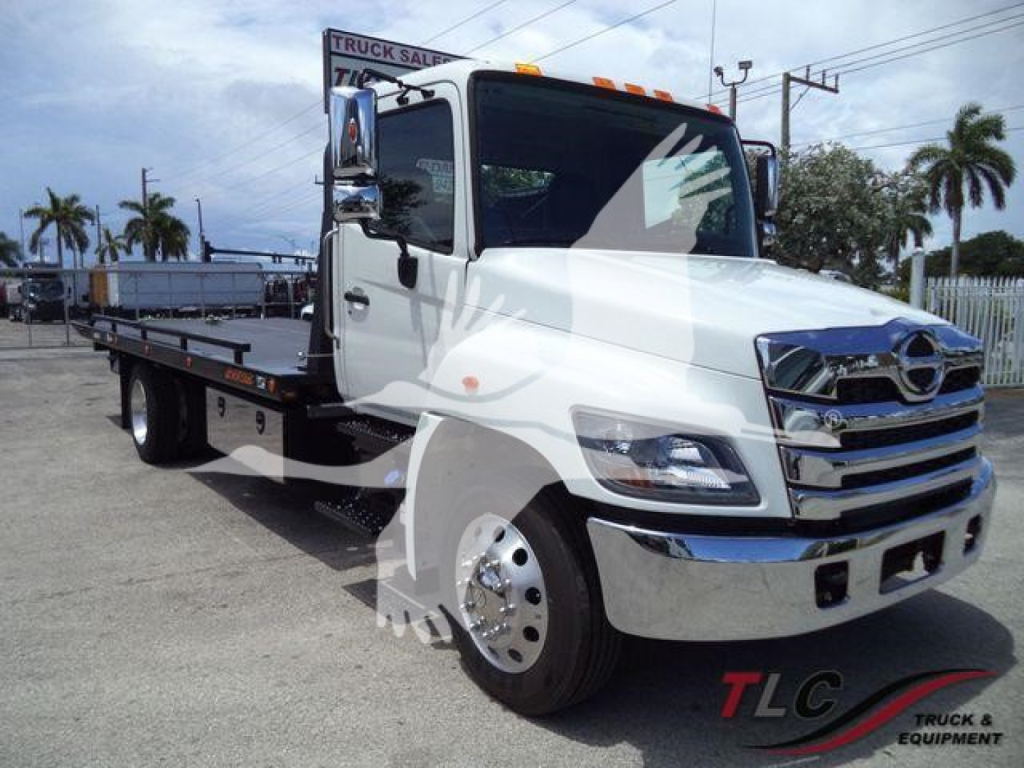
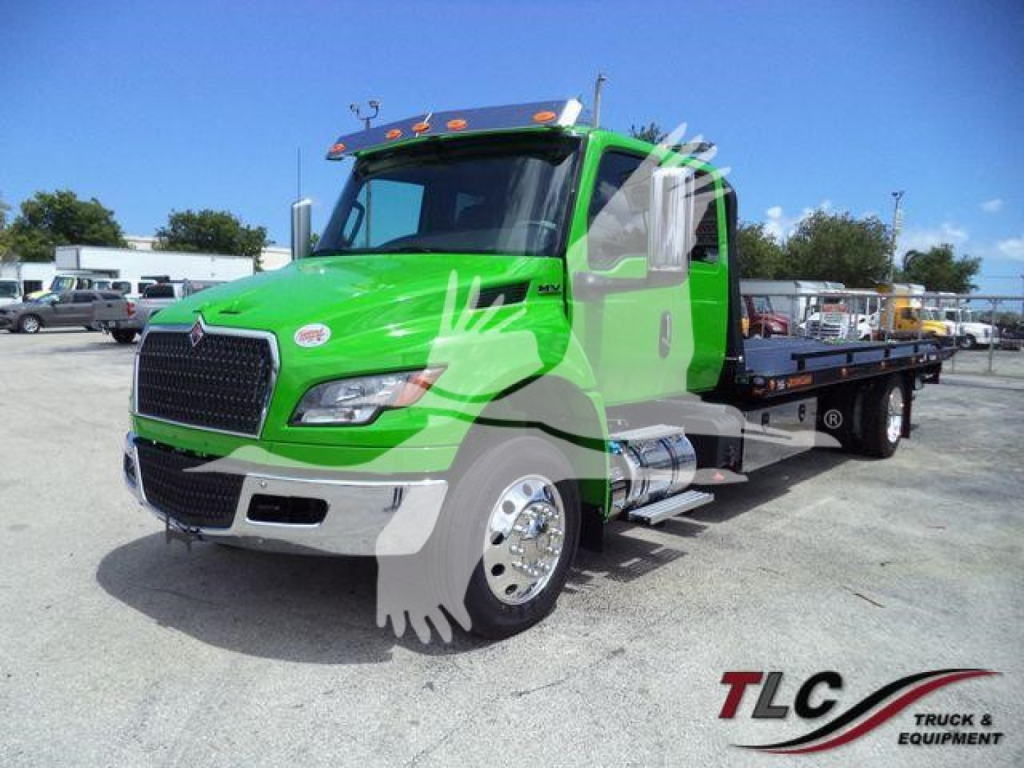
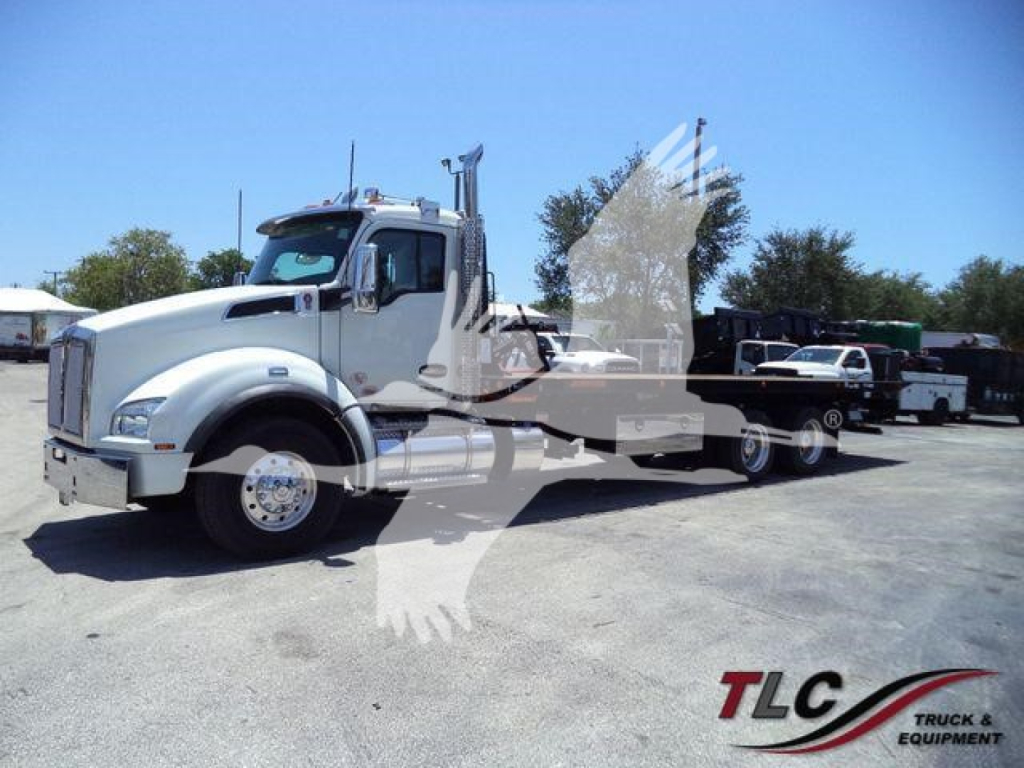
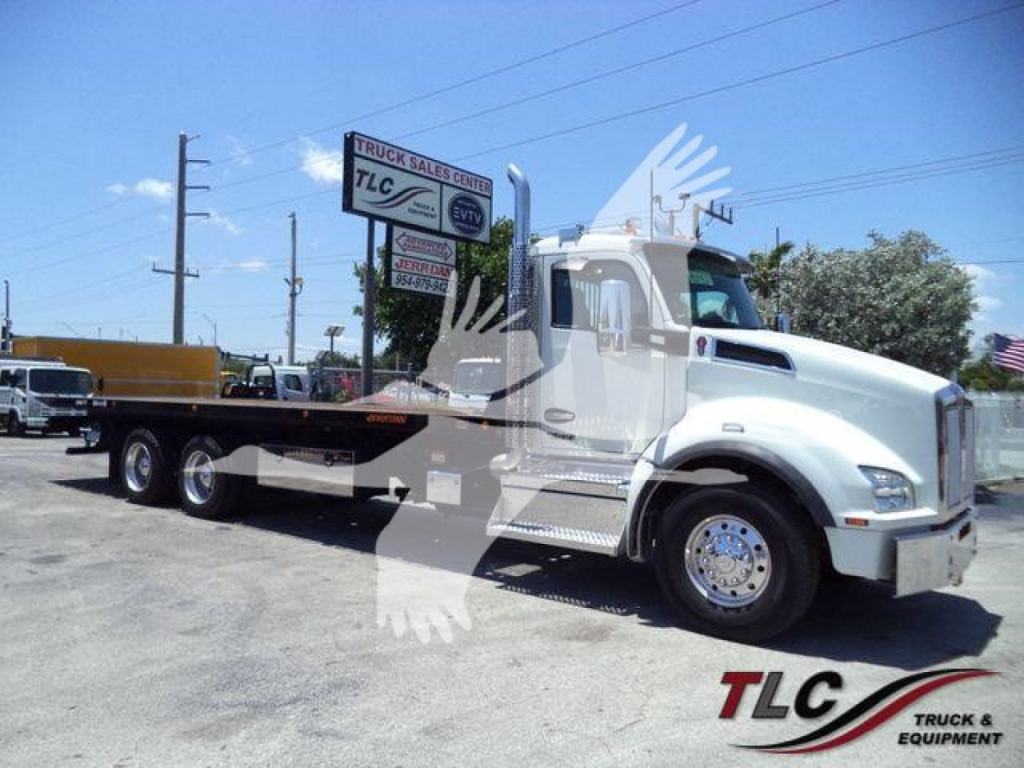
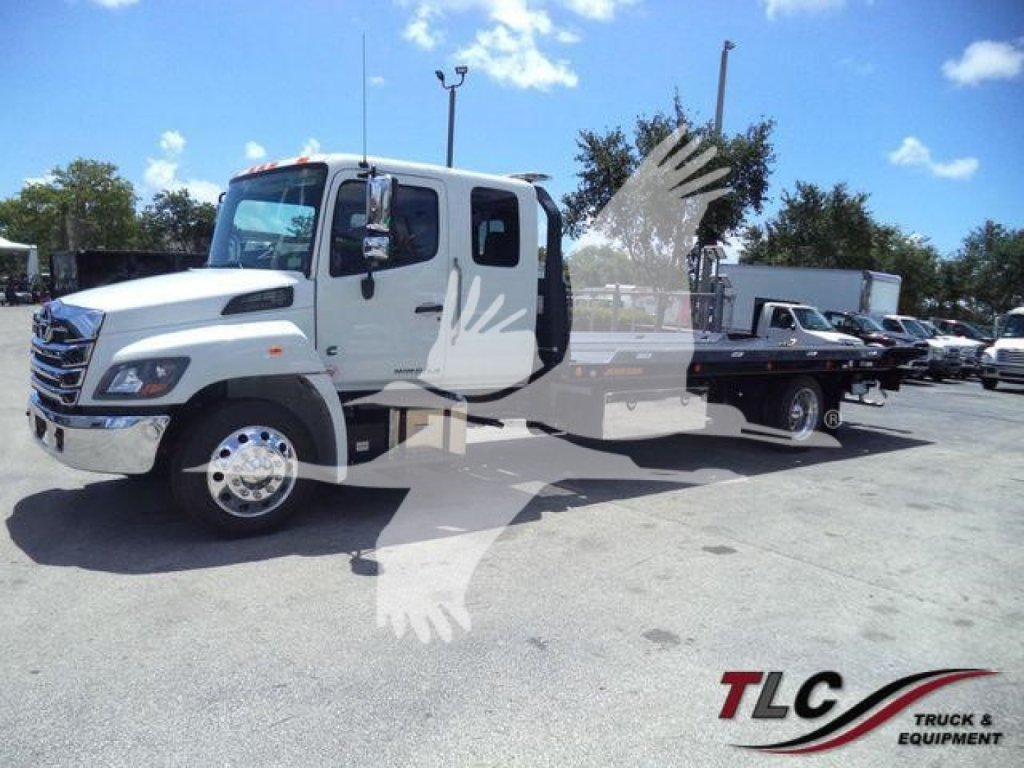
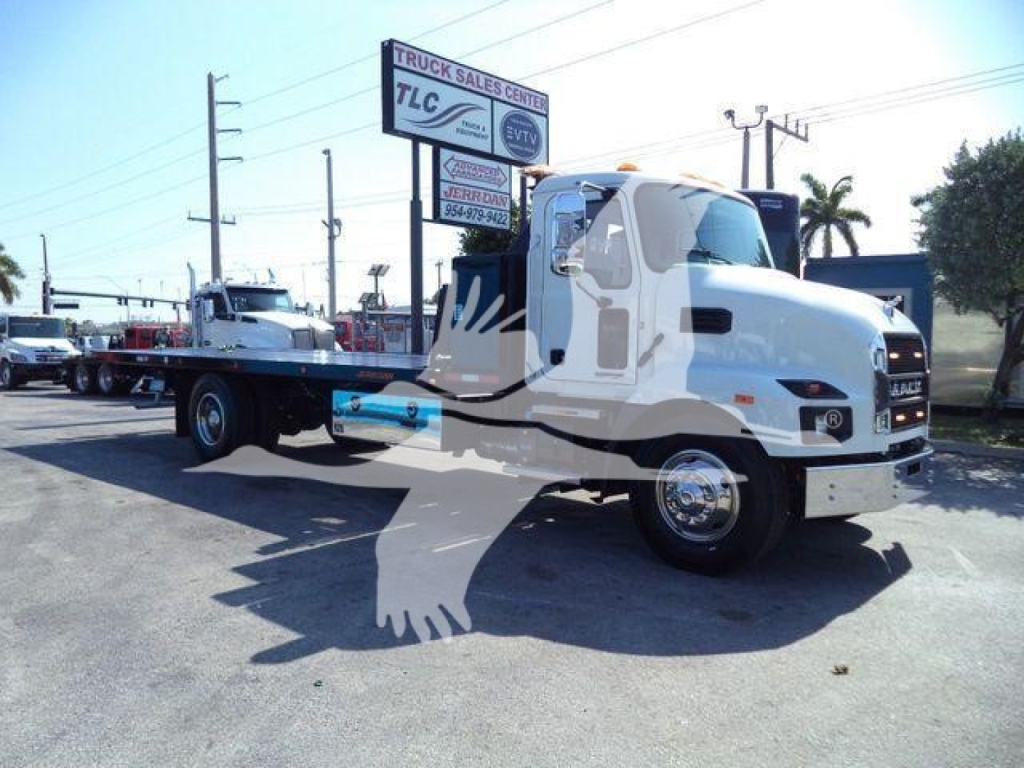
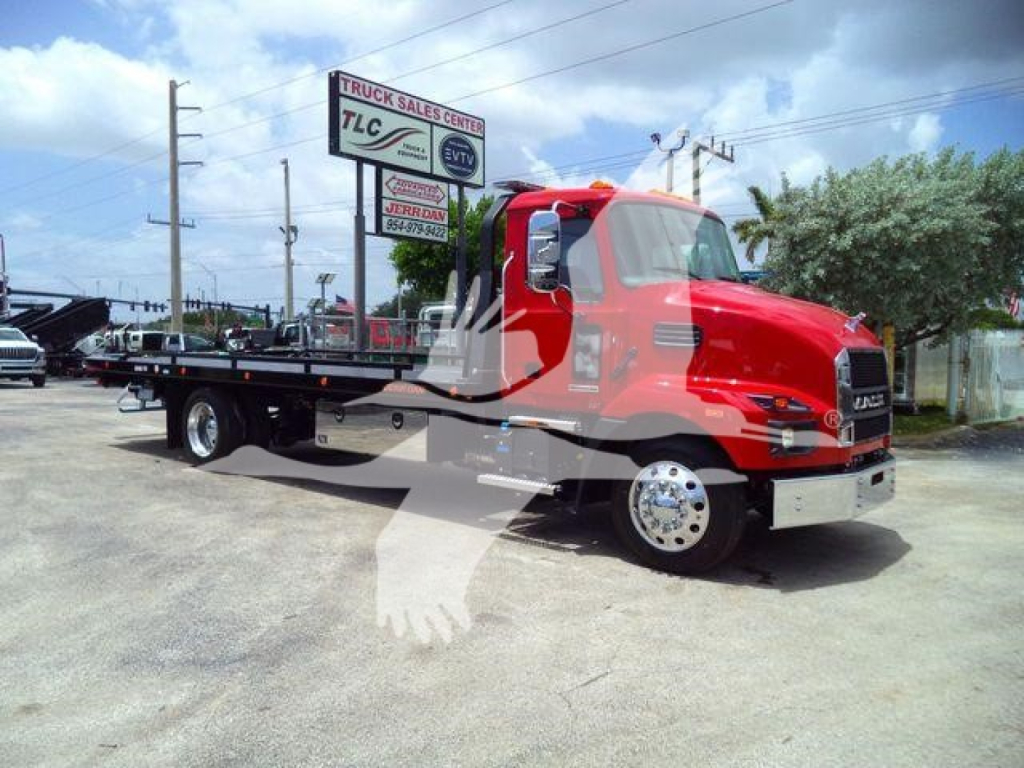
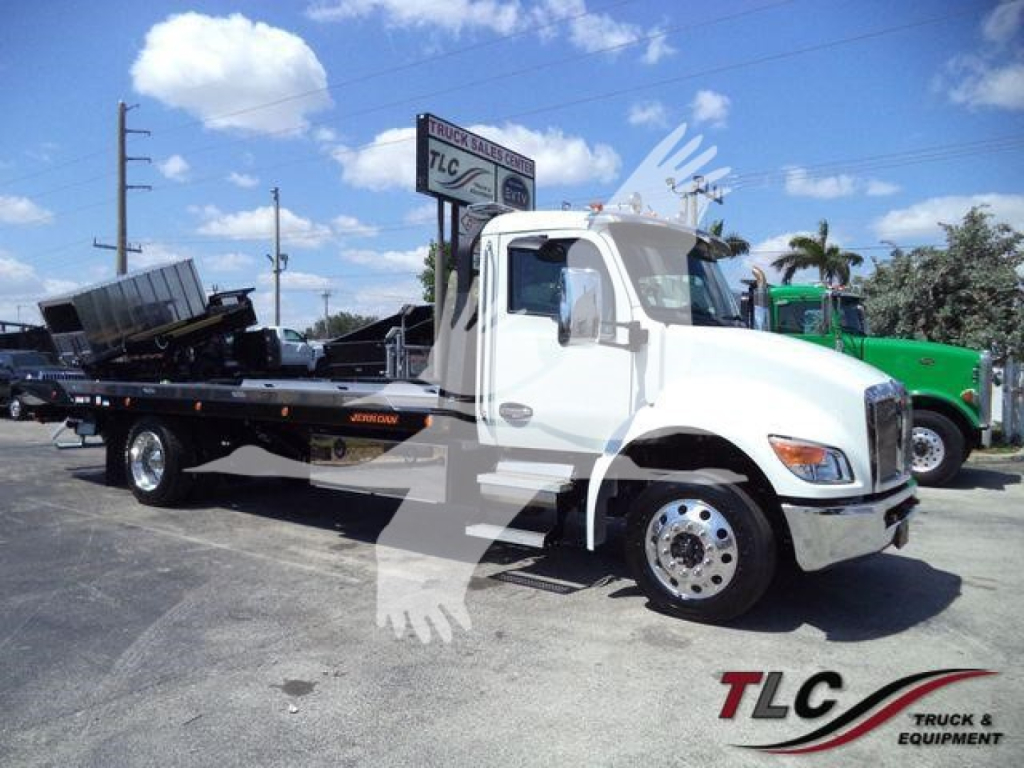
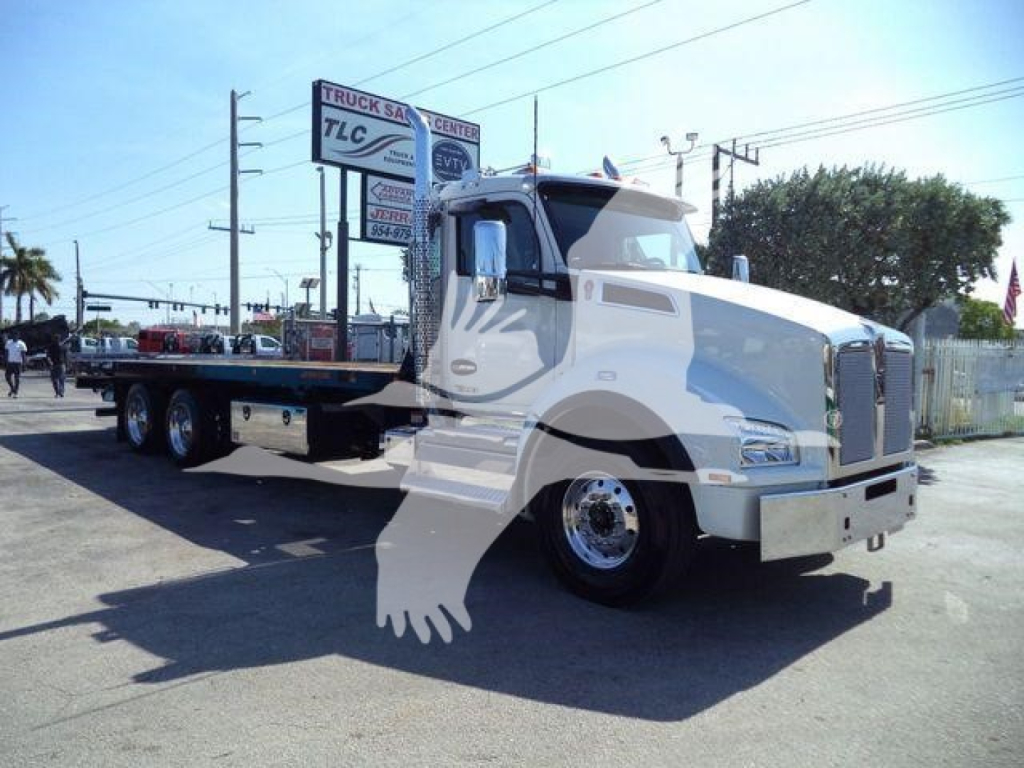
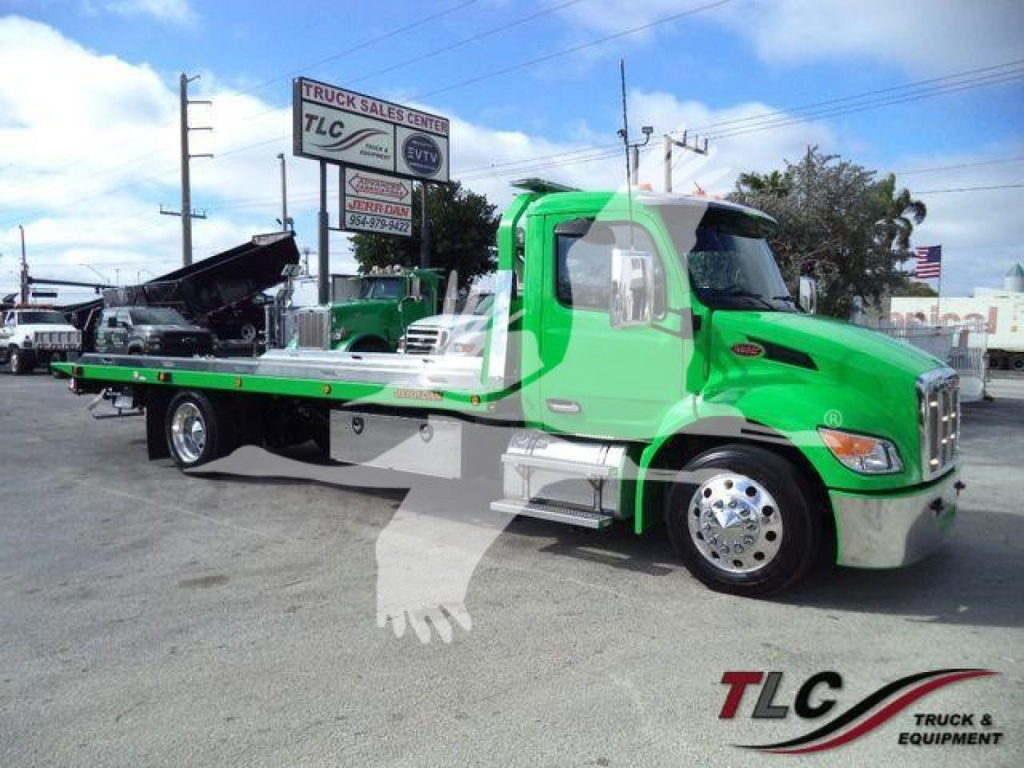
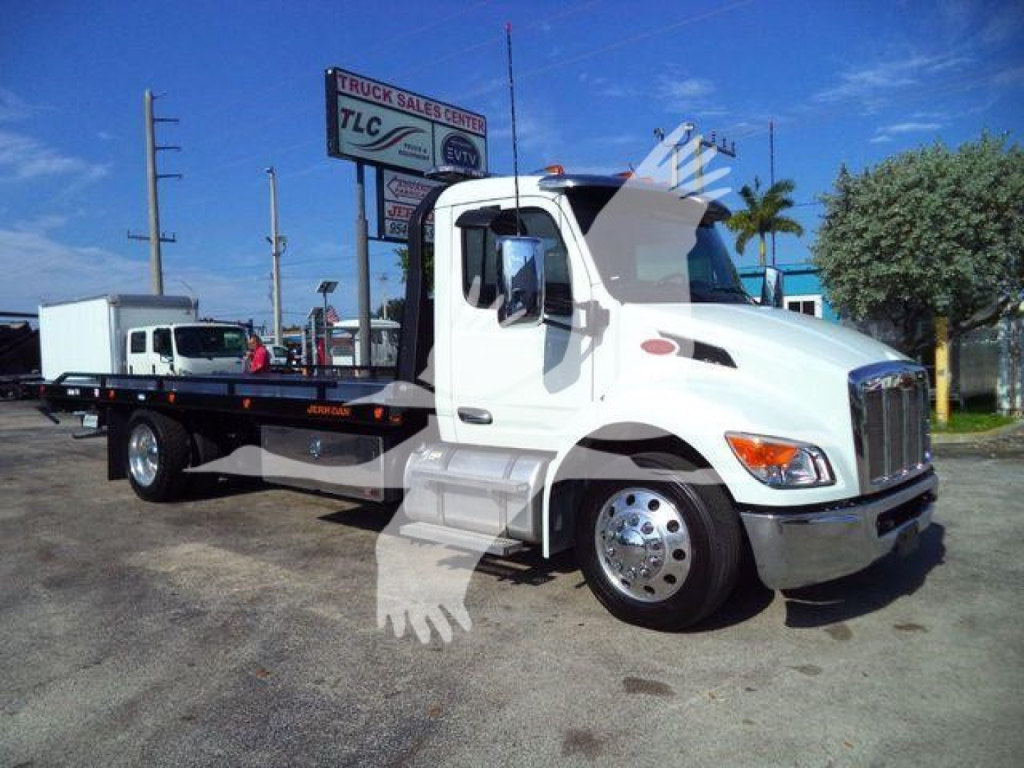
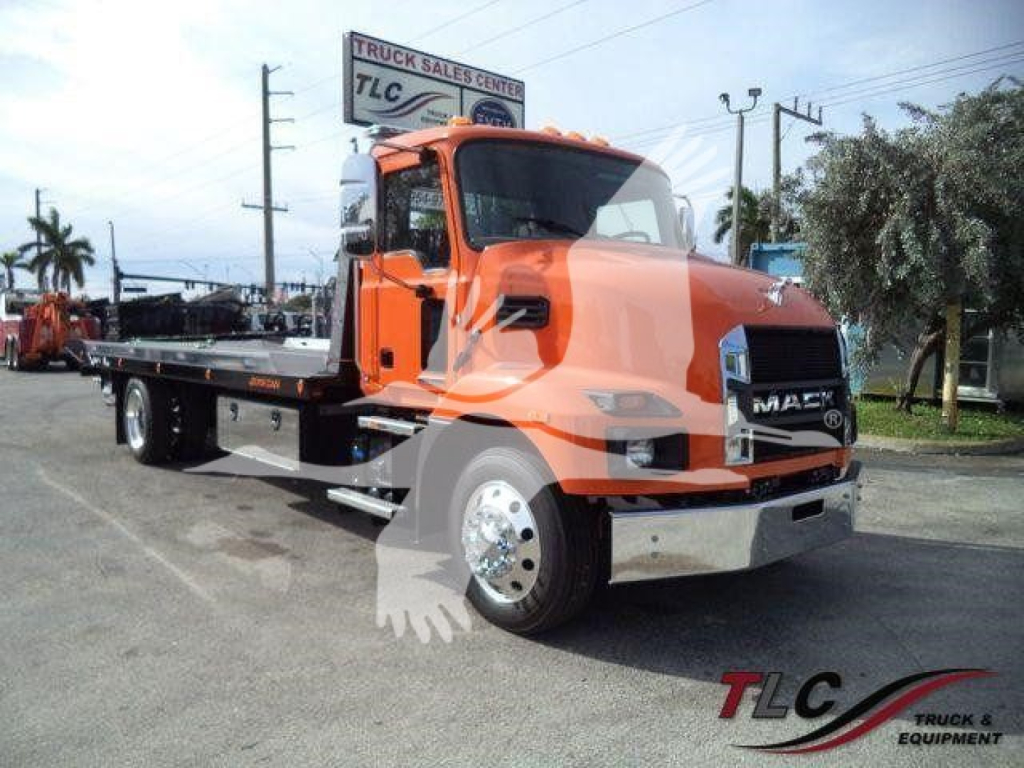
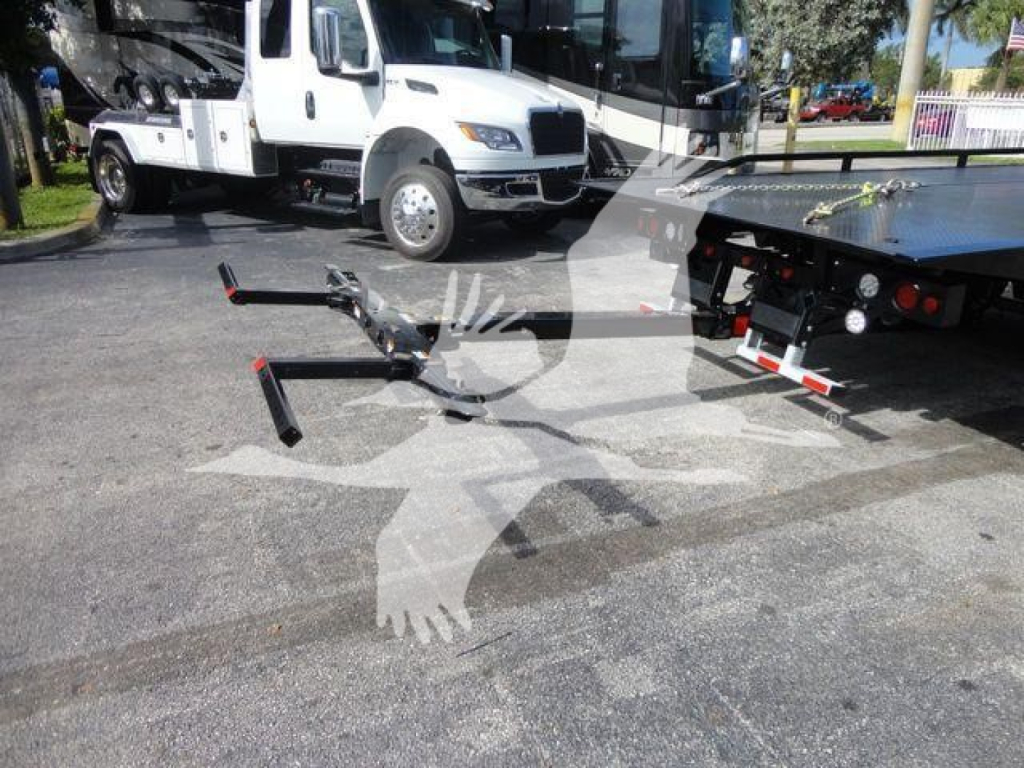
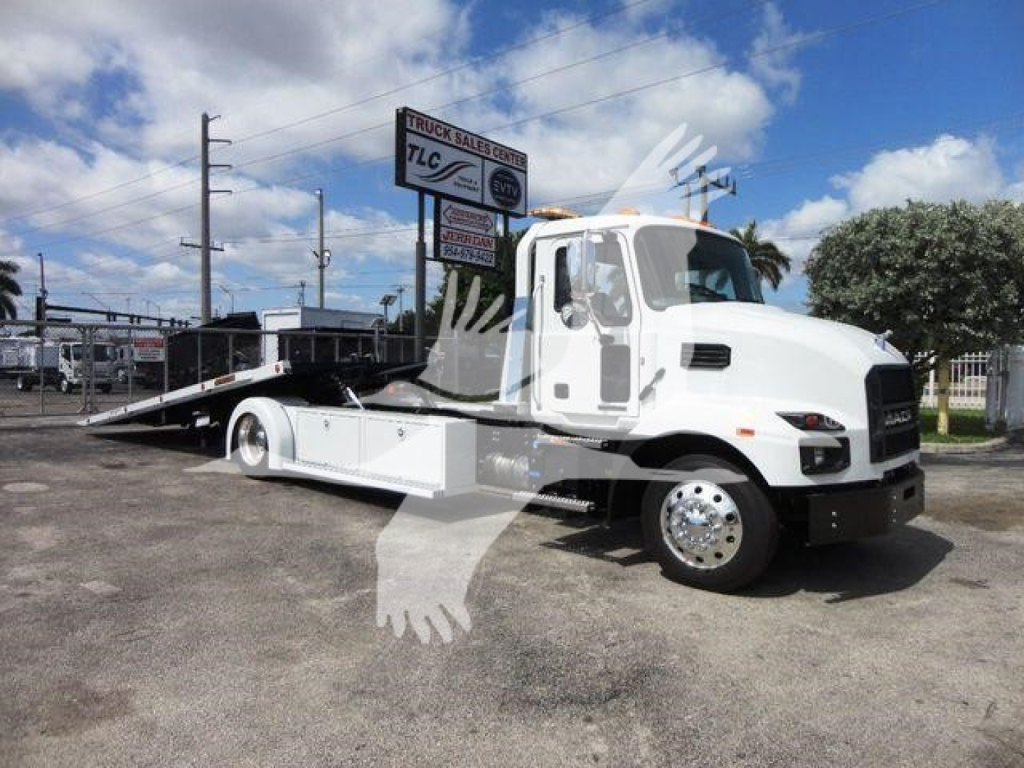
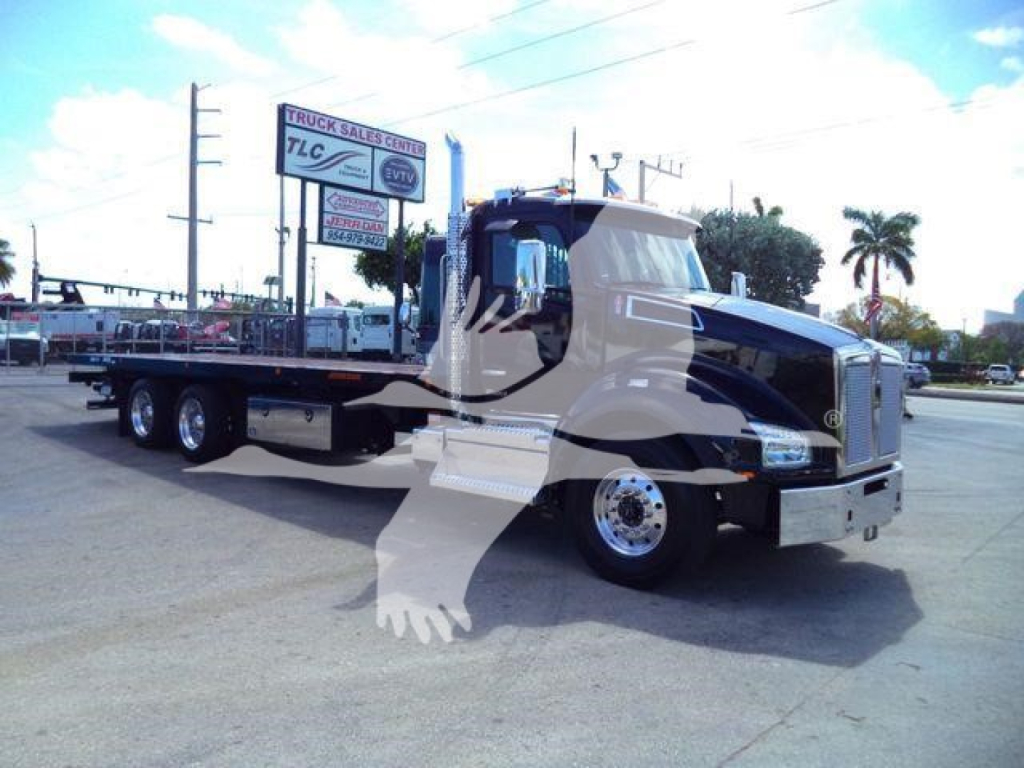
Showing 1 to 28 of 31 results
Selling a 2026 rollback truck? List your 2026 rollback truck for sale and reach thousands of commercial buyers.
2026 Rollback Trucks
Common 2026 rollback configurations include 20-foot to 22-foot decks in 96-inch or 102-inch widths, often with low-profile or extra-low-profile carrier bodies for better loading angles. Steel decks usually cost less up front and hold up well in hard towing service, while aluminum bodies reduce curb weight and can improve legal payload on medium-duty chassis. Many trucks in this category are spec'd with 6-ton carriers, 3,500-lb hydraulic wheel lifts, 8,000-lb winches, blade rails, toolboxes, and LED work and warning lighting. Buyers comparing units should pay close attention to dual-angle or shark-style deck designs, headboard layout, tie-down storage, remote control functions, and how the body installation affects service access around the chassis.
The chassis side of a 2026 rollback truck is just as important as the carrier body. Popular builds often sit on Class 5 through Class 7 platforms such as Ram 5500, Peterbilt 337, or Kenworth T280 style chassis, with diesel power in the medium-duty range and automatic transmissions like the Allison 2200 series. Air brakes, air ride suspension, locking differentials, low-pro 22.5 tires, and 25,950 to 26,000 GVWR non-CDL-friendly setups are common because they balance towing capability with driver availability. If the truck will spend most of its time in city recovery work, shorter wheelbase maneuverability and a low deck can matter more than maximum deck length. For longer vehicle transport runs, cab comfort, fuel capacity, storage, and highway ride quality start to matter more.
A smart buyer should also look beyond headline specs and evaluate daily operating details. Check winch line pull, free-spool setup, L-arm compatibility, bed controls, PTO performance, lighting coverage, and toolbox placement. In rust-belt markets, corrosion resistance on subframes, crossmembers, and body hardware is a real value factor. In hot-shot style transport or dealership work, deck width, rail style, and securement layout affect how quickly drivers can load and unload. The best 2026 rollback trucks are the ones matched to the calls they actually run, not just the highest-rated chassis or the flashiest upfit.
Frequently Asked Questions about 2026 Rollback Trucks
What is a rollback truck used for?
A rollback truck is used to transport disabled, damaged, low-clearance, or specialty vehicles on a tilting and sliding deck. It is common in towing, accident recovery, repossession, dealer transfers, auction hauling, and municipal fleet work. Because the vehicle rides fully on the deck instead of being towed by two wheels, a rollback is often the preferred choice for all-wheel-drive vehicles, luxury cars, and units that cannot be safely pulled from the axles.
What deck size is most common on a 2026 rollback truck?
Most rollback trucks in this class use 20-foot or 22-foot carrier beds, typically in 96-inch or 102-inch widths. A 20-foot bed can be a strong fit for urban towing and tighter maneuvering, while a 22-foot bed gives more flexibility for longer vehicles and better load placement. The right size depends on the types of vehicles being hauled, local road conditions, and the wheelbase and GVWR of the chassis under the body.
Should I choose a steel or aluminum rollback body?
Steel rollback bodies usually have a lower purchase cost and are well suited for hard-use towing environments where durability and repair simplicity matter most. Aluminum bodies reduce body weight, which can improve legal payload capacity and may help with fuel economy over time. Buyers should compare not just body material, but total body design, subframe construction, corrosion resistance, and how the lower weight affects axle loading on the finished truck.
Do I need a CDL to operate a rollback truck?
Not always. Many rollback trucks are built at or just under 26,000 GVWR so they can be operated in non-CDL applications, assuming local laws, endorsements, and towing regulations are met. That said, CDL requirements can still be triggered by combined weight, air brake rules in some jurisdictions, or the type of operation being performed. Buyers should confirm the truck's actual GVWR, registration class, and state-specific towing rules before making a purchase decision.
What specs matter most when comparing rollback trucks for towing work?
The most important specs are chassis GVWR, deck length and width, deck height, carrier capacity, wheel lift rating, and winch capacity. After that, practical details become important, including low-profile deck design, wireless controls, tie-down storage, toolbox capacity, lighting package, suspension type, brake system, and tire size. These details affect how easily the truck loads vehicles, how much weight it can legally carry, and how efficiently it performs in daily towing service.