
2026 Kenworth Trucks For Sale in Florida
Shop 2026 Kenworth trucks for sale in Florida, including vocational and highway models with proven powertrains, spec flexibility, and strong resale.
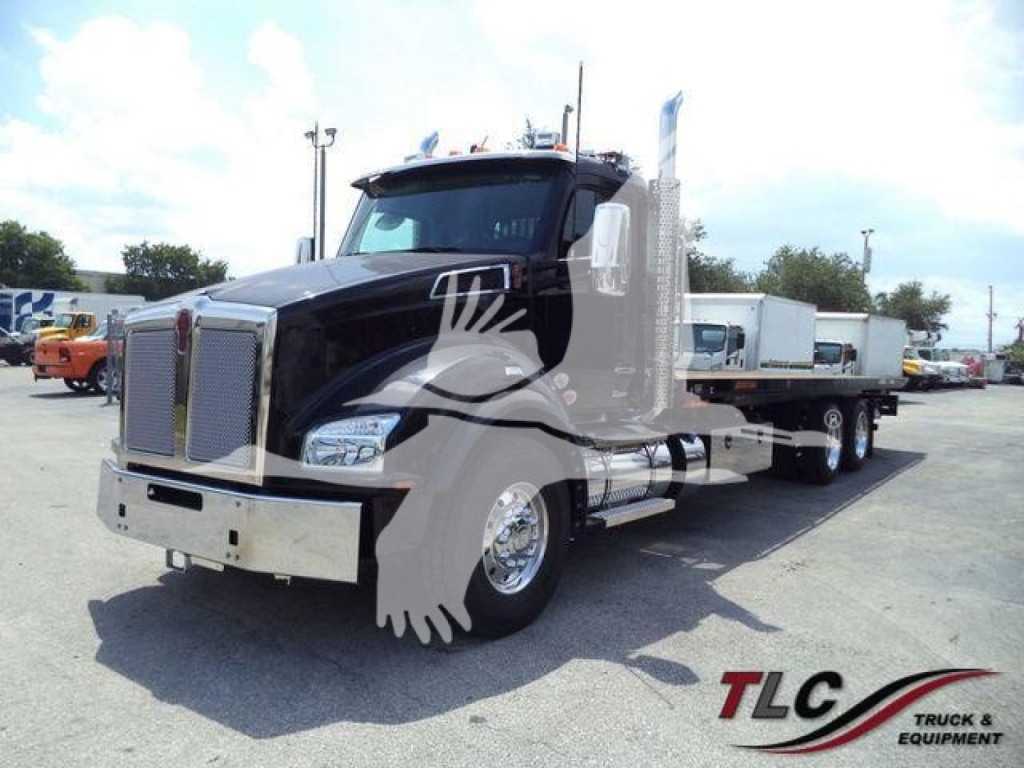
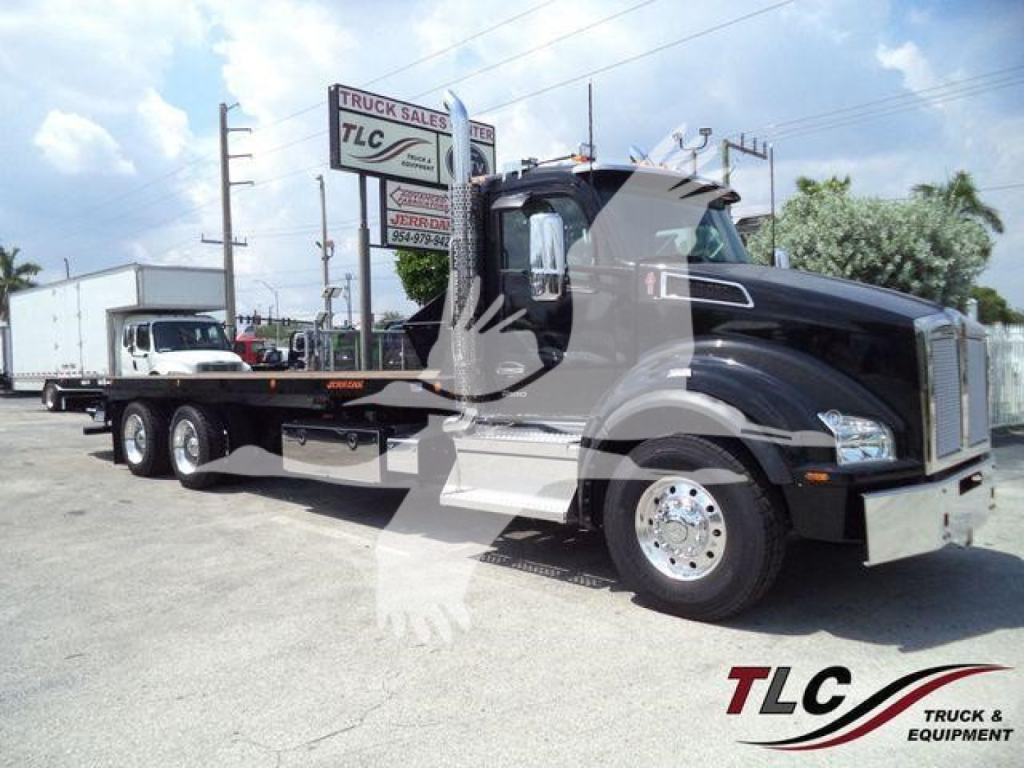
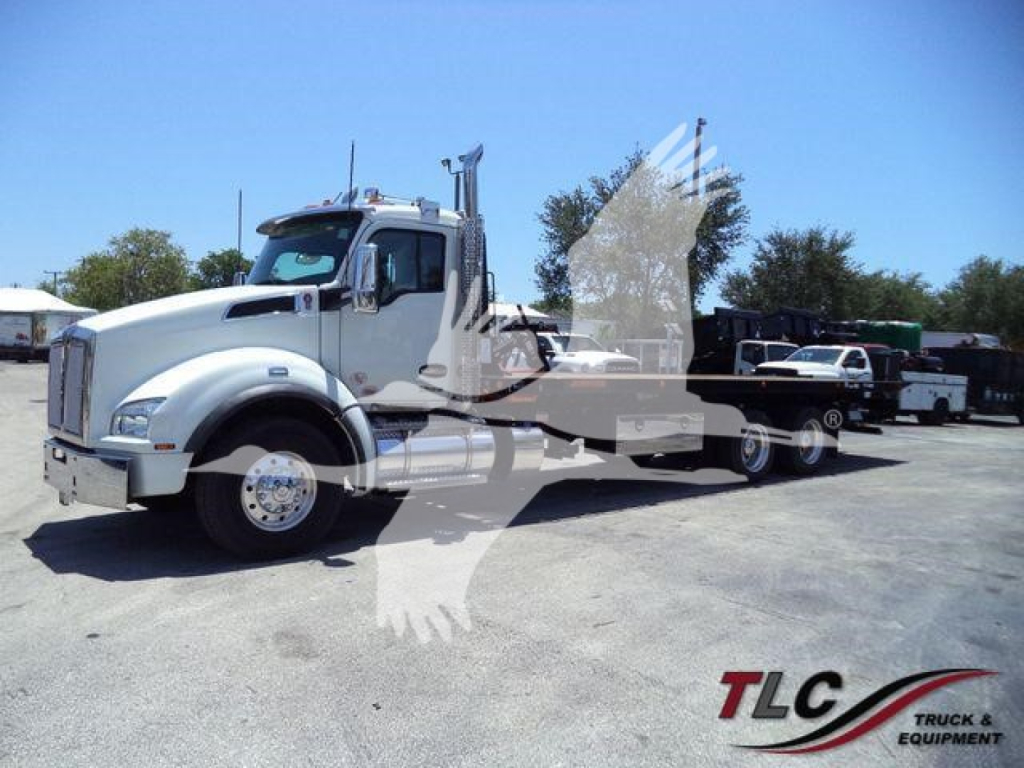
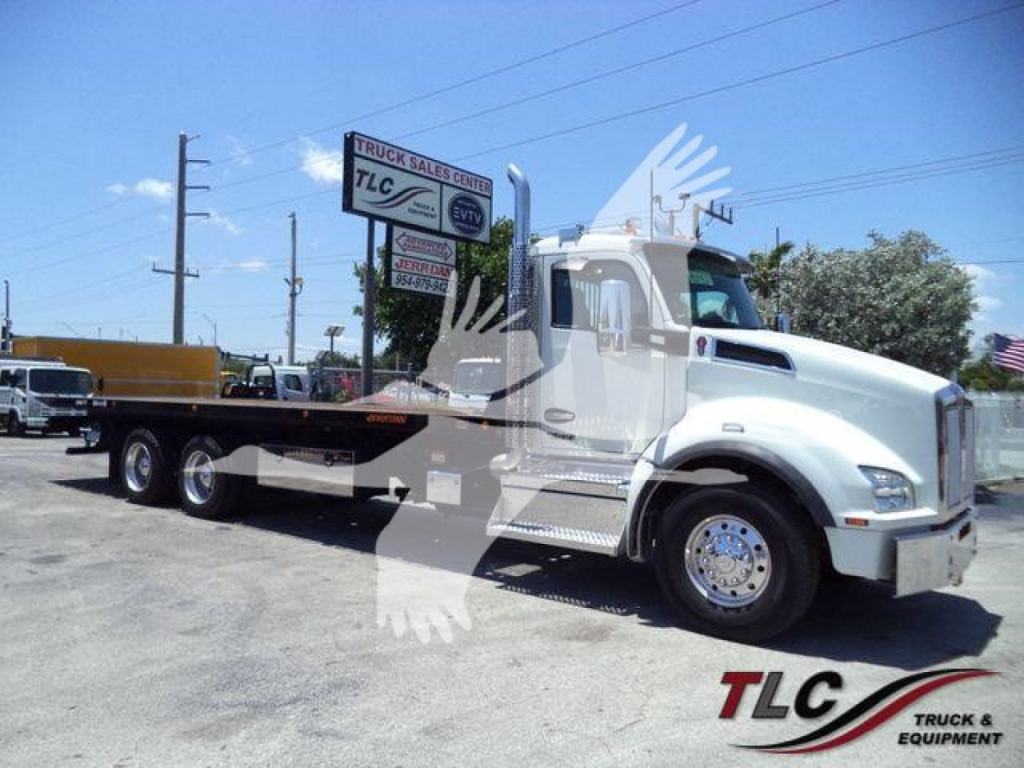
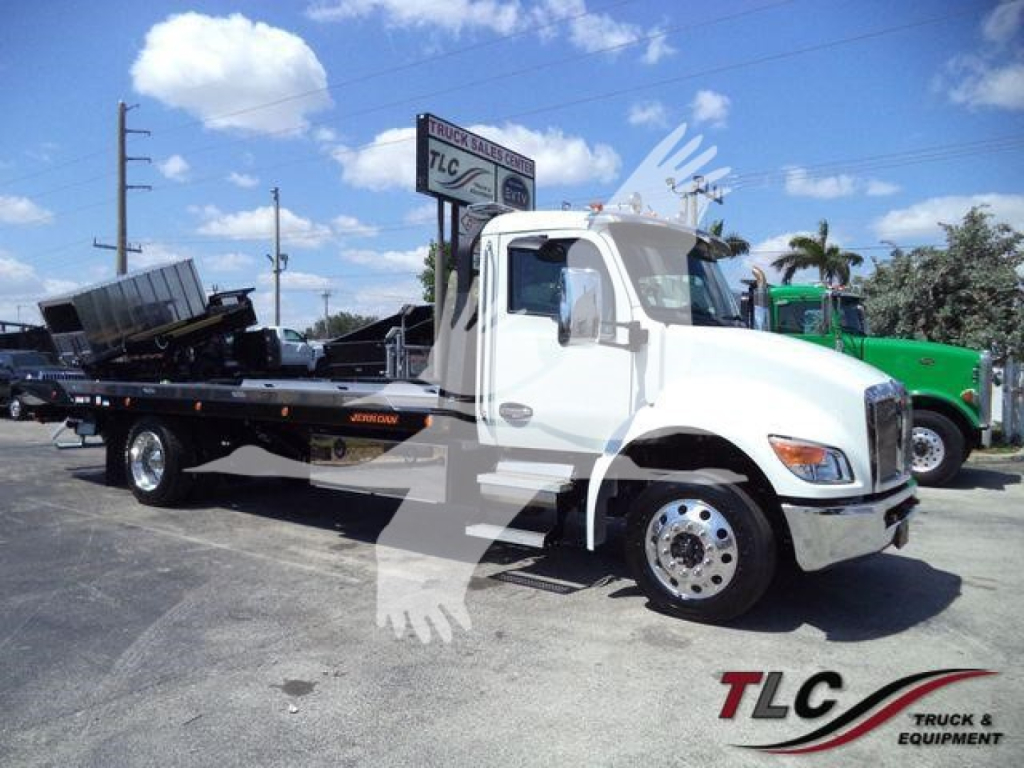
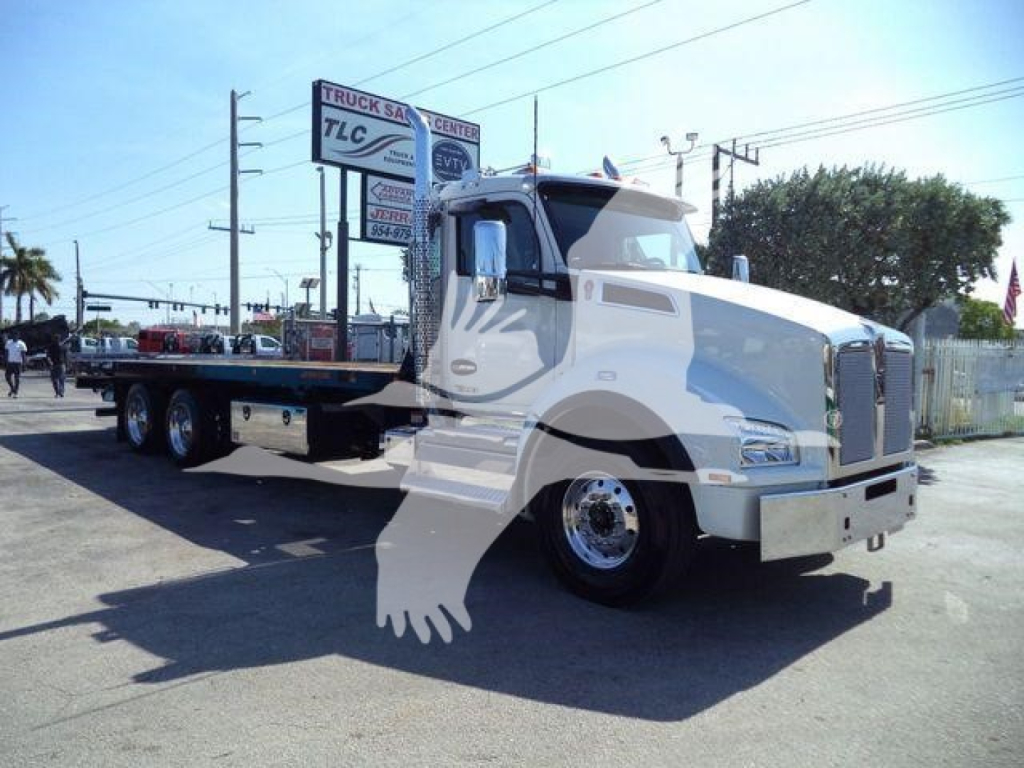
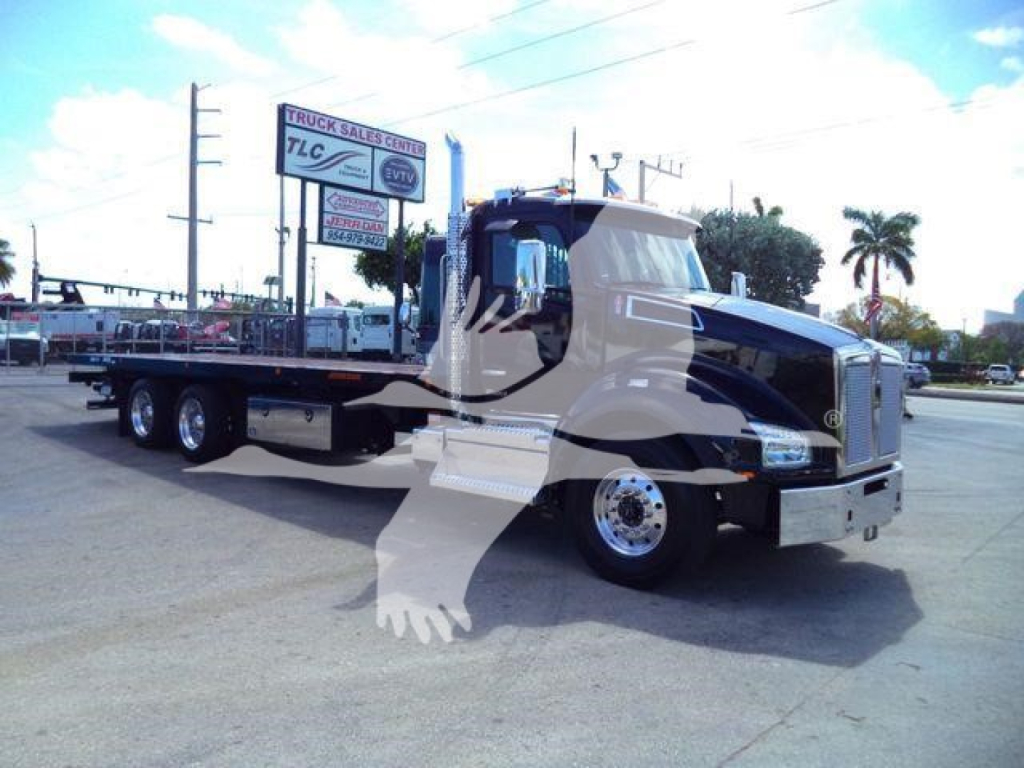
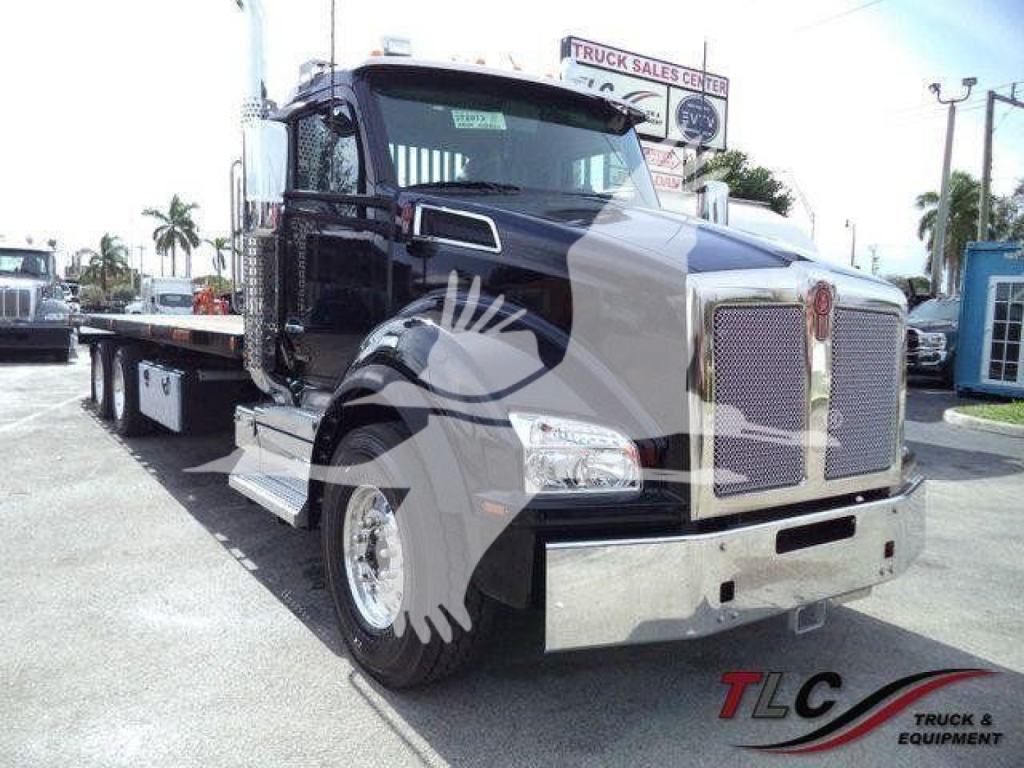
Selling a 2026 kenworth truck? List your 2026 kenworth truck for sale and reach thousands of commercial buyers.
2026 Kenworth Trucks in Florida
For vocational buyers, the T880 remains one of the most common 2026 Kenworth trucks to compare because it can be ordered for severe-duty work without giving up cab comfort or serviceability. It is frequently spec’d for tow and recovery, dump, roll-off, heavy haul, tanker, and equipment hauling applications, often with higher GVWR ratings, set-forward or set-back front axle choices, and PTO-ready driveline setups. Florida operators tend to pay close attention to cooling capacity, transmission choice, corrosion resistance, and axle ratings because stop-and-go operation, heat, and body equipment loads all affect long-term durability. If the truck is being used as a rollback or carrier, details like bed length, winch capacity, rear suspension rating, frame strength, and front axle capacity matter as much as horsepower.
For on-highway buyers, 2026 Kenworth trucks are often evaluated on cab layout, fuel economy, and driver retention. The T680 is known as Kenworth’s aerodynamic highway platform, while the W990 appeals to buyers who prefer a long-hood conventional with premium appearance and owner-operator appeal. Engine ratings commonly vary by intended route and payload, and transmission selection usually comes down to traffic density, driver pool, and maintenance preference. In a Florida market, air ride suspension, aluminum wheels, larger fuel capacity, and driver comfort options are common priorities for regional and long-haul work. Buyers comparing 2026 units should look beyond model name and focus on rear axle ratio, wheelbase, fifth wheel location, frame spec, and emissions warranty coverage, because those are the specs that determine how well the truck will actually perform in the fleet.
Kenworth trucks also tend to hold attention in the resale market because parts support, dealer network familiarity, and consistent vocational demand remain strong. A good buying decision in this category usually comes down to matching the truck’s build to the exact application. A medium-duty chassis set up for local towing has very different needs than a tandem-axle T880 built for a 60,000-pound GVWR rollback or a highway tractor pulling van and flatbed freight across the Southeast. The best 2026 Kenworth truck for sale is the one with the right powertrain, axle package, suspension, and body integration for the work you expect it to do from day one.
Frequently Asked Questions about 2026 Kenworth Trucks in Florida
What are the most common 2026 Kenworth truck models buyers compare?
The most commonly compared 2026 Kenworth trucks usually include the T880 for vocational work, the T680 for highway and regional hauling, the W990 for premium long-hood conventional applications, and medium-duty models like the T280 for local delivery, towing, and municipal use. Each platform serves a different purpose, so buyers should compare intended application, GVWR, axle configuration, and powertrain before focusing on appearance or cab trim.
Is the Kenworth T880 a good choice for towing and heavy vocational work?
Yes, the Kenworth T880 is widely used in towing, recovery, construction, dump, roll-off, and equipment hauling because it can be spec’d with heavy front axles, robust frame rails, PTO capability, and drivetrain options suited for severe-duty work. Buyers should verify body compatibility, wheelbase, transmission type, suspension rating, and front-rear axle capacities to make sure the truck is built for the exact body and load profile it will carry.
What should buyers in Florida look for in a 2026 Kenworth truck?
Florida buyers often prioritize cooling performance, corrosion resistance, air conditioning performance, automatic or automated transmission suitability for traffic conditions, and vocational body integration. Heat, humidity, flat terrain, and urban stop-and-go routes can all influence the right spec. For many applications, air ride suspension, aluminum components, proper axle ratio, and a powertrain matched to regional speeds are more important than simply choosing the highest horsepower rating available.
How do buyers choose between a highway Kenworth and a vocational Kenworth?
The decision starts with the job. A highway truck such as a Kenworth T680 is typically selected for fuel economy, aerodynamics, sleeper options, and driver comfort on longer runs. A vocational truck such as a T880 is selected for chassis strength, body mounting flexibility, PTO use, axle capacity, and durability in demanding service. If the truck will spend most of its life on job sites, in towing service, or under specialized body equipment, a vocational chassis is usually the better fit.
Do 2026 Kenworth trucks hold their value well?
Kenworth trucks generally maintain strong market interest because of brand recognition, dealer support, parts availability, and broad acceptance across both fleet and owner-operator markets. Resale value still depends heavily on the original spec. Trucks with popular engines, practical axle ratios, desirable wheelbases, and application-correct vocational equipment usually perform better in the secondary market than unusual or overly narrow specifications.