
2026 Tow Trucks For Sale in Florida
Have 2026 tow truck to sell? List it here to reach thousands of buyers.
2026 Tow Trucks in Florida
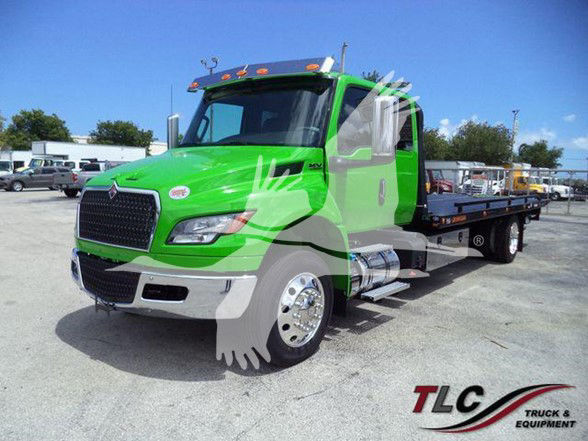
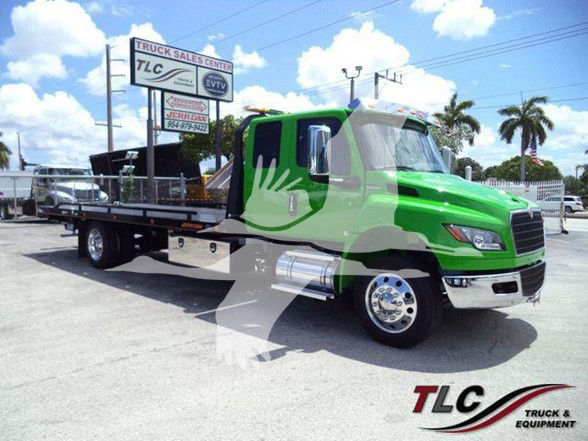
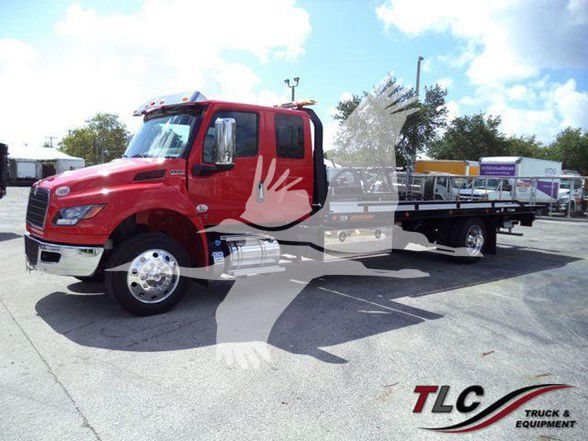
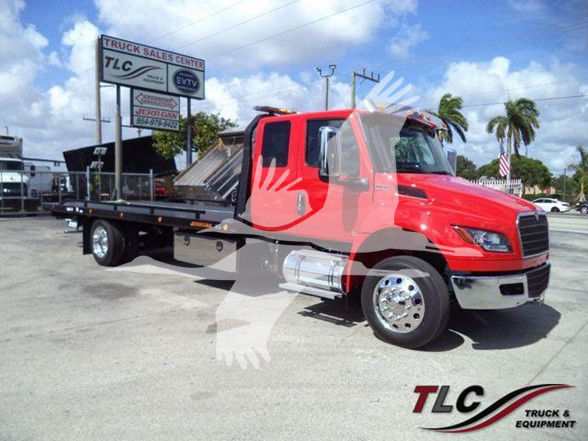
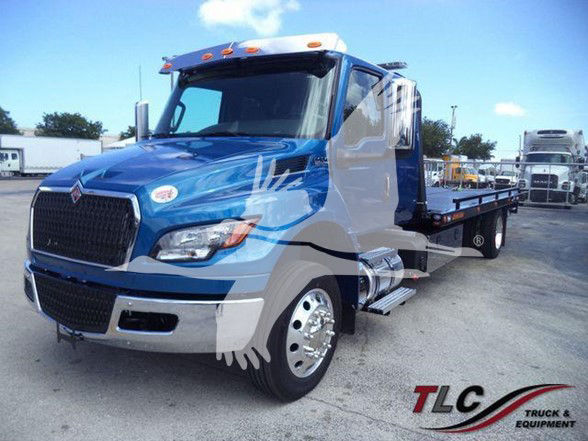
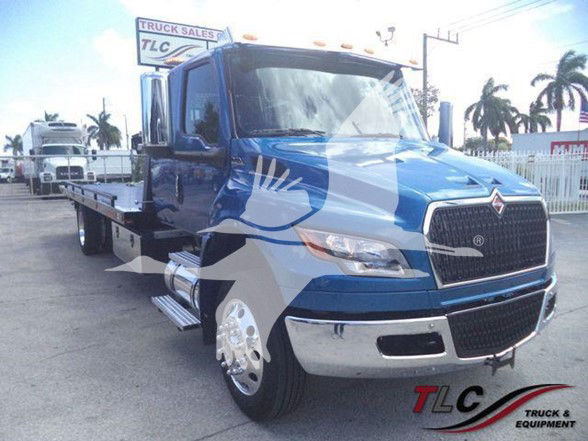
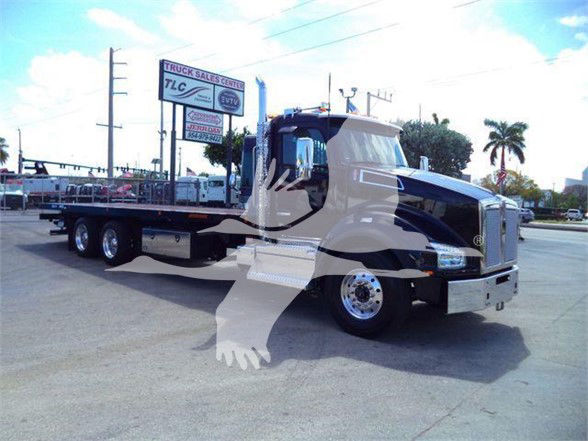
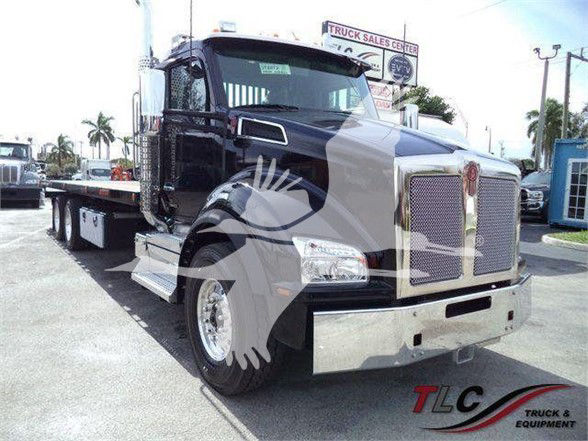
The first buying decision is usually body style and capacity. A common rollback setup is a 20 to 22 foot deck, often 102 inches wide, with an extra low-profile or low center of gravity design for better loading angles. Many medium-duty carriers in this class are rated around 6 tons, paired with an 8,000 lb winch and a 3,500 lb hydraulic wheel lift with L-arms. On self-loader wreckers, dual drag winches, recovery booms, and auto-loader wheel-lift systems are common. Buyers should compare steel versus aluminum bodies, because steel beds can be more economical and durable in hard daily service, while aluminum beds reduce weight and can improve payload, corrosion resistance, and long-term appearance in humid coastal conditions.
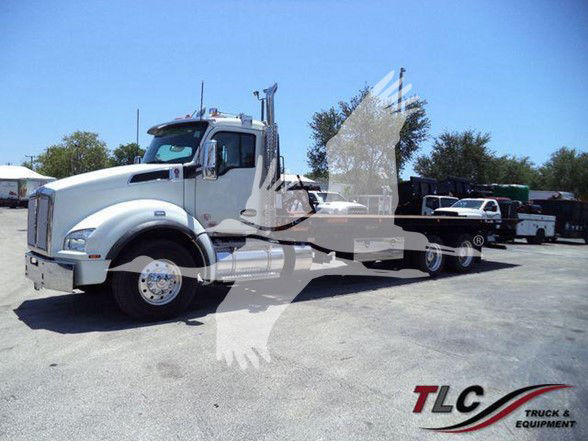
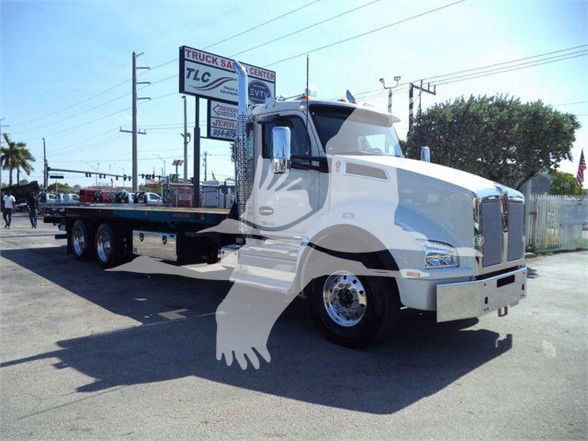
Chassis choice matters just as much as the towing body. In this segment, it is common to see Class 4 through Class 6 platforms such as Ram 4500, Ford F-600, Hino 268, and Peterbilt 337. Key specs include GVWR, front and rear axle ratings, wheelbase, engine output, transmission model, brake type, and suspension. Florida operators often pay close attention to diesel power, automatic transmissions, air brakes on heavier units, and air ride suspension for ride quality and body stability. If the truck will spend time in urban traffic, tight turning radius, visibility from the cab, and simple bed controls can matter as much as raw ratings. Wireless remotes, large toolboxes, hose reels, work lights, and LED light bars are common features that affect day-to-day productivity.
A good tow truck should match the mix of vehicles being hauled and the operating environment. Extra low-profile decks help with exotic cars, lowered vehicles, and EVs with limited ground clearance. Four-wheel-drive chassis can make sense for beachside areas, wet lots, and off-pavement recovery access, though they add cost and complexity. Buyers should also check tie-down storage, crossbar and blade rail design, wheel-lift geometry, and local compliance items such as lighting, safety chains, straps, triangles, and fire extinguisher provisions. On a 2026 tow truck, the value is not just in the badge on the hood. It is in how well the chassis, body, lift equipment, and controls are matched to the work the truck will do every day.
Frequently Asked Questions about 2026 Tow Trucks in Florida
What is the difference between a rollback tow truck and a wrecker?
A rollback tow truck uses a tilting bed, also called a carrier deck, to load the entire vehicle onto the truck. This is the preferred setup for transporting damaged vehicles, all-wheel-drive vehicles, low cars, and units that should not be towed by the axle. A wrecker uses a wheel lift or boom system to lift one end of the vehicle and tow it behind the truck. Wreckers are usually faster for short-distance moves, parking enforcement, and tight-access recoveries, while rollbacks are generally more versatile for transport work.
What deck size and capacity are common on medium-duty tow trucks?
A common medium-duty rollback configuration is a 20 to 22 foot deck that is 102 inches wide, often with a 6-ton bed rating. Many are equipped with an 8,000 lb winch and a 3,500 lb wheel lift with L-arms for secondary towing capability. Actual usable capacity depends on the chassis GVWR, body material, installed accessories, and weight distribution. Buyers should look beyond the advertised bed rating and confirm legal payload and axle loading with the full body and equipment package installed.
Is an aluminum tow body better than steel in Florida?
Aluminum bodies are attractive in Florida because they resist corrosion well in humid and coastal environments, and they reduce body weight compared with steel. That lower weight can help payload and may improve fuel efficiency slightly. Steel bodies are still popular because they can be less expensive up front and hold up well in hard-use fleets. The better choice depends on duty cycle, budget, expected years in service, and how important weight savings and corrosion resistance are to your operation.
What chassis specs matter most when buying a tow truck?
GVWR, axle ratings, wheelbase, engine power, transmission type, and brake system are the foundation specs. On heavier carriers and wreckers, air brakes and air ride suspension are common and can improve control and ride quality. Buyers should also review cab visibility, turning radius, PTO and hydraulic integration, and whether the truck has enough reserve capacity for the body, winch, wheel lift, tools, and any carried gear. A tow body can only perform as well as the chassis underneath it.
Why do buyers look for extra low-profile or low center of gravity decks?
Extra low-profile decks reduce the loading angle, which helps when loading sports cars, luxury cars, EVs, and damaged vehicles with little ground clearance. A lower deck can also make loading smoother and reduce the chance of scraping bumpers, spoilers, or underbody components. For operators who regularly transport specialty vehicles or work accident scenes, that design can reduce loading time and lower the risk of damage claims.