
2026 Tow Trucks For Sale
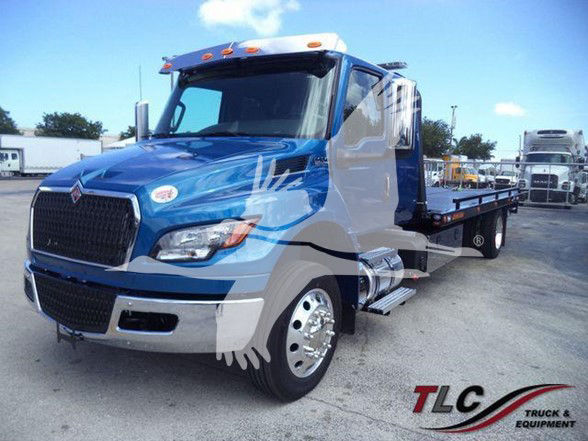
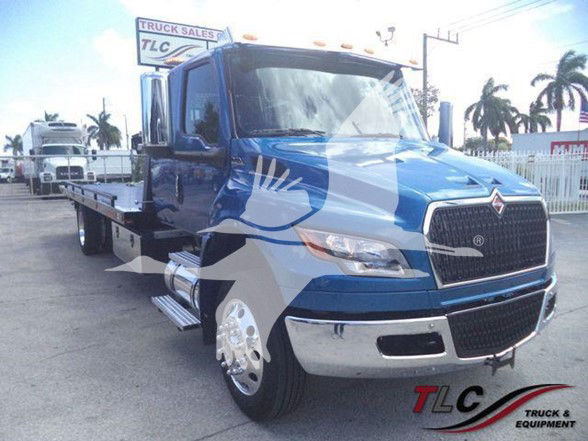
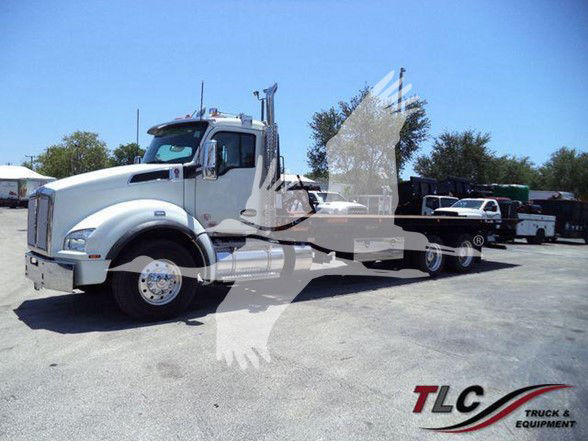
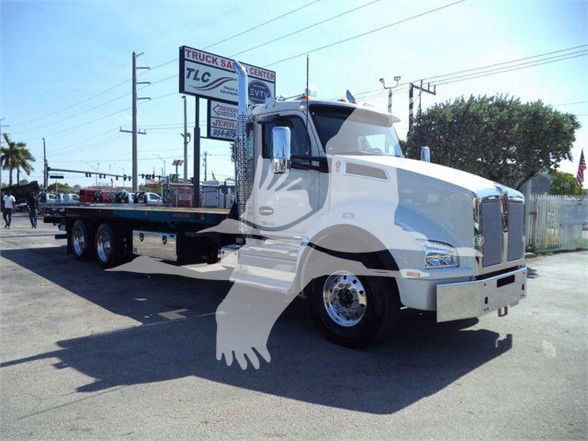
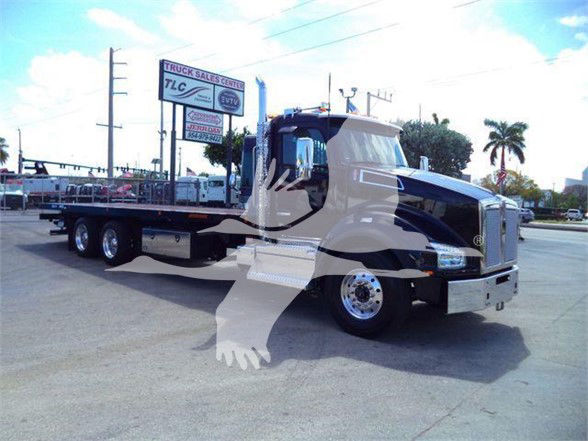
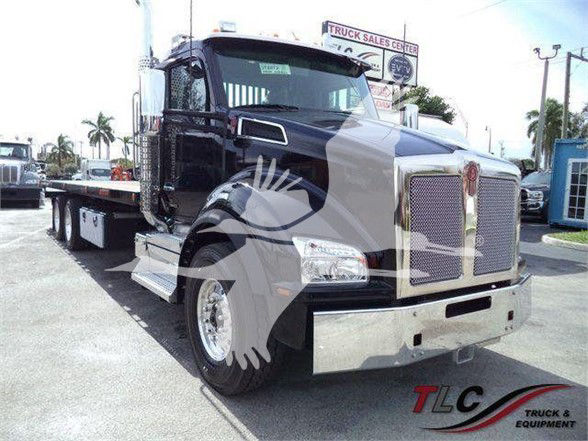
Shop 2026 tow trucks for sale, including rollback carriers and self-loader wreckers with diesel power, wheel lifts, winches, and 4x2 or 4x4 chassis.
Learn more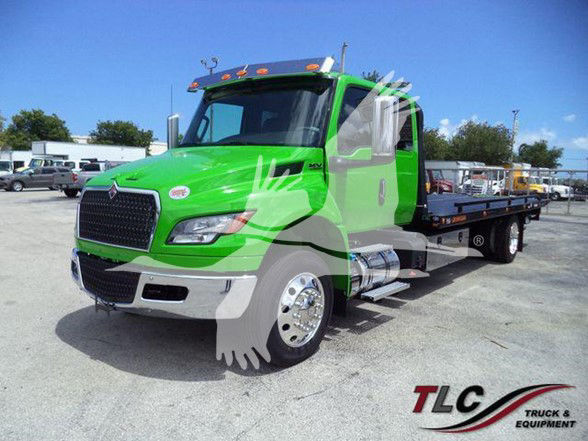
Have 2026 tow truck to sell? List it here to reach thousands of buyers.
About 2026 Tow Trucks
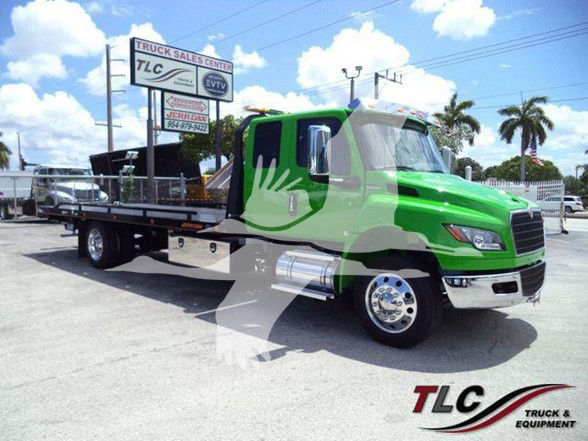
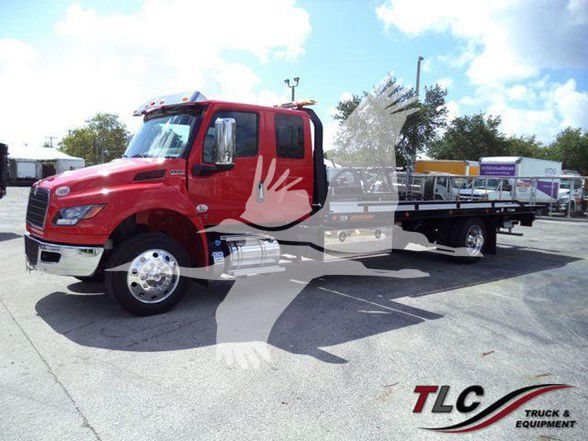
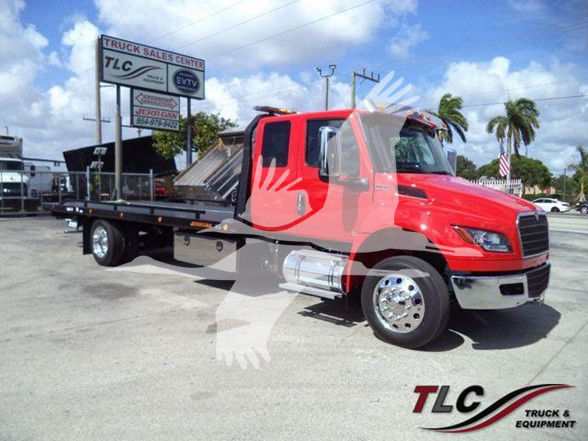
On the carrier side, common configurations include 20-foot to 22-foot beds, 102-inch deck width, extra-low-profile decks, 6-ton ratings, 3,500-lb hydraulic wheel lifts, and 8,000-lb class winches. Many buyers look for low center of gravity decks and shark-style or dual-angle approaches because load angle matters with sports cars, EVs, forklifts, and disabled vehicles with little ground clearance. Toolboxes, removable rails, LED work lights, L-arms, tie-down packages, and dual fuel tanks all affect day-to-day usability. Chassis choices typically range from Class 4 and 5 platforms like a Ram 5500 or CV-series truck up to medium-duty platforms such as an International MV with higher GVWR, air brakes, and more wheelbase options for better weight distribution.
On the wrecker side, the key specs are wheel-lift rating, boom design, drag winch capacity, chassis GVWR, and whether the truck is 4x2 or 4x4. Self-loaders are popular for repossession, parking enforcement, municipal towing, and tight city work because the underlift can be deployed quickly without leaving the cab for every step. A 4x4 tow truck is especially useful in snowbelt markets, rural recovery, unpaved lots, and steep driveways. Buyers should also pay attention to cab configuration, rear axle rating, suspension, turning radius, and storage layout because these trucks spend their lives making multiple stops, carrying gear, and working in confined spaces.
For a 2026 model year tow truck, the smartest comparison is not just body brand or engine badge. Look closely at payload after the body is installed, cab-to-axle length, front axle loading, brake type, deck construction, and the included towing hardware. A longer wheelbase can improve loaded balance on a rollback, while a shorter wheelbase can make a wrecker more agile in traffic and apartment complexes. If the truck will handle late-model pickups, SUVs, EVs, or commercial vans, verify real-world capacity with fuel, driver, tools, dollies, and accessories onboard. The right tow truck is the one matched to call type, terrain, clearance requirements, and the legal weight limits it will work under every day.
Frequently Asked Questions
What is the difference between a rollback tow truck and a wrecker?
A rollback tow truck uses a tilting bed to load and carry the entire vehicle on the deck, which is preferred for all-wheel-drive vehicles, low-clearance cars, collision damage, and longer transports. A wrecker uses a wheel lift or underlift, often with a boom and winches, to tow the vehicle with one axle off the ground. Rollbacks are more versatile for transport, while wreckers are usually faster for short tows, impounds, and tight urban work.
What bed length and capacity are common on medium-duty rollback tow trucks?
A common medium-duty rollback setup is a 20-foot to 22-foot deck, 102 inches wide, with a 6-ton bed rating and a 3,500-lb wheel lift. Many units also include an 8,000-lb class winch and extra-low-profile deck design. That combination fits a wide range of passenger vehicles, light trucks, and small equipment, but actual working capacity depends on the chassis GVWR, wheelbase, body weight, fuel, and onboard equipment.
Is a 4x4 tow truck worth it?
A 4x4 tow truck is worth serious consideration if the truck will operate in snow, mud, gravel lots, job sites, mountain grades, or rural areas where traction is limited. It can improve access and reduce lost time on difficult recoveries or winter service calls. For mostly paved, urban towing routes, a 4x2 chassis often delivers lower acquisition cost, less weight, and simpler maintenance while still meeting the needs of many fleets.
Why does cab-to-axle length matter on a tow truck?
Cab-to-axle length affects body fit, axle loading, turning characteristics, and overall weight distribution. On a rollback, the wrong cab-to-axle can compromise deck placement and put too much load on the front or rear axle when carrying heavier vehicles. On a wrecker, it influences how the wheel lift and body are positioned relative to the chassis. Matching the body to the correct cab-to-axle is essential for legal weight compliance and stable handling.
What should buyers verify before choosing a 2026 tow truck for heavier vehicles and EVs?
Buyers should verify real operating capacity, not just the advertised bed or wheel-lift rating. That means accounting for curb weight, body weight, fuel, occupants, toolboxes, chains, dollies, winches, and any recovery gear carried full time. For EVs and heavier SUVs or pickups, low approach angle, deck width, tie-down options, and axle ratings are especially important because battery weight and underbody protection can change how the vehicle must be loaded and secured.