
2026 Winch Trucks For Sale in Florida
Shop 2026 winch trucks for sale in Florida. Compare self-loader wreckers, chassis specs, winch capacity, underlift ratings, and tow setup.
Selling a 2026 winch truck? List your 2026 winch truck for sale and reach thousands of commercial buyers.
2026 Winch Trucks in Florida
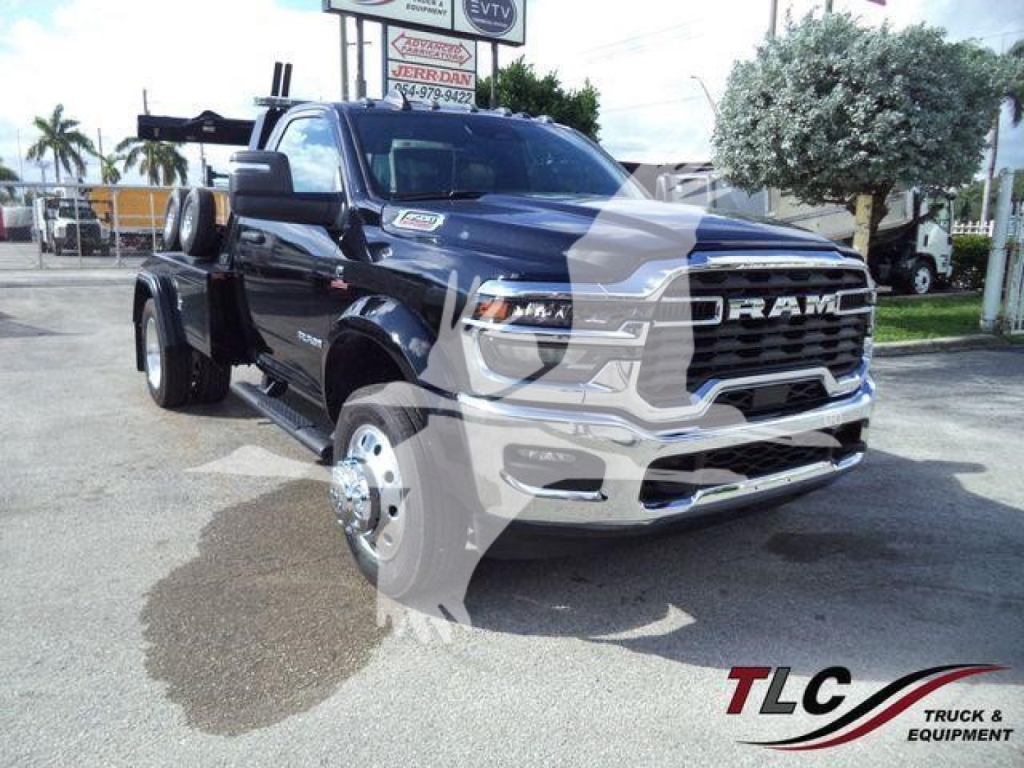
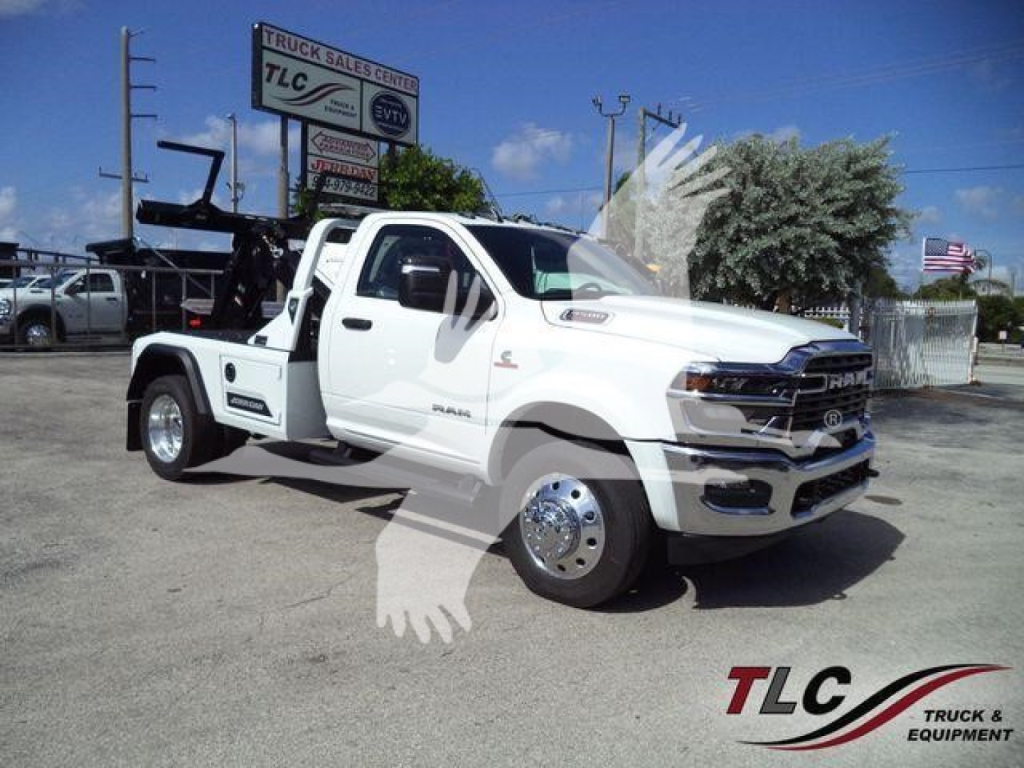
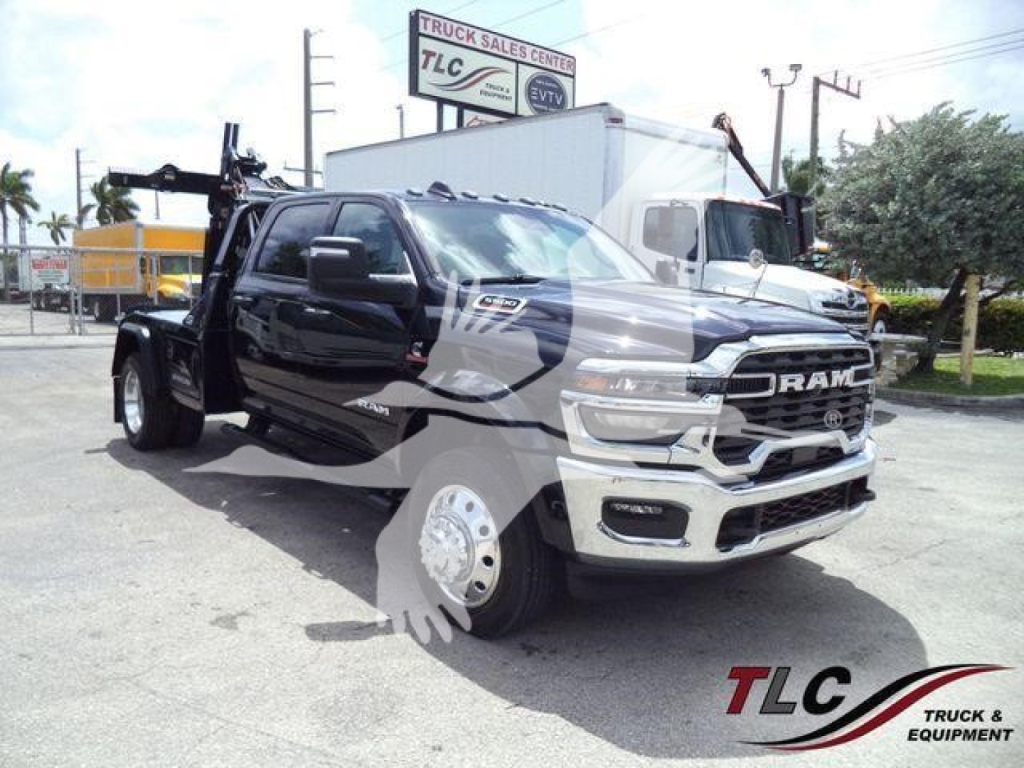
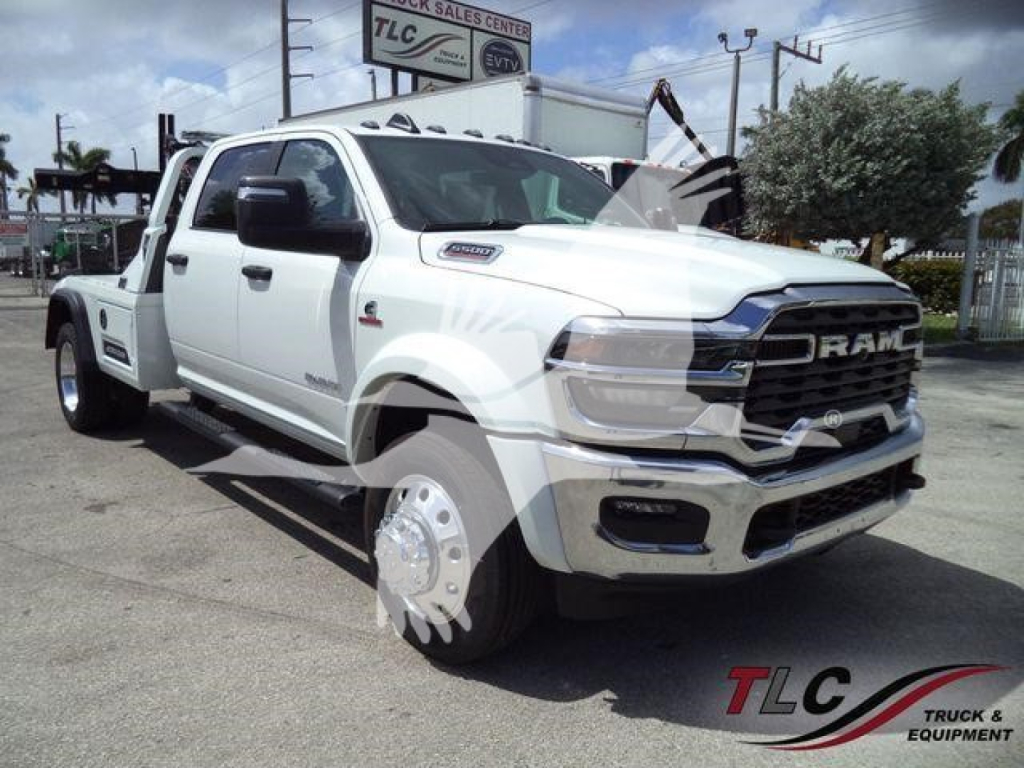
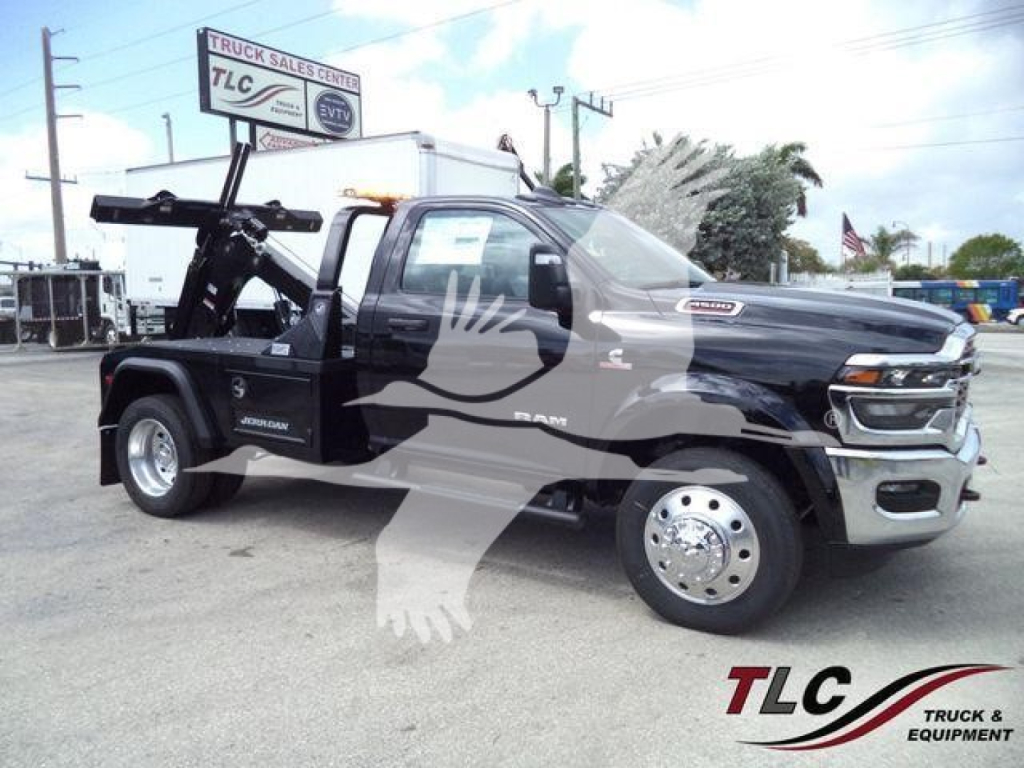
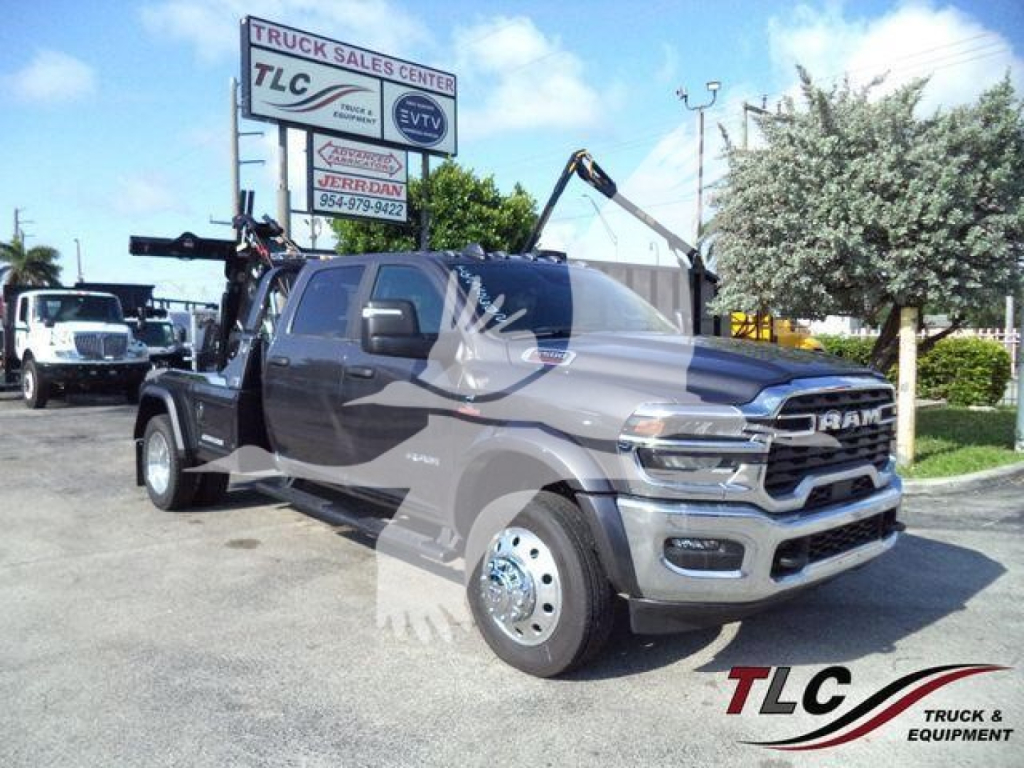
One of the first decisions is chassis and drivetrain. Current builds in this class are commonly mounted on Ram 4500 or 5500 chassis, often with the 6.7L Cummins diesel backed by an Aisin 6-speed or heavy-duty 8-speed automatic. On light-duty wreckers, 4x4 is popular for mixed pavement, wet shoulders, and uneven recovery surfaces, while 4x2 may suit operators focused on city towing and lower operating cost. Buyers should compare GVWR, wheelbase, cab configuration, front axle capacity, and body integration, because these directly affect stability, legal payload, storage layout, and how well the truck handles a car on the underlift.
The working end of a winch truck is the wrecker body and underlift system. Common setups in this size range include Jerr-Dan MPL-NG, MPL-NGS, and MPL-40 style integrated self-loaders with an 8,000-lb drag winch, a 4,000-lb self-loading underlift, and tow capacities around 7,500 lbs depending on configuration. Features worth paying attention to include underlift level stop assist, self-loading wheel grids, recovery boom design, no-lube pivot points, toolbox capacity, backup cameras, backup alarms, and LED work lighting. A steel body usually costs less and is familiar to many fleets, while a modular aluminum body can reduce weight and improve corrosion resistance in coastal Florida environments.
A smart comparison goes beyond the advertised winch rating. Check reach and retracted dimensions on the underlift, boom geometry, tie-down package, chain storage, dollies and Go-Jack mounting provisions, and how accessible the controls are in real roadside conditions. Also consider warranty terms on both chassis and upfit, service support for the body manufacturer, and whether the truck is spec'd for the kind of calls you actually run most often. For a Florida towing business, the best 2026 winch truck is usually the one that balances compact size, dependable diesel torque, fast self-loading capability, and a body spec that keeps operators productive through heavy daily cycles.
Frequently Asked Questions about 2026 Winch Trucks in Florida
What is a winch truck in this category?
In this category, a winch truck is usually a light-duty integrated wrecker used for towing and vehicle recovery rather than a heavy oilfield winch truck. Most are self-loader tow trucks with a hydraulic underlift, recovery boom, and drag winch for pulling, lifting, and repositioning passenger vehicles, light trucks, and similar units. Buyers may also see them described as self-loaders, wheel-lift wreckers, or light-duty wreckers.
What winch and underlift capacities are common on 2026 light-duty winch trucks?
A common setup is an 8,000-lb drag winch paired with a 4,000-lb self-loading underlift. Many integrated wreckers in this class list tow capacities around 7,500 lbs, but actual working capacity depends on body model, chassis, axle ratings, wheelbase, and how the truck is equipped. The published rating should always be matched against the manufacturer data plate and the type of vehicles you expect to tow.
Is 4x4 worth it on a Florida winch truck?
For many Florida operators, 4x4 is useful even without steep grades because recoveries often happen on wet grass, sandy shoulders, uneven lots, construction areas, and flood-prone roadside conditions. A 4x2 truck can still be a solid choice for urban towing and lower acquisition cost, but 4x4 adds traction and versatility when the truck has to back into difficult access points or pull from soft surfaces.
What should buyers compare besides the winch rating?
The winch rating is only one part of the truck's actual capability. Buyers should compare underlift reach, retracted and extended ratings, negative and positive tilt, chassis GVWR, front axle capacity, body construction, toolbox layout, lighting, camera systems, control placement, and included tow gear such as safety chains, straps, tow socks, and dollies. Service access and parts support for the upfit brand are also important because downtime on a tow truck quickly turns into lost revenue.
What body material is better for a Florida tow truck, steel or aluminum?
Steel bodies are common, durable, and often cost less up front, which makes them attractive for fleets that prioritize purchase price and straightforward repairs. Aluminum bodies reduce weight and generally offer better corrosion resistance, which can be a real advantage in coastal Florida or high-humidity service areas. The better choice depends on your budget, how long you plan to keep the truck, and whether payload, rust resistance, or repair familiarity matters most to your operation.