
2026 Winch Trucks For Sale
Shop 2026 winch trucks for towing and recovery. Compare chassis, winch capacity, boom and underlift specs, 4x4 options, and body design.
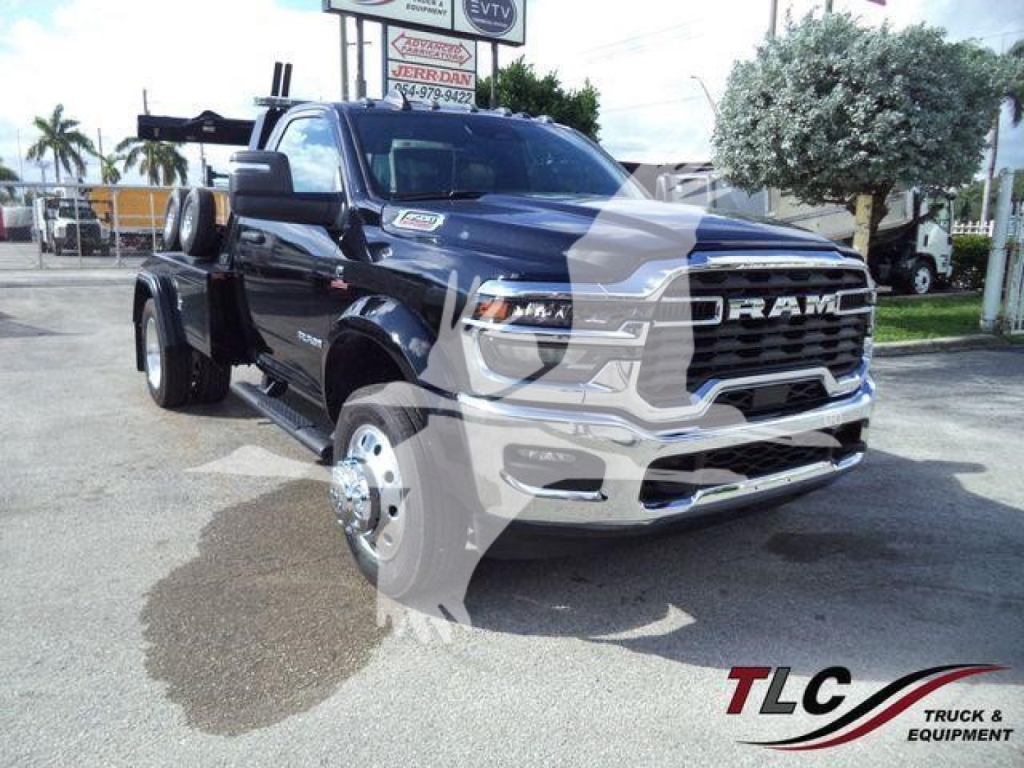
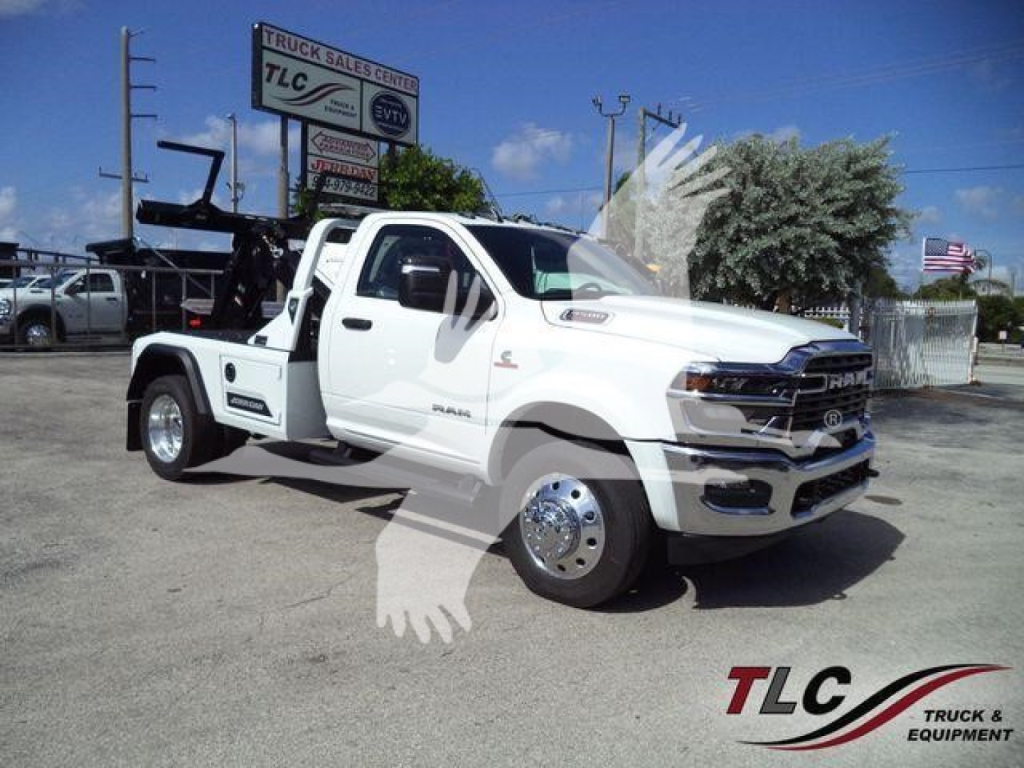
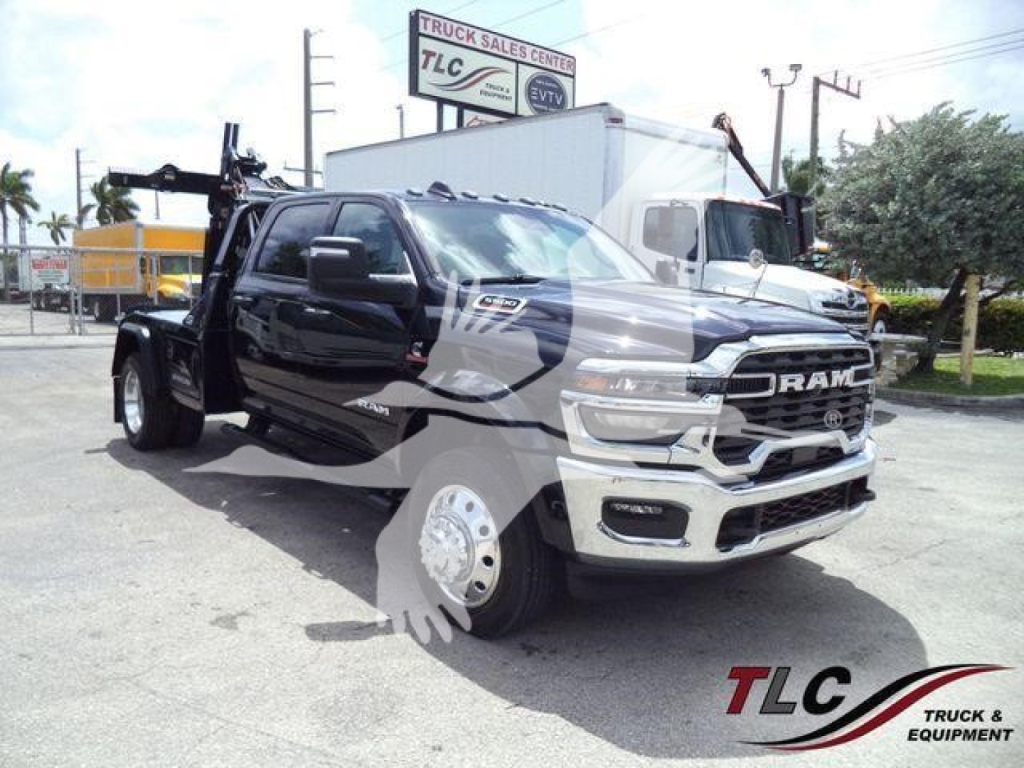
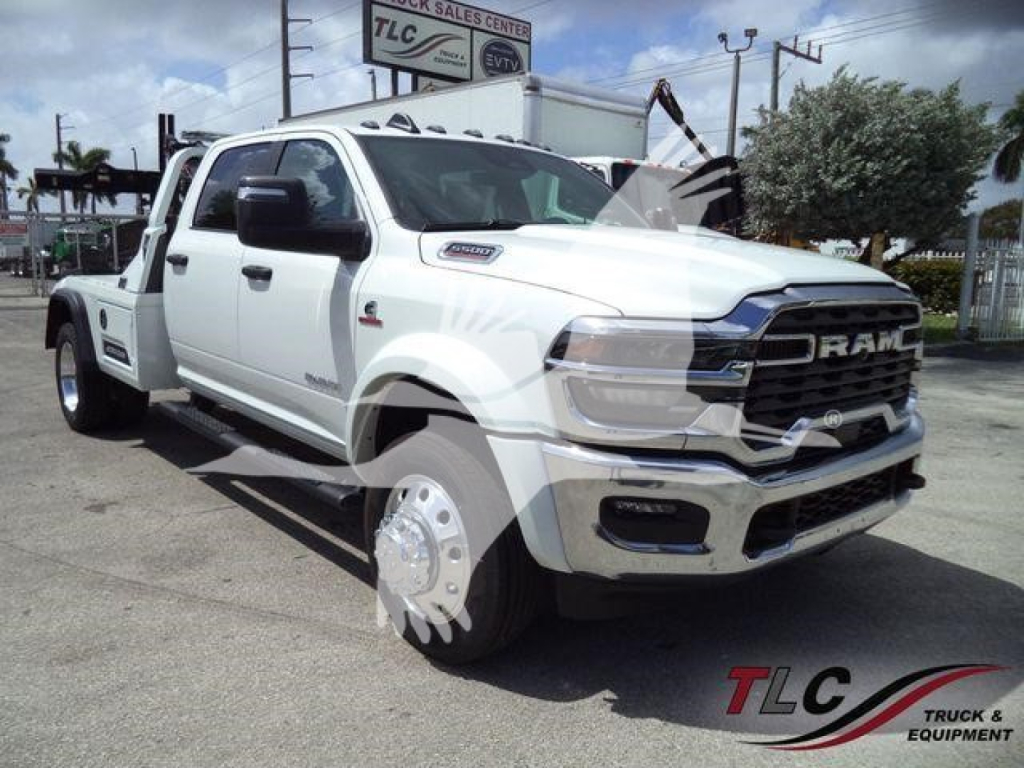
Selling a 2026 winch truck? List your 2026 winch truck for sale and reach thousands of commercial buyers.
2026 Winch Trucks
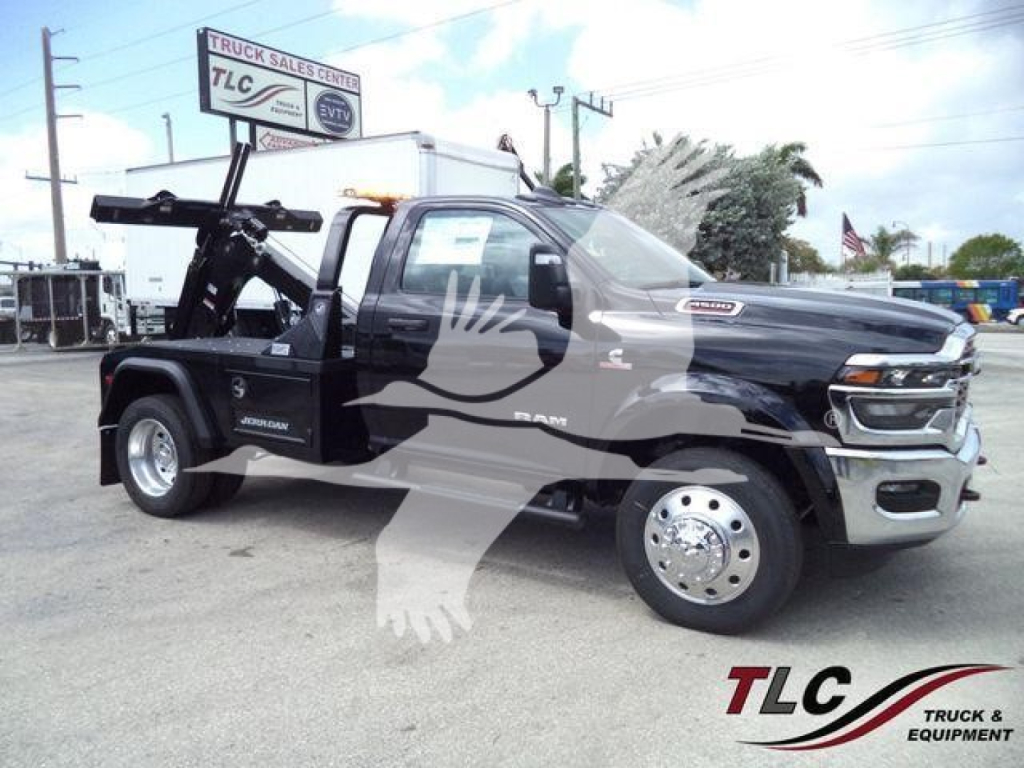
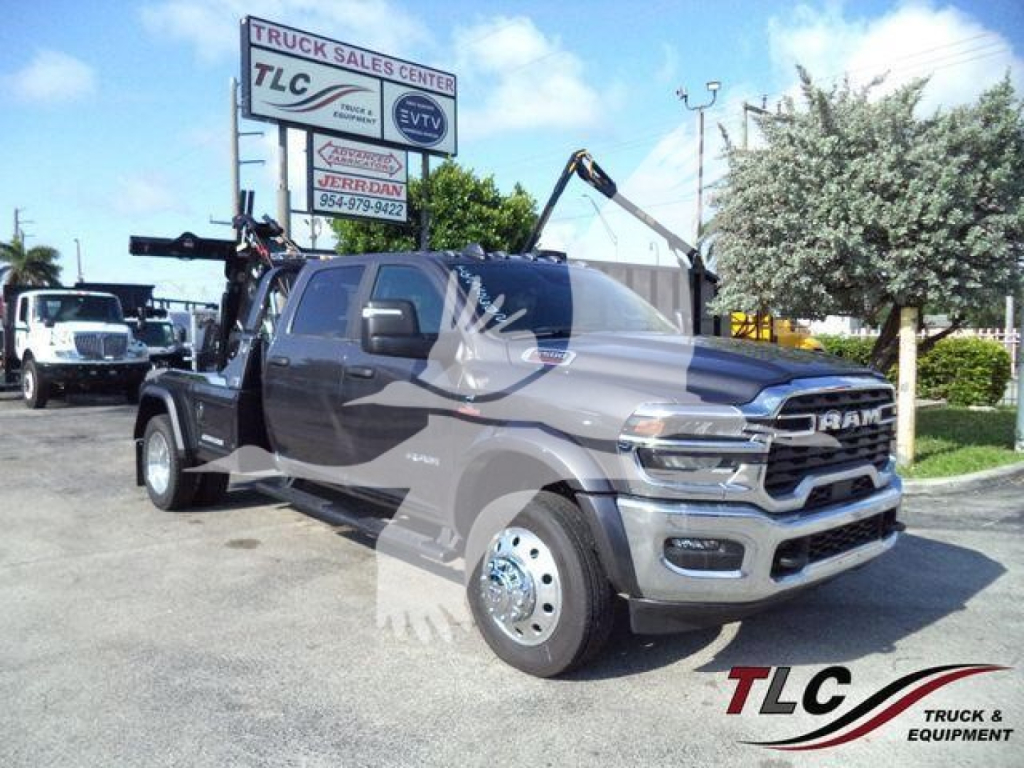
On the body side, most buyers in this category are looking at integrated wreckers with a self-loading wheel lift, recovery boom, and one or two drag winches. In the current market, 8,000 lb drag winches are a common spec on light-duty winch trucks, and dual winches are popular for operators who want more flexibility during angled pulls or light recovery work. Underlift ratings, boom capacity, wheel-lift geometry, and reach matter more than brochure language. A truck that spends most of its day moving disabled passenger vehicles needs different setup priorities than one handling pickups, vans, or frequent accident recovery. Aluminum modular bodies help control weight and resist corrosion, while steel bodies still appeal to fleets that prioritize durability and repair familiarity.
Daily usability matters just as much as rated capacity. Camera systems, LED light bars, rear work lights, tow lighting, and organized storage for straps, chains, and forks all affect speed and safety on a live call. Operators should also pay attention to cab configuration, cab-to-axle dimension, suspension package, and front axle loading, especially on 4x4 builds with diesel engines and heavier upfits. A well-matched wheelbase and body combination will back easier in tight lots, carry the right front-to-rear balance, and reduce the compromises that show up after months of service. If the truck will run long shifts, interior trim, seat support, HVAC performance, and in-cab controls can become real productivity issues, not luxury items.
For a buyer comparing 2026 winch trucks, the key is to match the truck to the actual call mix. Urban towing fleets often favor compact self-loaders with fast cycle times and simple controls. Rural and mixed-service operators may need 4x4 traction, more boom capability, and dual winches for recovery situations on shoulders, ditches, and job sites. Check GVWR, axle ratings, wheel-lift capacity, winch line pull, body material, and the reputation of the upfit manufacturer. Those specs tell you far more about real-world performance, maintenance cost, and driver acceptance than trim level alone.
Frequently Asked Questions about 2026 Winch Trucks
What is a winch truck in the light-duty towing market?
In this category, a winch truck is usually an integrated light-duty wrecker equipped with a recovery boom, one or more drag winches, and a self-loading wheel lift. It is designed to tow disabled vehicles, perform basic recoveries, and handle roadside service calls. Many operators also refer to these trucks as self-loaders or auto-loader wreckers, depending on the body design and control setup.
How much winch capacity is common on a 2026 winch truck?
A common spec in this segment is an 8,000 lb drag winch, and some units are equipped with dual 8,000 lb winches. That setup is typical for light-duty towing and recovery involving cars, pickups, and small commercial vehicles. Buyers should still review the full recovery package, because winch rating alone does not tell the whole story. Boom rating, underlift capacity, chassis GVWR, and body construction all affect what the truck can safely do on the job.
Should I choose a 4x2 or 4x4 winch truck?
A 4x2 chassis often makes sense for paved-road towing, urban service, and fleets focused on lower acquisition cost and simpler maintenance. A 4x4 chassis is valuable when the truck regularly works in snow, mud, gravel lots, construction areas, or rural shoulders where traction matters. The tradeoff is usually higher cost, more front axle weight, and a slightly different turning and service profile, so the best choice depends on where the truck will actually run.
What chassis are common for light-duty winch trucks?
Common chassis in this class include Ram 4500 and 5500 models, Chevrolet Silverado 5500HD, and International CV variants. These platforms are popular because they offer diesel power, automatic transmissions, suitable GVWR ranges, and strong support for wrecker upfits. Cab configuration, wheelbase, and front axle rating are just as important as make and model, because those details affect body fitment, maneuverability, and legal load distribution.
What should I compare besides the winch rating?
Serious buyers should compare GVWR, front and rear axle ratings, wheel-lift capacity, boom design, body material, storage layout, lighting, camera systems, and the serviceability of the upfit. It also helps to look at cab-to-axle measurement, turning radius, and how the truck is balanced once the body is installed. Those factors have a direct impact on operator confidence, tire wear, maintenance cost, and how efficiently the truck performs on everyday calls.