
2026 Ram Winch Trucks For Sale
Shop 2026 Ram winch trucks and tow wreckers with Cummins diesel power, 4500 or 5500 chassis options, and proven light-duty recovery specs.
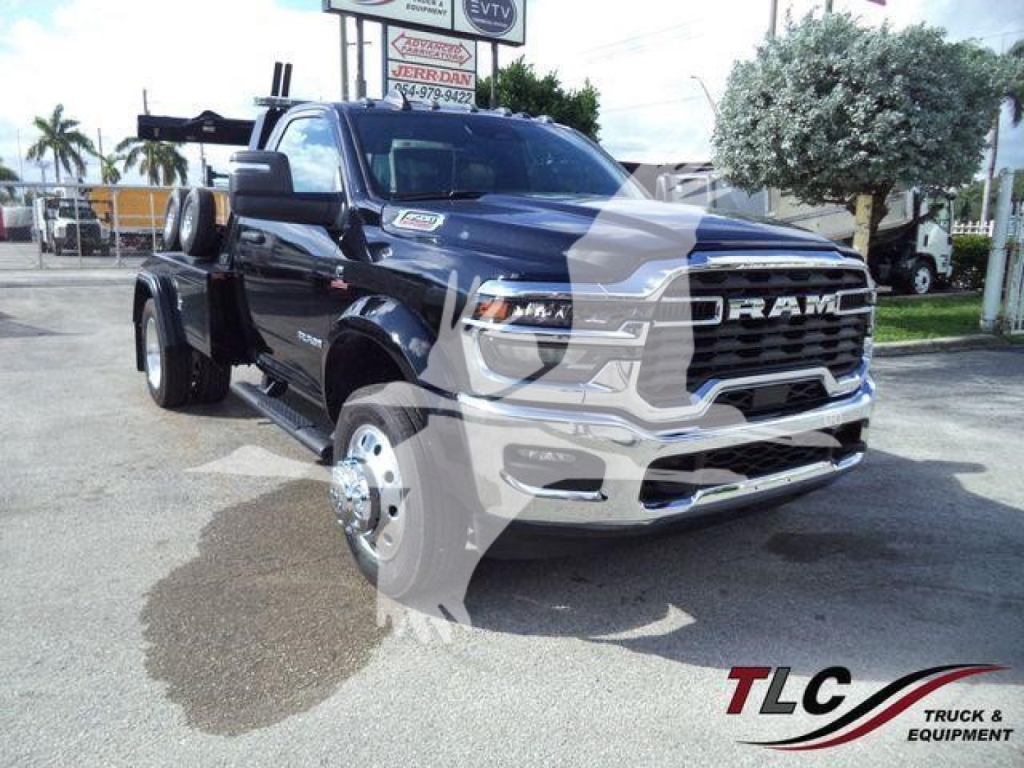
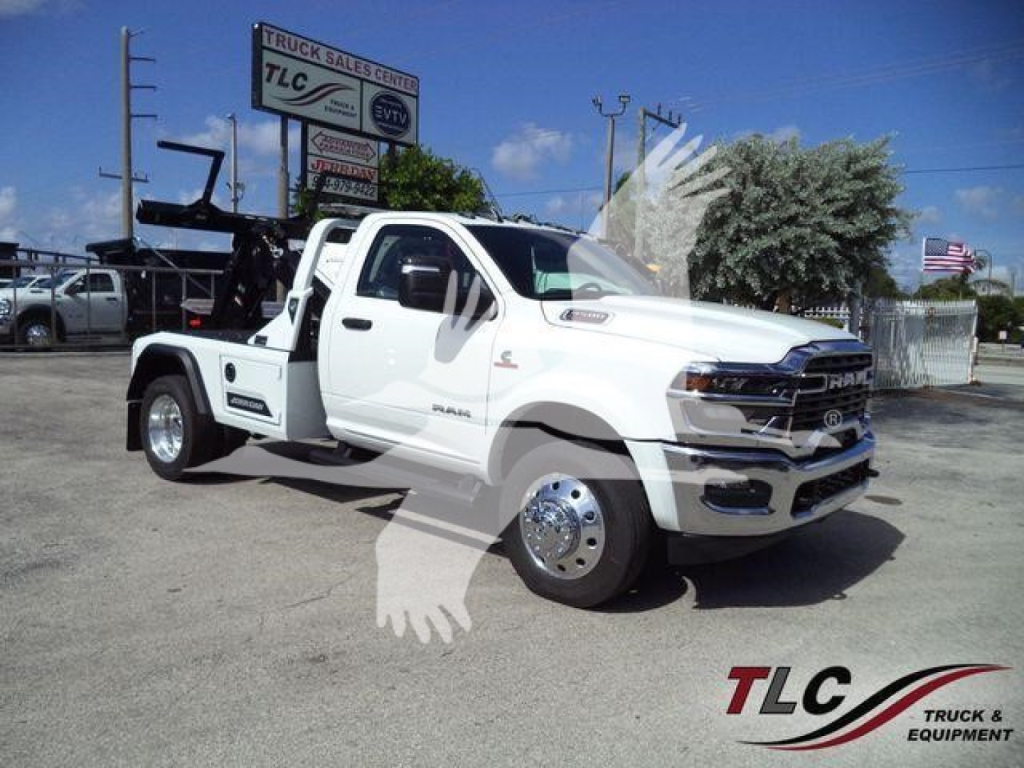
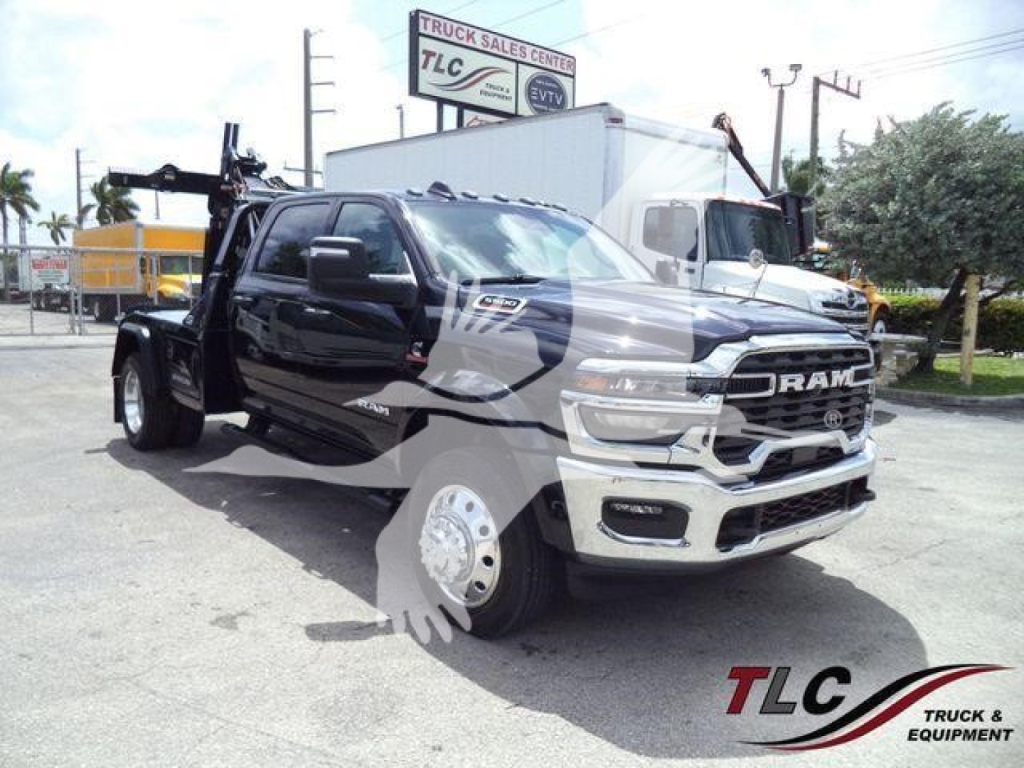
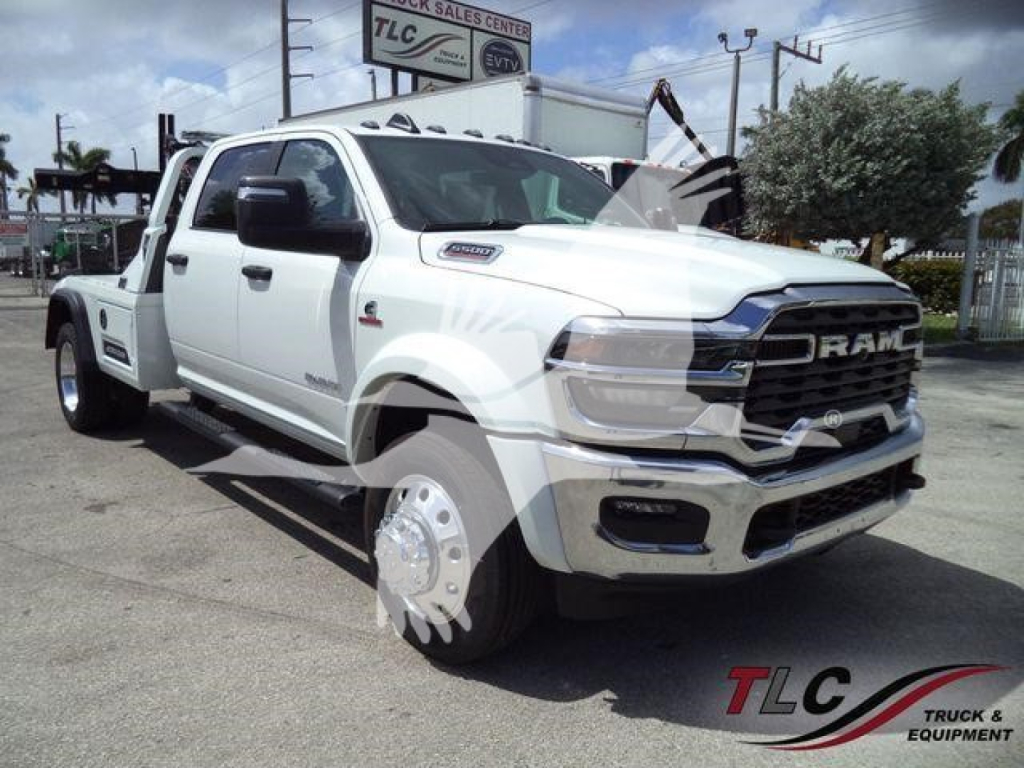
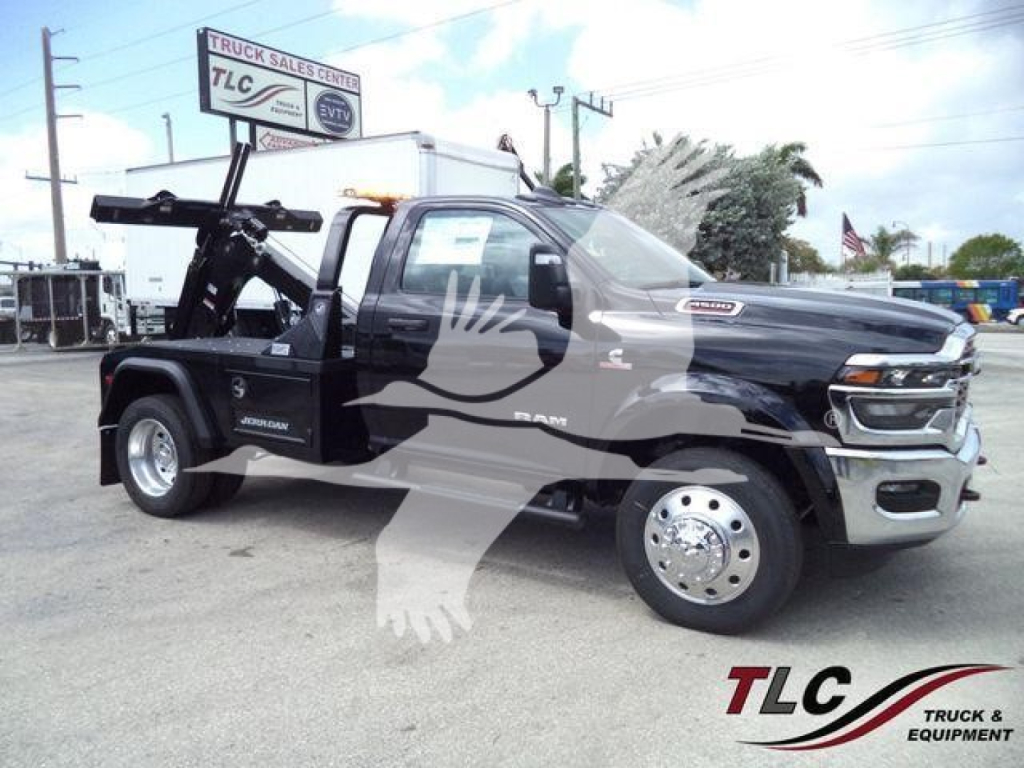
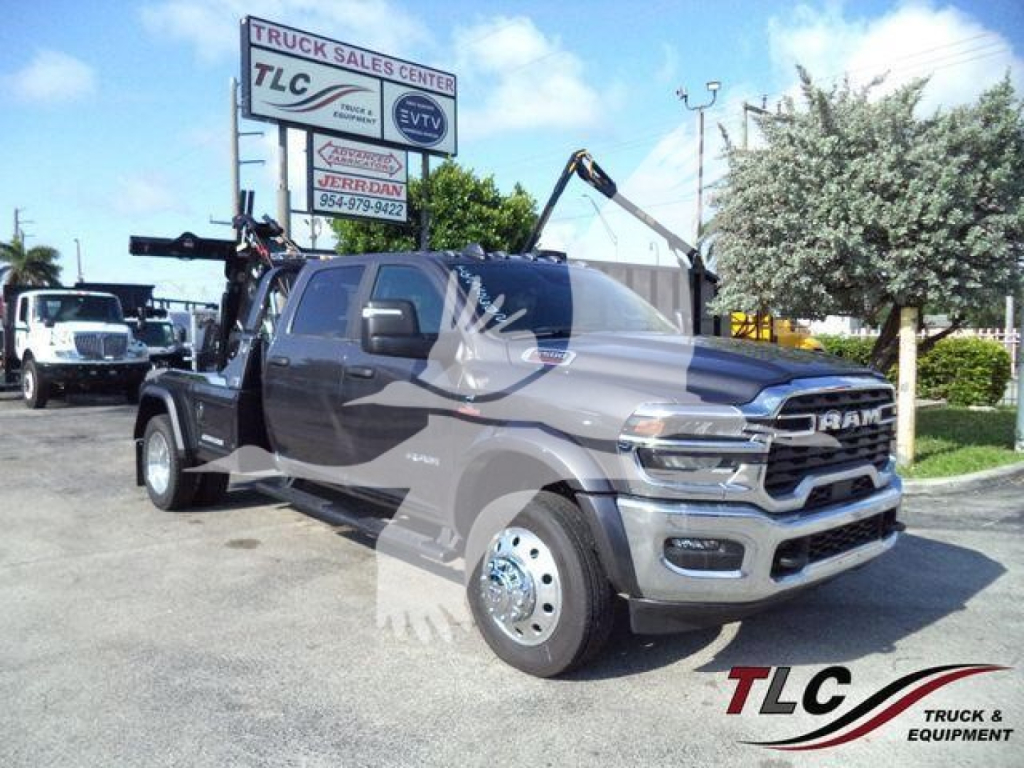
Selling a 2026 ram winch truck? List your 2026 ram winch truck for sale and reach thousands of commercial buyers.
2026 Ram Winch Trucks
In this category, the winch truck is often an integrated wrecker fitted with a self-loading wheel lift, underlift stop assist, and one or two drag winches in the 8,000-lb class. Many buyers will see Jerr-Dan MPL-series bodies on Ram chassis, including steel or modular aluminum configurations. That body decision matters. Steel bodies usually cost less up front and hold up well in hard daily use, while aluminum bodies can reduce corrosion and help preserve available carrying capacity. Common equipment includes rear work lights, amber LED light bars, backup alarms, tow socks, safety chains, wheel lift straps, dollies, and side toolboxes. If the truck will spend long shifts on accident response, parking enforcement, dealer transport, or repo work, visibility, lighting layout, storage access, and controller placement deserve as much attention as boom and underlift ratings.
For day-to-day operation, the biggest differences between listings are usually cab style, drivetrain, and recovery package. Regular cab 4x2 trucks are simple, lighter, and maneuverable in dense city routes. Crew cab 4x4 setups add interior space and better traction for rural calls, winter weather, gravel lots, and uneven shoulders, but they also add weight and length. Buyers should compare underlift reach, retracted and extended ratings, tow capacity, boom design, and winch line pull against the actual vehicles they expect to recover. A truck used mainly for passenger cars, half-ton pickups, and dealership work does not need the same configuration as one handling commercial vans, dually pickups, or roadside recoveries in rough terrain.
A smart buying decision in this segment comes down to matching the Ram chassis and wrecker body to the service mix. Check GVWR, rear axle rating, suspension setup, PTO or hydraulic integration, wheelbase compatibility, and how the body builder distributes weight across the frame. Also pay attention to practical items like camera systems, no-lube components, scuff-prone deck areas, toolbox capacity, and how quickly wear parts can be sourced. Ram winch trucks are popular because they offer familiar diesel power, a wide support network, and a chassis that accepts proven light-duty tow and recovery upfits well. For many operators, that makes them a strong choice for high-cycle towing, municipal work, and fleet expansion where uptime and driver usability matter as much as raw spec sheets.
Frequently Asked Questions about 2026 Ram Winch Trucks
What chassis is most common for a 2026 Ram winch truck?
The most common chassis choices are the Ram 4500 and Ram 5500. A 4500 is often preferred for lighter weight, tighter turning, and city-focused towing, while a 5500 is better suited for heavier upfits, higher GVWR requirements, added storage, and 4x4 applications. The right choice depends on the type of vehicles being recovered, the body installed, and how much axle and payload margin the operator wants.
What kind of towing equipment is typically installed on a Ram winch truck?
Most Ram winch trucks in this category are fitted as light-duty wreckers with a self-loading wheel lift, integrated underlift, recovery boom, and one or two drag winches. An 8,000-lb drag winch is a common specification. Many units also include work lights, LED warning lights, safety chains, wheel lift straps, tow socks, dollies, and side-mounted tool storage. Exact ratings vary by body manufacturer and model, so buyers should compare underlift capacity, boom specs, and winch configuration carefully.
Is a Ram 4500 or Ram 5500 better for towing and recovery work?
Neither is automatically better. The Ram 4500 is a strong fit for lighter duty calls, parking lots, repossession, and urban towing where maneuverability matters. The Ram 5500 makes more sense when the truck needs a larger body, more tool storage, four-wheel drive, or extra chassis capacity for heavier service. Buyers should base the decision on actual recovered vehicle weights, terrain, route density, and the installed wrecker package rather than badge alone.
Are aluminum wrecker bodies worth considering on a Ram winch truck?
Aluminum bodies are worth serious consideration for fleets operating in wet, snowy, or corrosive environments because they resist rust better and can reduce overall body weight. That weight savings can help with chassis capacity and equipment flexibility. Steel bodies still appeal to many operators because they can offer lower upfront cost and proven durability in demanding service. The better option depends on climate, budget, repair preferences, and how long the truck is expected to stay in fleet.
What should buyers compare first when shopping Ram winch trucks?
Start with the chassis rating, drivetrain, and body model, then move to the actual recovery specs. GVWR, rear axle capacity, wheelbase, cab configuration, and 4x2 versus 4x4 have a direct effect on how the truck performs once the wrecker body is installed. After that, compare underlift reach and rating, boom capacity, winch line pull, storage layout, lighting, and camera systems. A truck that looks similar on paper can perform very differently depending on how the chassis and upfit were matched.