
2026 Ford Commercial Trucks For Sale
Shop 2026 Ford medium duty trucks, from F-550 to F-750. Compare powertrains, GVWR, floor strength, thermal integrity, tare weight, corrosion.
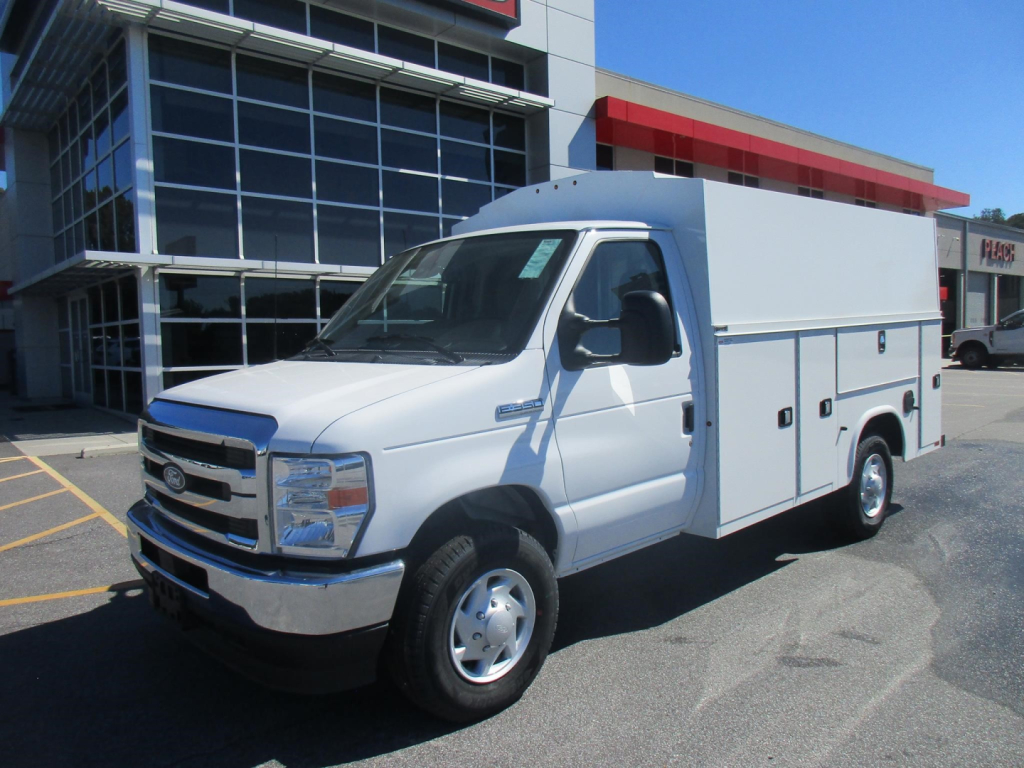
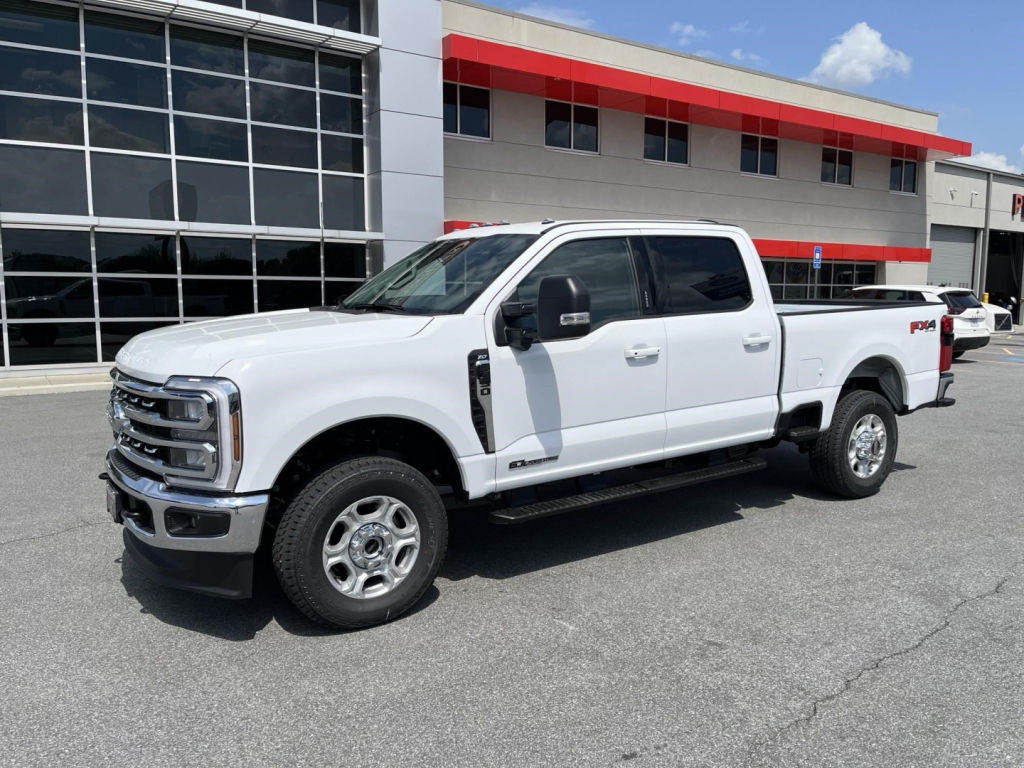
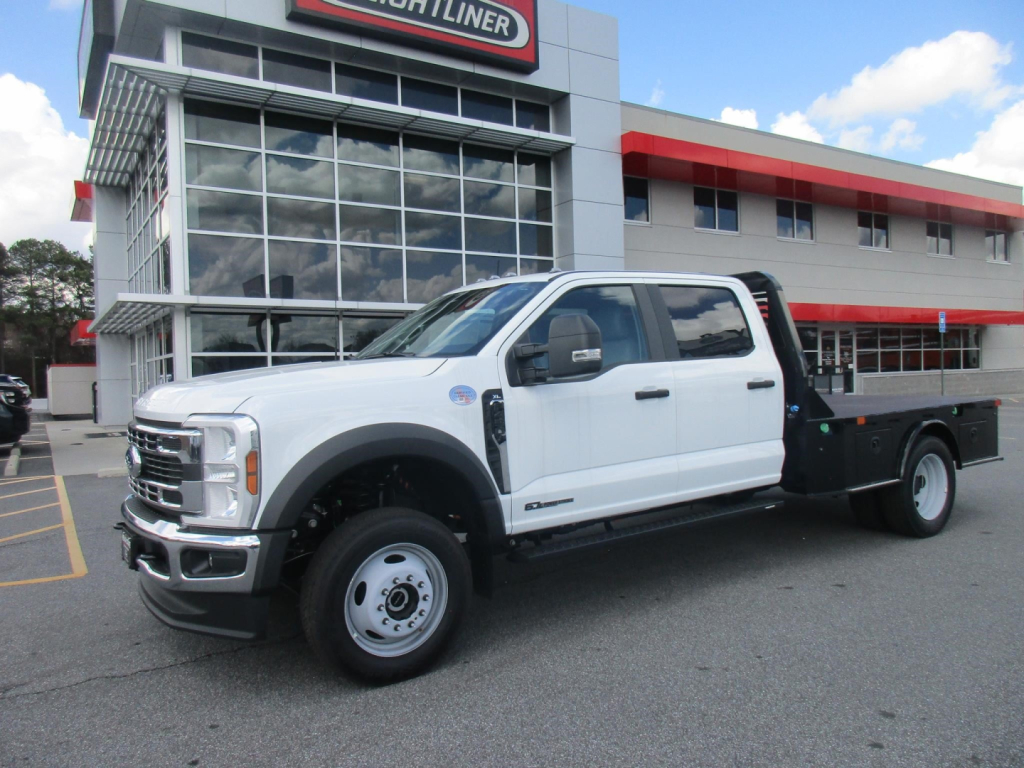
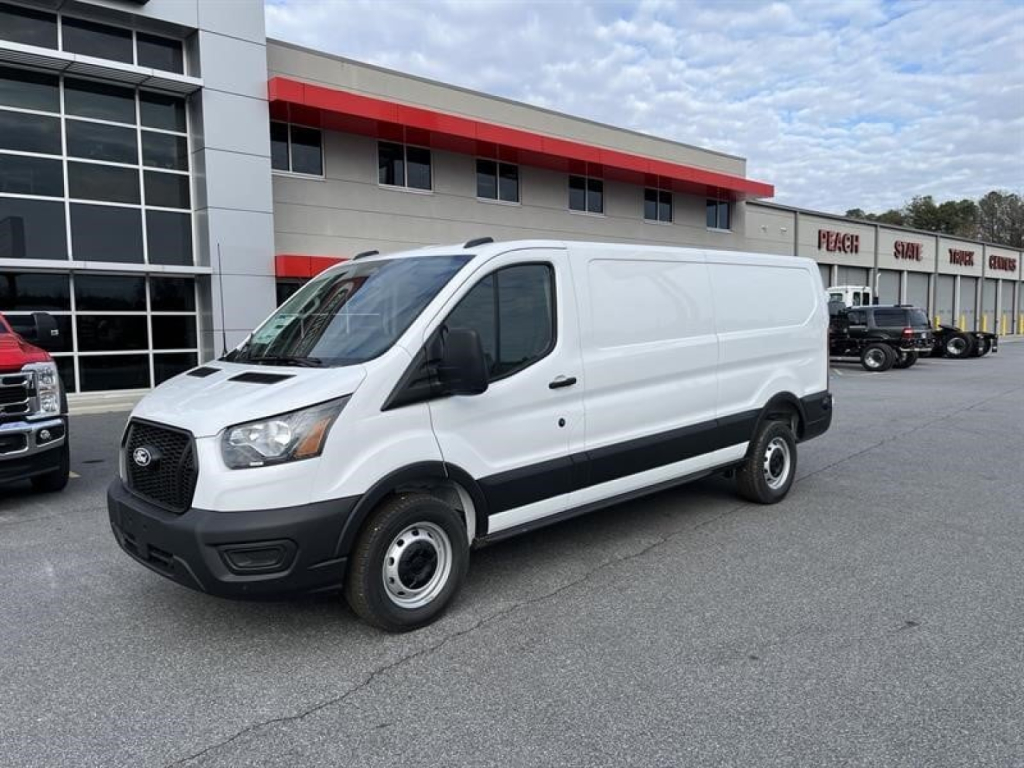
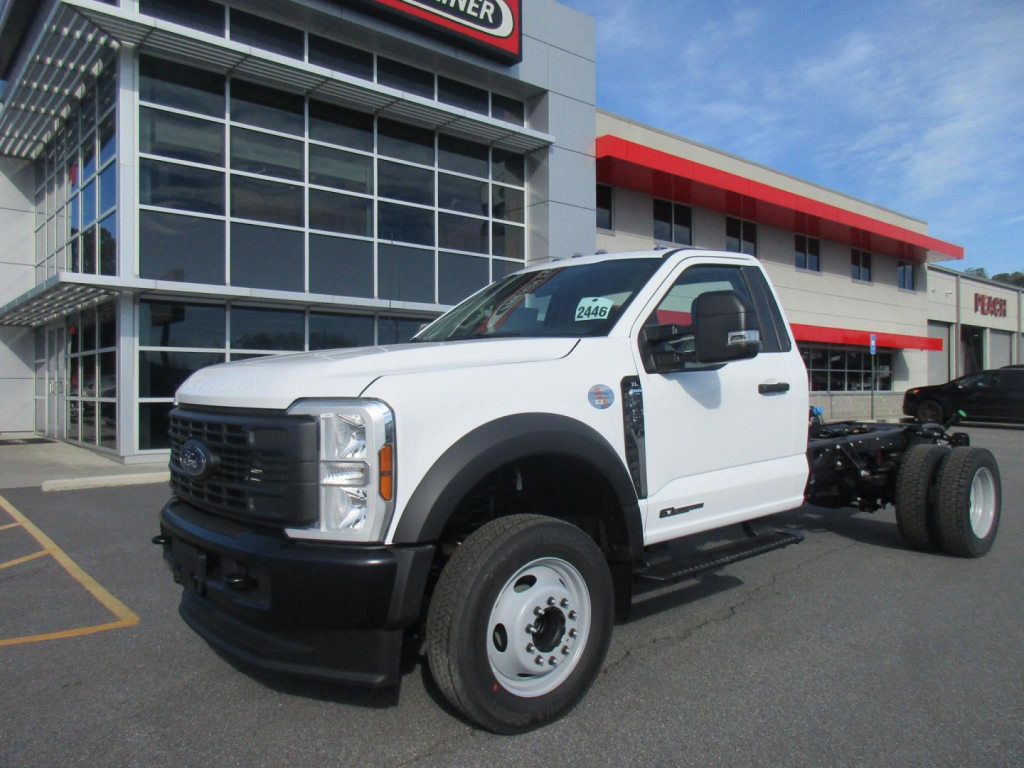
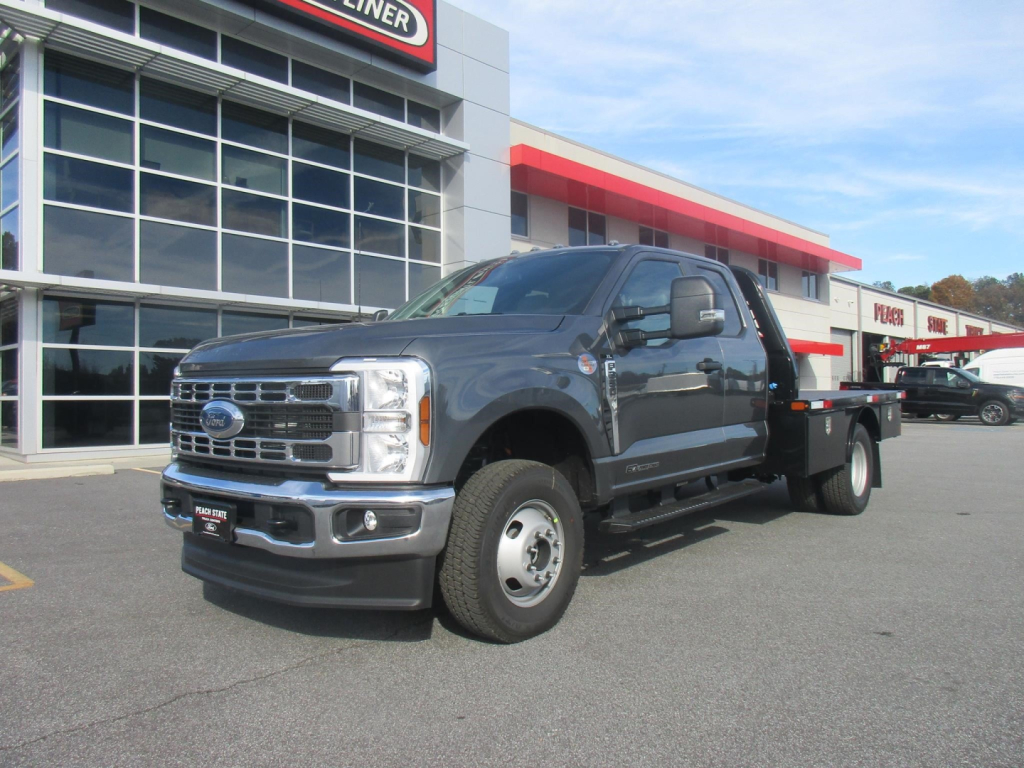
Selling a 2026 ford commercial truck? List your 2026 ford commercial truck for sale and reach thousands of commercial buyers.
2026 Ford Commercial Trucks
For van and reefer builds, floor strength and thermal integrity drive total cost of ownership. Forklift rated laminated hardwood floors with close crossmember spacing resist point loads, while aluminum threshold plates and steel rear frame extensions handle dock contact. Scuff liners protect sidewalls from pallet abrasion, and logistics posts or e track give you flexibility in load securement without cutting into wall panels. Reefer bodies that use high density foam panels with thermal breaks, proper door seals, and insulated bulkheads hold temperature with fewer unit cycles, which cuts fuel burn and limits moisture intrusion that can degrade floors and sills.
Powertrain choices typically include the 7.3L gas V8 for short haul, PTO intensive or cold start simplicity, and the 6.7L Power Stroke diesel for higher GCW, long idle PTO loads, and better fuel efficiency at highway speeds. TorqShift automatic transmissions with live drive or stationary PTO keep hydraulic systems responsive, and axle ratios can be matched to startability targets without overspinning the engine at cruise. Spec hydraulic brakes for lower maintenance in lighter service, or air brakes with air dryers and larger foundation brakes when descending grades or running heavier routes. Leaf spring or air ride rear suspensions tune ride quality and cargo protection, and 50 degree wheel cut front axles help in tight urban docks.
Tare weight and corrosion resistance separate profitable builds from costly ones. Aluminum wheels, composite or aluminum van panels, and right sized fuel and DEF tanks trim weight, which adds payload and lowers wear. Look for e coat primer on frames, sealed electrical connectors, stainless or zinc plated hardware on bodies, and isolation pads between dissimilar metals to prevent galvanic corrosion. In salt regions, underbody coatings, enclosed crossmembers, and frequent wash access points extend service life. Choosing the correct body crossmember material, sill design, and rear underride guard finish will protect floors, door frames, and hinges while keeping long term maintenance predictable.
Frequently Asked Questions about 2026 Ford Commercial Trucks
What is the practical difference between a 2026 Ford F-650 and F-750 for vocational work?
Both share similar cabs and frames, but F-750 typically offers higher GVWR, larger axle capacities, and a broader selection of air brake and 22.5 inch wheel packages. That translates to more payload headroom and better brake thermal capacity on heavy routes. F-650 suits non CDL or lighter duty with hydraulic brakes and 19.5 inch tires, while F-750 is the choice when you need more front axle rating for plows or equipment, or more rear axle capacity for dumps and reefers.
How should I choose between the 7.3L gas V8 and the 6.7L Power Stroke diesel in 2026 Ford medium duty trucks?
Pick the 7.3L gas V8 for lower upfront cost, simpler emissions hardware, frequent PTO use, and short urban routes with many stops. Choose the 6.7L Power Stroke diesel for higher GCW, long highway legs, better fuel economy at cruise, and extended grade work. If your duty cycle includes long idles with PTO load, verify idle up control and cooling package capacity, and size the axle ratio to keep engine speeds within the most efficient range for your average road speed.
What should I look for in a 2026 Ford box truck or reefer to ensure floor strength and thermal integrity?
For floors, seek forklift rated laminated hardwood or heavy duty aluminum, tight crossmember spacing, threshold protection at the rear, and full length wear bands or scuff liners. Add logistics posts or e track that are integrated into the wall design, not just surface mounted. For reefer bodies, prioritize high R value foam panels with thermal breaks, tight door seals, insulated bulkheads for multi temp, and a drain system that prevents water pooling under the floor. A properly sealed body reduces unit run time, protects the floor from moisture, and improves product protection.
How can I reduce tare weight on a 2026 Ford medium duty build without sacrificing durability?
Use aluminum wheels, composite or aluminum van panels, and specify only the fuel tank capacity you truly need. Choose a body with optimized crossmember spacing rather than thicker deck boards alone, and evaluate 19.5 versus 22.5 wheel and tire packages based on payload and brake needs. Consider air ride only if cargo protection demands it, since leaf suspensions can be lighter. Keep toolboxes, liftgates, and auxiliary equipment to the essentials, and position them to avoid adding frame reinforcements that add weight.
What corrosion protection features matter most on 2026 Ford trucks and their upfits?
Look for e coat or zinc phosphate primed frames, cavity wax inside frame rails, sealed wiring with molded connectors, and stainless or zinc plated hardware on the body. Specify isolation pads between aluminum bodies and steel frames to prevent galvanic corrosion, and use epoxy primer plus topcoat on liftgates and rear underride guards. In winter regions, underbody coating, mud flap placement that limits spray, and easy access to wash critical areas extend service life and protect floors, hinges, and electrical systems.