
2026 Peterbilt Trucks For Sale
Shop 2026 Peterbilt trucks for sale, including highway, vocational, and chassis models with modern powertrains, cab options, and spec flexibility.
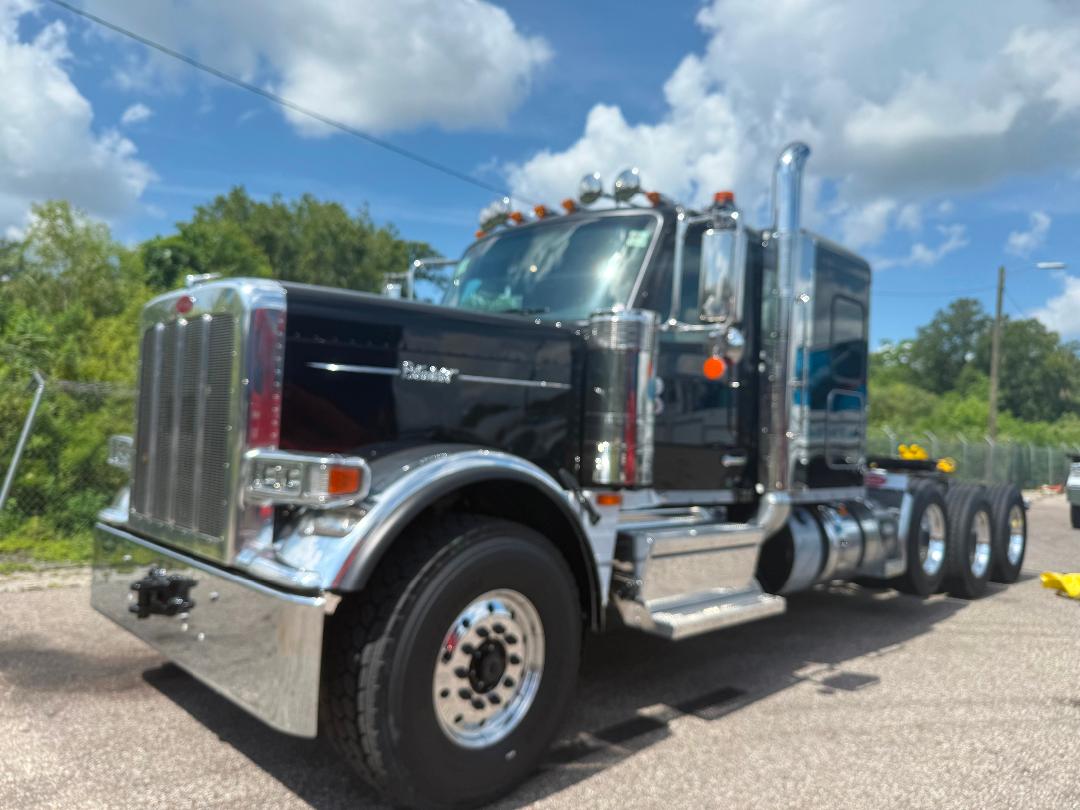
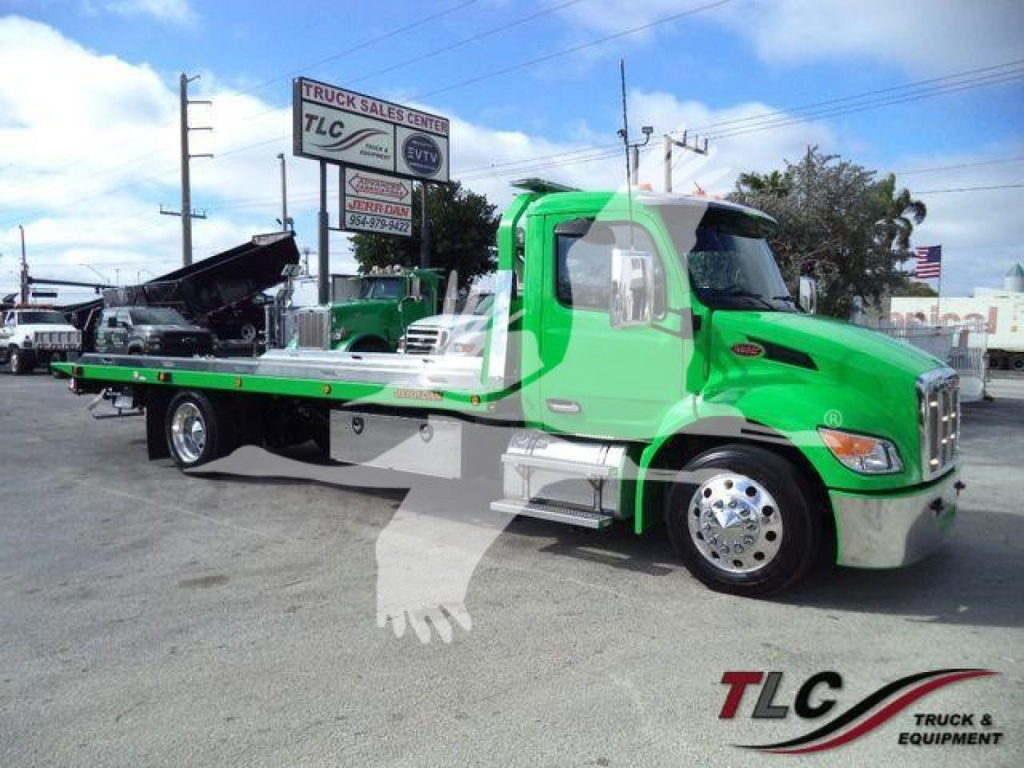
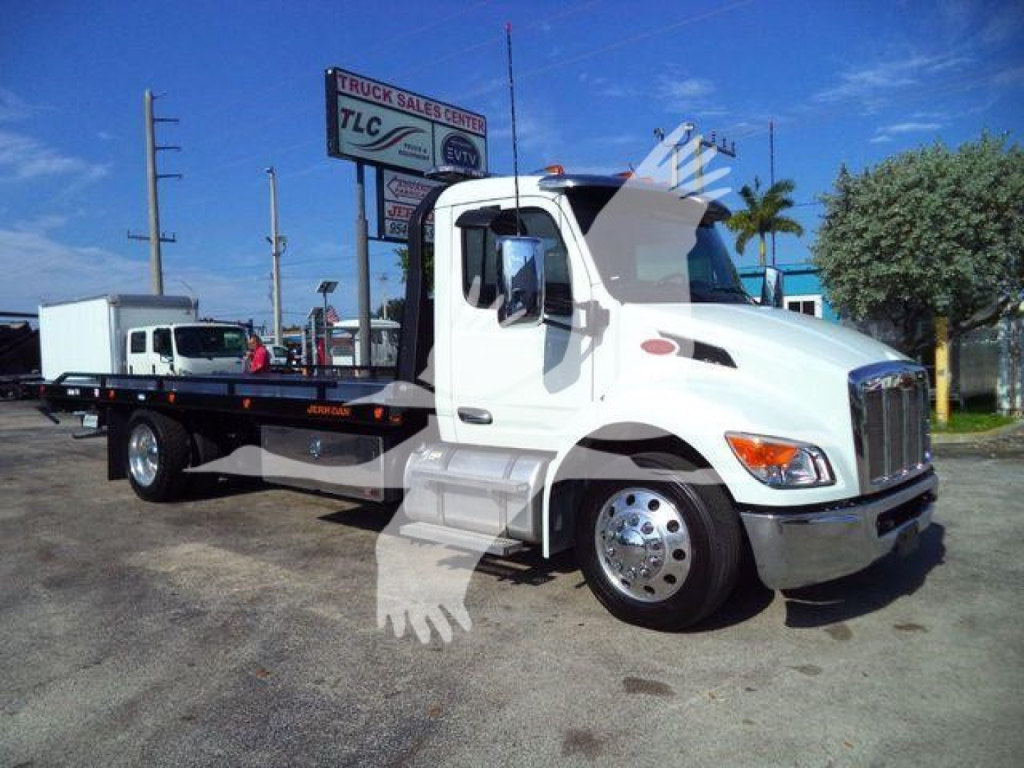

Selling a 2026 peterbilt truck? List your 2026 peterbilt truck for sale and reach thousands of commercial buyers.
2026 Peterbilt Trucks
The biggest buying decisions usually come down to engine platform, front axle and rear axle ratings, wheelbase, and suspension. In current Peterbilt trucks, buyers often compare PACCAR power with Cummins options depending on horsepower targets, service preferences, and regional support. Transmission choice is just as important. Automated manuals dominate many highway specs for fuel economy and driver acceptance, while Allison automatics remain common in refuse, towing, municipal, and stop-and-go vocational work. For body-builder applications, pay close attention to frame rail configuration, clear back-of-cab dimensions, PTO provisions, and axle set-back or set-forward layout. Those details determine how easily the truck can be upfitted and how well it carries the finished body.
Cab configuration matters more than many buyers expect. Day cabs are common for local and regional freight, while sleepers vary by roof height and bunk length depending on route structure and driver retention needs. Peterbilt is also known for premium interiors, visibility, and strong switch layout, which can matter on trucks that spend full shifts in traffic, job sites, or loading queues. On highway models, key spec points include fuel capacity, fairing package, fifth-wheel setup, axle ratio, and wheelbase. On vocational trucks, the focus shifts toward double-frame availability, pusher or tag axle options, severe-duty suspension choices, and front axle capacity for plows, cranes, or heavy steer loads.
A smart comparison between 2026 Peterbilt trucks should include more than make and model. Look closely at GVWR or GCWR, brake type, suspension design, tire and wheel package, and emissions warranty coverage. If the truck will carry a body, verify body-ready wiring, PTO compatibility, and frame dimensions before purchase. If it will pull van, reefer, flatbed, or tanker freight, review gearing, fuel efficiency spec, and sleeper configuration against the lanes it will actually run. Peterbilt trucks hold broad appeal because they cover both image-conscious highway operations and hard-use vocational fleets, but the right value is always in the details of the spec.
Frequently Asked Questions about 2026 Peterbilt Trucks
What types of 2026 Peterbilt trucks are common on the market?
The 2026 Peterbilt lineup generally includes highway tractors, day cabs, sleeper trucks, medium-duty straight trucks, and cab and chassis units built for vocational upfits. Common applications include over-the-road freight, regional hauling, towing, dump work, municipal service, and body-builder installations such as rollback, utility, or refuse equipment. The exact model matters less than how the truck is spec'd for the job, especially axle ratings, wheelbase, engine, and transmission.
Which specs matter most when buying a 2026 Peterbilt truck?
The most important specs are the intended application, GVWR or GCWR, engine horsepower and torque, transmission type, axle ratings, axle ratio, suspension, and wheelbase. Buyers planning to install a body should also confirm frame dimensions, PTO capability, and any body-builder provisions. Highway buyers should prioritize gearing, fuel capacity, sleeper size, aerodynamic package, and fifth-wheel setup because those factors directly affect fuel burn, payload compatibility, and route suitability.
Are 2026 Peterbilt trucks good for vocational work as well as highway use?
Yes. Peterbilt has long served both segments. Highway configurations are often chosen for fuel-efficient linehaul and regional service, while vocational configurations are built around durability, body integration, and front axle capacity. A vocational Peterbilt may be spec'd with automatic transmission options, heavy front axles, double-frame construction, and PTO support, while a highway unit may focus on aerodynamics, driver comfort, and optimized drivetrain ratios.
What is the difference between a Peterbilt day cab, sleeper, and cab and chassis?
A day cab is designed for local or regional operation without a bunk and usually offers lower curb weight and easier maneuverability. A sleeper includes a bunk area for overnight or long-haul work and comes in multiple lengths and roof heights. A cab and chassis is sold as a truck platform behind the cab so it can be fitted with a specialized body such as a dump body, rollback, service body, vacuum system, or other vocational equipment.
Should I choose an automatic or manual transmission in a 2026 Peterbilt truck?
That depends on the application and driver base. Automated manual transmissions are common in highway service because they help with fuel economy, reduce driver fatigue, and simplify training. Allison automatic transmissions are often preferred in towing, refuse, municipal, and other stop-and-go work where smooth low-speed operation and PTO compatibility are priorities. Manual transmissions still appeal in certain heavy-haul or preference-driven specs, but they are less common in many mainstream fleet applications than they once were.