
2026 Service/Utility Trucks For Sale
Compare 2026 service and utility trucks with common body types, GVWR ranges, storage layouts, crane options, and chassis setups for field work.
Selling a 2026 service/utility truck? List your 2026 service/utility truck for sale and reach thousands of commercial buyers.
2026 Service/Utility Trucks
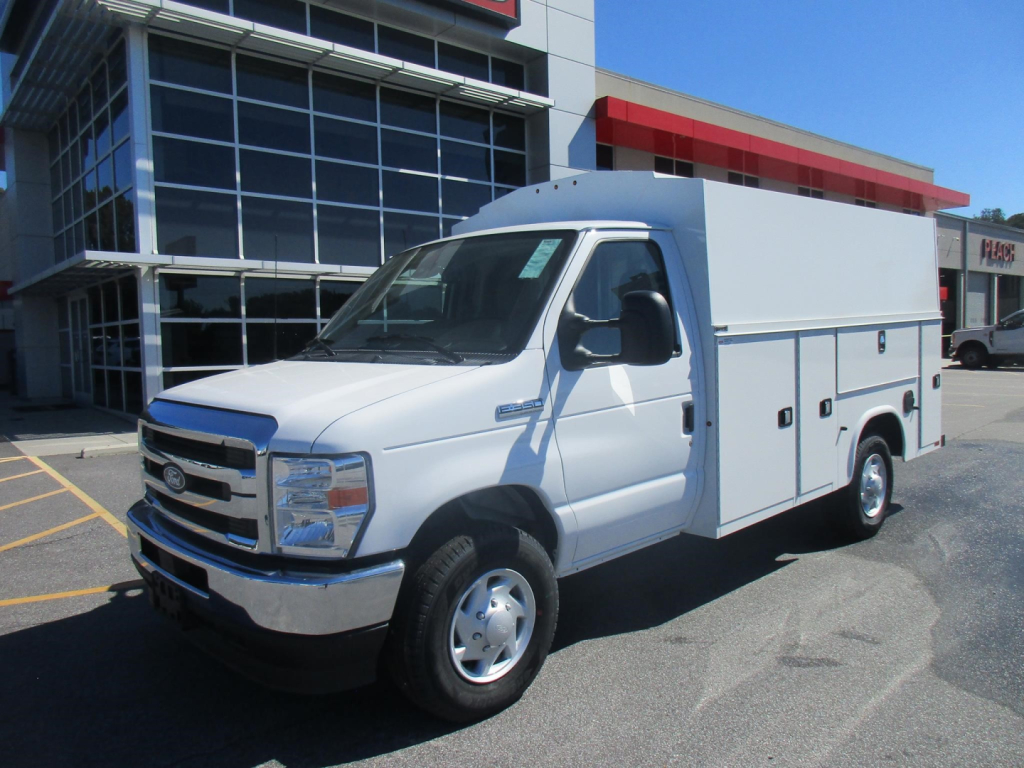
Body design matters as much as the cab and engine. Most service bodies use side-pack compartments, top-opening or vertical doors, and a steel or aluminum deck with headache rack and integrated tie-downs. A 9-foot body is common on pickup-based units, while larger medium-duty service bodies support more compartment volume and better crane mounting. Buyers should look closely at compartment depth, shelf adjustability, lighting, drawer systems, and whether the body includes features like inverter power, welder mounts, lube skids, hose reels, or compressor packages. For fleets working in corrosive environments, galvanneal or aluminum construction, stainless hardware, and quality seals around compartment doors are worth paying for.
On the chassis side, the main decisions are GVWR, cab style, 4x2 versus 4x4, diesel versus gas, and transmission durability under PTO or accessory loads. Pickup-based service trucks often land around Class 3 to Class 5, while larger units can be spec'd into Class 6 or 7 with front and rear axle ratings that support cranes, outriggers, and loaded cabinets. Diesel engines remain common where towing, idle time, and fuel range matter, while gas engines still make sense for lighter service routes with lower acquisition cost and simpler emissions maintenance. If the truck will carry a crane, compressor, and consumables every day, pay attention to real payload after the body is installed, not just the chassis rating on paper.
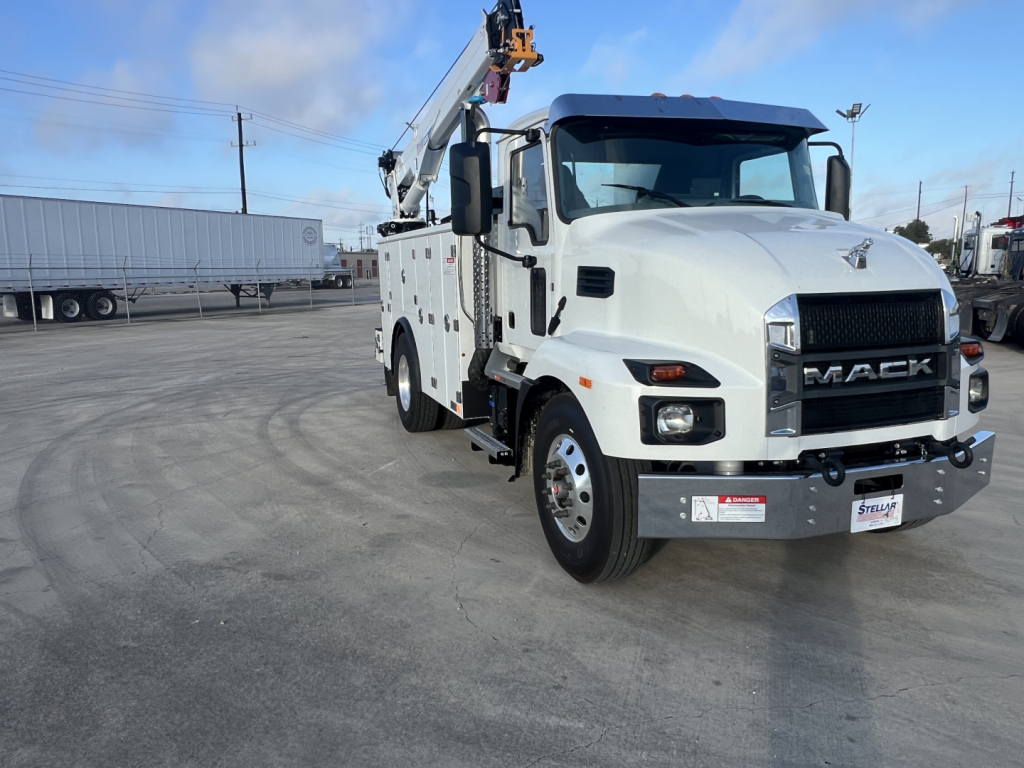
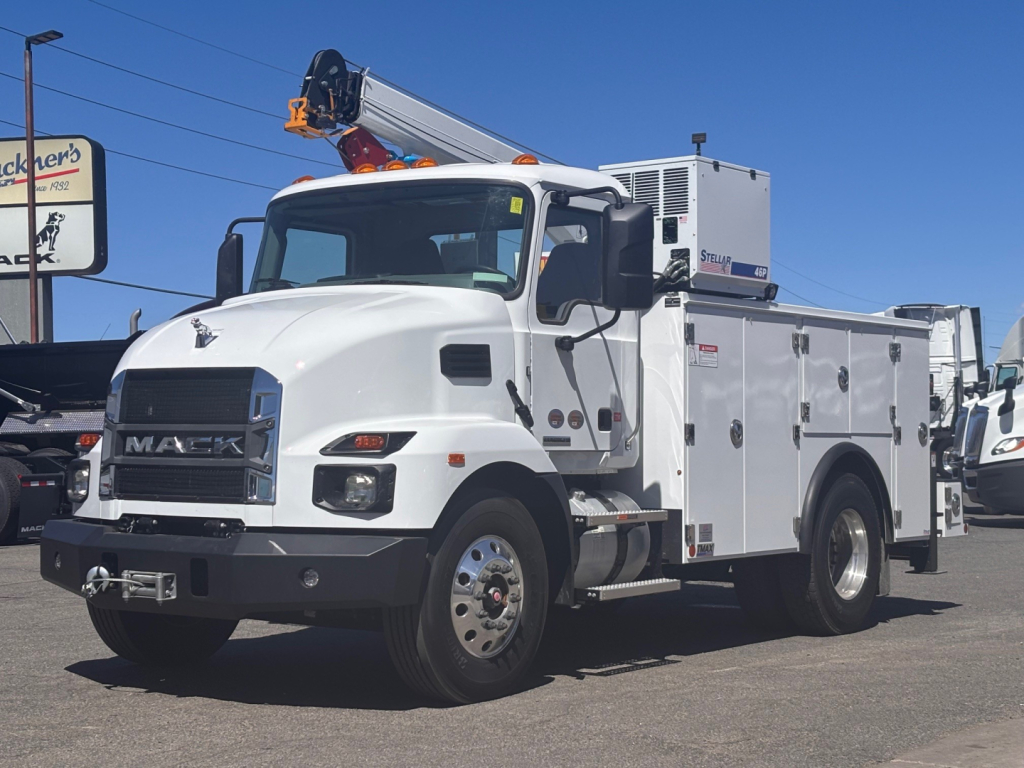
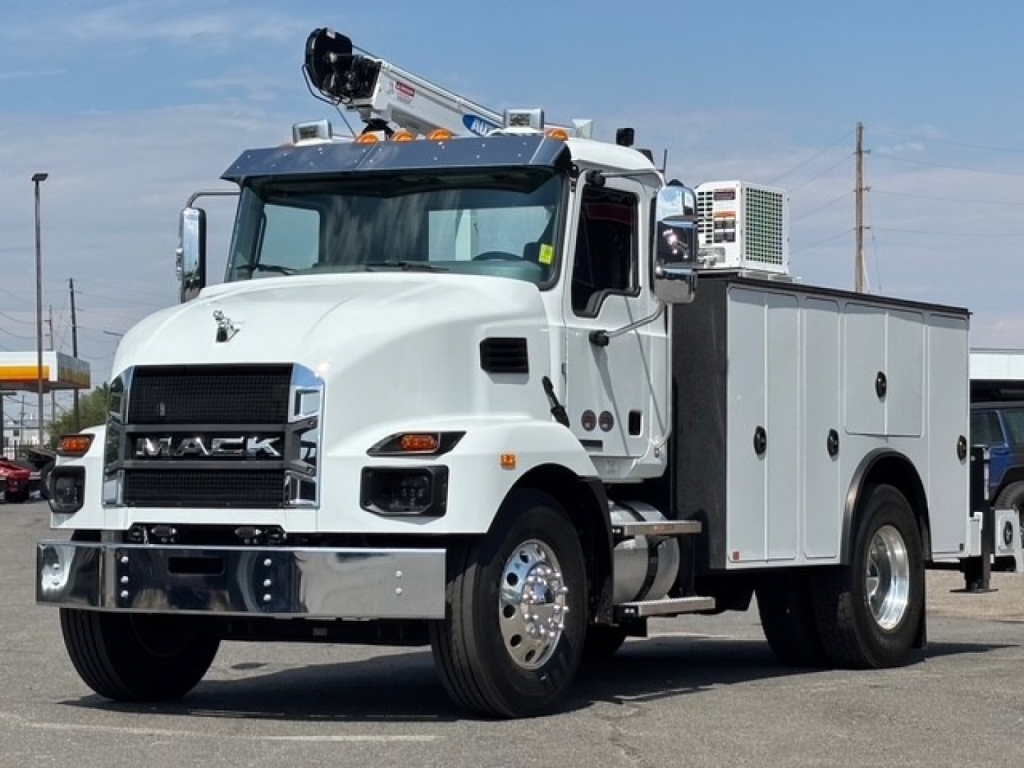
A good service or utility truck should reduce downtime in the field, not just transport tools. That means checking work lighting coverage, bumper and hitch setup, trailer brake controls, backup camera visibility, PTO integration, and how easily technicians can access parts from either side of the truck. For mechanic applications, crane capacity, stability, and body reinforcement are critical, along with winch bumpers, air systems, and secure storage for rigging and service equipment. For utility and municipal use, cleaner organization, lower bed height, and easier urban maneuverability may matter more than maximum lifting capacity. The best 2026 service trucks are the ones spec'd around the technician's daily load, not the broadest option sheet.
Frequently Asked Questions about 2026 Service/Utility Trucks
What is the difference between a service truck and a utility truck?
The terms are often used interchangeably, but service truck usually refers to a truck equipped for field repair work, while utility truck can describe a broader category used by contractors, municipalities, telecom crews, and facility maintenance teams. A mechanic truck is a more specialized service truck with a crane, compressor, reinforced body, and higher payload for mobile repair work. In practice, the body layout and installed equipment matter more than the label.
What GVWR is best for a 2026 service or utility truck?
The right GVWR depends on the body weight, stored tools and parts, fuel or fluid tanks, towing needs, and any mounted equipment such as compressors or cranes. A lighter pickup-based service body can work well in the 14,000-pound range for general contractor or maintenance use, while mechanic applications often need a medium-duty chassis with substantially more axle and frame capacity. Buyers should calculate curb weight with the completed body and accessories installed, then confirm the remaining legal payload and axle balance.
Should I choose diesel or gas for a service truck?
Diesel is usually the better fit for higher mileage, frequent towing, long idle periods, and heavier service bodies because it typically offers stronger low-end torque and better fuel economy under load. Gas can be a smart choice for lighter-duty fleets that run shorter routes, want lower upfront cost, and prefer simpler maintenance. The best choice depends on duty cycle, emissions familiarity in your shop, and whether the truck will spend more time carrying weight or making short local stops.
What features matter most on a mechanic or crane-equipped service truck?
Crane-equipped units need more than just rated lifting capacity. Buyers should look at crane reach, remote control setup, body and frame reinforcement, outriggers, compressor output, PTO compatibility, and how the added equipment affects payload and axle loading. Storage layout is also important because rigging, chains, hoses, and repair parts need to be organized without overloading one side of the truck. A strong chassis and properly integrated body package are more important than any single accessory.
Is 4x4 worth it on a utility service truck?
4x4 is valuable when the truck regularly enters jobsites, utility easements, oilfield roads, snow conditions, or unimproved terrain. It adds traction and can reduce lost time from recoveries or access limitations. The tradeoff is higher purchase cost, added weight, and more drivetrain complexity. For trucks that stay on pavement and work mainly in cities or developed industrial sites, a 4x2 chassis may deliver better payload efficiency and lower operating cost.