
2026 Mixer Trucks For Sale
Shop 2026 mixer trucks with modern chassis, automatic transmissions, durable drums, and jobsite-ready specs for concrete delivery fleets.
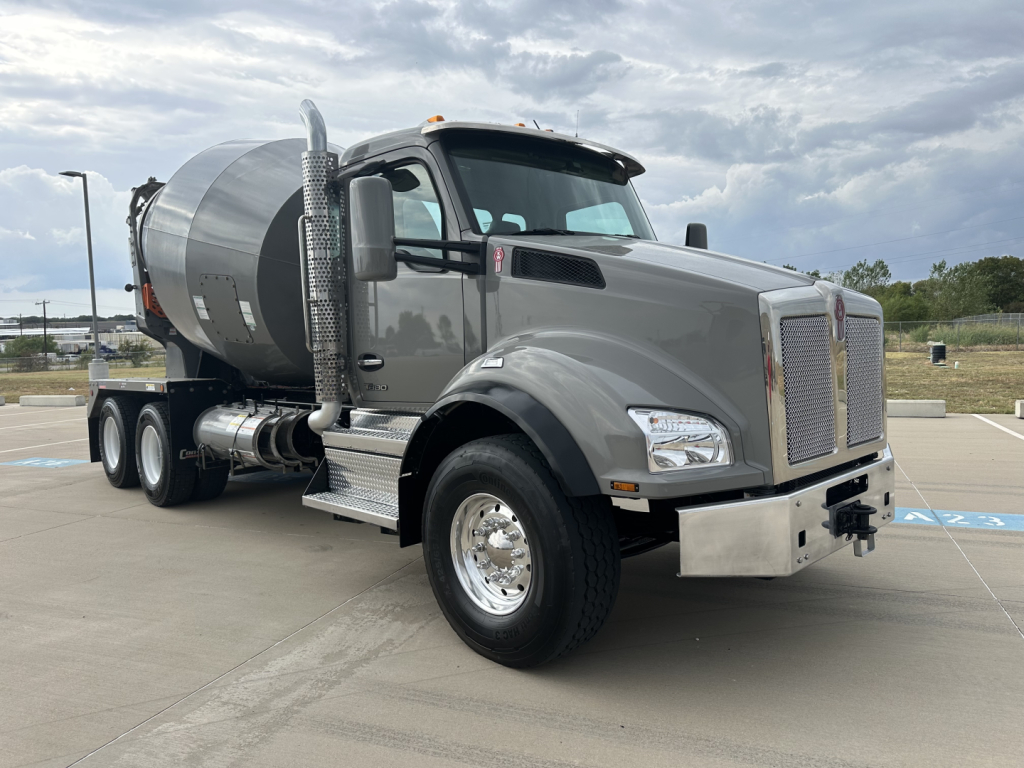
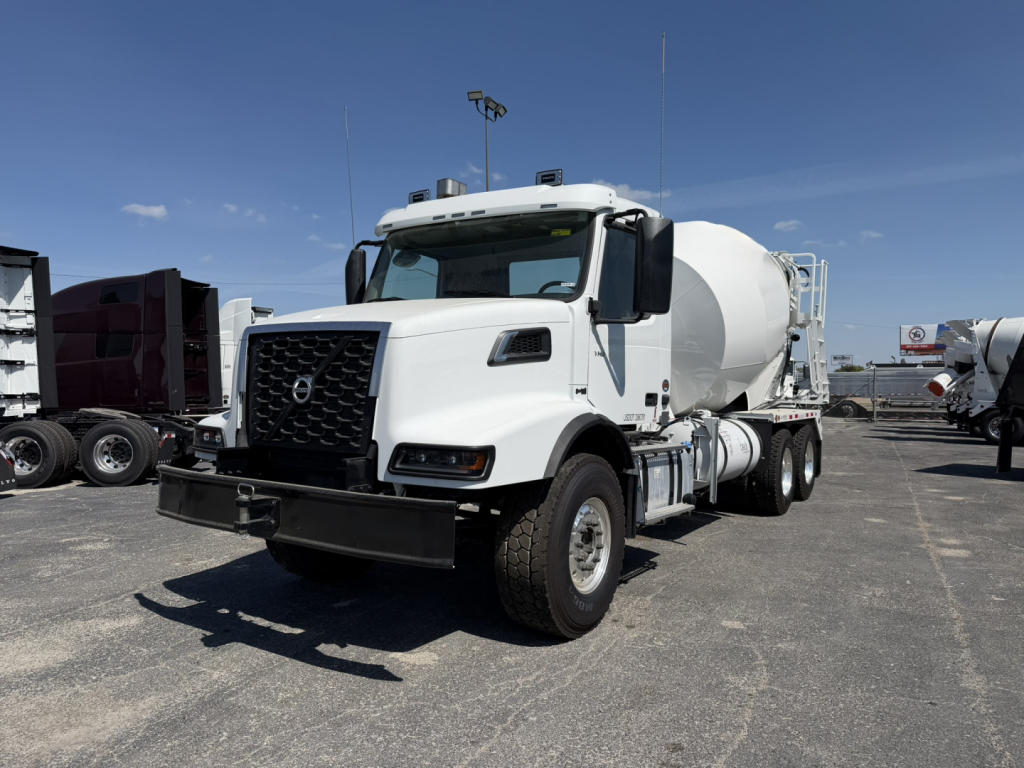
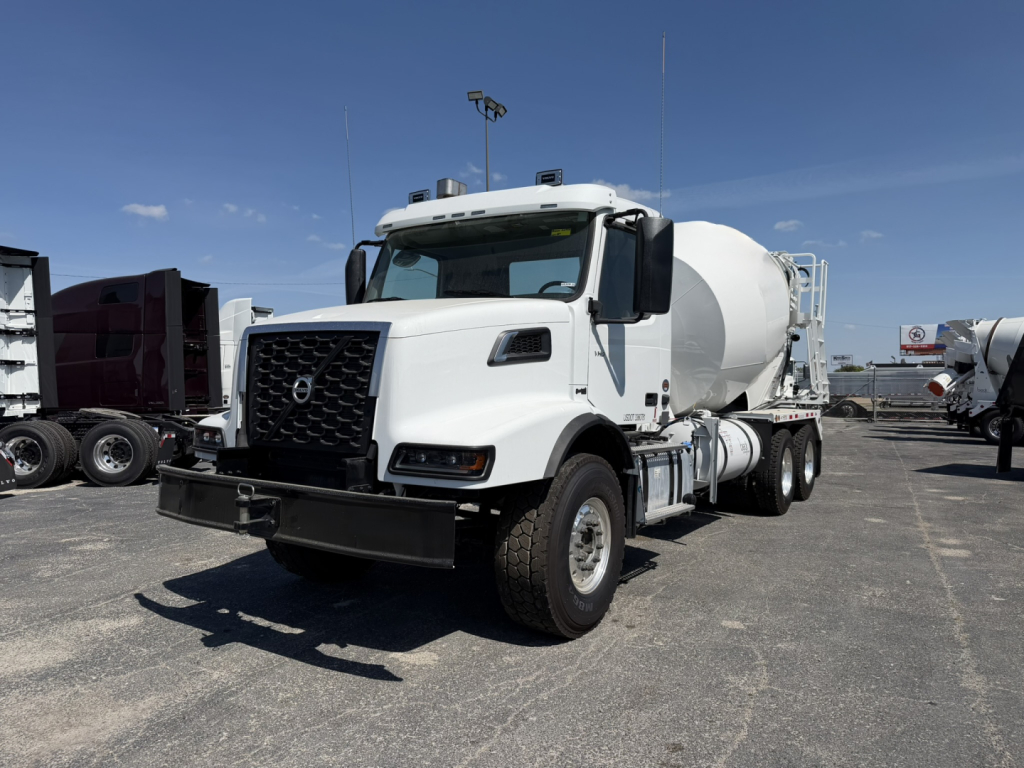
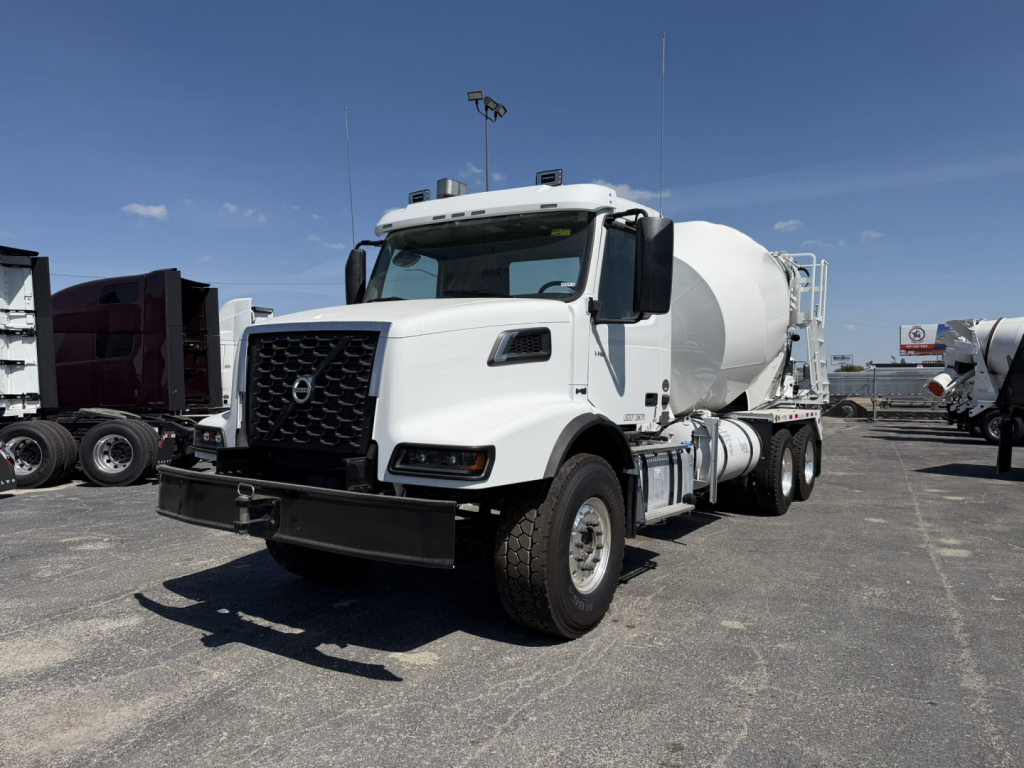
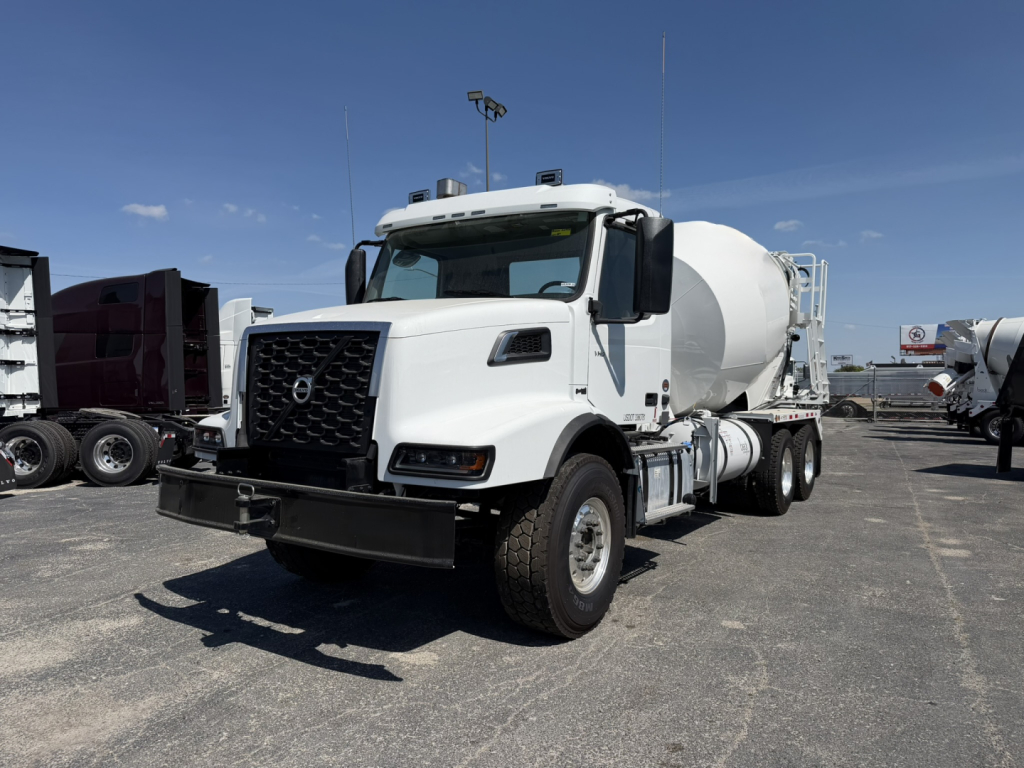
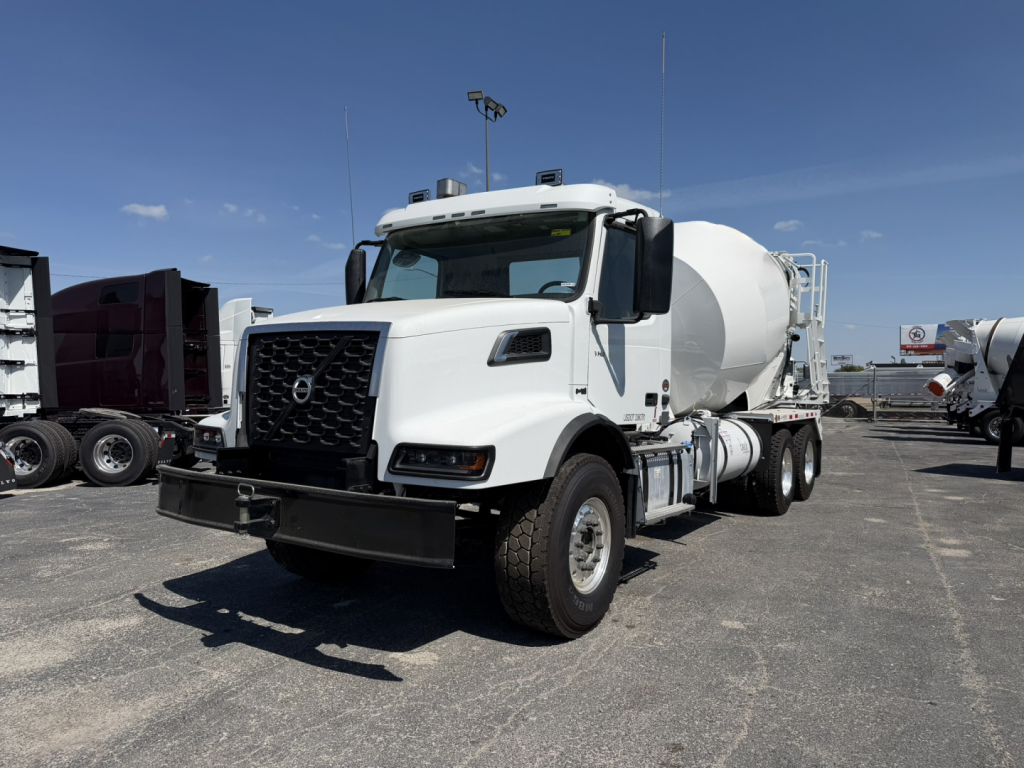
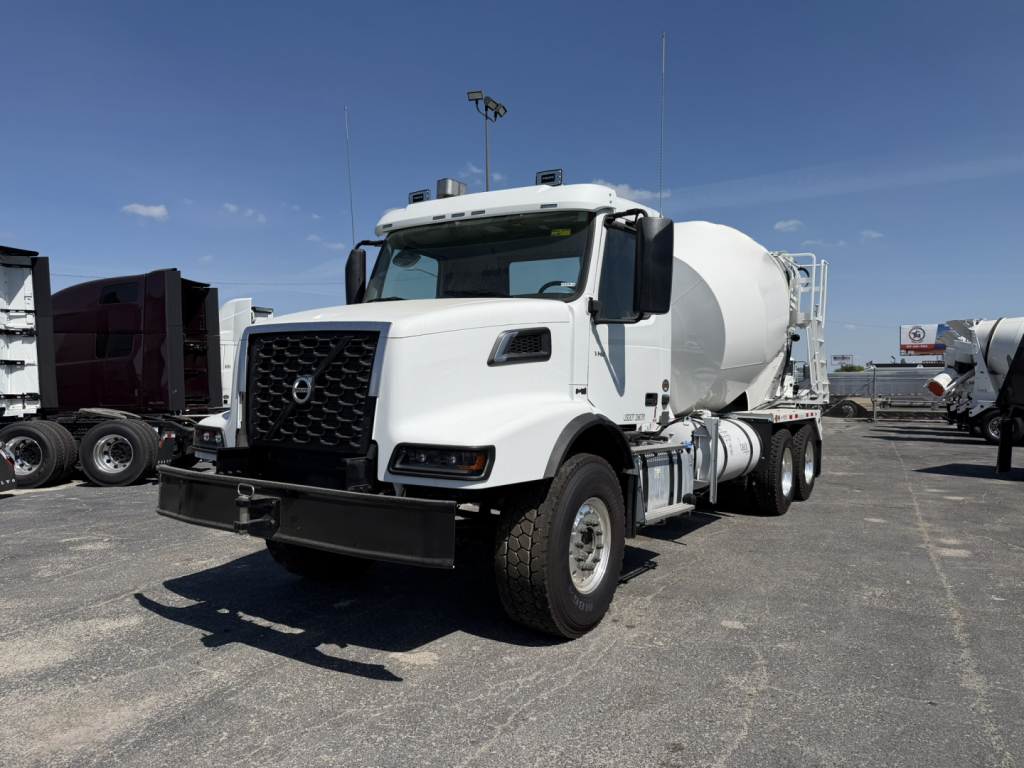
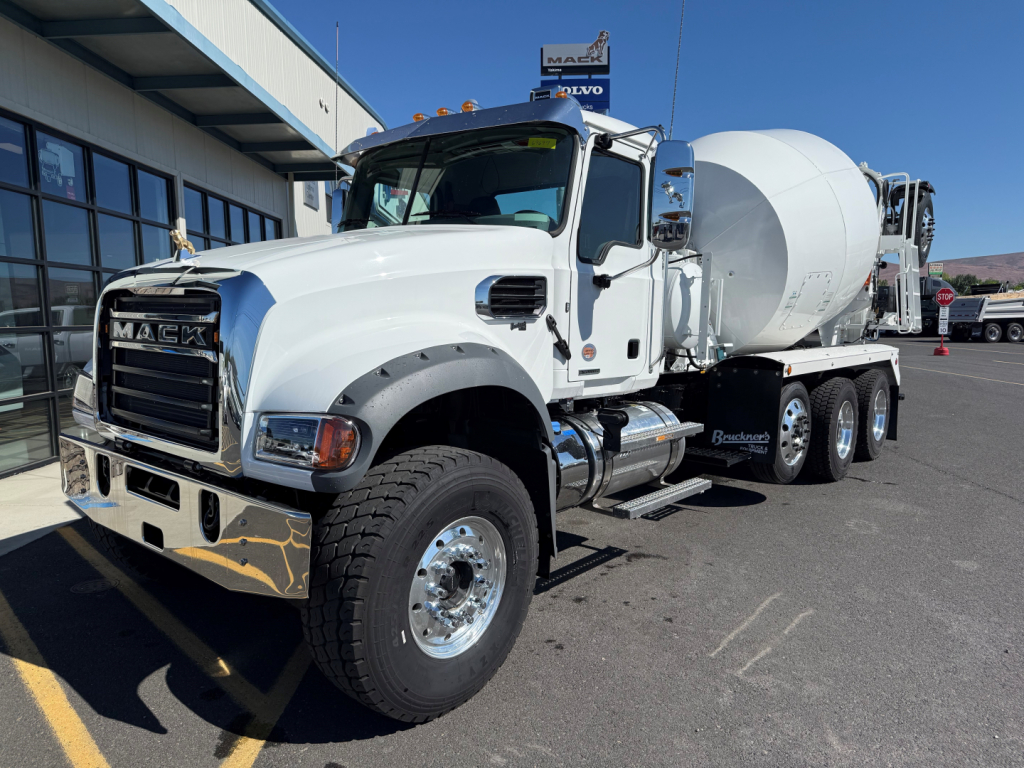
Selling a 2026 mixer truck? List your 2026 mixer truck for sale and reach thousands of commercial buyers.
2026 Mixer Trucks
The powertrain on a modern mixer truck is typically chosen for low-speed durability and easy operation rather than highway speed. Allison automatic transmissions remain common because they reduce driver fatigue and help with launch control on crowded sites, while diesel engines in the 11 to 13 liter range are a frequent fit for concrete work. Locking differentials, heavy front frames, full disc or severe-duty drum brakes, and high-capacity cooling packages are all worth close attention. A mixer spends its day pulling in and out of plants, idling, backing, and creeping through uneven ground, so the best specification is usually the one that balances torque, uptime, and service access instead of chasing peak horsepower.
On the mixer package itself, buyers should look closely at drum material thickness, mixer manufacturer, hydraulic drive layout, water tank size, and operator controls. An 11 yard mixer body with a 1/4-inch steel drum is a common benchmark for ready-mix fleets that need durability without overcomplicating maintenance. Practical features like in-cab and rear drum controls, digital revolution counters, boot wash systems, remote grease banks, and night-pour lights can make a real difference in production and cleanup time. If the truck will handle paving mix, short-haul residential work, or plant-to-site shuttles, chute configuration, charge hopper design, and discharge height should be matched to the actual work, not treated as afterthoughts.
A buyer comparing 2026 mixer trucks should also think past the chassis sheet and focus on total operating fit. Driver visibility, cab entry, fuel capacity, local emissions requirements, and parts support all affect day-to-day cost. Severe-duty vocational trucks often stay in service for years under heavy cycles, so frame reinforcement, corrosion protection, and the ease of servicing hydraulic and mixer components deserve attention before purchase. The right mixer truck is not just a concrete truck with a drum on the back. It is a vocational package engineered around payload, plant turnaround, jobsite access, and dependable drum performance shift after shift.
Frequently Asked Questions about 2026 Mixer Trucks
What size drum is most common on a 2026 mixer truck?
An 10 to 11 yard drum is one of the most common configurations in the current mixer truck market, especially on severe-duty tandem and tridem chassis. The right size depends on legal weight limits, mix type, route distance, and whether the truck is working residential pours, commercial jobs, or paving support. Advertised drum capacity should always be considered alongside axle ratings and local bridge laws, because a larger drum does not automatically mean a more useful payload in every market.
Why are automatic transmissions so common in mixer trucks?
Automatic transmissions, especially heavy-duty Allison models, are widely used in mixer trucks because concrete delivery involves constant starts, stops, backing, and low-speed maneuvering. They reduce driver workload, improve consistency in tight jobsites, and help protect the driveline in repetitive vocational service. For fleets with multiple drivers or urban routes, an automatic transmission can also shorten training time and support more predictable operation across the truck population.
What should I inspect on the mixer body itself?
Key inspection points include drum shell thickness, blade condition, hydraulic motor and pump setup, water tank capacity, chute wear, control placement, and overall access for cleaning and maintenance. Buyers should also check for features such as digital drum counters, remote grease systems, boot wash stations, and lighting for night pours. The mixer body is the working half of the truck, and its condition directly affects mix quality, unloading speed, cleanup time, and long-term service cost.
Are disc brakes a good option on a mixer truck?
Disc brakes can be a strong option on mixer trucks because they offer consistent stopping performance, easier inspection access, and often simpler brake service in severe-duty applications. They can be especially attractive for fleets operating in frequent stop-and-go traffic or hilly terrain. The decision still depends on maintenance preference, technician familiarity, and total cost structure, but many buyers view disc brakes as a productivity and safety upgrade on modern vocational chassis.
What makes a mixer truck chassis different from a standard straight truck?
A mixer truck chassis is typically spec'd as a severe-duty vocational platform with reinforced frame rails, heavy front axles, high-capacity rear suspensions, durable cooling systems, and powertrains chosen for torque and low-speed control. It also needs to accommodate the weight distribution and operating demands of a rotating concrete drum. Compared with a general straight truck, a concrete mixer truck is built for harsher duty cycles, more PTO and hydraulic demand, and much tougher jobsite conditions.