
2026 Mixer Trucks For Sale in Texas
Shop 2026 mixer trucks for sale in Texas. Compare new concrete mixer truck specs, drum capacity, axle setup, transmission, and jobsite features.
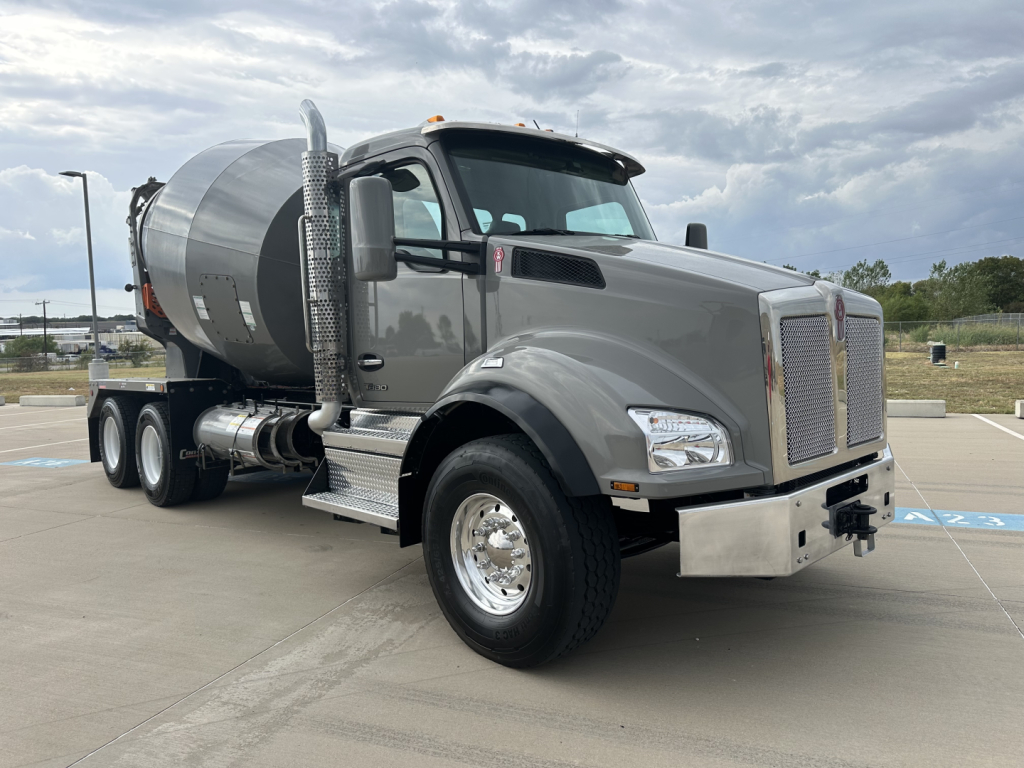
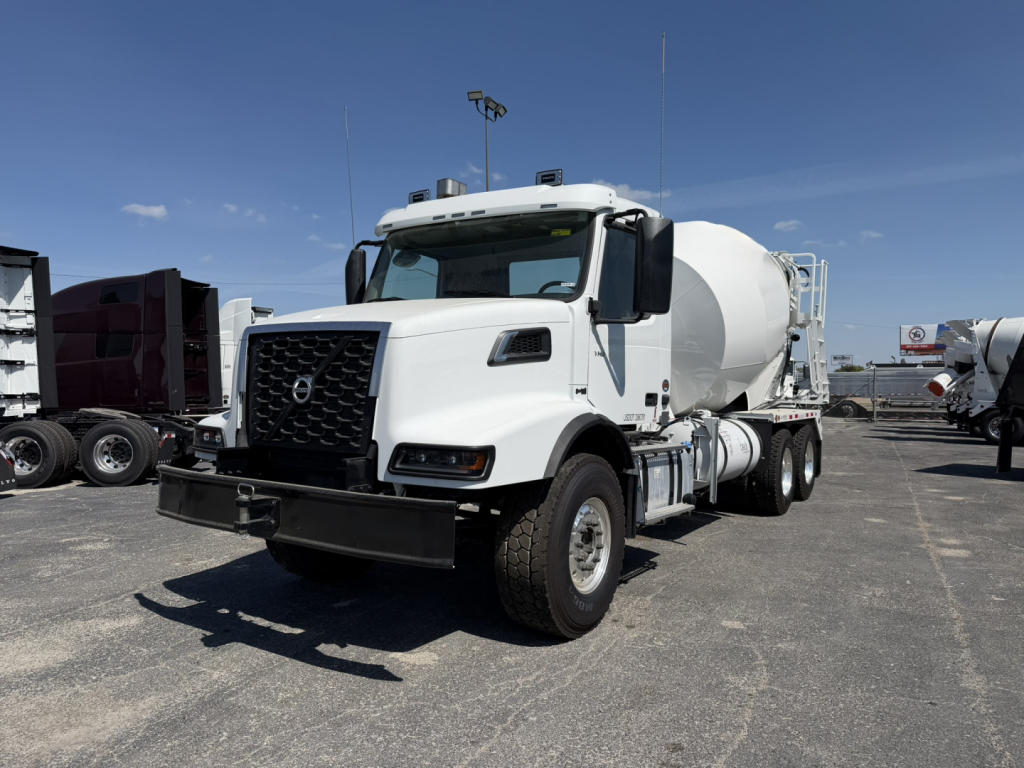
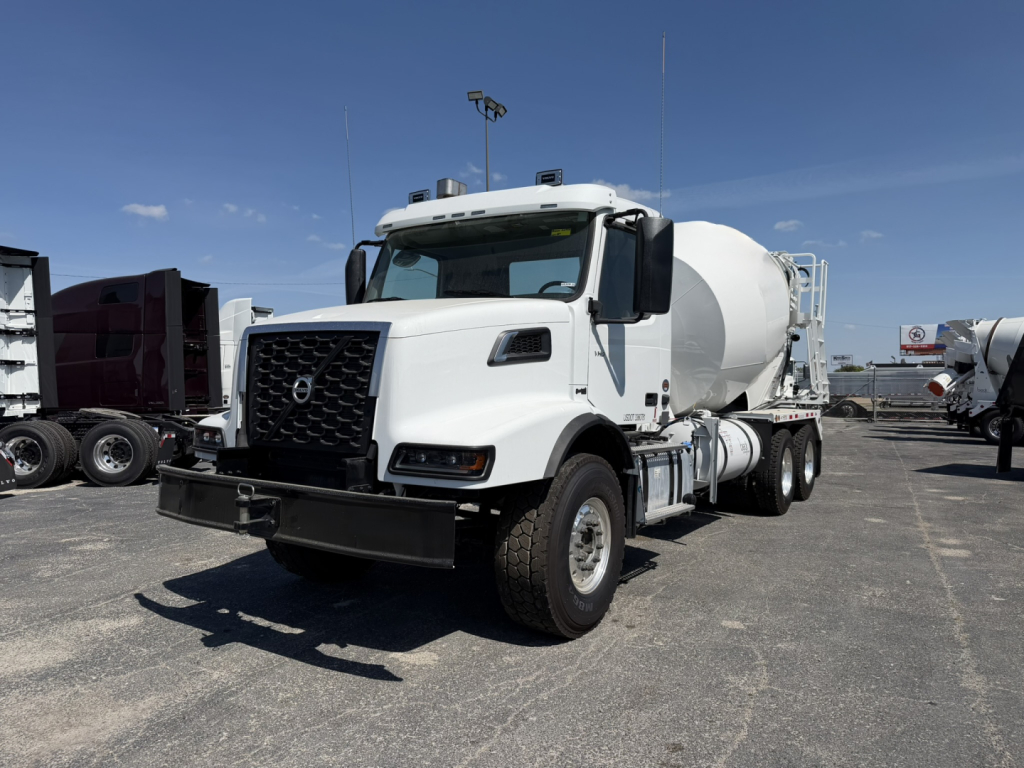
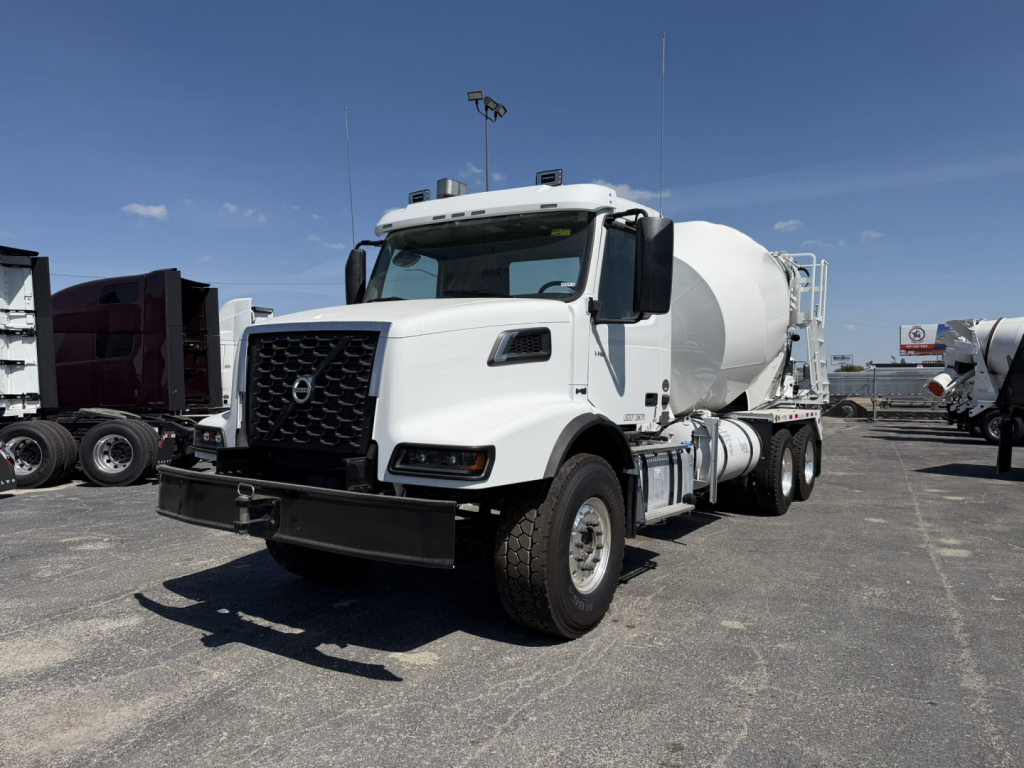
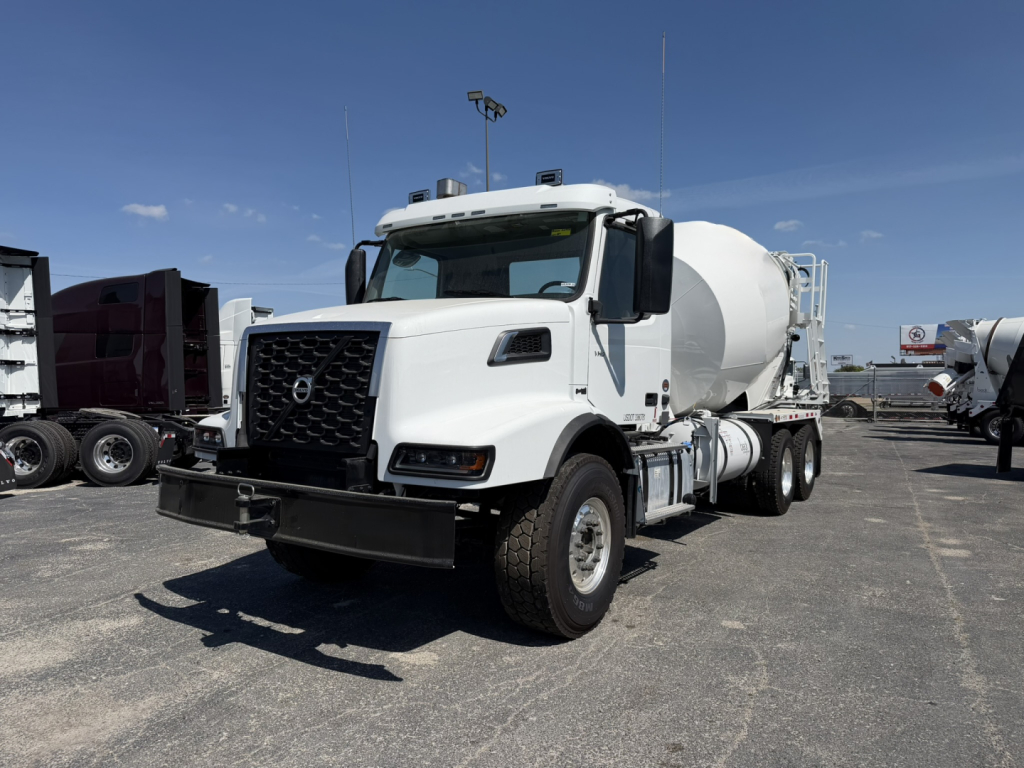
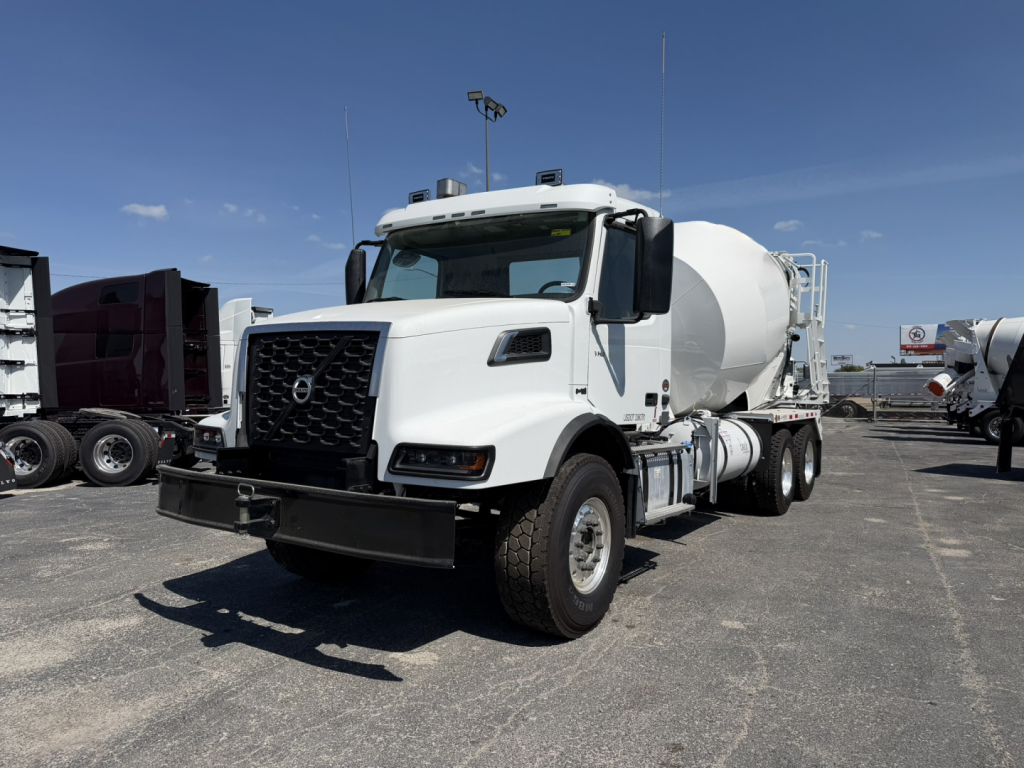
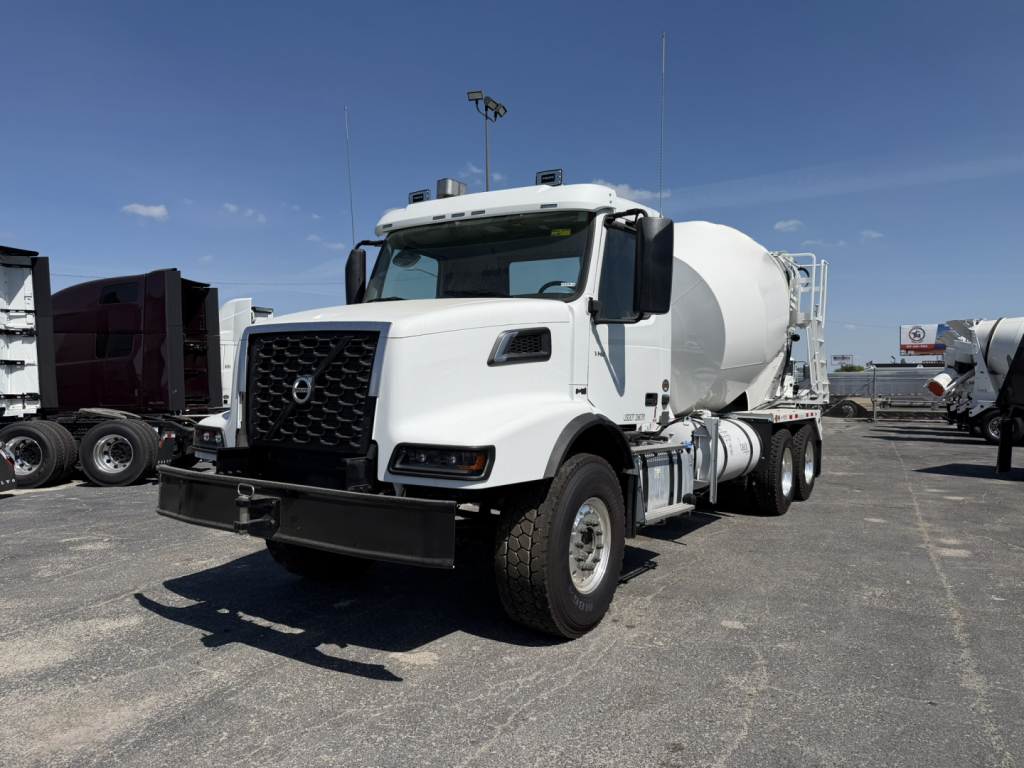
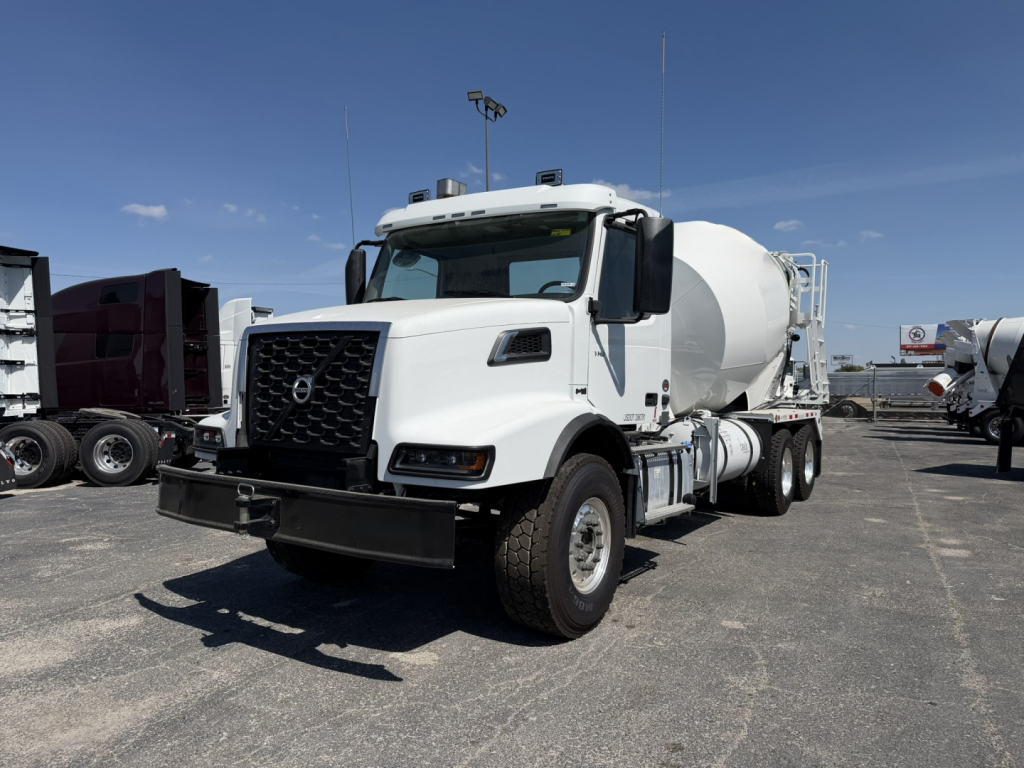
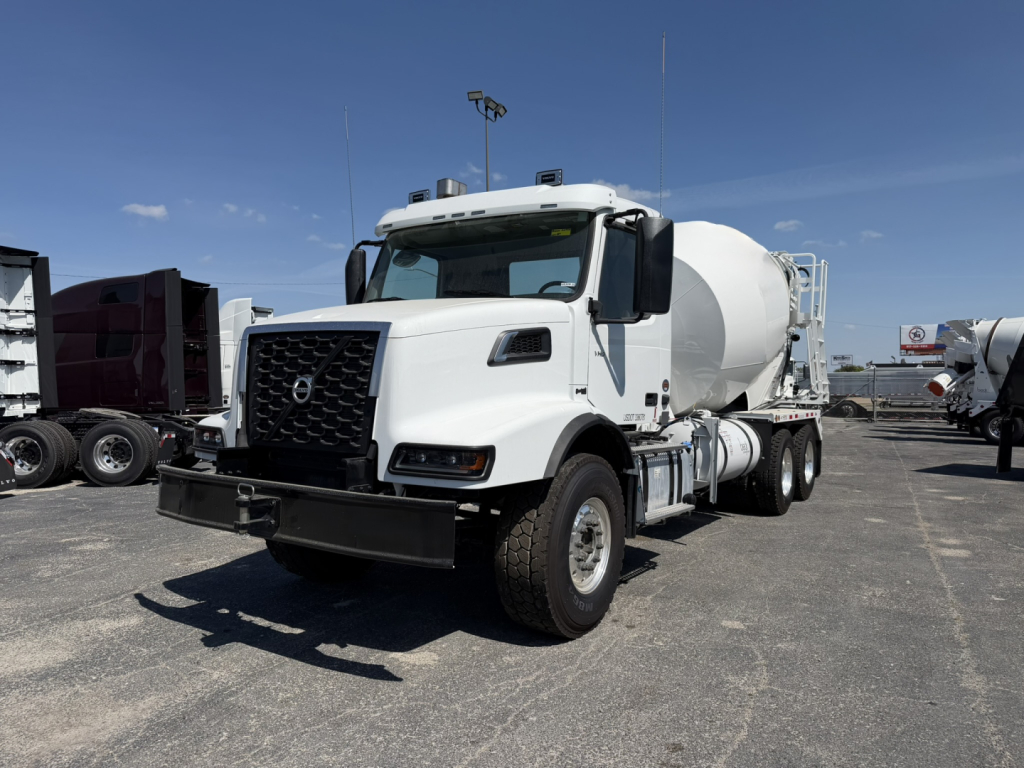
Selling a 2026 mixer truck? List your 2026 mixer truck for sale and reach thousands of commercial buyers.
2026 Mixer Trucks in Texas
For Texas fleets, axle configuration and weight distribution matter as much as engine badge. Many mixer trucks are set up as severe-duty 6x4 chassis with lift axles or pusher configurations to balance legal payload and maneuverability on city pours, plant turnarounds, and subdivision work. Engines in this segment are typically paired with Allison automatic transmissions because stop-and-go routes, jobsite backing, and drum management favor smooth low-speed control over driver shifting. Buyers should look closely at horsepower and torque curves, front axle capacity, suspension rating, brake type, turning radius, and wheelbase. Full disc brakes, interwheel differential locks, and heavy vocational suspensions can make a real difference when conditions turn slick or access roads are rough.
The mixer package itself deserves the same scrutiny as the cab and chassis. Common details include a 1/4-inch steel drum, side-mounted water tanks in the 100 to 150 gallon range, in-cab drum rotation controls, digital rev counters, rear work lights, and access features that simplify washout and maintenance. If the truck will handle paving mixes or demanding batch schedules, pay attention to drum design, charge and discharge performance, hydraulic system reliability, roller service access, and chute arrangement. Remote greasing, boot wash setups, night-pour lighting, and protected control routing are not cosmetic features on a mixer. They affect uptime, cleanup time, and driver efficiency every day.
New 2026 mixer trucks also appeal to buyers who want current emissions systems, updated safety equipment, and a fresh service life in a high-wear application. The best spec is the one that fits the route density, plant-to-job distance, slump requirements, and local weight rules you deal with most often. A truck running urban ready-mix in Houston has different priorities than one covering oilfield-related construction or long suburban hauls across fast-growing Texas markets. Compare body manufacturer, drum size, water capacity, transmission model, axle ratings, and cab controls carefully. In this category, small spec differences have a direct impact on payload, cycle time, and cost per yard delivered.
Frequently Asked Questions about 2026 Mixer Trucks in Texas
What drum size is common on a 2026 mixer truck?
A common drum capacity for a new mixer truck is about 10 to 11 cubic yards, although the usable payload depends on axle ratings, chassis weight, local bridge laws, and the material being hauled. Buyers should verify both the nominal drum rating and the legal payload the truck can actually carry in their operating area. A larger drum does not automatically mean more revenue if the axle package or state weight limits restrict the load.
Why are Allison automatic transmissions so common in mixer trucks?
Allison automatic transmissions are widely used in mixer applications because concrete delivery involves constant starts, stops, backing, tight turns, and low-speed jobsite maneuvering. An automatic helps with smooth power delivery, reduces driver fatigue, and supports consistent control when managing the drum and chute in crowded work zones. For many fleets, that translates into easier driver training, less clutch-related wear, and better performance in urban and residential delivery cycles.
What specs matter most when buying a mixer truck in Texas?
In Texas, the key buying points usually include axle configuration, front and rear axle ratings, pusher or lift axle setup, wheelbase, drum capacity, water tank size, and overall weight distribution. Buyers should also consider engine torque, transmission model, suspension rating, brake type, and turning radius because those specs affect legal payload, maneuverability, and jobsite performance. The right setup depends on whether the truck will serve dense city routes, subdivision growth areas, highway-distance pours, or rough-access construction sites.
What features on the mixer body improve daily productivity?
Productivity features on a mixer body include in-cab drum controls, digital rev counters, accessible water tanks, efficient chute storage, night-pour lighting, remote greasing, and easy washout access. These details reduce cleanup time, help the driver monitor drum operation more accurately, and make routine service faster. On a concrete truck, small maintenance-friendly features often have a measurable effect on uptime over a full season.
Is a new 2026 mixer truck a better fit than an older used unit for heavy production work?
A new 2026 mixer truck can make sense for heavy production work because it offers a full service life, current emissions components, and the ability to spec the chassis and mixer body around a specific operation. That can be valuable for fleets trying to standardize maintenance, reduce downtime, and improve reliability during peak concrete demand. The decision still comes down to cost per yard delivered, but in high-hour vocational service, a new truck can offer real advantages in uptime, warranty support, and operational consistency.