
2026 Commercial Trucks For Sale in Montana
Browse 2026 trucks for sale in Montana, including cab and chassis, dump, and vocational truck options with diesel or electric power.
Selling a 2026 commercial truck? List your 2026 commercial truck for sale and reach thousands of commercial buyers.
2026 Commercial Trucks in Montana
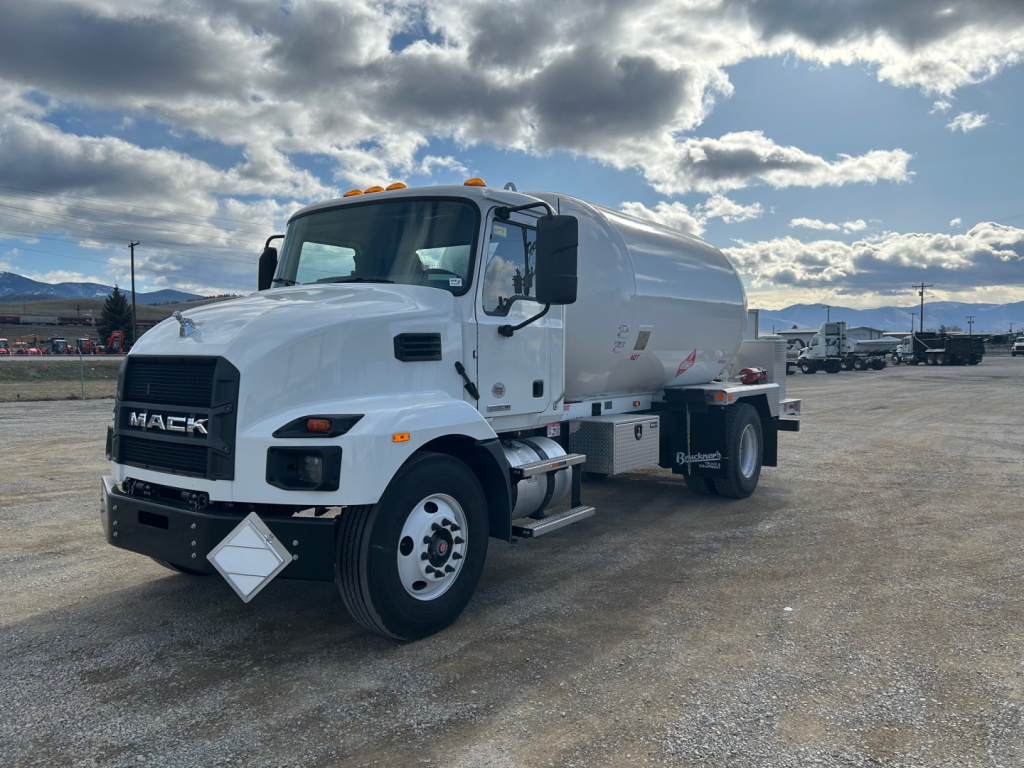
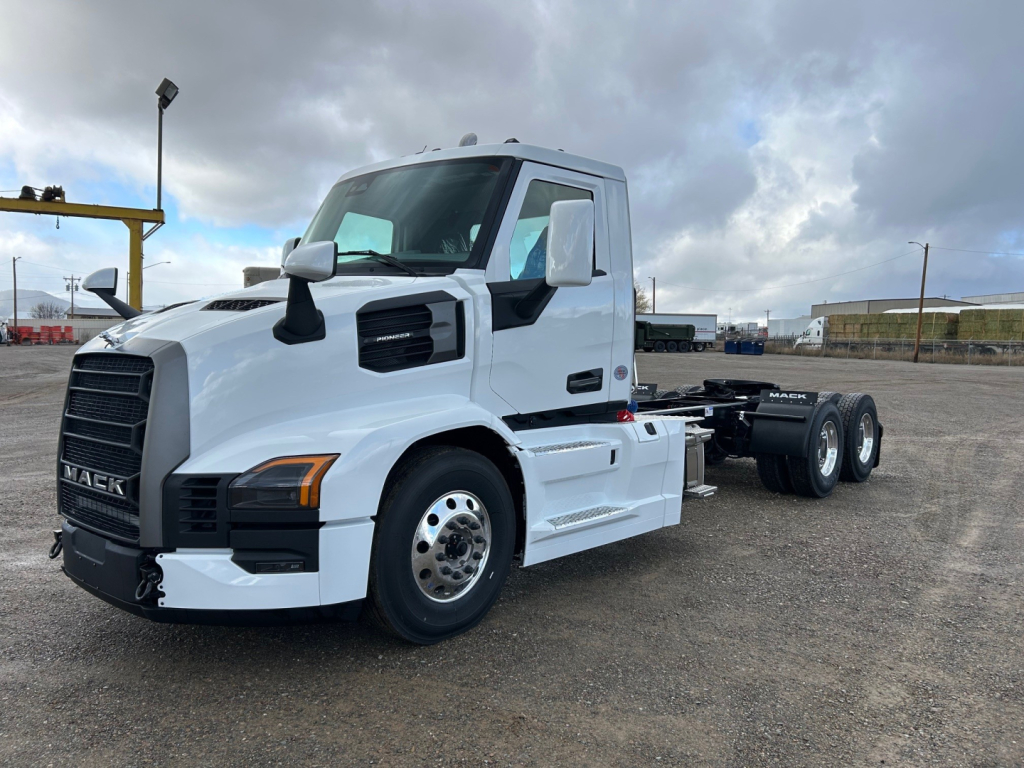
For vocational buyers, cab and chassis trucks are often the most flexible place to start. A 2026 chassis can be spec'd for dump, service, mechanics body, flatbed, hooklift, tanker, van body, or municipal work depending on frame length and back-of-cab clearance. Key details include front axle rating, rear axle capacity, frame reinforcement, wheelbase, and whether the truck is prepped with REPTO or ePTO for body equipment. Medium-duty 4x2 and single-axle configurations are common for urban delivery and utility work, while tandem and heavier vocational platforms suit aggregate, construction, and severe-duty applications. Buyers in Montana also pay close attention to heater performance, battery capacity, traction options, and suspension design for rough roads and winter operation.
Powertrain choice has become a bigger part of the 2026 truck market. Diesel remains the standard for long-range hauling, higher payload demands, and applications where PTO-driven hydraulics are used all day. Common specs include engines in the 250 to 500-plus horsepower range, automated manual transmissions, rear ratios matched to terrain, and air or spring rear suspension depending on payload stability and ride priorities. Electric trucks are now a serious option in certain classes, especially for local and regional routes, municipal work, and predictable return-to-base operations. On electric cab and chassis models, buyers should focus on range under payload, charging compatibility, ePTO capability, body integration, and how cold weather affects battery performance and daily route planning.
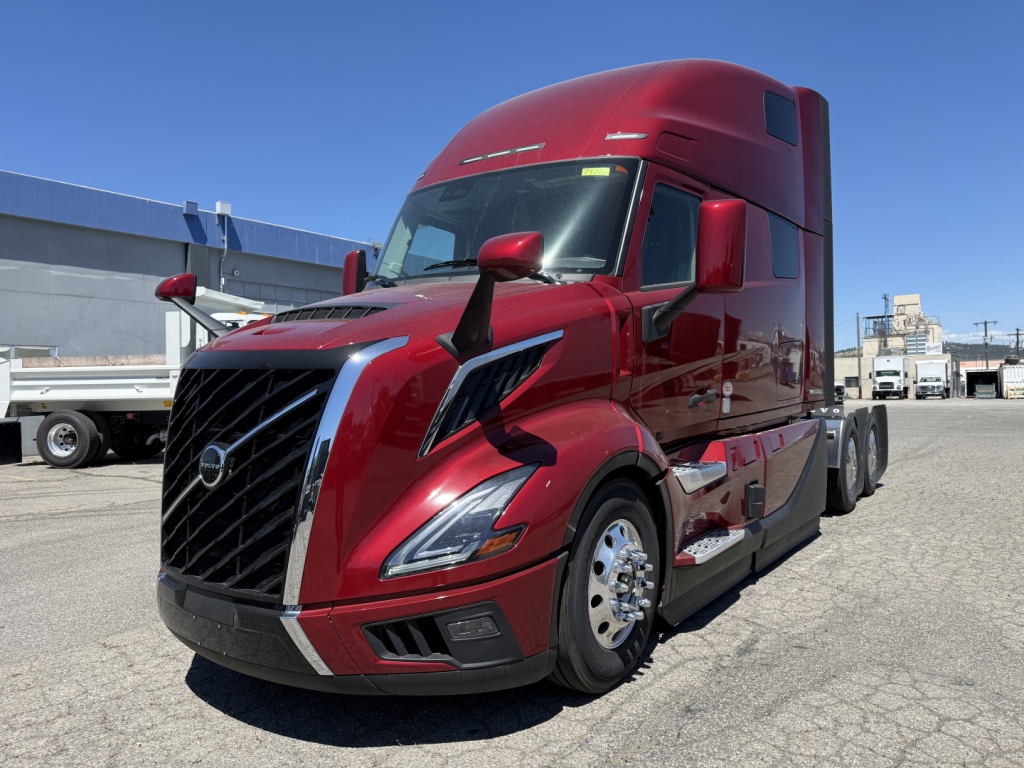
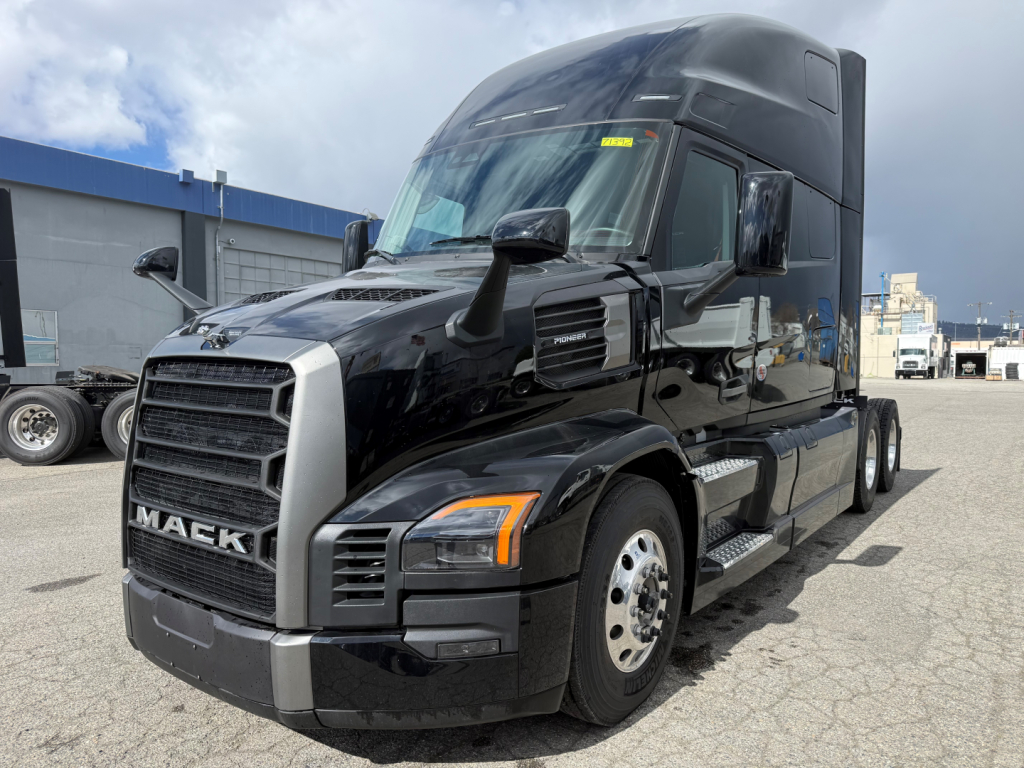
If the job involves material hauling, dump truck buyers usually compare body length, side height, floor material, hoist setup, axle arrangement, and trailer provisions before they compare badges. Typical heavy-spec dumps in this segment use 20,000-lb front axles, 46,000-lb rears, locking differentials, and wheelbases that balance body length with maneuverability. Features like electric tarps, high-lift tailgates, AR450 floors, body vibrators, LED lighting, and pusher axles are common on trucks built for aggregate, excavation, and roadwork. For highway tractors and sleeper models, the conversation shifts toward engine torque, direct-drive or overdrive transmissions, fuel efficiency, sleeper size, and rear axle ratio for open-country Montana miles. The best 2026 truck is the one whose axle ratings, frame spec, body readiness, and drivetrain match the work without leaving unused capacity on the table.
Frequently Asked Questions about 2026 Commercial Trucks in Montana
What should I look at first when comparing 2026 trucks for sale in Montana?
Start with the application, then match the truck's axle configuration, GVWR, wheelbase, and powertrain to that job. A buyer looking at dump work needs different priorities than a buyer shopping for a service body, municipal unit, or highway tractor. In Montana, cold weather performance, traction, gearing, and durability on rural roads should be evaluated early because they affect uptime more than appearance or trim level.
Are 2026 electric trucks practical for Montana operations?
They can be practical when the route is predictable, daily mileage is controlled, and charging access is reliable. Electric cab and chassis trucks are best suited to local delivery, municipal fleets, utility work, and other return-to-base operations. Buyers should verify real-world range under payload, charging time, cold weather battery impact, and whether the truck supports ePTO for the body equipment being installed.
What is the advantage of buying a 2026 cab and chassis instead of a completed truck?
A cab and chassis gives the buyer more control over the finished build. It can be matched to a dump body, flatbed, van body, mechanics body, hooklift, or another upfit based on frame length, axle ratings, and PTO provisions. This approach is often the better fit when the work requires a specific body size, hydraulic setup, or weight distribution that a completed truck does not already provide.
What specs matter most on a 2026 dump truck?
The critical specs are front and rear axle ratings, suspension type, wheelbase, body dimensions, floor material, tailgate design, hoist system, and differential setup. Heavy vocational dump trucks often use 20,000-lb front axles and 46,000-lb rears, with spring or severe-duty rear suspension and locking differentials for traction. Buyers should also check for practical equipment such as electric tarps, trailer plumbing, vibrators, and body steel suited to the material being hauled.
How do I choose the right rear axle ratio on a 2026 truck?
Rear axle ratio should match the truck's terrain, payload, and operating speed. Lower numerical ratios can improve highway efficiency, while higher numerical ratios usually help startability, gradeability, and low-speed work in heavy vocational service. In Montana, buyers often balance open-road cruising with mountain grades, jobsite access, and winter traction, so the best ratio depends on where and how the truck will spend most of its time.