
2026 Refrigerated Trucks For Sale
Browse 2026 refrigerated trucks with insulated van bodies, liftgates, and diesel reefer units built for food, beverage, and cold-chain delivery.
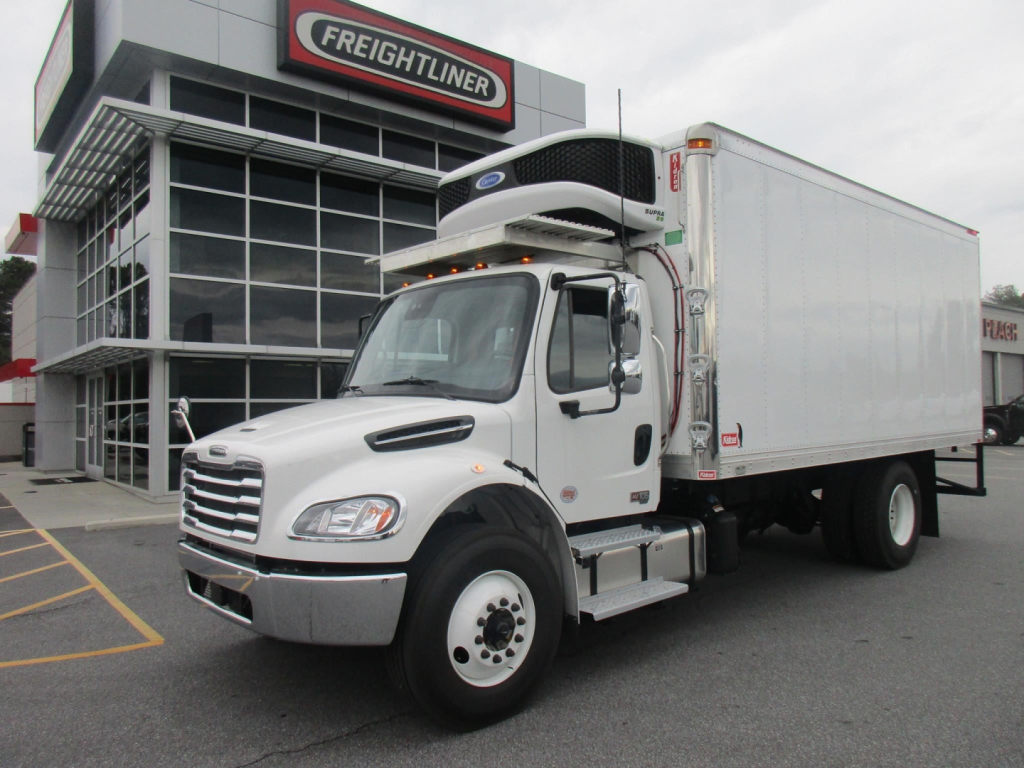
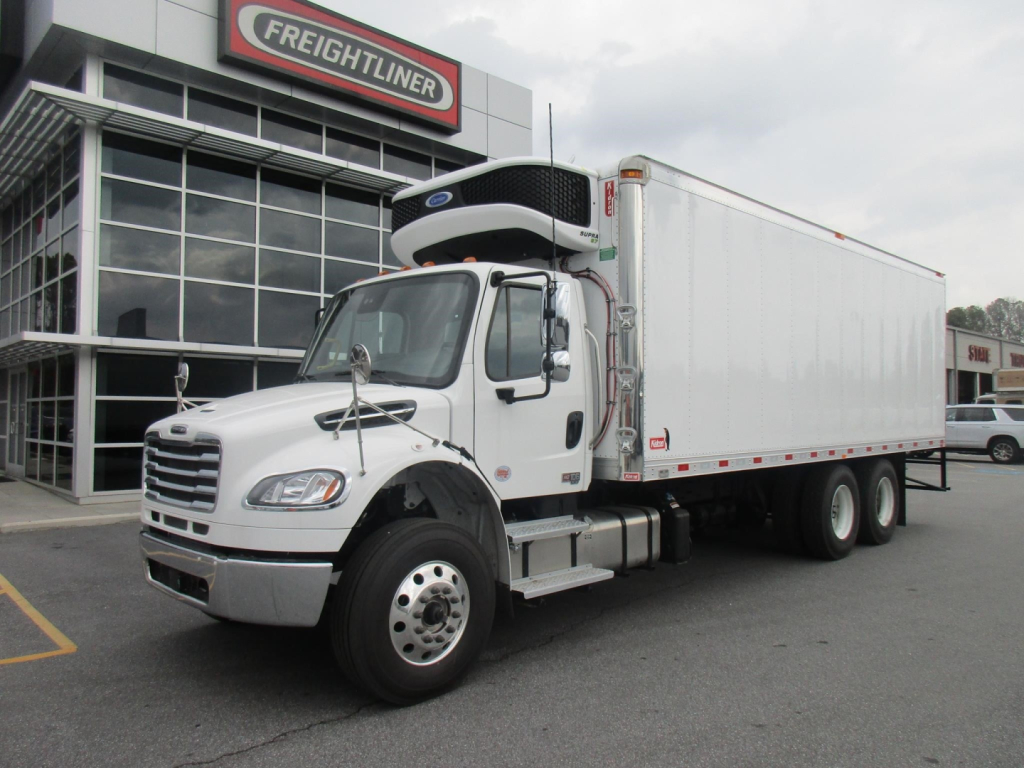
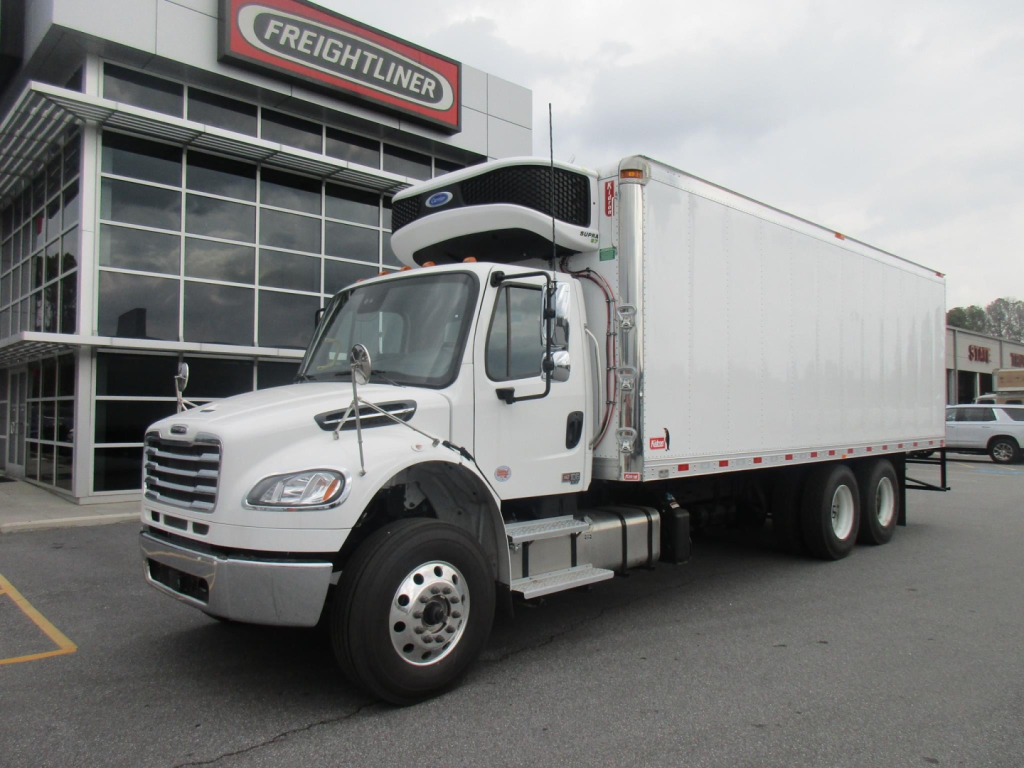
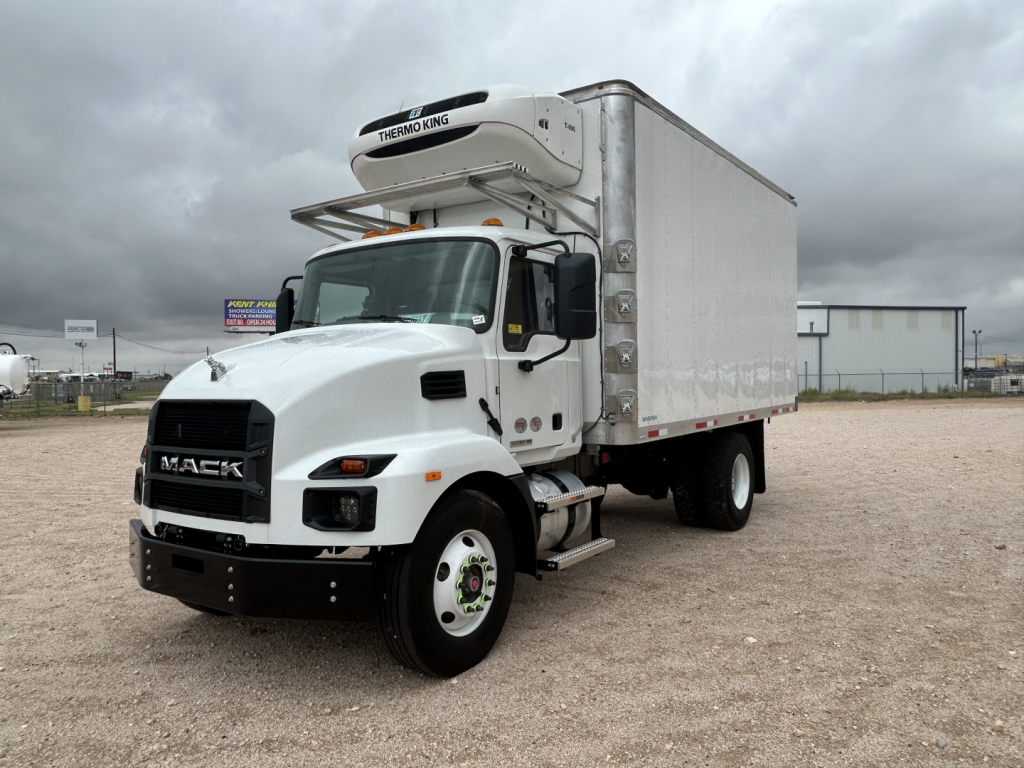
Selling a 2026 refrigerated truck? List your 2026 refrigerated truck for sale and reach thousands of commercial buyers.
2026 Refrigerated Trucks
The first buying decision is usually body size and GVWR. In this category, 16-foot to 26-foot reefer bodies are common, with Class 6 and Class 7 chassis covering a wide range of use cases. A non-CDL setup around 25,995 GVWR can be a practical fit for urban delivery fleets trying to widen the driver pool, while higher-GVWR single-axle or tandem configurations make more sense when payload, larger bodies, or heavier liftgate use are part of the job. Wheelbase, cab-to-axle, and rear axle ratio should match the body length and route profile. Tight city work favors maneuverability, while longer regional runs often justify more horsepower, air-ride suspension, and a heavier drivetrain.
Refrigeration system spec is just as important as the chassis. Buyers typically compare Thermo King and Carrier units by cooling capacity, noise output, service network, fuel consumption, and how well the unit recovers after frequent stops. It is worth confirming the temperature range required for the freight, along with insulation package, evaporator setup, bulkheads, and floor construction. Aluminum T-flooring, scuff liners, threshold plates, and forklift packages are common on trucks that see repeated pallet loading. If the route involves mixed products, side doors, E-track, cargo control, and compartment options can improve productivity and reduce temperature loss during unloading.
For 2026 refrigerated trucks, the practical details often separate a good spec from an expensive mismatch. Liftgate capacity should be matched to actual dock conditions and pallet weights. Reefer body brand, door seal condition, insulation integrity, and reefer unit hours deserve the same attention as engine and transmission specs. Many trucks in this segment are built with proven combinations such as Cummins diesel engines and Allison automatic transmissions because they fit stop-and-go delivery work well and are easy to support. A strong reefer truck should balance payload, temperature control, serviceability, and route efficiency, not just body length or horsepower on paper.
Frequently Asked Questions about 2026 Refrigerated Trucks
What GVWR is best for a 2026 refrigerated truck?
The right GVWR depends on payload, body length, and driver requirements. A 25,995 GVWR refrigerated truck is popular for non-CDL operation and urban delivery, especially with 16-foot to 20-foot insulated bodies. Heavier 26-foot bodies, larger liftgates, and dense product loads often push buyers toward higher-GVWR Class 6 or Class 7 chassis. The key is to calculate payload after subtracting the reefer body, refrigeration unit, liftgate, and any interior cargo equipment from the chassis rating.
What is the difference between a reefer truck and a standard box truck?
A reefer truck uses an insulated van body and a refrigeration unit to maintain a controlled cargo temperature. A standard box truck does not have the insulation, sealed body construction, or cooling system needed for perishable or temperature-sensitive freight. Reefer trucks are built to limit temperature gain during transit and during frequent door openings, which makes body insulation, door seals, and reefer unit performance critical.
Which features matter most on a refrigerated delivery truck?
The most important features are the reefer unit capacity, body insulation quality, floor construction, and liftgate specification. After that, buyers should focus on side door access, roll-up rear doors, scuff liners, E-track, bulkheads, and cargo securement. Chassis specs also matter because stop-and-go delivery work benefits from automatic transmissions, durable medium-duty diesel engines, and suspension setups that protect both cargo and driver comfort.
Are Thermo King and Carrier reefer units both common on refrigerated trucks?
Yes. Thermo King and Carrier are the two most common refrigeration unit brands in this segment, and both have strong market presence in medium-duty reefer trucks. Buyers usually compare them based on cooling performance, dealer support, parts availability, maintenance intervals, and familiarity within their service network. The better choice is often the one with stronger local support and the right capacity for the route, not just the badge on the unit.
What should buyers inspect on a used or new-to-fleet refrigerated truck?
Focus on both the truck and the cold box system. On the reefer side, inspect unit hours, service history, temperature pull-down performance, door seals, insulation condition, floor wear, and any signs of moisture intrusion. On the chassis side, review engine and transmission specs, axle ratings, suspension type, tire size, wheelbase, and liftgate operation. A refrigerated truck is only as productive as its ability to hold temperature consistently while still carrying the required payload on the intended route.