
2026 Commercial Trucks For Sale in Louisiana
Shop 2026 trucks for sale in Louisiana, including cab and chassis, dump, mixer, and day cab configurations for on-road and vocational work.
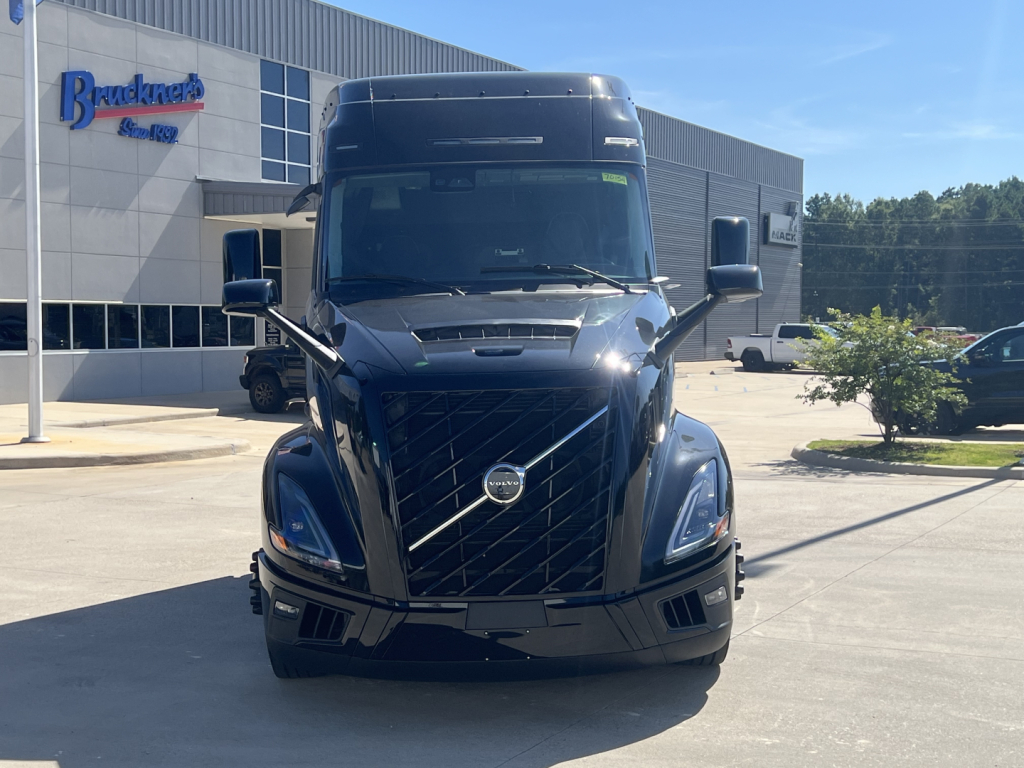
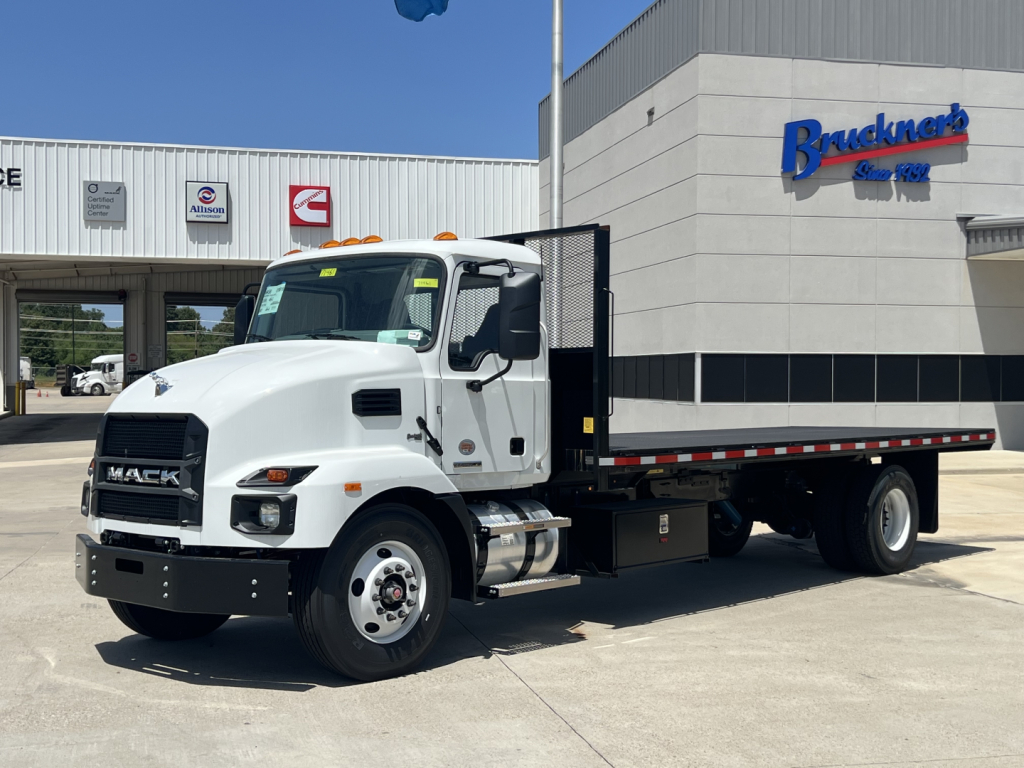
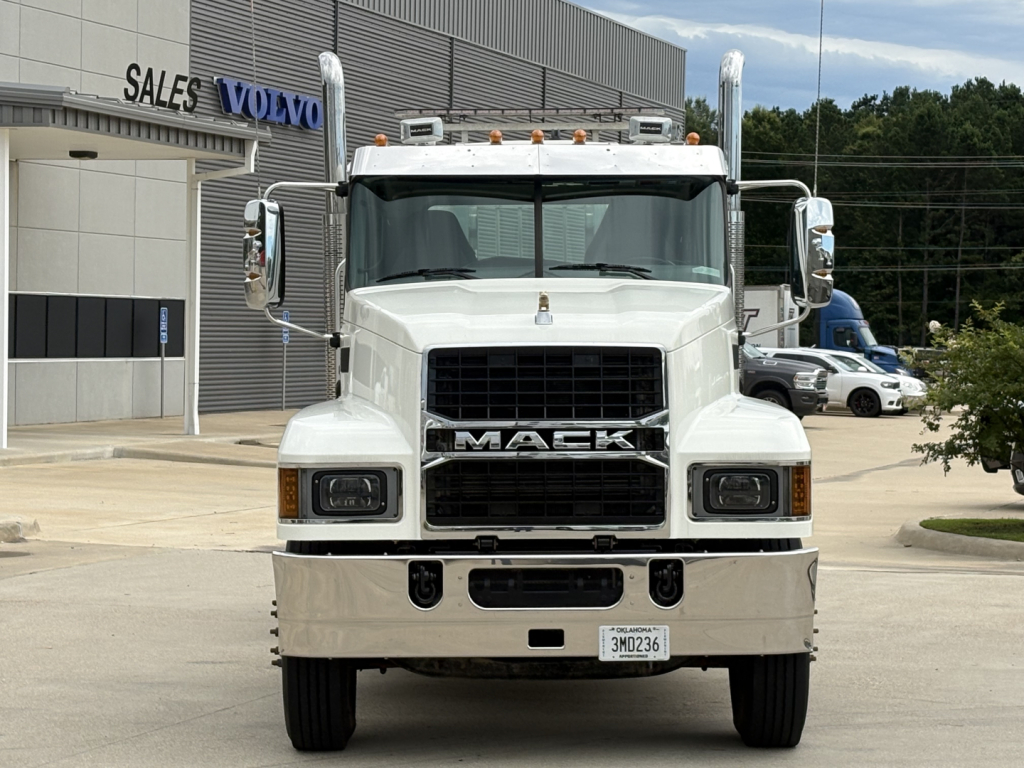
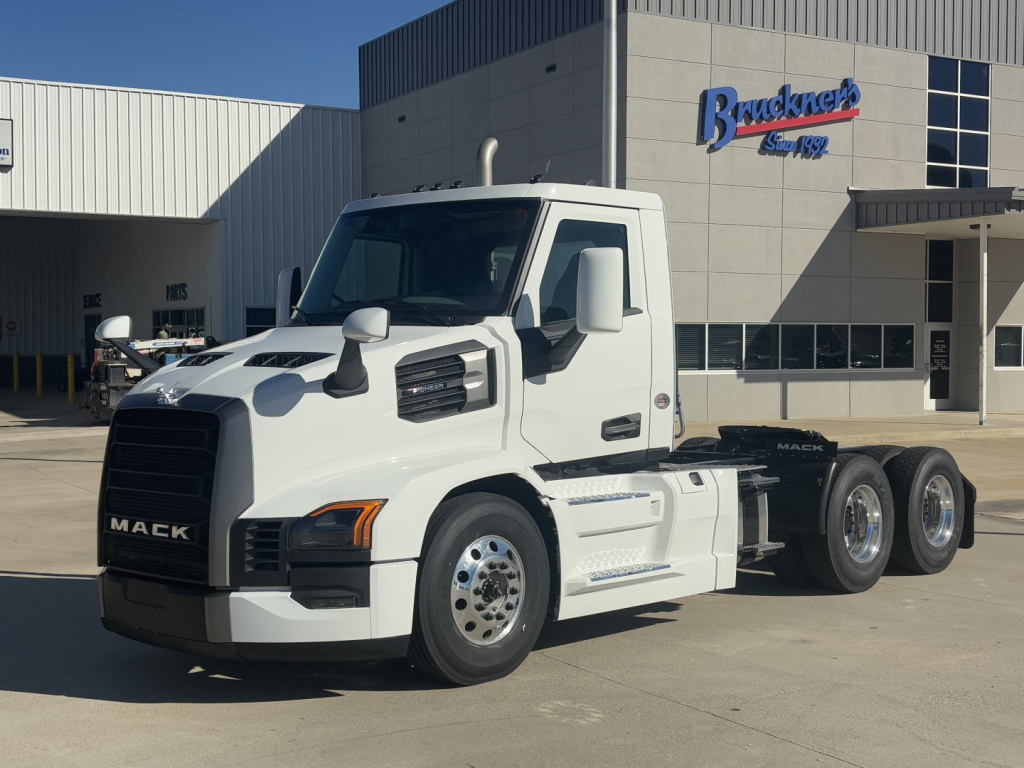

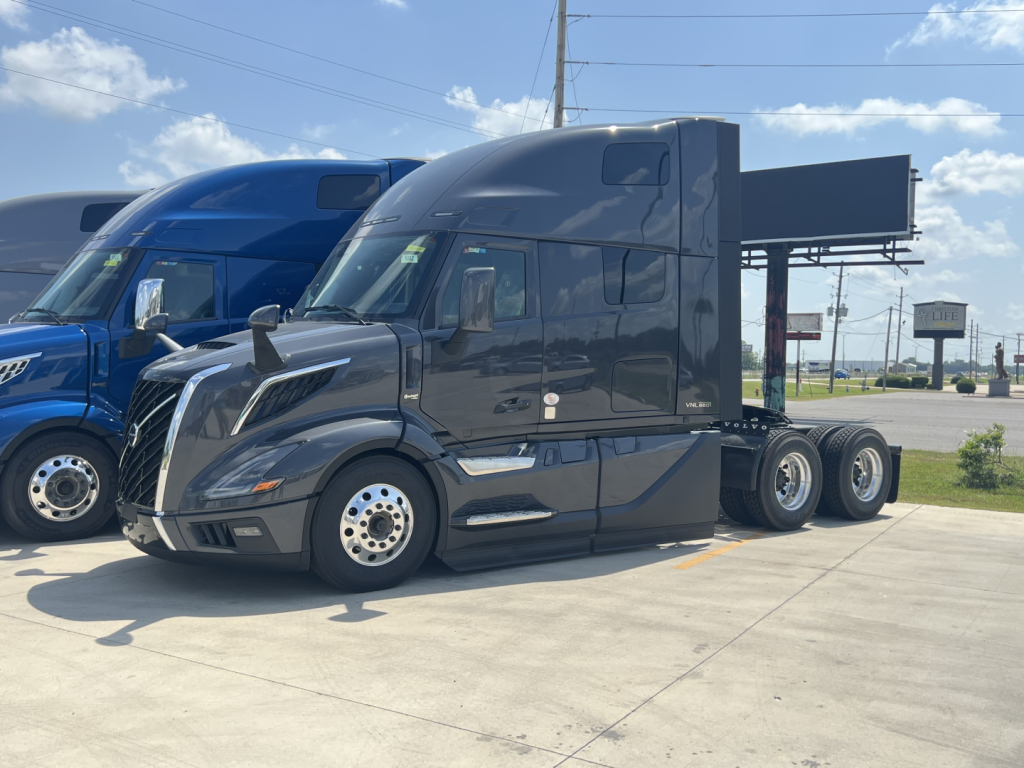
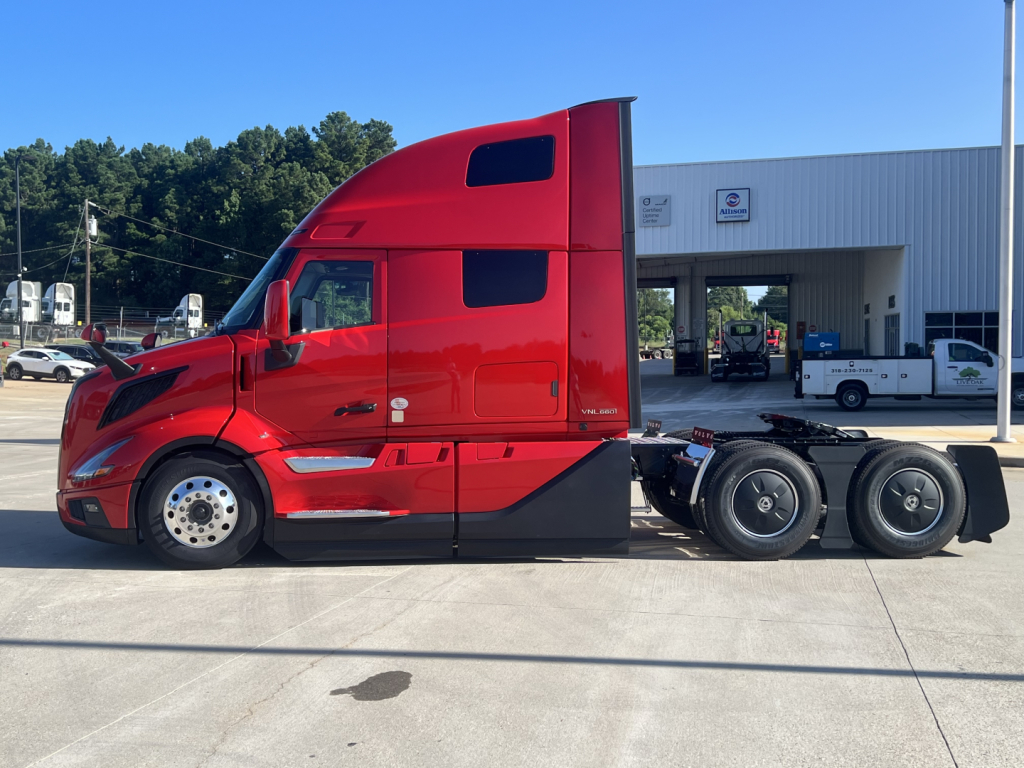
Selling a 2026 commercial truck? List your 2026 commercial truck for sale and reach thousands of commercial buyers.
2026 Commercial Trucks in Louisiana
Louisiana buyers usually need to think hard about terrain, climate, and operating conditions. Construction, aggregate, municipal, logging, and oilfield work often call for higher front axle ratings, double-frame or reinforced frame specs, and durable rear suspensions such as camelback, multi-leaf, or heavy air ride systems. Tri-axle dumps and mixers are common where payload and bridge-law compliance are important. On highway-oriented day cabs, buyers often compare wheelbase, rear axle ratio, and transmission gearing to match local haul lengths, average speed, and fuel economy goals. Corrosion resistance, brake specification, and ease of body upfit also deserve close attention in Gulf Coast service.
Powertrain choices in this model year typically include diesel engines in the midrange and heavy-duty classes, with horsepower commonly running from around 250 hp in medium-duty chassis up to 425 hp or more in vocational and regional-haul trucks. Allison automatic transmissions remain popular for stop-and-go routes, mixer service, refuse, and municipal use because of smooth operation and driver friendliness. Automated manual transmissions are common in dumps, day cabs, and regional tractors where fuel economy, gradeability, and reduced driver fatigue are priorities. Buyers should also review GVWR, front and rear axle capacities, suspension type, wheelbase, and PTO provisions before comparing price, because those specs determine whether a truck will actually handle the intended body and payload.
A 2026 truck can mean very different things depending on configuration. A conventional day cab is built for regional freight, port work, or short-haul operations where maneuverability and low tare weight matter. A cab and chassis offers the most flexibility for specialized upfits. A dump truck is focused on payload, frame integrity, and body compatibility. A mixer needs the right combination of axle placement, transmission, and chassis balance to support barrel weight and jobsite movement. Buyers comparing 2026 trucks in Louisiana should look beyond model year and focus on how the truck is spec'd, because the right axle package, suspension, and drivetrain will have a larger impact on uptime and operating cost than the badge on the hood.
Frequently Asked Questions about 2026 Commercial Trucks in Louisiana
What should I look at first when comparing 2026 trucks for sale in Louisiana?
Start with the truck’s intended application, then verify GVWR, axle ratings, suspension, wheelbase, and powertrain. Those core specifications determine whether the truck can legally and efficiently carry the body, payload, and route demands you expect. In Louisiana, that often means paying extra attention to vocational durability, corrosion exposure, and bridge-law or local weight requirements, especially for dump, mixer, and municipal work.
Are 2026 cab and chassis trucks a good choice for custom upfits?
Yes. A 2026 cab and chassis is often the best starting point when the final application requires a specific body or vocational package. Buyers commonly use these chassis for flatbeds, utility bodies, service trucks, box trucks, landscape bodies, and rollback applications. The key is matching frame length, wheelbase, rear axle rating, PTO capability, and transmission setup to the body builder’s requirements before installation.
What is the difference between an automatic and an automated manual in a 2026 truck?
An automatic transmission, such as an Allison, uses a torque converter and is well suited for frequent starts, stop-and-go duty, and jobs that require smooth low-speed operation. An automated manual shifts electronically but is built more like a manual transmission, which can improve efficiency and provide strong performance in regional haul and many vocational settings. The better choice depends on route profile, driver experience, PTO needs, and how much time the truck spends on pavement versus jobsites.
Why do axle ratings and suspension types matter so much on vocational trucks?
Axle ratings and suspension design directly affect payload capability, durability, ride quality, and how the truck handles off-road or uneven jobsite conditions. A dump or mixer with a high front axle rating and a heavy rear suspension is built to support concentrated loads that would quickly overwhelm a lighter chassis. Specifications like tandem versus tri-axle, camelback versus air ride, and rear axle ratio all influence operating cost, legal payload, and long-term reliability.
Is a 2026 day cab better than a sleeper for Louisiana operations?
For many Louisiana fleets, a day cab is the better fit when routes are regional, local, port-based, or tied to construction and industrial service. Day cabs are lighter, more maneuverable, and generally easier to operate in tighter urban or plant environments. A sleeper becomes more attractive when runs are longer, overnight rest is required, or driver retention depends on added comfort and storage.