
2026 Flatbed Trucks For Sale
Shop 2026 flatbed trucks with specs that matter, including GVWR, deck length, axle setup, body material, and tie-down options.
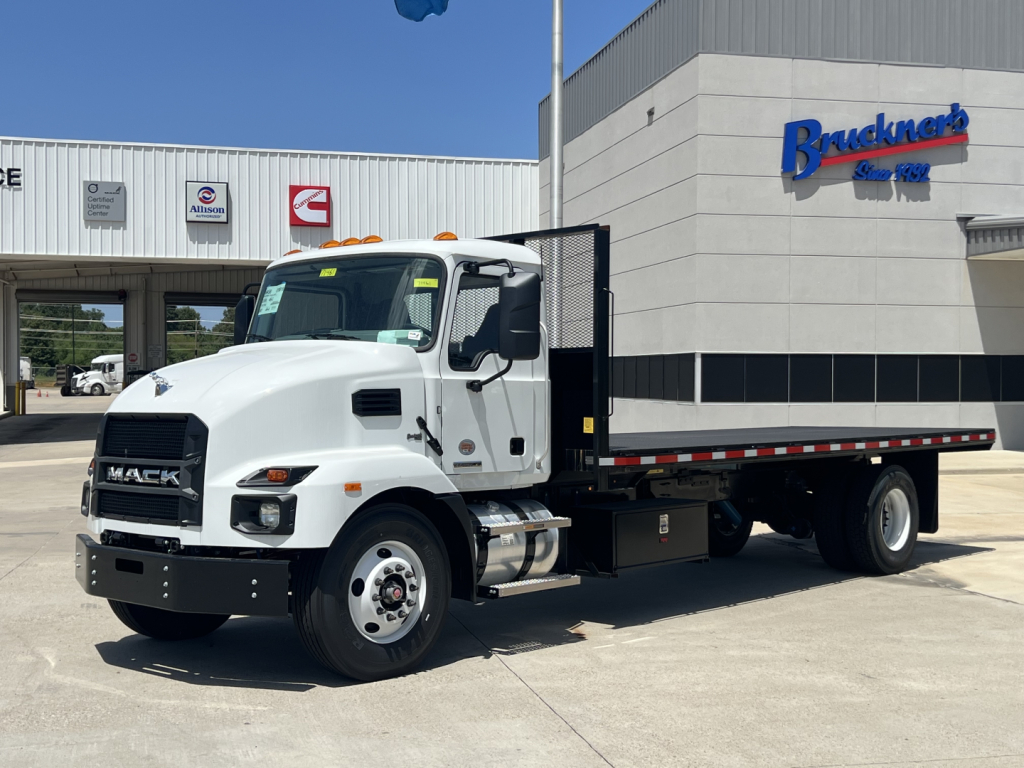
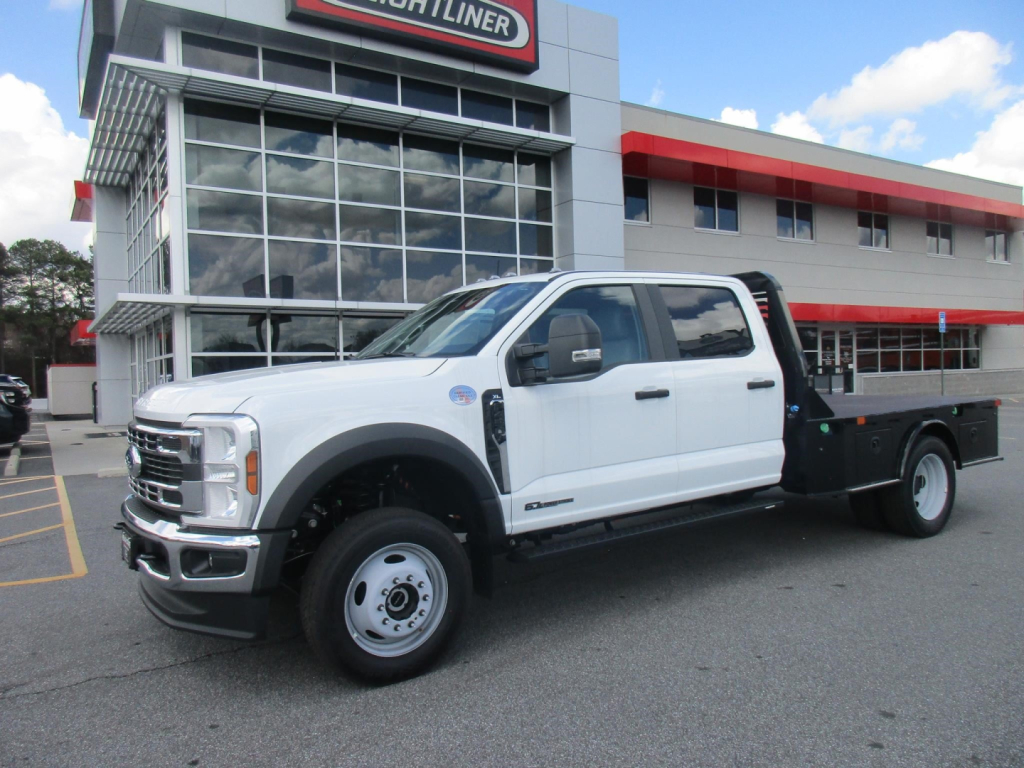
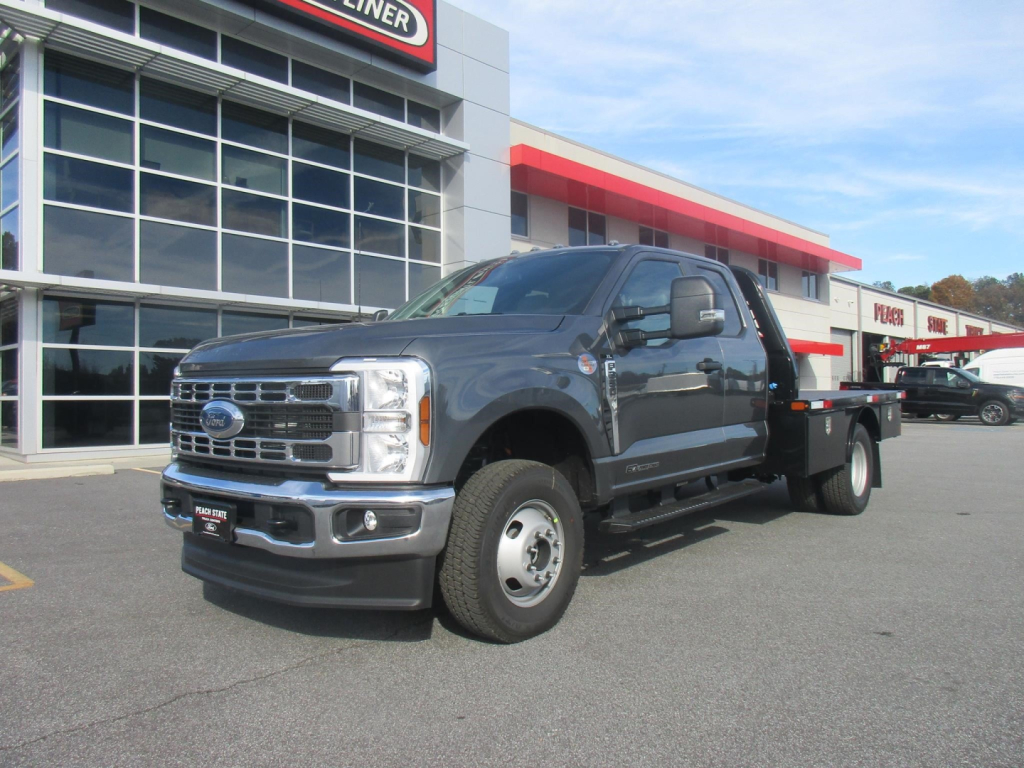
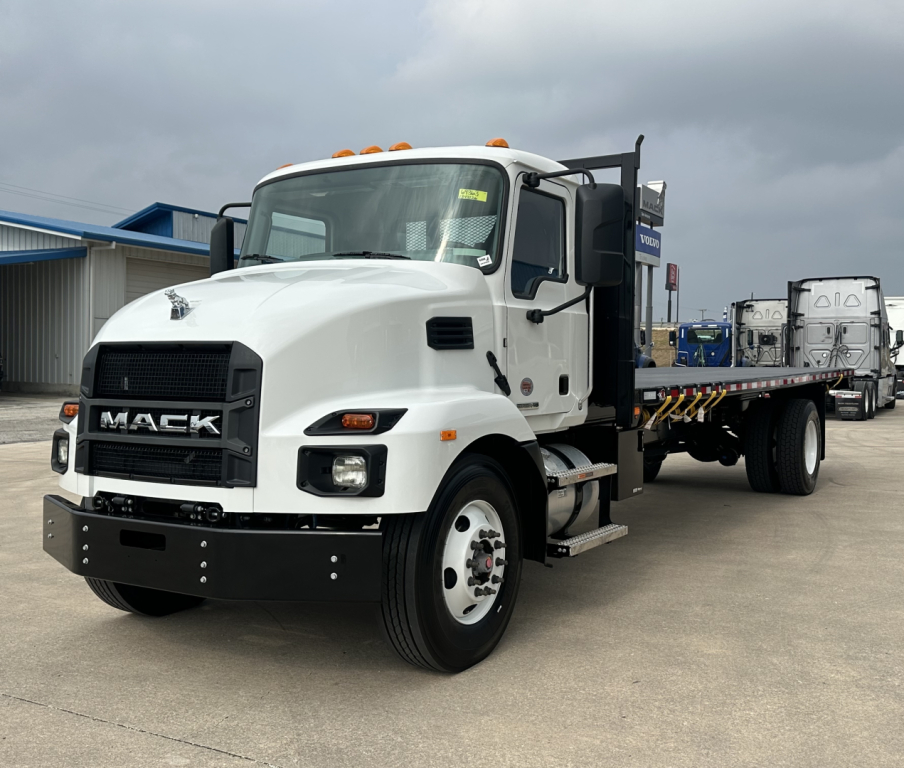
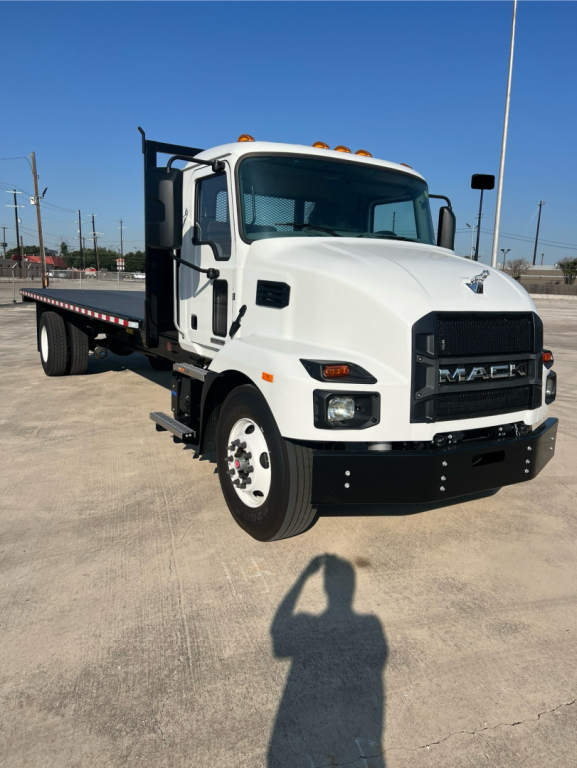
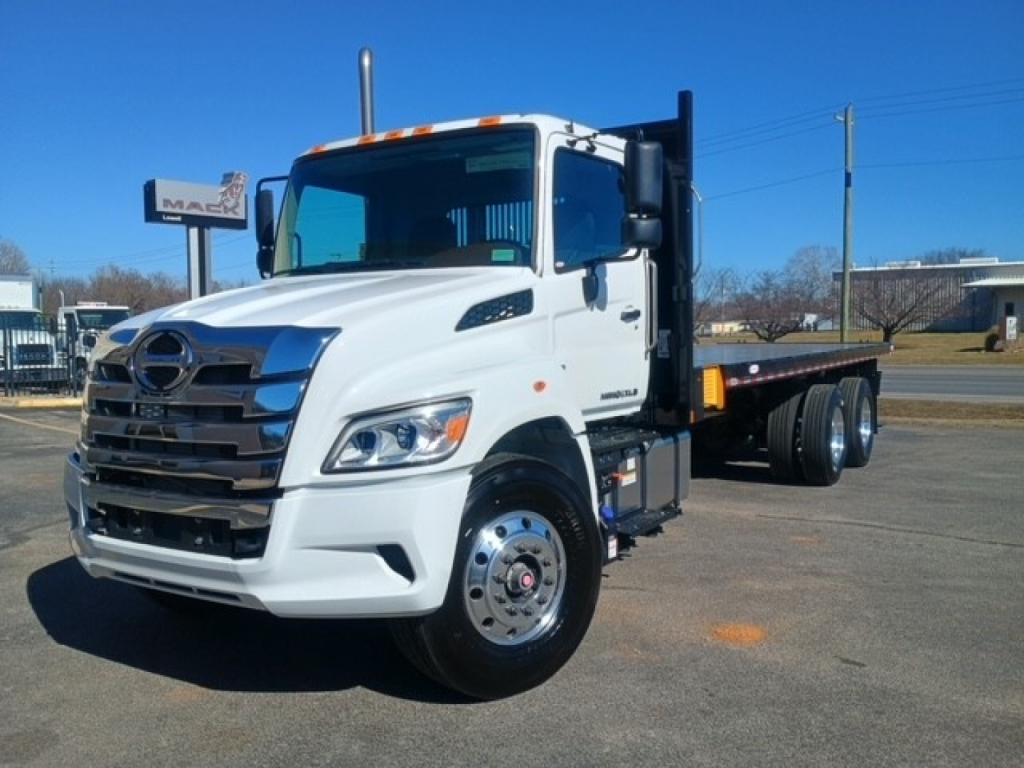
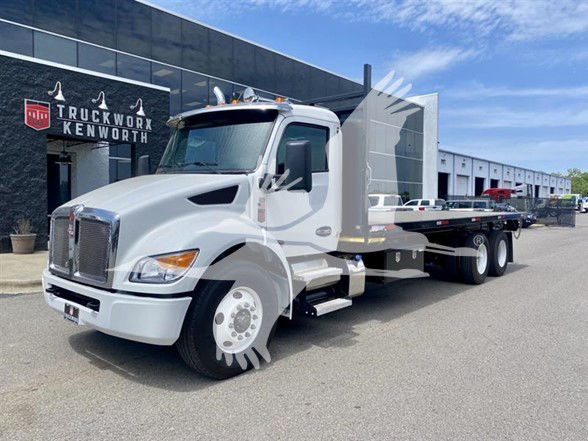
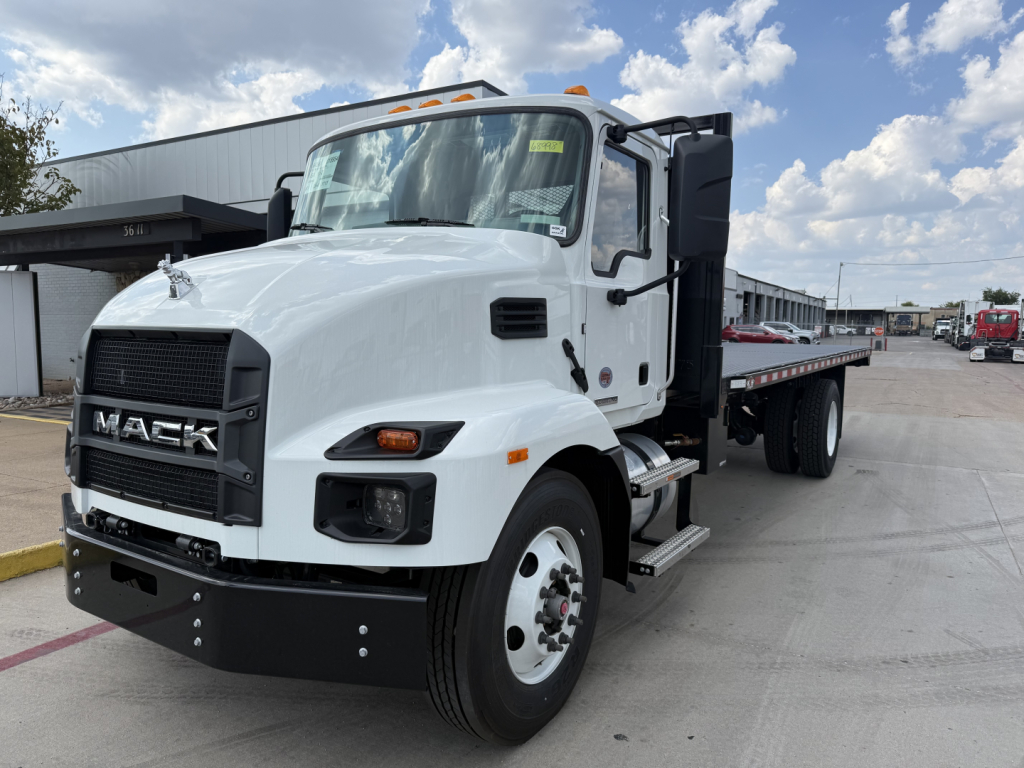
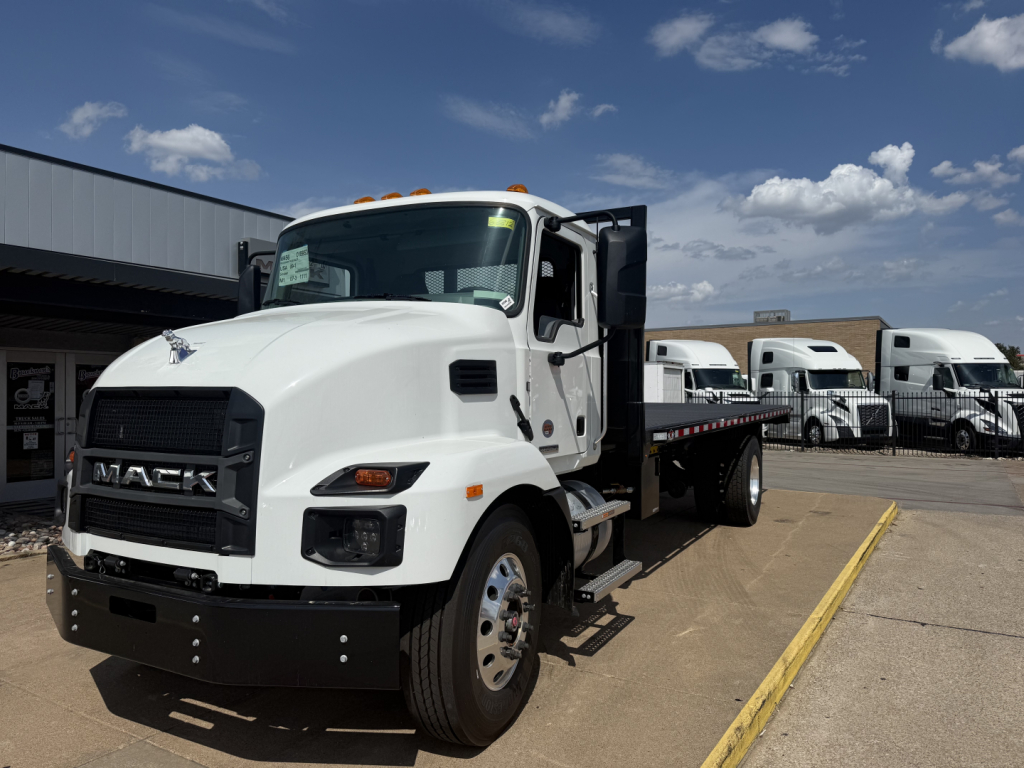
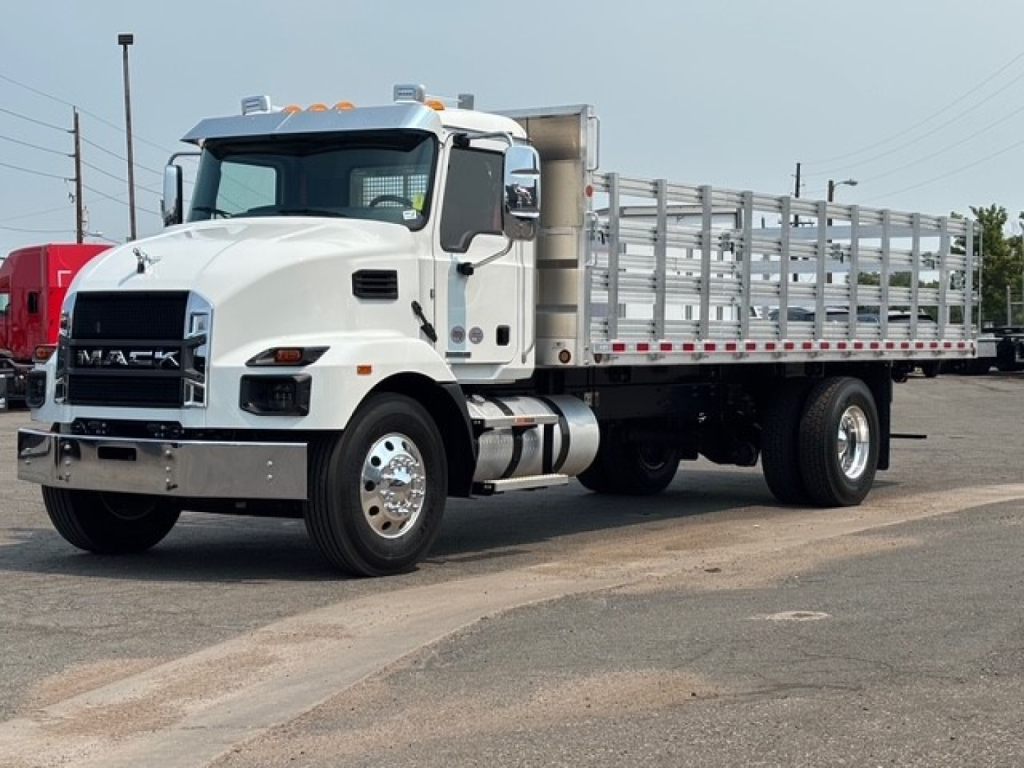
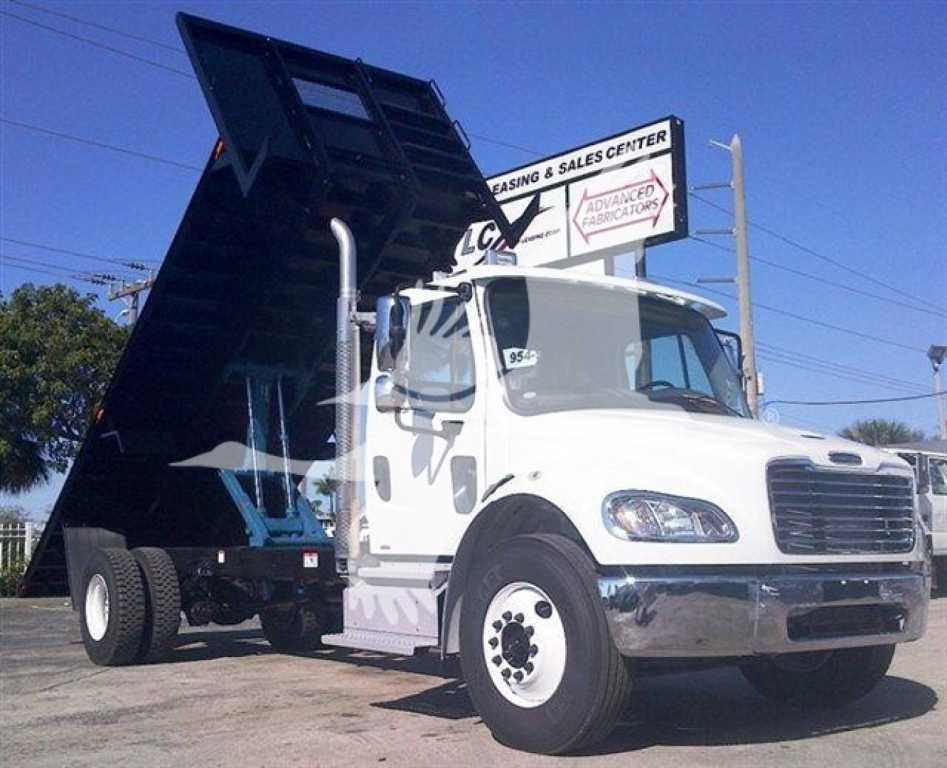
Selling a 2026 flatbed truck? List your 2026 flatbed truck for sale and reach thousands of commercial buyers.
2026 Flatbed Trucks
Spec differences matter more on flatbeds than they do on many other truck types. Common deck lengths range from short contractor-style platforms to 20 foot, 24 foot, and longer bodies on Class 6 through Class 8 chassis. Steel beds are durable for rough loading and concentrated point loads, while aluminum helps reduce tare weight and increase payload. A wood floor is still common because it is practical, serviceable, and forklift-friendly. Useful body details include stake pockets, rub rails, sliding winches, chain spools, D-rings, headache racks, underbody toolboxes, and removable or fold-down sides. If the truck will pull a tag trailer or equipment trailer, check for pintle or combo hitches, brake controller setup, rear frame extension, and axle ratings that match the intended trailer weight.
Chassis selection should match the work cycle. Medium-duty flatbed trucks are common in local delivery, municipal work, and contractor fleets where maneuverability and lower operating cost matter. Heavy-duty flatbeds are better suited for higher payloads, truck-mounted equipment, and severe-service applications. Buyers should compare GVWR, front and rear axle capacity, suspension type, wheelbase, transmission, brake system, and tire size. Engine choice often comes down to route profile and load density. Lower horsepower trucks can be perfectly suitable for urban delivery, while higher horsepower and torque ratings make more sense for hilly terrain, towing, or consistent heavy loads. Wheelbase and cab-to-axle are especially important because they affect deck length, turning radius, weight distribution, and the ability to add cranes, liftgates, or piggyback forklift mounts.
For a 2026 flatbed truck, the most important buying question is how the body and chassis work together in real service. A clean spec on paper can still be wrong if tie-down points are limited, frame space is tight, or the truck is overbuilt for the payload and gives away revenue in empty weight. Buyers should also look at deck height, loading angle, corrosion protection, lighting, and access to body repair parts. If the truck will handle steel, lumber, or jobsite deliveries, details like scuff protection, bulkhead strength, air-ride versus spring suspension, and camera placement can make a measurable difference in uptime and cargo securement. Also known as a flatbed straight truck or platform truck, this category covers one of the most versatile body styles in commercial trucking when the spec is matched closely to the freight.
Frequently Asked Questions about 2026 Flatbed Trucks
What is the most important spec to check on a flatbed truck?
The most important starting point is the relationship between GVWR, axle ratings, and body dimensions. A flatbed truck needs enough legal payload for the freight, but it also needs the right cab-to-axle and wheelbase to support the bed length and maintain proper weight distribution. Buyers who focus only on deck size can end up with a truck that carries the freight physically but not legally or efficiently.
What deck material is better for a flatbed truck, steel or aluminum?
Steel flatbeds are typically preferred for severe-duty work, concentrated loads, and rough loading environments because they are durable and straightforward to repair. Aluminum flatbeds reduce empty weight and can improve payload, which matters in delivery operations where every pound counts. Many buyers also favor wood decking on either structure because it provides traction, is easier to replace in sections, and holds up well under forklift traffic.
How do I choose the right flatbed length?
The right flatbed length depends on the freight footprint, loading method, and route environment. Shorter decks are easier to maneuver in urban or jobsite conditions, while 20 foot to 24 foot bodies are common for palletized materials, pipe, and general building products. The key is matching deck length to typical load dimensions without creating unnecessary overhang, excess tare weight, or poor turning radius.
Are medium-duty or heavy-duty flatbed trucks better for most buyers?
Medium-duty flatbed trucks are often a strong fit for local delivery, contractor fleets, and municipal work because they balance payload, serviceability, and operating cost. Heavy-duty flatbeds make more sense when loads are consistently heavier, towing is part of the job, or the truck will carry mounted equipment such as cranes or compressors. The better choice depends on the actual work cycle, not just the biggest payload number on the spec sheet.
What body features are worth paying attention to on a flatbed truck?
Tie-down hardware and load securement features should be near the top of the list. Stake pockets, rub rails, winches, D-rings, chain storage, headache racks, and underbody toolboxes all affect how quickly and safely the truck can be loaded and secured. Buyers should also look at deck height, bulkhead design, lighting protection, hitch setup, and whether the body leaves enough frame space for accessories such as liftgates, tarping systems, or trailer connections.