
2026 Flatbed Trucks For Sale in Texas
Shop 2026 flatbed trucks in Texas. Compare deck lengths, GVWR, axle ratings, drivetrain specs, and body setups for hauling materials and equipment.
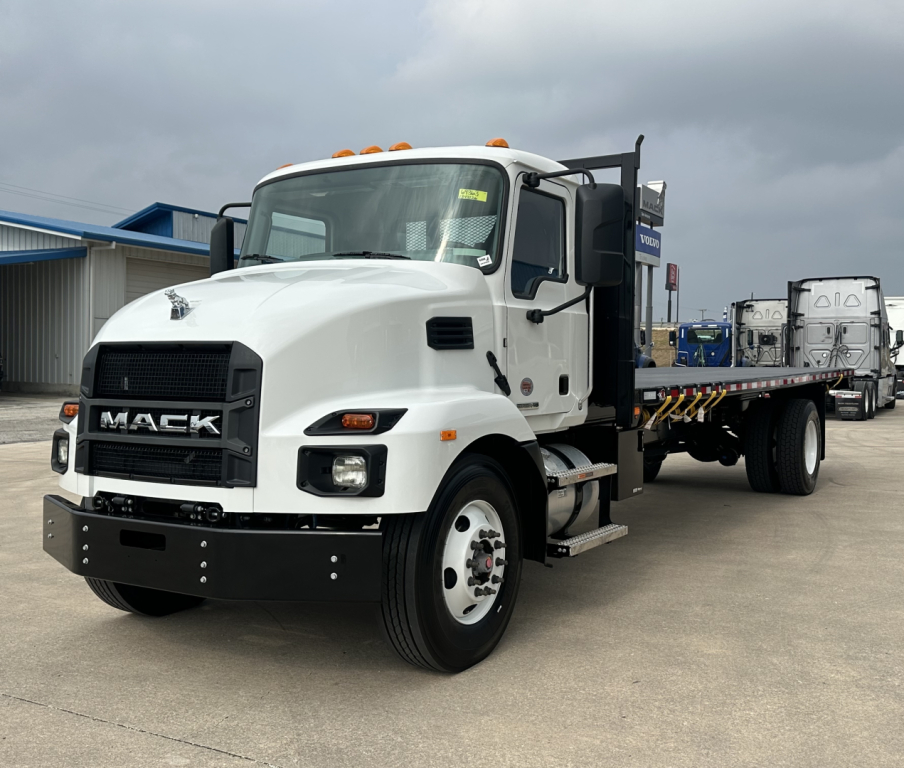
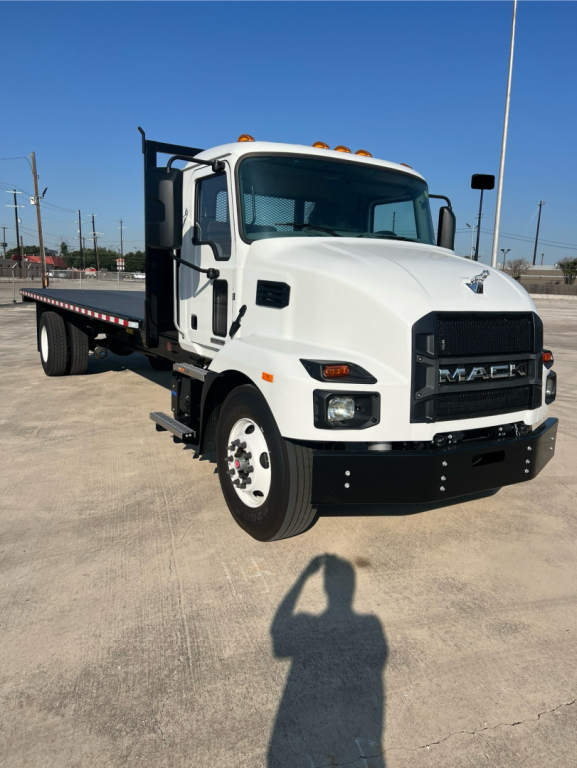
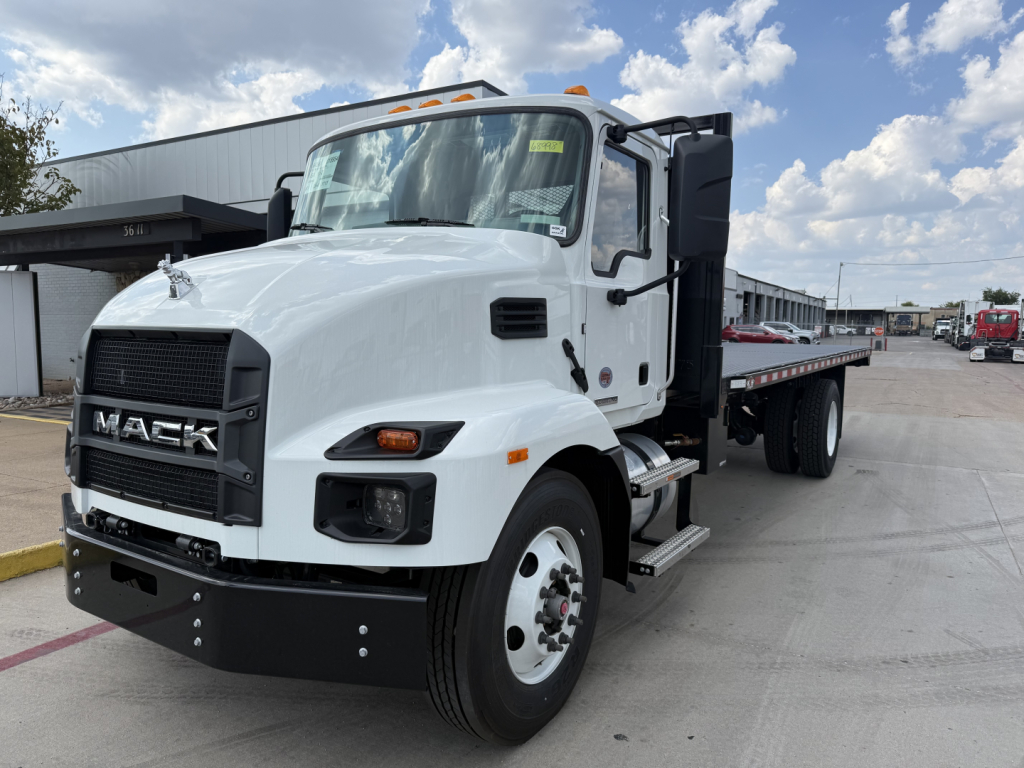
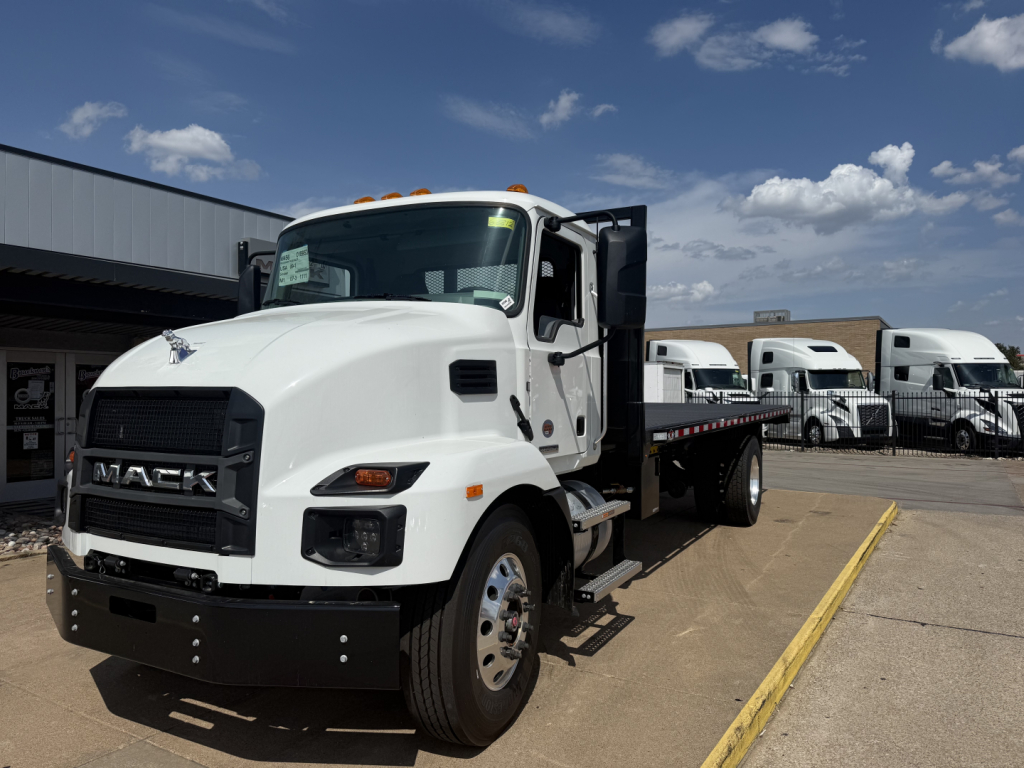
Selling a 2026 flatbed truck? List your 2026 flatbed truck for sale and reach thousands of commercial buyers.
2026 Flatbed Trucks in Texas
The spec decisions that matter most are wheelbase, GVWR, axle ratings, suspension, and bed construction. A common setup in this class is a single-axle medium-duty chassis with a Cummins 6.7L diesel, Allison automatic transmission, 10,000-lb front axle, and rear axle ratings in the 17,000-lb to 21,000-lb range. Wheelbases around 260 to 280 inches are common when fitted with 23-foot to 24-foot steel flatbeds. Rear ratios in the 5.29 to 5.57 range are typical when the truck is expected to move heavier loads at lower speeds and spend time in city traffic, on service roads, or around job sites. Spring suspension remains common because it is durable, simple, and well suited to load-carrying work.
Body design changes the truck's usefulness as much as chassis spec. Buyers should look closely at deck length, floor material, bulkhead design, stake pockets, rub rail, tiedown points, and whether the body is a straight flatbed or a dumping flatbed. Steel beds are common for harder use and concentrated loads, while lighter configurations may favor payload. A headache rack, underbody toolboxes, ICC bumper, winch track, and trailer hitch or pintle setup can make a major difference for crews that haul equipment or tow behind the truck. If the truck will regularly carry forklifts, pipe, or irregular freight, bed height and load securement layout deserve as much attention as horsepower.
For Texas buyers, turning radius, cooling performance, and legal operating weight matter just as much as deck size. A flatbed truck used in Houston, Dallas-Fort Worth, San Antonio, or the Permian Basin may spend part of the day on highways and part on rough yards or active job sites. That makes brake spec, tire size, PTO provisions, and service access worth reviewing before purchase. The best 2026 flatbed trucks balance deck space, axle capacity, drivetrain durability, and body equipment so the truck can load quickly, secure freight correctly, and stay productive across construction, municipal, industrial, and delivery applications.
Frequently Asked Questions about 2026 Flatbed Trucks in Texas
What is the most important spec to compare on a flatbed truck?
Payload-related specs should come first. GVWR, front and rear axle ratings, wheelbase, and body weight determine how much cargo the truck can legally and practically carry. A long bed is useful, but deck length alone does not tell you if the chassis can handle dense materials such as steel, block, or bundled lumber. Buyers should compare the complete truck specification, not just the bed size.
Are 2026 flatbed trucks in this class usually CDL or non-CDL?
Many medium-duty flatbed trucks are built to stay under the 26,001-lb GVWR threshold, which can make them attractive for non-CDL operation, but that is not true of every unit. The body, hoist, toolboxes, towing equipment, and axle package all affect final rating and usable payload. Buyers should verify GVWR on the door tag and confirm how the truck will be loaded in actual service before assuming it qualifies as a non-CDL truck.
What bed length is common on a medium-duty flatbed truck?
A 23-foot to 24-foot flatbed is a common size on single-axle medium-duty chassis with wheelbases around the mid-270-inch range. That length works well for building materials, palletized freight, pipe, and light equipment while keeping the truck maneuverable enough for urban deliveries and job-site access. The right bed length still depends on the freight profile, load distribution, and local route conditions.
Is a steel flatbed better than an aluminum flatbed?
Steel flatbeds are typically favored for harder vocational use because they handle abrasion, concentrated loads, and rough loading conditions well. They are common on construction and industrial trucks. Aluminum can reduce body weight and improve available payload, but it may not be the first choice for every severe-duty application. The better option depends on what the truck hauls, how it is loaded, and how much abuse the deck will take over time.
What features improve a flatbed truck for job-site work in Texas?
Spring suspension, strong rear axle ratings, PTO provisions, aggressive rear ratio options, durable tires, and a body with good tiedown access are all useful for Texas job-site service. Buyers also tend to value headache racks, tool storage, pintle hitches, and dumping flatbed configurations when the truck supports construction or oilfield work. If the truck will run in hot conditions and heavy traffic, cooling system performance and ease of maintenance should also be part of the evaluation.