
2026 Commercial Trucks For Sale in Kansas
Browse 2026 trucks for sale in Kansas, including sleeper, dump, and vocational models with current specs, emissions systems, and chassis options.
Selling a 2026 commercial truck? List your 2026 commercial truck for sale and reach thousands of commercial buyers.
2026 Commercial Trucks in Kansas
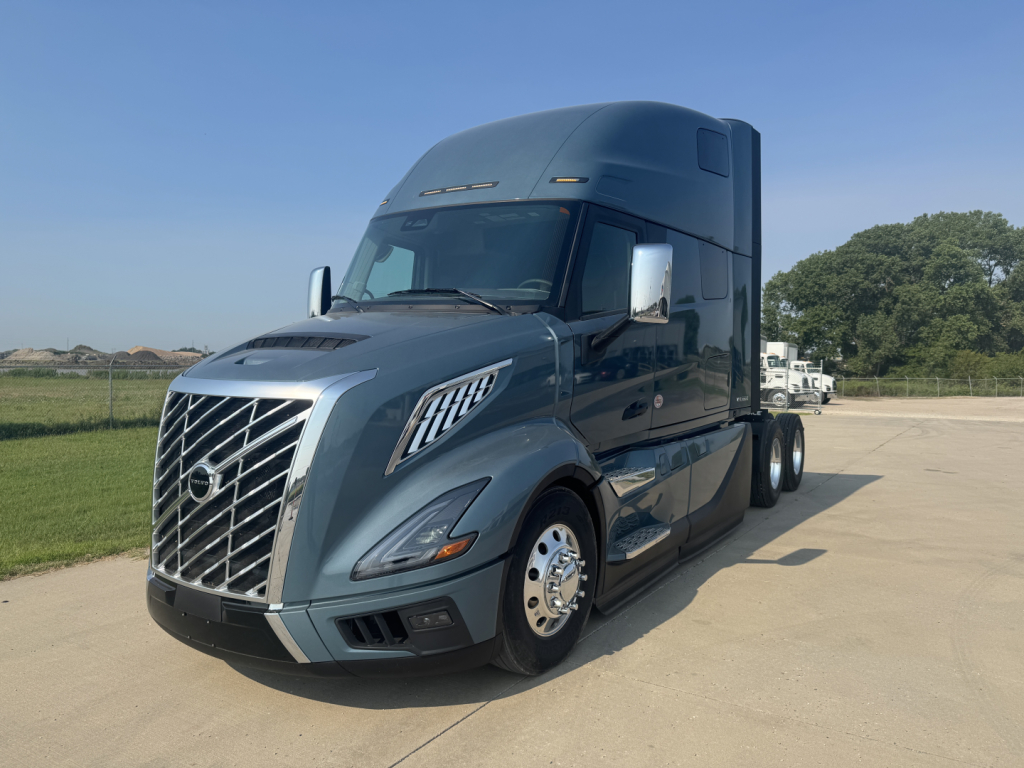
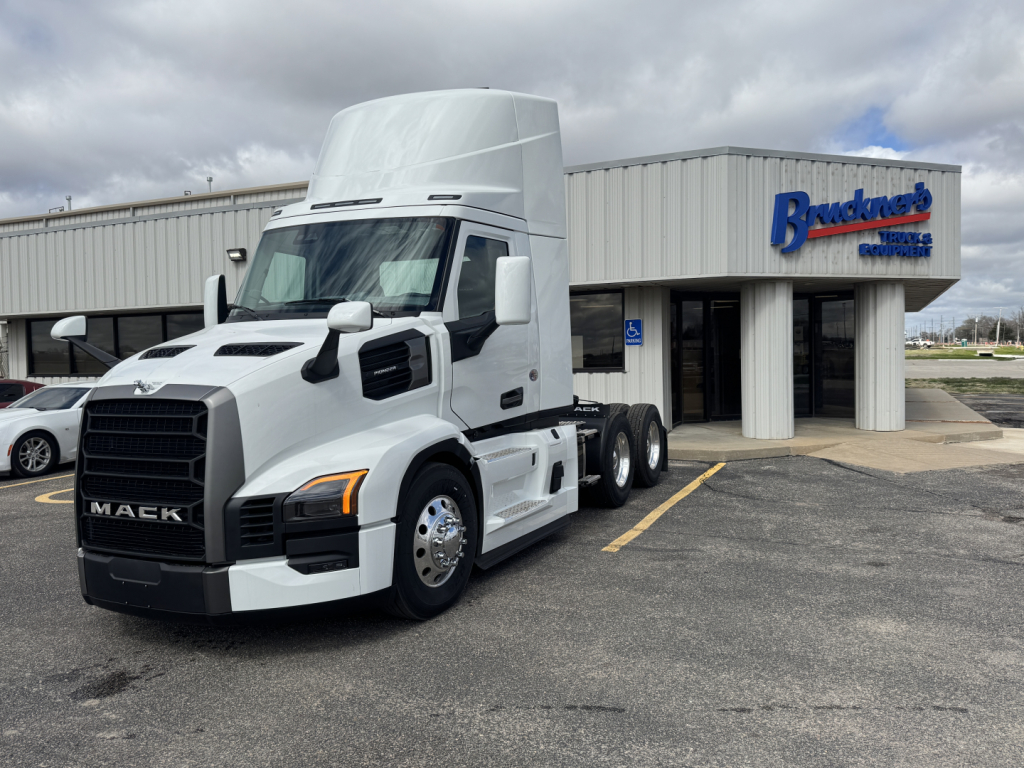
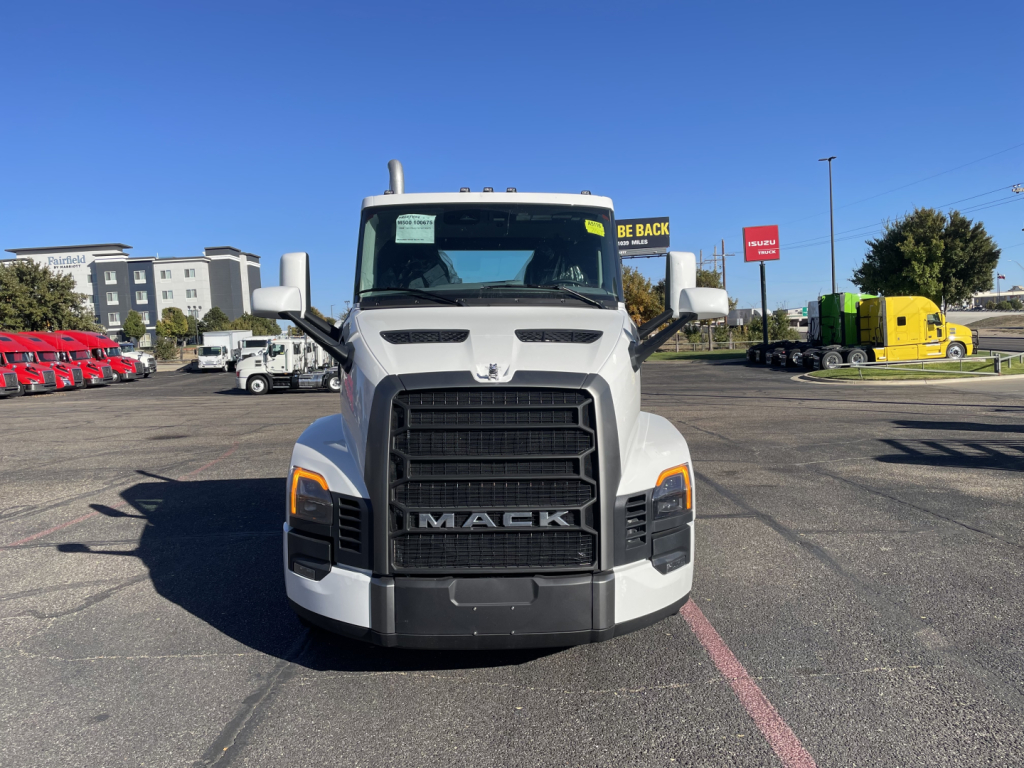
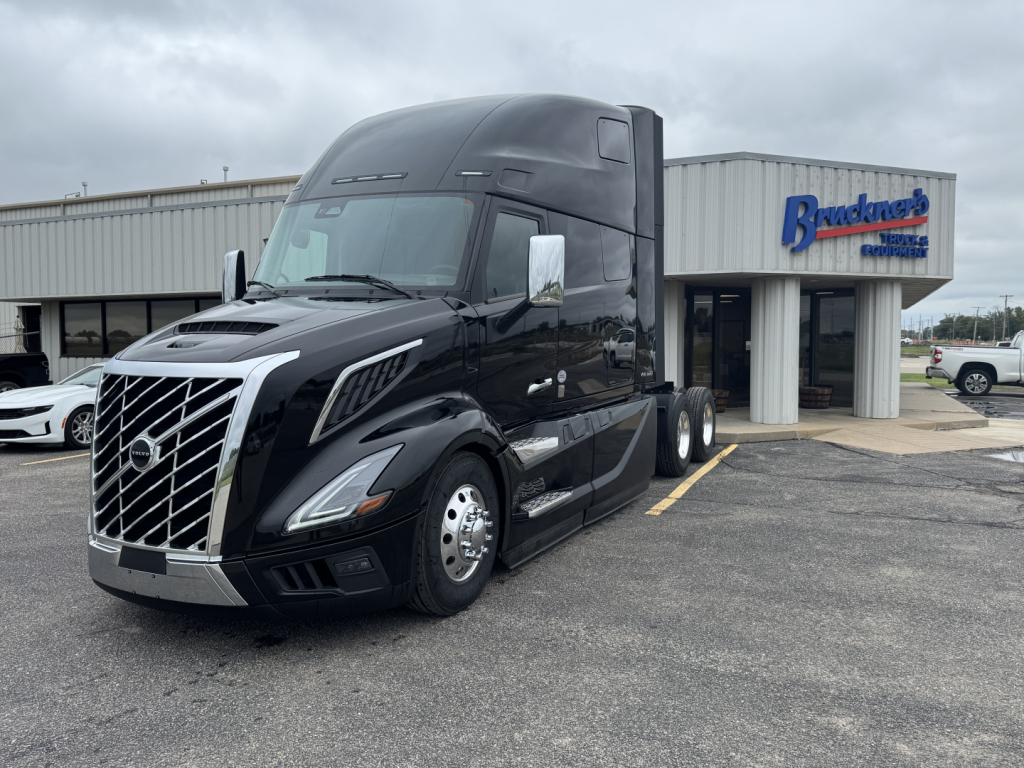
For highway use, many 2026 trucks are built around aerodynamic conventional platforms from major OEMs like Volvo and Mack. Buyers should compare engine ratings, automated manual versus traditional automatic transmissions, and axle combinations such as 6x4 setups for heavier linehaul or mixed-terrain work. Typical considerations include horsepower in the 400 to 515 range, torque matched to GCWR, and rear ratios chosen for fuel economy or gradeability. Sleeper configurations often vary by bunk length, cabinet layout, cab parking HVAC options, and integrated safety systems such as collision mitigation, lane departure warning, and adaptive cruise control. On a Kansas-based truck, gearing, fuel tank size, and tire spec should match long stretches between stops, seasonal crosswinds, and the mix of flat interstate and loaded rural miles.
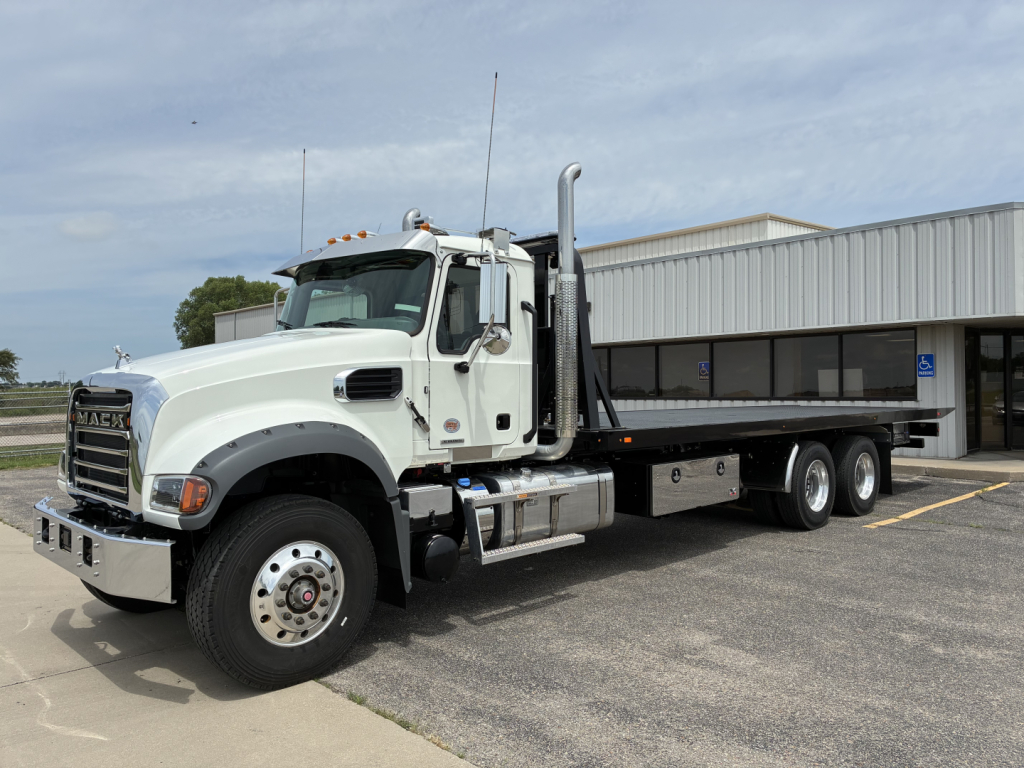
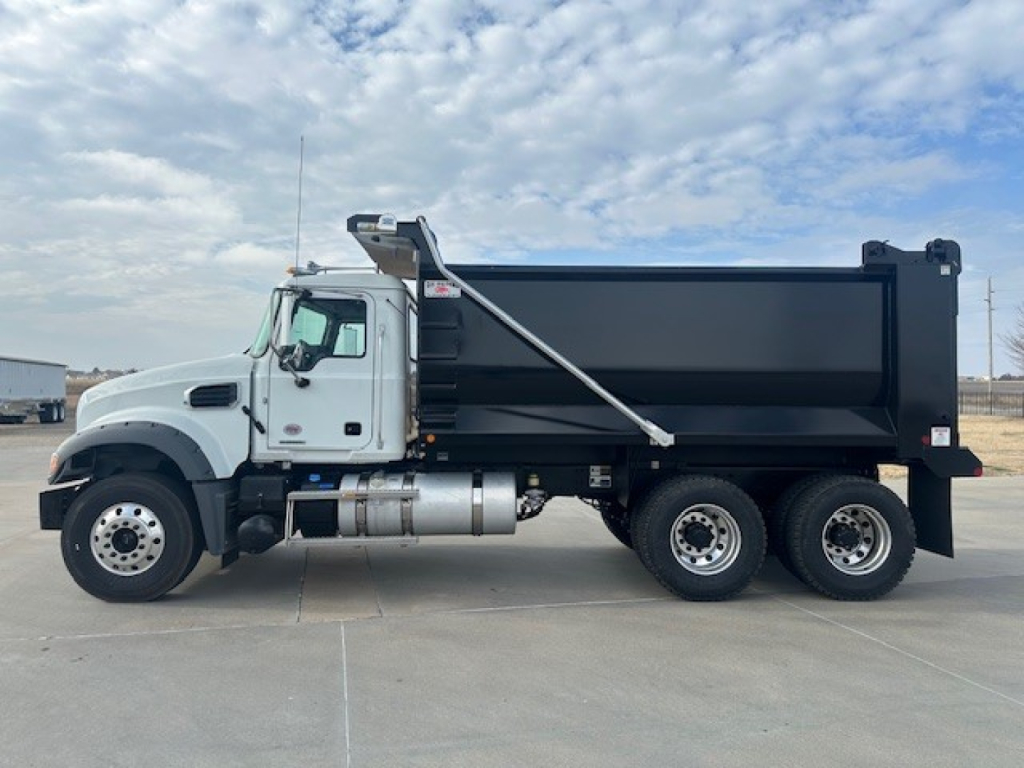
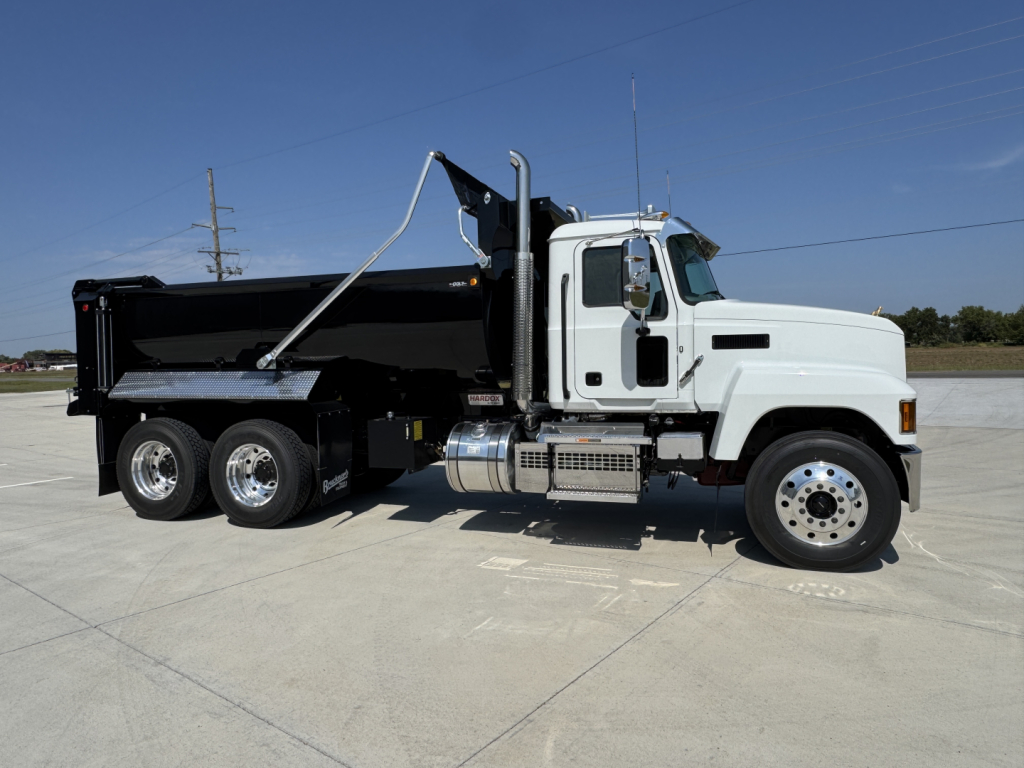
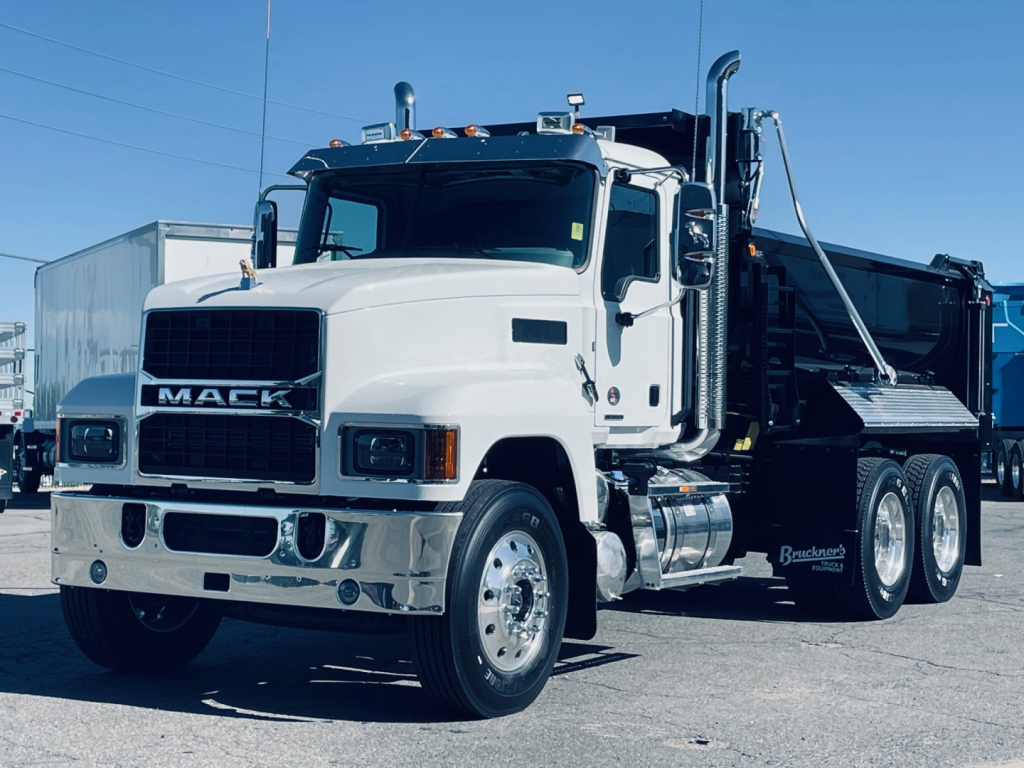
Vocational 2026 trucks deserve a closer look at the chassis under the body. A dump truck, for example, is commonly spec'd with a heavier front axle, double frame or frame reinforcement, vocational suspension, and body materials selected for the load. Hardox or other abrasion-resistant steel is common in rock bodies where impact resistance and wear life matter. Buyers should verify body length, side height, hoist type, gate configuration, tarp system, pintle or hitch equipment, and whether the truck is set up for trailer air and electrical connections. If the truck will spend time off pavement, ground clearance, tire tread, inter-axle lock, traction control calibration, and axle spread can matter as much as horsepower.
The best 2026 truck is the one whose spec sheet matches the lane it will run every day. In Kansas, that often means balancing highway efficiency with durability, because many trucks see both state highways and rougher yard, field, or quarry access. Review GVWR and GCWR, wheelbase, fifth-wheel position or body overhang, engine brake rating, maintenance intervals, and warranty coverage before narrowing choices. A clean modern emissions package, the right transmission logic, and a cab built for driver retention can have as much impact on operating cost as the purchase price itself.
Frequently Asked Questions about 2026 Commercial Trucks in Kansas
What should I look for first when comparing 2026 trucks for sale in Kansas?
Start with the truck’s primary application, then match the chassis and powertrain to that work. For highway tractors, focus on sleeper size, axle ratio, horsepower, transmission type, wheelbase, and fuel capacity. For dump and vocational trucks, focus on axle ratings, frame spec, PTO setup, suspension, body dimensions, and jobsite durability. In Kansas, buyers should also account for long highway stretches, farm-to-market roads, wind exposure, and seasonal weather when evaluating gearing, tires, and traction features.
Are 2026 sleeper trucks mainly built for long-haul use?
Most 2026 sleeper trucks are designed for regional or over-the-road freight, but the right sleeper depends on route length and driver needs. A day cab may be enough for short regional lanes, while a high-roof sleeper with larger bunk space, storage, and idle-reduction features makes more sense for multi-day runs. Buyers should compare cab layout, bunk length, insulation, parking HVAC, safety tech, and drivetrain efficiency instead of assuming every sleeper is spec'd the same way.
What makes a 2026 dump truck different from a highway tractor?
A 2026 dump truck is typically built around a vocational chassis with heavier axle ratings, more robust suspension, PTO capability, and a body designed for material hauling. It may also include abrasion-resistant steel, a high-lift gate, electric tarp system, pintle hitch, and jobsite-oriented tires. A highway tractor is optimized more for aerodynamics, fuel economy, fifth-wheel trailer service, and long-distance comfort. The frame, wheelbase, gearing, and suspension priorities are very different between the two.
Do 2026 trucks usually include newer safety and emissions technology?
Yes. Many 2026 trucks include current-generation emissions systems along with more advanced safety and driver-assist features than older model years. Common features can include collision mitigation, adaptive cruise control, lane departure warning, electronic stability control, and improved transmission programming tied to fuel economy and terrain management. Buyers should confirm which systems are factory-installed and how they fit the fleet’s maintenance capabilities and driver training standards.
How important are axle ratio and wheelbase on a 2026 truck?
Axle ratio and wheelbase have a major effect on performance, maneuverability, and operating cost. A faster rear ratio can support lower cruise rpm and better fuel economy on highway trucks, while a shorter or deeper ratio may help startability and grade performance with heavier loads or vocational use. Wheelbase affects ride quality, turning radius, body fitment, and trailer gap. These are not minor details. They directly influence how well the truck matches its intended route and payload.