
2026 Dump Trucks For Sale in Kansas
Shop 2026 dump trucks for sale in Kansas. Compare specs, body styles, axle ratings, engines, and vocational features for hauling and site work.
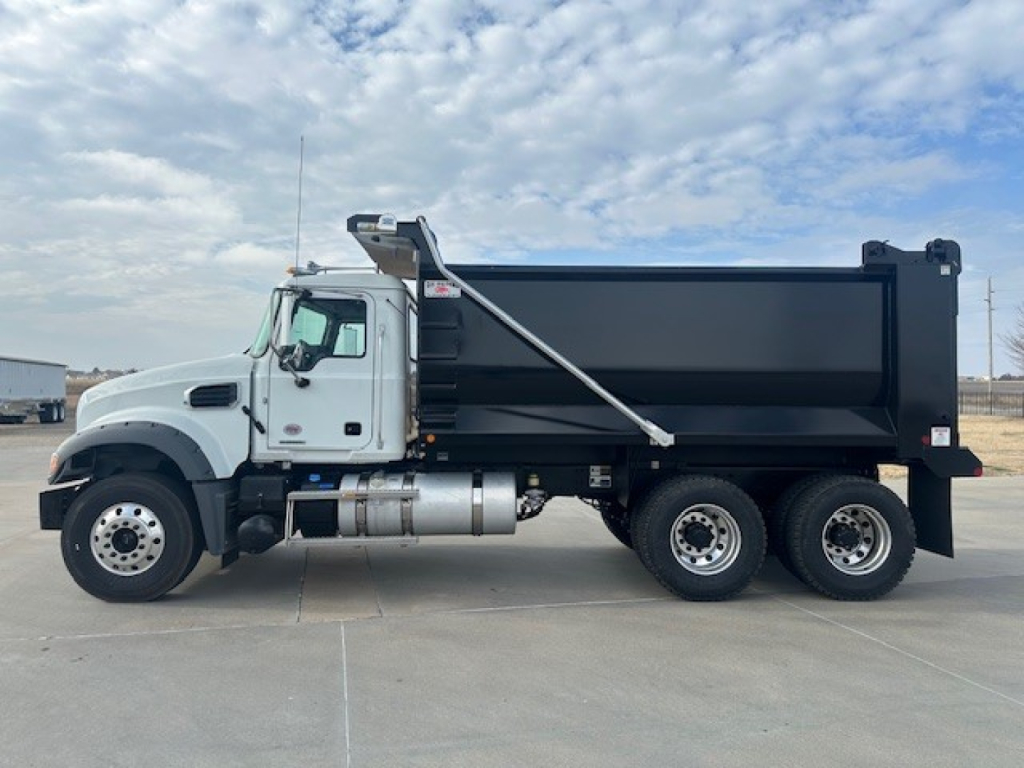
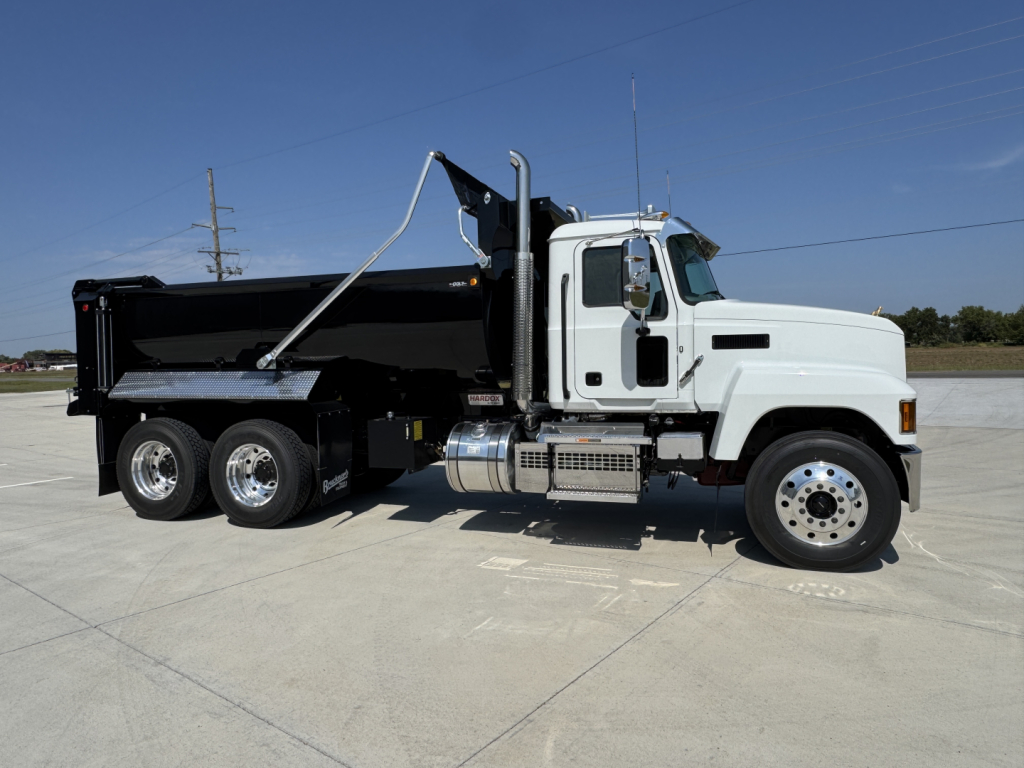
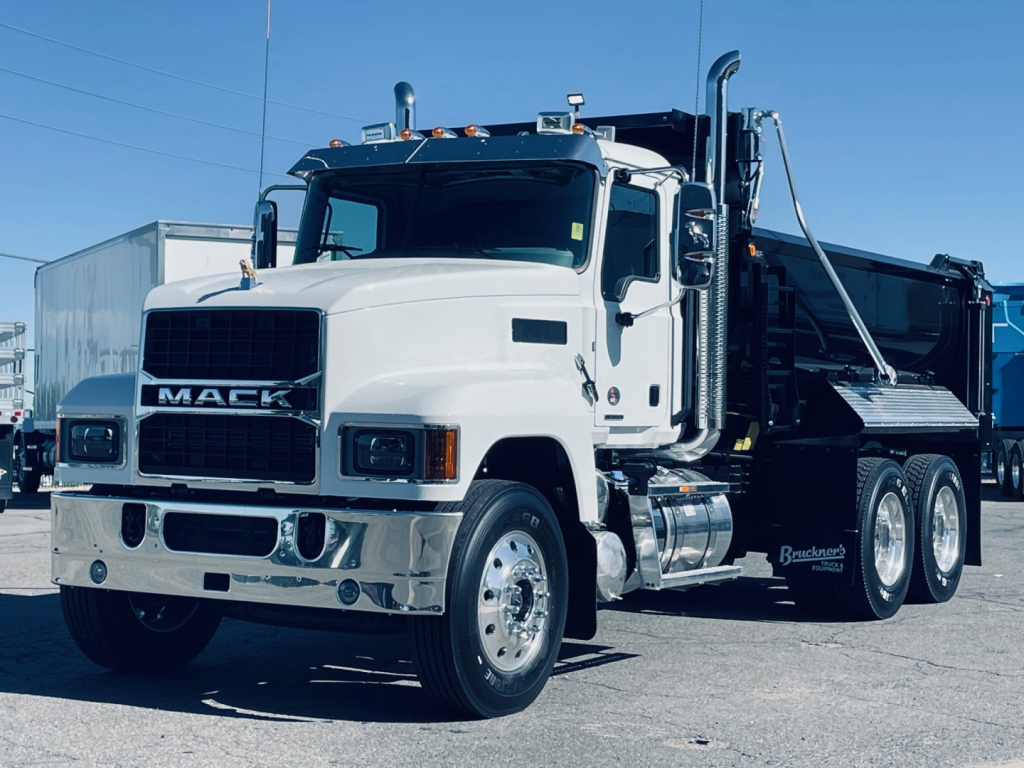
Selling a 2026 dump truck? List your 2026 dump truck for sale and reach thousands of commercial buyers.
2026 Dump Trucks in Kansas
Powertrain choice matters because dump trucks spend their lives starting heavy, backing into jobsites, and working on uneven surfaces. In this category, you will commonly see diesel engines in the midrange to heavy-duty horsepower bands, paired with Allison automatics or automated manual transmissions. Automatic transmissions remain popular for stop-and-go routes, municipal work, and mixed-driver fleets because they simplify operation and hold up well in vocational service. Buyers should also look closely at front axle ratings, rear axle capacity, wheelbase, and lift axle configuration. A truck with 18K to 20K front capacity and 40K rears is common for heavier tandem work, while pusher axles can improve payload flexibility when local bridge laws and route demands support them.
Body details often make the difference between a truck that is merely capable and one that is efficient on every load. Important features include high-lift or air-operated tailgates, electric tarp systems, pintle hitches, trailer hookups, and body dimensions that fit the material being hauled. A 14-foot body may suit tighter urban work and smaller site access, while 16-foot to 18-foot-plus bodies are common for larger-volume hauling. Floor thickness, side height, slope-back design, and hoist spec all affect durability and clean dump performance. In Kansas, where trucks may split time between highway travel, county roads, quarries, and construction sites, buyers should pay attention to tire spec, suspension type, corrosion protection, and visibility features that support both road speed and off-road maneuvering.
When evaluating 2026 dump trucks for sale, it is smart to match the truck to the job cycle instead of shopping by price alone. A lighter-duty dump truck can be productive in landscape supply, utility support, or local material delivery, while a severe-duty vocational chassis is better suited for rock hauling, asphalt, and sustained construction work. Also known simply as a dump truck or dump body truck, this equipment class is best compared by payload target, body cubic yard capacity, axle spread, transmission type, and upfit quality. Buyers who take time to align the chassis, body, and local operating requirements usually get better uptime, better tire life, and more predictable operating costs over the life of the truck.
Frequently Asked Questions about 2026 Dump Trucks in Kansas
What body style is best for a 2026 dump truck?
The best body style depends on the material and the type of route. Straight side dump bodies are common for general construction and municipal hauling because they handle a wide range of material well. Elliptical or half-round rock bodies are often preferred for aggregate and demolition work because they shed material more cleanly and can reduce carryback. Buyers hauling abrasive material should also pay close attention to body steel, floor thickness, and side construction, not just cubic yard capacity.
How important are axle ratings on a dump truck?
Axle ratings are one of the most important parts of a dump truck spec because they directly affect legal payload, durability, and how well the truck handles the load. Front axle ratings in the 18,000 to 20,000 pound range and 40,000 pound rears are common on heavier tandem dump trucks, but the right setup depends on state weight laws, body size, and material density. Lift axles can improve payload flexibility, but they must be matched to the chassis and the routes the truck will run.
Should I choose an automatic or manual-style transmission in a dump truck?
Many vocational buyers choose Allison automatic transmissions because they are well suited for repeated starts, backing, and stop-and-go work. They are especially popular in municipal fleets, site work, and operations with multiple drivers. Automated manual transmissions can also be a strong choice when fuel efficiency and highway time matter, but they should still be matched to the terrain, load profile, and driver preference. The best transmission is the one that supports the truck's daily duty cycle without sacrificing control or uptime.
What features matter most on a Kansas dump truck?
For Kansas operations, buyers often prioritize a spec that balances road travel with jobsite durability. Electric tarp systems, high-lift tailgates, strong hoists, durable steel bodies, and pintle hitch setups are common requirements. Suspension choice, tire selection, and axle spread also matter because a truck may travel paved highways, county roads, and rough site entrances in the same day. A practical Kansas spec is one that can carry legal weight, handle uneven terrain, and still maintain good road manners.
What is the difference between a lighter dump truck and a severe-duty dump truck?
A lighter dump truck is usually built for local delivery, landscape materials, utility support, and other work where maneuverability and lower operating cost matter more than maximum payload. A severe-duty dump truck is built with heavier frames, stronger axle ratings, more robust suspensions, and body materials designed for abrasive loads and punishing jobsite conditions. Buyers hauling rock, broken concrete, asphalt, or dense soil usually benefit from the heavier vocational spec because it holds up better under repeated high-stress cycles.