
2026 Commercial Trucks For Sale in Texas
Shop 2026 trucks for sale in Texas, including highway, vocational, and medium-duty models with specs for hauling, construction, and local delivery.
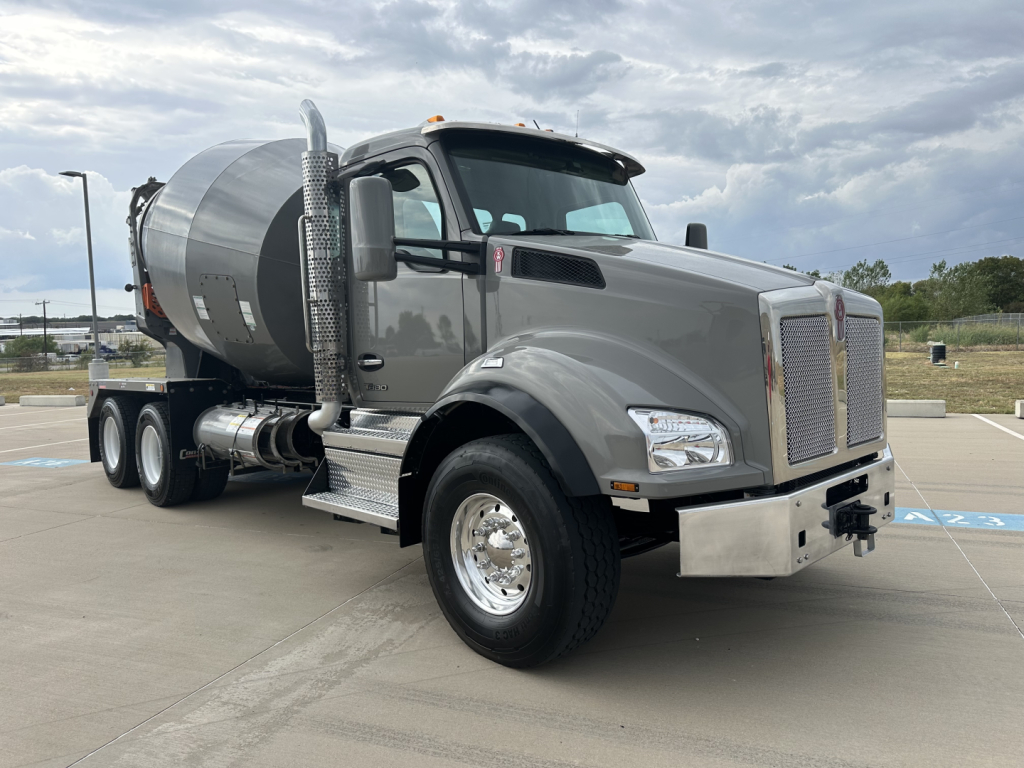
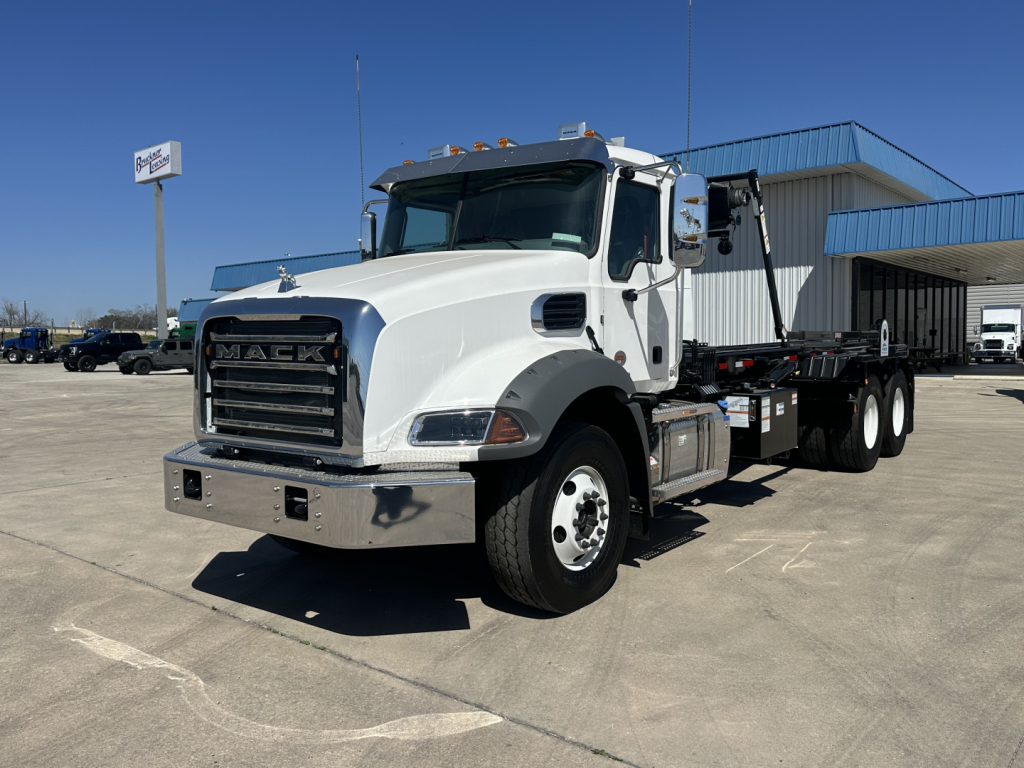
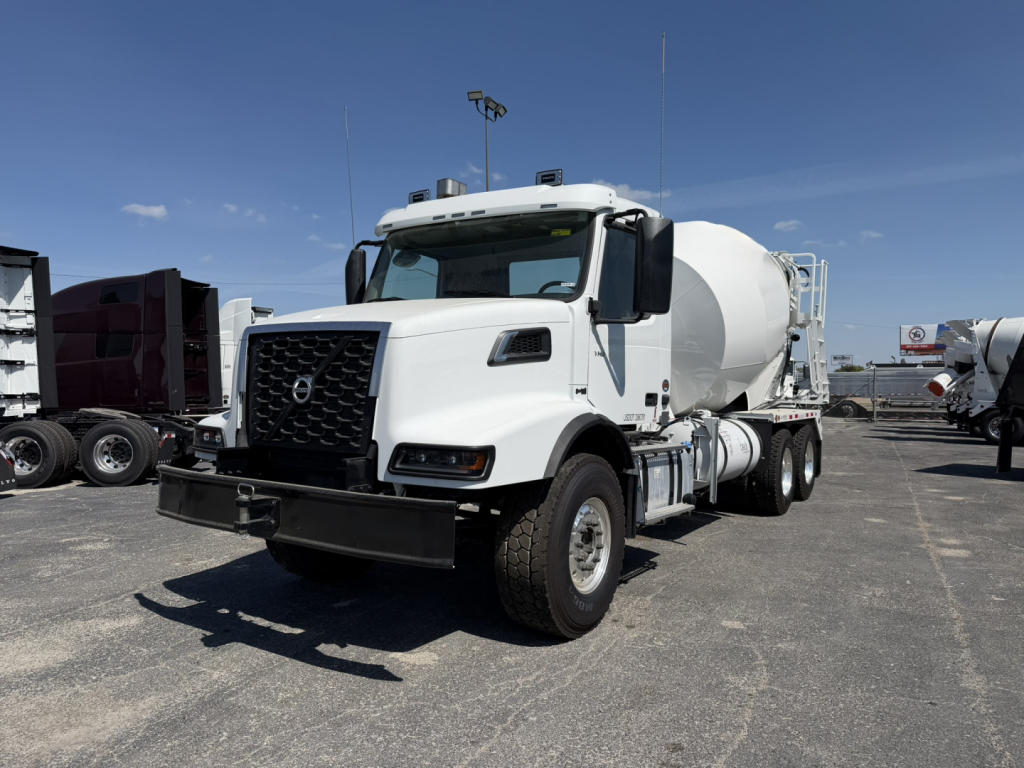
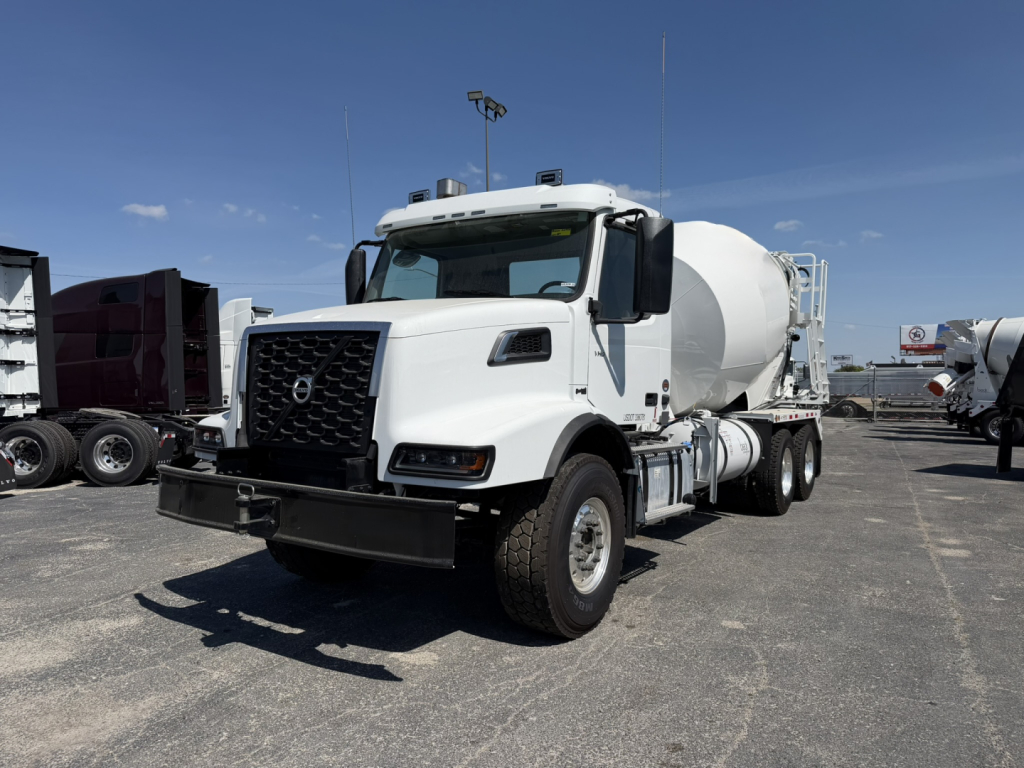
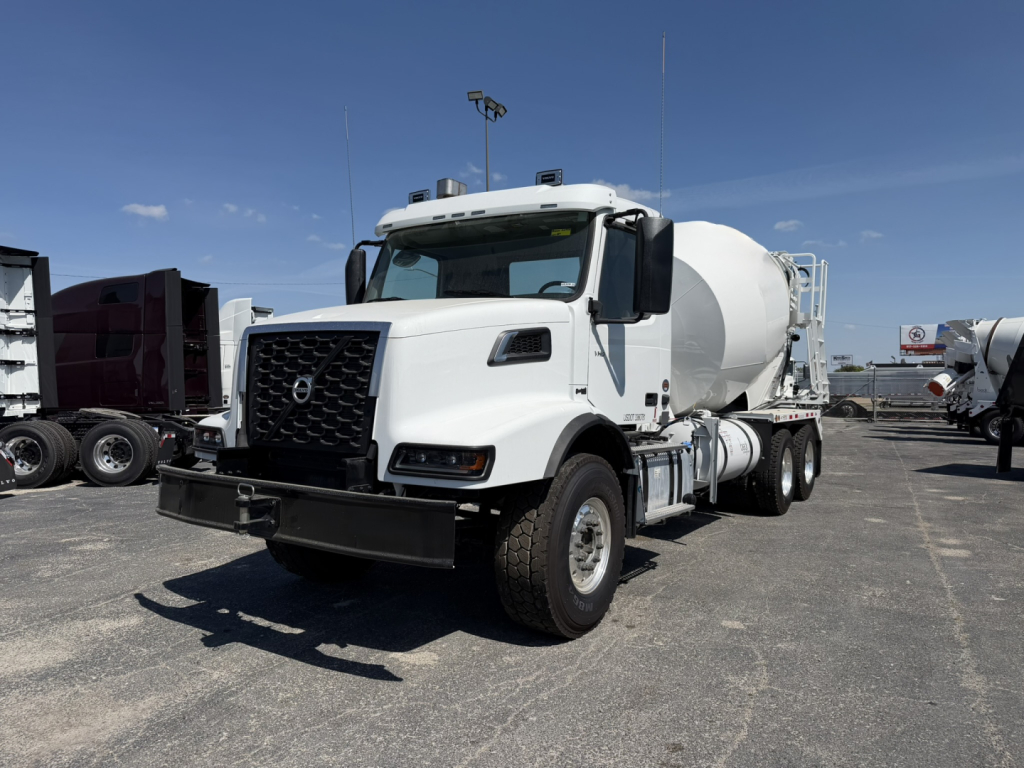
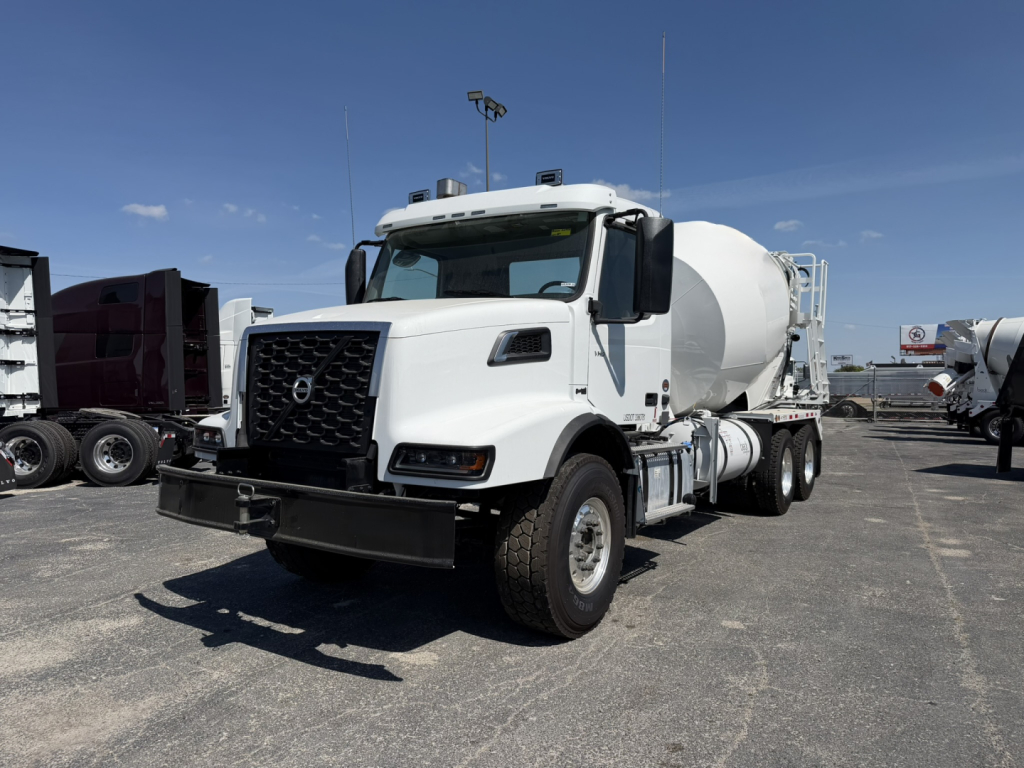
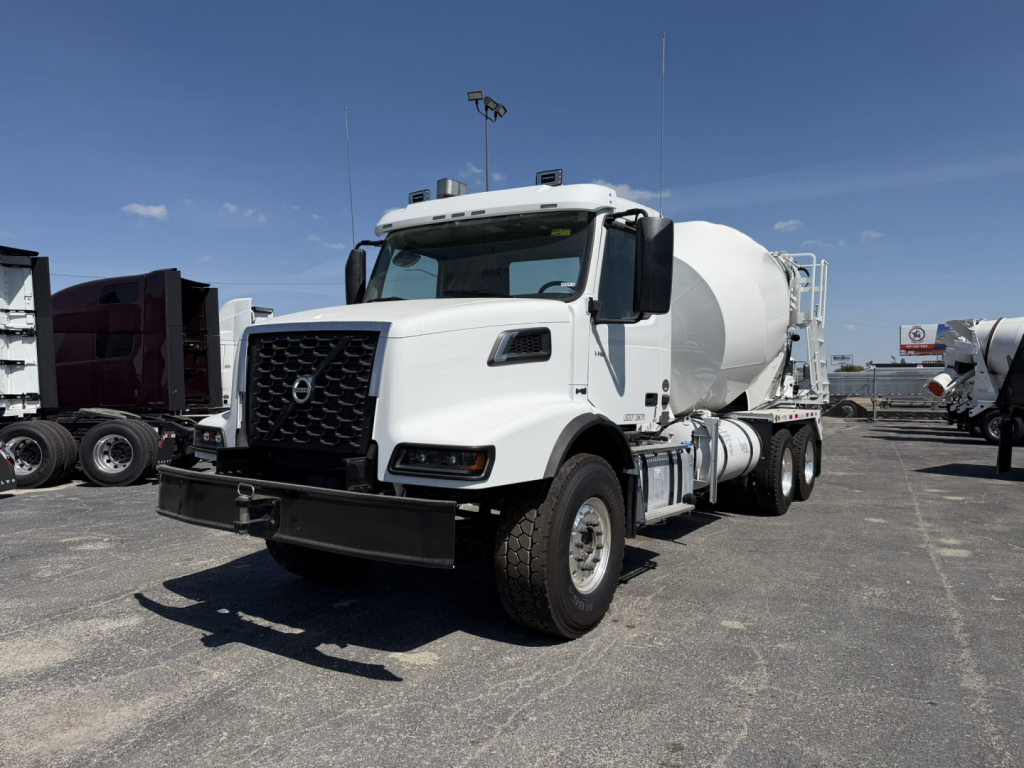
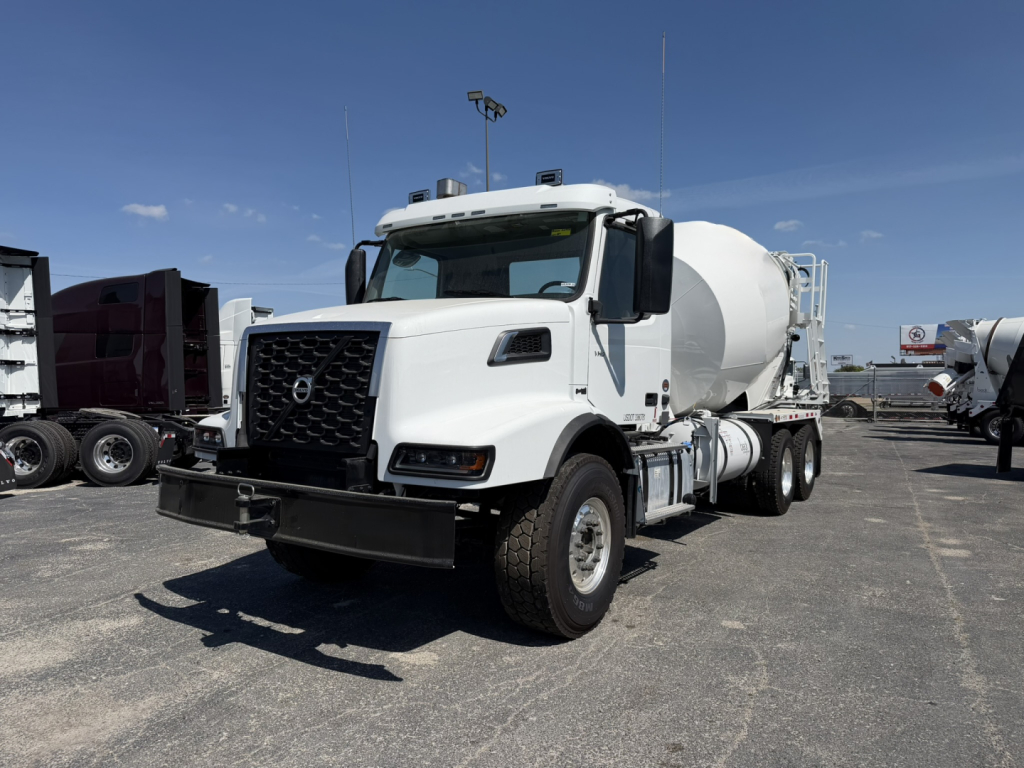
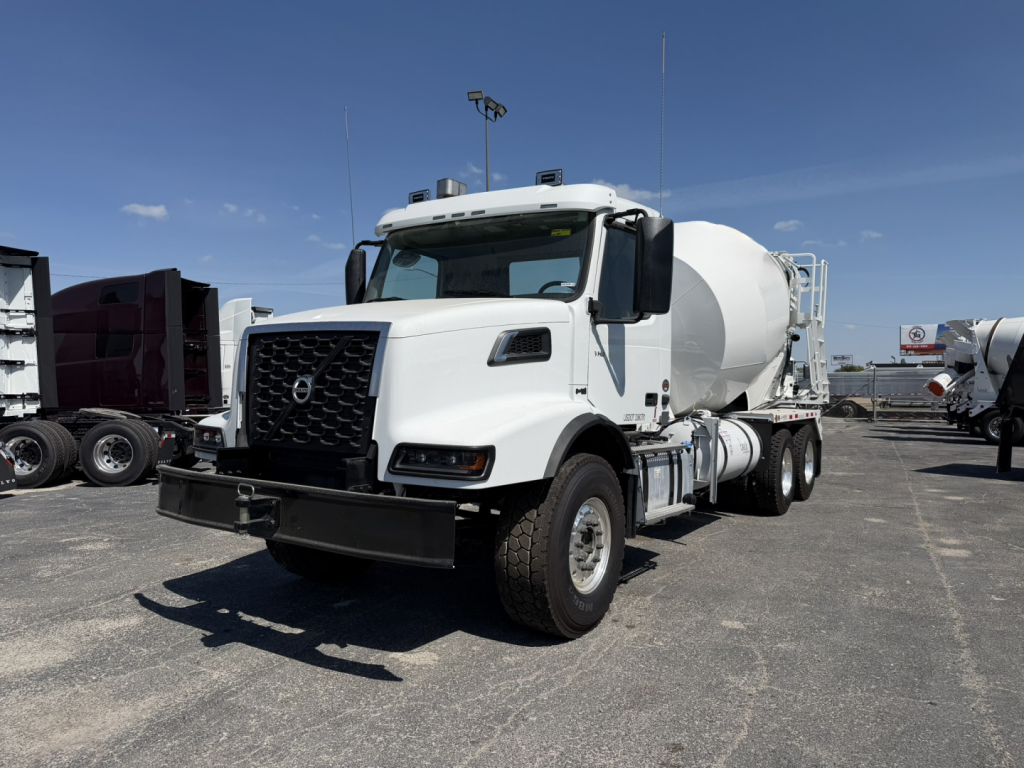
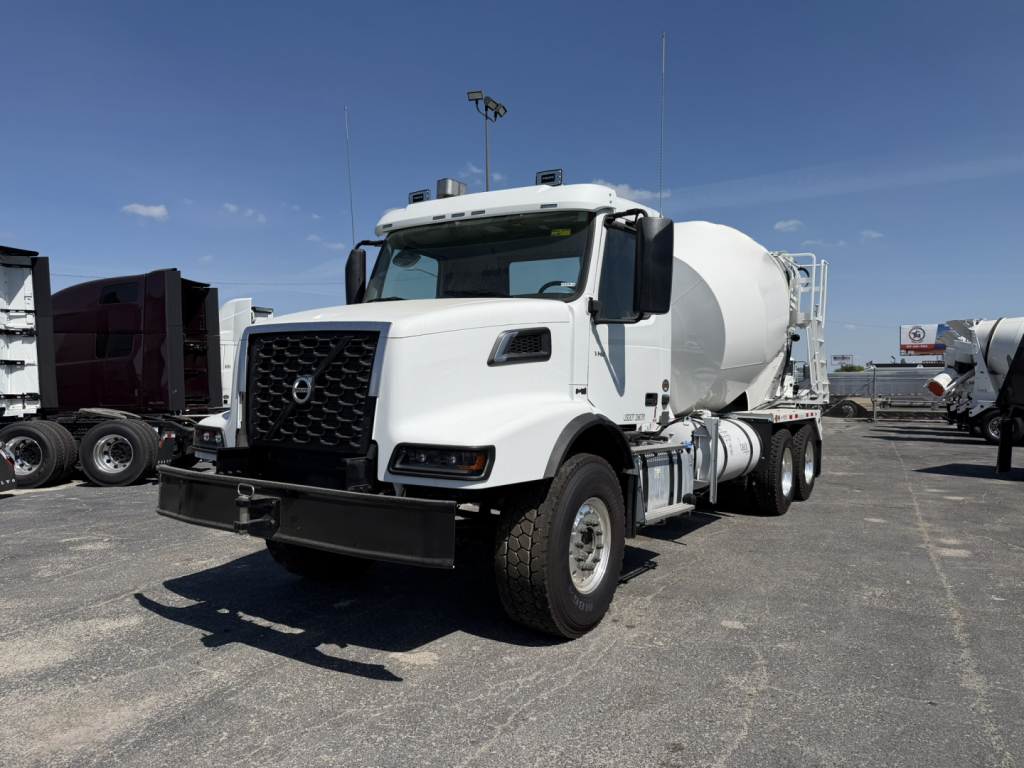
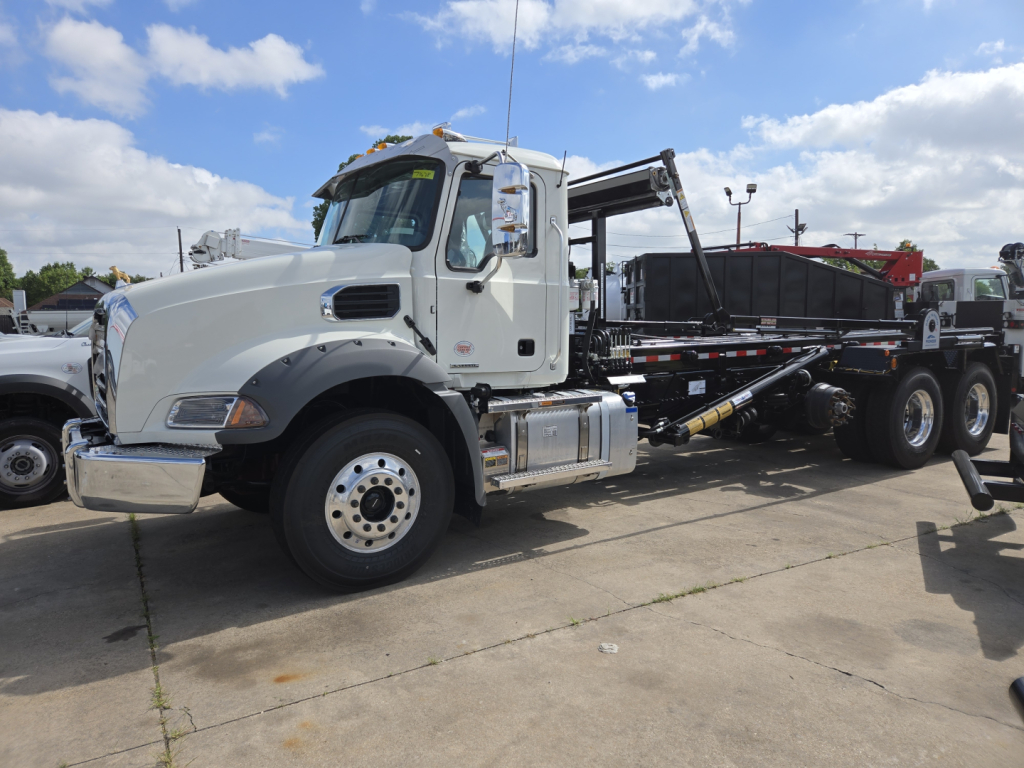
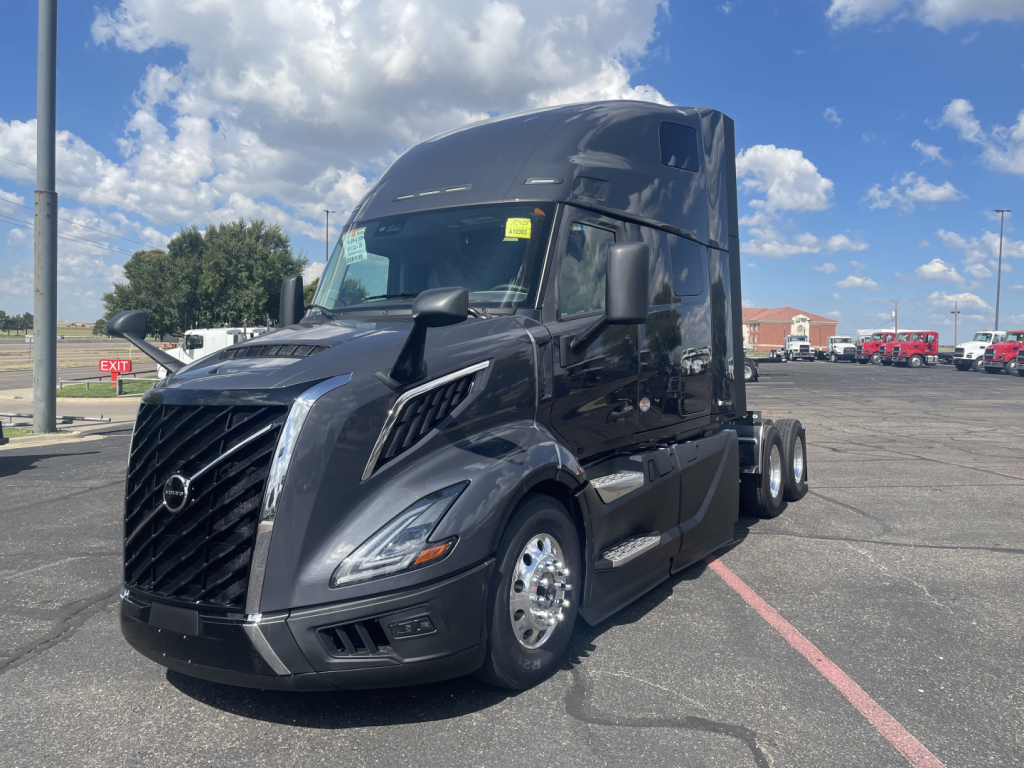
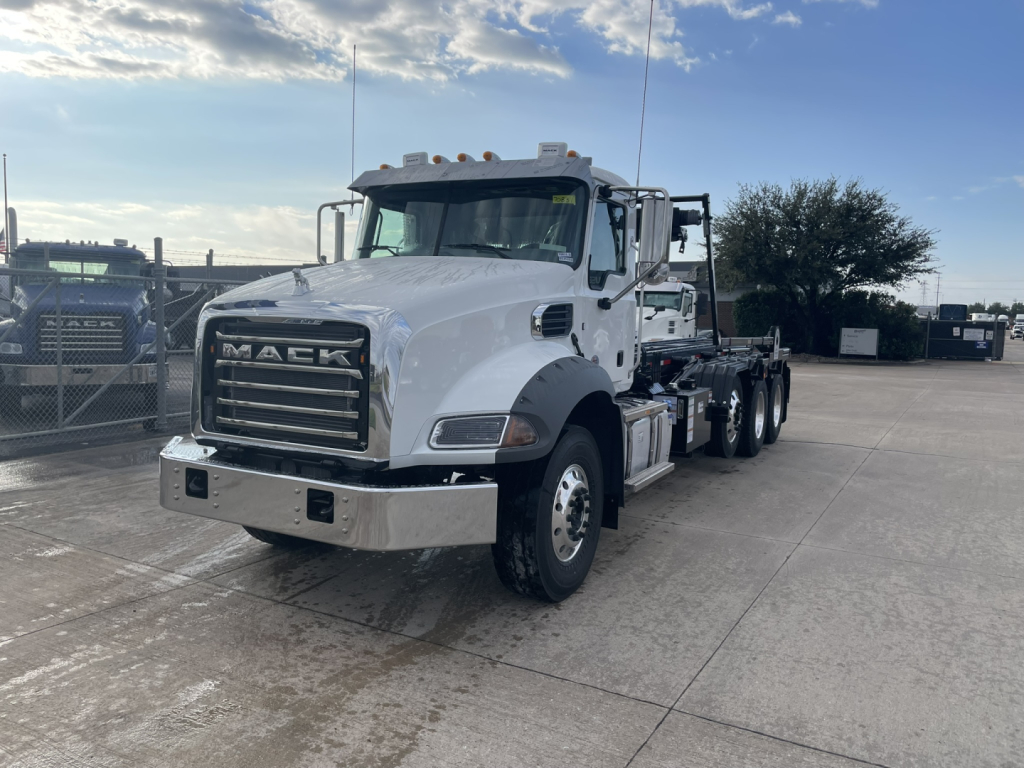
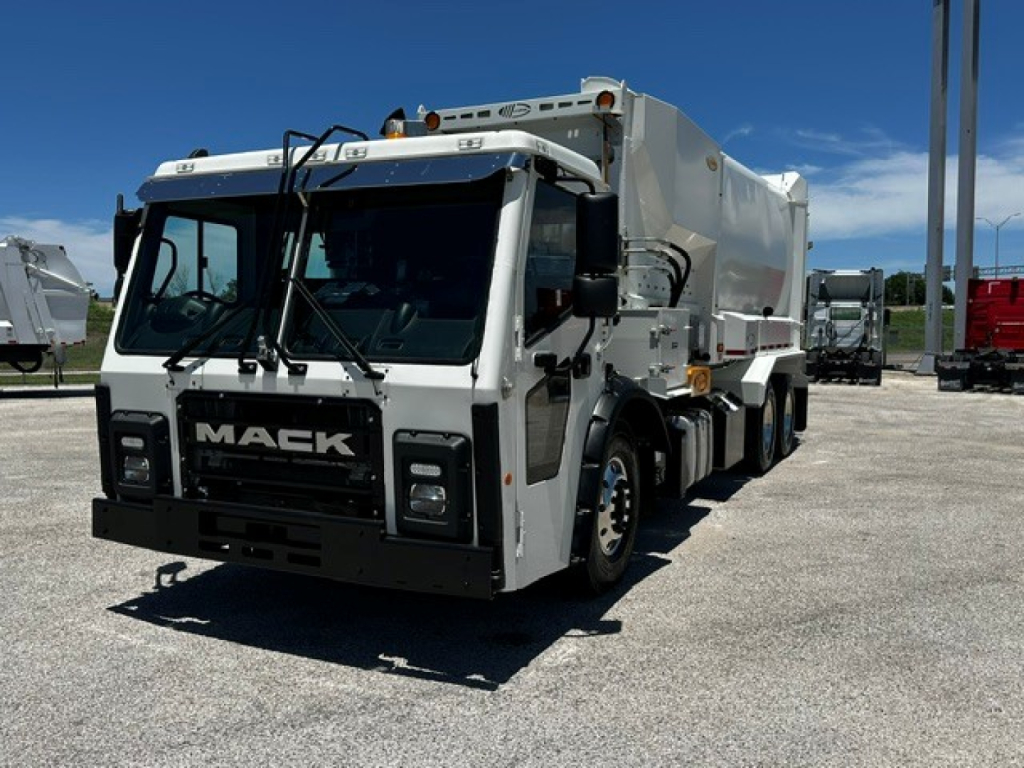
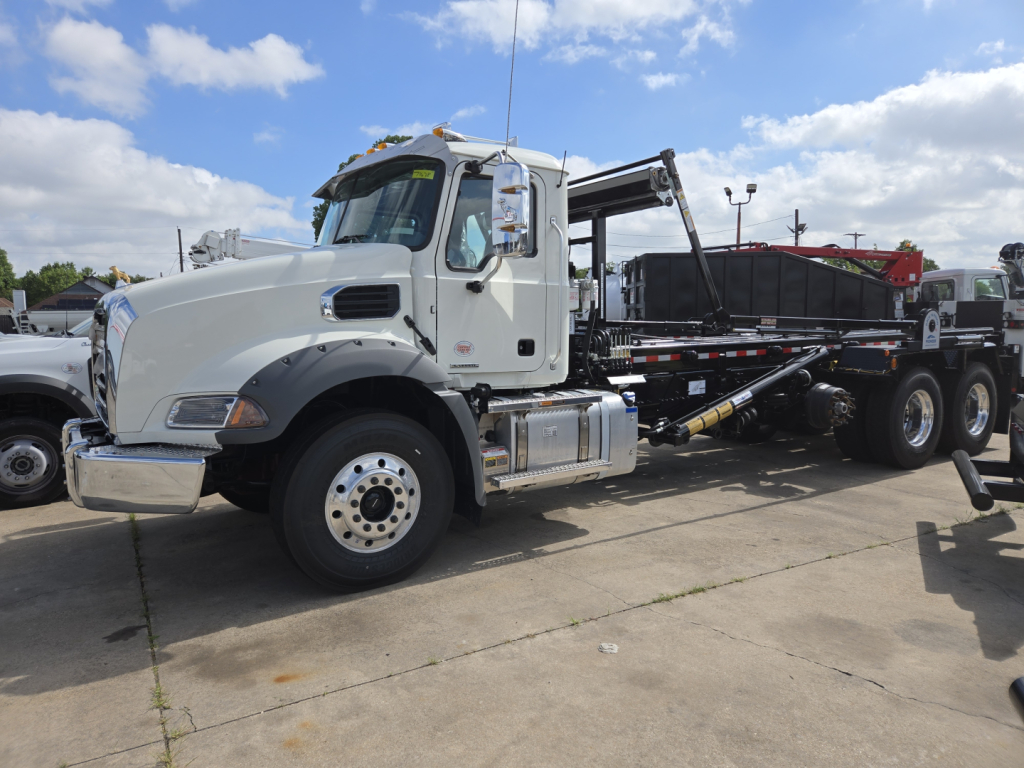
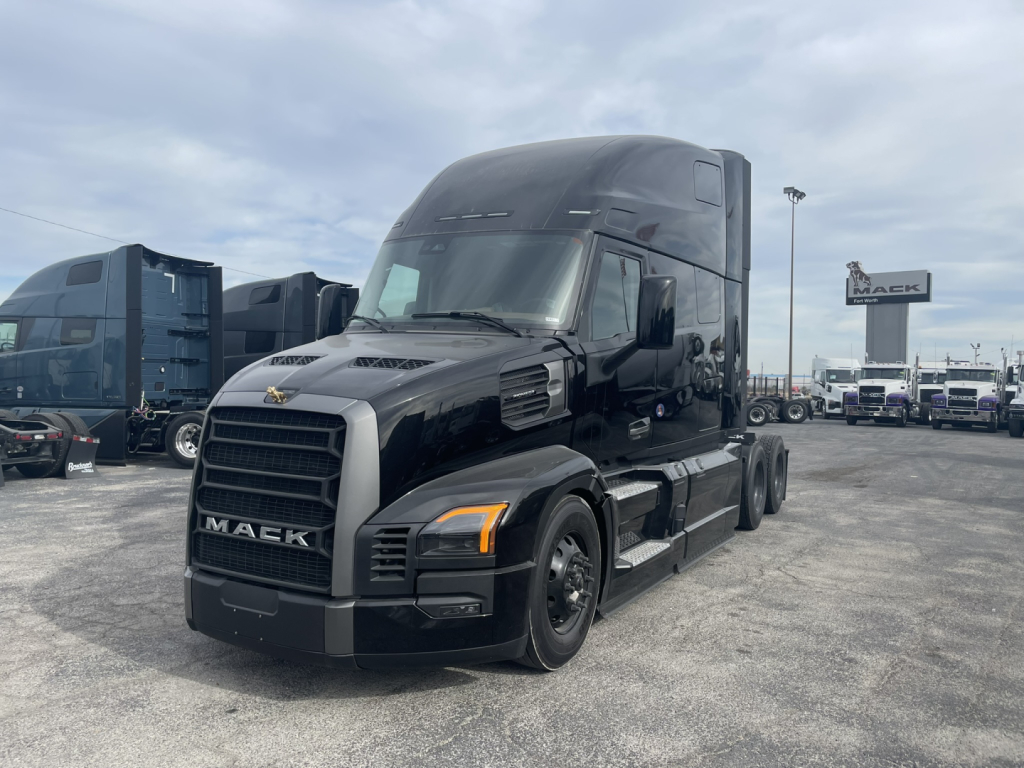
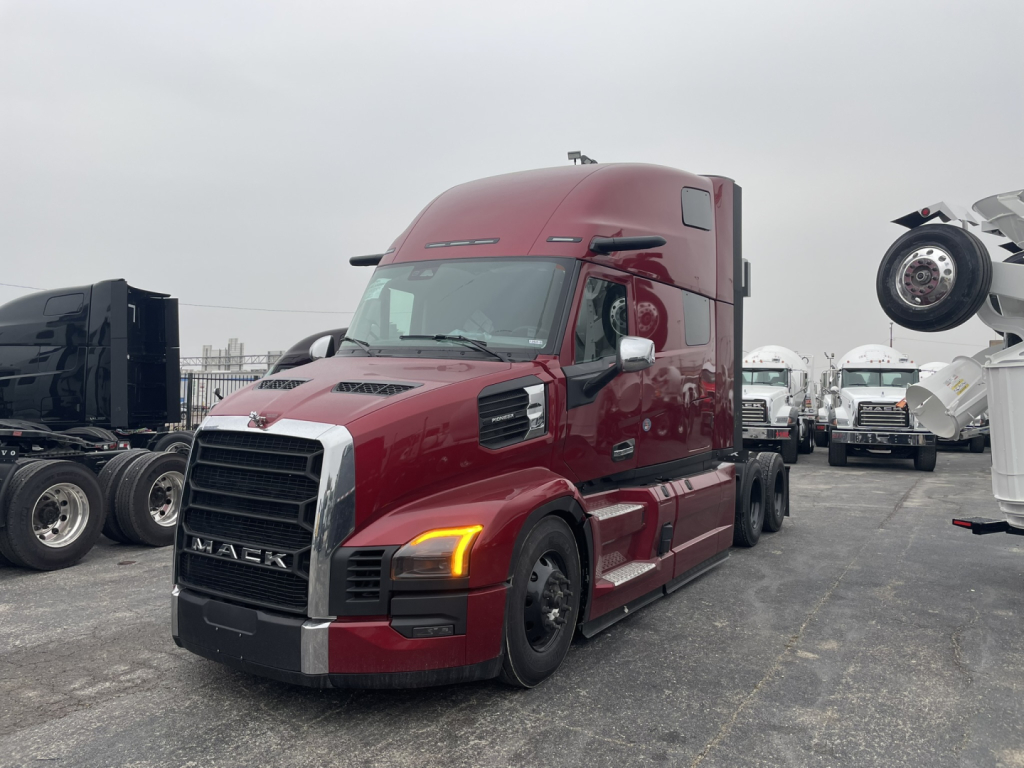
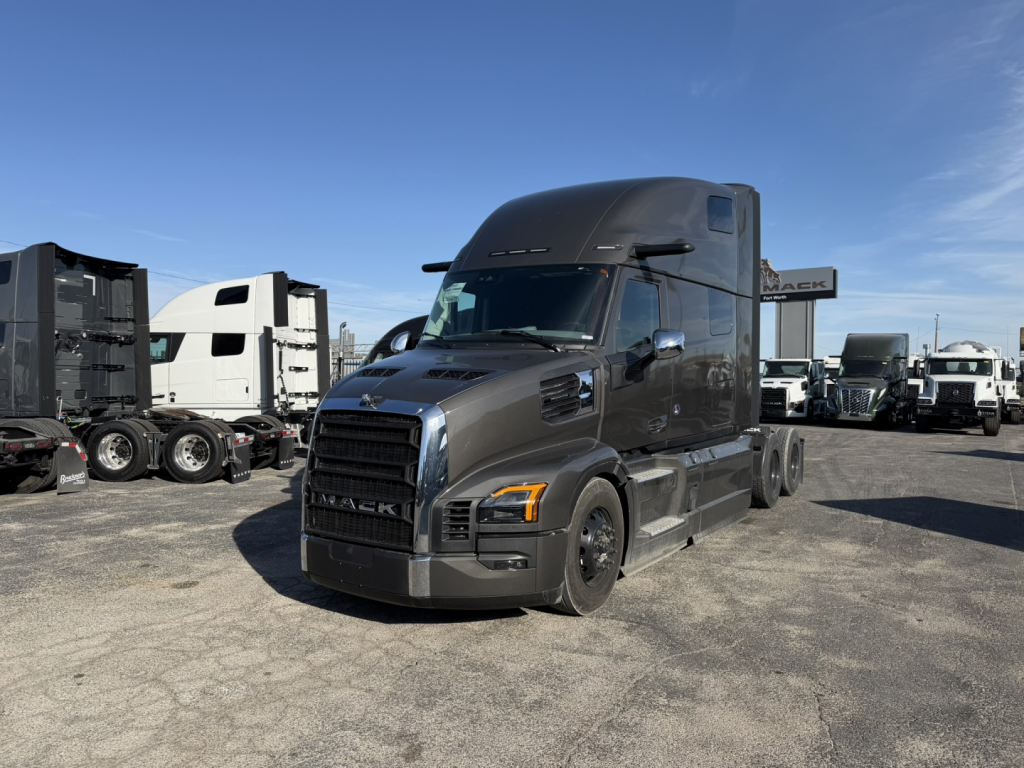
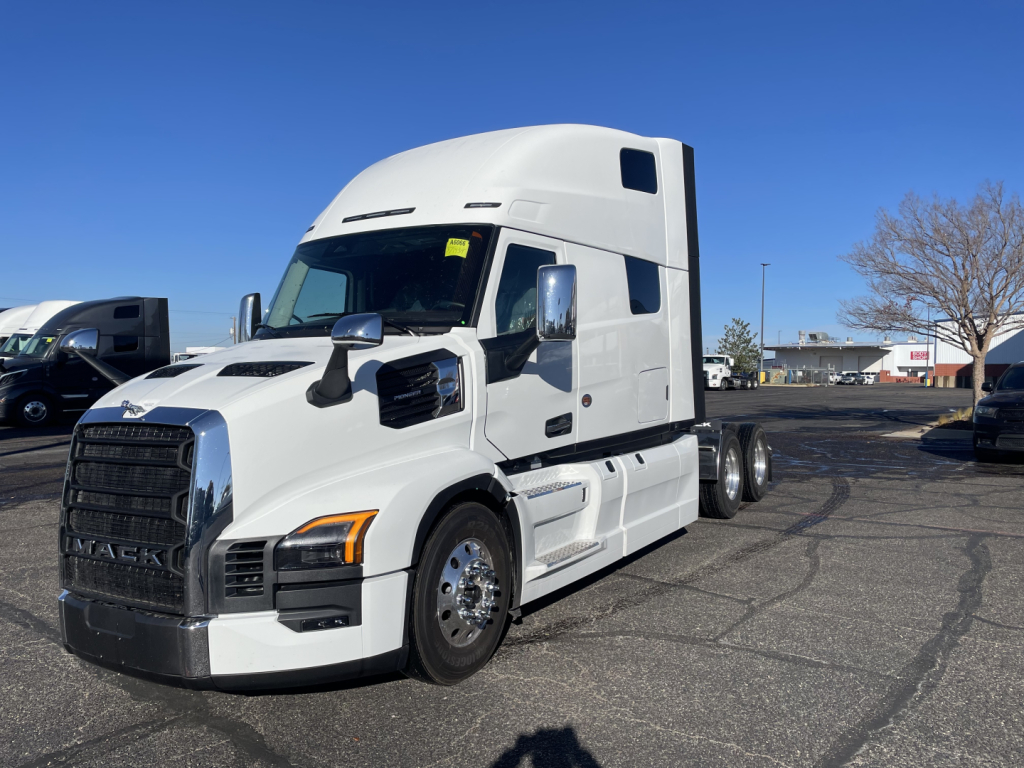
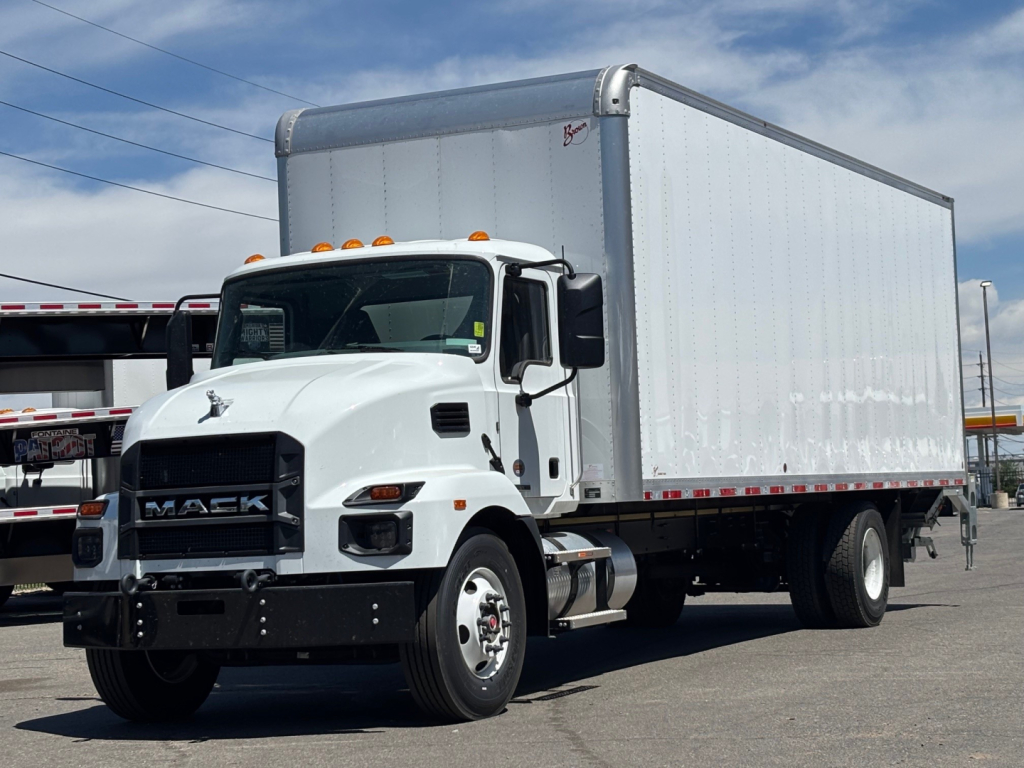
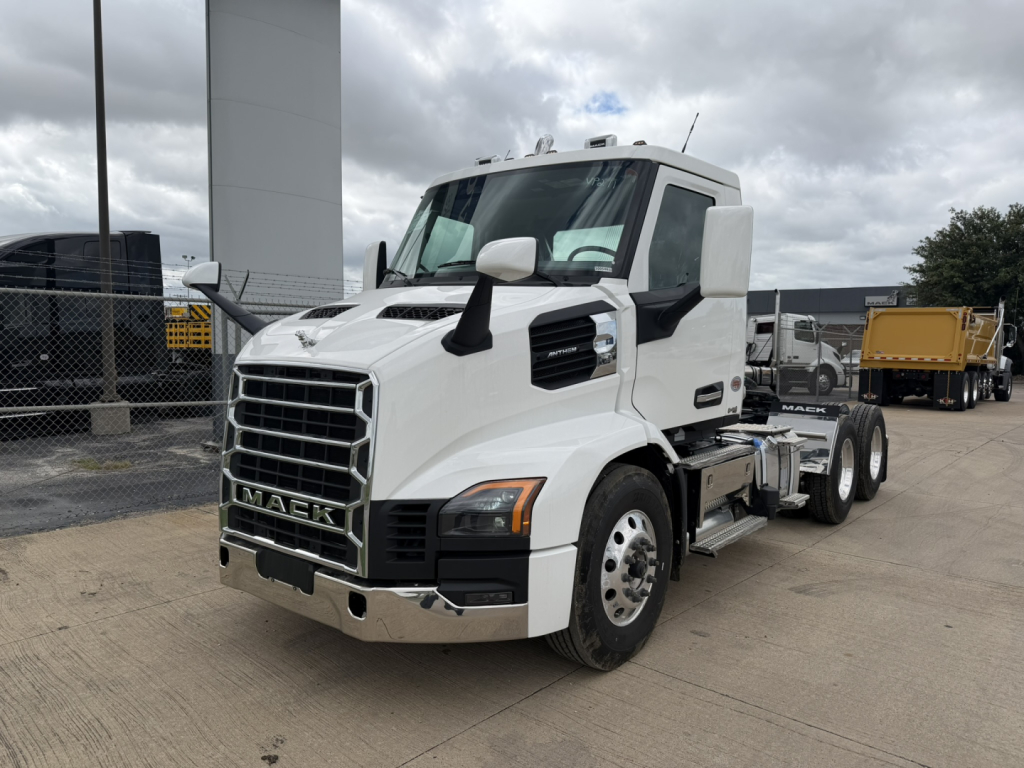
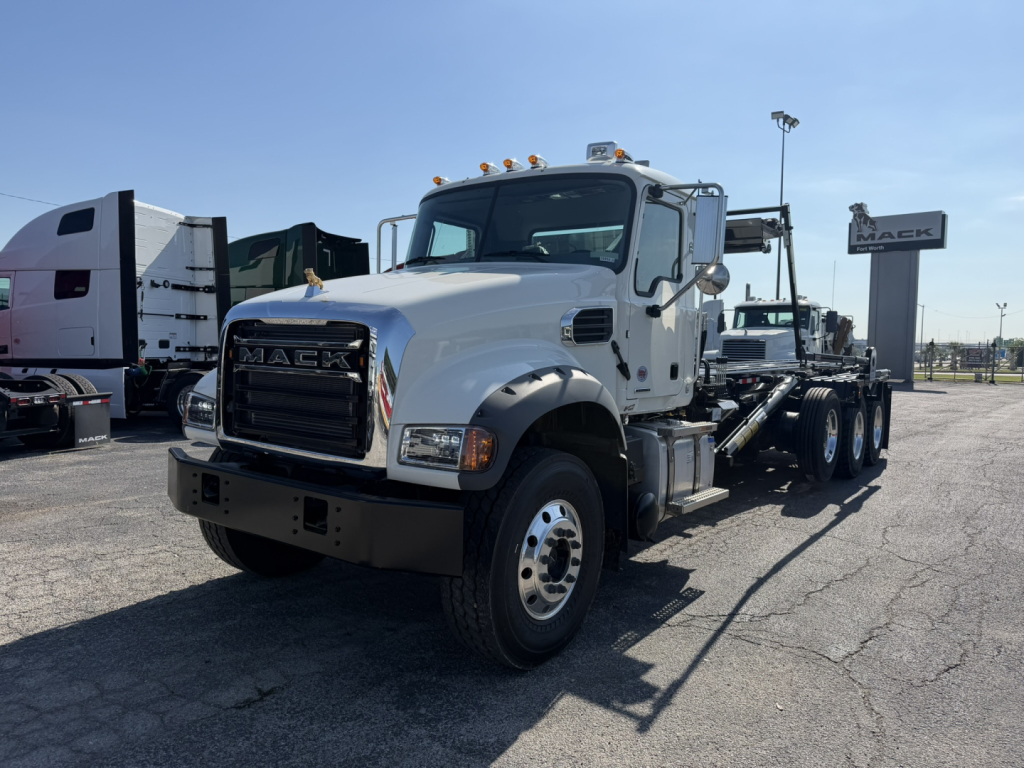
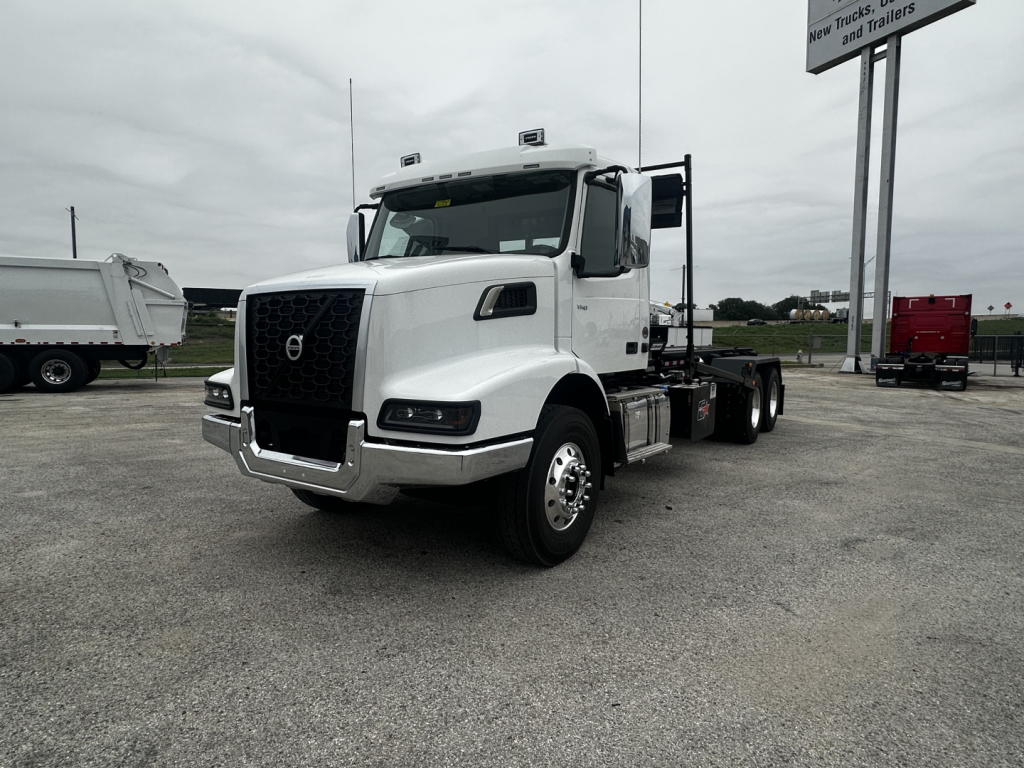
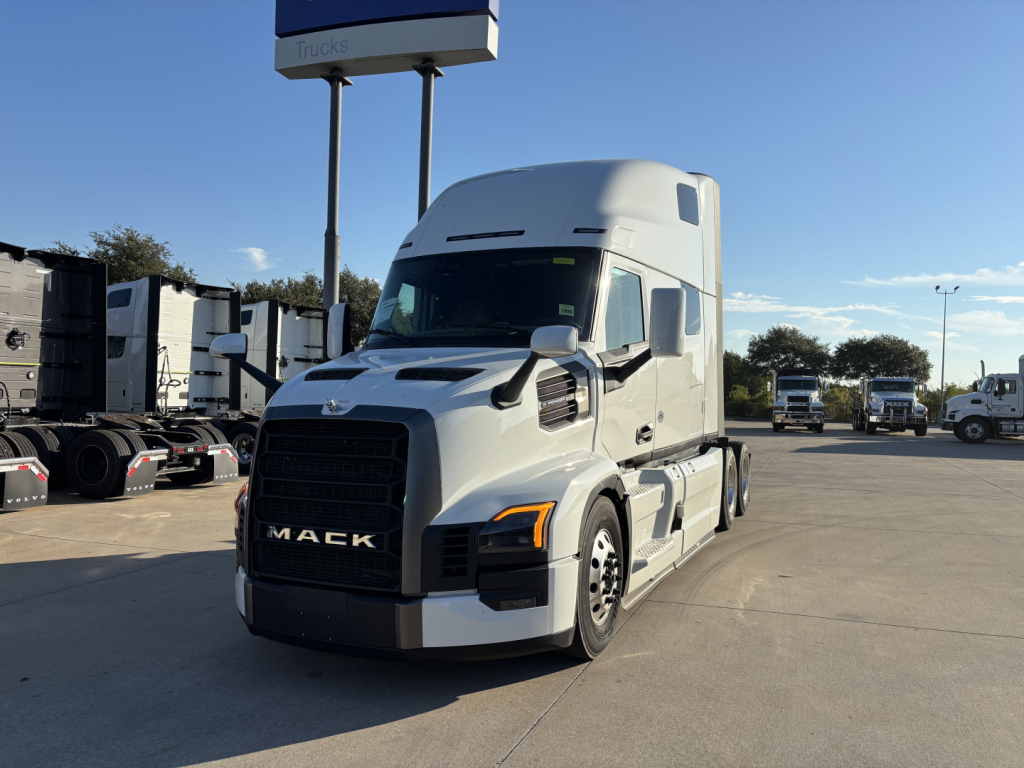
Showing 1 to 28 of 88 results
Selling a 2026 commercial truck? List your 2026 commercial truck for sale and reach thousands of commercial buyers.
2026 Commercial Trucks in Texas
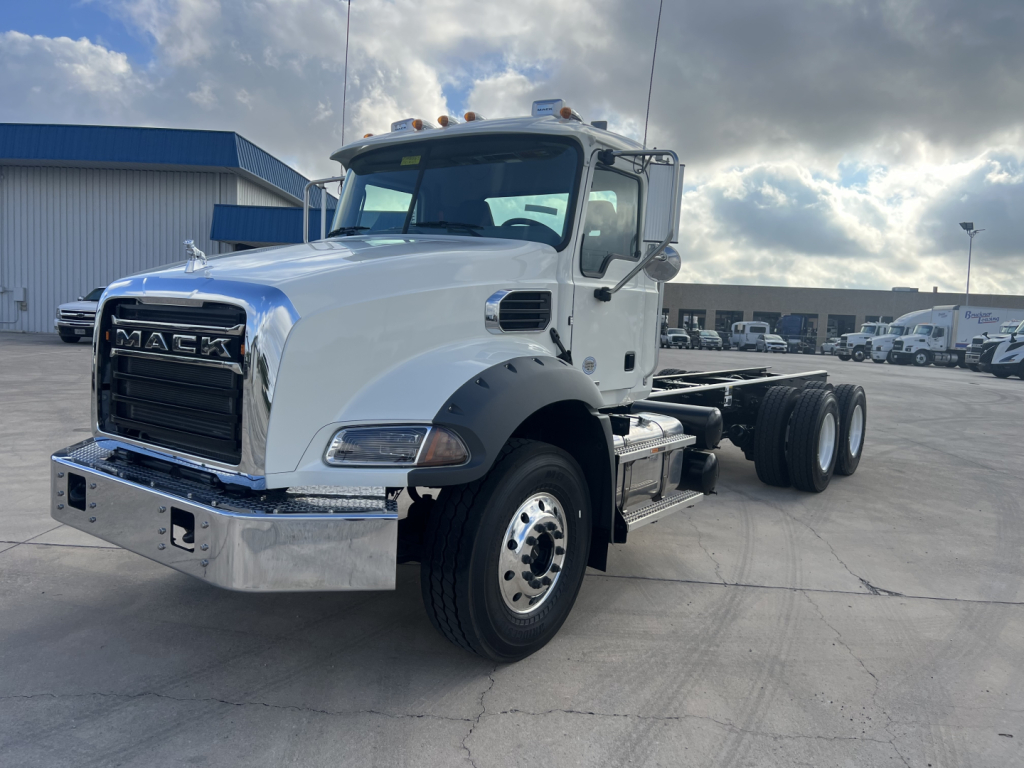
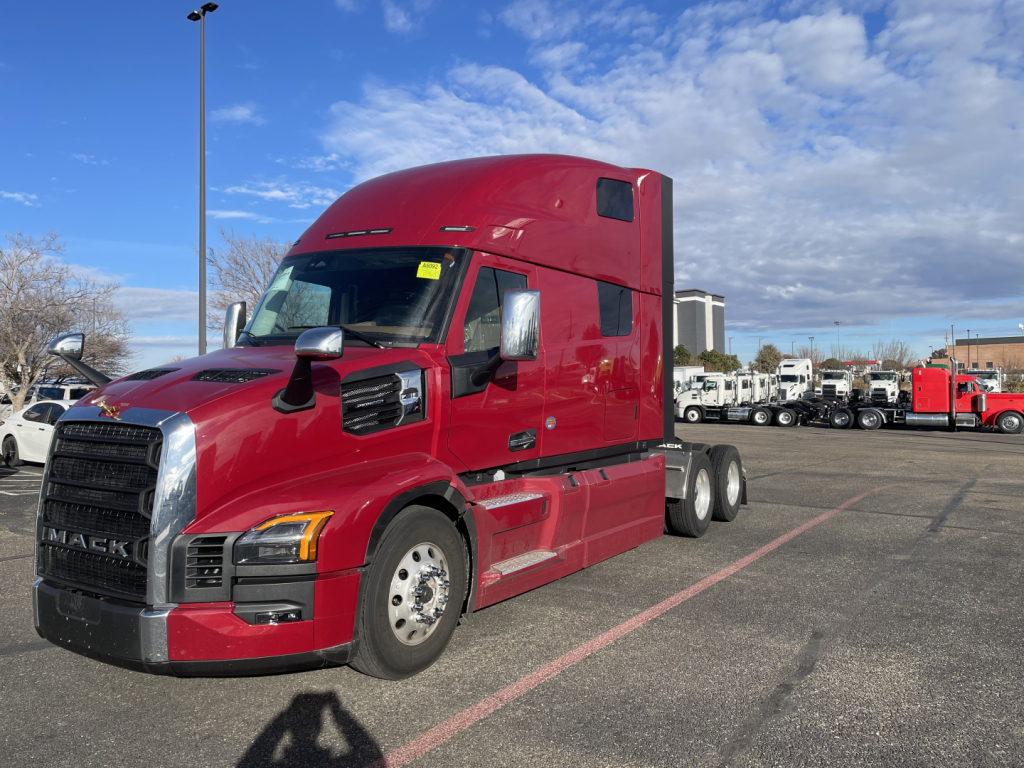
In the heavy-duty segment, 2026 model year trucks commonly feature diesel engines in the 400 to 500 horsepower range, automated manual or automatic transmissions, and wheelbase options matched to fifth wheel placement or body length. Day cabs remain a strong fit for Texas regional operations where payload, maneuverability, and lower curb weight are priorities. Buyers comparing road tractors should pay close attention to rear axle ratio, suspension type, brake package, fuel capacity, and driver-assist technology such as collision mitigation and adaptive cruise. For vocational trucks, locking differentials, double-frame sections, high-capacity front axles, and PTO-ready transmission specs often matter more than sleeper amenities.
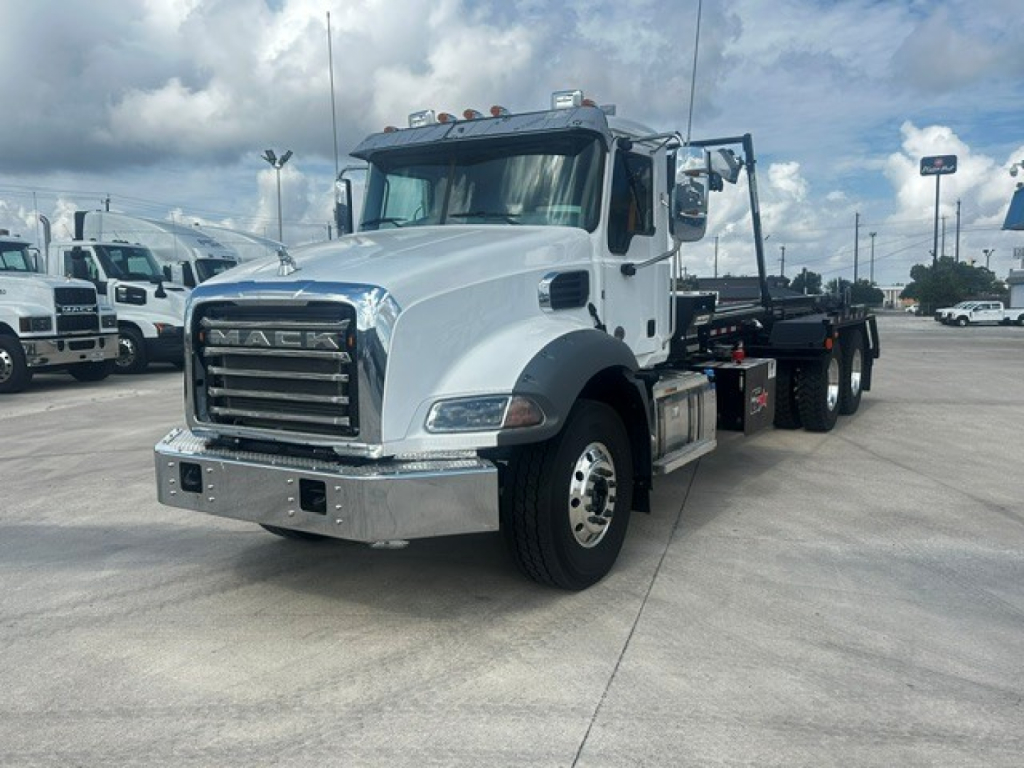
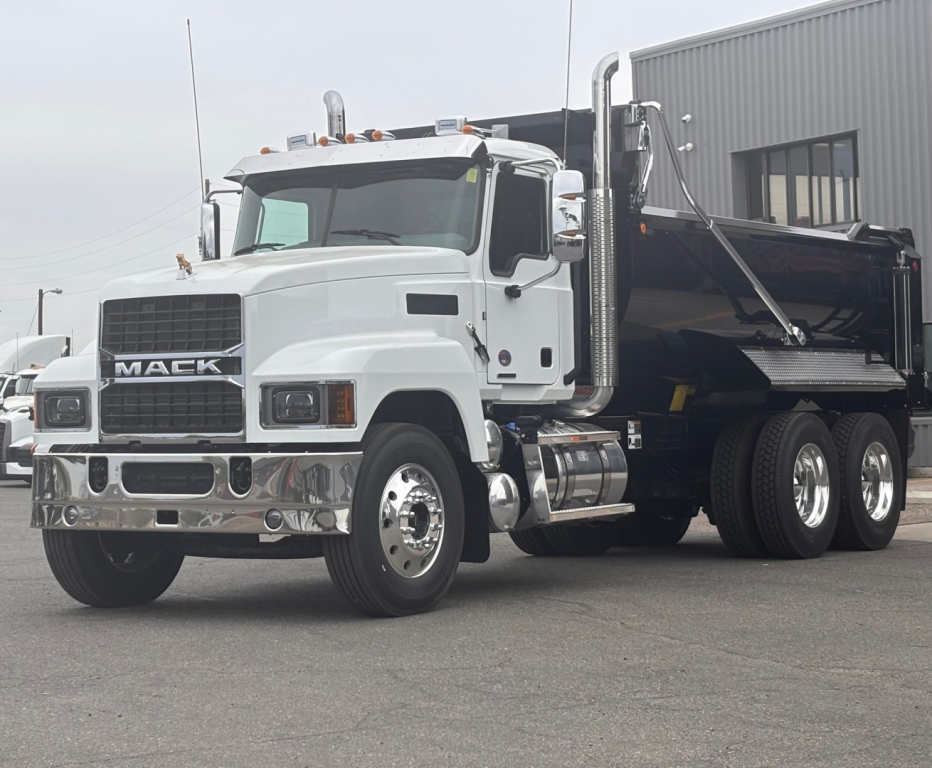
Medium-duty and vocational 2026 trucks are often configured for flatbed work, refuse, roll-off, grapple service, landscaping, utility work, and municipal fleets. These trucks may use diesel or gas power depending on GVWR, route density, and maintenance preference. Key spec points include cab-to-axle measurement, body and hoist compatibility, hydraulic setup, turning radius, and legal weight capacity on Texas roads. A flatbed truck may prioritize deck length and tie-down flexibility, while a roll-off truck needs the correct hoist rating, hook height, and frame reinforcement for container work. Grapple and refuse applications put added importance on stability, axle spacing, and hydraulic performance.
Texas buyers also tend to evaluate cooling performance, interior durability, and service access because trucks here often run long hours in heat, traffic, dust, and mixed on-road and jobsite conditions. Newer 2026 trucks may include disc brakes, advanced telematics, idle reduction features, and improved visibility packages that help with uptime and fleet management. The best approach is to match the truck's GVWR, GCWR, wheelbase, engine rating, and vocational equipment setup to the actual work it will do every day. A good spec on paper is not enough if the frame, axle, or hydraulic package is wrong for the body or route.
Frequently Asked Questions about 2026 Commercial Trucks in Texas
What types of 2026 trucks are commonly available in Texas?
2026 trucks in Texas typically include heavy-duty highway tractors, conventional day cabs, medium-duty flatbeds, roll-off trucks, grapple trucks, refuse trucks, and other vocational chassis. The mix reflects Texas demand across freight, construction, oilfield support, municipal service, agriculture, and local delivery. Buyers should sort by application first because the right category determines the correct axle ratings, frame spec, transmission, and body setup.
What specs matter most when buying a 2026 vocational truck?
The most important specs are usually GVWR, front and rear axle ratings, frame reinforcement, wheelbase, cab-to-axle dimension, PTO provision, and body compatibility. Vocational buyers also need to confirm suspension type, differential locks, hydraulic capacity, and turning radius. A truck can have plenty of horsepower and still be a poor fit if the frame, axle spacing, or hydraulic package does not match the intended body or job cycle.
Is a day cab or sleeper better for Texas operations?
A day cab is often the better choice for regional haul, local dedicated work, port service, and vocational applications where lower weight, tighter maneuverability, and easier access matter. A sleeper makes more sense for long-haul operations with overnight routes and driver retention priorities. In Texas, many fleets favor day cabs for high-frequency regional lanes because they reduce empty weight and simplify the spec for shorter runs.
Are automated manual transmissions common in 2026 trucks?
Yes. Automated manual transmissions are common in 2026 heavy-duty trucks because they support fuel efficiency, driver consistency, and easier training across a fleet. They are especially popular in highway and regional applications, but many vocational specs also use them successfully when matched to the right PTO and low-speed operating requirements. Buyers should still confirm gearing, launch performance, and compatibility with the truck's intended body or trailer use.
How should Texas buyers evaluate a 2026 truck for local conditions?
Texas buyers should look closely at cooling system capacity, air conditioning performance, brake package, dust and debris exposure points, fuel range, and service network support. High ambient temperatures, urban traffic, long regional lanes, and jobsite use can all stress a truck differently than a standard highway profile. The best fit is usually the truck that balances uptime, legal payload, and durability under the actual route, terrain, and climate conditions it will face.