
2026 Dump Trucks For Sale in Texas
Shop 2026 dump trucks for sale in Texas. Compare axle setups, body specs, PTO hydraulics, engine ratings, and vocational truck options.
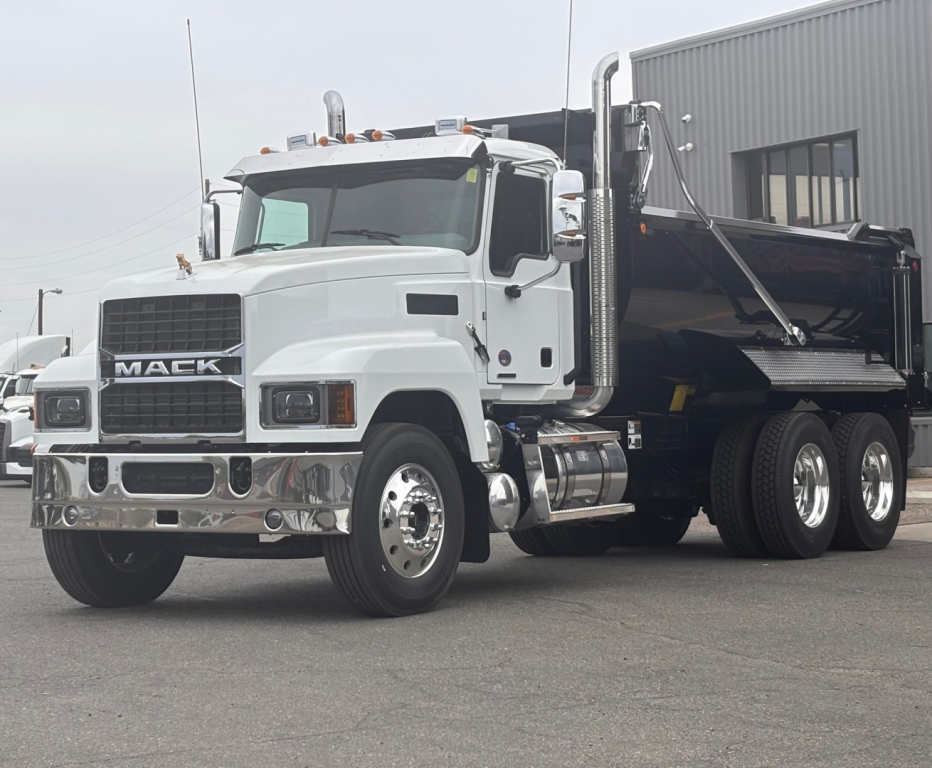
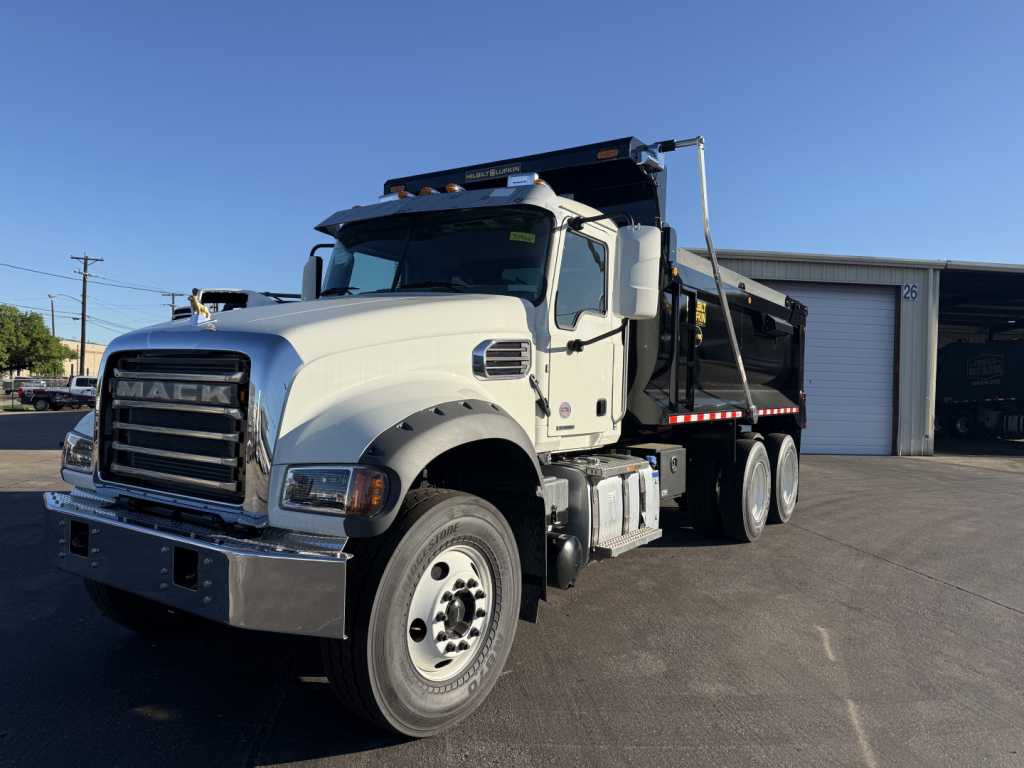
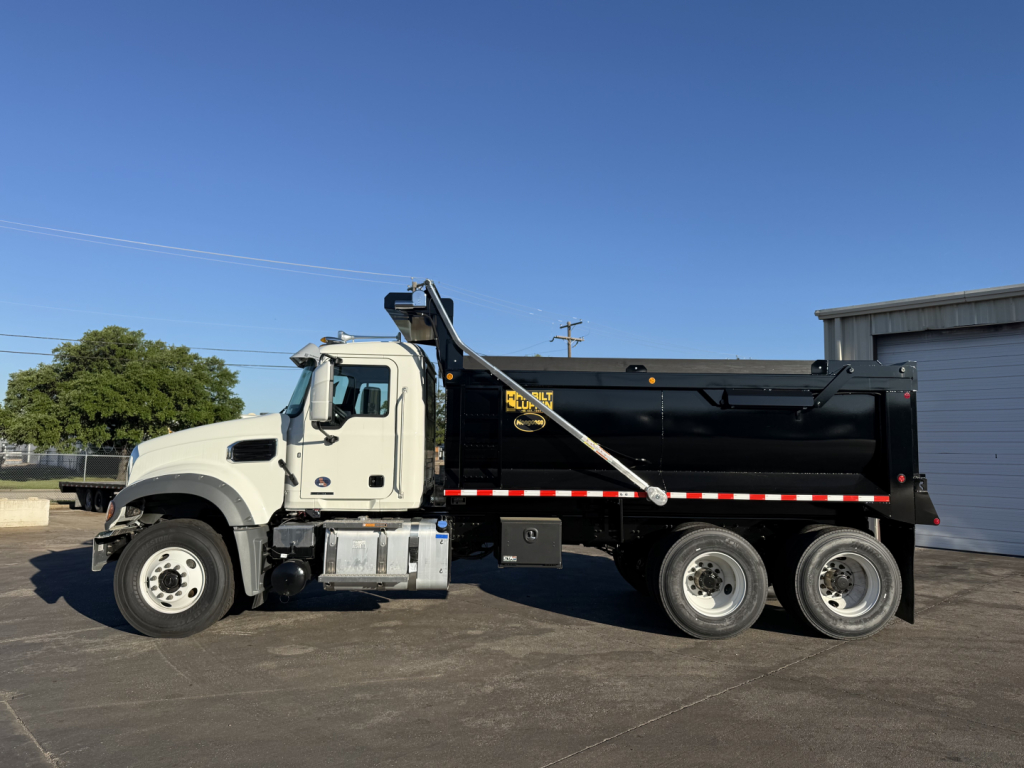
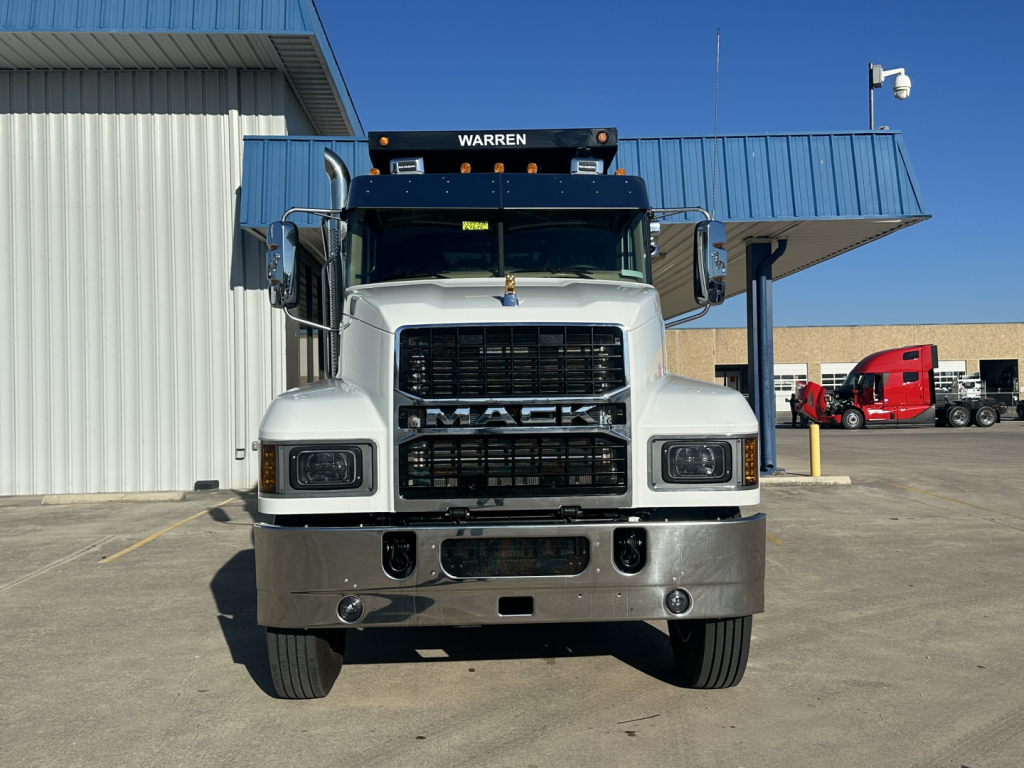
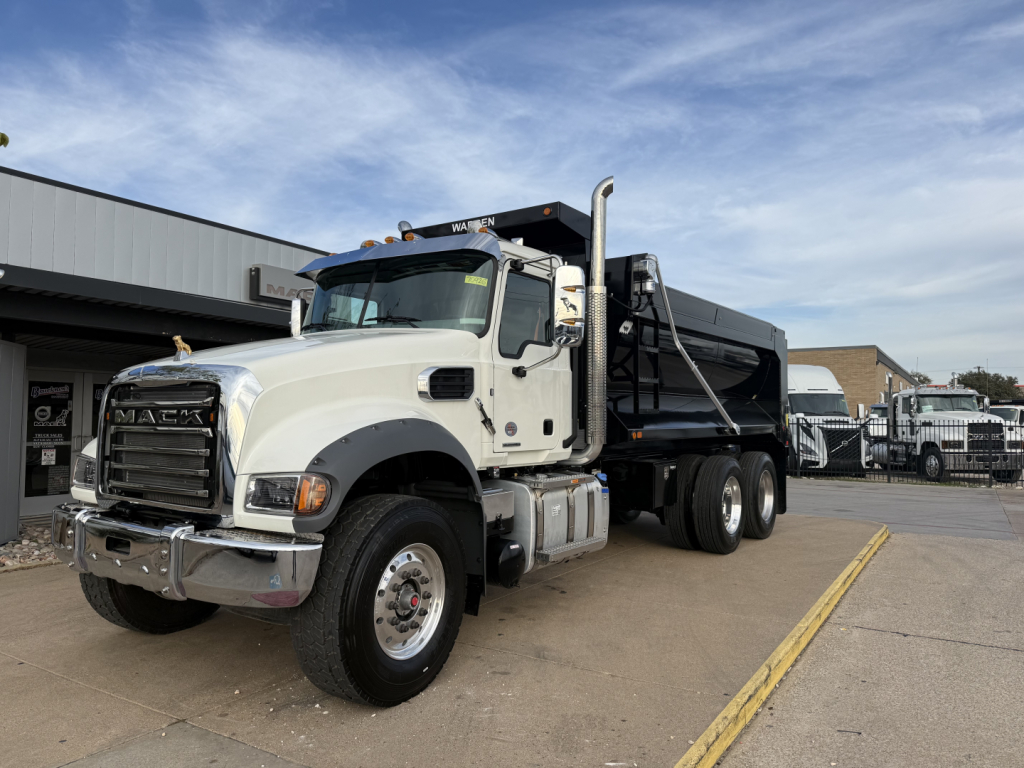
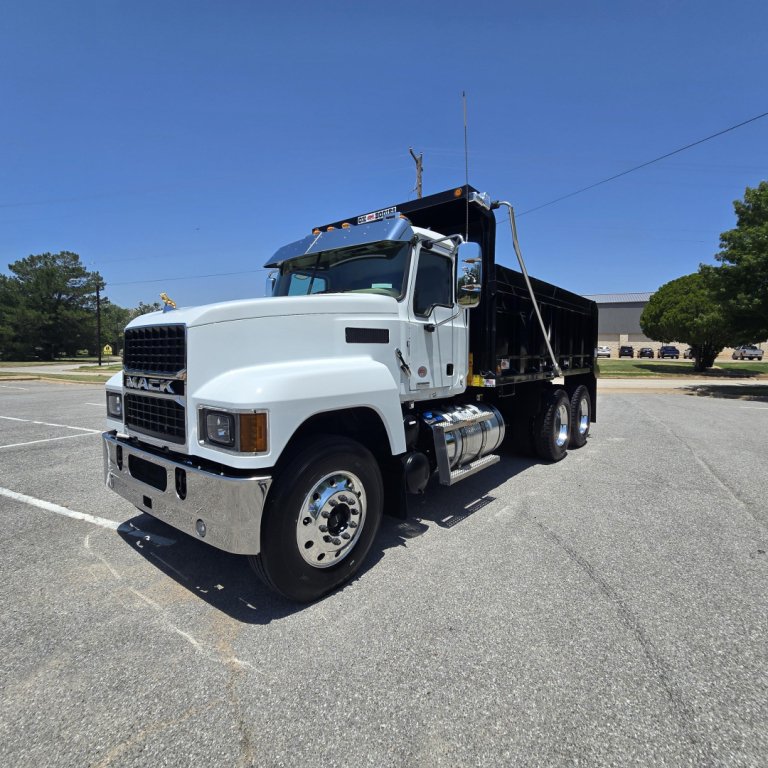
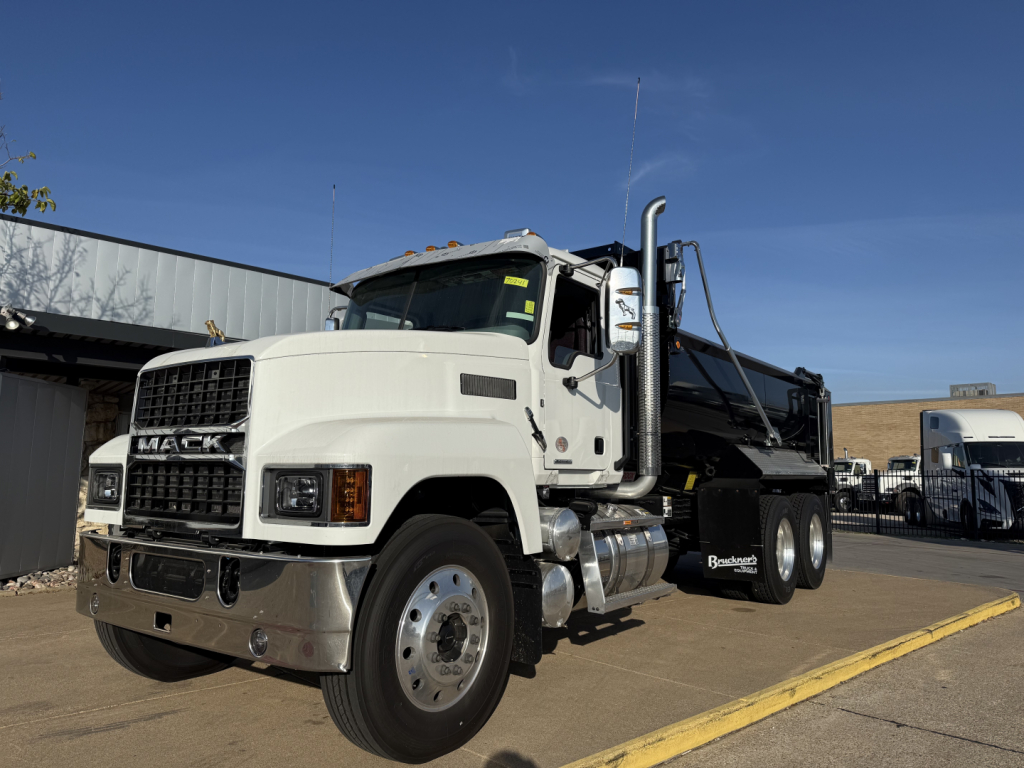
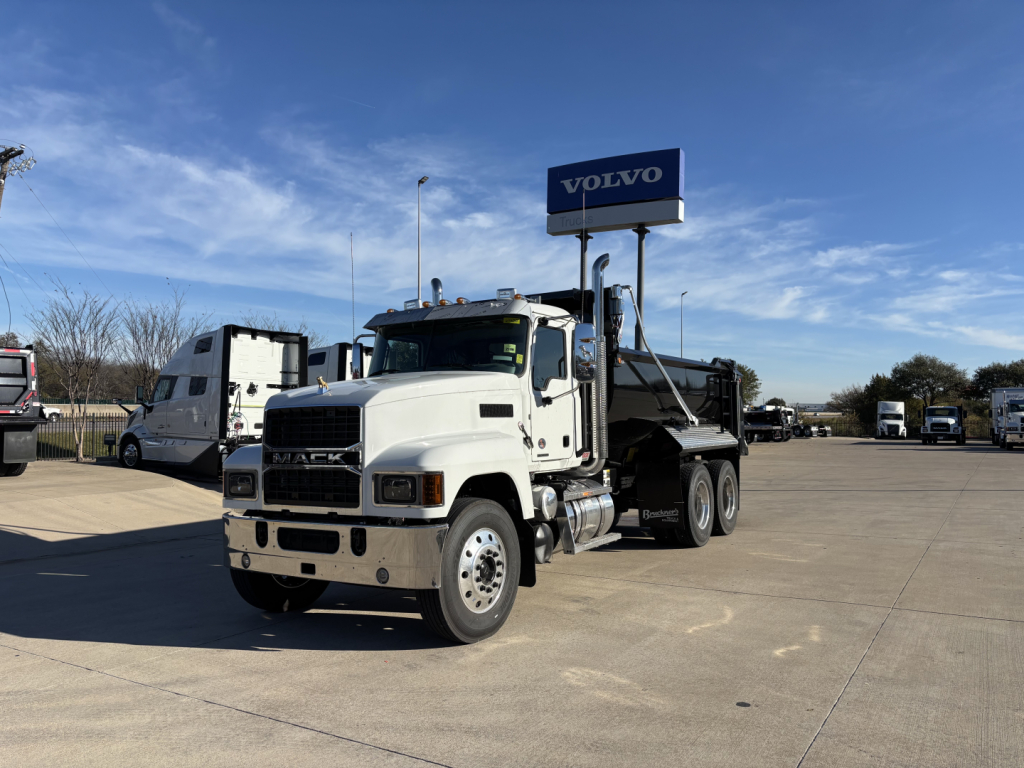
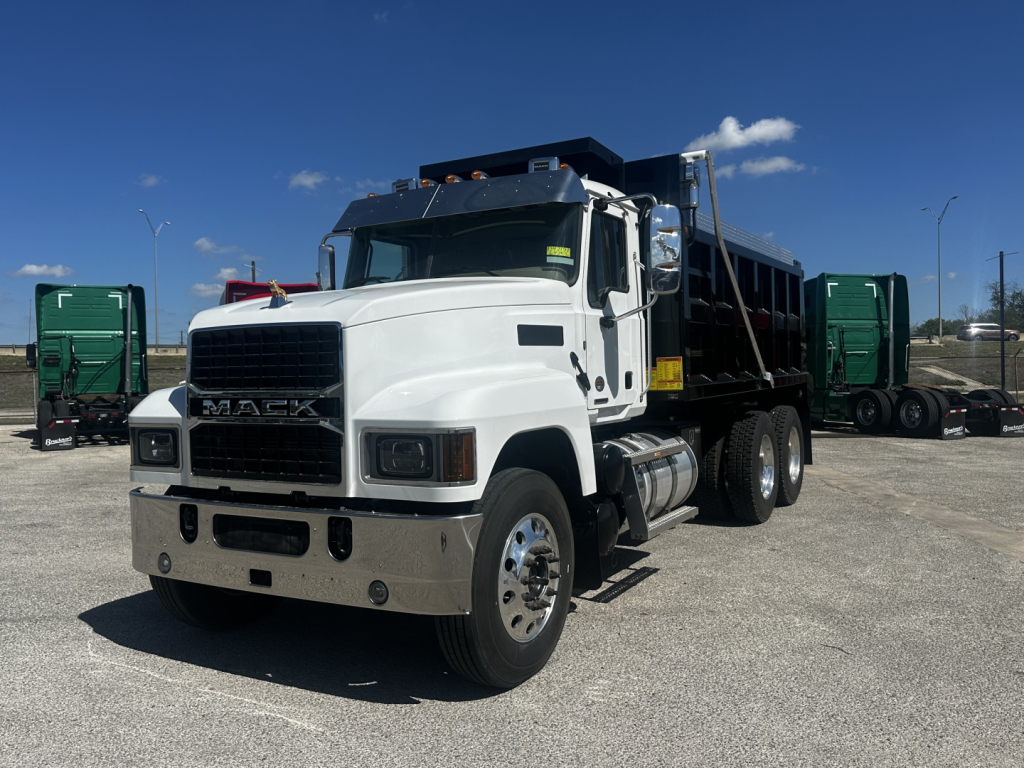
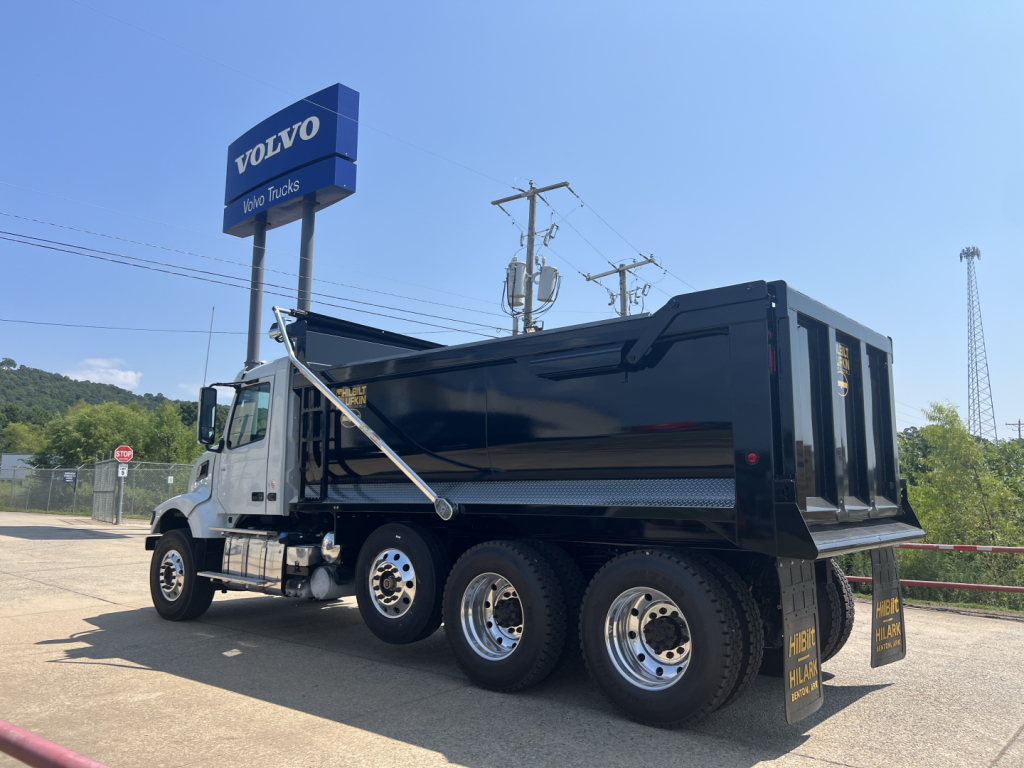
Selling a 2026 dump truck? List your 2026 dump truck for sale and reach thousands of commercial buyers.
2026 Dump Trucks in Texas
Powertrain choices on late-model dump trucks usually center on durability and low-speed performance. Buyers should pay close attention to horsepower and torque curves, transmission type, rear suspension, axle ratings, and axle ratio. Automatic and automated transmissions are common in dump applications because they reduce driver fatigue and help in stop-and-go work, but some fleets still prefer manual gearboxes for driver control in severe-duty use. Heavy vocational specs often include 18,000 to 20,000 lb steer axles, 40,000 to 46,000 lb rears, locking differentials, severe-service suspensions, and engines in the 400 to 500-plus horsepower range. Wheelbase, bumper setting, and cab-to-axle dimension also matter because they determine what body length the truck can carry and how well it balances payload across the axles.
The dump body deserves as much attention as the chassis. Common body lengths range from about 16 to 18 feet on heavier tandem and tri-axle trucks, with steel bodies favored for abrasive material and hard use. Body side height, floor thickness, tailgate style, liner packages, and hoist design all affect service life and unloading performance. Contractors hauling riprap, broken concrete, or demolition debris usually want heavier floors and reinforced sides. Operations handling sand, gravel, or hot mix may focus more on body shape, clean release, and tarp systems. It is also worth checking PTO and hydraulic setup, frame reinforcement, pintle or hitch provisions, and whether the truck has a factory or aftermarket pusher axle if Texas weight distribution is part of the work profile.
A smart buyer in this category looks past model year alone and evaluates how the truck was spec'd for vocational duty. Frame rating, suspension type, brake configuration, tire size, and body manufacturer can make a bigger difference than brand preference by themselves. Texas fleets also tend to value cooling capacity, reliable air conditioning, and tough interior trim because these trucks spend long days in heat, dust, and repeated entry-exit cycles. The best 2026 dump truck for sale is the one that fits the route, material, legal weight target, and loader setup without overbuying capacity that never gets used.
Frequently Asked Questions about 2026 Dump Trucks in Texas
What axle configuration is best for a dump truck in Texas?
The best axle configuration depends on payload goals, local weight limits, and where the truck will operate. Tandem-axle dump trucks are a practical fit for many construction and material-hauling jobs because they balance capacity, maneuverability, and lower operating cost. Tri-axle dump trucks, often with a lift or pusher axle, are better suited for heavier payloads where bridge law compliance and axle distribution matter. Buyers should match the axle layout to the material, route length, and jobsite access rather than assume more axles always mean a better truck.
What specs matter most when buying a 2026 dump truck?
The most important dump truck specs are axle ratings, suspension, engine horsepower and torque, transmission, axle ratio, wheelbase, and dump body construction. Body length, floor thickness, side height, hoist type, and tailgate design directly affect how the truck performs with specific materials. PTO and hydraulic setup are also critical because they determine dump cycle reliability. A truck with the right vocational spec will usually outperform a higher-horsepower truck that was not configured correctly for dump service.
Are automatic transmissions good for dump trucks?
Automatic and automated transmissions are widely used in dump truck service and are a strong choice for many fleets. They help reduce driver fatigue in stop-and-go hauling, can improve consistency among operators, and are well suited to urban construction routes and repeated loading cycles. Manual transmissions still have a place in severe-duty work where drivers want maximum control in rough terrain or specialized applications. The right choice depends on driver skill, terrain, maintenance preference, and duty cycle.
What type of dump body is best for aggregate or demolition work?
For aggregate, gravel, and general construction material, a steel dump body is the standard choice because it handles abrasion and repeated loading well. For demolition or riprap, buyers typically want heavier floor thickness, reinforced sidewalls, and a robust hoist because impact loading is more severe. Tailgate style and body shape also matter, especially when clean discharge is important. The body should be selected based on material density and loading method, not just body length.
How important is suspension choice on a dump truck?
Suspension choice is a major factor because it affects durability, ride quality, articulation, and how the truck handles off-road or uneven jobsites. Camelback and other severe-service mechanical suspensions are known for toughness in hard vocational use. Parabolic and air-ride vocational suspensions can offer different ride and handling advantages depending on the application. Buyers should consider terrain, payload consistency, expected abuse level, and maintenance priorities before choosing a suspension spec.