
2026 Cab and Chassis Trucks For Sale in Texas
Shop 2026 cab and chassis trucks in Texas. Compare wheelbases, GVWR, axle setups, powertrains, and upfit-ready specs for vocational work.
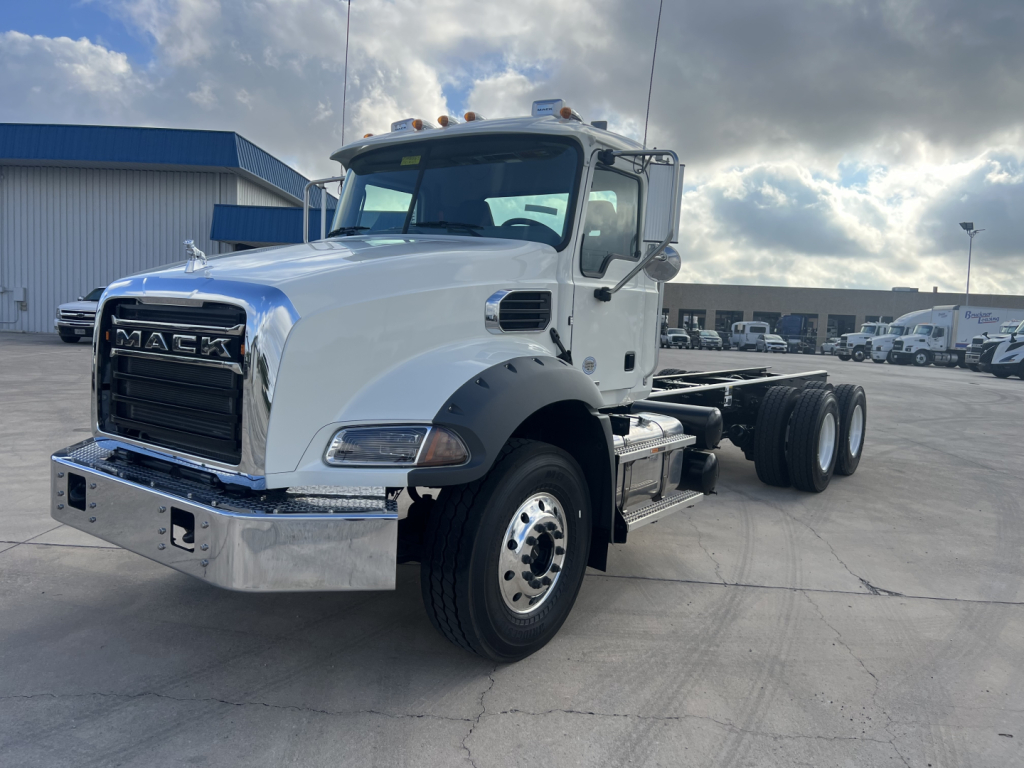
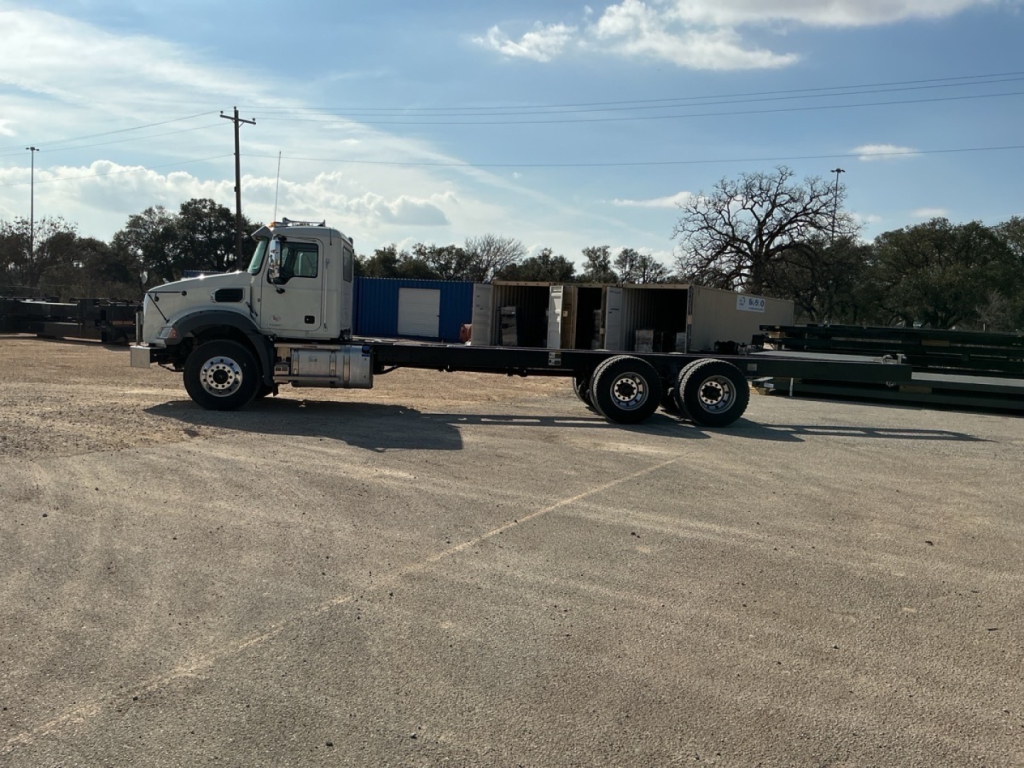
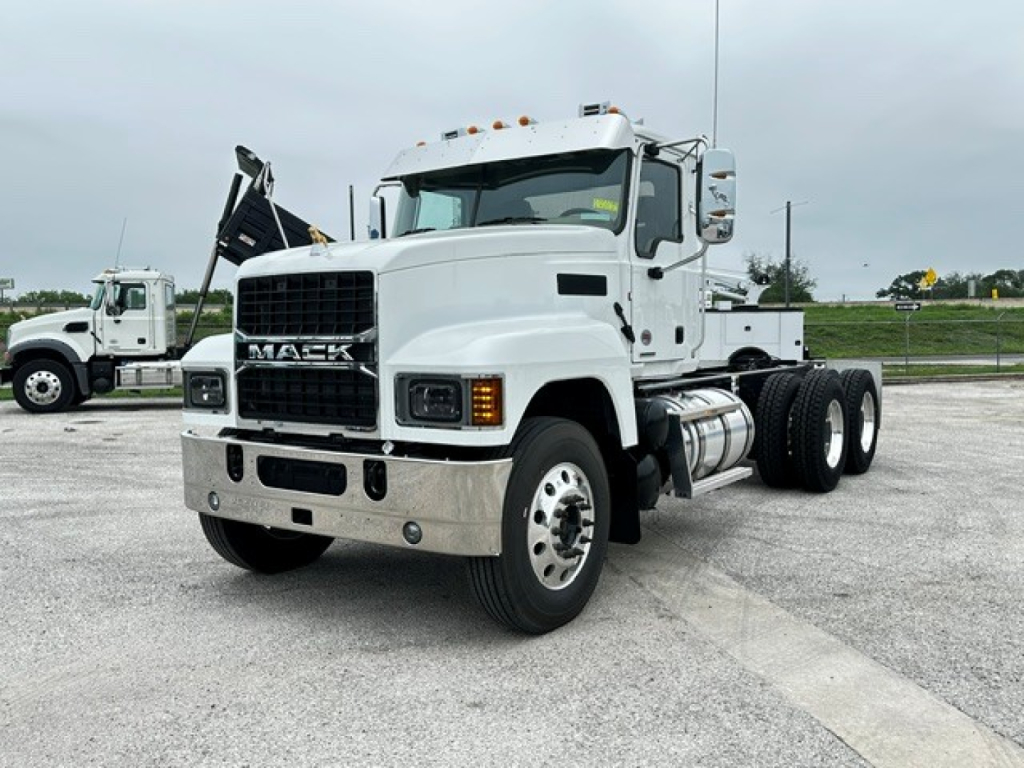
Selling a 2026 cab and chassis truck? List your 2026 cab and chassis truck for sale and reach thousands of commercial buyers.
2026 Cab and Chassis Trucks in Texas
For most buyers, the key specs are GVWR, front and rear axle ratings, frame strength, suspension type, and cab-to-axle measurement. A typical Class 7 or Class 8 cab and chassis in this segment may run tandem rears, heavy front axles, and vocational suspensions like Camelback or other severe-service setups. Engines often fall in the mid-300 to mid-400 horsepower range, with torque matched to payload, terrain, and PTO demand. Transmission choice is equally important. Allison automatics are common for stop-and-go municipal, utility, and construction work, while automated manuals are often selected for fuel efficiency and highway travel between jobs. If the truck will carry a crane, compressor, pump, or other hydraulic equipment, confirm PTO openings, pump capacity, and any idle management or power take-off programming before the body goes on.
Texas buyers usually need to think beyond raw capacity. Jobsite work around Houston, Dallas-Fort Worth, San Antonio, Austin, the Permian Basin, and South Texas can mean soft ground, heat, traffic, and long distances between service points. That puts extra value on locking differentials, brake type, cooling performance, fuel capacity, and durability items like double-frame sections, liner packages, and severe-duty electrical provisions. Wheelbase is another major filter. A shorter chassis improves maneuverability in urban delivery or utility work, while a longer wheelbase gives more flexibility for larger bodies, cranes, or material handling applications. If bridge formula, local axle laws, or turning radius are concerns, those should be checked before settling on a spec.
A strong 2026 cab and chassis truck should be judged by how well it fits the final application, not just by badge or model name. Buyers comparing listings should look closely at axle spread, suspension capacity, brake configuration, engine rating, transmission model, and any factory body-builder support. Factory options such as collision mitigation, adaptive cruise control, upgraded interiors, and telematics can add value, but the core question is still the same: will the chassis support the body, payload, and duty cycle without compromise. When the spec is right, a cab and chassis truck becomes one of the most versatile and profitable pieces of equipment in a vocational fleet.
Frequently Asked Questions about 2026 Cab and Chassis Trucks in Texas
What is a cab and chassis truck used for?
A cab and chassis truck is used as a base platform for vocational upfits. Common applications include dump trucks, mechanic and service trucks, flatbeds, rollback wreckers, box trucks, utility trucks, tank trucks, and crane bodies. The truck is sold with the cab, frame, drivetrain, and running gear, allowing the buyer to install a body that matches the job.
What specs matter most when buying a 2026 cab and chassis truck?
The most important specs are GVWR, front and rear axle ratings, wheelbase, cab-to-axle dimension, frame section, suspension, engine torque, transmission type, and PTO capability. These determine what body can be installed, how much payload the truck can legally and safely carry, and how well it will perform in stop-and-go, off-road, or highway service.
How do I choose the right wheelbase for a cab and chassis truck?
Wheelbase should be selected around the body length, weight distribution, turning radius, and axle loading requirements. A wheelbase that is too short may not support the intended body or mounted equipment, while one that is too long can reduce maneuverability and create weight balance issues. Body-builder layout drawings are the best way to confirm fit before purchase.
Are automatic or automated manual transmissions better for cab and chassis trucks?
It depends on the application. Fully automatic transmissions, especially Allison models, are popular for construction, municipal, refuse, and utility work because they perform well in constant stop-and-go operation and are easy for multiple drivers to use. Automated manuals are often chosen when fuel economy, highway time, and higher-speed operation matter more. PTO requirements should also be checked because not every transmission is configured the same for hydraulic equipment.
What should Texas buyers look for in a vocational chassis?
Texas buyers should pay close attention to cooling capacity, traction aids, fuel range, and suspension durability. Long travel distances, high ambient temperatures, congested metro routes, and rough lease roads can all influence the right spec. Differential locks, heavy-duty brakes, proper axle ratings, and enough fuel capacity for the route are often more important than cosmetic options on a truck that will work every day.