
2026 Mack Cab and Chassis Trucks For Sale in Texas
Shop 2026 Mack cab and chassis trucks built for dump, tank, utility, and vocational upfits with Granite and Pinnacle-ready specs.
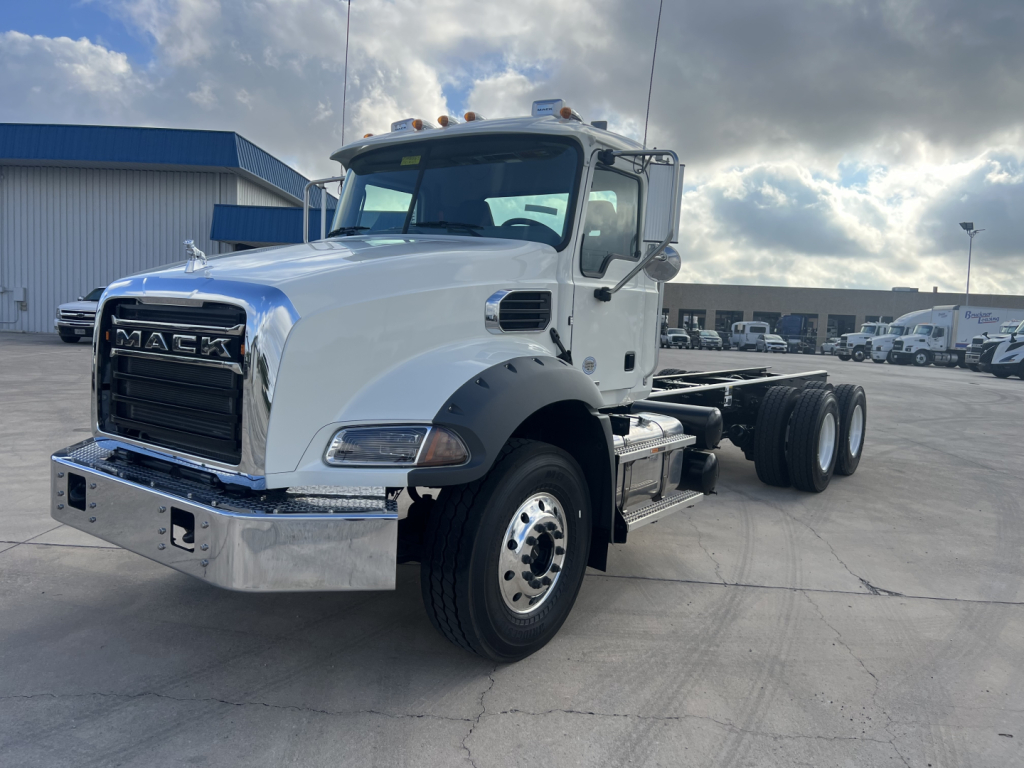
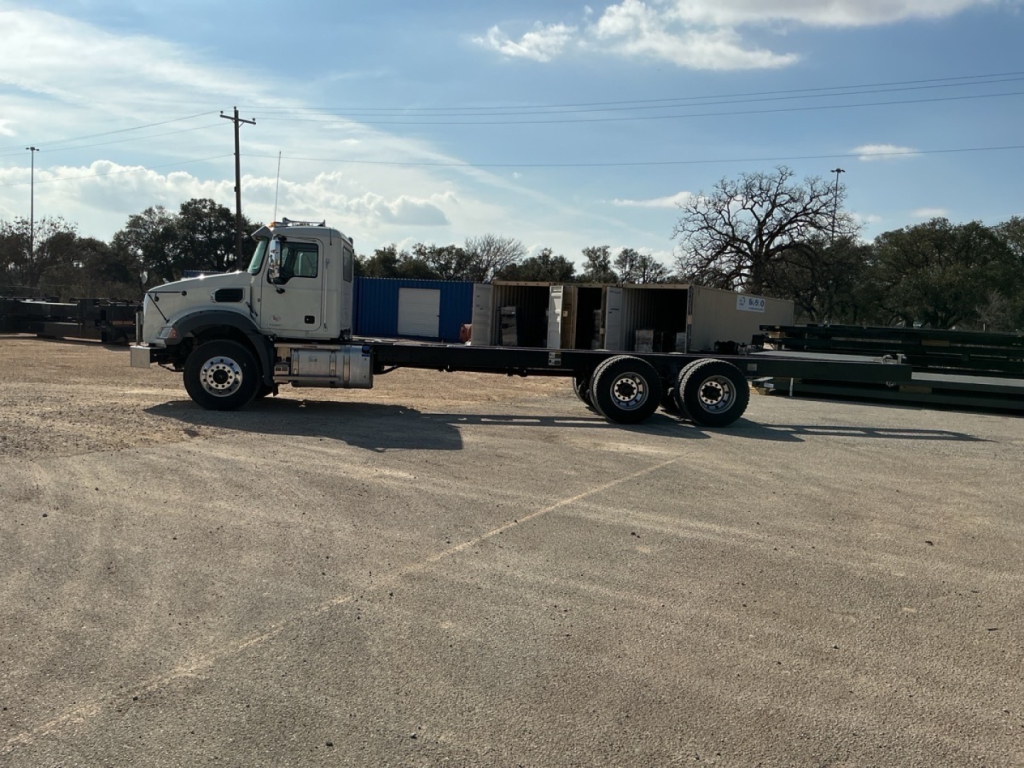
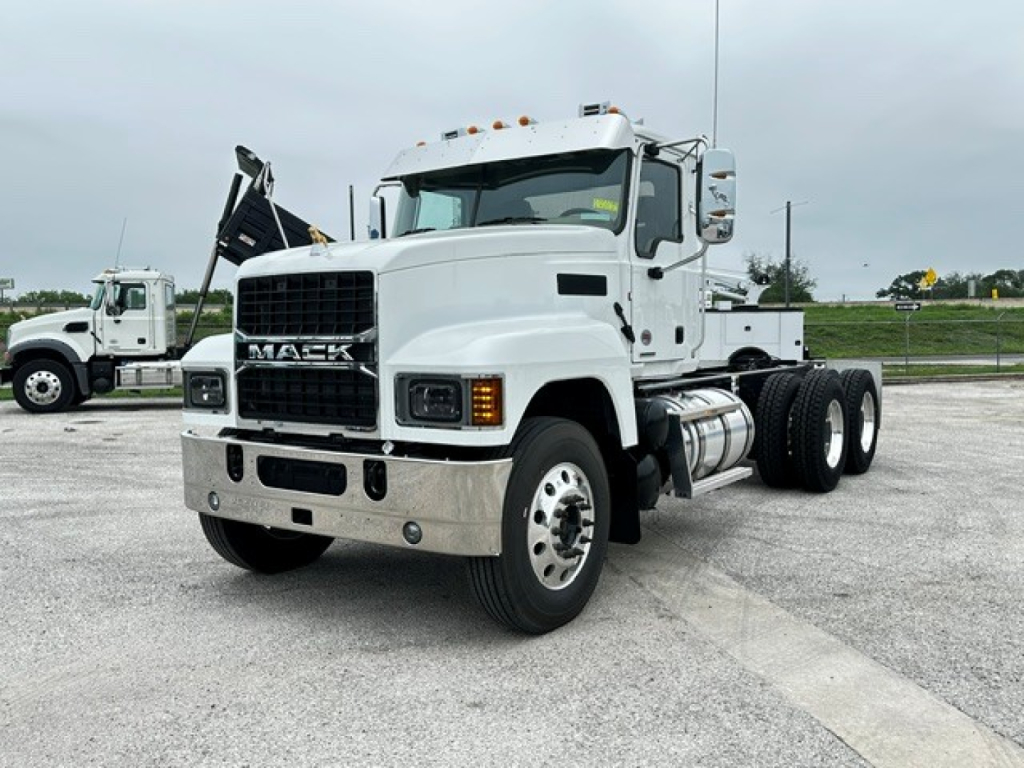
Selling a 2026 mack cab and chassis truck? List your 2026 mack cab and chassis truck for sale and reach thousands of commercial buyers.
2026 Mack Cab and Chassis Trucks in Texas
For Texas buyers, engine and transmission selection usually comes down to duty cycle and terrain. Mack MP7 and MP8 diesel engines are common in this category, typically in horsepower ranges suited for stop-and-go vocational work, loaded jobsite travel, and PTO-driven applications. Buyers comparing automatic and automated manual setups will often see Allison automatics for smoother low-speed operation and body equipment work, while Mack mDRIVE transmissions appeal to fleets looking for fuel efficiency, grade logic, and durable vocational programming. If the truck will spend time off-pavement or on soft sites, look closely at rear axle ratio, interwheel differential lock, and suspension design. Mack Camelback remains a popular choice where durability and load stability matter more than ride softness.
A Mack cab and chassis in this model year is commonly spec'd for severe-service work, so brake type, axle spread, and frame reinforcement deserve close attention. Full disc brakes can improve stopping feel and serviceability in many applications, while drum brake setups still remain common in heavier vocational use. Front axle capacities in the mid-14,000-lb range and tandem rears around 40,000 to 46,000 lbs are typical depending on the intended body and legal payload target. Buyers planning a dump or tanker upfit should confirm usable cab-to-axle measurement, exact wheelbase, fuel tank placement, exhaust routing, and any factory switches or body-builder interfaces. These details matter as much as horsepower once the truck goes to the body shop.
Mack Granite is one of the most recognized names in this segment, and it is often the benchmark for heavy vocational cab and chassis trucks. Some buyers also consider highway-derived Mack platforms when they need a chassis for less severe regional or municipal service. The right truck depends on the finished application, not just the badge on the hood. A well-matched 2026 Mack cab and chassis should give you enough front axle, enough frame, and enough transmission control for the body you plan to install, while still staying serviceable and legal once fully built.
Frequently Asked Questions about 2026 Mack Cab and Chassis Trucks in Texas
What is a cab and chassis truck used for?
A cab and chassis truck is an incomplete vehicle built to accept a vocational body or specialized equipment. Common uses include dump bodies, water tanks, fuel and lube bodies, hooklifts, roll-off systems, utility bodies, flatbeds, cranes, and municipal service equipment. The buyer is selecting the truck platform that will carry the final upfit, so frame length, cab-to-axle dimension, axle ratings, and PTO capability are critical.
Which Mack models are common in cab and chassis applications?
Mack Granite models are among the most common cab and chassis choices for severe-duty vocational work because they are designed around construction, municipal, and heavy hauling applications. Depending on the intended use, buyers may also consider other Mack platforms when they need a chassis for less aggressive duty cycles or more on-road operation. The best choice depends on body type, terrain, payload, and how much time the truck will spend on paved roads versus jobsites.
What specs matter most when buying a 2026 Mack cab and chassis?
The most important specs are wheelbase, cab-to-axle measurement, front and rear axle ratings, suspension type, engine output, transmission, PTO readiness, and rear axle ratio. Buyers should also verify frame rail dimensions, brake type, fuel tank location, differential locks, and body-builder provisions. These specifications directly affect what body can be installed, how the truck performs under load, and whether the finished unit meets legal weight and operational requirements.
Is Allison or Mack mDRIVE better for a vocational cab and chassis?
Neither is universally better because each suits a different operating profile. Allison automatic transmissions are often preferred for refuse, mixer, utility, and other stop-and-go jobs that require smooth low-speed response and frequent PTO-related work. Mack mDRIVE automated manuals are popular in dump, regional vocational, and severe-duty applications where buyers want strong efficiency, controlled shifting logic, and lower driver fatigue. The right transmission depends on route density, terrain, body equipment, and driver preference.
Why is suspension choice important on a Mack cab and chassis?
Suspension choice affects durability, traction, ride quality, and body stability. Mack Camelback suspension is widely respected in severe-service applications because it handles heavy loads and rough jobsites well, with a reputation for toughness and straightforward maintenance. Other suspension options may improve ride quality or suit more mixed on-road duty. The correct suspension should match the body type, center of gravity, road conditions, and expected payload.