
2026 Commercial Trucks For Sale in New Jersey
Browse 2026 trucks for sale in New Jersey, including highway, vocational, medium-duty, and cab chassis models with current spec considerations.
Selling a 2026 commercial truck? List your 2026 commercial truck for sale and reach thousands of commercial buyers.
2026 Commercial Trucks in New Jersey
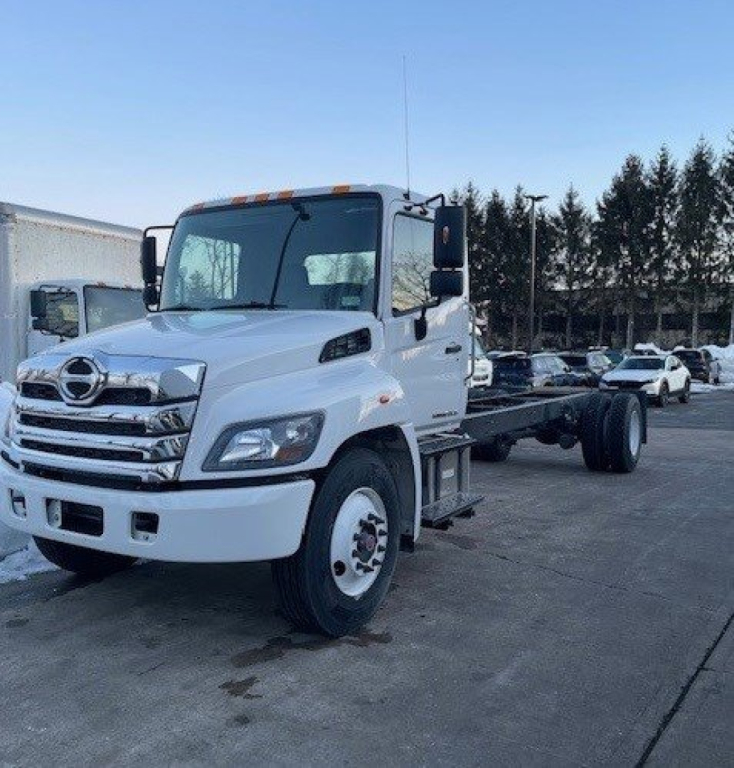
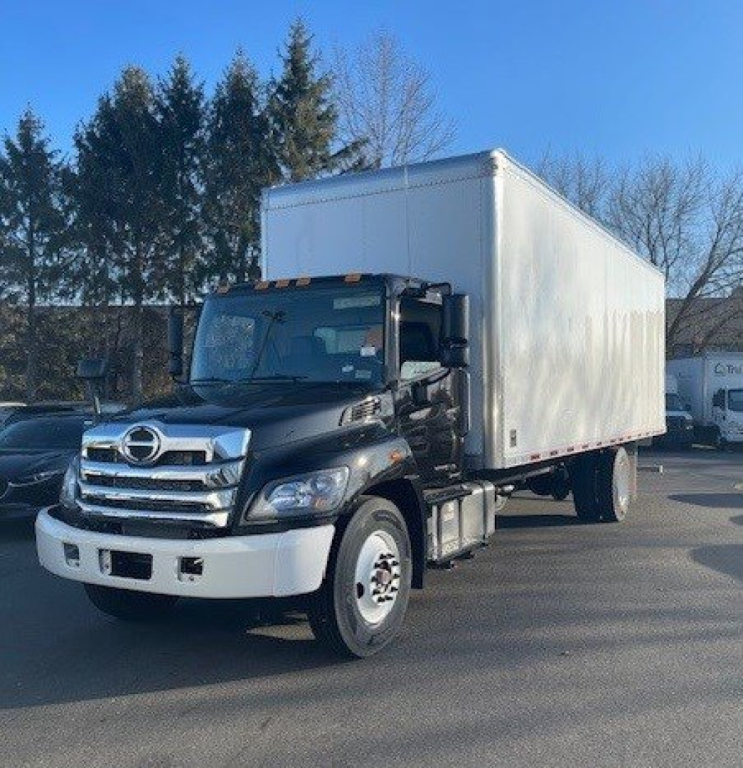
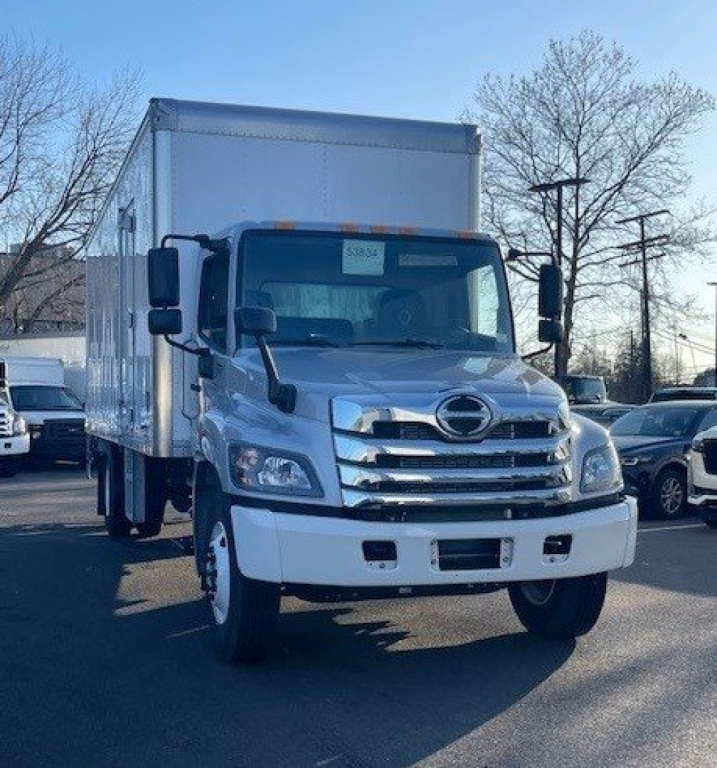
For on-road tractors, common 2026 specs include automated manual or fully automatic transmissions, engine ratings from the mid-300s into the 500 hp range, and 6x4 tandem drive configurations for regional and long-haul work. Day cabs are often chosen for port, drayage, and short-haul operations, while conventional sleepers remain the standard for longer lanes. On medium-duty and cab and chassis trucks, buyers usually look at GVWR first, then wheelbase, rear axle rating, fuel tank size, suspension type, and body upfit length. A truck intended for a van body, rollback, reefer body, hooklift, or service body has to be matched correctly at the frame and axle level, not just by published payload.
Vocational buyers should inspect body-maker compatibility and work-cycle durability as closely as the cab and engine. Tow trucks and rollback carriers need the right wheel-lift or deck capacity, winch rating, hydraulic performance, and rear axle support for the jobs they will actually perform. Dump, municipal, and contractor applications place more value on double frame options, PTO provisions, spring or vocational air suspension, and front-end component ratings. If the truck will spend its life in stop-and-go service, transmission calibration, cooling performance, and brake type matter more than headline horsepower.
A strong 2026 truck spec is one that fits the route, the body, and the duty cycle without leaving capacity or drivability on the table. Buyers comparing trucks in New Jersey should verify emissions label, CDL implications based on GVWR, body-ready dimensions, and service accessibility for the make and engine platform. Looking closely at wheelbase, axle ratings, cab configuration, engine brake availability, and transmission type will narrow the field quickly and help separate a truck that simply fits on paper from one that works profitably in daily service.
Frequently Asked Questions about 2026 Commercial Trucks in New Jersey
What should I compare first when shopping 2026 trucks for sale in New Jersey?
Start with the truck’s intended application and required weight class. GVWR, axle configuration, wheelbase, cab style, and body compatibility will narrow the field faster than make or appearance. A local delivery truck, sleeper tractor, rollback, and cab and chassis can all be called a truck, but the correct spec is driven by route, payload, upfit, and operating environment.
Are 2026 trucks in New Jersey commonly available in both highway and vocational configurations?
Yes. The truck category includes highway tractors, medium-duty delivery trucks, cab and chassis units, tow trucks, and other vocational platforms. Highway trucks are usually evaluated on horsepower, transmission type, sleeper or day cab layout, and axle ratio, while vocational trucks are judged more on frame strength, PTO capability, front axle capacity, and suitability for a specific body or hydraulic system.
Why does wheelbase matter so much on a newer truck?
Wheelbase affects body fit, bridge compliance, turning radius, ride quality, and weight distribution. On a cab and chassis, wheelbase must match the planned body length and center-of-gravity requirements. On a tractor, wheelbase can influence maneuverability in tight yards and city streets as well as how the truck carries steer axle and drive axle weight under load.
How do I choose between automatic, automated manual, and manual transmissions in this truck category?
The right transmission depends on duty cycle and driver environment. Fully automatic transmissions are common in medium-duty and stop-and-go vocational service because they reduce driver fatigue and simplify operation. Automated manuals are widely used in highway tractors because they balance fuel efficiency and drivability. Manual transmissions still make sense in some specialized applications where driver preference, terrain, or precise operational control is a factor.
What New Jersey-specific factors should buyers consider on 2026 trucks?
New Jersey buyers often need to think about urban maneuverability, toll-road use, bridge and axle weight compliance, and emissions requirements. Trucks working around ports, dense metro routes, and municipal corridors benefit from the right wheel cut, cab visibility, and correctly matched axle ratings. Service network access in the region is also important, especially for fleets trying to minimize downtime on newer emissions-equipped trucks.