
2026 Commercial Trucks For Sale in Mississippi
Browse 2026 trucks for sale in Mississippi, including day cabs, sleepers, and cab & chassis models built for regional, vocational, and long-haul work.
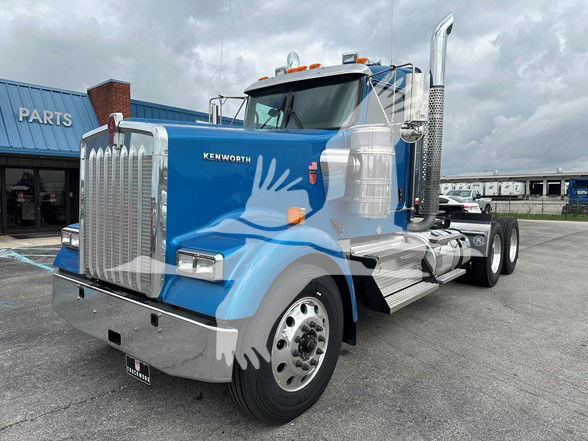
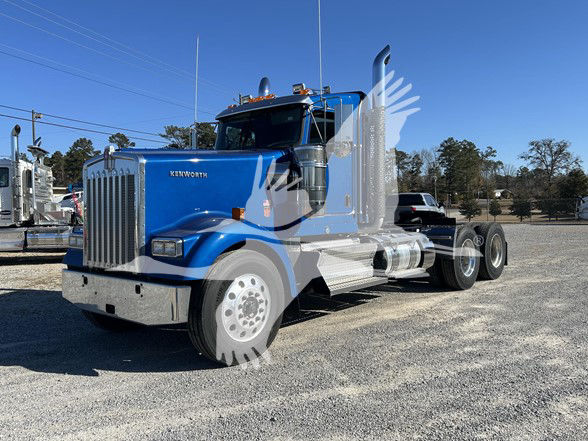
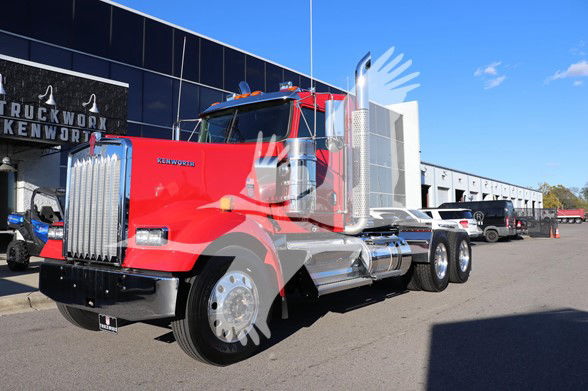
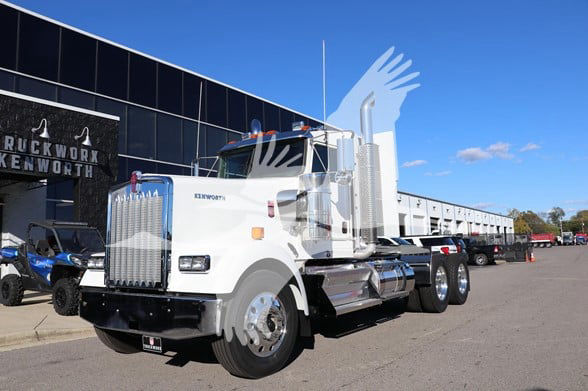
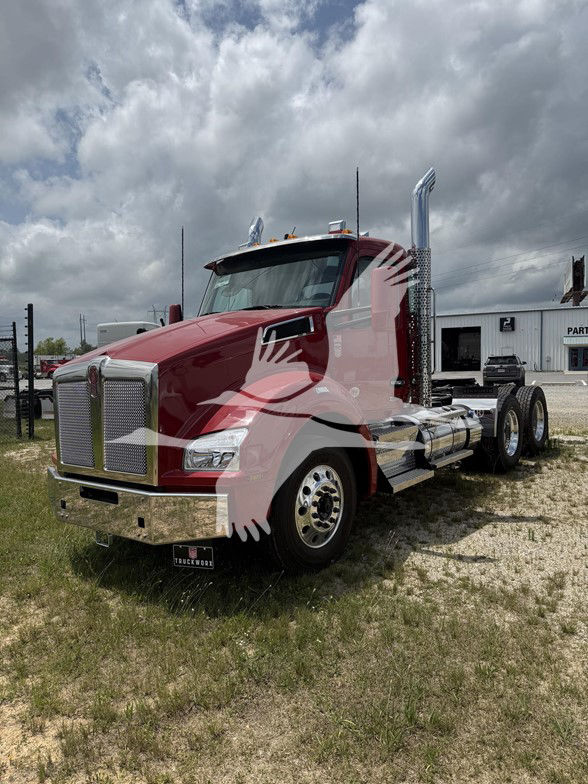
2026 Kenworth T880
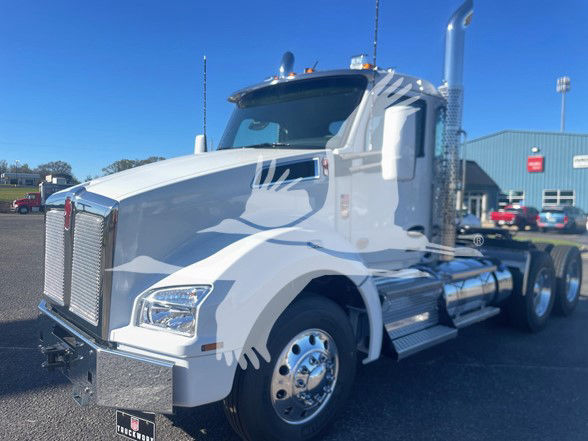
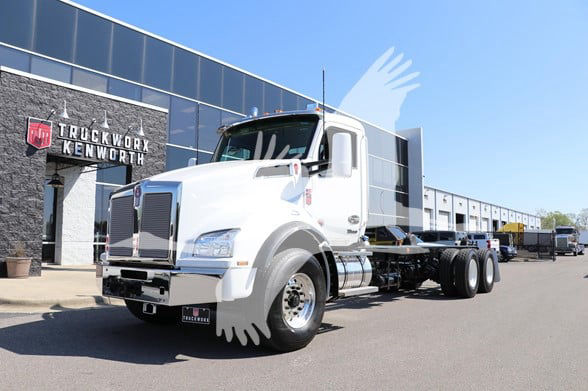
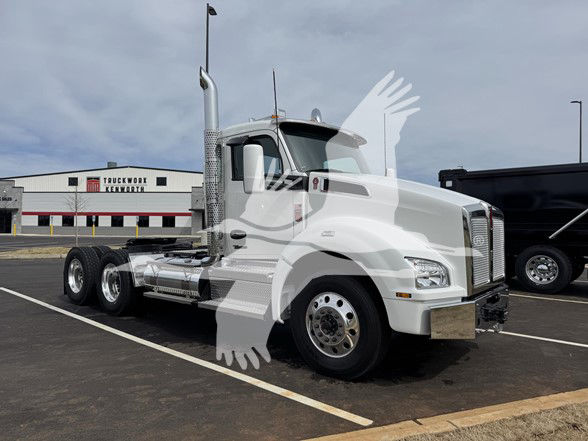
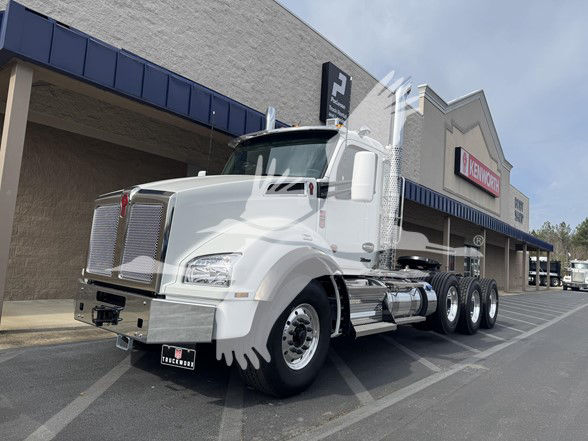

Selling a 2026 commercial truck? List your 2026 commercial truck for sale and reach thousands of commercial buyers.
2026 Commercial Trucks in Mississippi
Engine and driveline choices are still the core of a good truck purchase. In this class, buyers typically compare diesel platforms such as the Volvo D13, PACCAR MX-13, Cummins X15, Detroit DD13 or DD15, and similar current-production engines, usually paired with automated manual transmissions. Common horsepower ratings run from the low 400s into the 500 horsepower range depending on duty cycle, with tandem rear axles, 6x4 drivetrains, and ratios like 2.64, 2.79, or 3.08 selected to balance fuel economy, startability, and cruise speed. Wheelbase, suspension type, rear axle rating, and fifth wheel setup all affect how well a truck will match the trailer or body you plan to run.
Mississippi buyers often look at trucks through the lens of mixed operating conditions. A truck may spend one day on interstate lanes between Memphis, Jackson, and the Gulf Coast, then work tighter secondary roads, industrial yards, agricultural routes, or construction access points. That makes brake spec, tire size, suspension, and aerodynamics more important than they look on paper. Air ride suspension remains common for highway tractors because it helps ride quality and freight protection, while disc brakes, collision mitigation, engine brakes, and automated transmissions continue to gain favor for safety, uptime, and driver acceptance.
A 2026 model year truck also deserves a close look at emissions equipment, idle reduction strategy, and cab technology. Buyers should compare aftertreatment design, service access, telematics capability, driver-assist systems, and interior layout just as closely as engine make. Fuel tank capacity, aluminum versus steel wheels, bunk size, fairings, and sliding fifth wheel position can all change the truck’s fit for a specific lane or customer. The best 2026 truck is not simply the newest one. It is the one with a spec package that matches your freight, route length, trailer type, maintenance plan, and expected resale window.
Frequently Asked Questions about 2026 Commercial Trucks in Mississippi
What types of 2026 trucks are most common for sale in Mississippi?
The most common 2026 trucks on the market are conventional sleeper tractors, conventional day cabs, and cab and chassis trucks. Sleeper tractors are geared toward long-haul freight and driver living space, day cabs are used for regional and local hauling, and cab and chassis models are purchased for vocational upfits such as dump, utility, flatbed, tow, or service applications. The right type depends on route length, trailer or body requirements, and how much emphasis you place on maneuverability versus fuel capacity and comfort.
What engine and transmission specs should buyers focus on in a 2026 truck?
The main areas to compare are engine family, horsepower, torque rating, transmission type, rear axle ratio, and axle capacity. Many late-model highway trucks use diesel engines in the 425 to 500 horsepower range with automated manual transmissions because they improve driver consistency and can support fuel economy goals. Rear axle ratios like 2.64 or 2.79 usually favor highway speed and lower cruise rpm, while a ratio such as 3.08 may better suit heavier loads, more starts and stops, or mixed-service work. Buyers should match those specs to gross weight, terrain, trailer type, and average trip length.
Is a sleeper or a day cab better for Mississippi operations?
It depends on the freight lane and how the truck is dispatched. A sleeper is the better choice for over-the-road runs, longer dwell times, and operations where the driver regularly stays with the truck overnight. A day cab is often the better fit for regional distribution, dedicated lanes, port work, and short-haul operations because it saves weight, shortens wheelbase, and can be easier to maneuver in tight yards or urban delivery environments. Buyers in Mississippi often weigh interstate use against local and industrial access, which makes route profile the deciding factor.
What should buyers inspect on a 2026 truck besides mileage?
Mileage matters, but spec alignment and serviceability matter just as much. Buyers should review the engine and aftertreatment warranty, maintenance history, telematics integration, brake type, tire condition, suspension design, wheelbase, fifth wheel travel, and rear axle rating. On sleeper models, bunk configuration, HVAC performance, APU setup, and storage layout can affect driver retention and idle time. On vocational or cab and chassis trucks, frame condition, PTO compatibility, and body-builder provisions are especially important because they directly affect upfit cost and usability.
Why does rear axle ratio matter on a newer truck?
Rear axle ratio has a direct effect on launch performance, cruise rpm, gradeability, and fuel consumption. A lower numerical ratio such as 2.64 is commonly selected for highway tractors that spend most of their time at steady road speed and want to minimize engine rpm. A higher numerical ratio such as 3.08 gives the truck more mechanical advantage for heavier work, more stop-and-go duty, or routes with tighter terrain. Buyers should not treat ratio as an isolated number because it must be considered together with tire size, transmission gearing, engine torque curve, and the weight of the loads being hauled.