
2026 Commercial Trucks For Sale in Alaska
Browse 2026 trucks for sale in Alaska, including day cabs, vocational and heavy-duty models built for hauling, construction, and severe service.
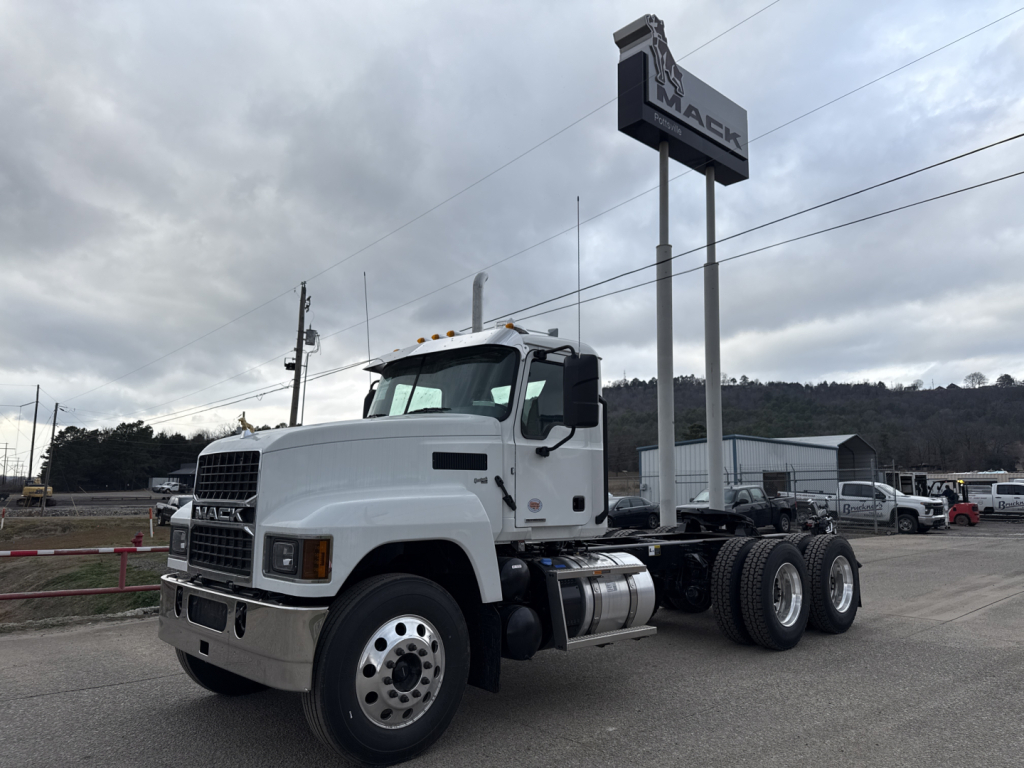
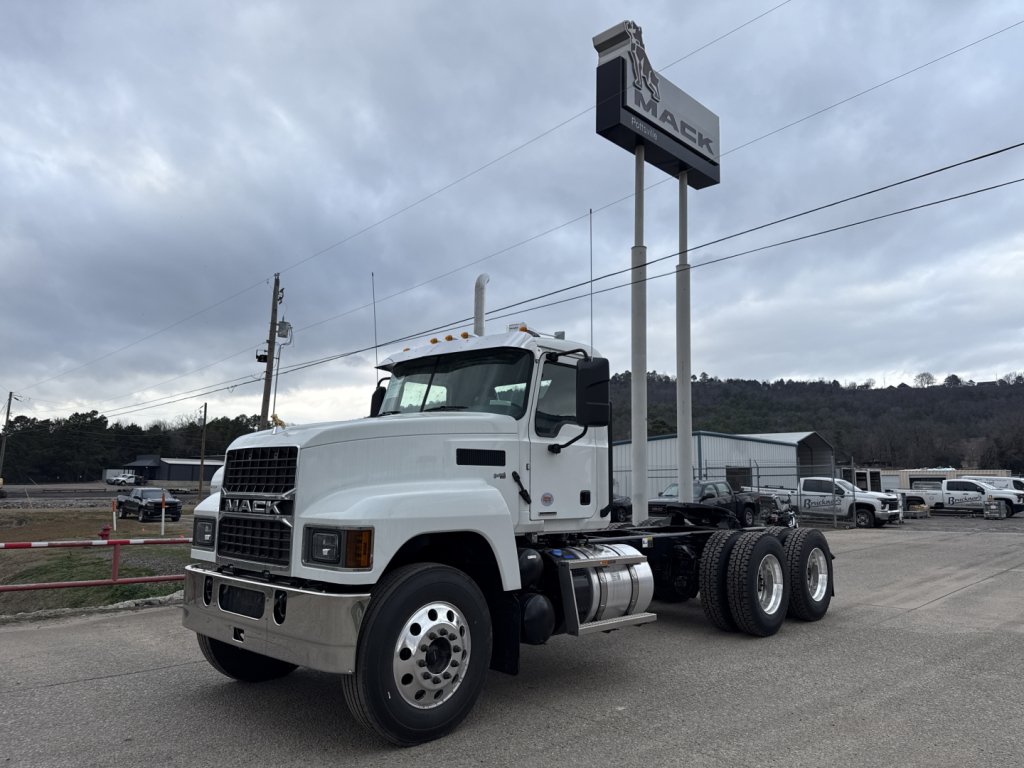
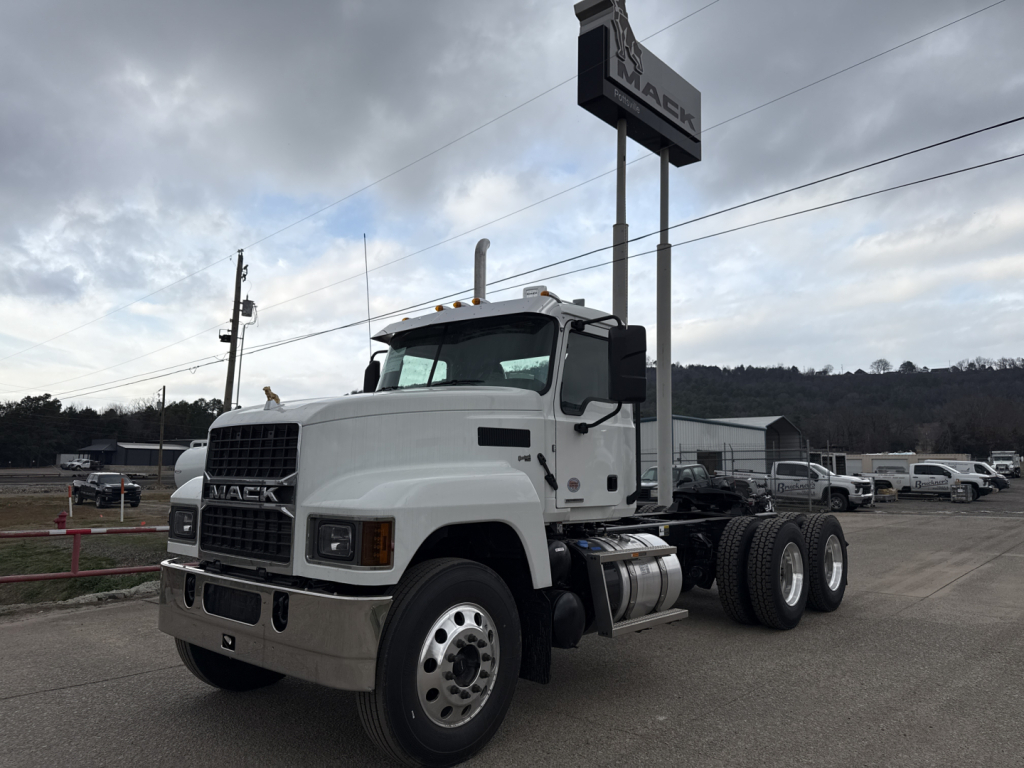
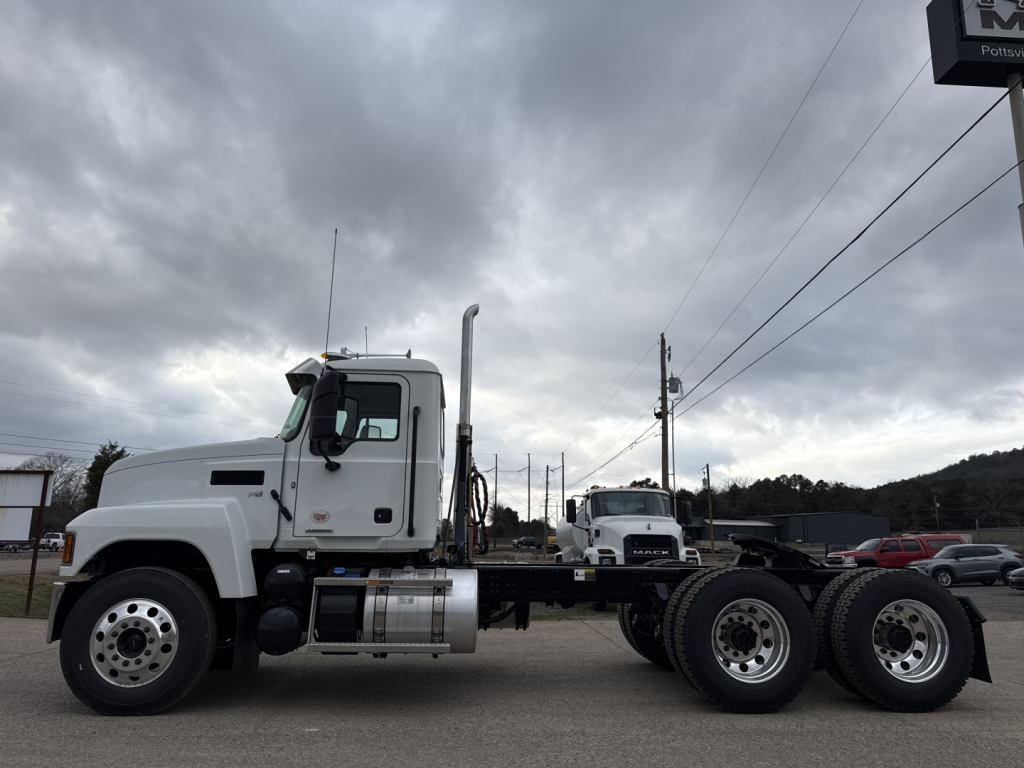

Selling a 2026 commercial truck? List your 2026 commercial truck for sale and reach thousands of commercial buyers.
2026 Commercial Trucks in Alaska
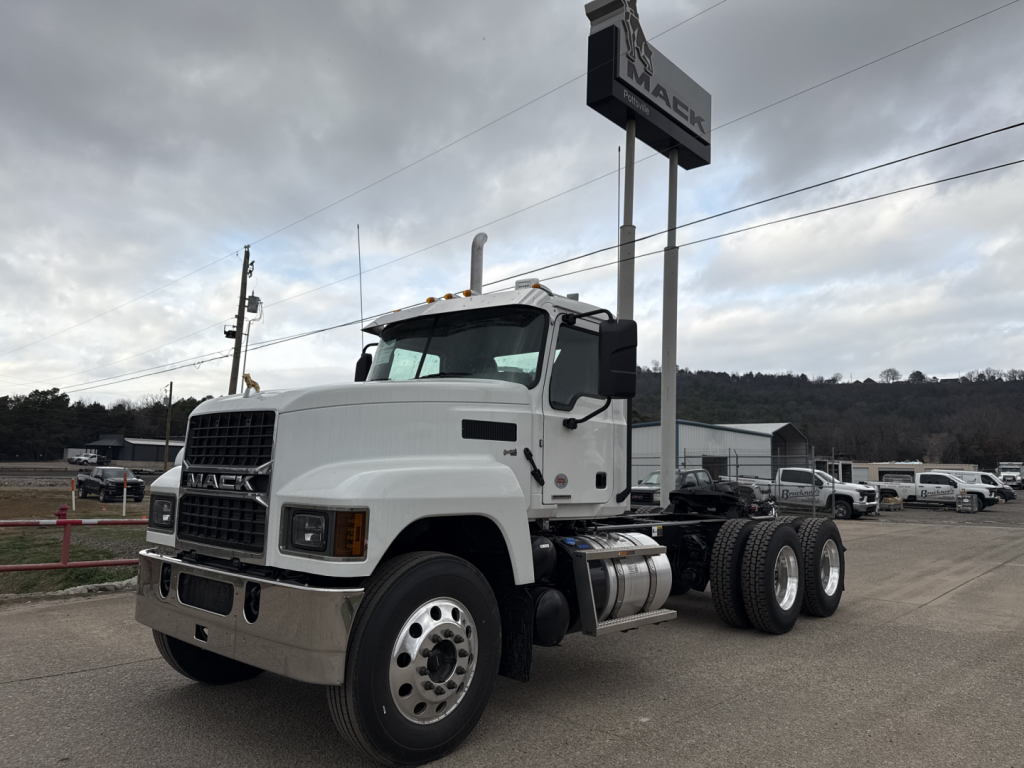
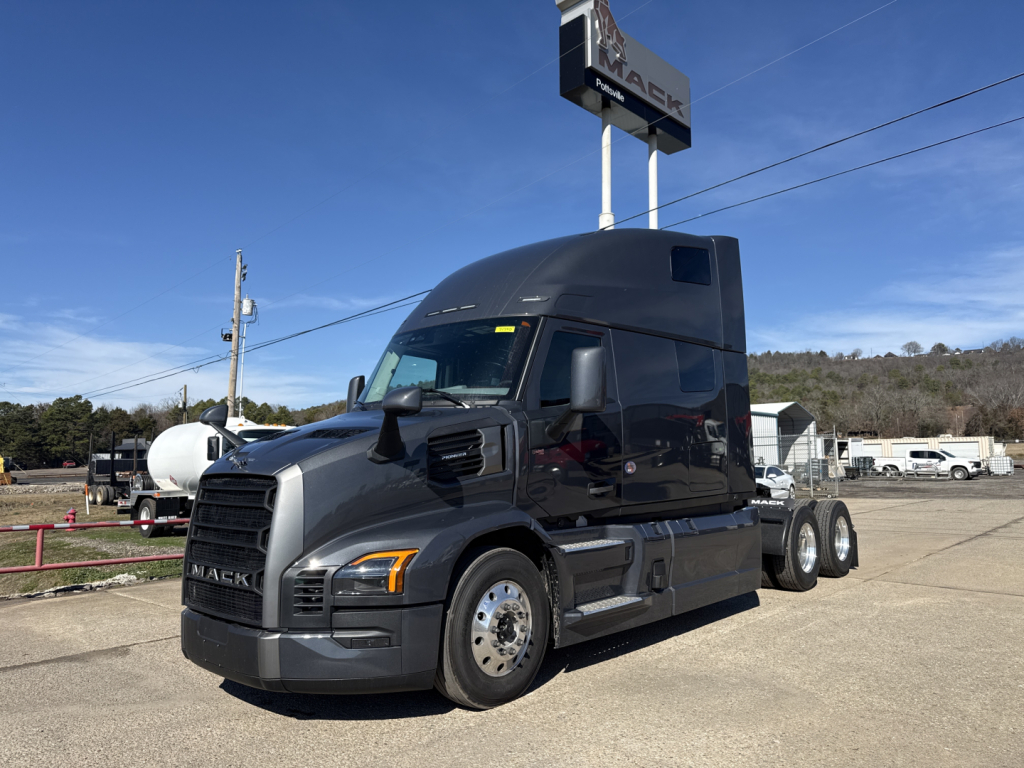
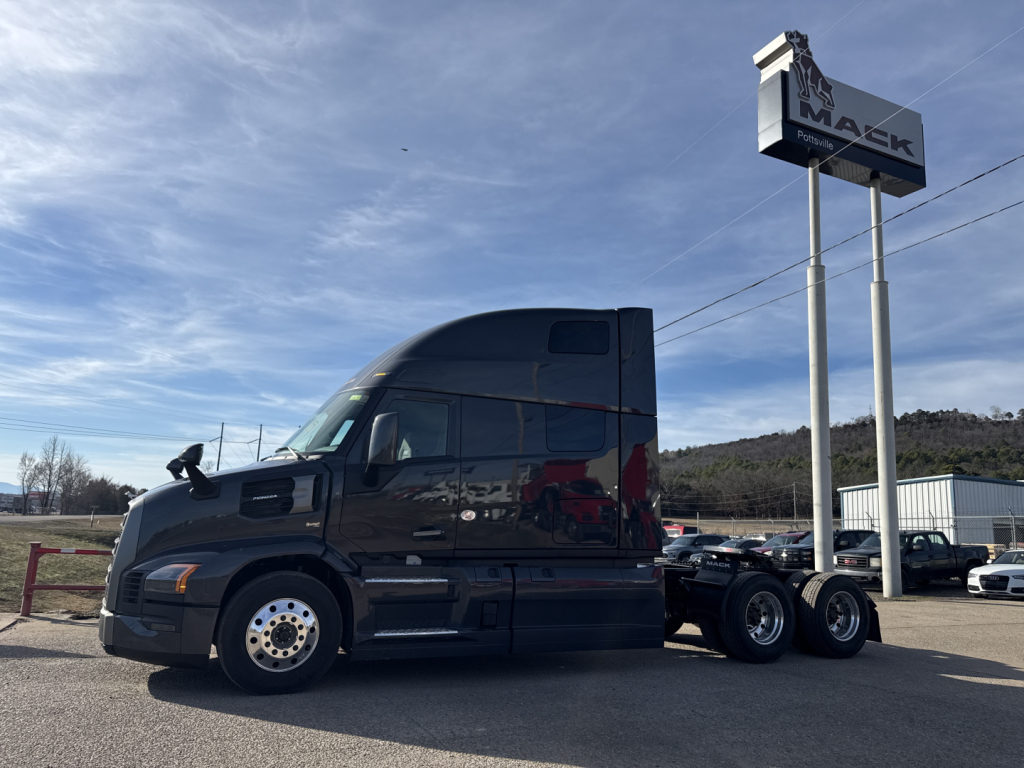
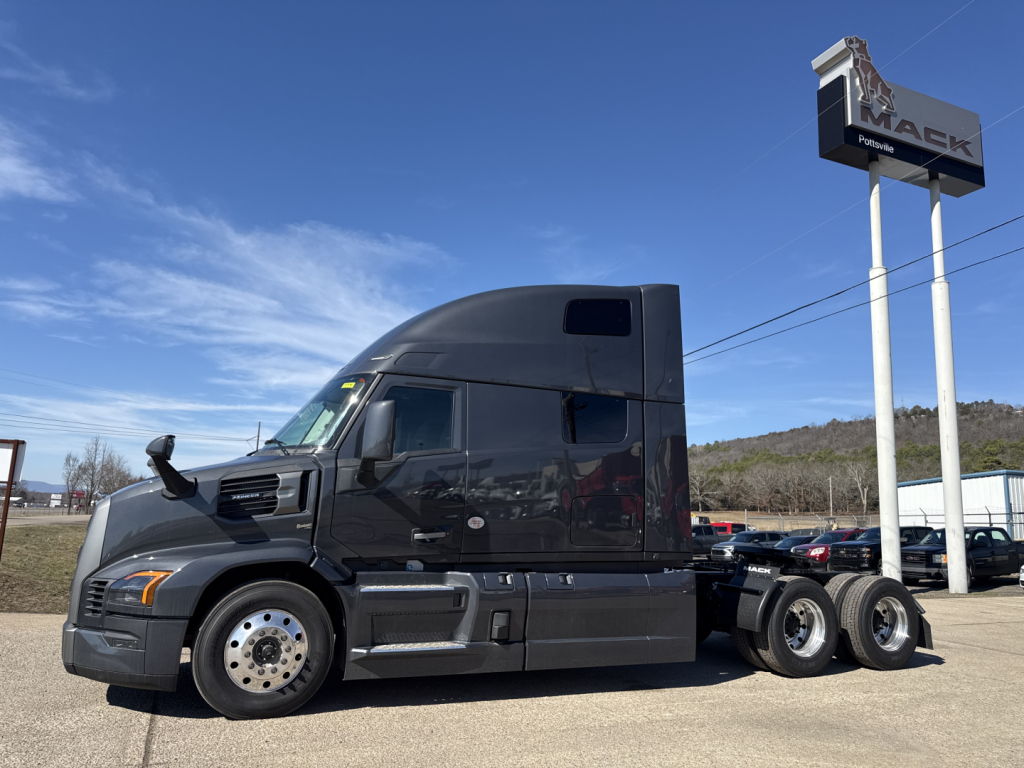
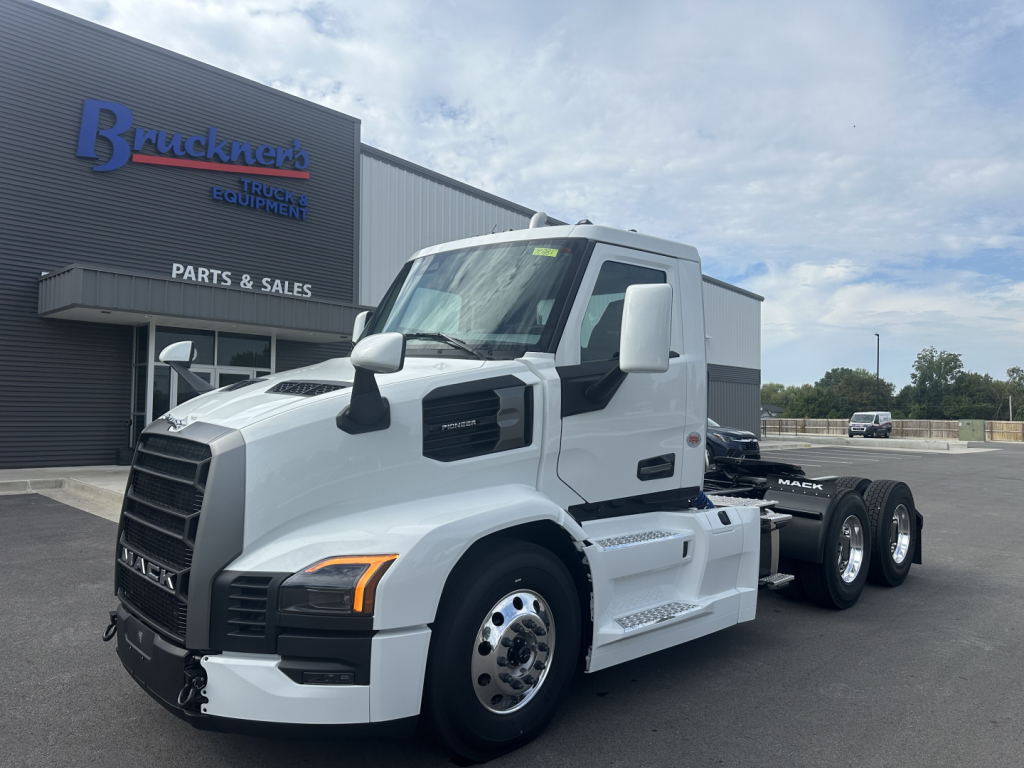
For highway and regional hauling, 2026 day cab trucks commonly show up with 13-liter engines, 12-speed automated transmissions, disc or drum brake configurations, and wheelbases selected around body or fifth-wheel placement. Tandem axle tractors in this class may carry 40,000 to 46,000 lb rear axles, 13,000 to 14,600 lb front axles, and rear ratios chosen for a balance of pulling power and road speed. In Alaska, buyers often pay closer attention to locking differentials, fuel capacity, PTO readiness, and hydraulic system provisions because tractors may be assigned to multiple tasks through the year. A spec with a severe-duty transmission, air slide fifth wheel, and full lockers can make a difference when weather, grades, and mixed-surface routes are part of the daily cycle.
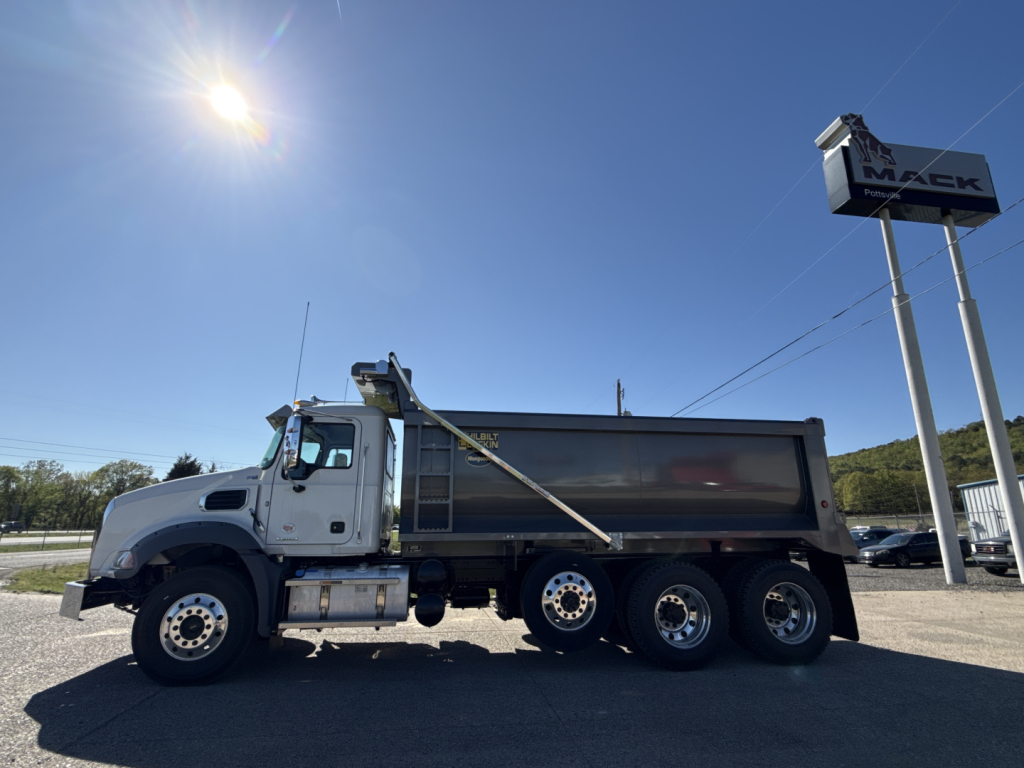
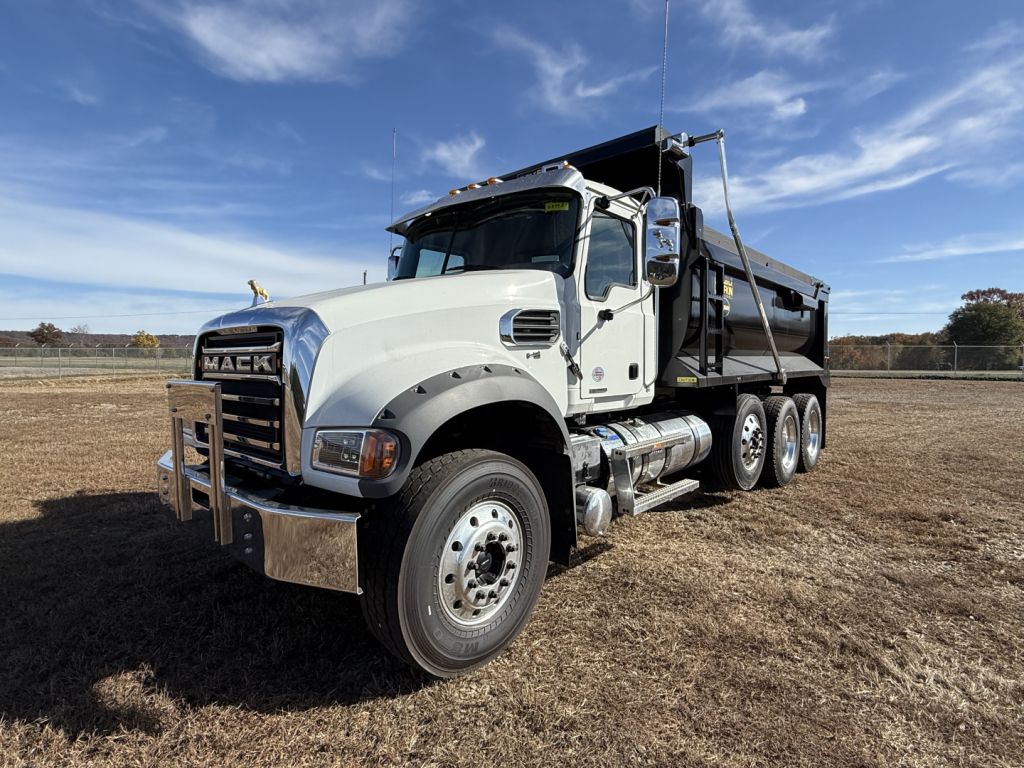
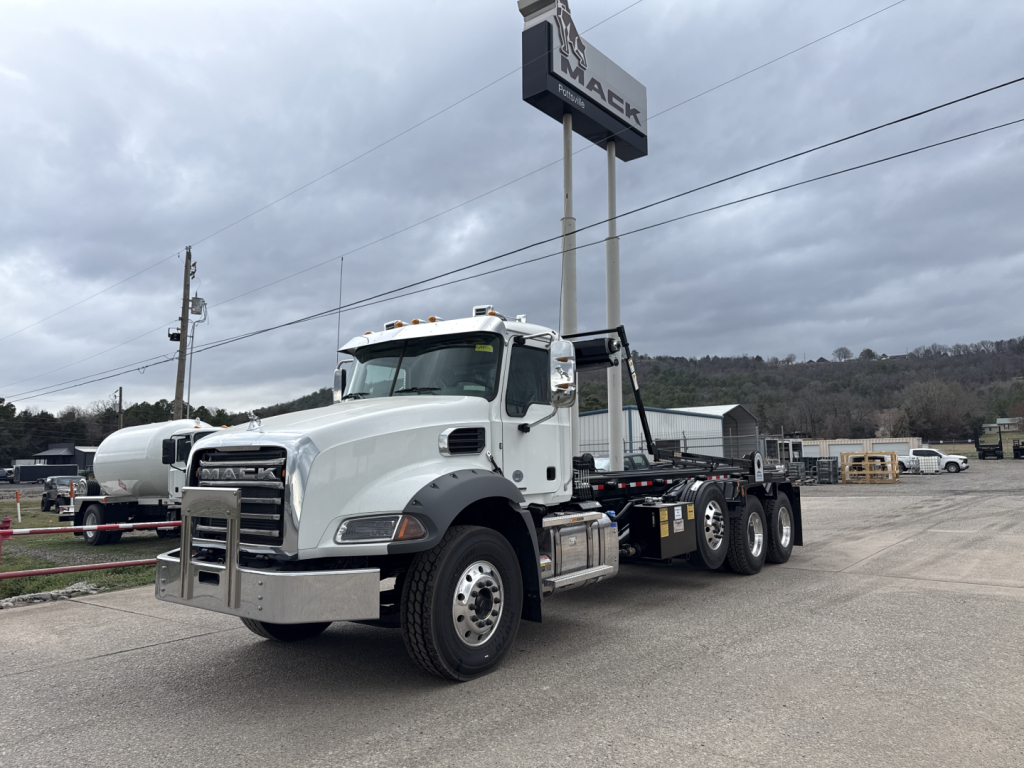
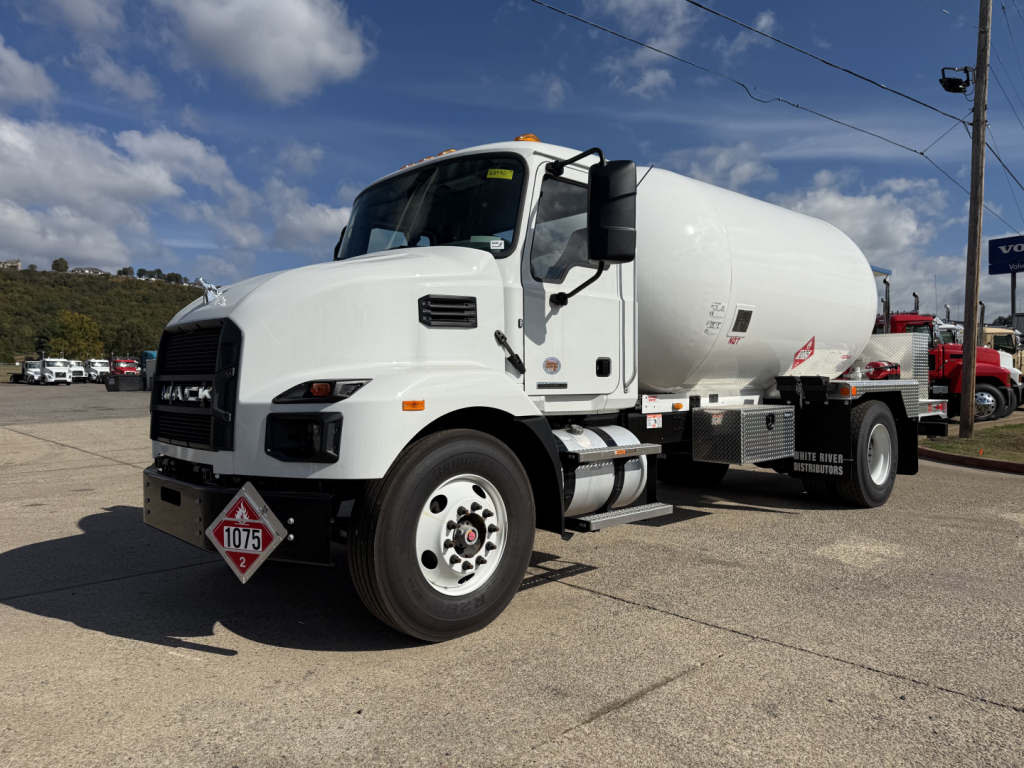
For vocational work, 2026 trucks often include dump bodies, grapple setups, mixers, and other purpose-built configurations on rugged chassis. These trucks may be spec'd with heavier front axles, walking beam or severe-service air suspensions, higher numerical rear ratios, and Allison automatic transmissions for stop-and-go work and easier operation on jobsites. Body details matter as much as the chassis. On dump trucks, buyers should look at body length, steel type, hoist capacity, tailgate style, pusher or tag axle setup, and frame reinforcement. On grapple and material handling trucks, body volume, crane reach, hydraulic performance, and legal payload are usually the key factors. For concrete or refuse-related work, axle spacing, bridge compliance, turning radius, and PTO integration deserve close review.
A strong 2026 truck spec for Alaska is one that matches the actual route, payload, and operating season instead of chasing the highest horsepower number. Check GVWR, front and rear axle ratings, suspension design, brake type, tire size, and wheelbase against the intended body or trailer. Also review cold-climate practicals such as block heater availability, battery capacity, cab access, visibility, and service network support for the engine and transmission brand. Buyers comparing 2026 trucks in Alaska usually get the best long-term value by matching the truck's vocational equipment, driveline gearing, and chassis ratings to the terrain and duty cycle they expect every day.
Frequently Asked Questions about 2026 Commercial Trucks in Alaska
What types of 2026 trucks are most common for sale in Alaska?
The Alaska market commonly includes 2026 conventional day cab tractors, dump trucks, grapple trucks, mixers, and other vocational trucks built for severe service. Day cabs are popular for regional hauling, equipment moves, and tractor applications that need PTO or hydraulic systems. Dump, grapple, and mixer configurations are common where construction, road work, municipal service, aggregate hauling, timber, and industrial support drive demand.
What specs matter most when buying a 2026 truck for Alaska conditions?
The most important specs are axle ratings, traction equipment, suspension type, engine torque, transmission choice, rear axle ratio, and overall chassis durability. Locking differentials, tandem rears, heavier front axles, and severe-service suspensions are especially important on rough roads and in winter conditions. Buyers should also pay attention to cold-weather readiness, including block heaters, battery capacity, fuel system protection, and parts and service support for the brand in the region.
Is an automatic or automated manual transmission better in a 2026 truck?
It depends on the application. Automated manual transmissions are common in highway and regional tractors because they improve fuel efficiency, reduce driver fatigue, and still provide strong performance when spec'd correctly. Full automatic transmissions, especially Allison units, are often preferred in dump, mixer, grapple, and other vocational trucks because they perform well in stop-and-go operation, backing, off-road maneuvering, and PTO-driven work.
How do I choose the right axle and suspension setup on a 2026 truck?
Start with the legal payload and the surface the truck will operate on most of the time. Tandem rear axles are common for traction and load distribution, while heavier front axles are often needed for plow equipment, heavy bodies, or bridge-law compliance. Suspension choice matters because air ride may improve ride quality and protect cargo or equipment, while severe-duty mechanical or vocational suspensions can offer better stability and durability in rough applications such as dumping, aggregate hauling, or off-road work.
Are 2026 trucks in Alaska usually spec'd differently than trucks in the lower 48?
Many are. Trucks used in Alaska are often ordered with more severe-duty components, traction features, and vocational flexibility than similar trucks used in milder climates. Buyers may see higher axle capacities, full locking differentials, PTO and hydraulic provisions, aggressive rear ratios, and chassis setups intended for mixed highway and off-road work. The right Alaska truck spec is usually built around terrain, weather, and seasonal work requirements rather than a general national fleet average.