
2026 Conventional Sleeper Trucks For Sale in Alaska
Shop 2026 conventional sleeper trucks in Alaska with high-roof cabs, efficient powertrains, and long-haul specs built for driver comfort.
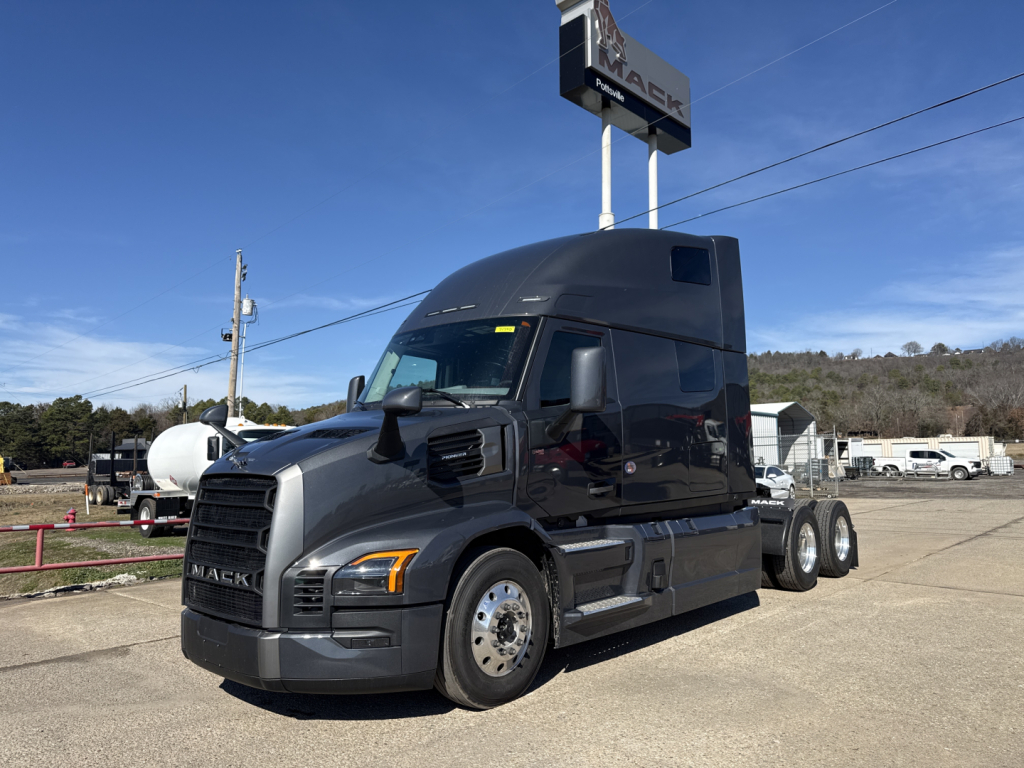
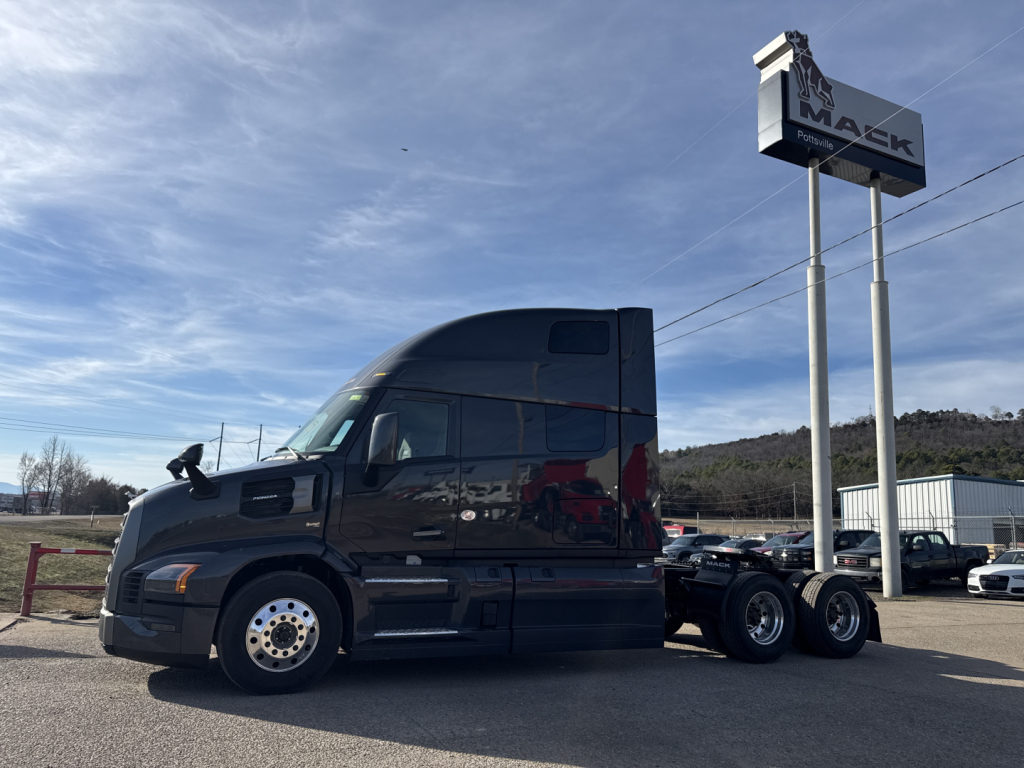
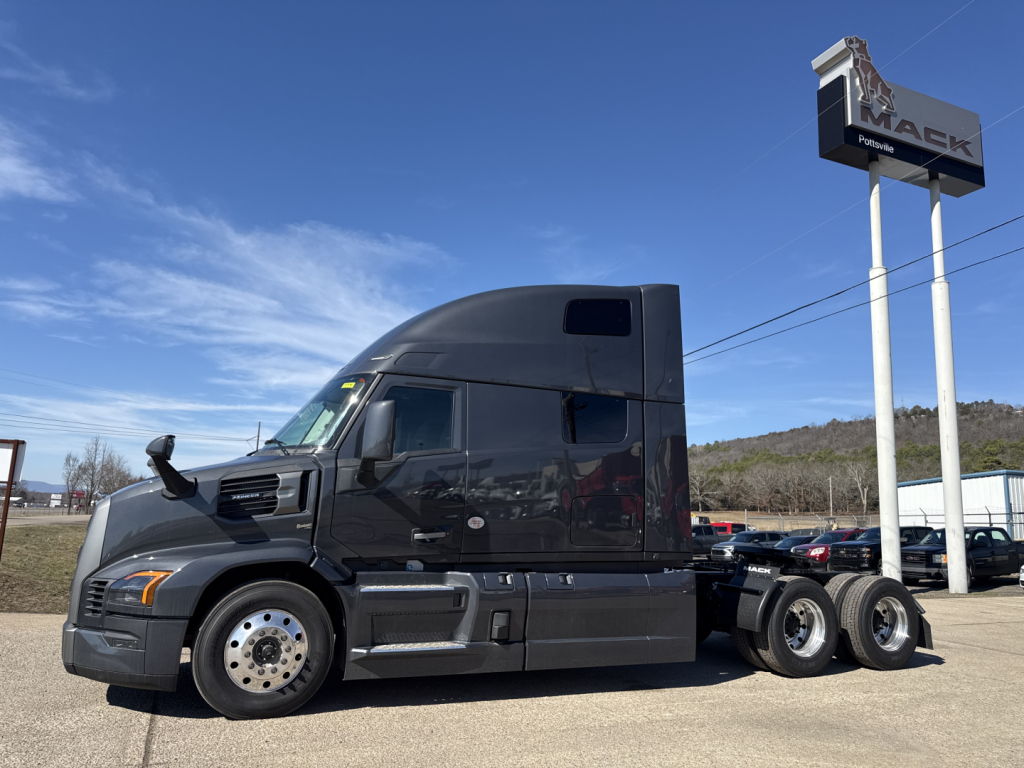
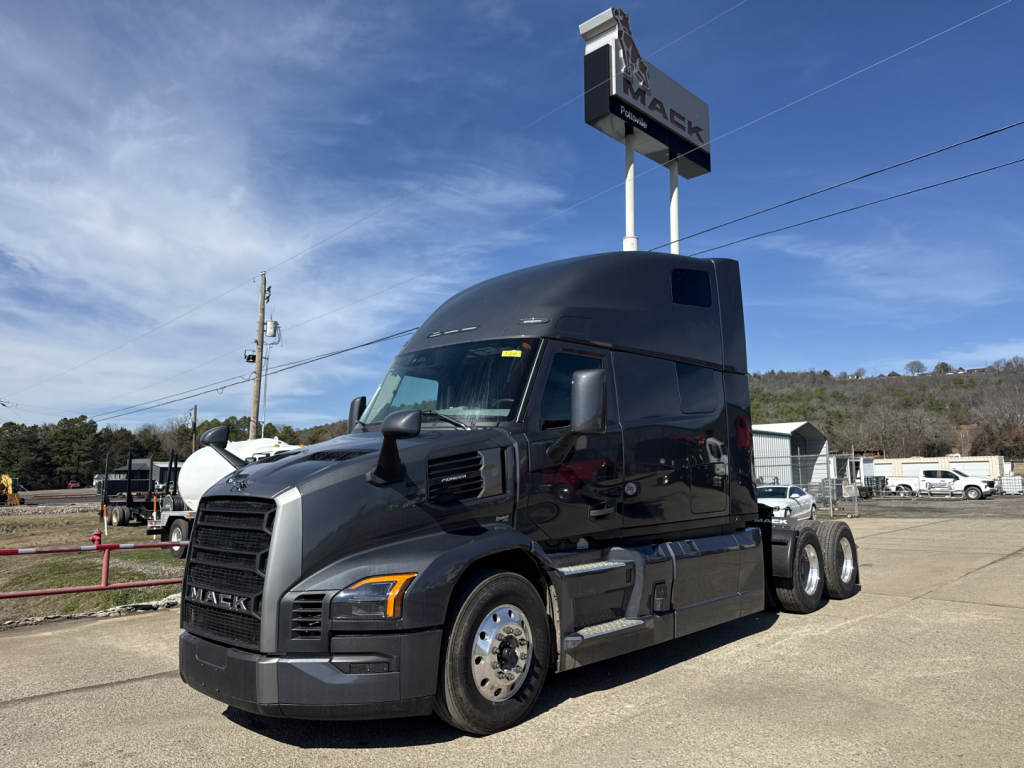
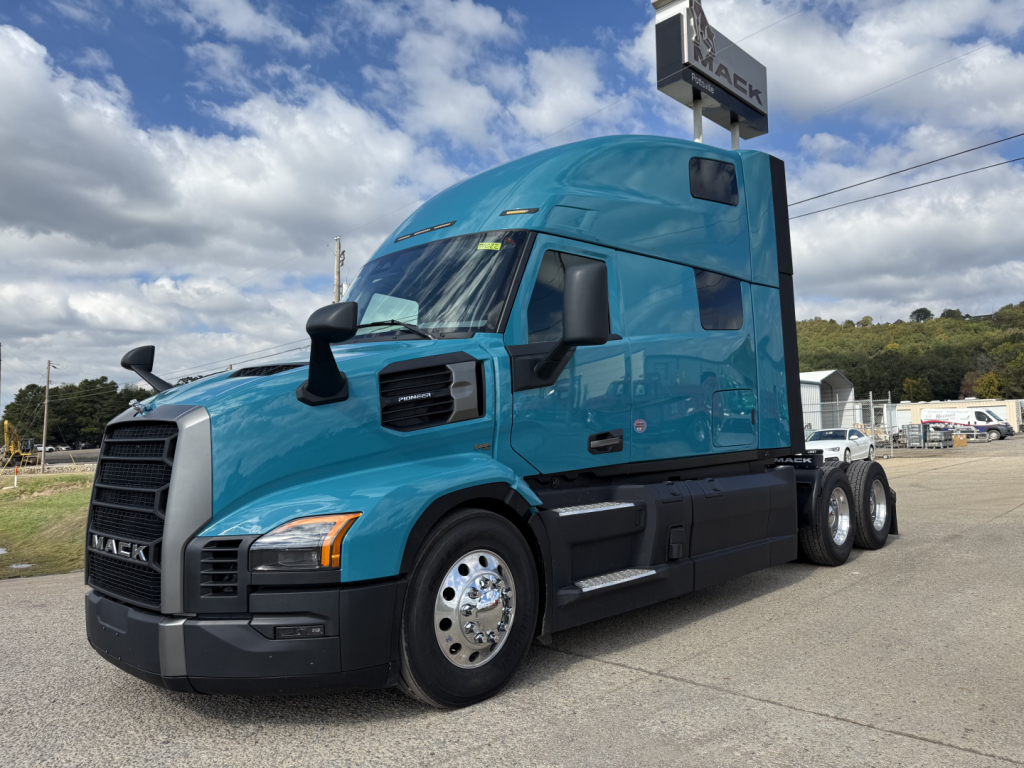
Selling a 2026 conventional sleeper truck? List your 2026 conventional sleeper truck for sale and reach thousands of commercial buyers.
2026 Conventional Sleeper Trucks in Alaska
Current 2026 conventional sleepers are commonly spec'd with 13-liter engines in the 445 to 455 horsepower range and torque ratings around 1,750 to 1,850 lb-ft, paired with 12-speed automated manual transmissions such as Mack mDRIVE or Volvo I-Shift. Typical axle setups include a 13,200 lb front axle and 40,000 lb rears, which is a proven over-the-road fleet spec for legal payload, ride quality, and durability. Rear axle ratios in the mid-2s, such as 2.47 or 2.64, are chosen to keep cruise RPM down and improve fuel economy at highway speed. Wheelbases around 228 to 238 inches are common on high-roof sleepers and can affect trailer gap, ride, weight distribution, and how much room is available for larger fuel tanks and fairings.
For Alaska operation, buyers should pay close attention to cold-weather and long-distance practicality. A parking heater, strong HVAC controls, and ample fuel capacity matter more when trucks face extended idle restrictions, remote fueling intervals, and severe winter starts. Dual tanks in the 250 to 275 gallon combined range are a useful spec for long stretches between stops. High-roof 76-inch sleepers are a strong fit when the truck will spend serious time on the road, since they provide better storage, stand-up room, and space for driver amenities that support retention and uptime. CARB and EPA compliance can also matter for fleets that need registration flexibility or plan to rotate equipment into multiple regions.
The best 2026 conventional sleeper truck is the one matched to the freight lane and operating model. A lighter aero spec with a tall sleeper and fast rear ratio makes sense for dry van and reefer carriers focused on fuel economy. A buyer pulling heavier or more variable loads may want to study horsepower, torque curve, and wheelbase more carefully, especially if maneuverability or axle placement is critical. Cab insulation, brake spec, suspension design, and transmission calibration also deserve attention because they affect driver fatigue, service intervals, and real-world operating cost just as much as the headline engine rating.
Frequently Asked Questions about 2026 Conventional Sleeper Trucks in Alaska
What is a conventional sleeper truck?
A conventional sleeper truck is a highway tractor with an engine mounted ahead of the cab and a built-in sleeping compartment behind the seats. It is designed for over-the-road freight where the driver needs rest space, storage, and better on-road comfort than a day cab provides. In most fleets, this is the standard tractor style for long-haul van, reefer, and many flatbed applications.
What engine and transmission specs are common in a 2026 conventional sleeper?
Many 2026 conventional sleeper trucks are equipped with 13-liter diesel engines rated around 445 to 455 horsepower and roughly 1,750 to 1,850 lb-ft of torque. Automated manual transmissions are now standard in many fleet and owner-operator specs because they improve shift consistency, help fuel economy, and reduce driver fatigue. A 12-speed automated transmission paired with a mid-2 rear ratio is a common setup for highway cruising.
Is a 76-inch high-roof sleeper a good choice for long-haul work in Alaska?
Yes, a 76-inch high-roof sleeper is a strong choice for long-haul Alaska service because it offers more interior height, storage, and living space for drivers spending extended time in the truck. In colder regions, that larger sleeper also pairs well with parking heaters and upgraded climate control systems. The tradeoff is additional weight and, in some cases, a slightly tighter fit for certain trailer or wheelbase requirements.
Why do rear axle ratio and wheelbase matter on a sleeper tractor?
Rear axle ratio affects cruise RPM, gradeability, launch feel, and fuel economy. A ratio like 2.47 or 2.64 is often selected for efficient highway operation, but the right choice depends on terrain, gross weight, and road speed. Wheelbase affects ride quality, turning radius, weight distribution, and the ability to fit larger fuel tanks or accessories, so it should be matched to the trailer type and route profile.
What should buyers check besides horsepower when comparing sleeper trucks?
Horsepower is only one part of the spec. Buyers should also compare torque rating, axle capacities, transmission model, suspension, brake type, sleeper size, fuel capacity, and cold-weather equipment such as parking heaters. For real operating cost, service network strength, emissions compliance, and the way the truck is geared for the intended freight can matter as much as the engine badge on the hood.