
Trailers For Sale in Colorado
Shop trailers for sale in Colorado, including reefer, dump, and drop deck trailers with specs for freight, construction, and regional hauling.
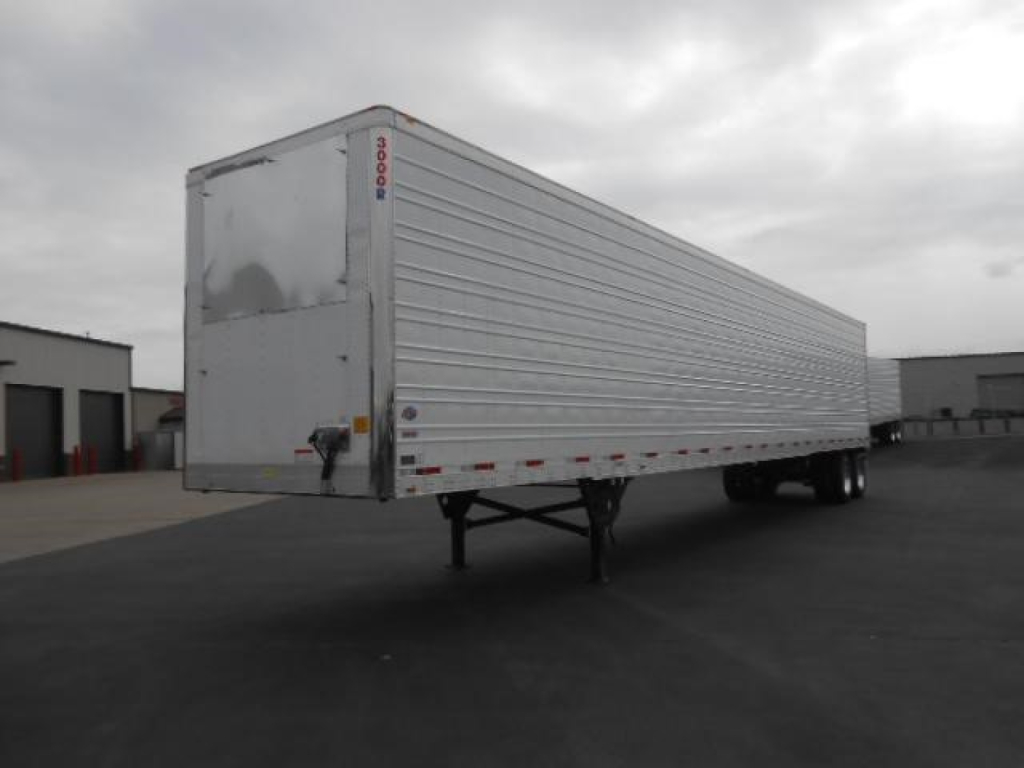
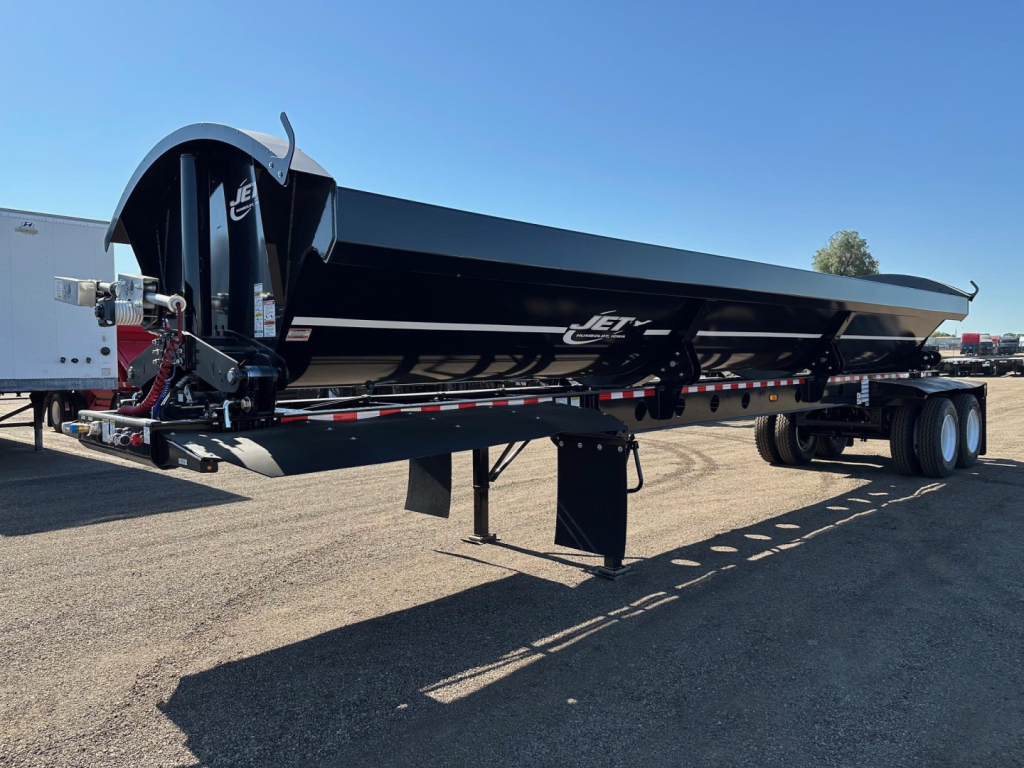
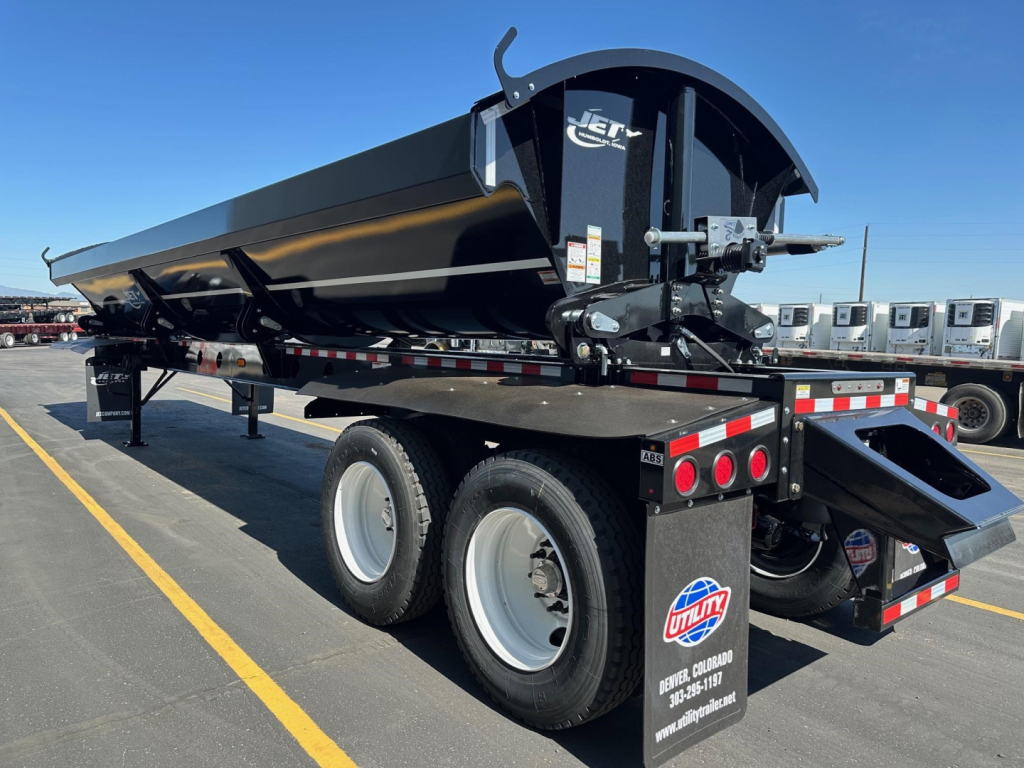
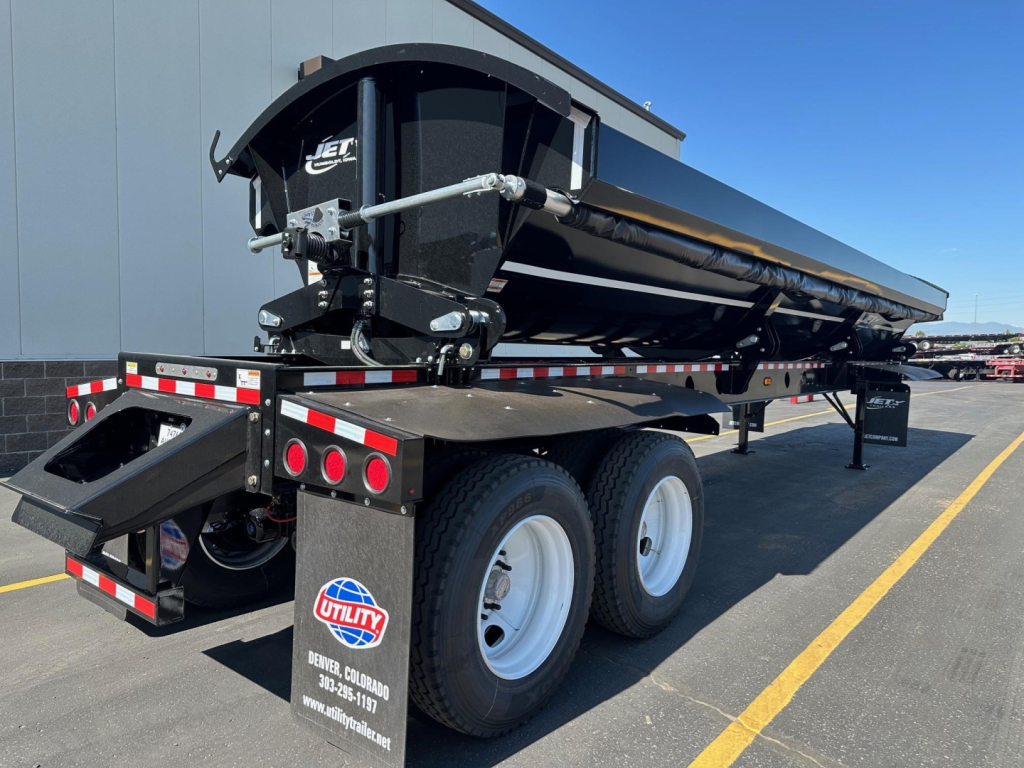

Showing 281 to 292 of 292 results
Looking for the easiest place to sell your trailer? List it here to reach thousands of buyers.
Trailers in Colorado
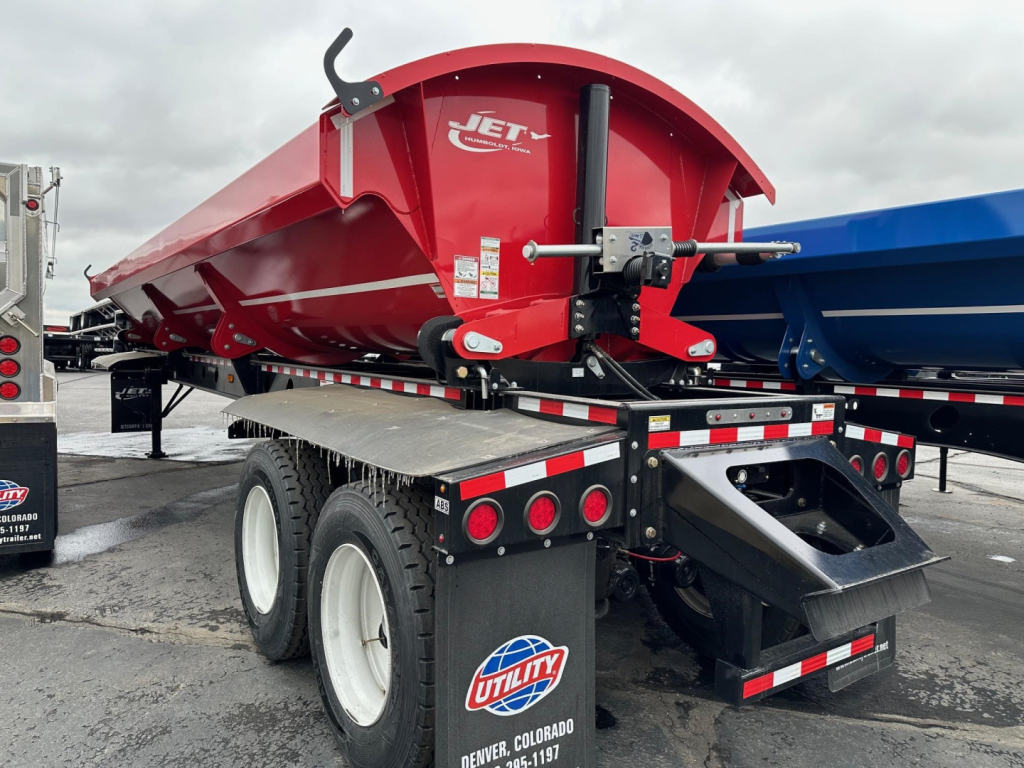
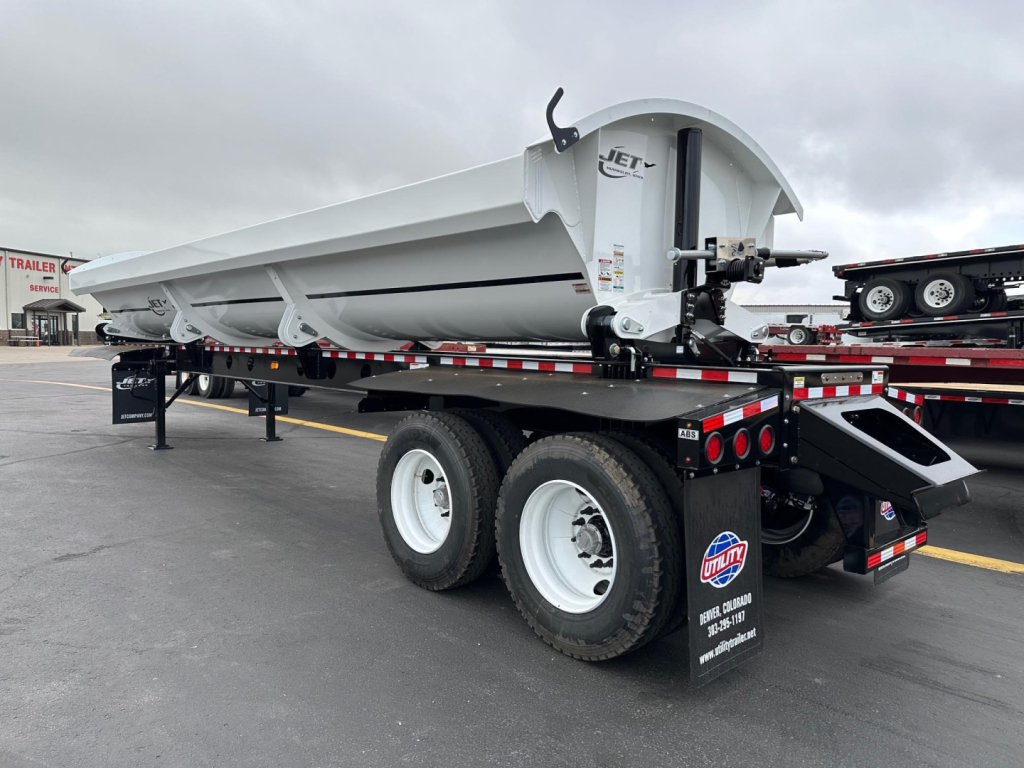
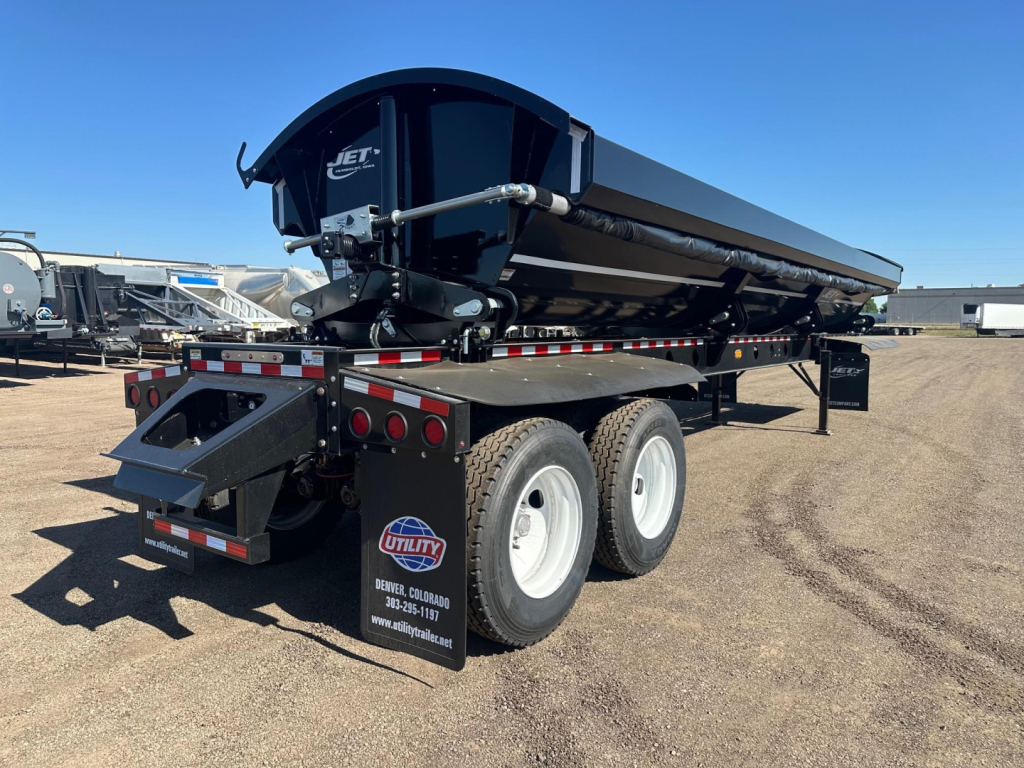
Dump trailers in this market often include bottom dumps and switchgate configurations built for sand, gravel, asphalt-related material, and other bulk commodities. Capacity is commonly measured in cubic yards, and details like single versus multiple hopper design, gate control, tarp system, bang boards, windrow deflectors, fenders, and push blocks directly affect jobsite productivity. Suspension choice matters too. Air ride can improve material control and trailer life, while axle placement and frame construction influence stability and legal payload. In Colorado, where road conditions, elevation, and seasonal weather can change quickly, buyers tend to pay attention to brake condition, tarp reliability, tire size, and corrosion resistance on steel components.
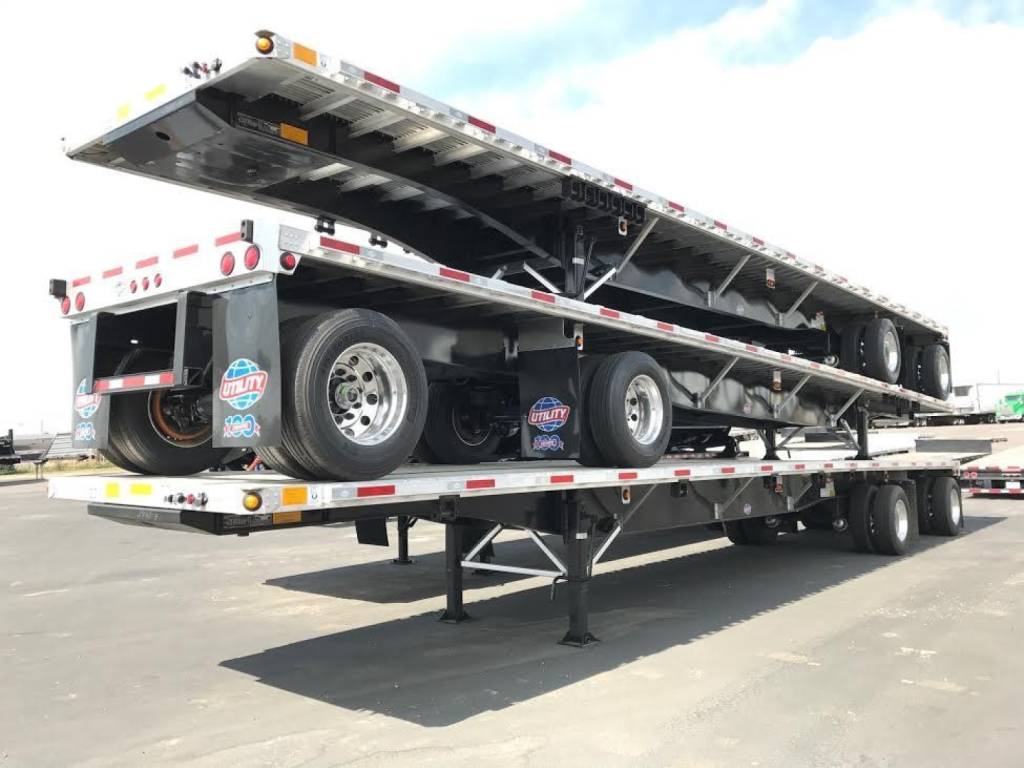
Open-deck buyers often focus on drop deck trailers, including expandable and fixed-neck designs used for taller freight that will not fit on a standard flatbed. A drop deck, also known as a step deck, gives more deck height flexibility for machinery, building materials, and oversized loads. Important specs include loaded deck height, main beam construction, axle spread, lift axle presence, deck material, stake pockets, pipe spools, sliding winches, and tiedown layout. A steel trailer may offer durability and concentrated load strength, while aluminum or combo construction can help reduce tare weight and improve payload. If the work involves regional equipment moves through mountain corridors, suspension condition, brake setup, and tire size become more than routine spec choices.
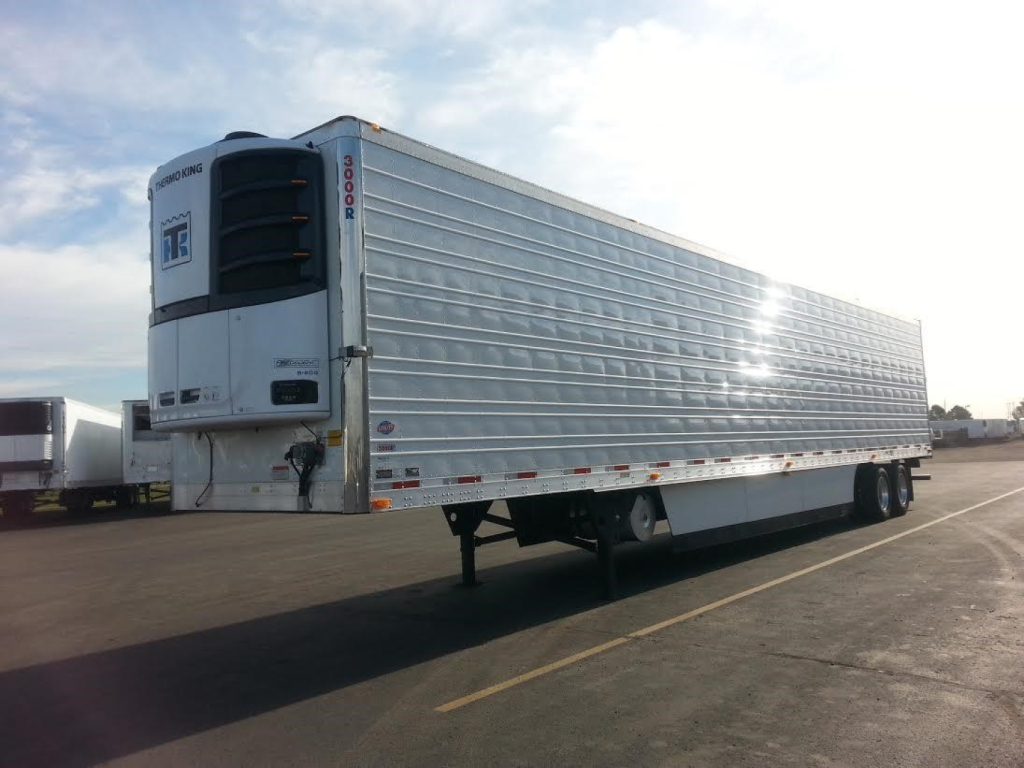
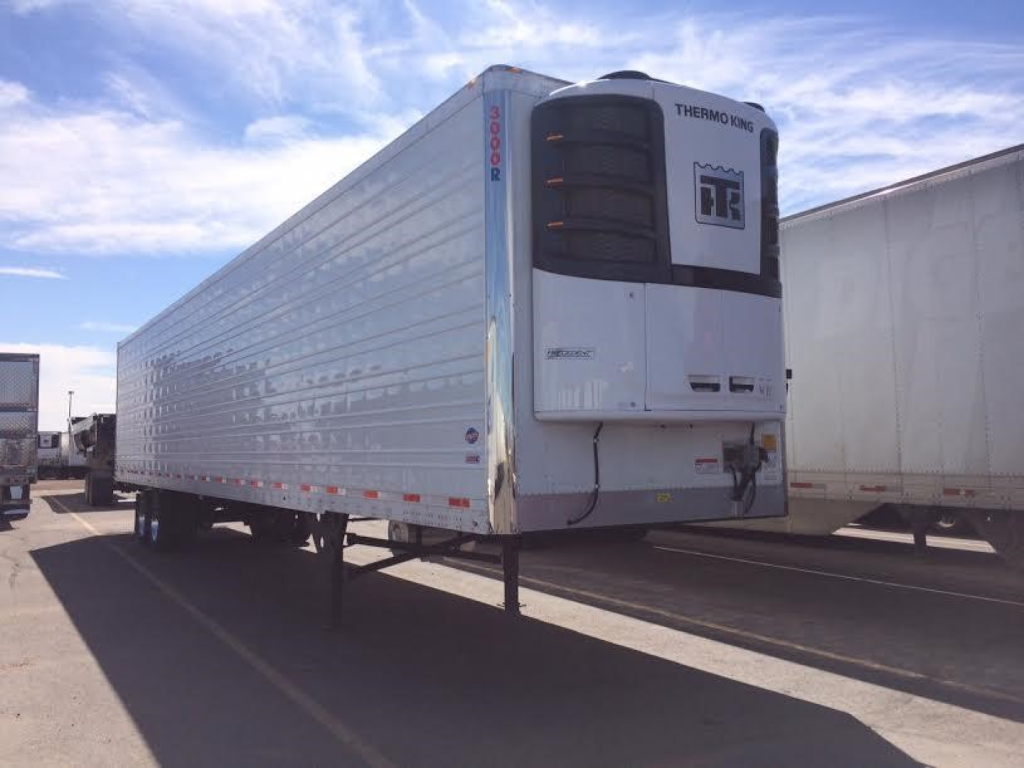
Across all trailer categories, buyers should compare the structural basics before looking at appearance. Length, width, axle configuration, suspension type, floor design, wheel setup, landing gear condition, and rear frame integrity all affect how the trailer performs under load and how costly it will be to keep on the road. Reefer buyers should inspect insulation performance and unit service history. Dump trailer buyers should check gate operation, cylinder function, and body wear. Drop deck buyers should look for beam fatigue, deck wear, and tiedown integrity. The right trailer is the one spec'd for the freight, the route, and the loading method, not just the lowest upfront number.
Frequently Asked Questions about Trailers in Colorado
What trailer types are most commonly used in Colorado freight and construction work?
The most common trailer types in Colorado include refrigerated trailers for food and temperature-sensitive freight, dump trailers for sand, gravel, and other bulk materials, and drop deck trailers for machinery, building products, and taller freight. Each category is built around a different job. Reefers prioritize insulation, airflow, and refrigeration performance. Dump trailers prioritize payload, gate control, and body durability. Drop decks prioritize deck height, tiedown options, and load versatility.
What should I check first when buying a used reefer trailer?
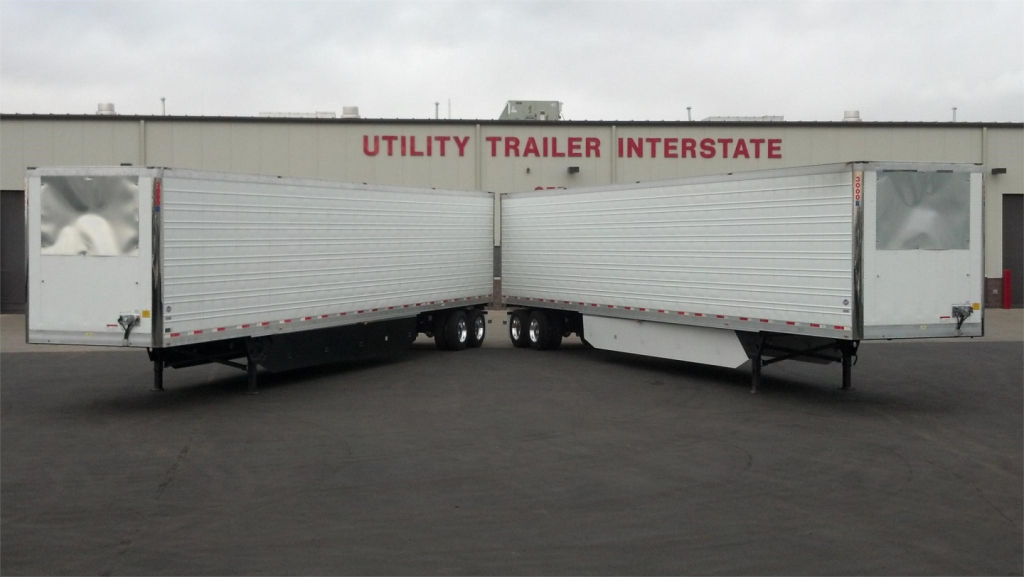
Start with the refrigeration unit hours, service records, and compliance status, especially if the trailer may run into regulated markets. Then inspect the floor, scuff liners, rear doors, chute, bulkhead, and insulation condition. Air leaks, damaged duct flooring, poor door seals, and deferred reefer maintenance can turn into expensive operating problems. Suspension, slider function, tire inflation systems, and tire wear should also be checked because they affect uptime just as much as the reefer unit itself.
How do I choose between a bottom dump trailer and other dump trailer styles?
A bottom dump trailer is a strong fit for operations that need controlled material placement and fast unloading, especially for road work, aggregate spreading, and wet sand applications. Switchgate designs can improve discharge control and help match different material conditions. End dumps may be better for certain demolition or stockpile work, but bottom dumps often offer better stability during discharge and faster cycle times in the right application. The best choice depends on material type, haul distance, site conditions, and how precisely the load needs to be placed.
Why would a buyer choose a drop deck instead of a flatbed trailer?
A drop deck trailer is chosen when freight height is the limiting factor. The lower deck allows taller loads to move legally without the height restrictions a standard flatbed can create. That makes drop decks common for equipment, crated machinery, agricultural components, and some construction materials. Buyers should still verify deck length, upper deck dimensions, tiedown points, axle spacing, and deck height, because those details determine what can be loaded and whether permits may still be required.
Which trailer specs have the biggest impact on operating cost?
The biggest cost drivers are usually tare weight, tire and suspension setup, structural condition, and any specialized system on the trailer. On a reefer, the refrigeration unit and insulation quality drive fuel use and maintenance cost. On a dump trailer, body wear, gate hardware, tarp systems, and suspension condition affect repair frequency and downtime. On a drop deck, deck condition, beam integrity, and running gear matter most. A trailer with the right spec for the freight usually costs less to run than a poorly matched trailer with a lower purchase price.