
2027 Trailers For Sale in Colorado
Shop 2027 trailers for sale in Colorado, including van, flatbed, dump, and drop deck trailers with current specs and hauling configurations.
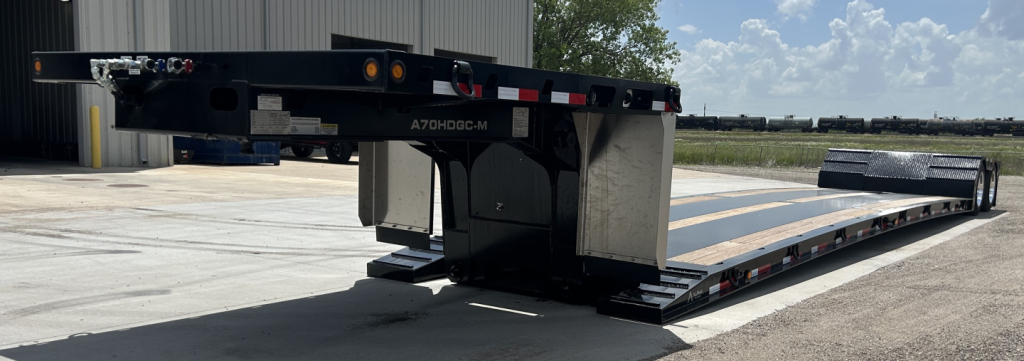
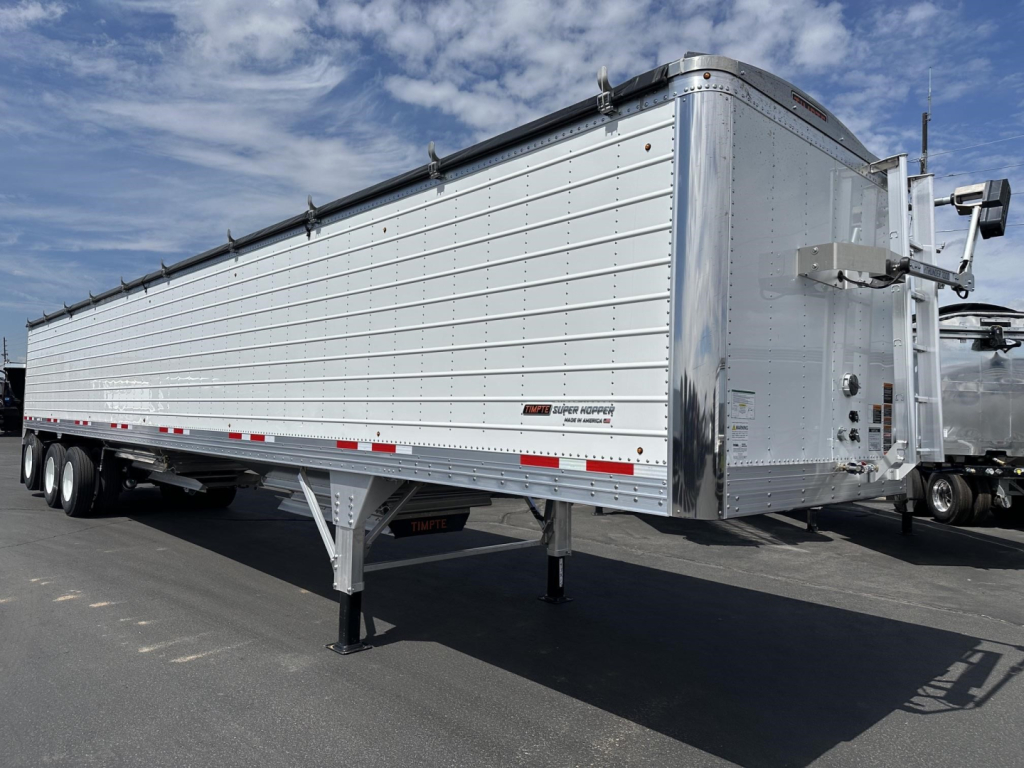
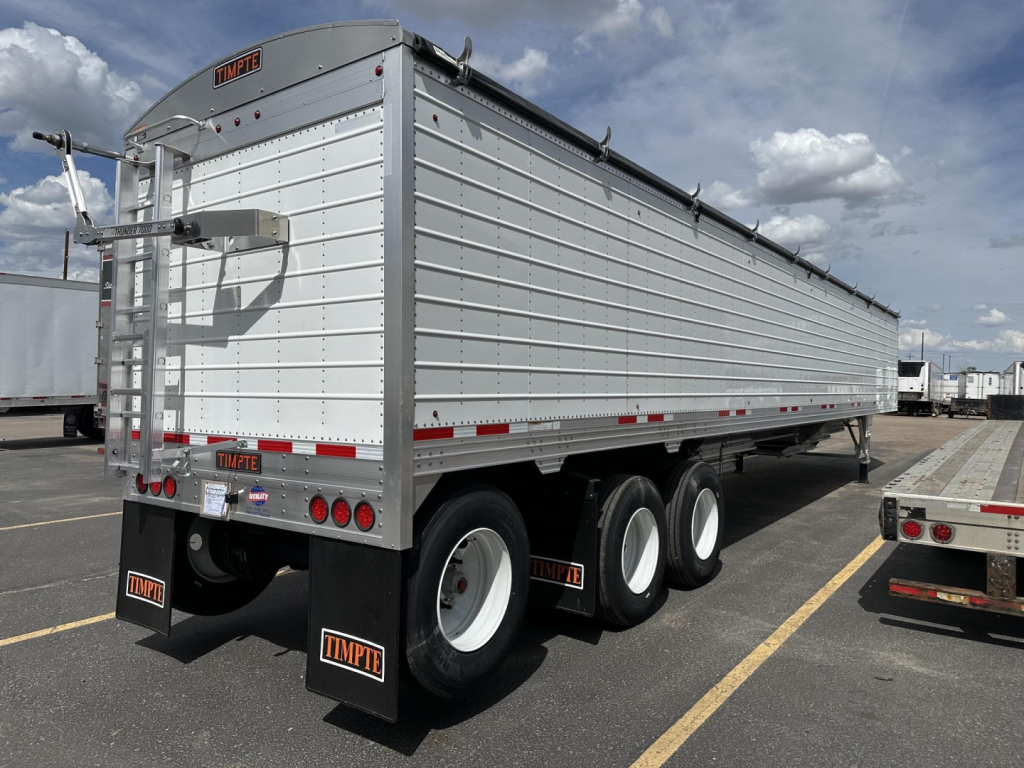
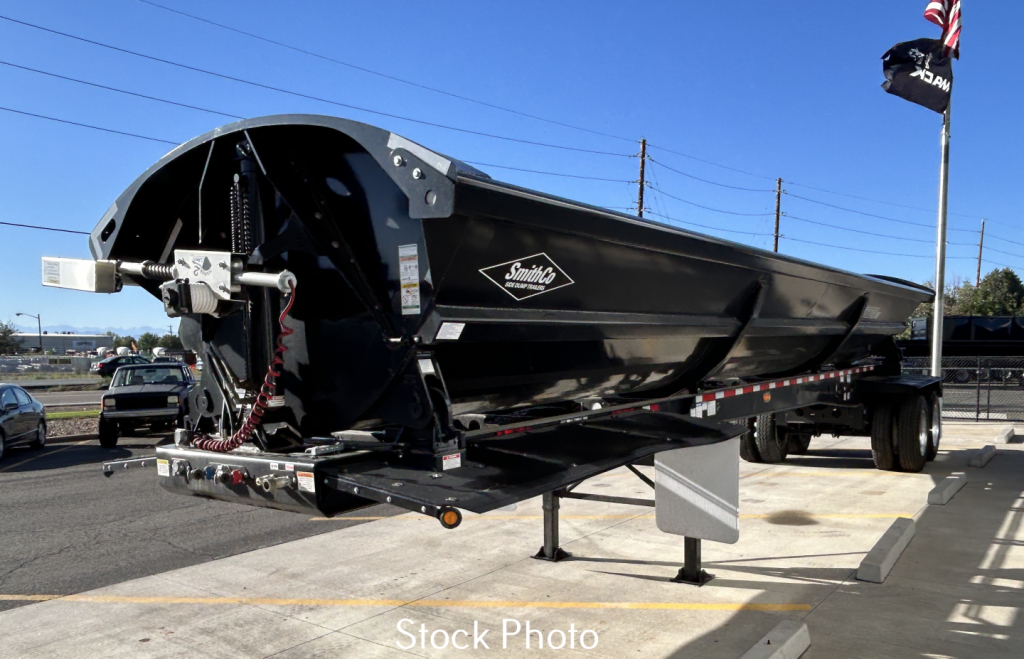
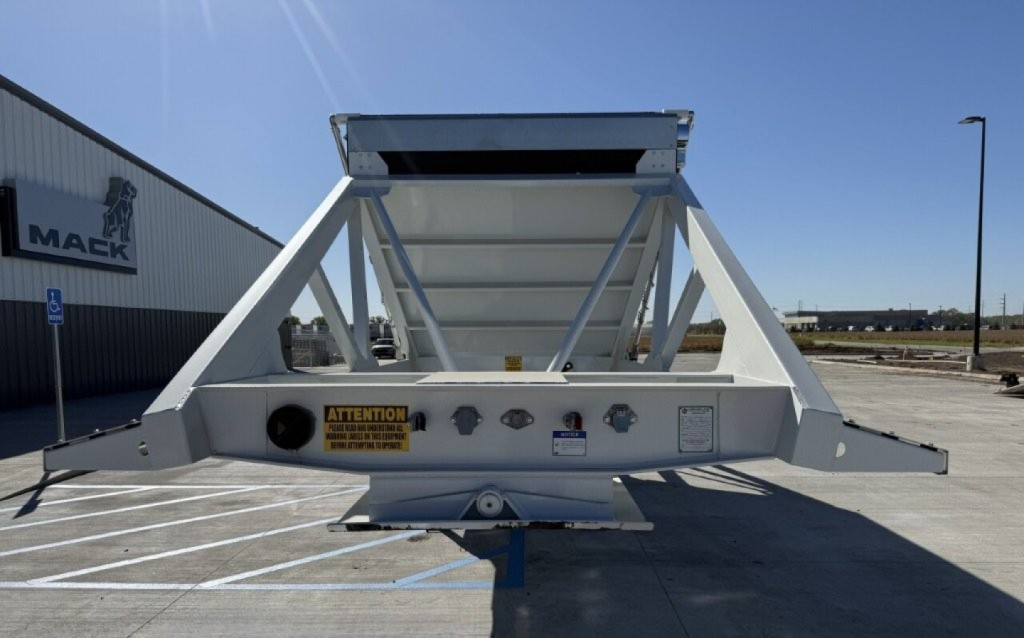
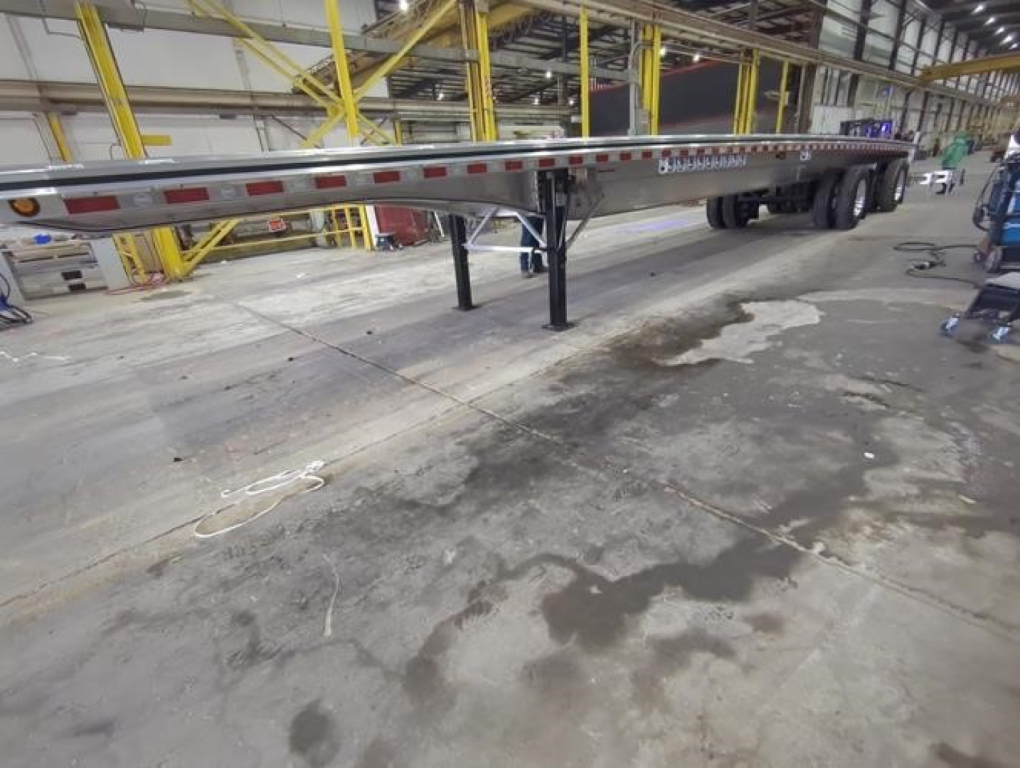
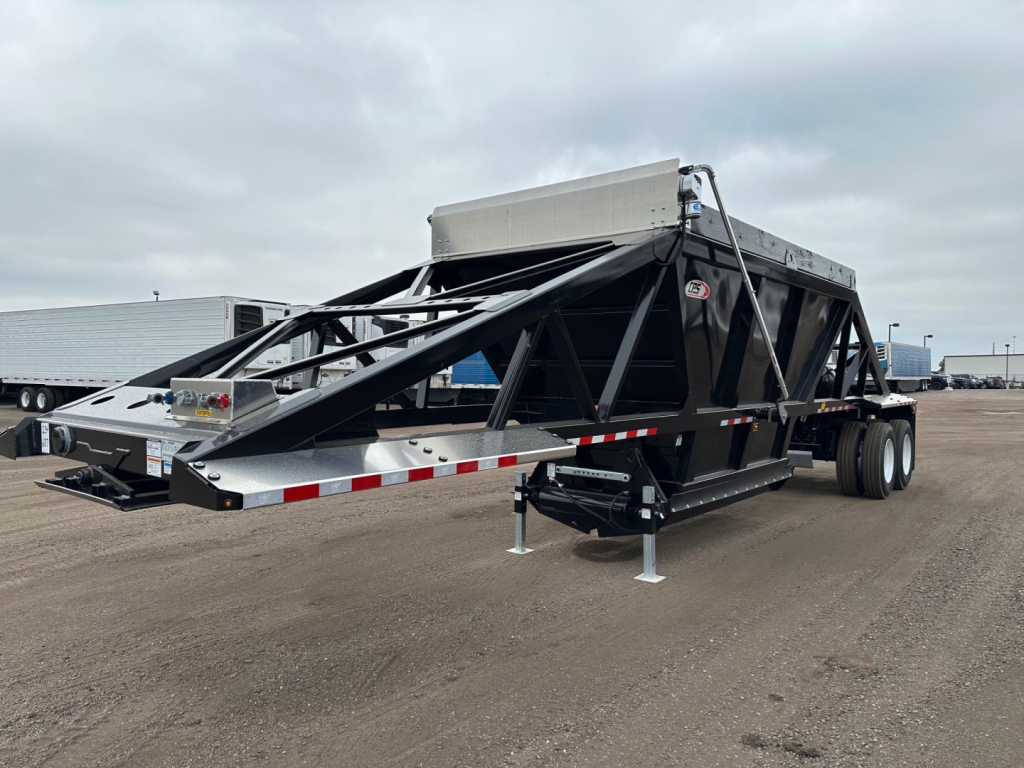
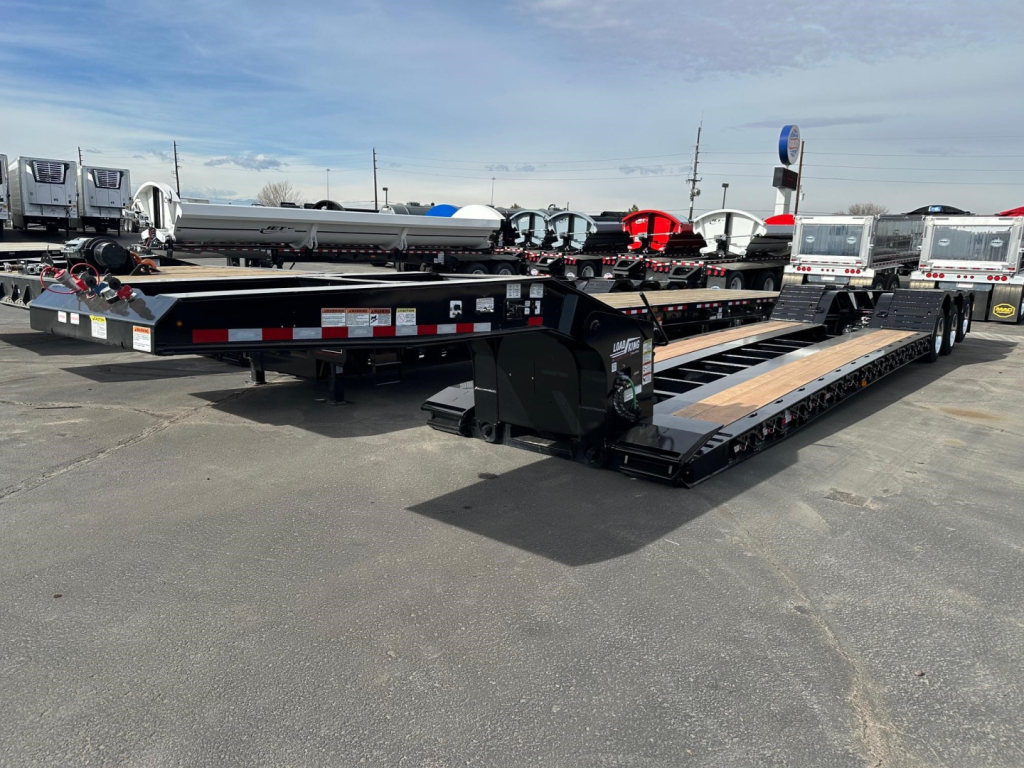
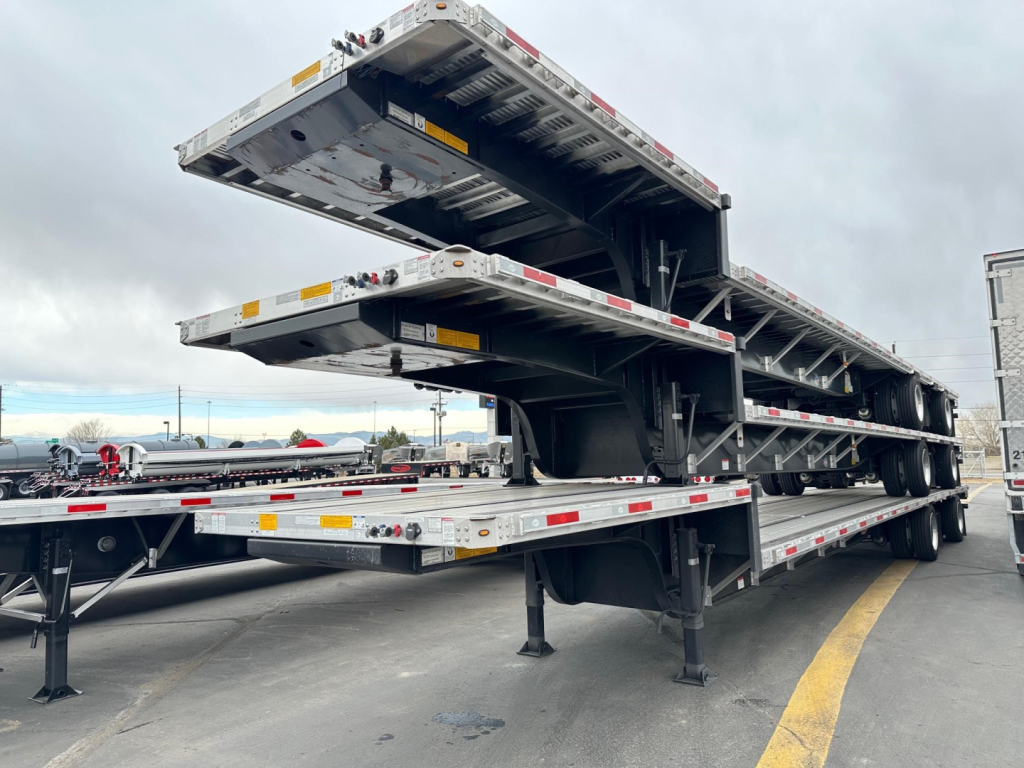
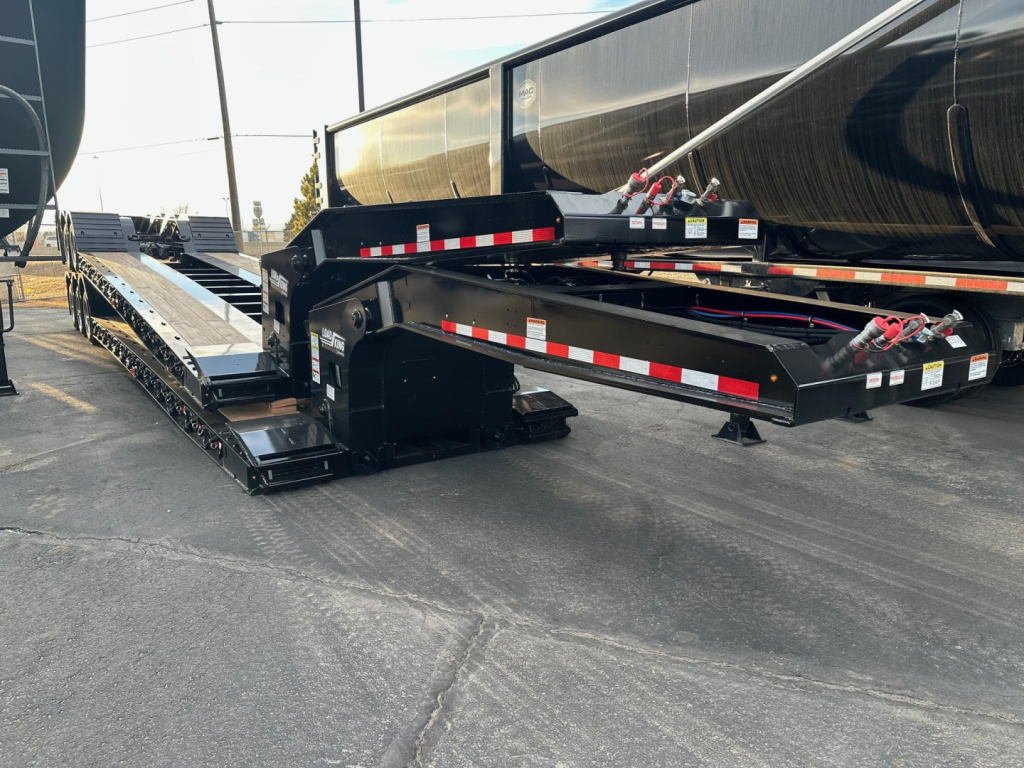
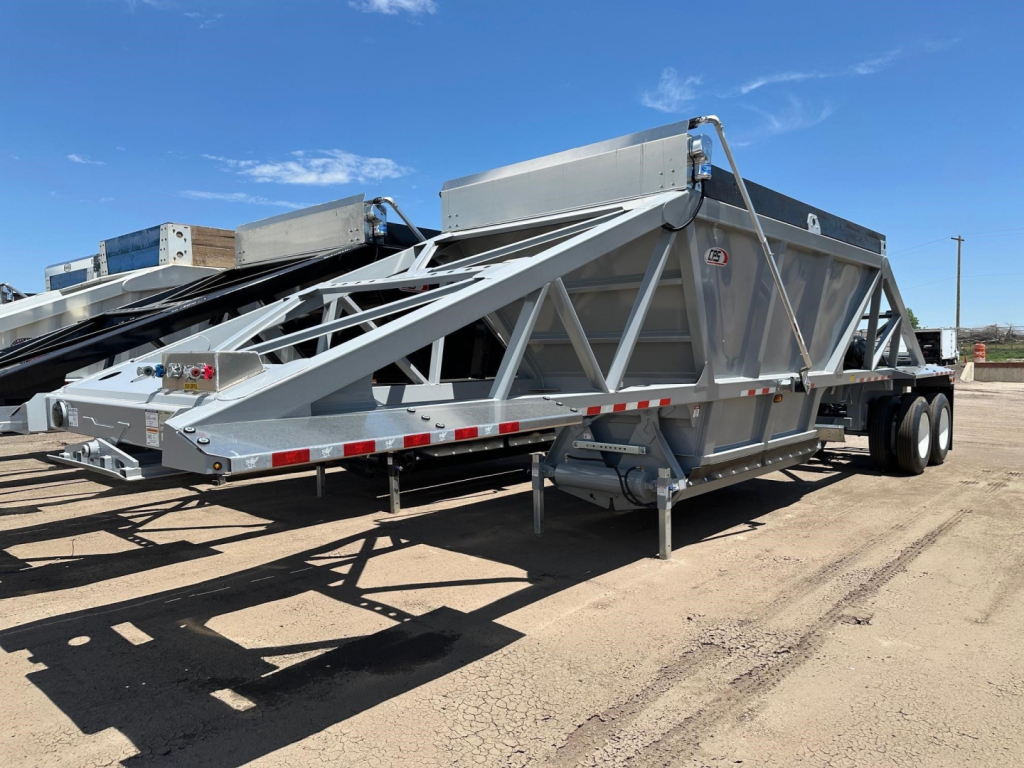
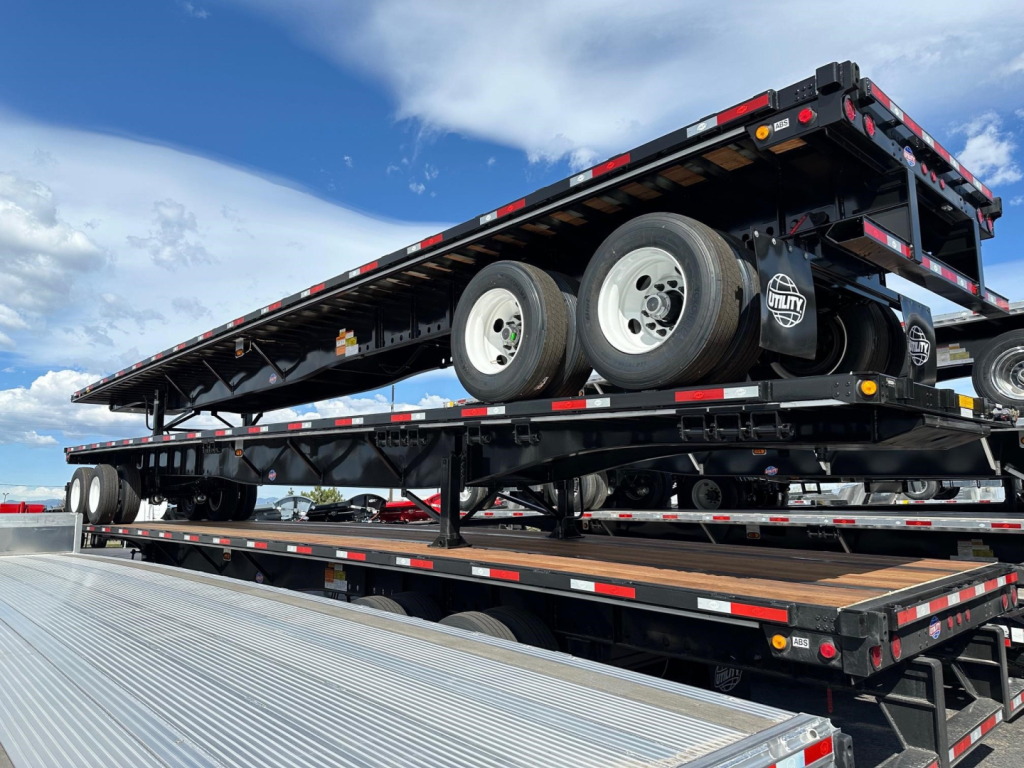
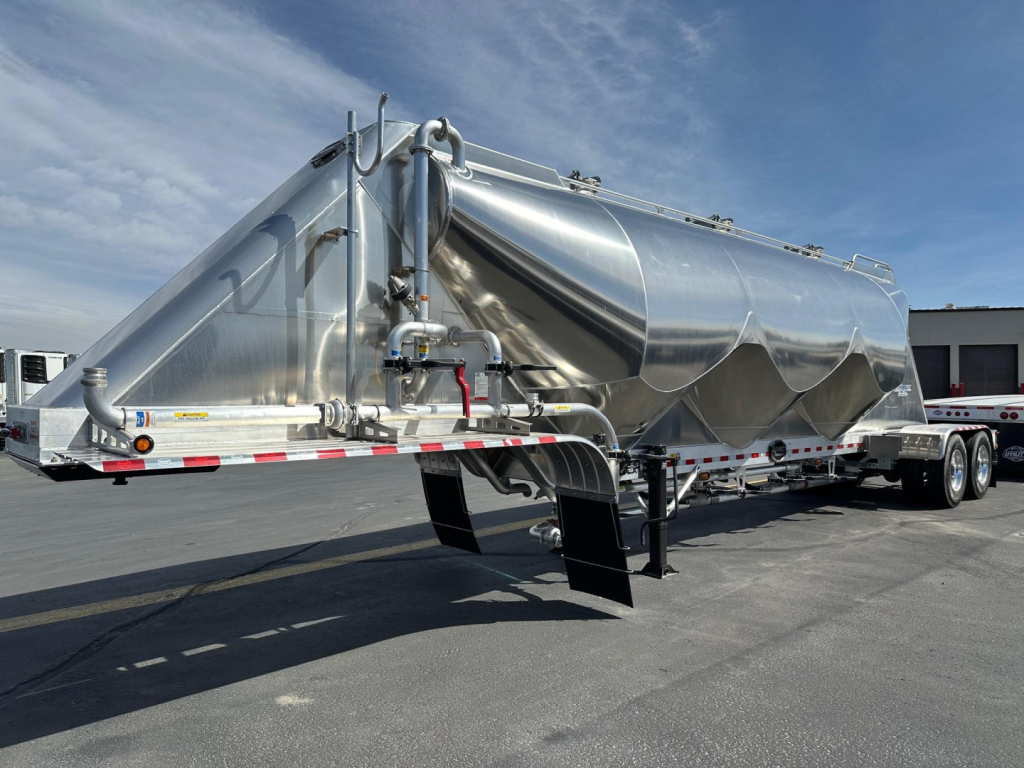
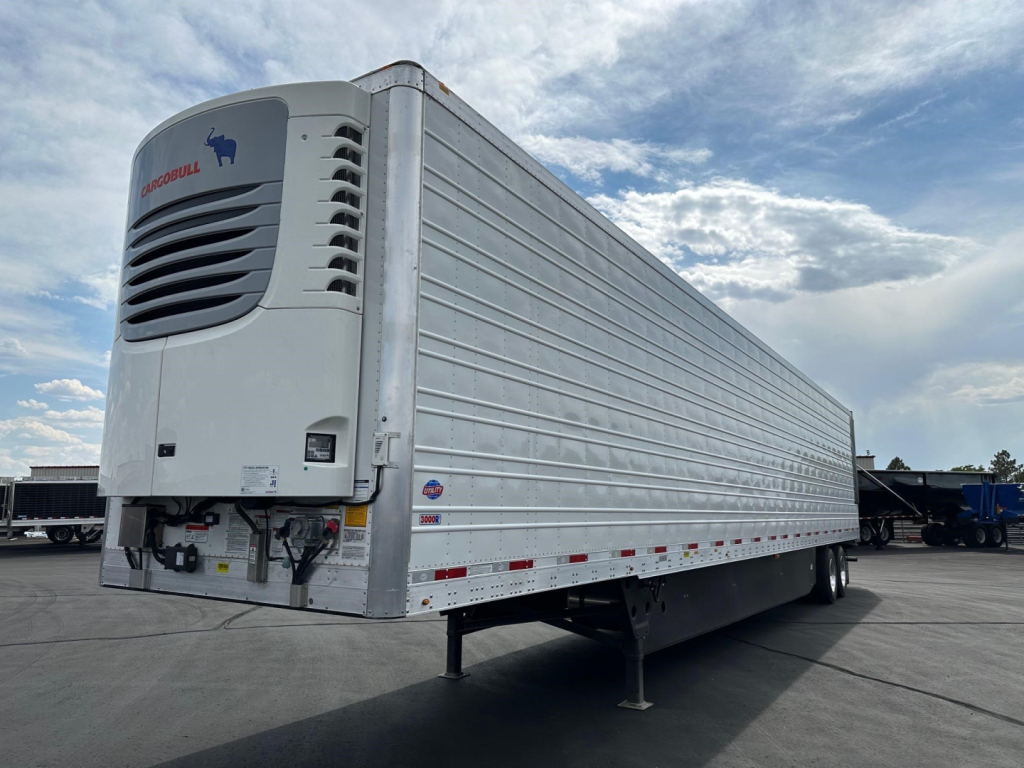
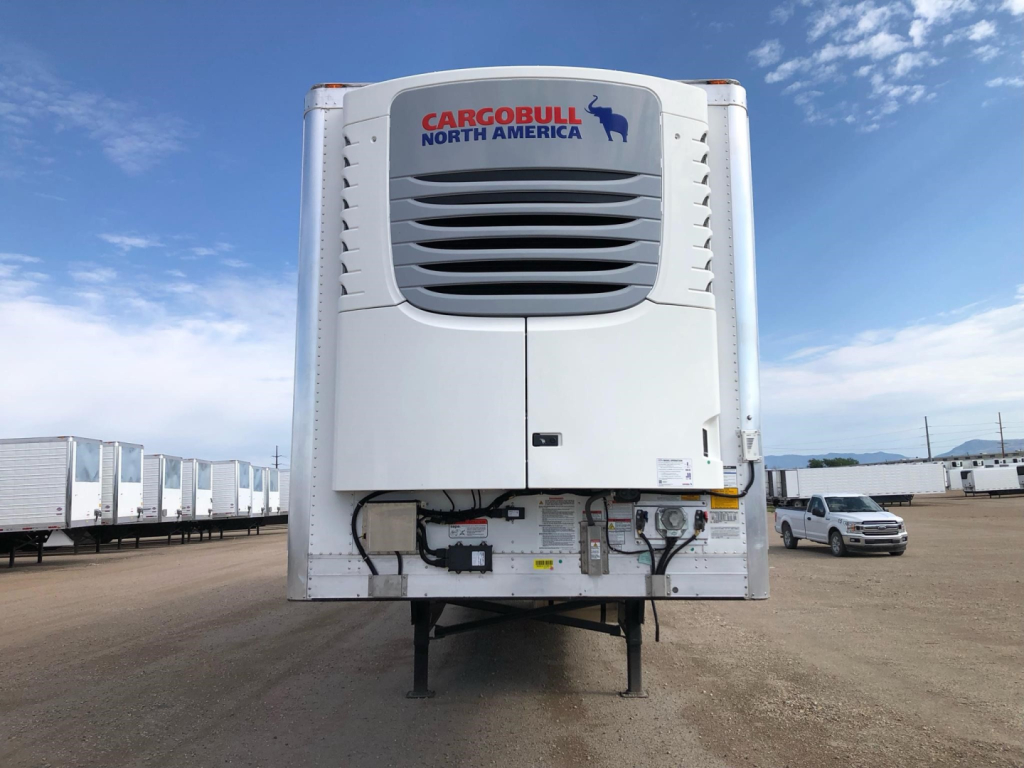
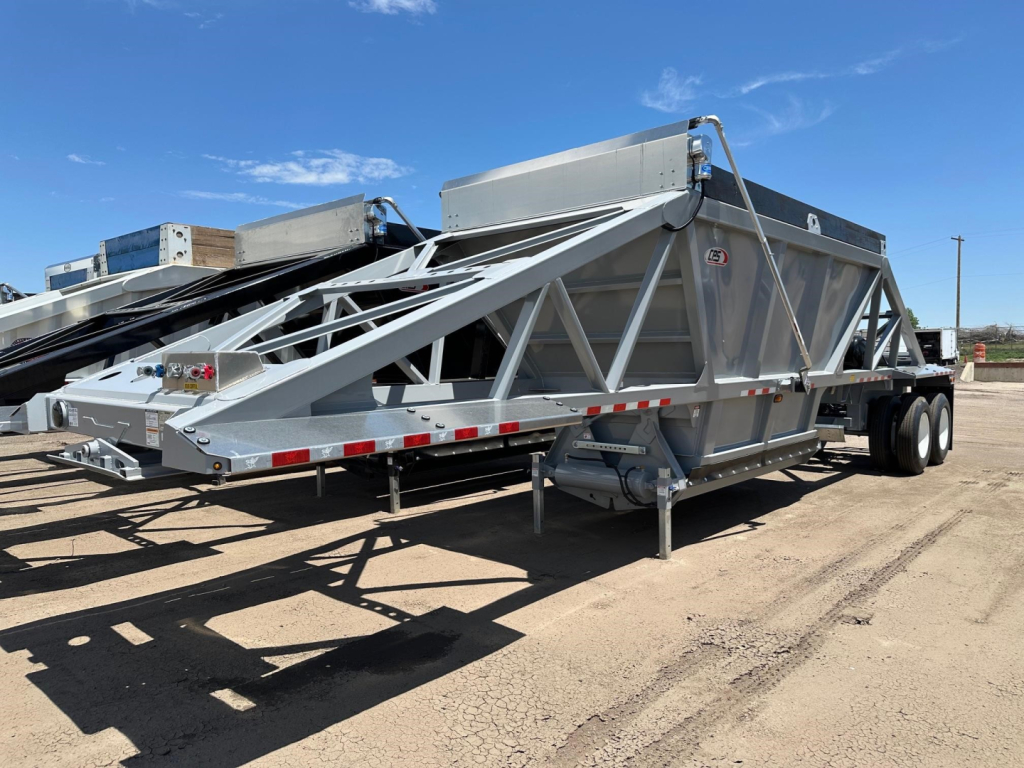
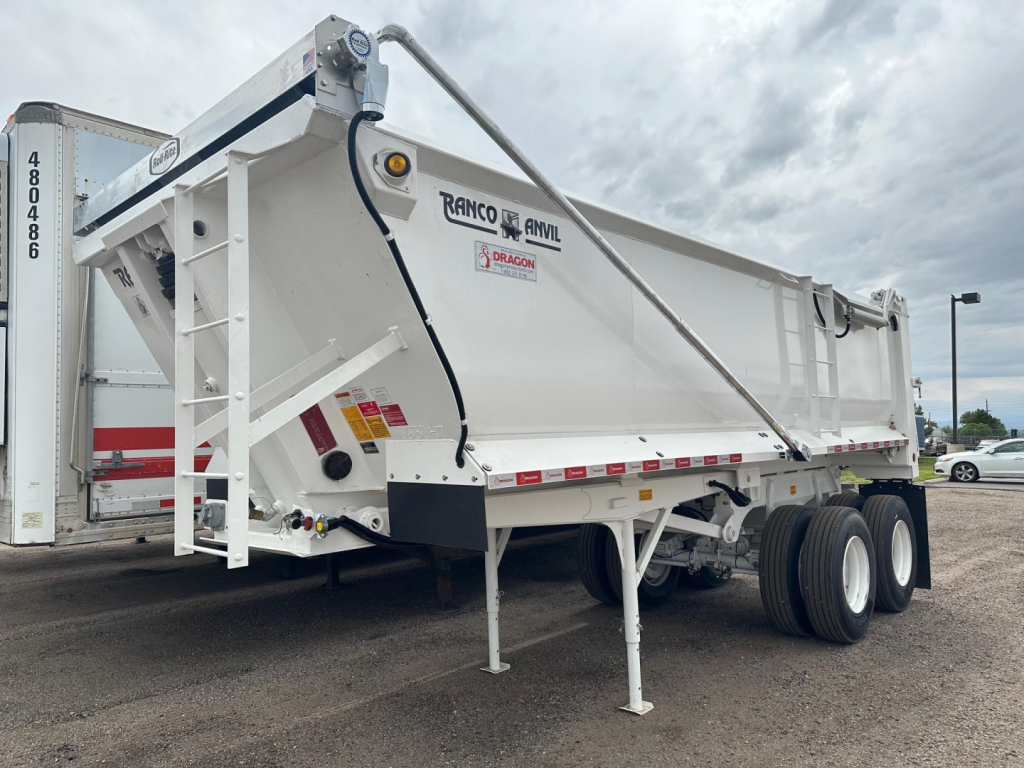
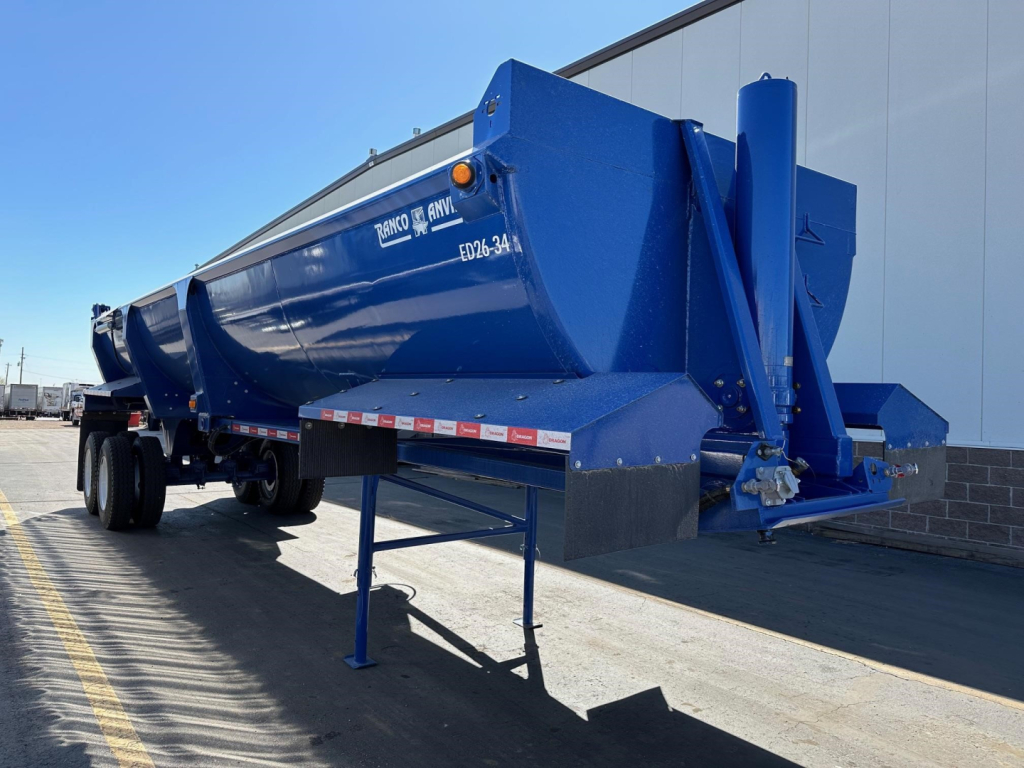
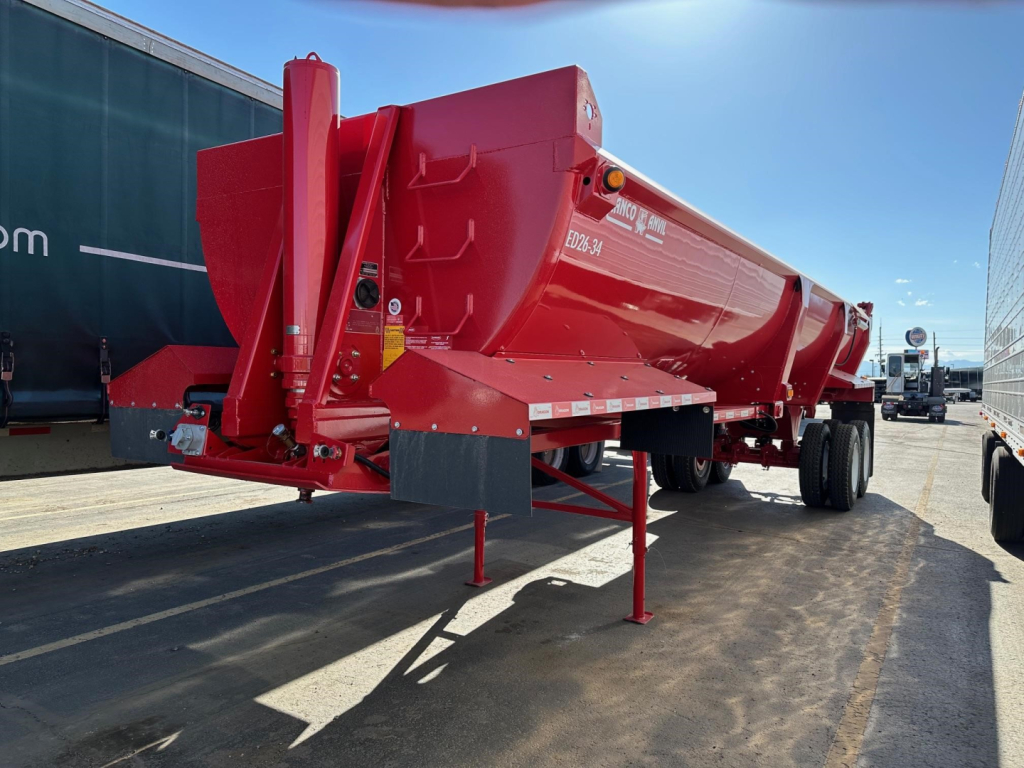
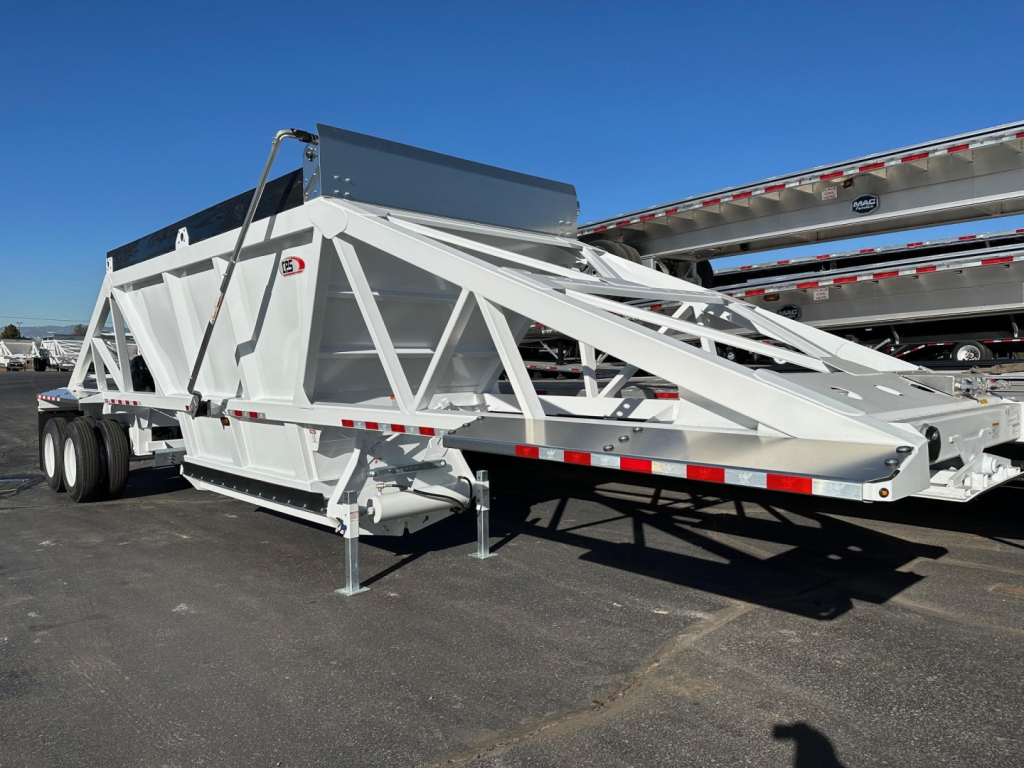
Showing 1 to 28 of 43 results
Selling a 2027 trailer? List your 2027 trailer for sale and reach thousands of commercial buyers.
2027 Trailers in Colorado
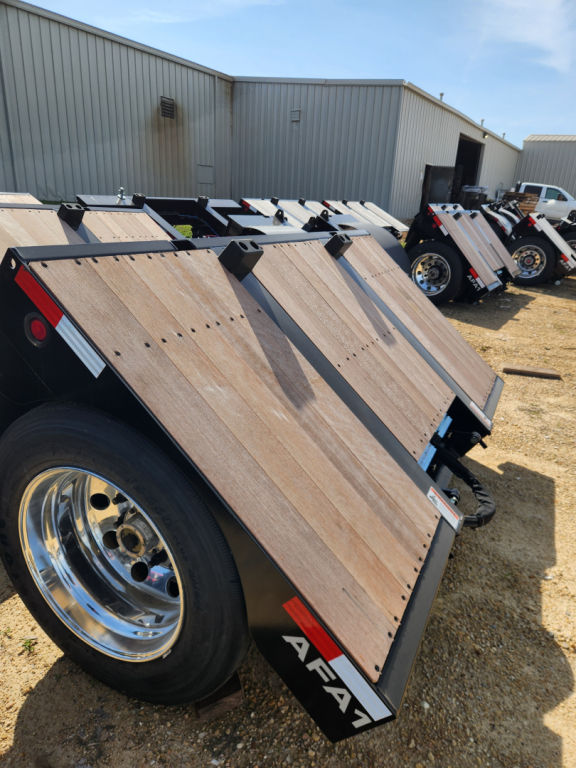
For van trailers, common buyer checkpoints include 53-foot length, 102-inch width, interior height, roll-up versus swing doors, scuff liners, E-track, wood or composite floors, underbody storage, and air ride suspension. Flatbed and drop deck buyers usually focus on main beam construction, steel versus aluminum or combo builds, apitong or aluminum flooring, sliding winches, stake pockets, pipe spools, nail strips, and coil package options. Colorado operators also tend to pay close attention to axle placement and suspension because ride quality, bridge law flexibility, and load distribution matter on longer regional hauls and uneven jobsite access. Air ride is often preferred for freight protection, while spring ride can still make sense for simplicity and lower upfront cost in certain flatbed applications.
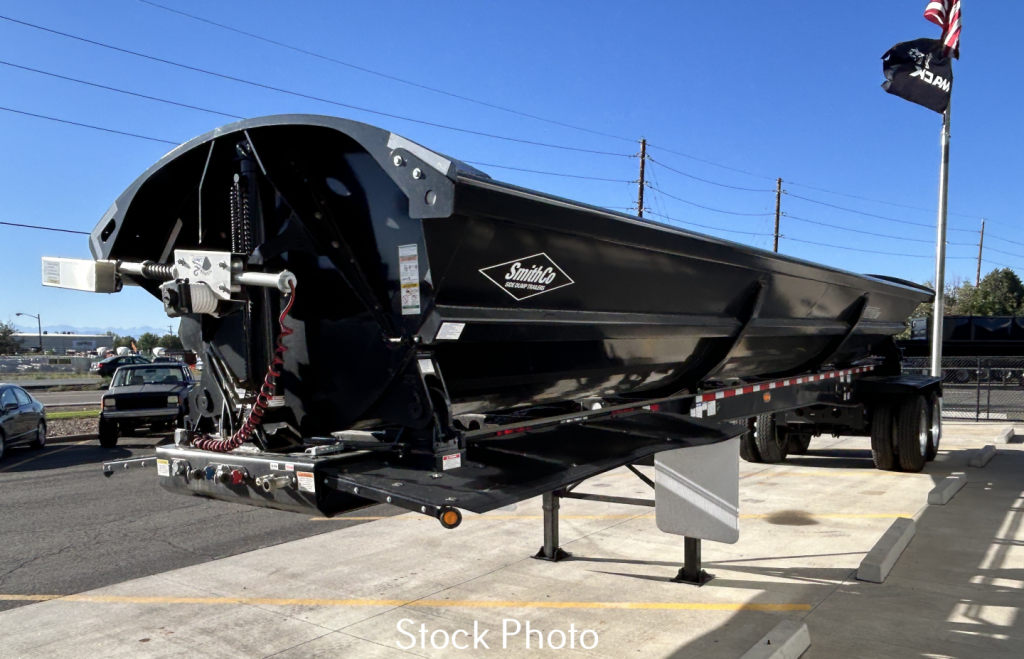
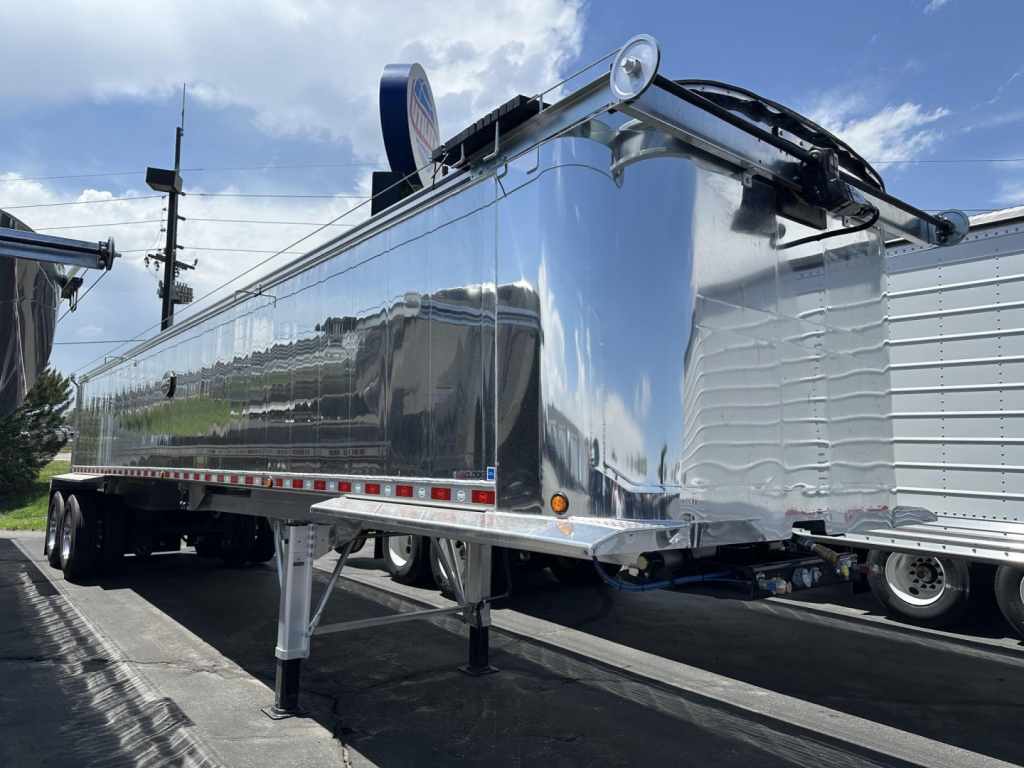
Dump trailer buyers in this year range usually compare frameless versus frame-type construction, aluminum versus steel bodies, gate style, tarp systems, liner packages, and tandem or spread axle layouts. Frameless aluminum end dumps are popular when payload matters, while steel construction can be the better fit for severe-duty environments with abrasive material and tougher impact exposure. For open-deck trailers, fixed tandem, spread axle, and sliding tandem setups each serve different needs. A sliding tandem can add flexibility for state bridge requirements and loading balance, while a spread configuration may improve stability and distribute weight well for certain applications. Tire size, wheel material, tire inflation systems, and brake spec also deserve a close look because lifecycle cost is often driven by maintenance and uptime, not just purchase price.
When comparing 2027 trailers, buyers should think beyond the headline specs and evaluate how the trailer will actually load, scale, and unload in day-to-day service. Look at deck height, crossmember spacing, kingpin setting, landing gear placement, rear frame design, and the practicality of the securement package for your freight mix. In Colorado, corrosion resistance, lighting durability, tarp reliability, and braking performance in changing elevations are all worth attention. A well-matched 2027 trailer should improve payload efficiency, reduce loading delays, and fit the lanes and commodities you already run rather than forcing operational compromises after the sale.
Frequently Asked Questions about 2027 Trailers in Colorado
What should I look for first when buying a 2027 trailer in Colorado?
Start with the trailer category that matches the freight, then verify the core dimensions and running gear. Length, width, deck or interior height, axle layout, suspension type, and body material affect legal loading, payload, and durability more than the model year alone. In Colorado, buyers should also account for mountain grades, weather exposure, and route changes that can make air ride, sliding tandems, tarp systems, and corrosion-resistant construction more valuable over time.
Is air ride better than spring ride on a trailer?
Air ride usually provides a smoother ride and better freight protection, which is important for dry van freight, many drop deck loads, and operations that run mixed roads or higher-value cargo. Spring ride is simpler and can be less expensive to maintain upfront, which still appeals to some flatbed applications. The better choice depends on commodity sensitivity, road conditions, and how much importance you place on ride quality versus mechanical simplicity.
What is the difference between a flatbed and a drop deck trailer?
A flatbed has a single deck height across the trailer and works well for standard open-deck freight that does not require extra height clearance. A drop deck, also called a step deck, has an upper deck and a lower deck, allowing taller freight to move without exceeding legal height as quickly. Buyers hauling equipment, palletized freight, or taller machinery often prefer a drop deck because it expands the range of legal loads the trailer can carry.
Why does axle configuration matter on a trailer?
Axle configuration affects bridge compliance, weight distribution, maneuverability, and loading flexibility. Sliding tandems help adjust weight balance and meet different state requirements, while fixed spread or closed tandem setups can better fit certain freight patterns and maintenance preferences. On flatbeds, drop decks, vans, and dumps alike, the axle layout should match the routes you run and the way your freight is positioned on the trailer.
Are aluminum trailers always better than steel trailers?
Aluminum trailers usually offer lower tare weight and better corrosion resistance, which can improve payload and long-term appearance. Steel trailers generally provide strength, repair familiarity, and durability in severe-duty applications, especially when impact resistance is a priority. Many buyers choose combo construction to balance weight savings with structural strength, so the best material depends on freight type, operating conditions, and total cost of ownership.