
2027 Lowboy Trailers For Sale in Colorado
Shop 2027 lowboy trailers for sale in Colorado. Compare 35 to 55 ton detach and fixed-neck lowboys for heavy equipment hauling.
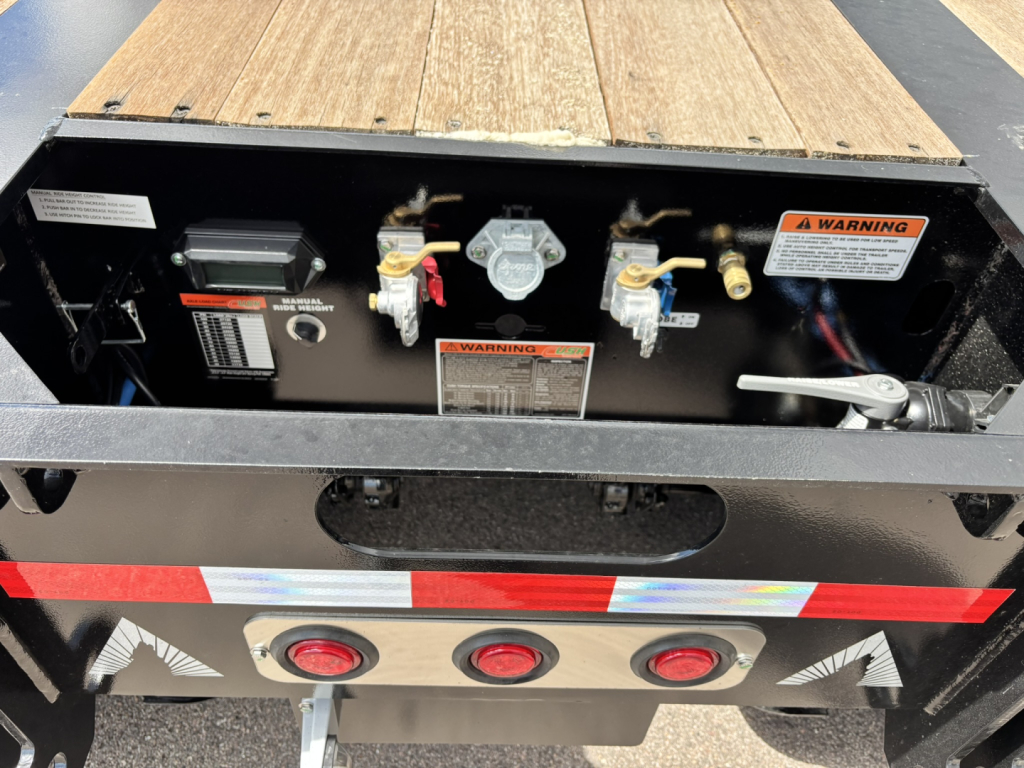
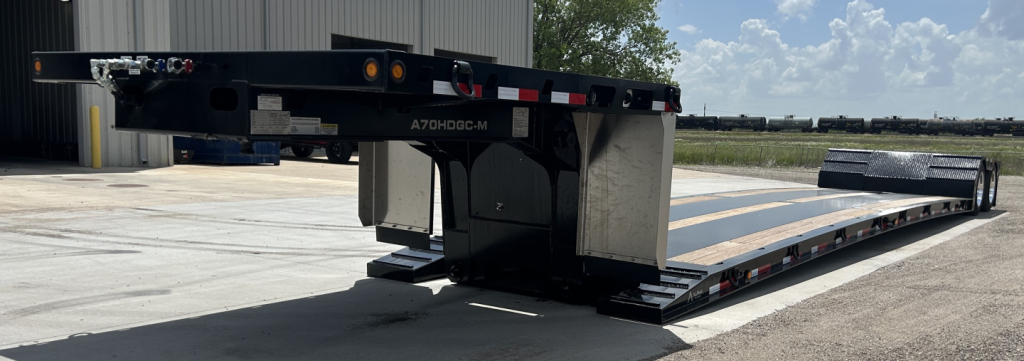
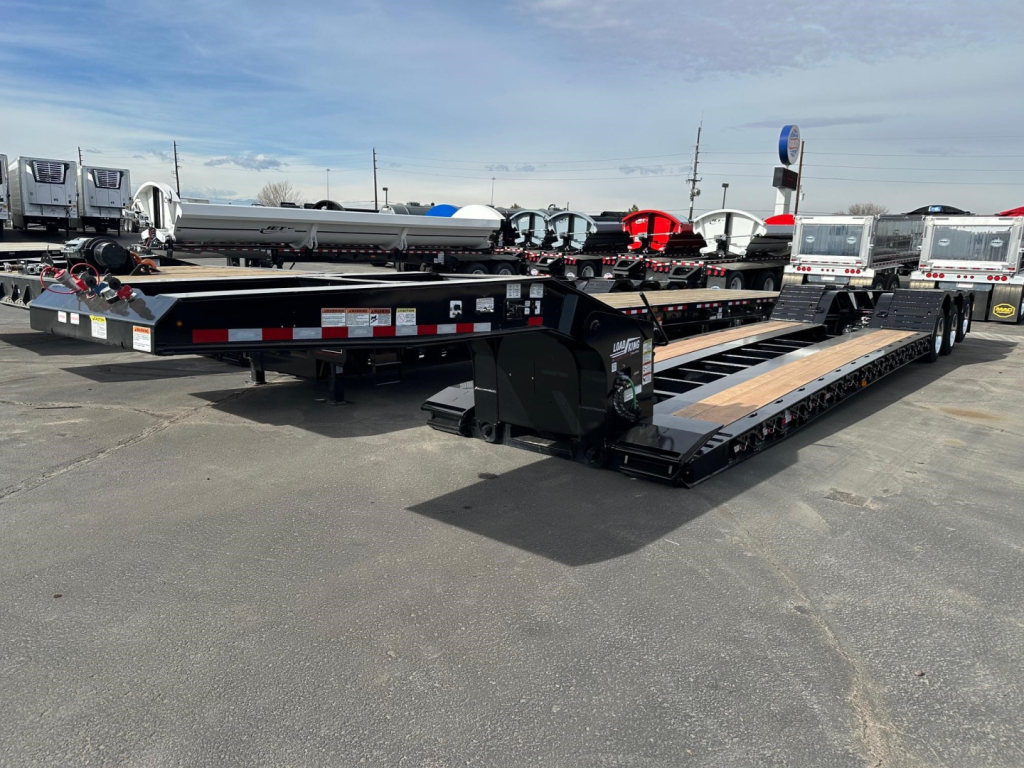
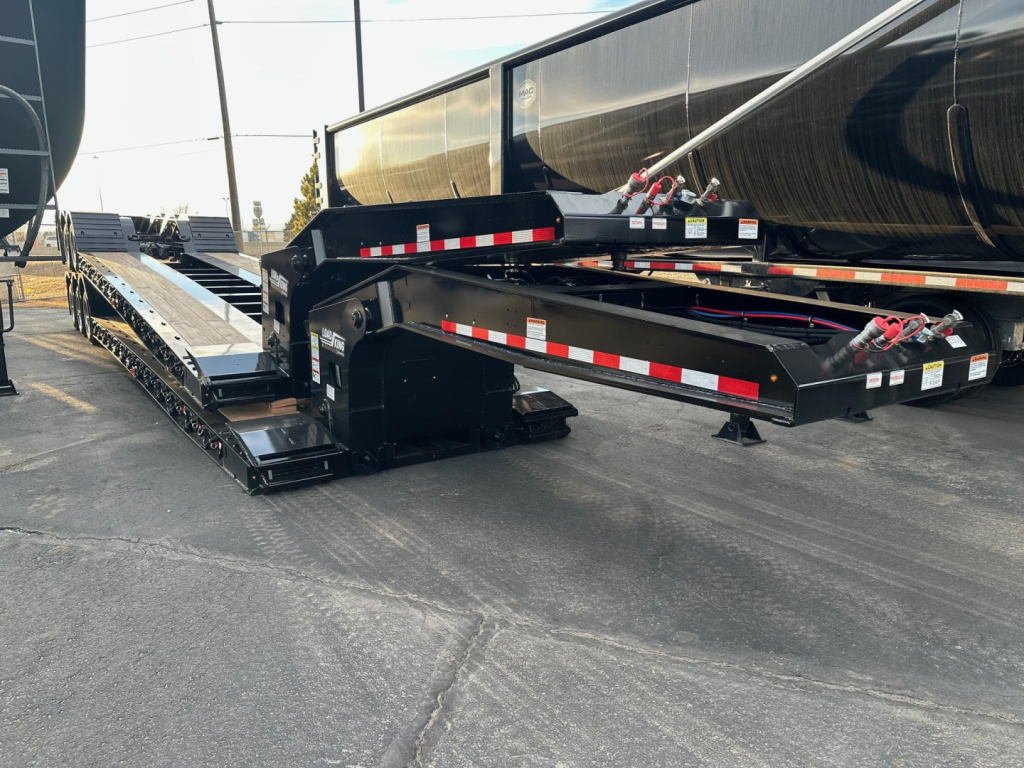
Selling a 2027 lowboy trailer? List your 2027 lowboy trailer for sale and reach thousands of commercial buyers.
2027 Lowboy Trailers in Colorado
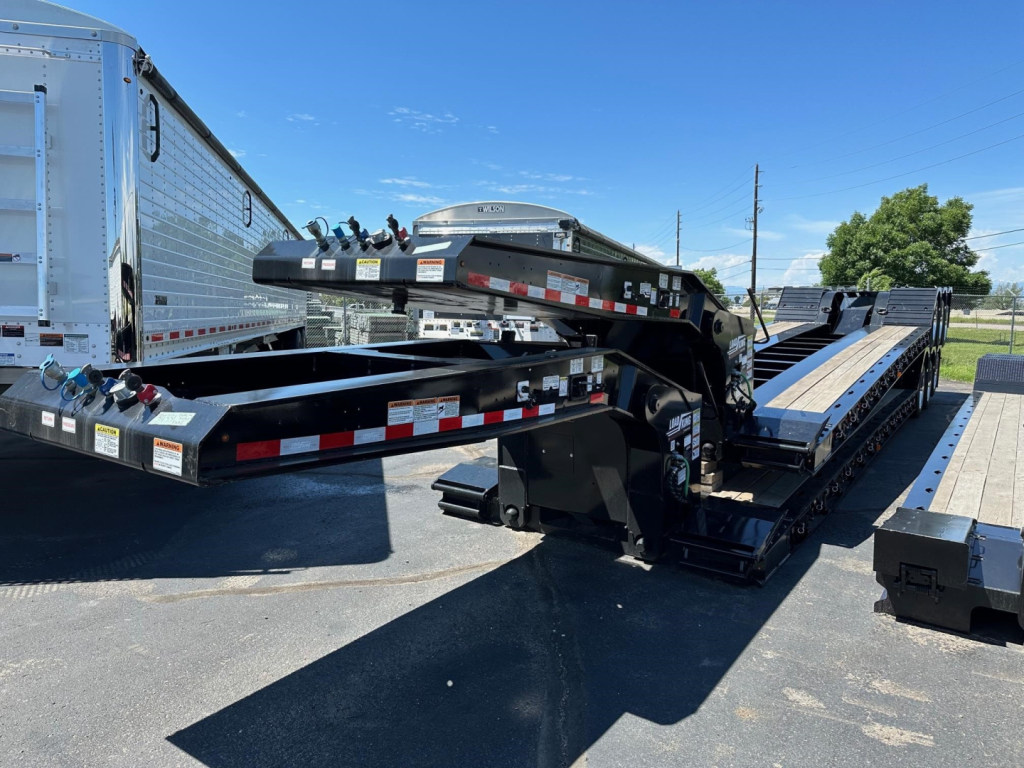
For most buyers, the first decision is capacity and neck style. Common lowboy capacities in this class run from about 35 ton to 55 ton and above, with 55 ton hydraulic detachable gooseneck models being a common choice for contractors and heavy haul fleets that move mixed equipment. A hydraulic detachable neck, often called an RGN or removable gooseneck, speeds loading and unloading of tracked machines without relying on steep rear ramps. Fixed-neck lowboys still make sense for certain fleets, especially when cost, simplicity, and repeat loads matter more than fast front-loading. Key specs to compare include well length, loaded deck height, overall trailer length, axle spread, kingpin settings, beam design, and whether the trailer is prepped for a flip axle or 4th axle to help with bridge and permit requirements.
The details on a lowboy make a real difference in daily use. A 26-foot well is common on construction-oriented trailers because it fits a wide range of iron, while outriggers, chain slots, bent D-rings, and boom or bucket troughs improve securement flexibility for excavators and specialty machines. Air ride suspension and adjustable ride height help with deck control, load protection, and loading angles. Front flip ramps, load-bearing fenders, scale gauges, and lift axles can also add versatility, especially for fleets balancing empty maneuverability with loaded axle compliance. Decking is often apitong or other hardwood for durability, and wheel setups may mix outside aluminum with inside steel to balance weight savings and durability.
Colorado buyers should pay close attention to tire profile, axle configuration, and how the trailer will be permitted on the routes they actually run. Tri-axle lowboys are common, but a trailer with connections for a jeep, booster, spreader bar, or flip axle can be more adaptable as payloads change. If the work includes mountain grades, uneven energy sites, or municipal street jobs, features like traction cleats, good approach angles, work lights, and clear access to air and electrical hookups become more important than they look on paper. The right 2027 lowboy trailer is the one that matches your heaviest regular load, your tractor setup, and the permitting environment you operate in, not just the highest published ton rating.
Frequently Asked Questions about 2027 Lowboy Trailers in Colorado
What is the difference between a lowboy and an RGN trailer?
A lowboy is the equipment class, while an RGN, or removable gooseneck, is one configuration within that class. Many lowboys use a hydraulic detachable neck so equipment can be driven on from the front with a shallow loading angle. Other lowboys have a fixed neck and load from the rear using ramps. Buyers usually choose an RGN-style lowboy when they haul tracked machines frequently, need faster loading, or want easier handling for taller equipment.
What capacity lowboy trailer is most common for construction equipment?
For mixed construction fleets, 35 ton and 55 ton lowboy trailers are among the most common capacity ranges. A 35 ton unit can cover many compact and mid-size machines, while a 55 ton lowboy is a strong fit for heavier excavators, dozers, and specialized equipment. The right rating depends on more than machine weight alone because axle group weights, attachment weight, load position in the well, and permit requirements all affect legal hauling.
Why do well length and deck height matter on a lowboy trailer?
Well length determines how much machine footprint the trailer can carry between the neck and rear deck, which directly affects load balance and securement options. Deck height is just as important because the main advantage of a lowboy is reduced overall loaded height. A trailer with the right well length and a low loaded deck height makes it easier to haul tall equipment legally, especially on restricted routes, under bridges, and through mountainous areas where alternate routing can add cost and time.
What features should Colorado buyers look for in a lowboy trailer?
Colorado buyers should focus on axle configuration, suspension, loaded height, and permit flexibility. Mountain grades and changing road conditions make air ride suspension, adjustable ride height, and solid securement hardware especially useful. A lowboy prepped for a flip axle, 4th axle, or other axle additions can be helpful for heavier permitted loads. Good lighting, traction-friendly loading surfaces, and practical loading angles also matter when equipment is being loaded on uneven jobsites or in winter conditions.
Are hydraulic detachable neck lowboys better than fixed-neck lowboys?
Hydraulic detachable neck lowboys are usually more versatile because they allow easier front loading and handle many tracked machines with less loading angle. They also tend to suit fleets that move a wide variety of equipment. Fixed-neck lowboys are simpler, often lighter on maintenance, and can be a smart choice for repetitive hauling where the same type of machine is loaded the same way every time. The better option depends on loading frequency, machine type, tractor hydraulic setup, and budget.