
2027 Lowboy Trailers For Sale
Shop 2027 lowboy trailers built for heavy equipment hauling, with hydraulic detach options, low deck heights, high capacities, and jobsite-ready specs.
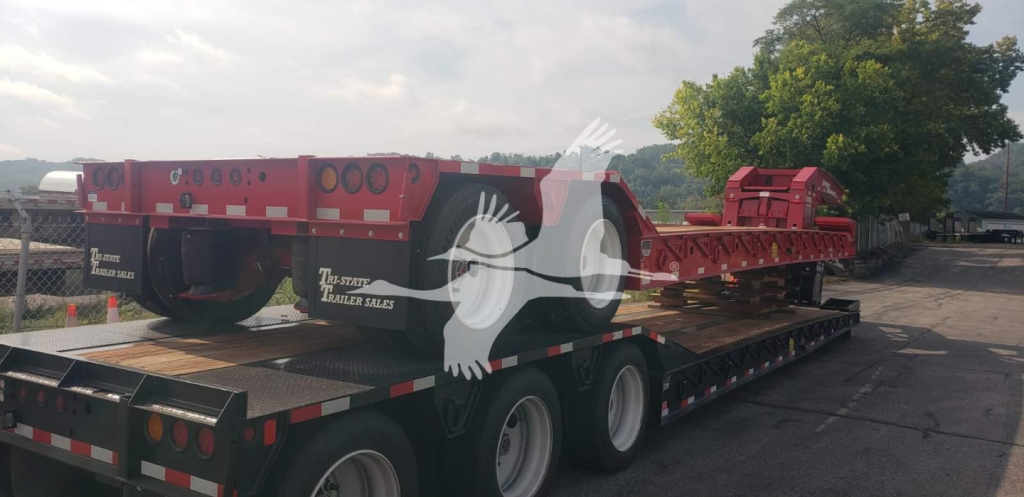
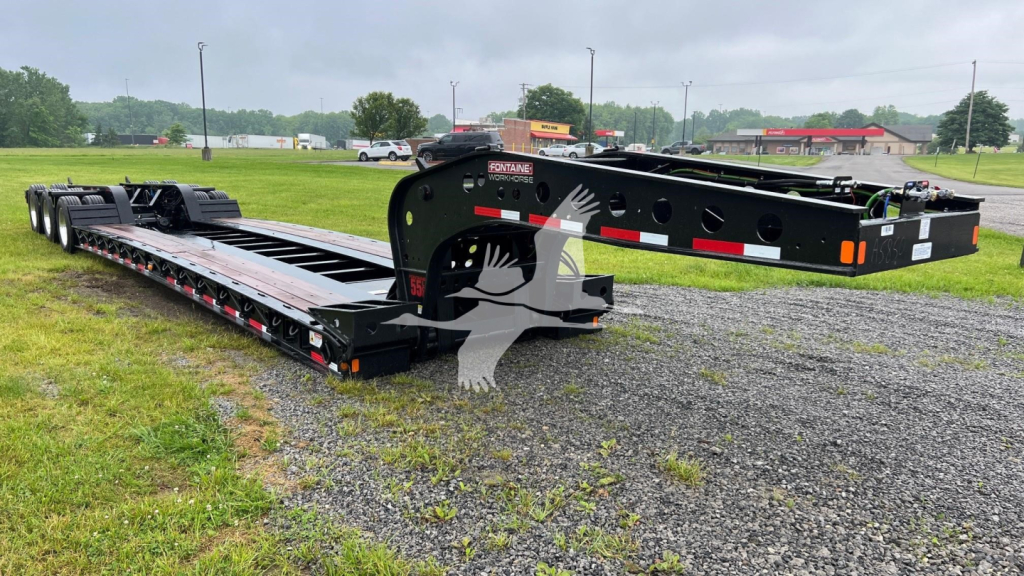
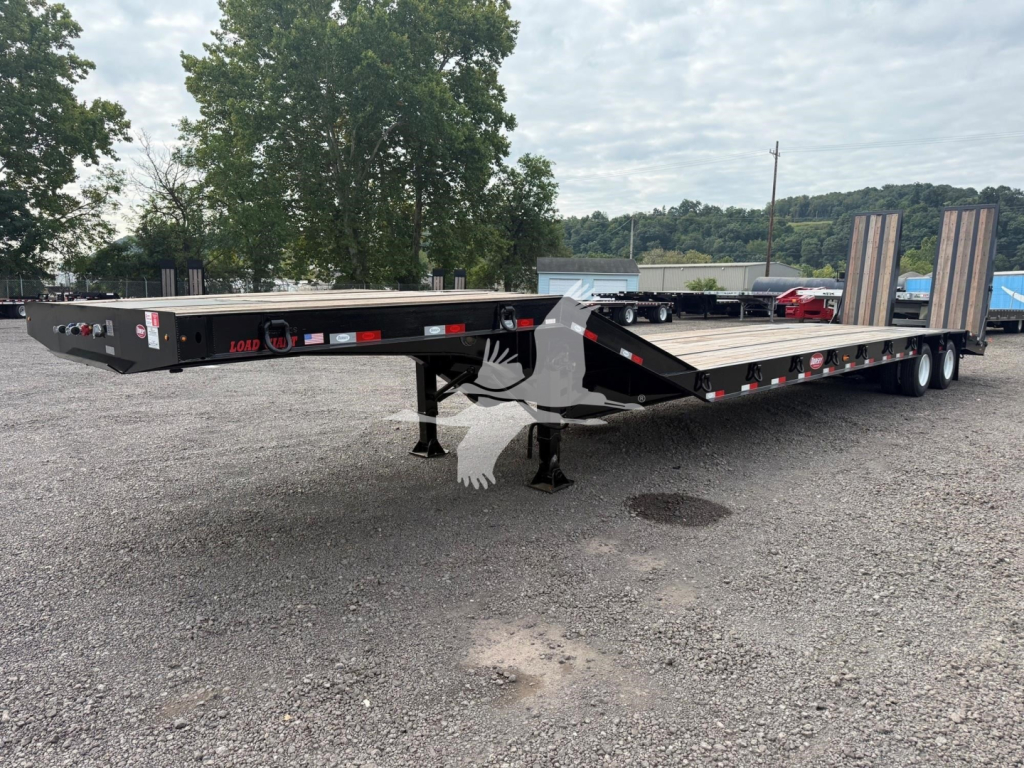
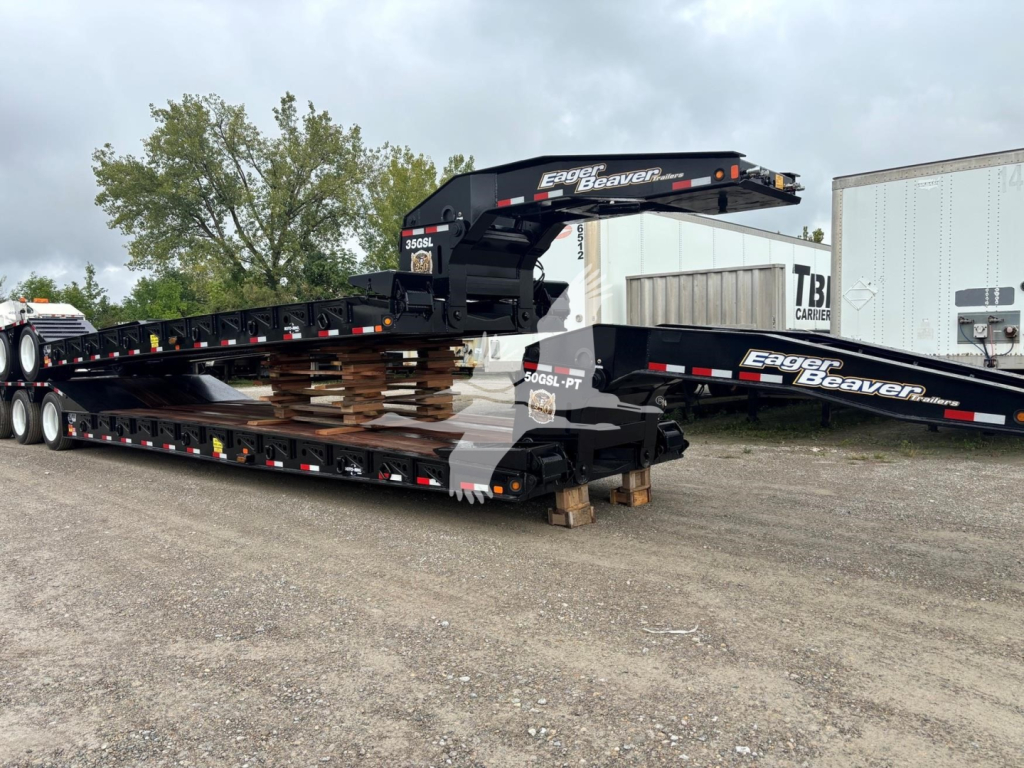
Showing 1 to 28 of 119 results
Selling a 2027 lowboy trailer? List your 2027 lowboy trailer for sale and reach thousands of commercial buyers.
2027 Lowboy Trailers
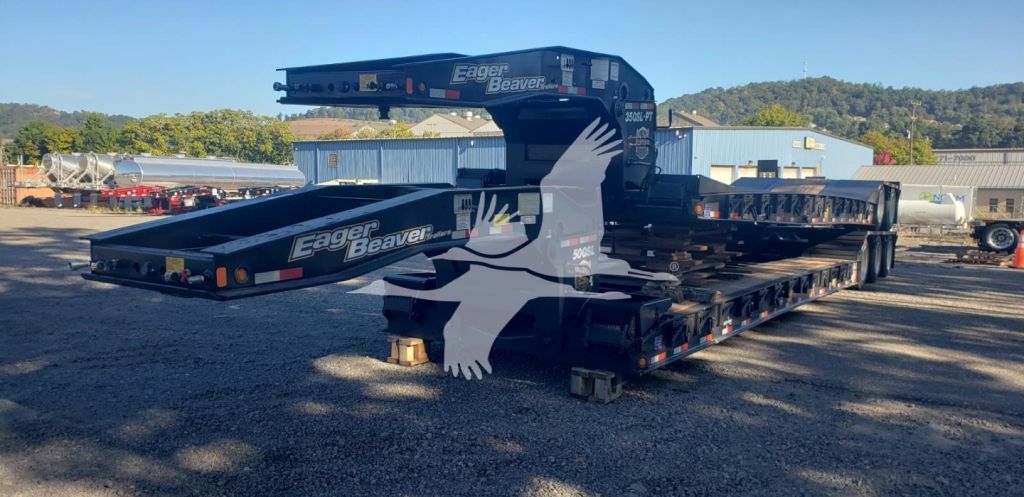
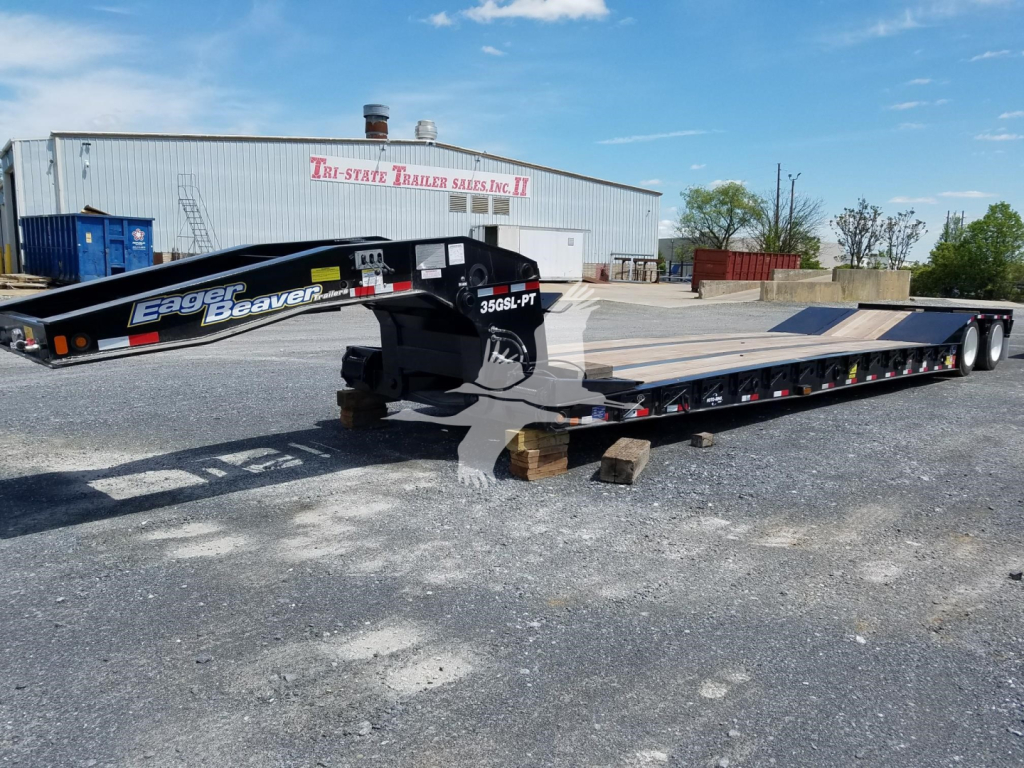
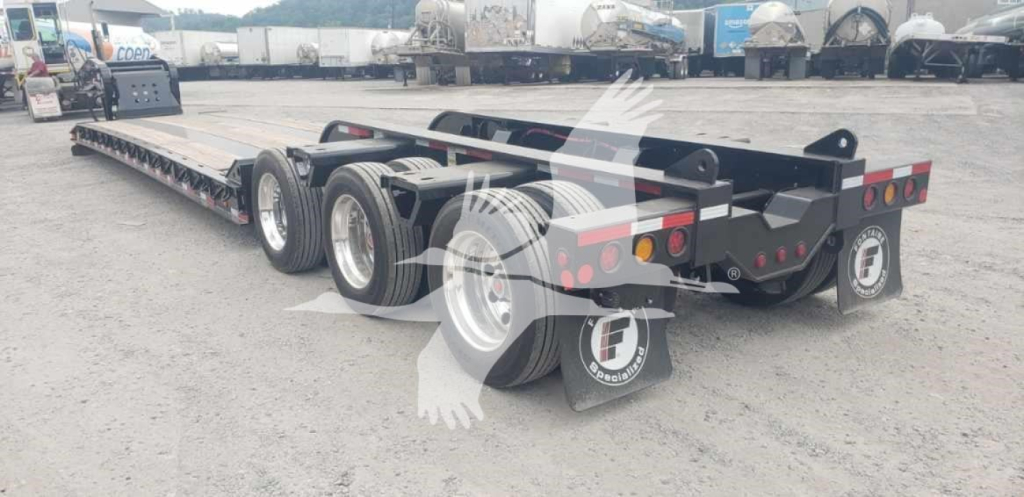
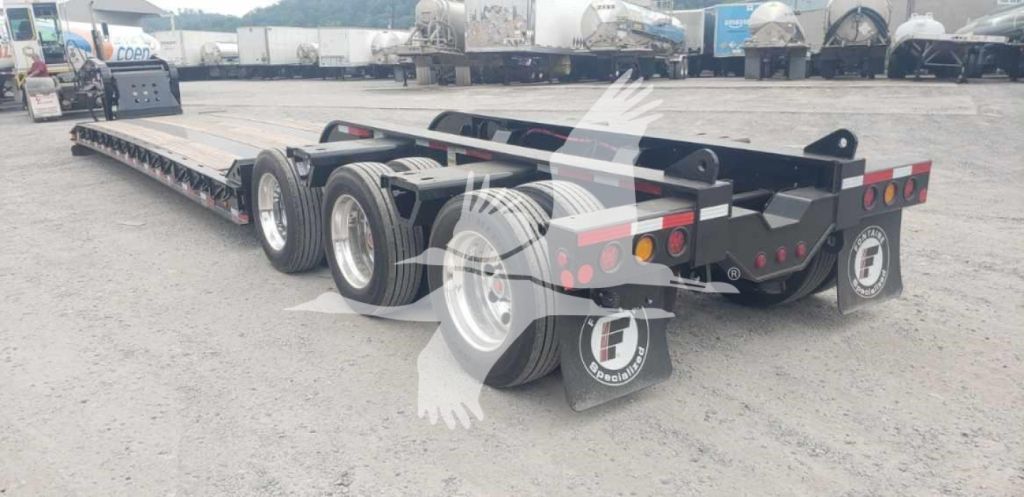
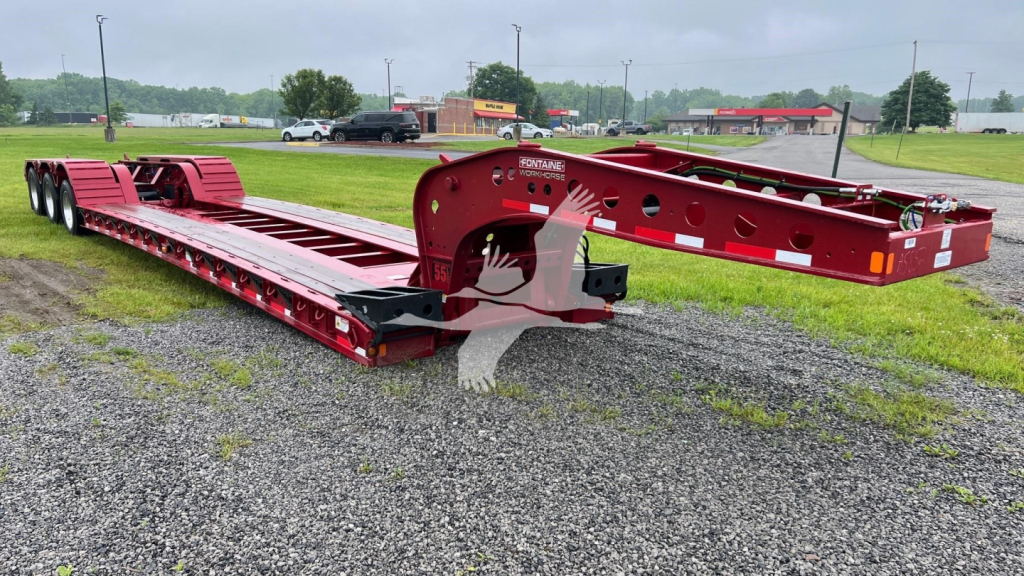
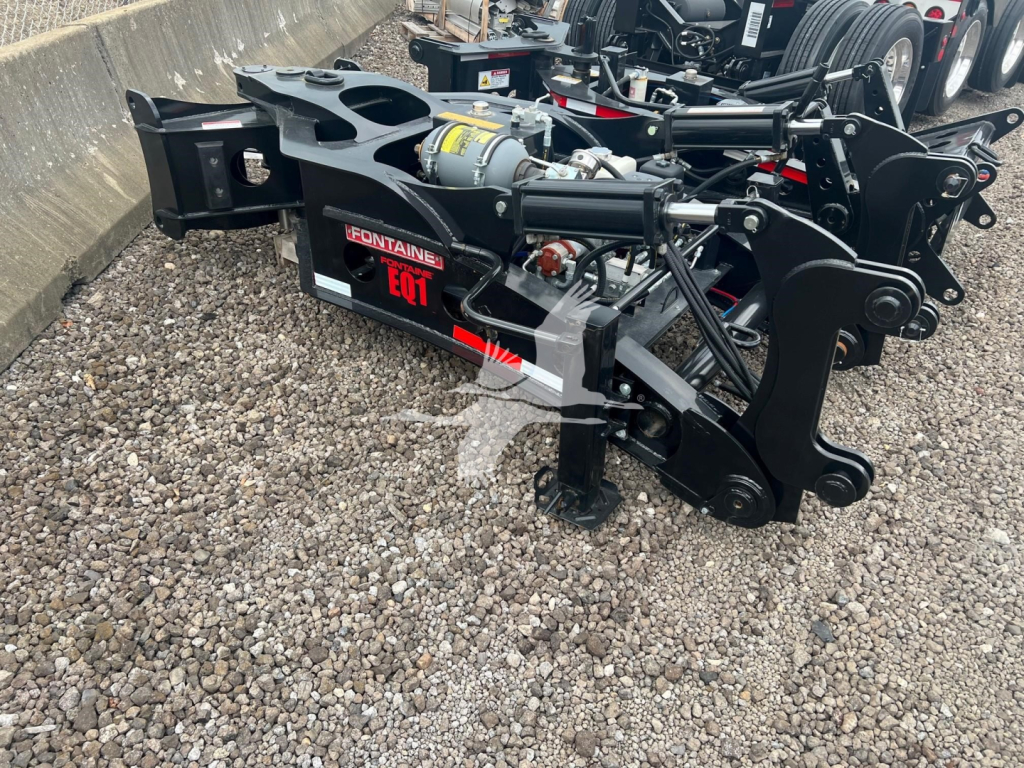
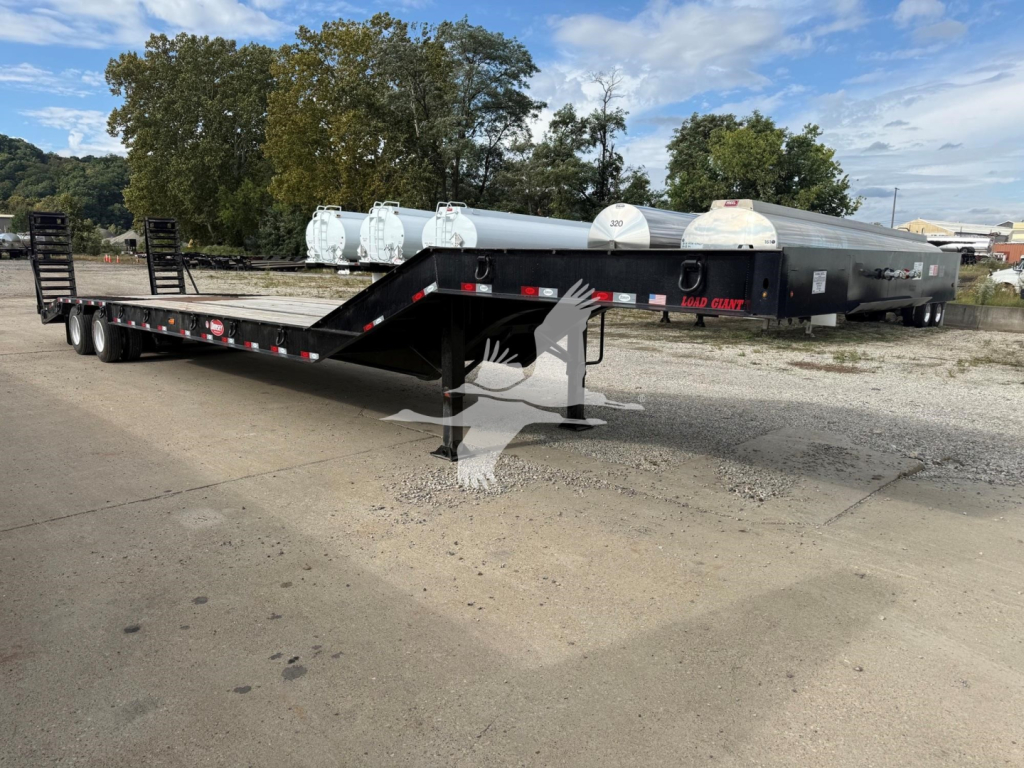
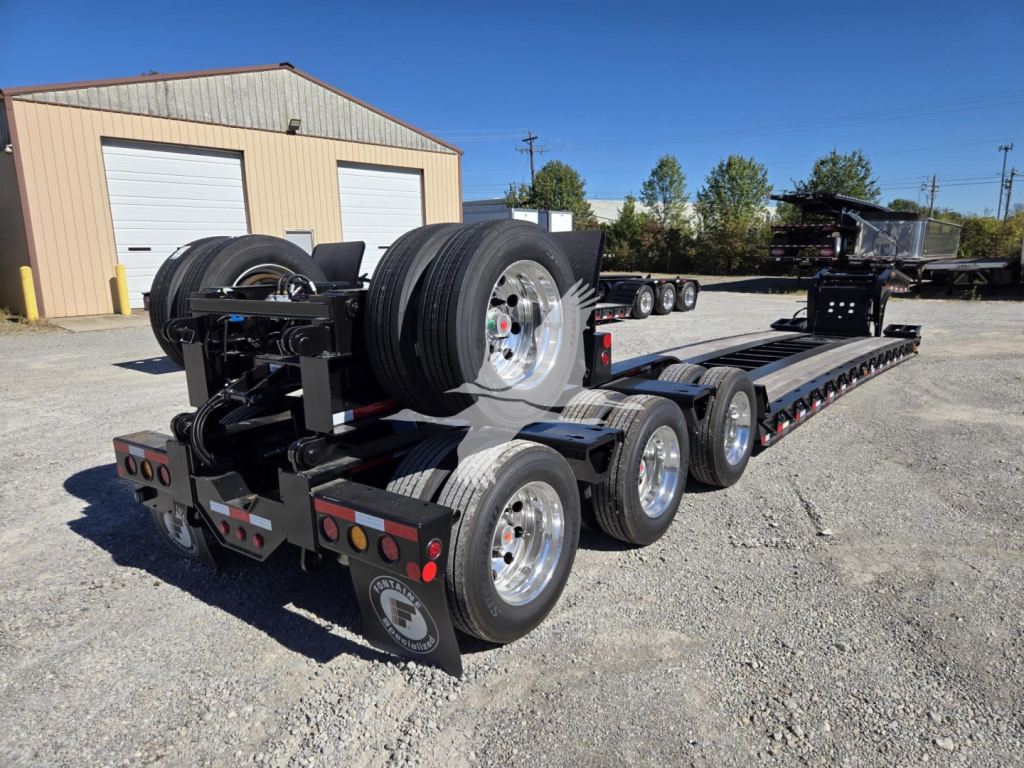
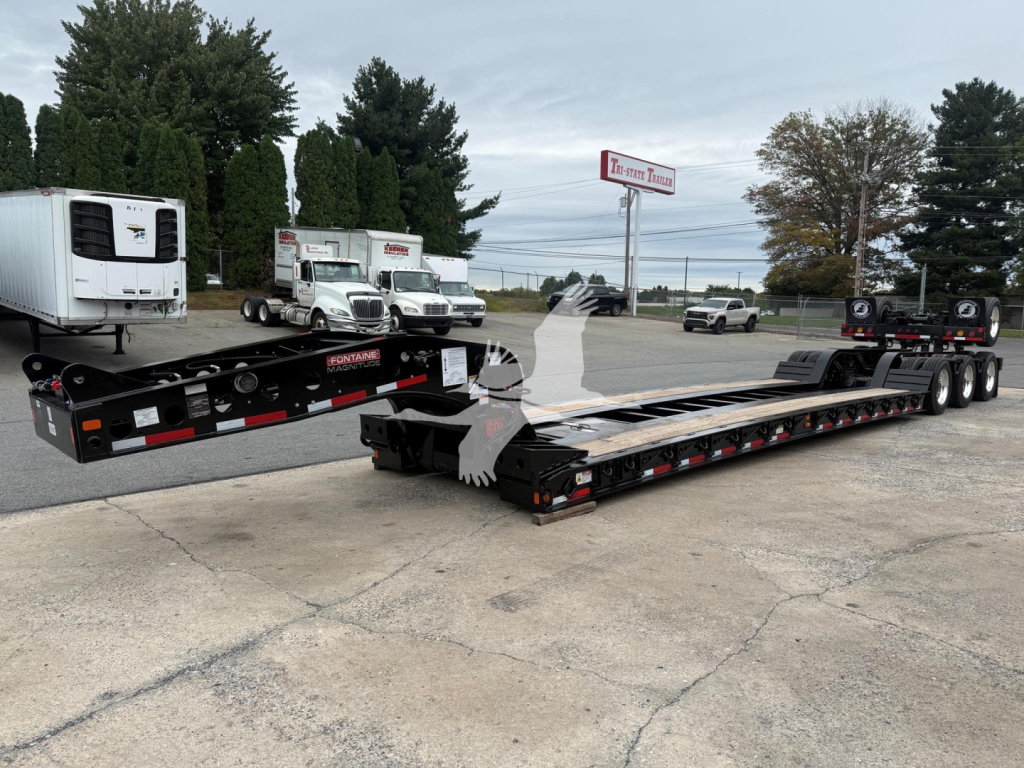
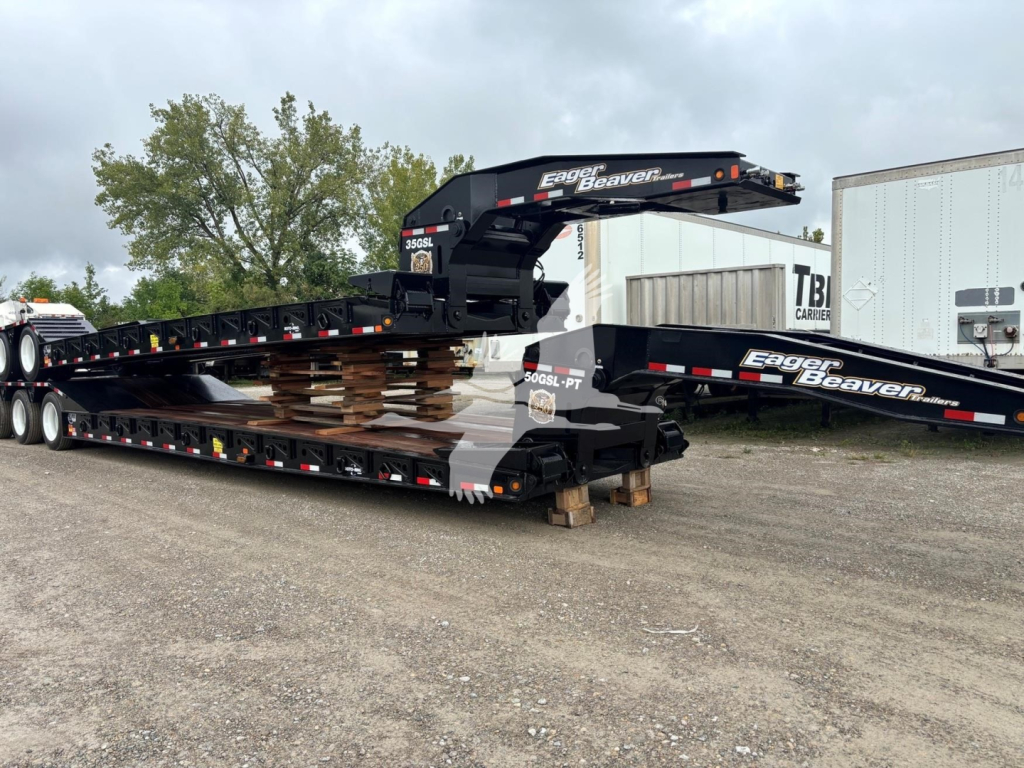
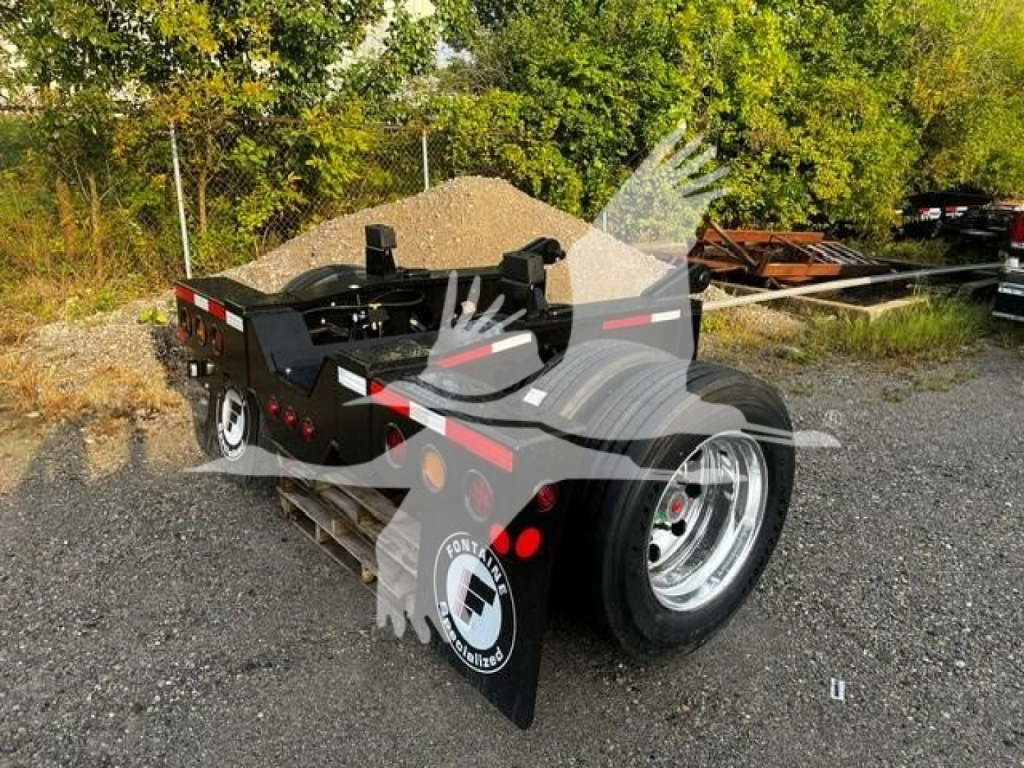
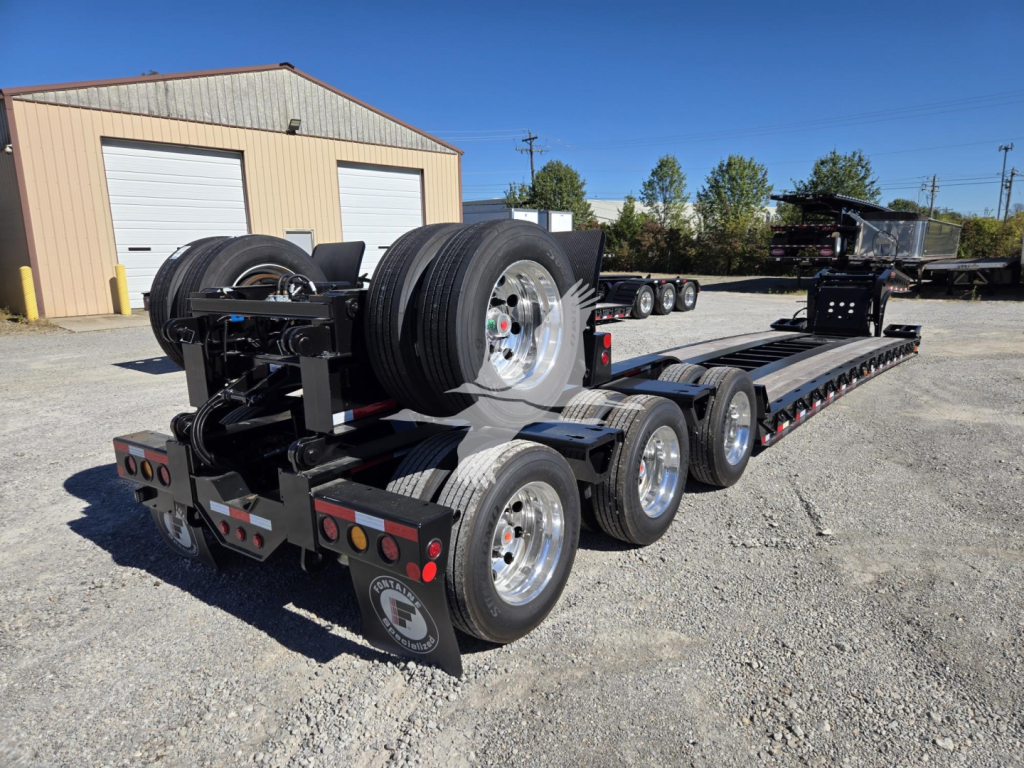
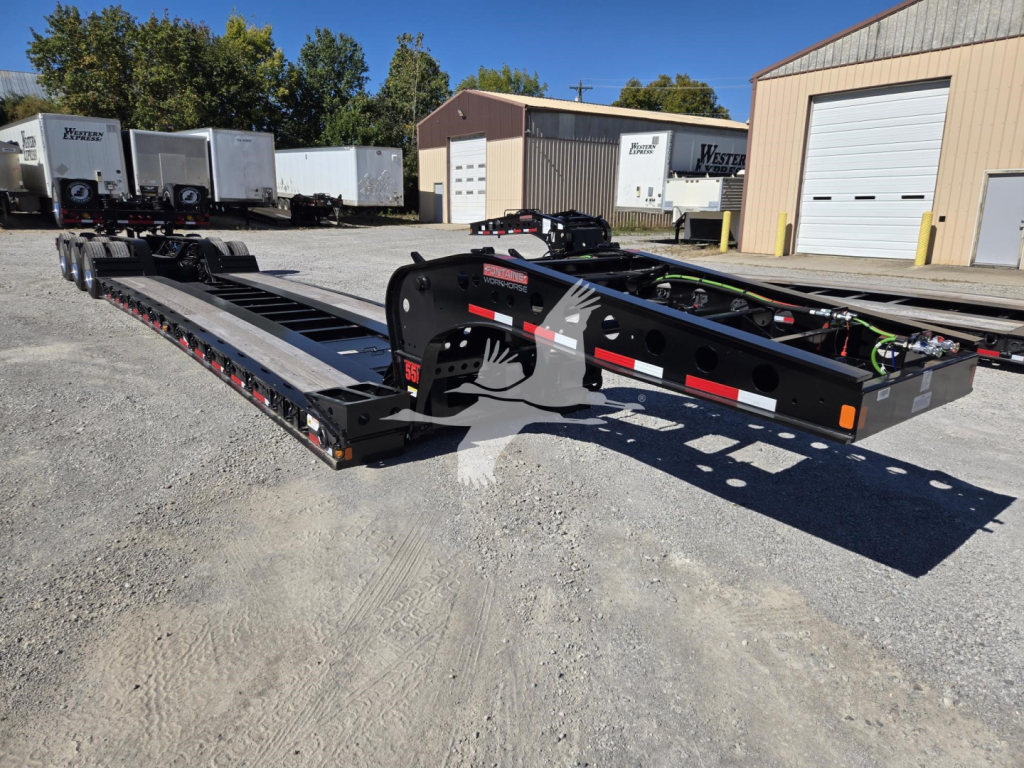
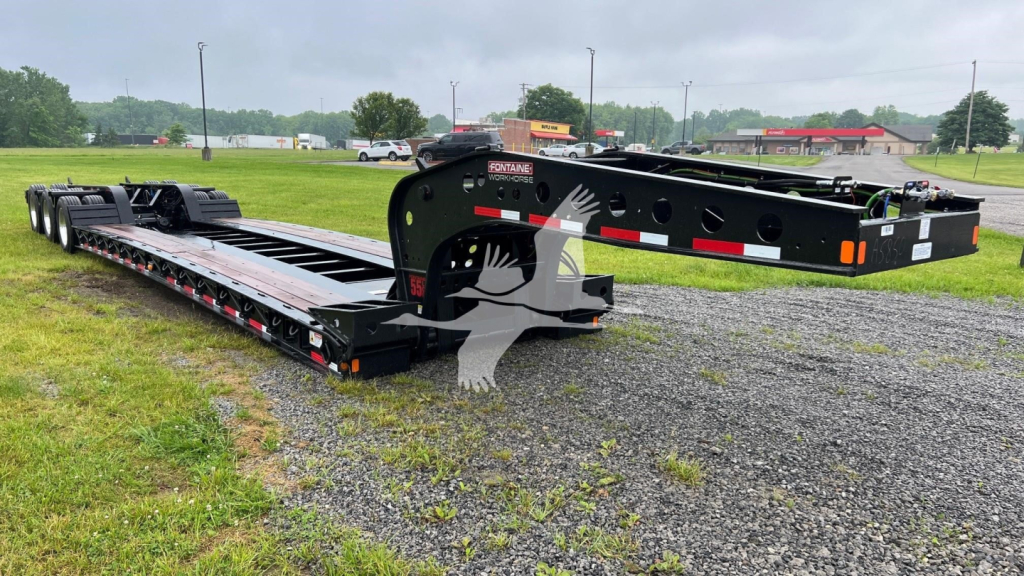
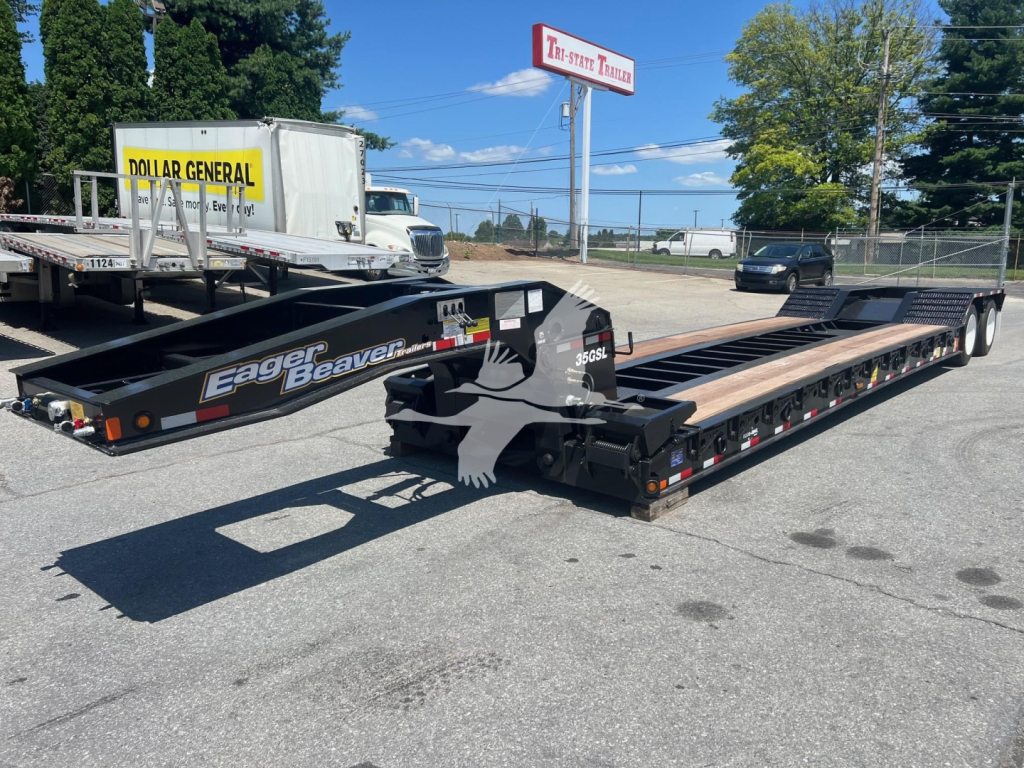
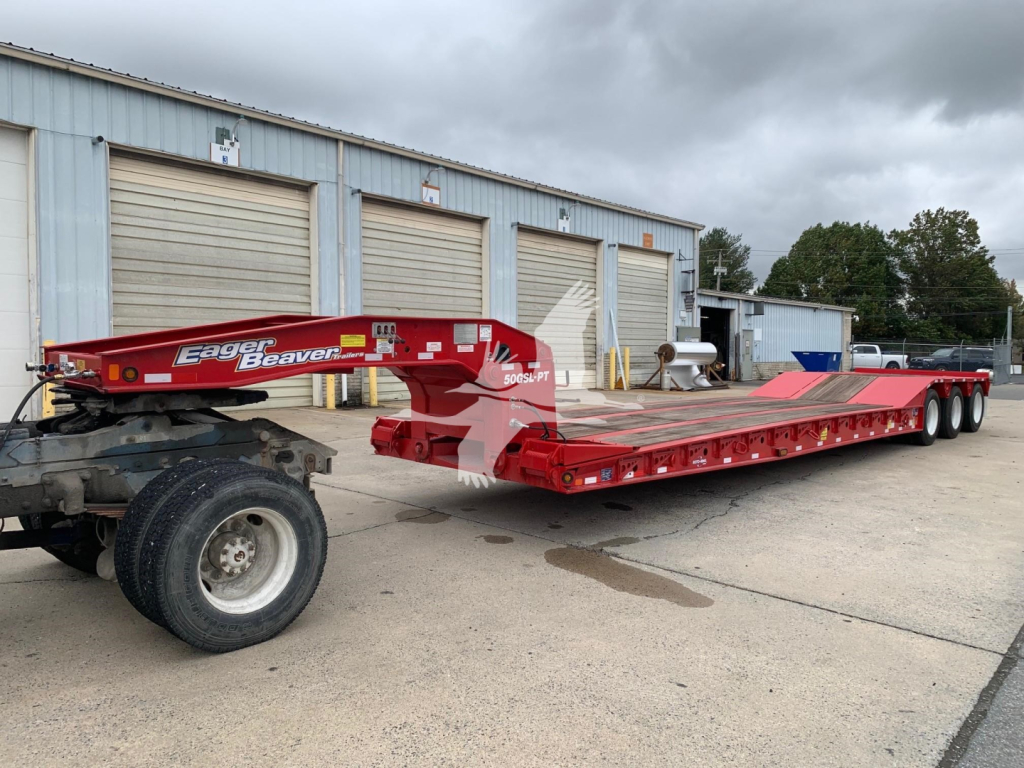
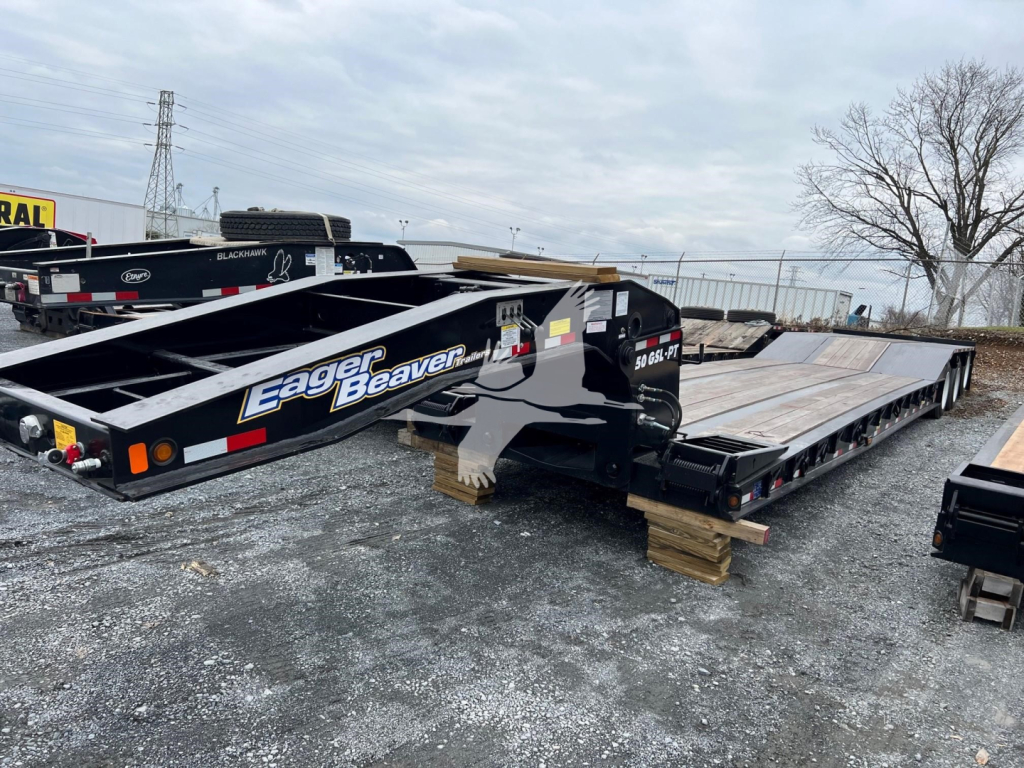
The biggest decision is usually trailer style. Hydraulic detachable gooseneck lowboys are common for fleets loading self-propelled equipment because they allow ground-level loading from the front and faster cycle times on jobsites. Traveling axle designs are also popular, especially where a low load angle, strong deck rating, and flexible loading approach matter. In current-spec 2027 models, capacities often range from about 55 tons up to 60 tons and beyond, with deck ratings expressed both as overall capacity and concentrated weight in a defined section such as 10 feet or 16 feet. Loaded deck heights can be as low as roughly 12 inches on mini-deck configurations, while heavier traveling axle units may sit higher but offer strong deck structure, winch options, and favorable loading angles.
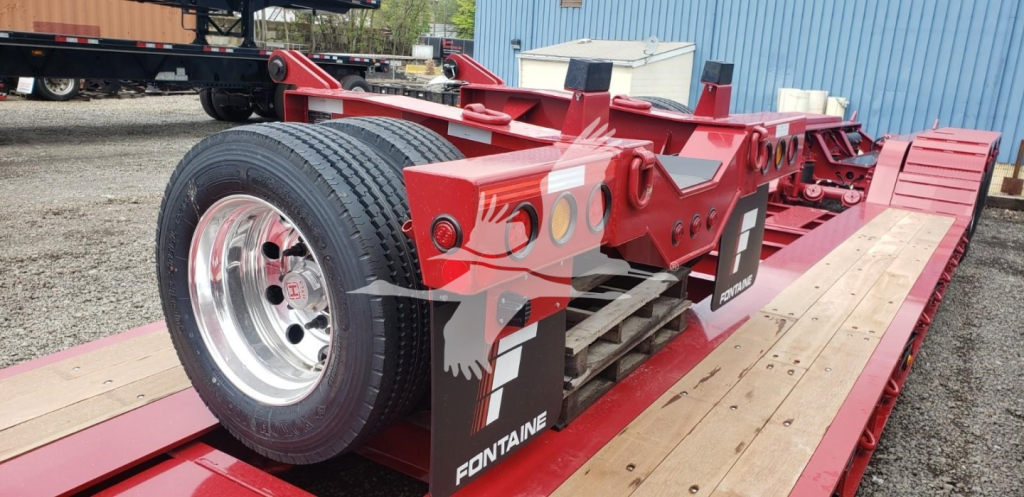
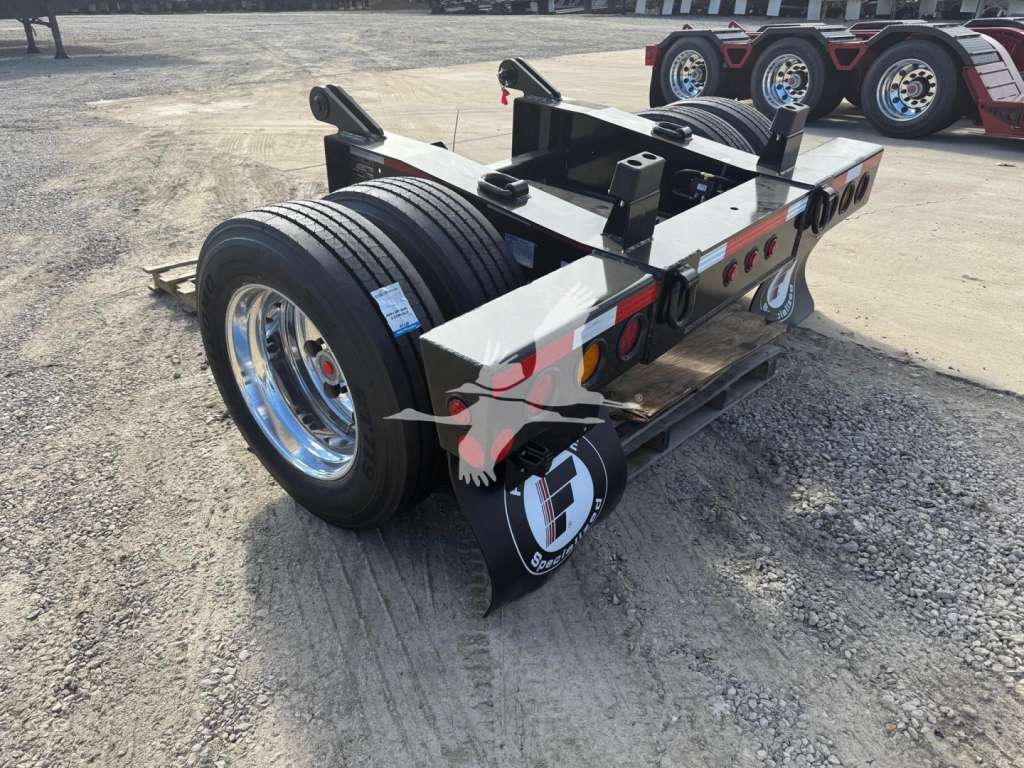
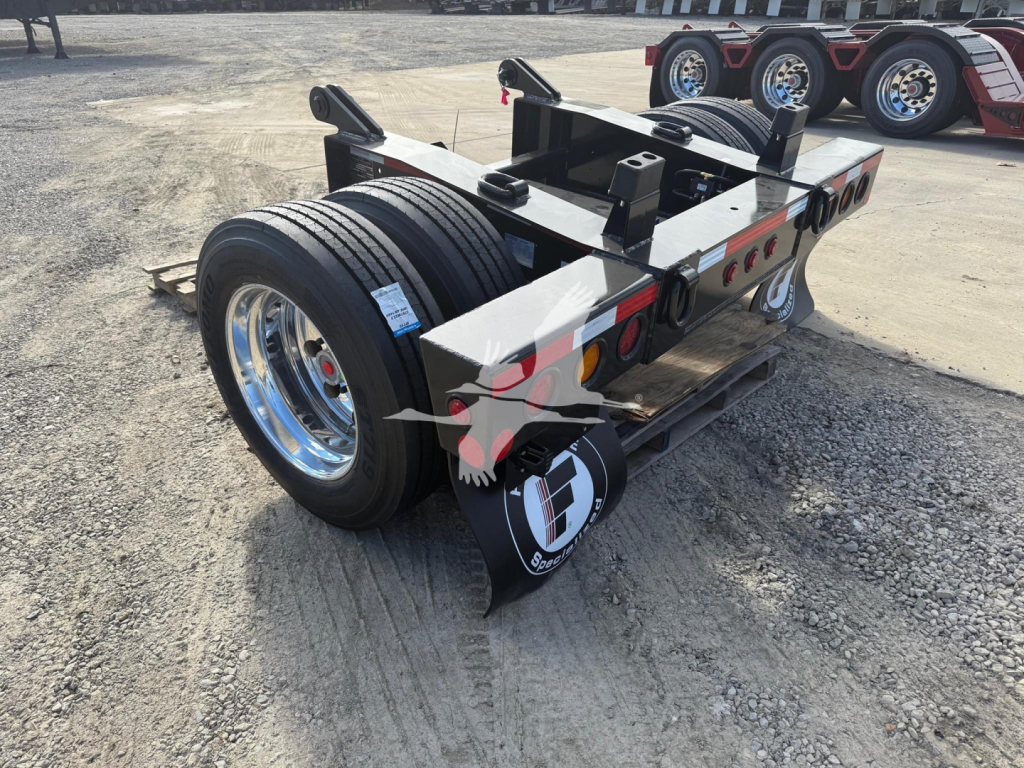
Axle configuration and suspension spec matter as much as published tonnage. Many 2027 lowboy trailers in this class are equipped with tandem or tri-axle groups using 25,000 lb axles, air ride suspension, air dump, ride height controls, and ABS. Some are prepped for flip axles or additional axle attachments when bridge law and state permit requirements demand more flexibility. Tire size, axle spacing, and frame reinforcement all affect how the trailer handles concentrated machine loads. Buyers should also look closely at deck construction and securement details such as Apitong flooring, covered boom troughs, chain slots, D-rings, stake pockets, outriggers, front flip ramps, and full-width platforms. These features determine how easily the trailer can handle different undercarriages, attachment overhang, and mixed freight.
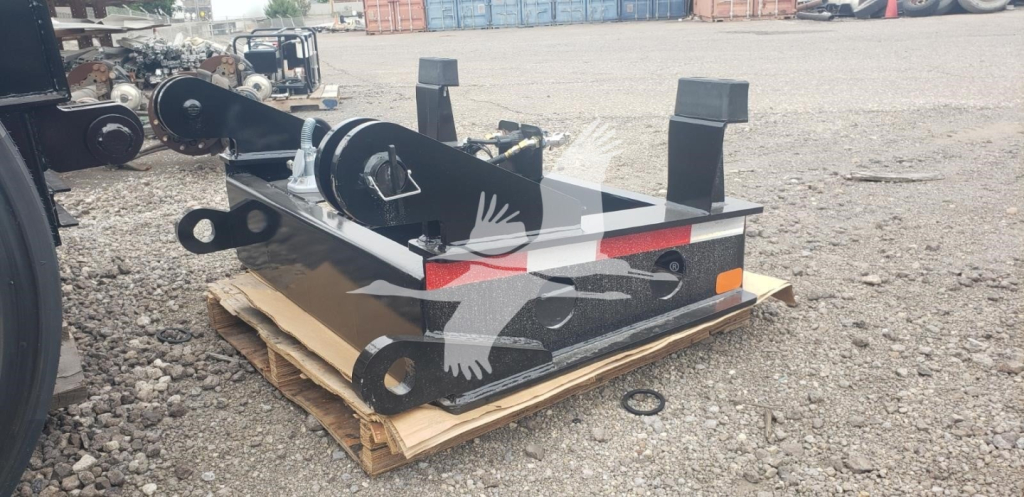
The practical value in a modern lowboy is not just capacity on paper but how efficiently it loads, secures, and runs in the regions you operate. A lower deck can reduce height-related permit issues, but ground clearance, neck swing, and approach angle still need to match your tractors and loading conditions. Hydraulic neck systems with pony motors, wireless remotes, tire inflation systems, onboard scales, centralized grease systems, and LED work lighting can reduce downtime and simplify operation for owner-operators and heavy haul fleets alike. For buyers looking at 2027 lowboy trailers for sale, the best unit is the one whose deck layout, axle package, and detach style match the machines you move most often, not just the highest tonnage sticker on the spec sheet.
Frequently Asked Questions about 2027 Lowboy Trailers
What is a lowboy trailer used for?
A lowboy trailer is used to haul tall and heavy equipment that needs a lower deck height than a standard flatbed or step deck can provide. Common loads include excavators, bulldozers, wheel loaders, paving equipment, cranes, and other construction or aggregate machines. The lower deck helps keep overall loaded height legal or closer to permit limits while improving stability during transport.
What is the difference between a hydraulic detachable lowboy and a traveling axle lowboy?
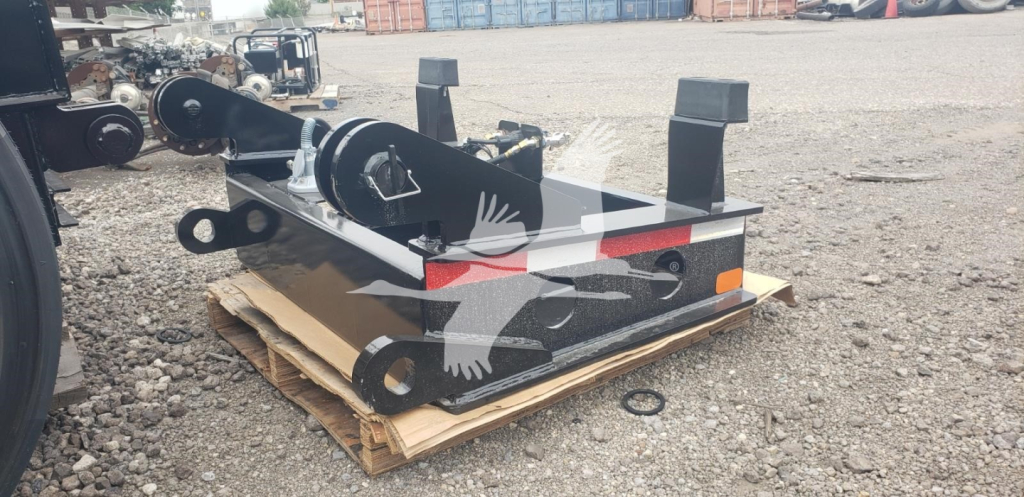
A hydraulic detachable gooseneck lowboy disconnects at the front so self-propelled equipment can be driven directly onto the deck from ground level. A traveling axle lowboy changes loading geometry by shifting the axle assembly, creating a low load angle and strong loading platform without a traditional detach process. The right choice depends on the type of equipment being hauled, loading surface conditions, and how often the trailer is loaded and unloaded during a work cycle.
How do I choose the right capacity on a lowboy trailer?
Capacity should be based on the actual operating weight of your machine, attachment weight, load concentration, and the states where the trailer will run. Buyers should compare gross capacity with concentrated load ratings because a machine may put most of its weight into a short section of deck. Axle count, axle spacing, and whether the trailer can accept a flip axle or additional axle also matter because permit compliance and bridge formulas can limit a setup before the trailer's structural rating does.
Why do deck height and swing clearance matter on a lowboy?
Deck height directly affects loaded overall height, which is one of the main reasons operators choose a lowboy in the first place. Swing clearance matters because it determines how much room the trailer has between the gooseneck and the front of the load during turns and transitions. If these dimensions do not match the equipment being hauled, a buyer can end up with clearance problems, poor loading angles, or permit issues even when the capacity rating looks adequate.
What features are worth paying for on a 2027 lowboy trailer?
Useful premium features depend on the application, but many buyers prioritize air ride suspension, ride height controls, air dump, onboard scales, LED work lights, PSI tire inflation systems, centralized grease systems, toolboxes, boom troughs, and robust tie-down packages. For fleets moving varied equipment, options like outriggers, full-width platforms, front flip ramps, and preparation for flip axles can add versatility and resale value. These features often improve loading speed, reduce maintenance time, and make the trailer easier to use in daily heavy haul work.