
2027 Alpha Lowboy Trailers For Sale
Shop 2027 Alpha lowboy trailers with hydraulic or mechanical detach options, low deck heights, heavy-haul capacity, and jobsite-ready specs.
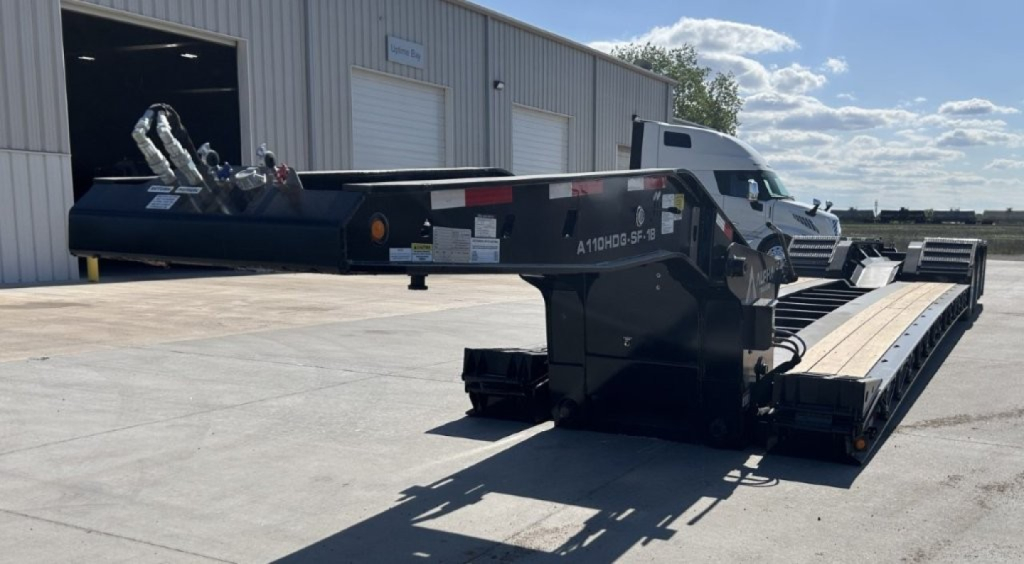
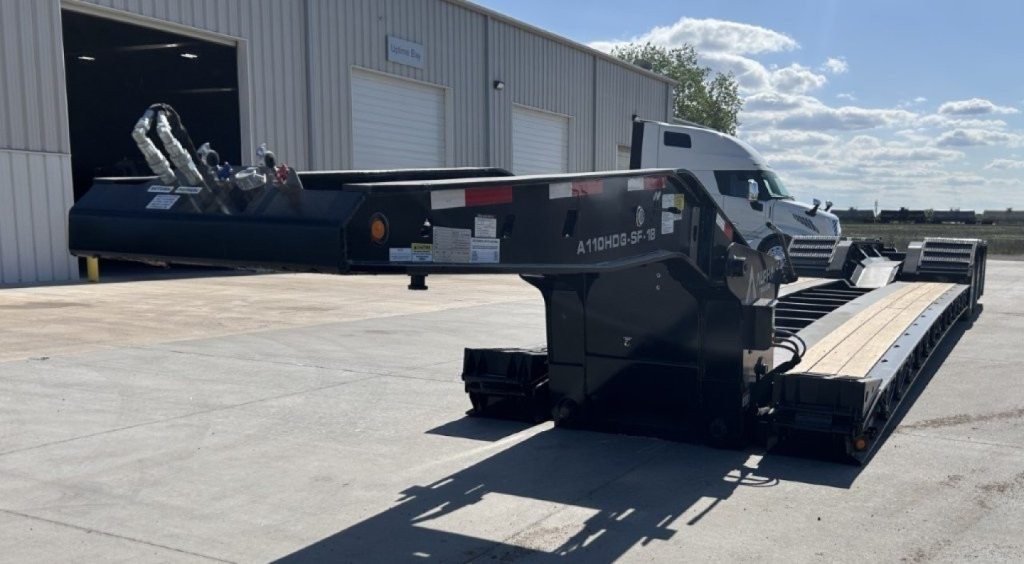
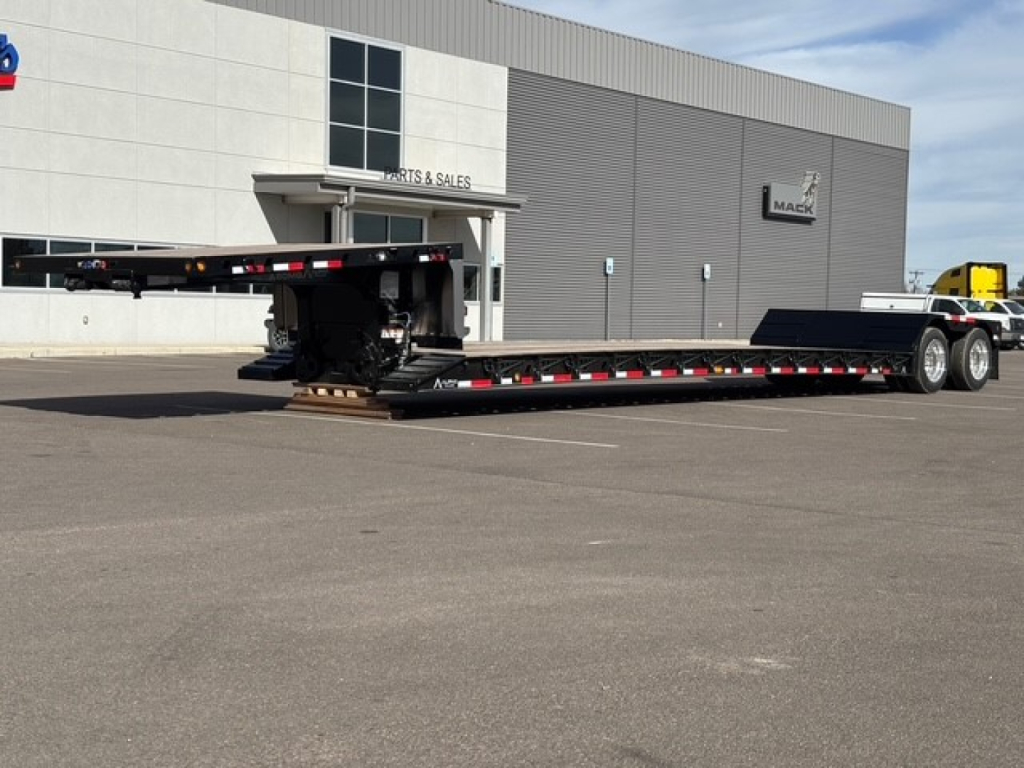
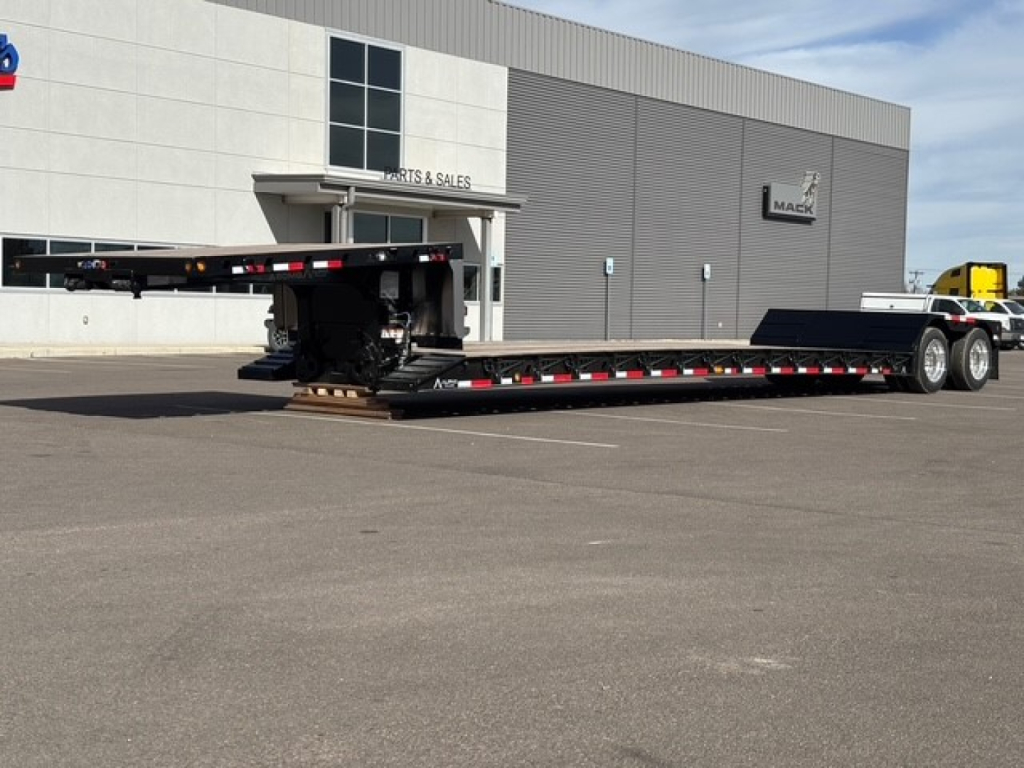

Showing 1 to 28 of 33 results
Selling a 2027 alpha lowboy trailer? List your 2027 alpha lowboy trailer for sale and reach thousands of commercial buyers.
2027 Alpha Lowboy Trailers
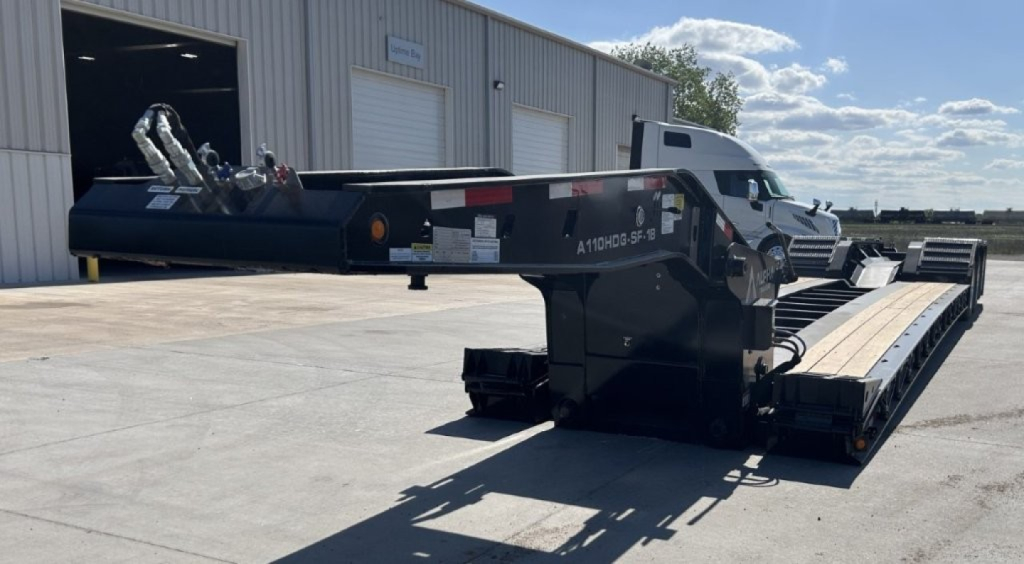
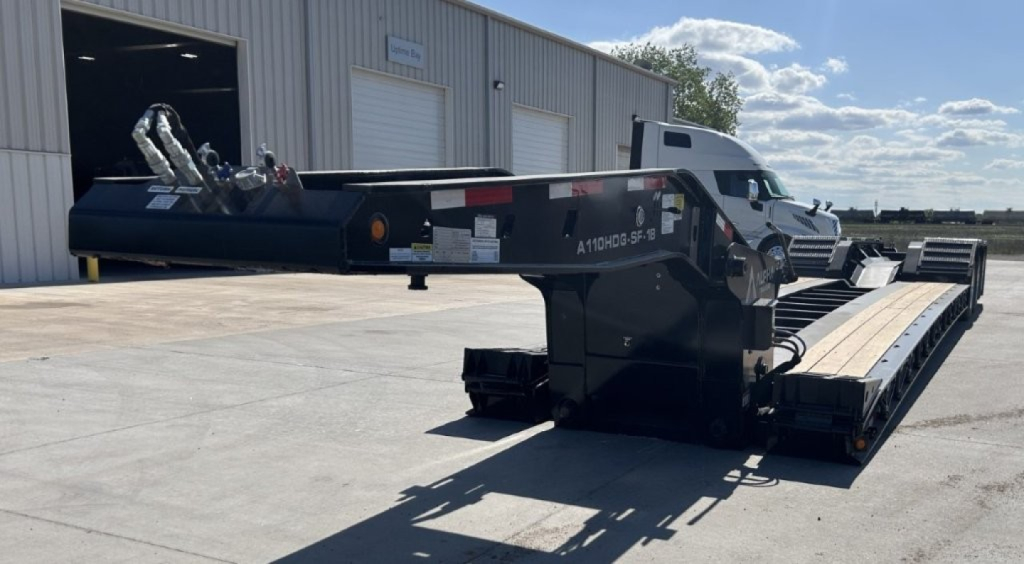
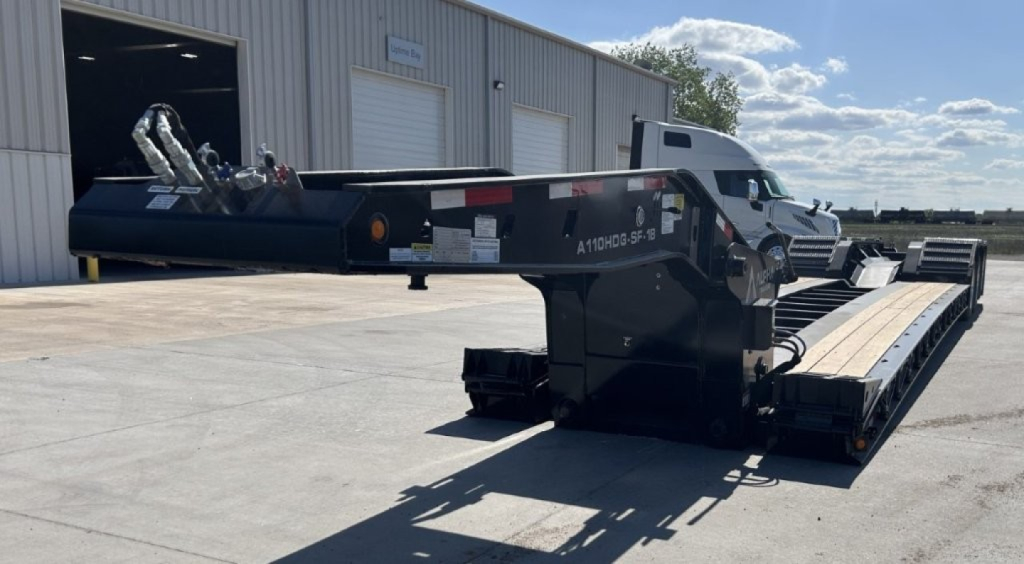
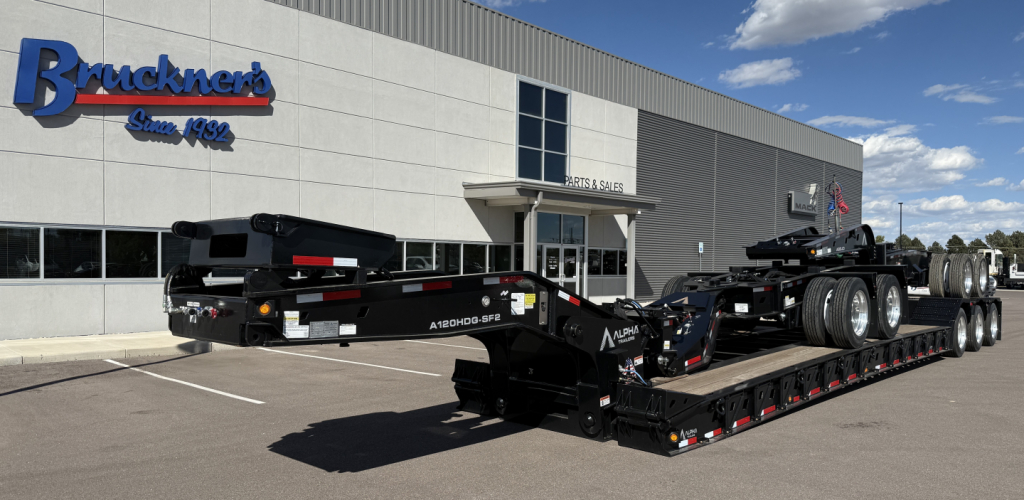
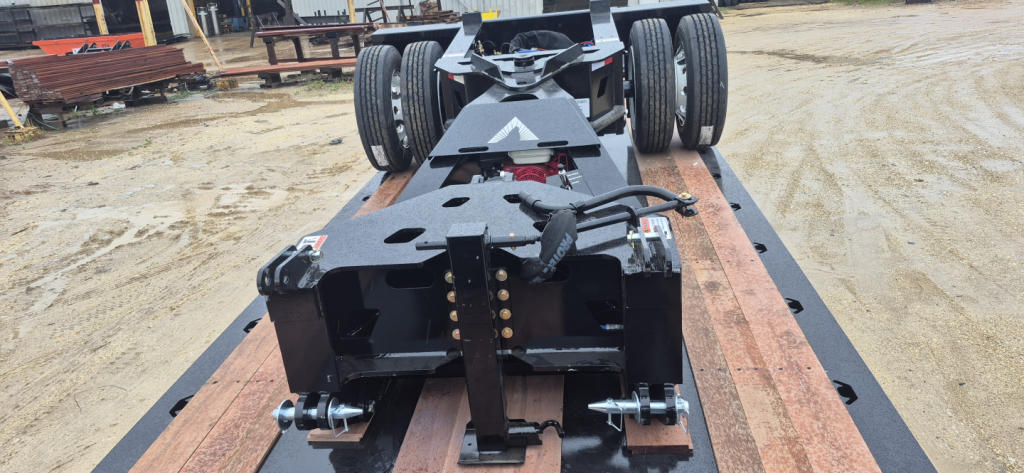
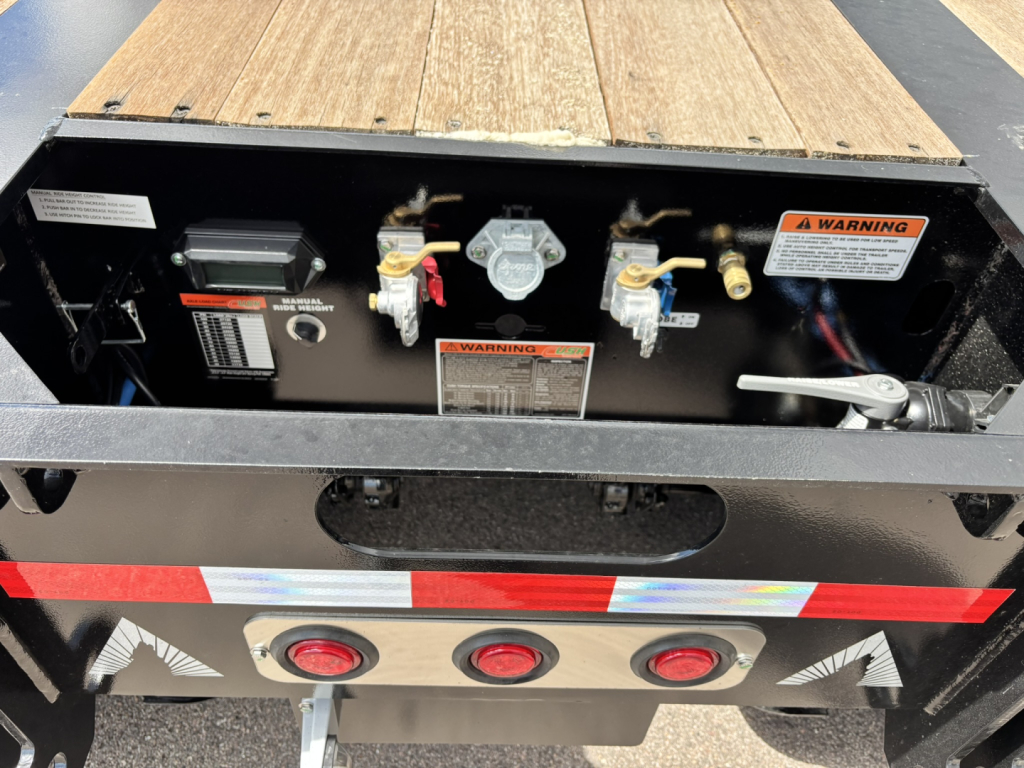
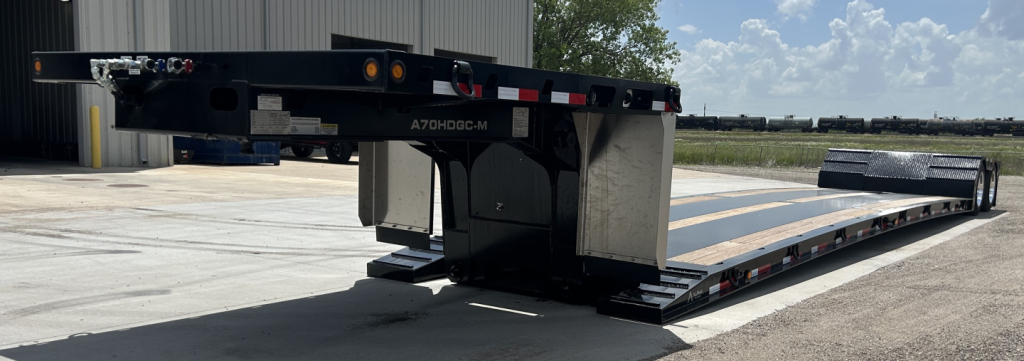
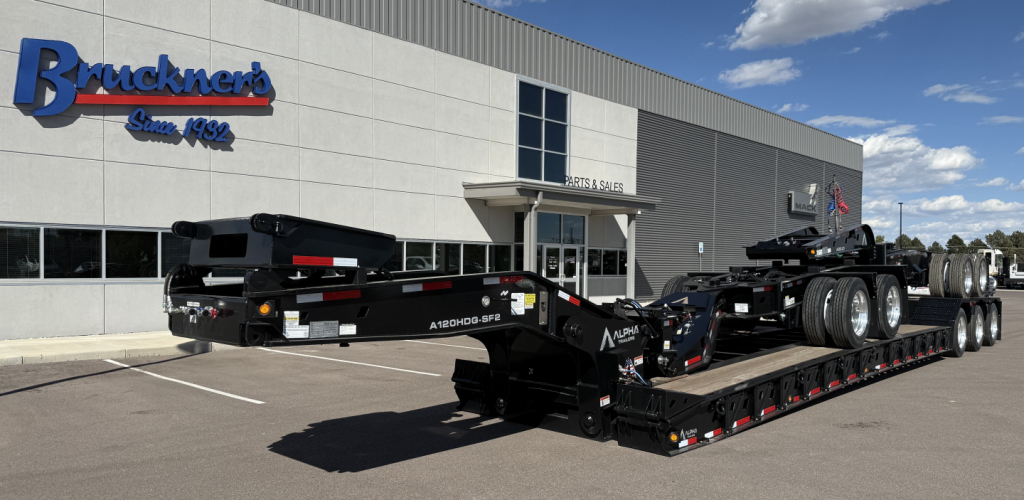
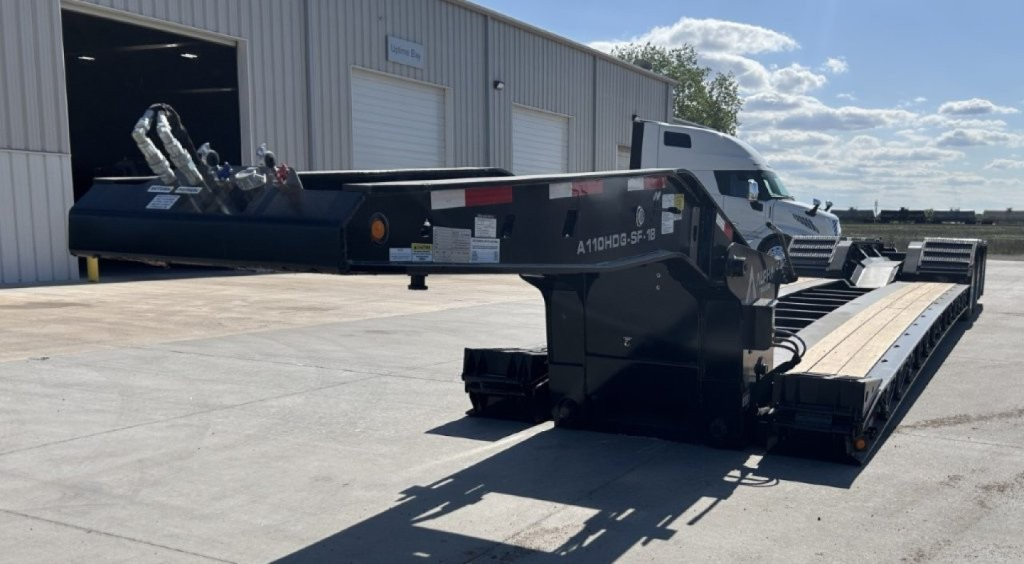
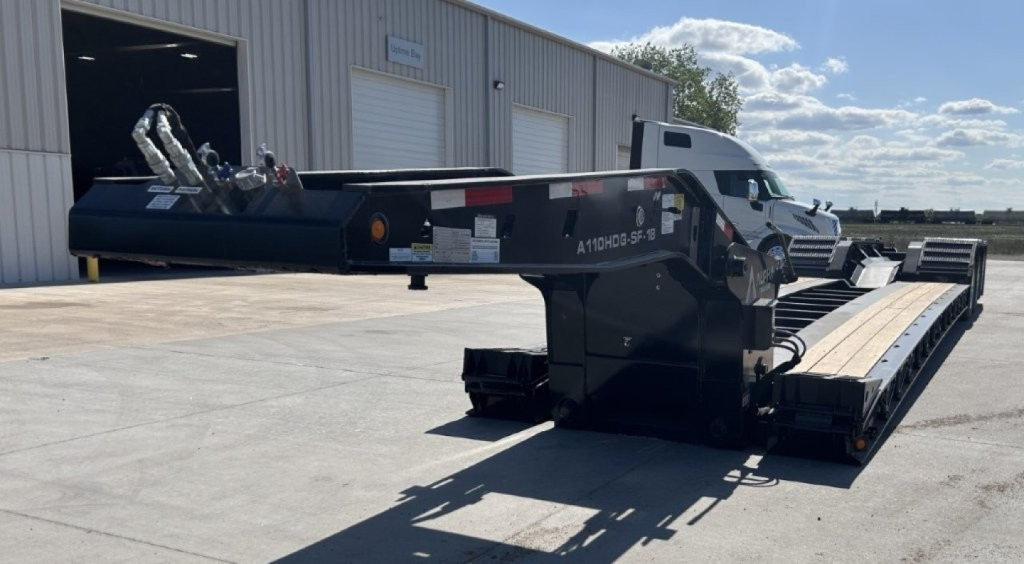
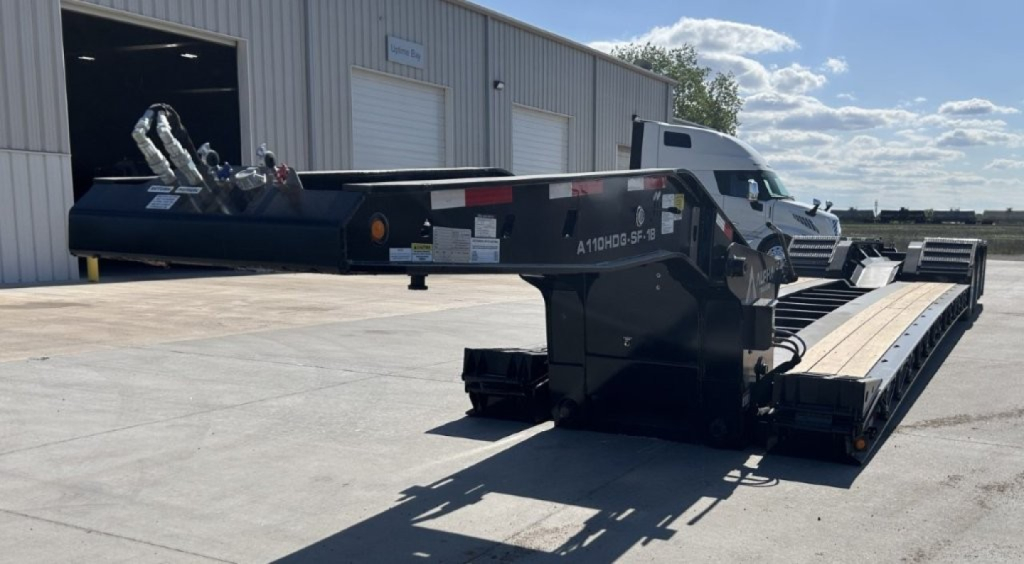
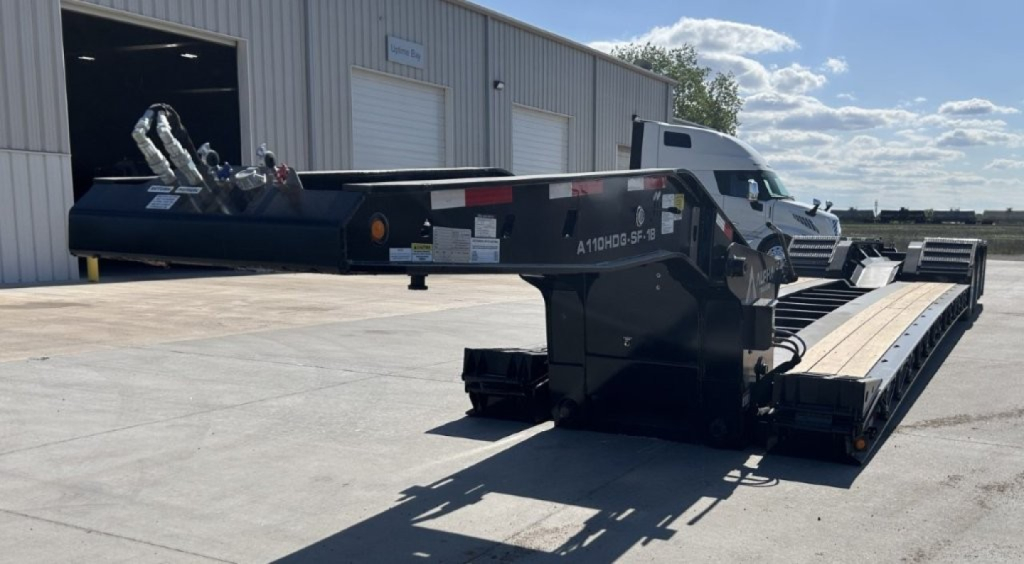
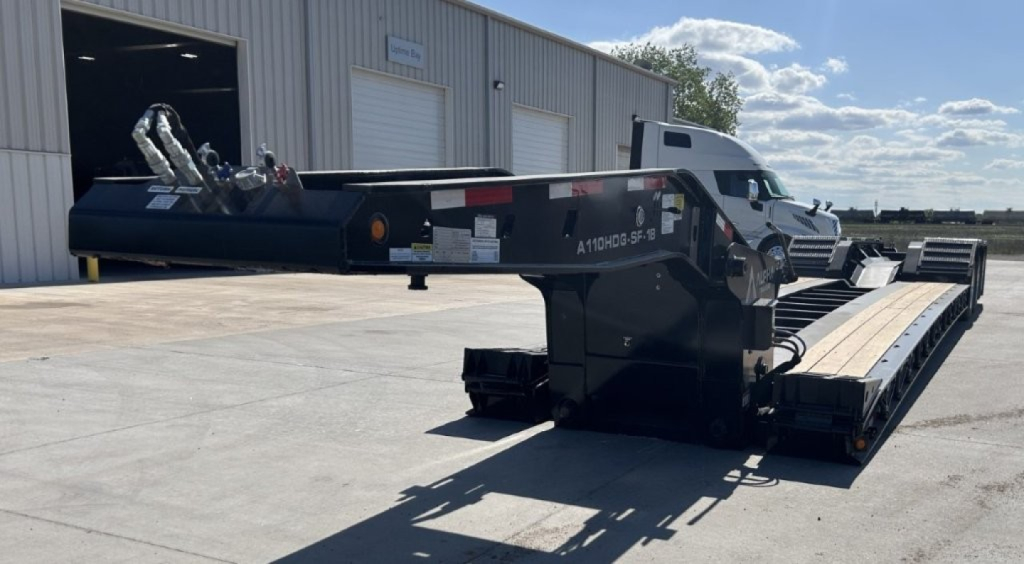
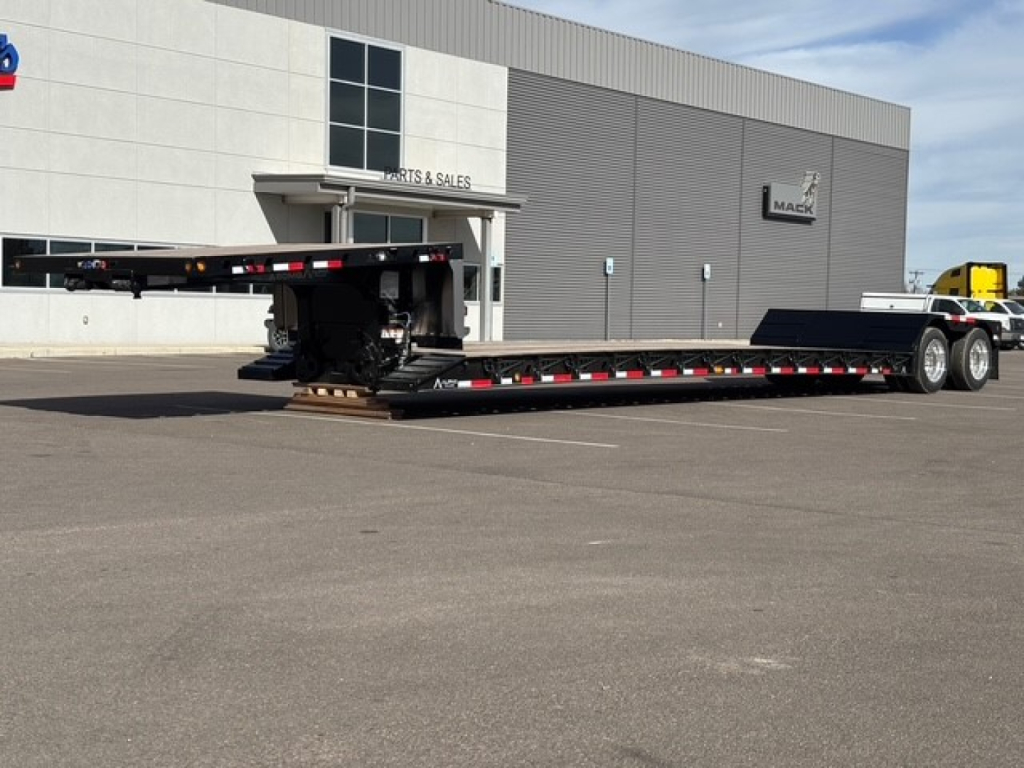
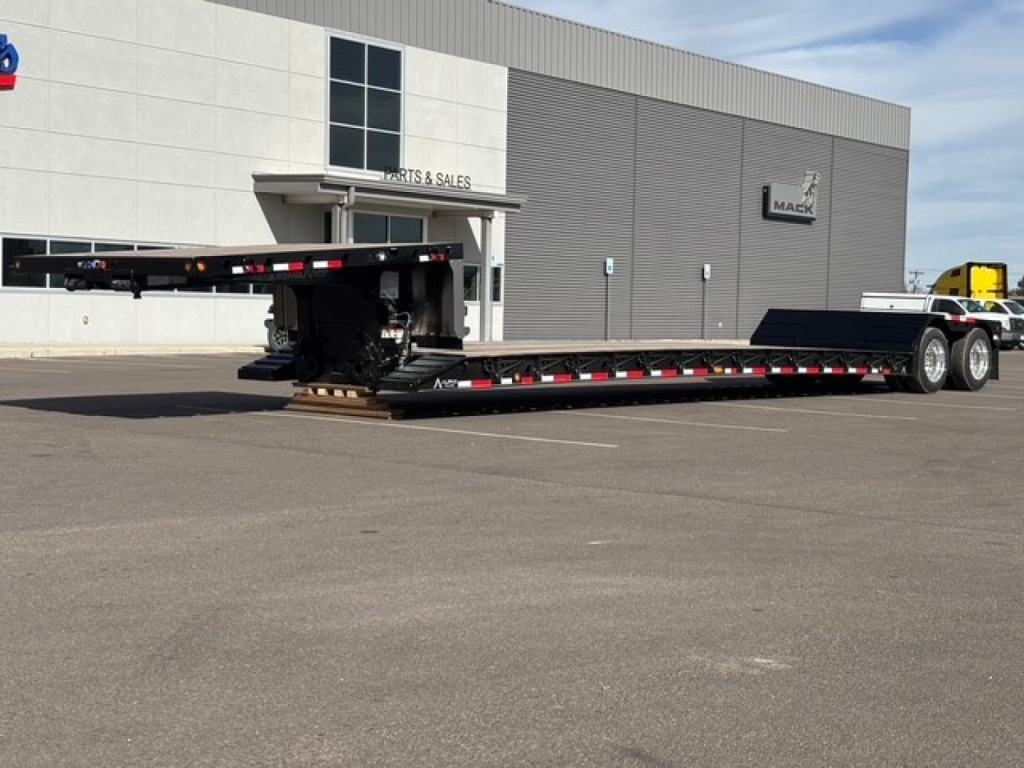
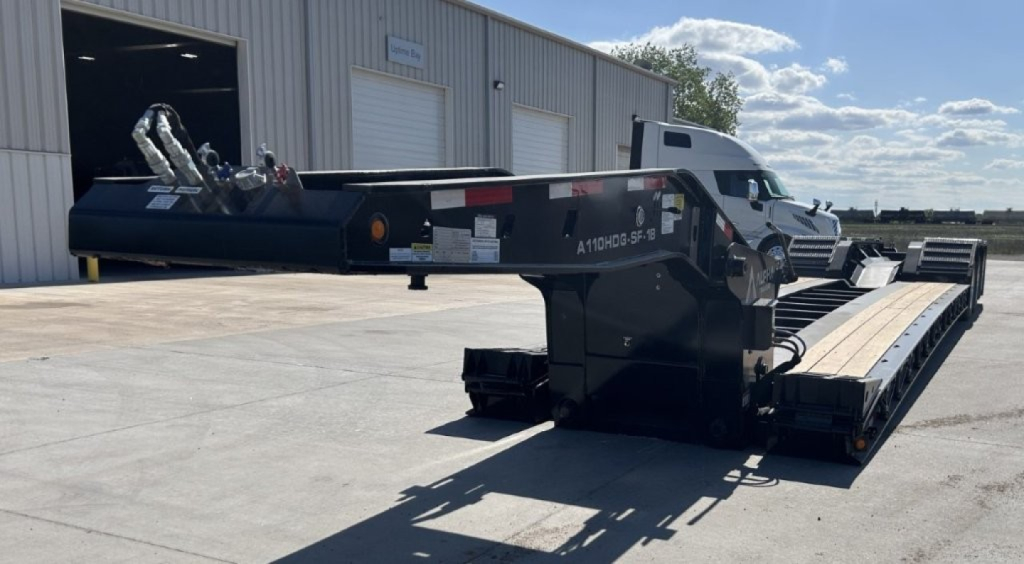
A strong buying point in this class is how the trailer handles real-world loading and route demands. Common specs include 80,000 to 110,000 lb class capacities, concentrated ratings in a 16-foot section, 18 to 20 inch loaded deck heights, and 102 inch overall width with swingout outriggers for legal-width flexibility. Many Alpha models use 10-foot to 12-foot plus necks, 15 inch kingpin settings, 49 inch fifth wheel heights, air ride suspension, 25K axles, and 255/70R22.5 rubber. Features like 5-position ride height adjustment, pony motors on hydraulic detach models, Air-Weigh scales, front and rear toolboxes, chain slots, D-rings, and Apitong decking are all worth attention because they affect loading speed, securement options, and operating convenience.
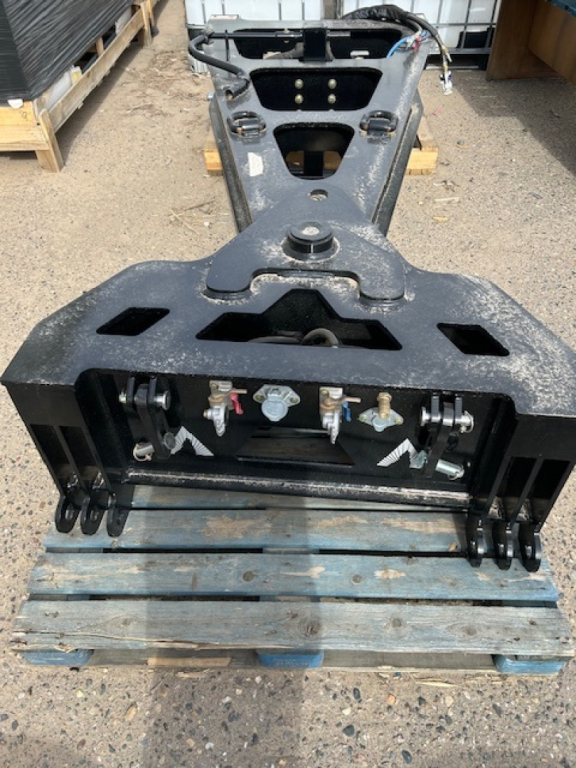
For buyers choosing between hydraulic detach and mechanical detach, the decision usually comes down to loading frequency, tractor compatibility, and operator preference. A hydraulic detachable gooseneck speeds up detach cycles and can be a better fit for fleets that load different machines every day or work in uneven jobsite conditions. A mechanical detachable neck is simpler and can be attractive for buyers who want fewer hydraulic components to maintain. Extendable lowboy configurations add another layer of flexibility for longer freight, but buyers should verify closed and open deck lengths, load base, and bridge law implications before treating an extendable model as a direct substitute for a fixed deck trailer.
The best Alpha lowboy for a given operation is usually the one that matches the freight mix without overbuying structure or underbuying deck utility. Look closely at deck length, ground clearance, axle spacing, rear frame prep for a flip axle, and whether the trailer has covered boom troughs, wheel covers, work lights, and reinforced outer bays for repeated excavator and crane work. On used-market comparisons, condition of the deck, neck locks, suspension, electrical harness, and brake setup can matter as much as the original spec sheet. A well-matched lowboy trailer should make loading predictable, keep overall height manageable, and give enough securement and deck configuration options to stay productive across multiple machine types.
Frequently Asked Questions about 2027 Alpha Lowboy Trailers
What is the difference between a hydraulic detach and a mechanical detach lowboy trailer?
A hydraulic detach lowboy uses a hydraulic system, often with a pony motor, to remove and reconnect the gooseneck more quickly and with less manual effort. This is useful for fleets that load and unload equipment frequently or work on uneven ground. A mechanical detach lowboy uses a simpler neck connection process and usually has fewer hydraulic components to service. The right choice depends on loading frequency, maintenance preference, and how much convenience matters in daily operation.
What capacity should I look for in an Alpha lowboy trailer?
Capacity should be matched to the actual machine weight, attachment weight, and the concentrated load area, not just the trailer's gross headline number. Many buyers in this category look at 80,000 lb or heavier classes, but concentrated ratings such as 70,000 lbs in 16 feet can be just as important because that reflects how a dozer, excavator, or other heavy machine actually loads the deck. Axle count, flip axle capability, and state permit requirements should also be reviewed before deciding on a spec.
Why does loaded deck height matter on a lowboy trailer?
Loaded deck height is one of the main reasons buyers choose a lowboy trailer in the first place. A lower deck helps keep overall loaded height under legal limits when hauling tall equipment such as excavators, loaders, and paving machines. An 18 to 20 inch loaded deck height can make the difference between a simpler legal move and a load that requires route changes or added permitting. Buyers should also compare ground clearance, because the trailer still needs enough clearance to work on job entrances, transitions, and rough surfaces.
Are swingout outriggers important on a lowboy trailer?
Swingout outriggers add versatility by widening the usable deck area when needed for equipment with wider tracks or tires, while still allowing the trailer to run at legal width when the outriggers are folded in. They are especially helpful for fleets hauling mixed equipment types instead of one dedicated machine. Buyers should check outrigger spacing, deck width, and securement layout because those details affect how easily different machines can be positioned and tied down.
What should I inspect first on a lowboy trailer before buying?
Start with the structural and operating systems that affect safety and repair cost. That includes the gooseneck connection, frame condition, deck wear, crossmember integrity, suspension, brakes, tires, wheel ends, lighting harness, and any hydraulic detach components. On a heavy-haul trailer, also inspect D-rings, chain slots, outriggers, and flip axle prep areas for signs of repeated overloading or poor repairs. A lowboy can look clean in photos and still need expensive work if the neck, deck, or suspension has been heavily used.