
2027 Lowboy Trailers For Sale in Ohio
Shop 2027 lowboy trailers for heavy equipment hauling. Compare detachable goosenecks, axle setups, deck heights, and payload specs.
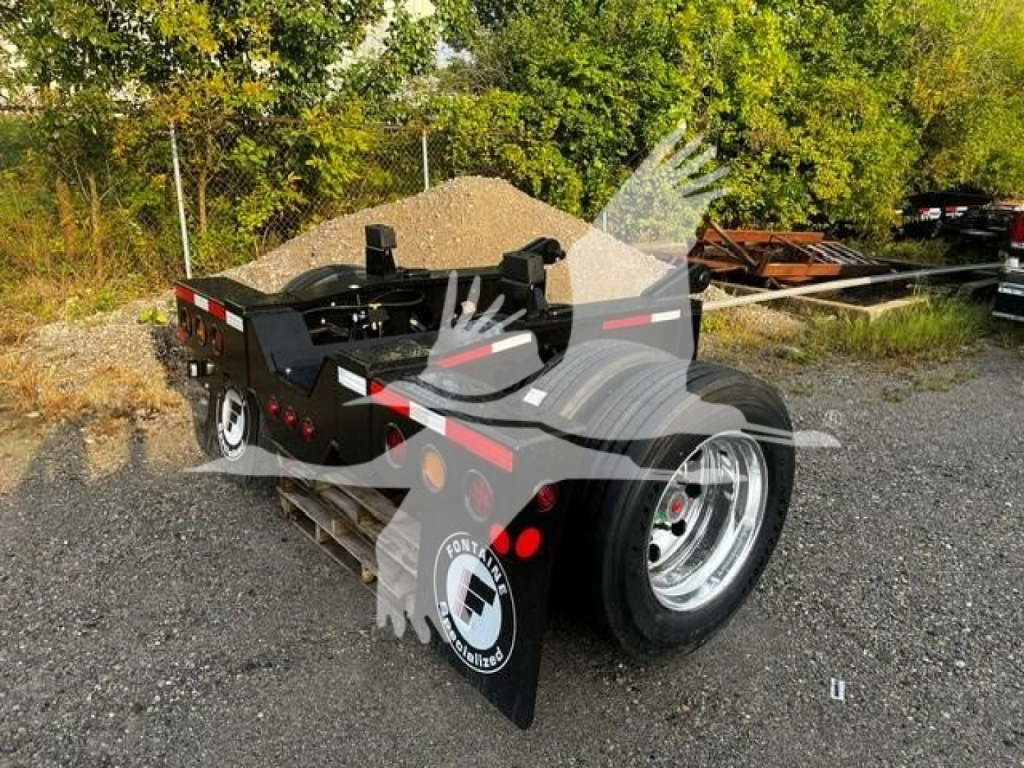
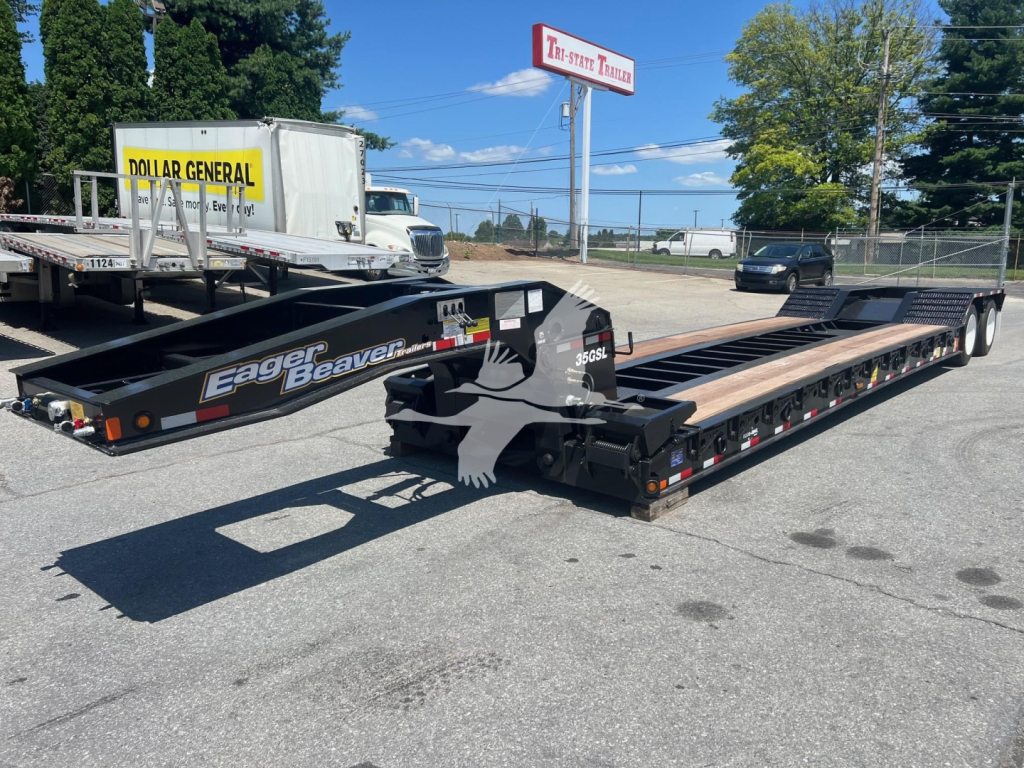
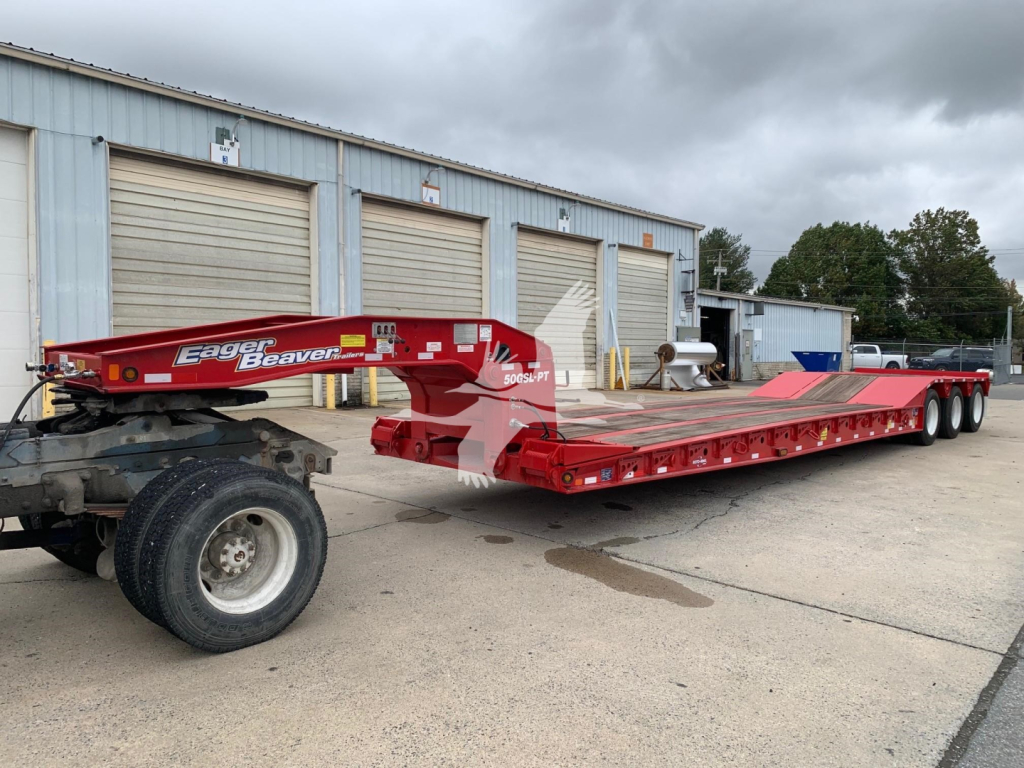
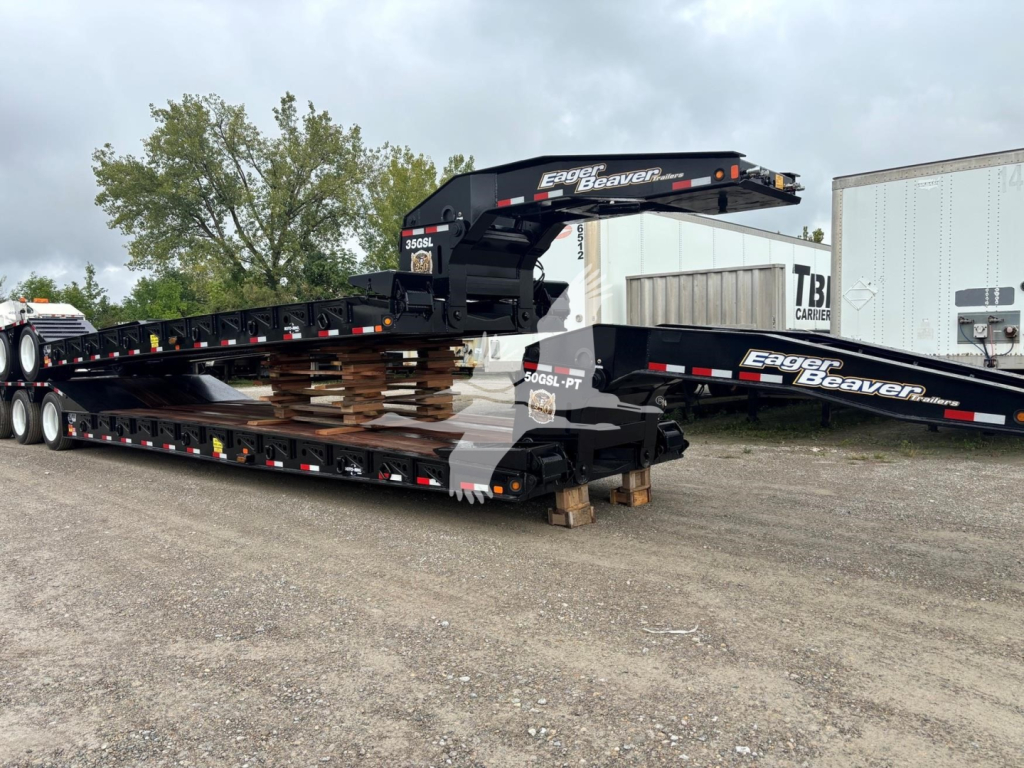
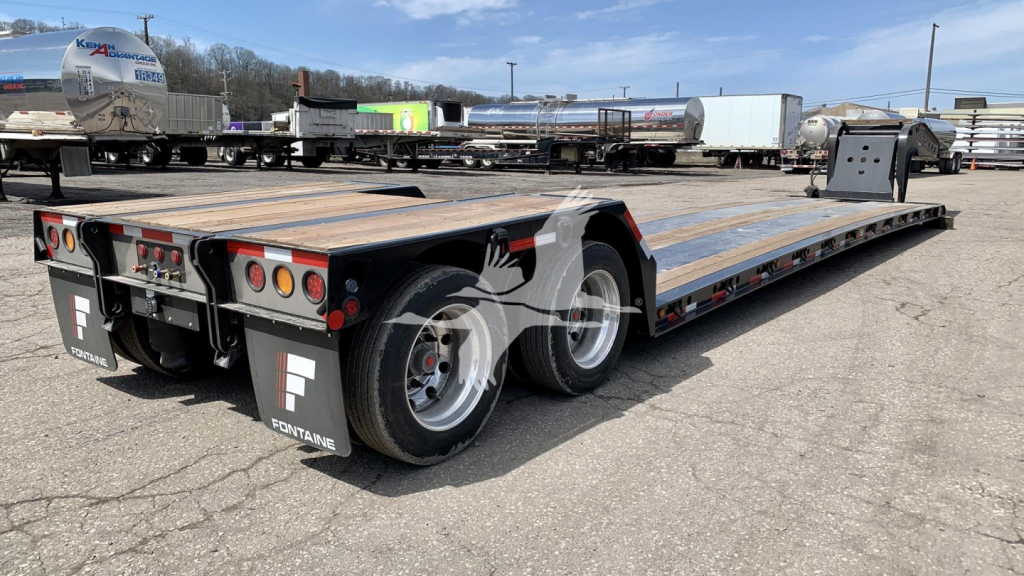
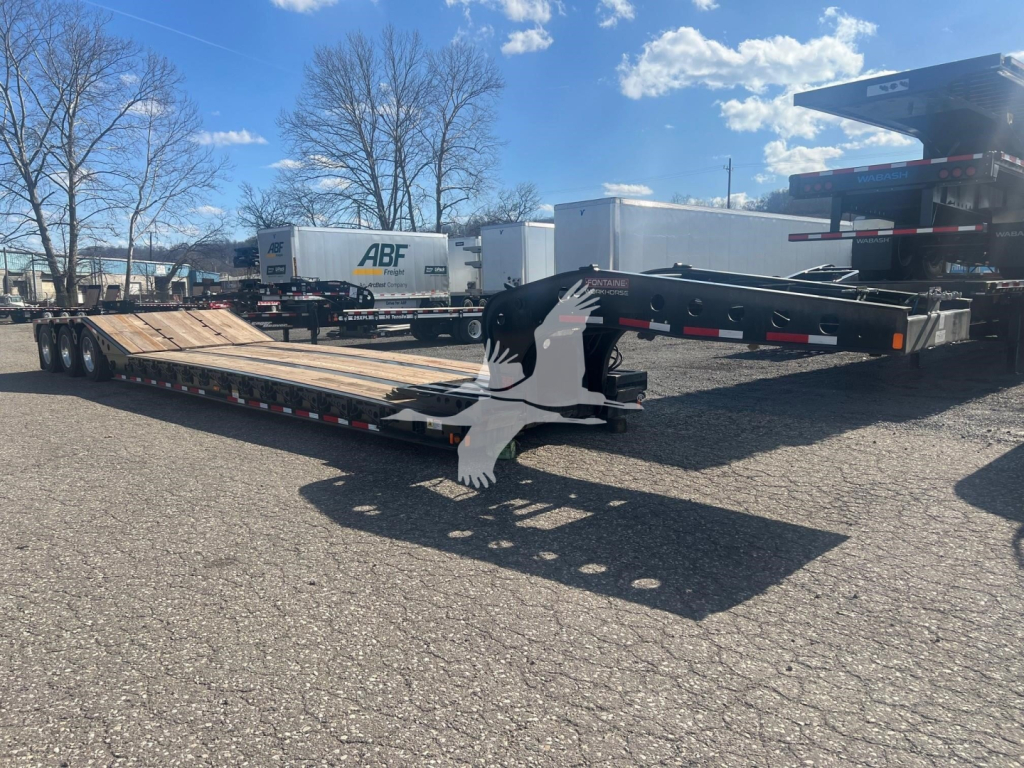
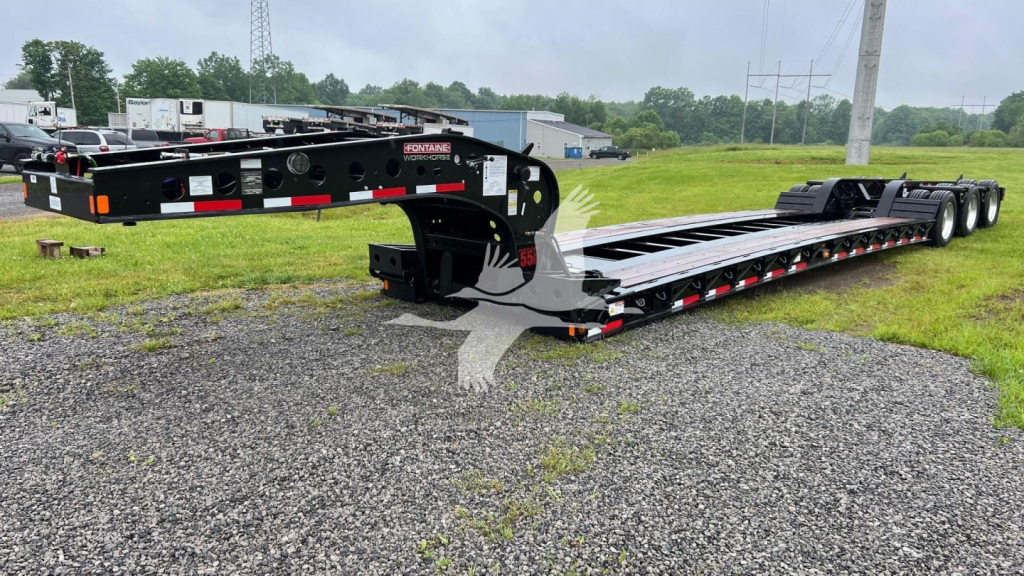
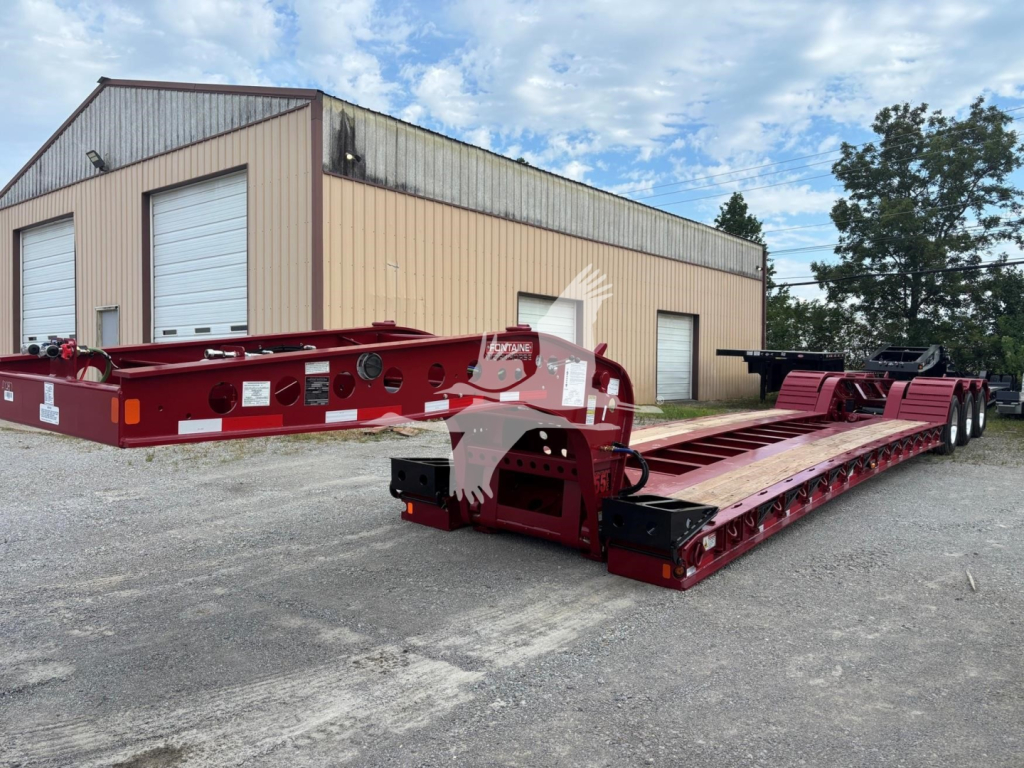
Selling a 2027 lowboy trailer? List your 2027 lowboy trailer for sale and reach thousands of commercial buyers.
2027 Lowboy Trailers in Ohio
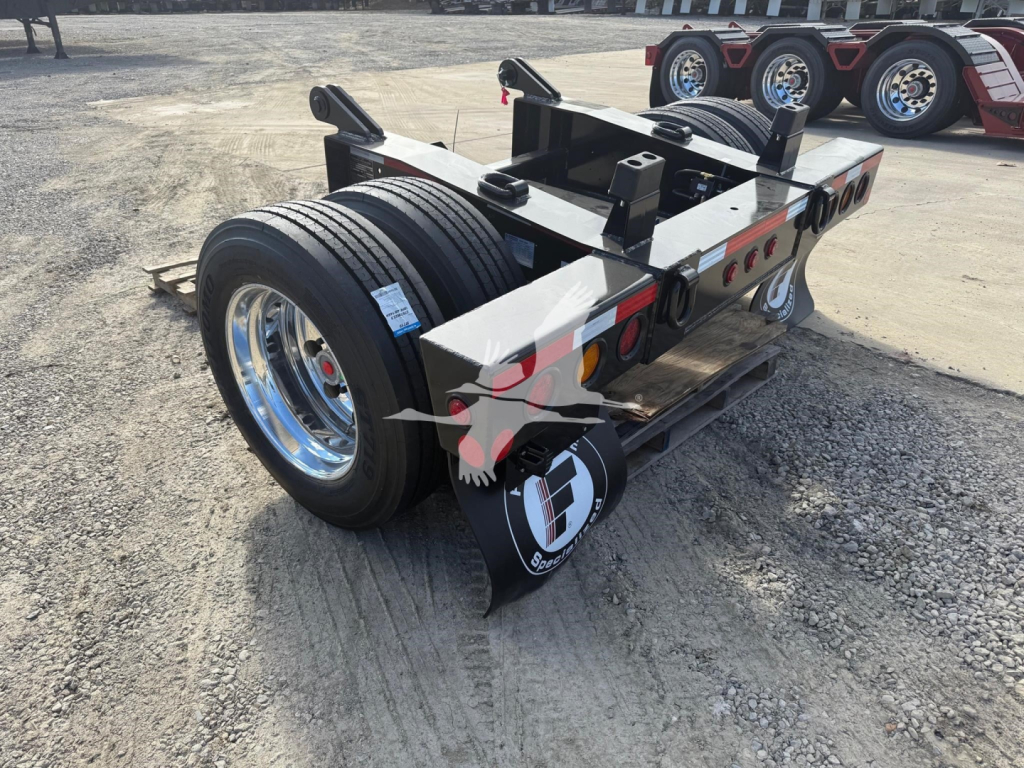
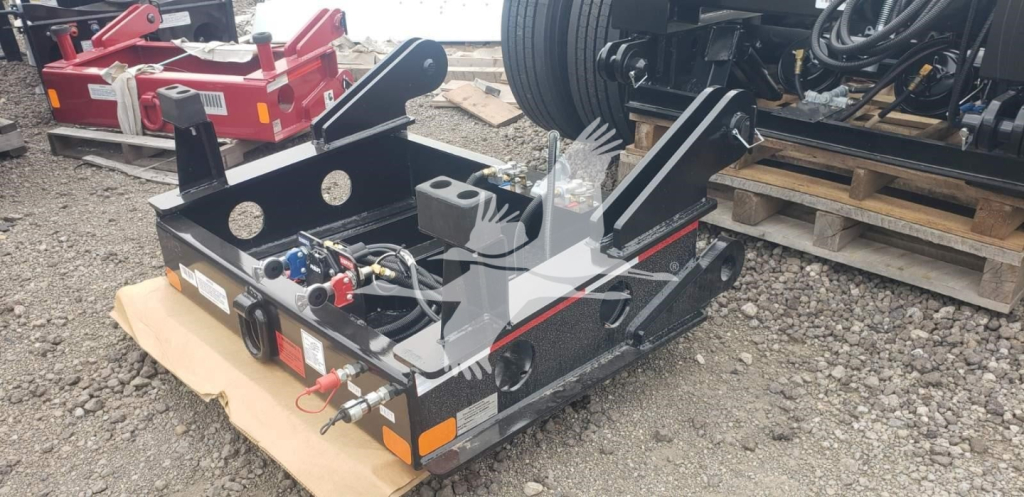
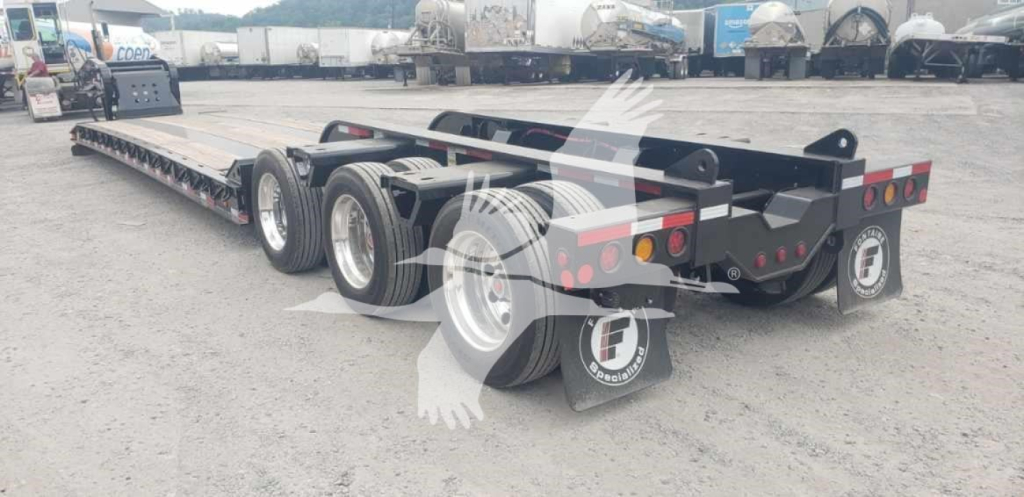
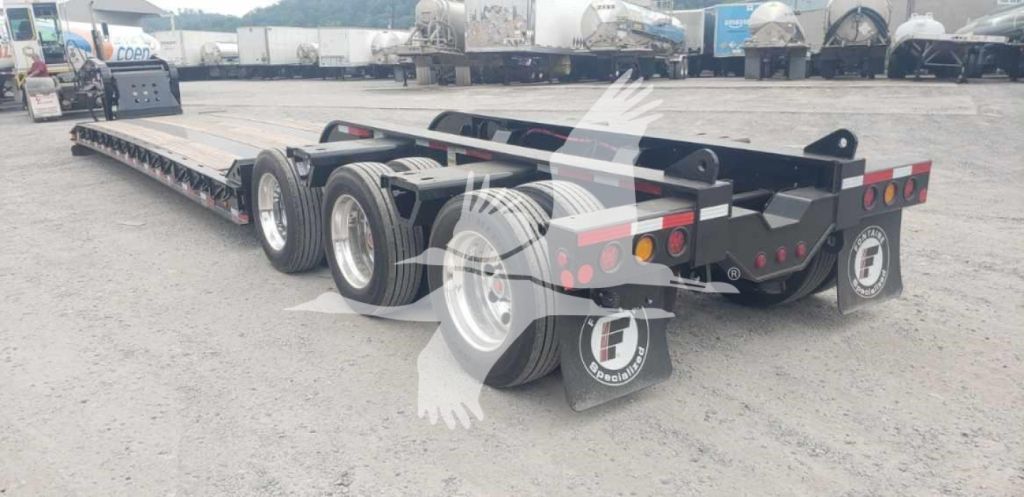
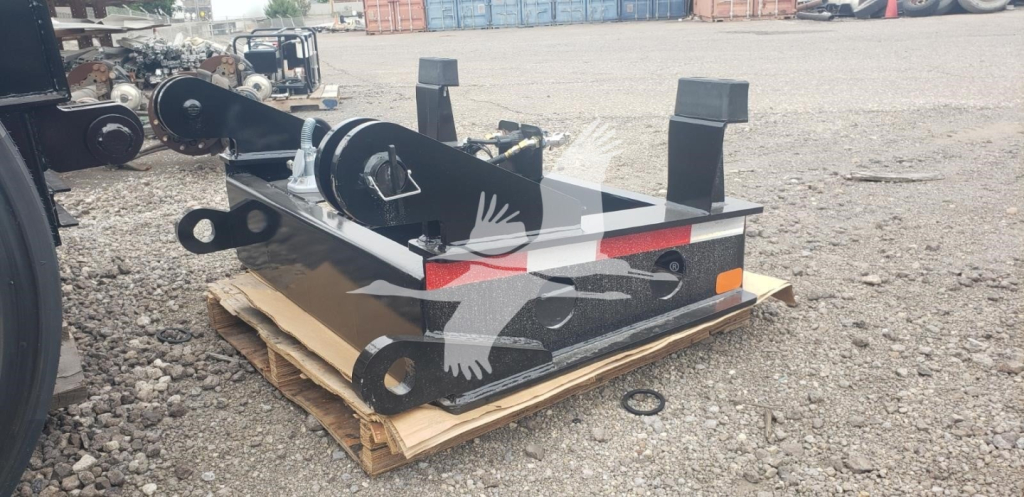
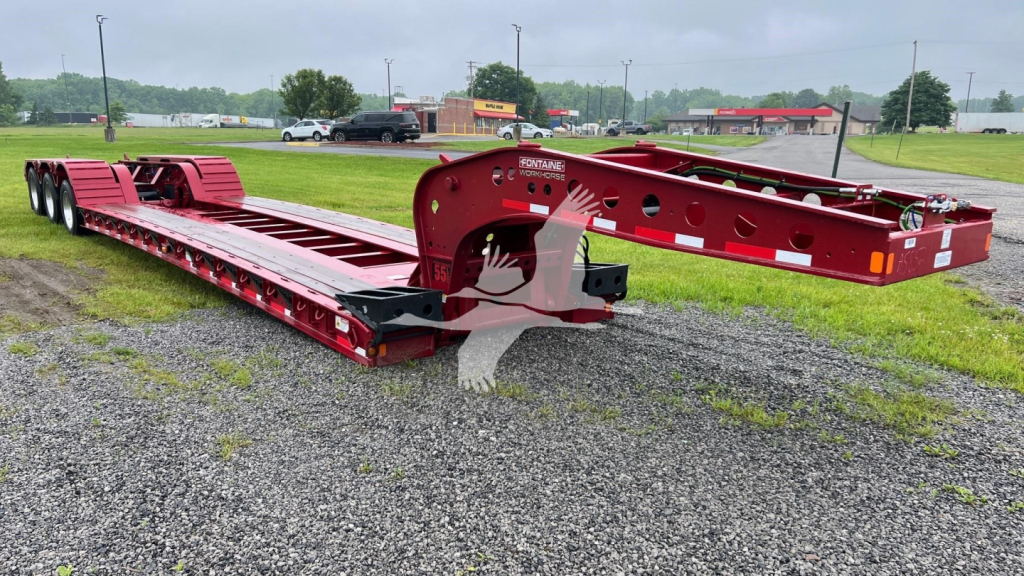
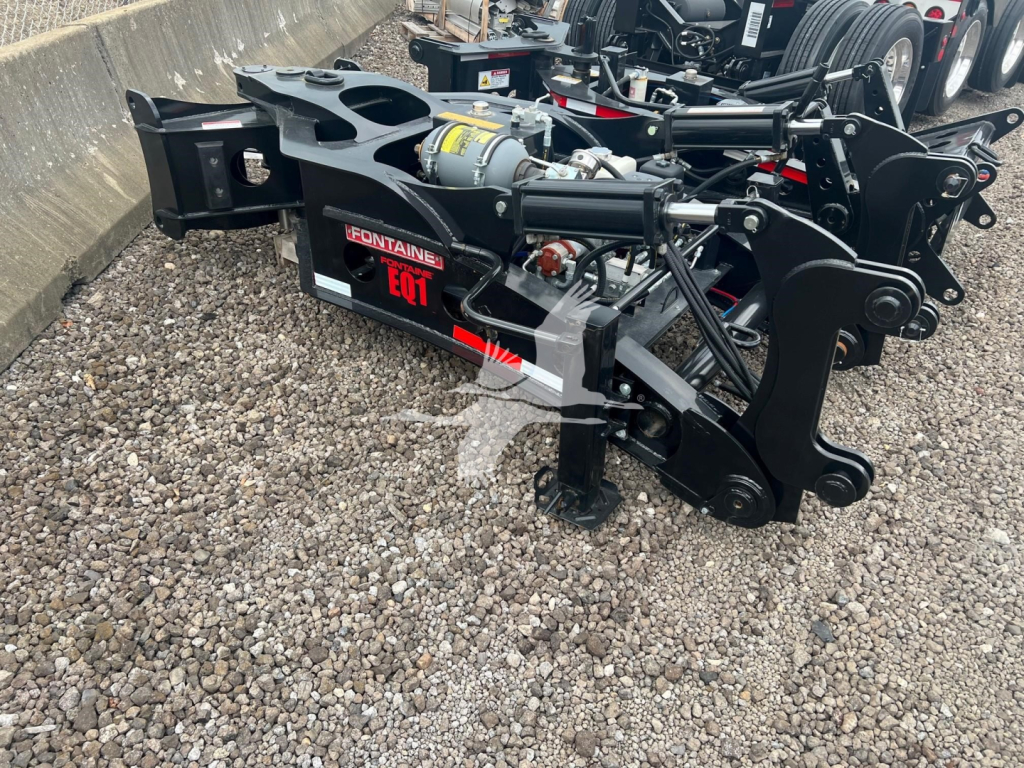
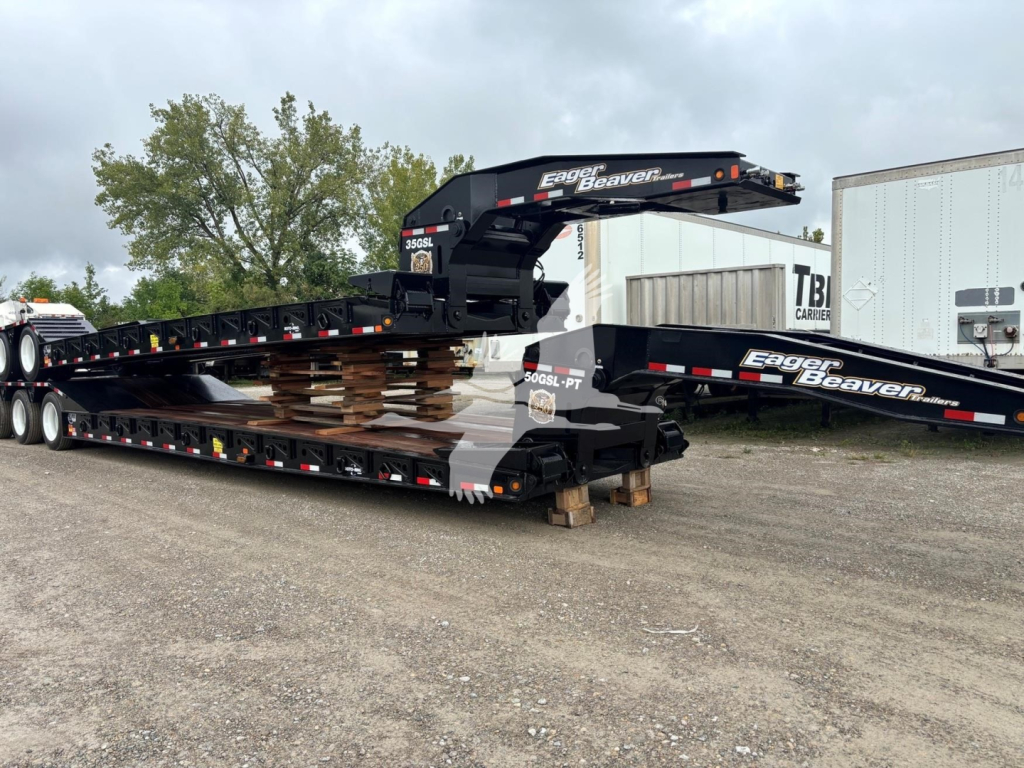
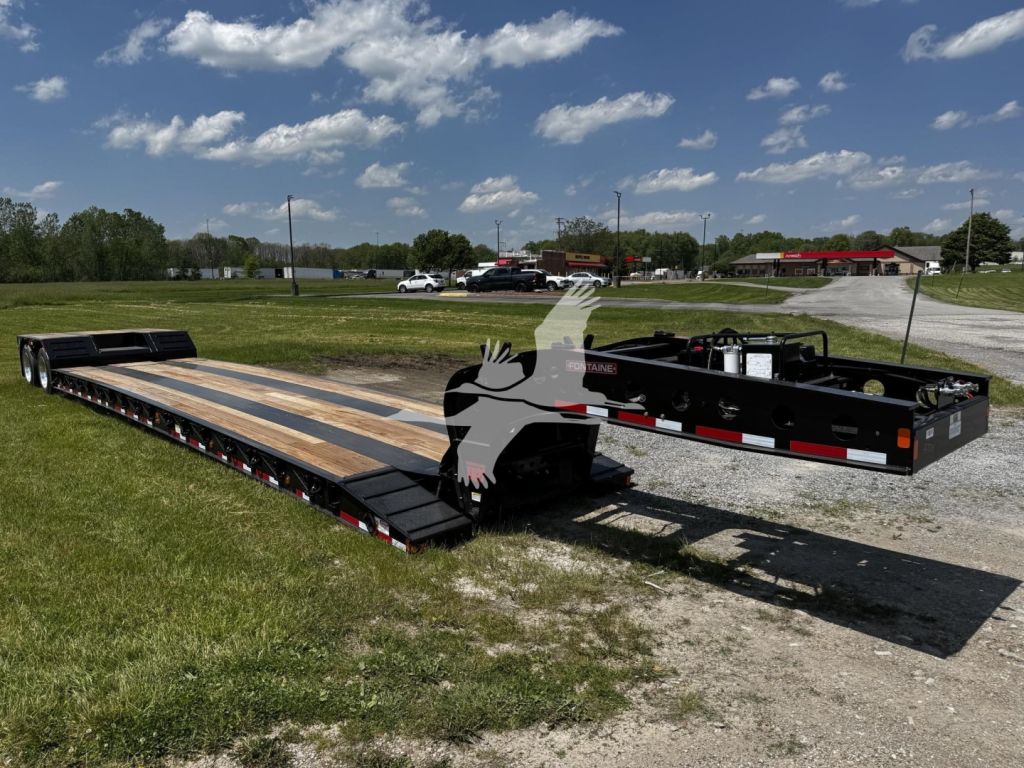
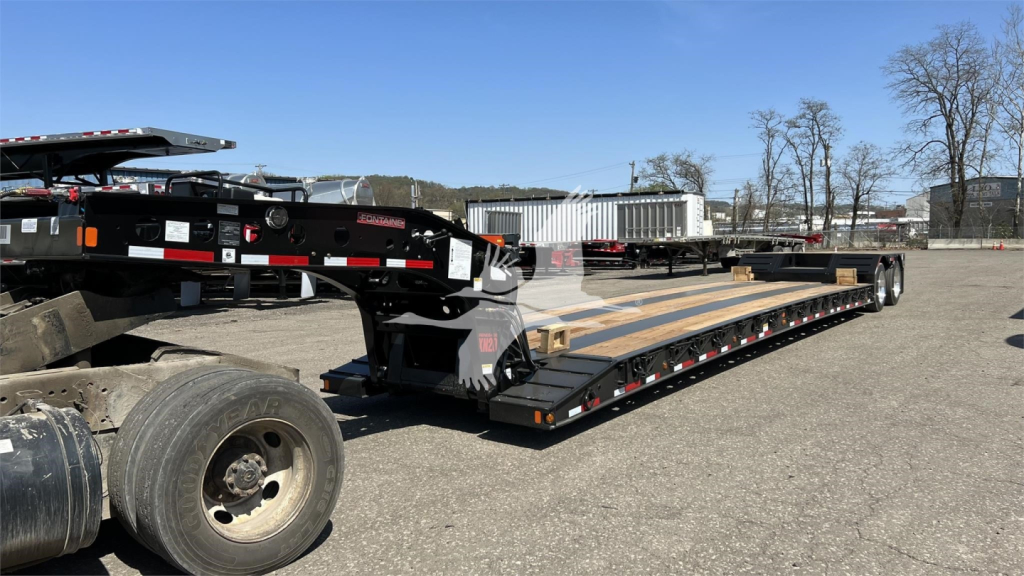
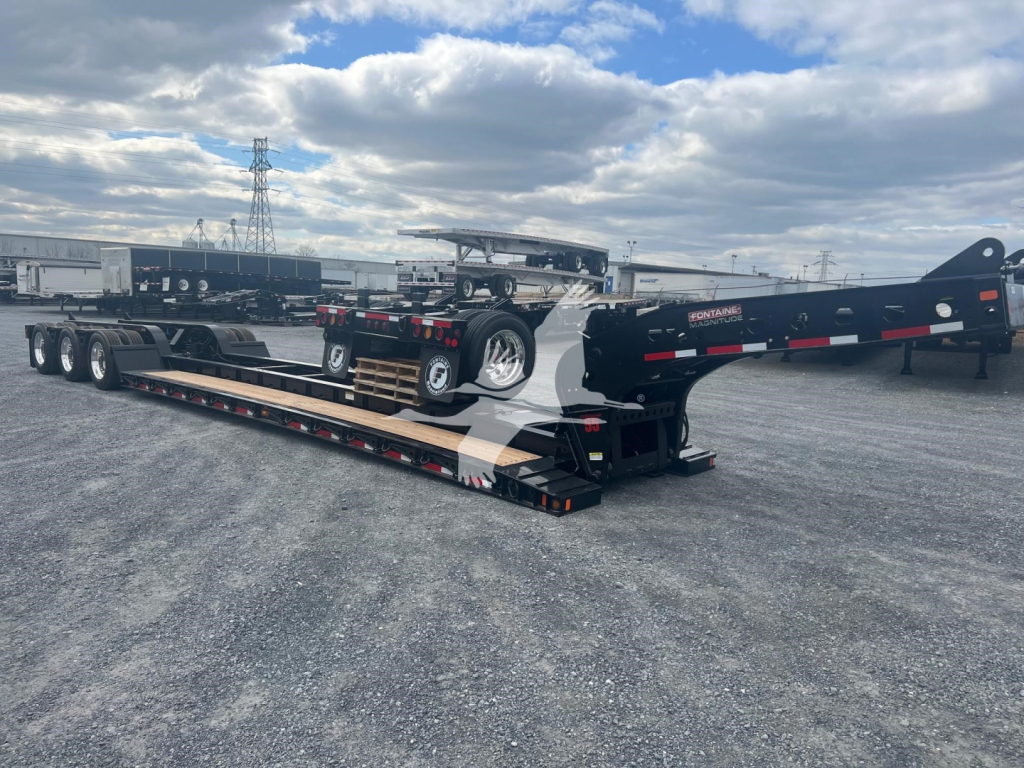
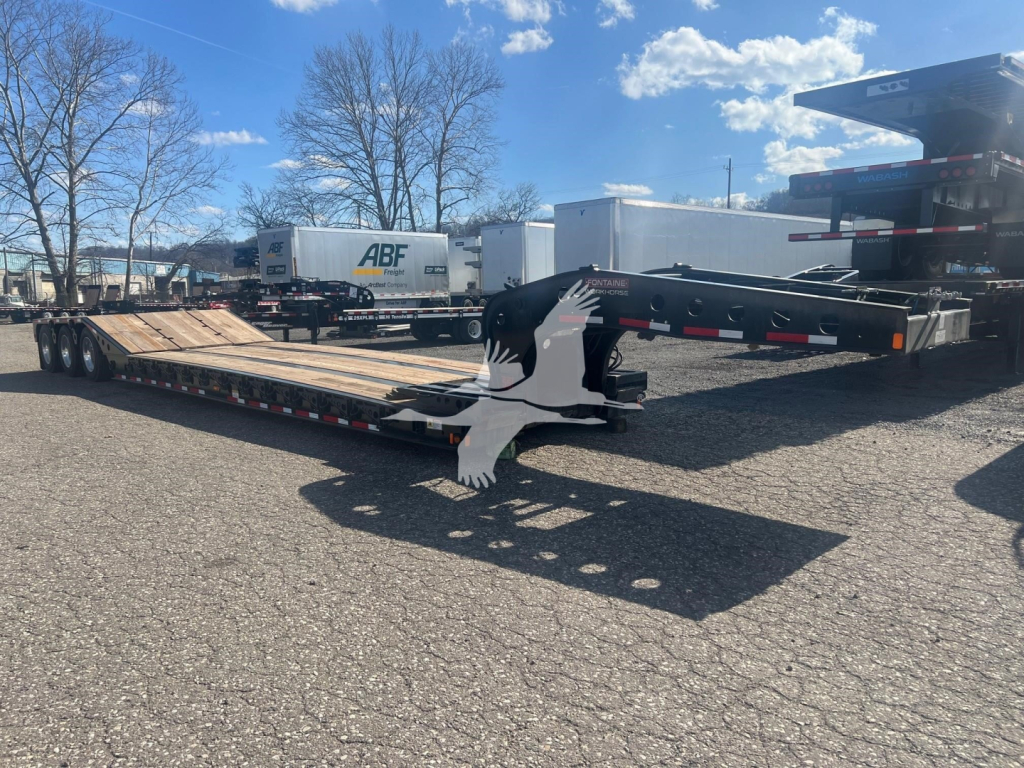
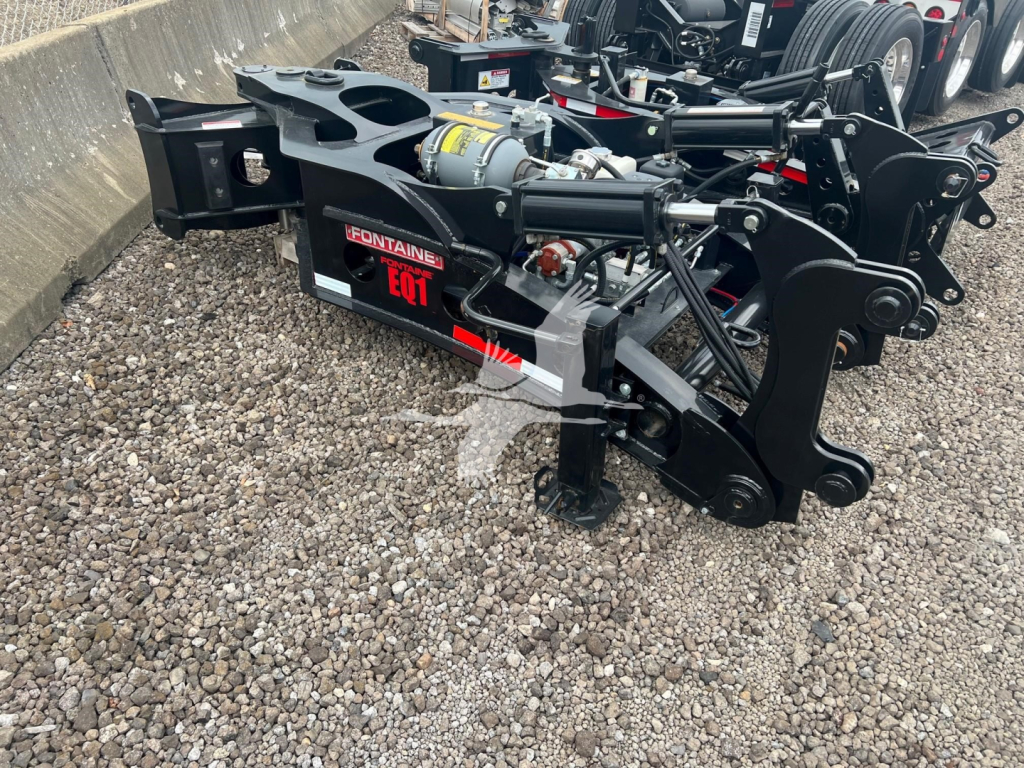
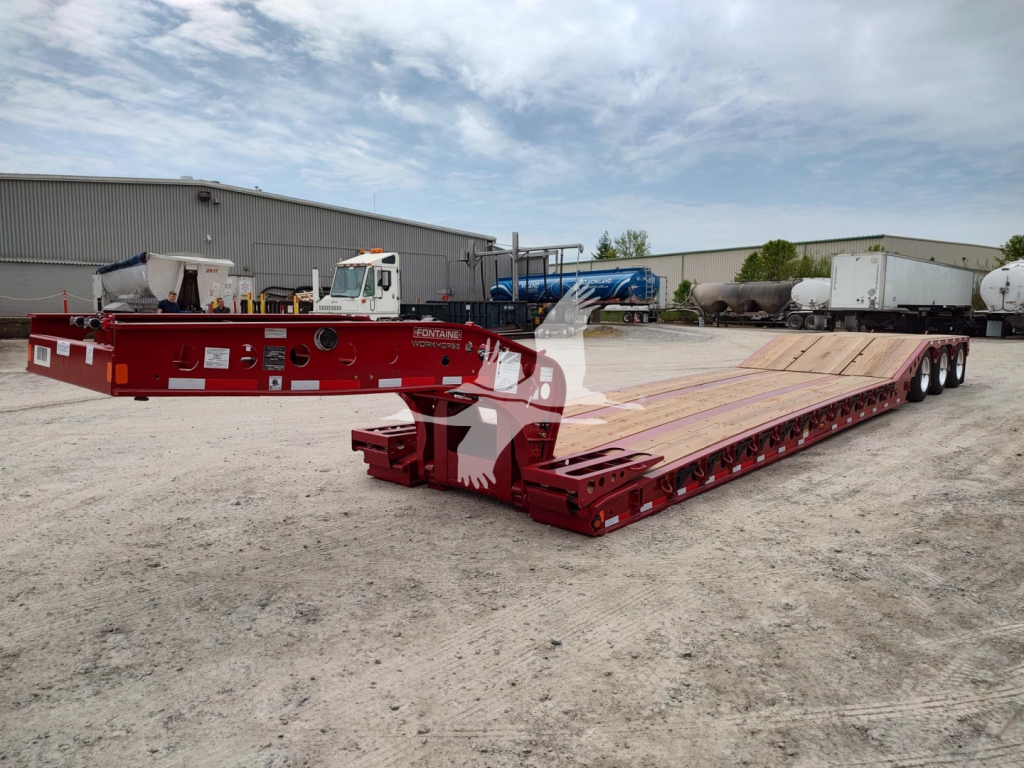
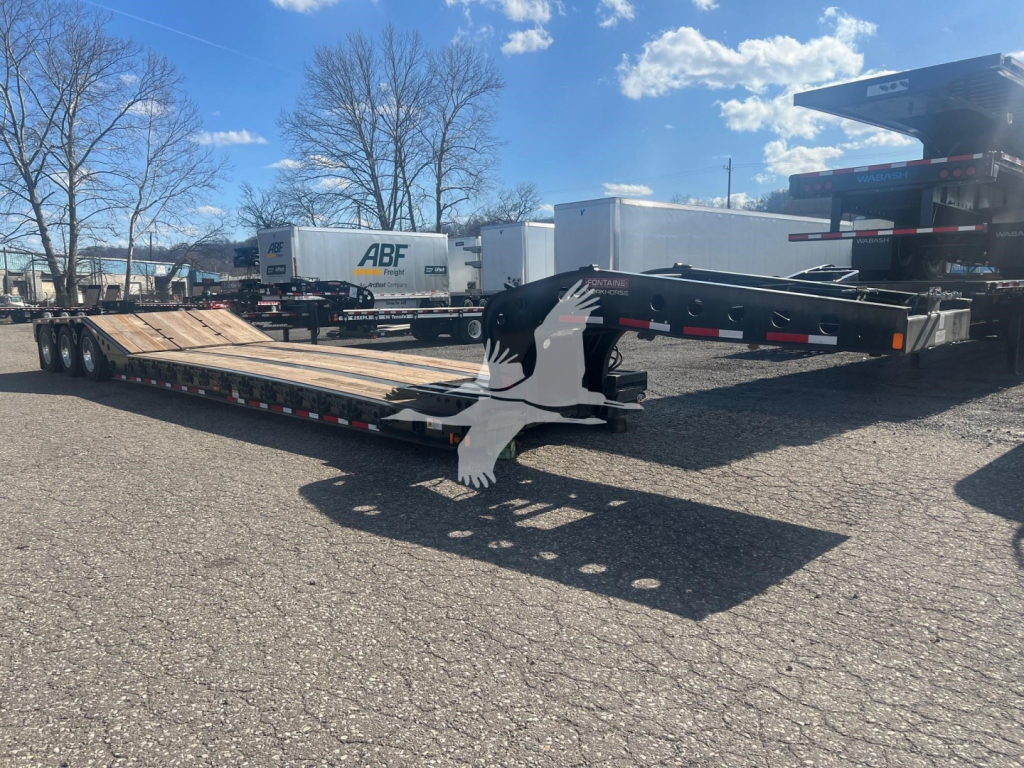
The biggest decision is often the neck and axle setup. Hydraulic detachable goosenecks are popular because they let the operator load self-propelled equipment from the front without separate ramps, and non-ground-bearing designs are common for faster hookups in fleet service. Two-axle and three-axle trailers are both common in the market, with air ride suspension, lift axle options, dump valves, and mechanical ride height controls showing up regularly on late-model units. Some lowboys are built with flip axle connections at the rear, which matters if your operation needs to increase capacity or spread weight to meet permit requirements. In Ohio, axle spacing, bridge compliance, and route permitting should be reviewed early, especially if the trailer will be used across multiple states in the Midwest.
Deck construction and load securement details matter more than many first-time buyers expect. Apitong wood flooring remains a preferred spec because it handles concentrated equipment loads well and stands up to repeated steel track contact better than many alternatives. Look closely at outriggers, D-ring count and placement, crossmember spacing, side rail design, and whether the trailer includes features like load-bearing wheel covers, boom wells, hammer plates, chain lifts, or toolboxes. A lowboy set up for paving or roadbuilding may have a full-width loading area, wood-filled ramps, and swing-out outriggers to support wider machines and attachments. If your freight includes machines with long booms or uneven weight distribution, details like a boom trough or recessed deck sections can make a meaningful difference in load position and legal axle balance.
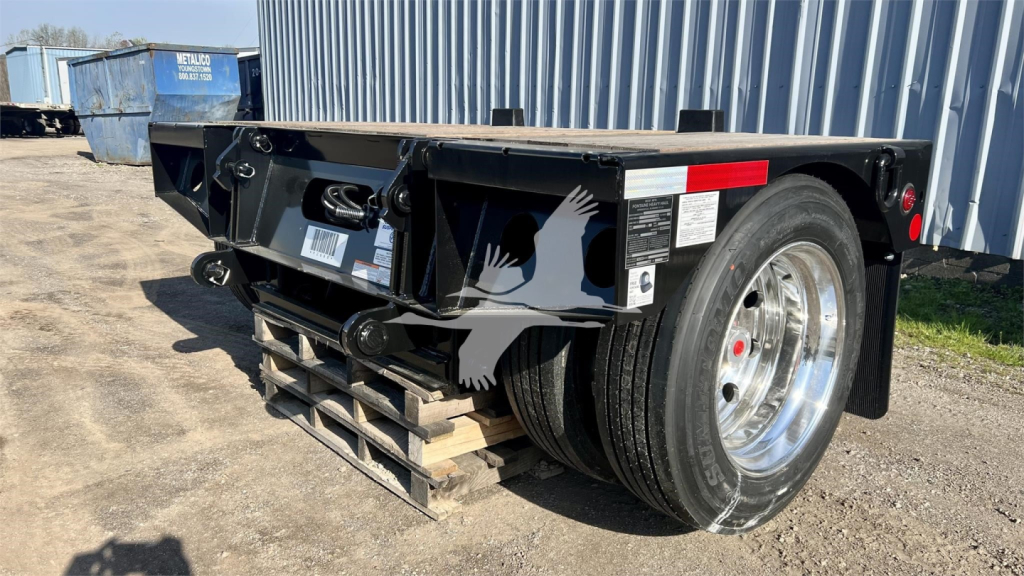
A good 2027 lowboy trailer purchase comes down to matching the trailer to the equipment, permit environment, and loading routine. Check the capacity rating in the stated load length, not just the headline tonnage, and compare loaded fifth wheel height, swing clearance, deck length, and suspension setting to the tractors and jobs you run. Tire size, wheel spec, rear loading angle, and flip axle compatibility also affect day-to-day usability. For buyers comparing listings, the strongest value is usually found in a lowboy that is already spec'd for the type of machinery you move most often, with the axle layout, deck features, and detach style that fit your routes and your operators.
Frequently Asked Questions about 2027 Lowboy Trailers in Ohio
What is a lowboy trailer used for?
A lowboy trailer is used to haul heavy equipment and oversized machinery that would exceed legal height limits on a standard flatbed or step deck. Common freight includes excavators, dozers, pavers, loaders, rollers, and other construction or roadbuilding machines. The low main deck keeps the center of gravity down and allows taller equipment to move with better height compliance.
What is the difference between a lowboy and a detachable gooseneck trailer?
A lowboy refers to the trailer type with a very low deck, while a detachable gooseneck describes the loading style used on many lowboys. A hydraulic detachable gooseneck lets the front of the trailer disconnect so equipment can be driven onto the deck from the ground. Many lowboys are detachable gooseneck trailers, but buyers should still confirm whether the neck is hydraulic, mechanical, ground-bearing, or non-ground-bearing because those differences affect loading speed and operating convenience.
How do I choose the right lowboy capacity?
Start with the heaviest machine you plan to haul, including attachments, fuel, and any accessories that travel with it. Then compare that operating weight to the trailer's rated capacity in the specified load length, such as 40 tons in 16 feet or 55 tons in 16 feet. Capacity claims are only meaningful when matched to the load concentration and axle setup, so buyers should also review deck length, axle group, flip axle compatibility, and the permit requirements for the states where the trailer will run.
Why does flip axle compatibility matter on a lowboy trailer?
Flip axle compatibility matters because it gives the trailer more flexibility for heavier loads and different permit situations. A rear flip axle can help distribute weight across more axles, which may improve legal compliance and increase usable payload depending on the trailer design and jurisdiction. Buyers who occasionally move heavier machines often prefer a lowboy already set up with the proper rear connections, suspension height, and electrical and brake provisions for a compatible flip axle.
What specs should I pay attention to when comparing 2027 lowboy trailers in Ohio?
Focus on deck height, detachable gooseneck type, axle count, suspension brand and setting, rated capacity in load length, and overall deck configuration. In Ohio and surrounding states, permit compliance, bridge formula impact, and multi-state use are practical concerns, so kingpin setting, loaded fifth wheel height, and axle spread deserve close review. It is also smart to compare flooring material, ramp angle, securement points, outriggers, and any specialty features such as boom wells or hammer plates if the trailer will haul paving or excavation equipment.