
2027 Landoll Lowboy Trailers For Sale
Shop 2027 Landoll lowboy trailers with traveling axle designs, low load angles, heavy deck ratings, and specs built for equipment hauling.
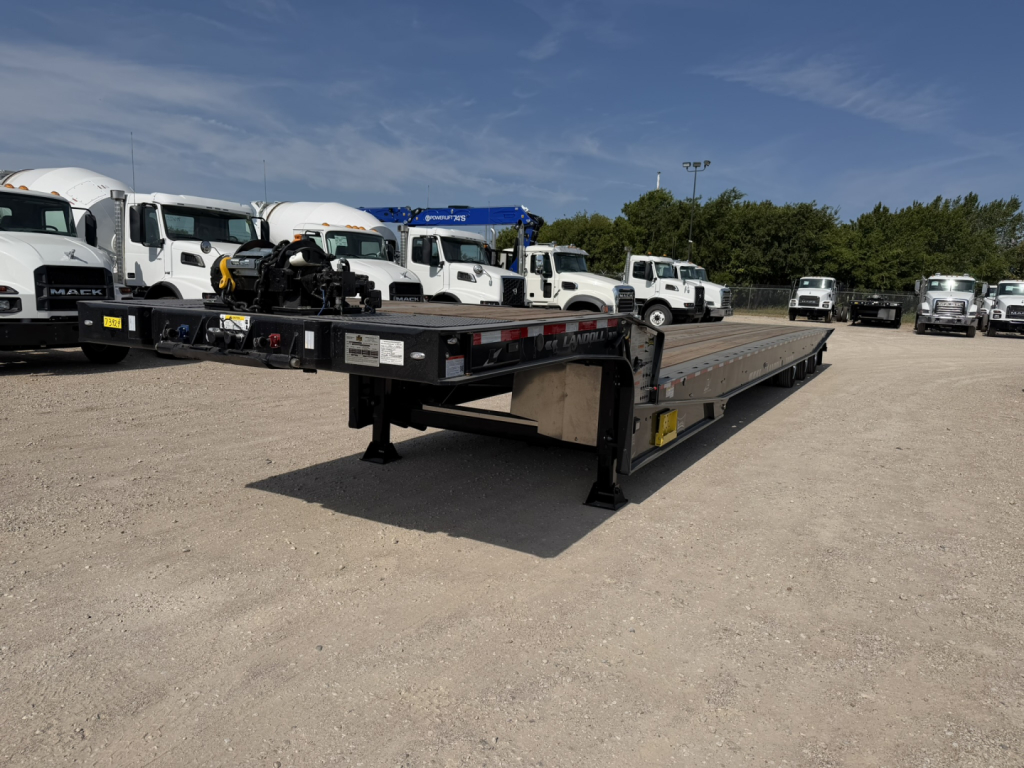
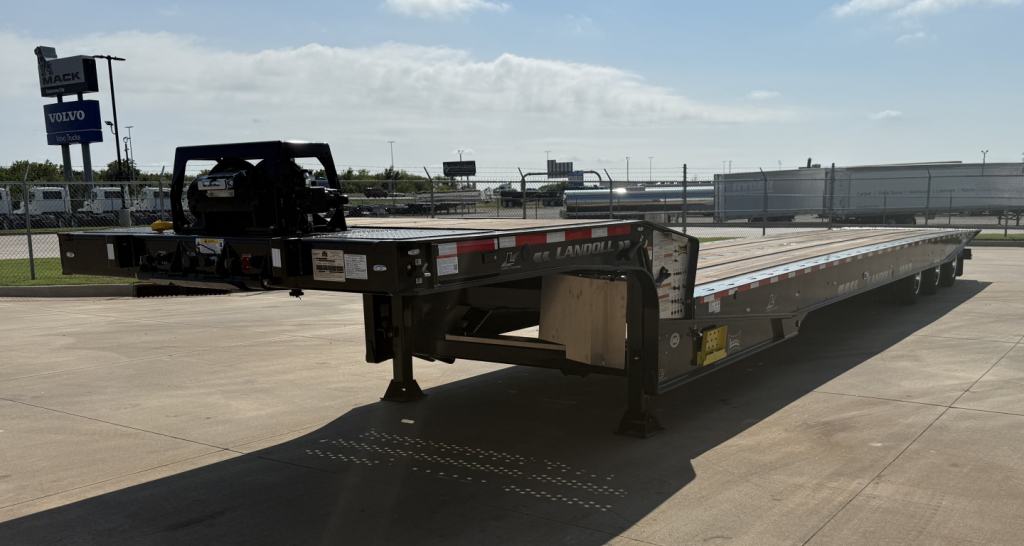
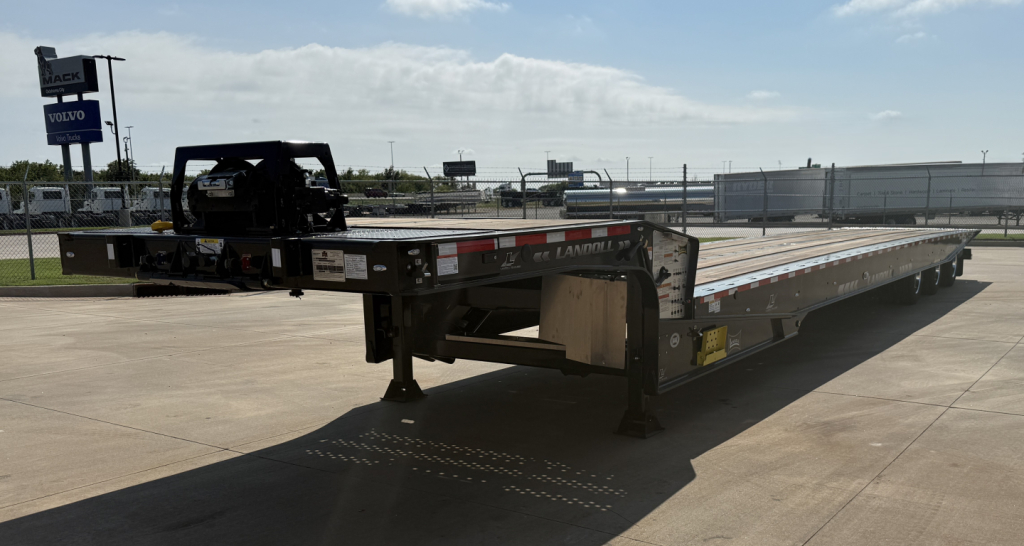
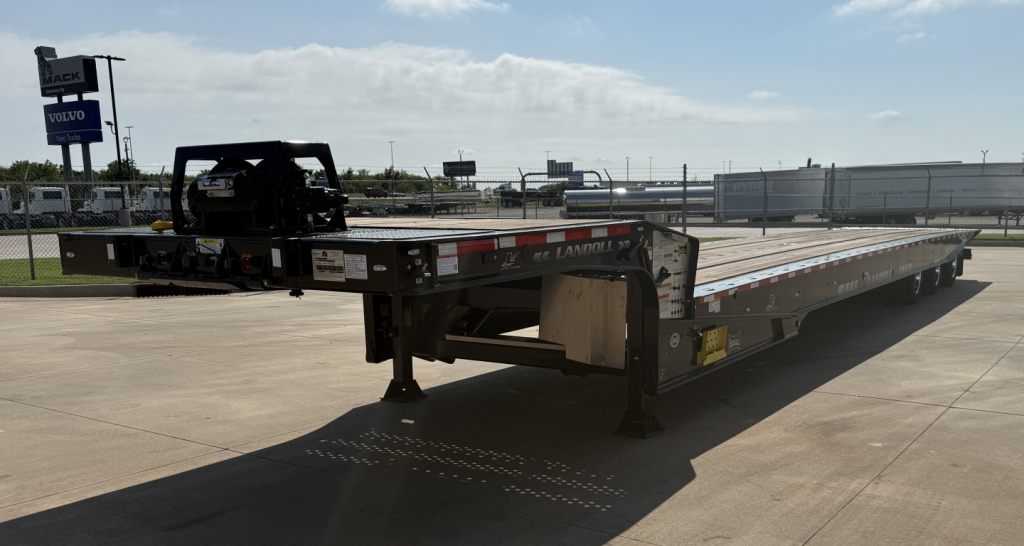
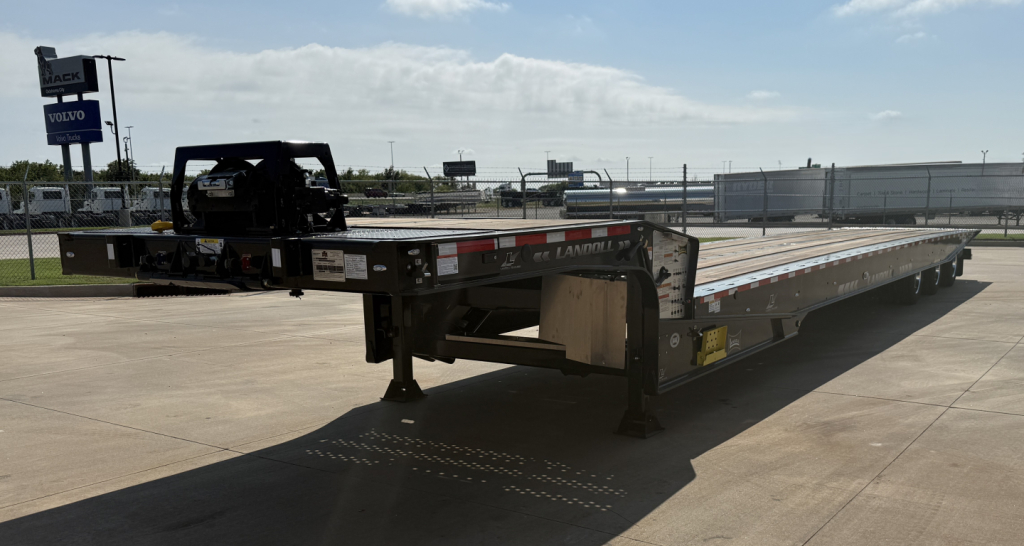
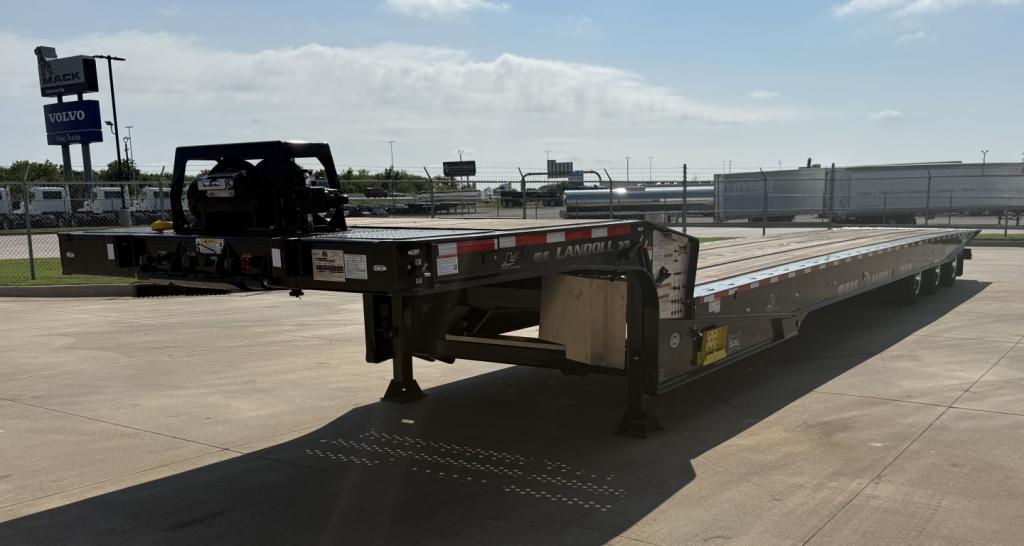
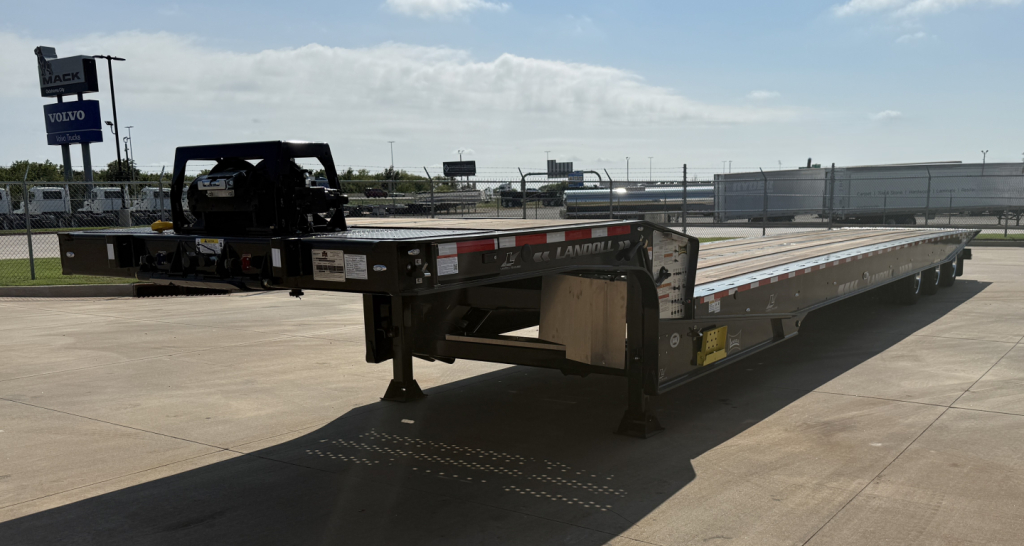
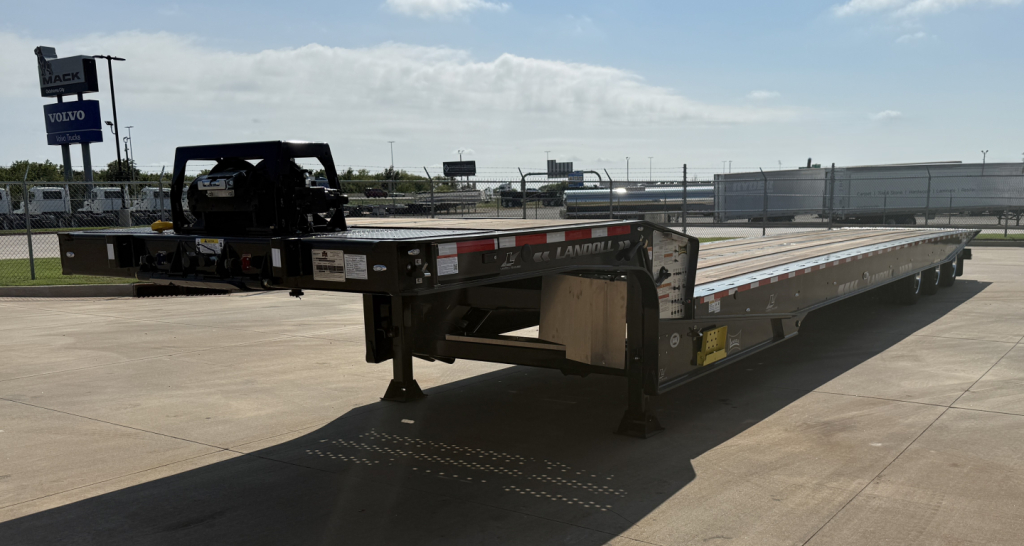
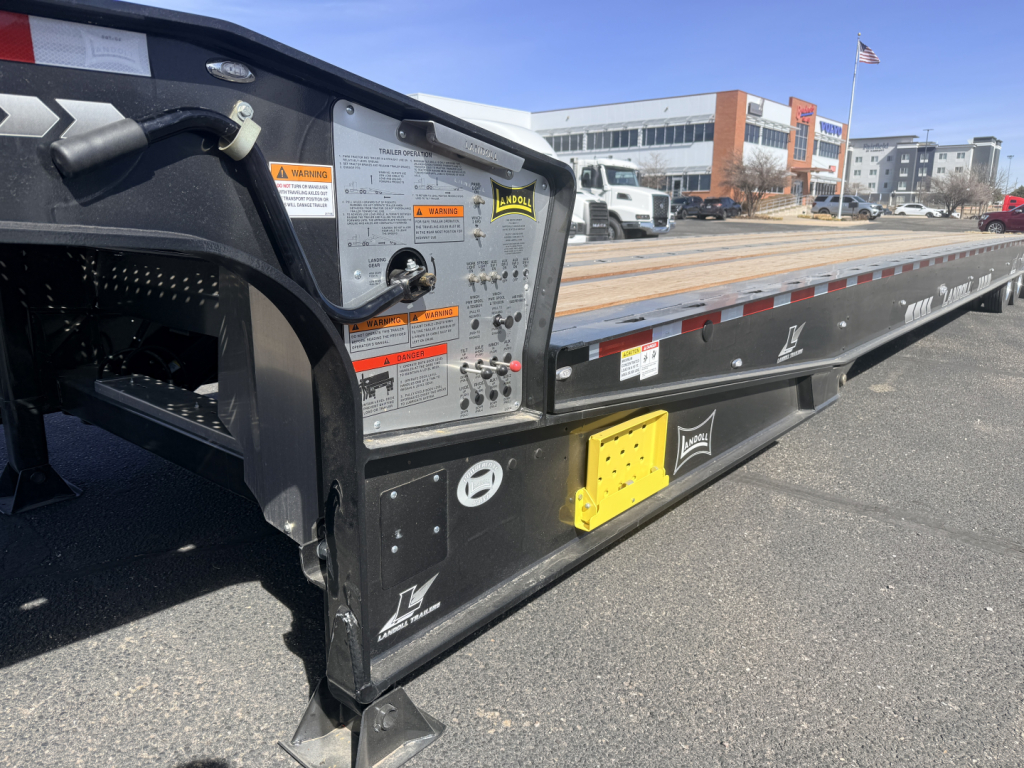
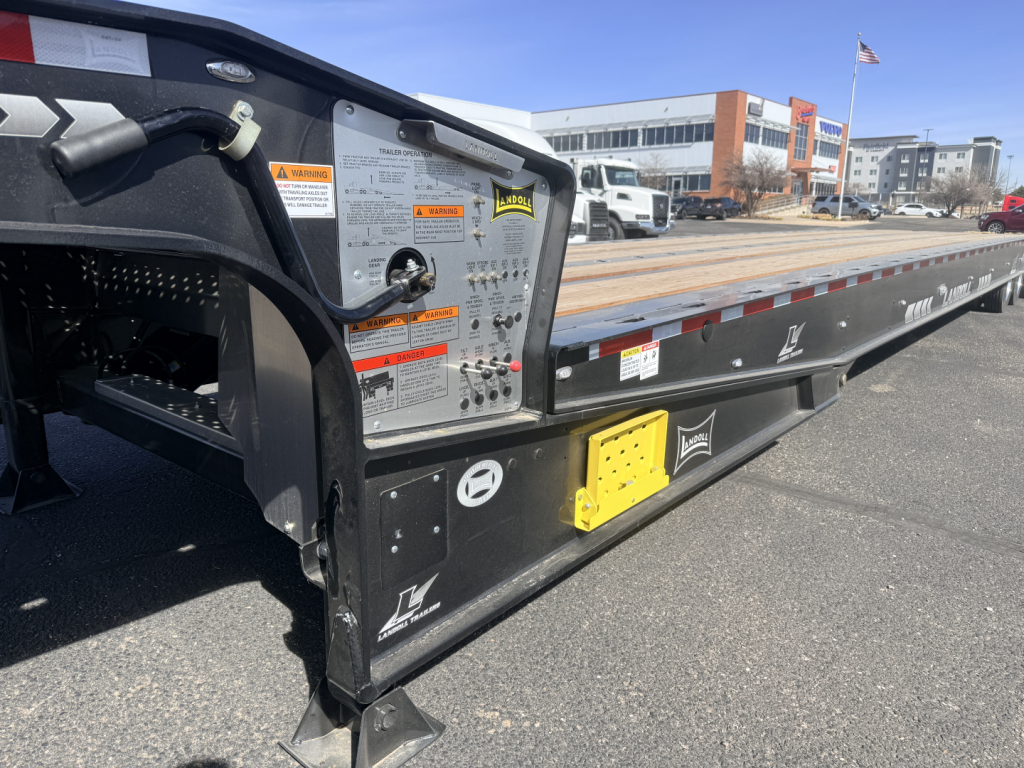
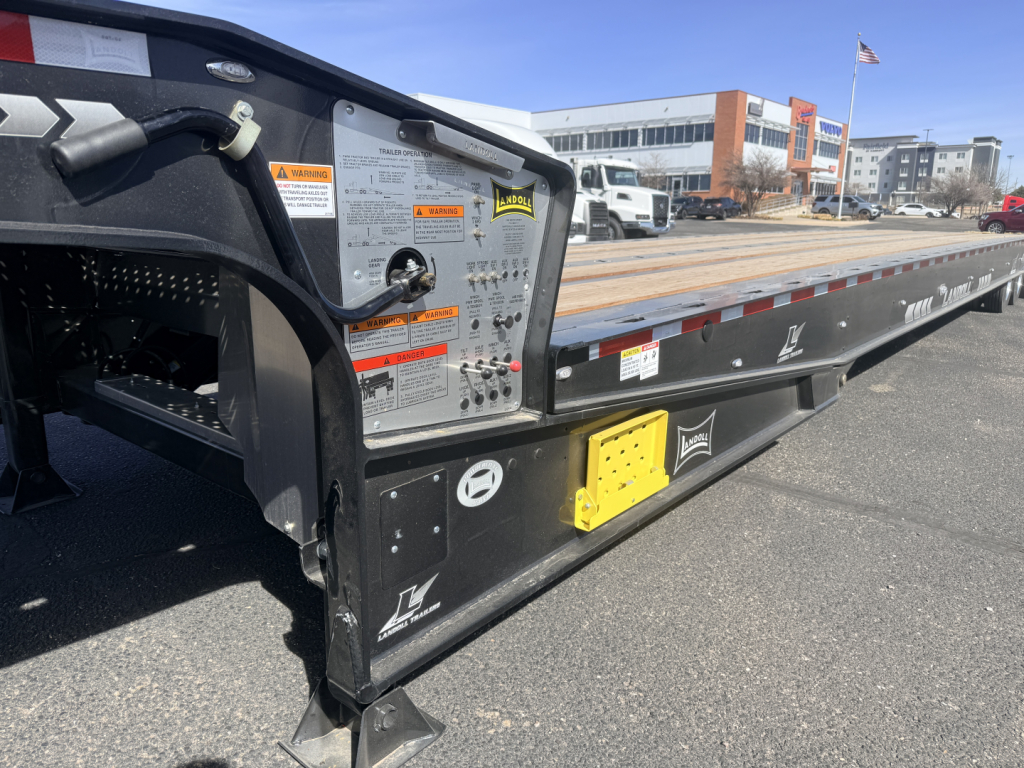
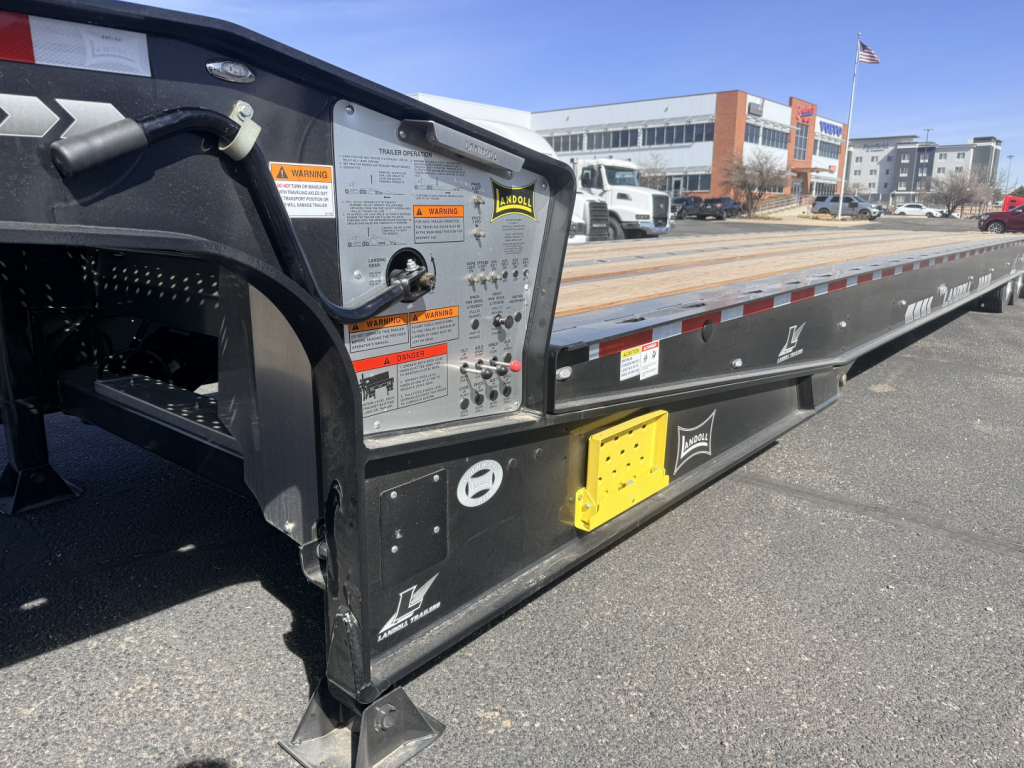
Selling a 2027 landoll lowboy trailer? List your 2027 landoll lowboy trailer for sale and reach thousands of commercial buyers.
2027 Landoll Lowboy Trailers
Frequently Asked Questions about 2027 Landoll Lowboy Trailers
What makes a Landoll lowboy trailer different from a traditional detachable gooseneck lowboy?
A Landoll lowboy, especially a traveling axle model, uses a hydraulic trailer design that lowers the rear for loading rather than requiring the front deck to detach. That gives operators a shallow load angle and fast loading cycle, which is a major advantage for frequent moves of wheeled or tracked equipment. It also reduces the need for extra hookup steps at the jobsite. For many fleets, the tradeoff comes down to application: a traveling axle Landoll is often preferred for versatility and loading convenience, while a detachable gooseneck lowboy may be chosen for certain concentrated heavy-haul applications or specific deck height requirements.
How do I choose between a 40-ton and 55-ton Landoll lowboy?
Start with actual payload, not just machine brochure weight. A 40-ton class trailer can be a strong fit for medium-duty construction and equipment hauling, but a 55-ton class trailer provides more margin for heavier machines, attachments, and concentrated loads. Buyers should compare gross trailer capacity, the deck rating in 10 feet, axle count, and how often the load approaches the upper end of the trailer’s rating. If the fleet regularly hauls heavier excavators, dozers, or machines with high point loading, the higher-capacity trailer usually makes more sense from both durability and compliance standpoints.
Why is deck rating in 10 feet important on a lowboy trailer?
Deck rating in 10 feet tells you how much weight the trailer is designed to carry in a concentrated section of the deck, which is critical for equipment with narrow track contact points or heavy axle loads. Two machines may weigh the same overall but stress the trailer very differently depending on track length, axle spacing, and where the load sits relative to the beams. A buyer who only looks at gross capacity can end up with a trailer that is technically rated for the total weight but not optimized for the machine’s actual footprint. For equipment hauling, concentrated load rating is often as important as total tonnage.
What features are worth prioritizing on a newer Landoll lowboy trailer?
Useful features depend on how often the trailer loads and unloads each week, but many buyers place high value on hydraulic remote controls, winches, chain slots and tie-down points, air ride suspension, air dump, tire inflation systems, onboard scales, LED work lighting, and centralized grease systems. These features improve loading control, securement flexibility, and day-to-day uptime. On equipment trailers that see frequent jobsite use, small spec choices such as toolbox layout, folding steps, decking material, and work light placement can also have a measurable impact on safety and productivity.
What applications are best suited for a Landoll traveling axle lowboy?
Landoll traveling axle lowboy trailers are commonly used for hauling construction equipment, road-building machines, utility support equipment, agricultural machines, and rental fleet assets that need to be moved quickly between sites. They are especially effective where low loading angles are important and where operators want to minimize setup time. Fleets that move a wide mix of wheeled and tracked equipment often prefer this style because it handles varied machine profiles well without requiring a separate loading approach for every move.