
2027 Landoll Lowboy Trailers For Sale in Texas
Shop 2027 Landoll lowboy trailers in Texas. Compare traveling axle models, 40 to 55 ton capacities, deck ratings, axle setups, and specs.
Selling a 2027 landoll lowboy trailer? List your 2027 landoll lowboy trailer for sale and reach thousands of commercial buyers.
2027 Landoll Lowboy Trailers in Texas
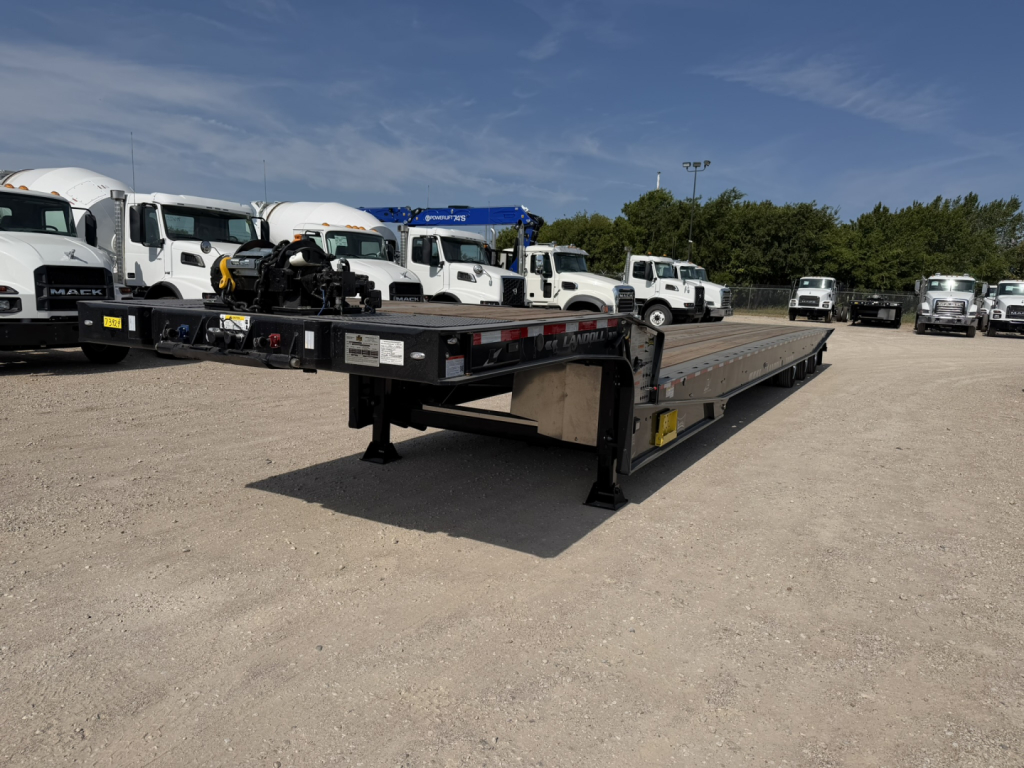
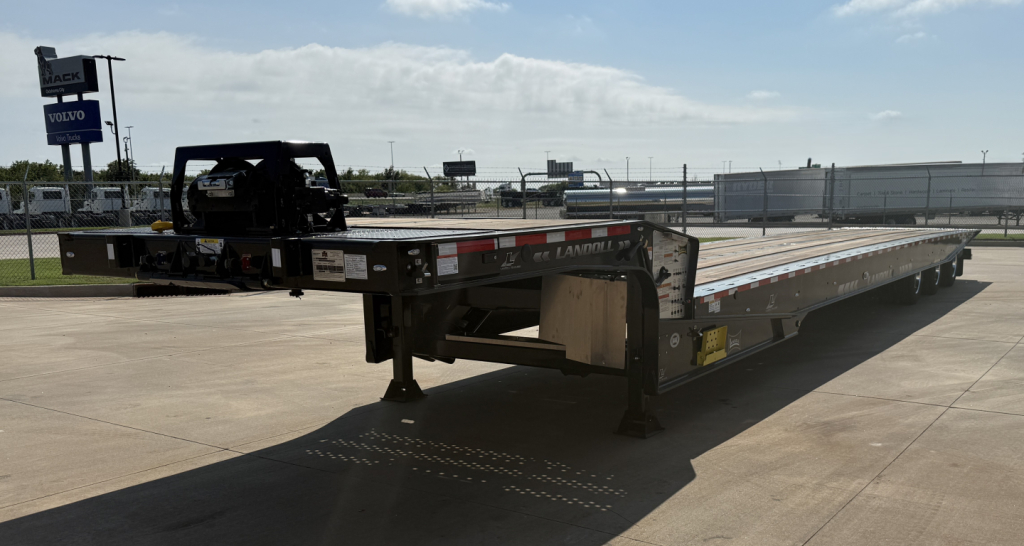
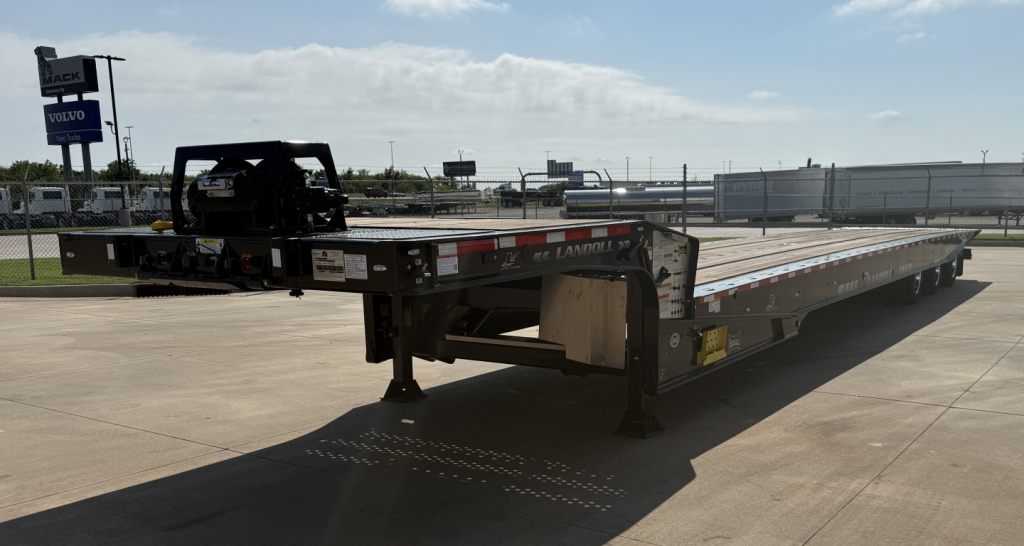
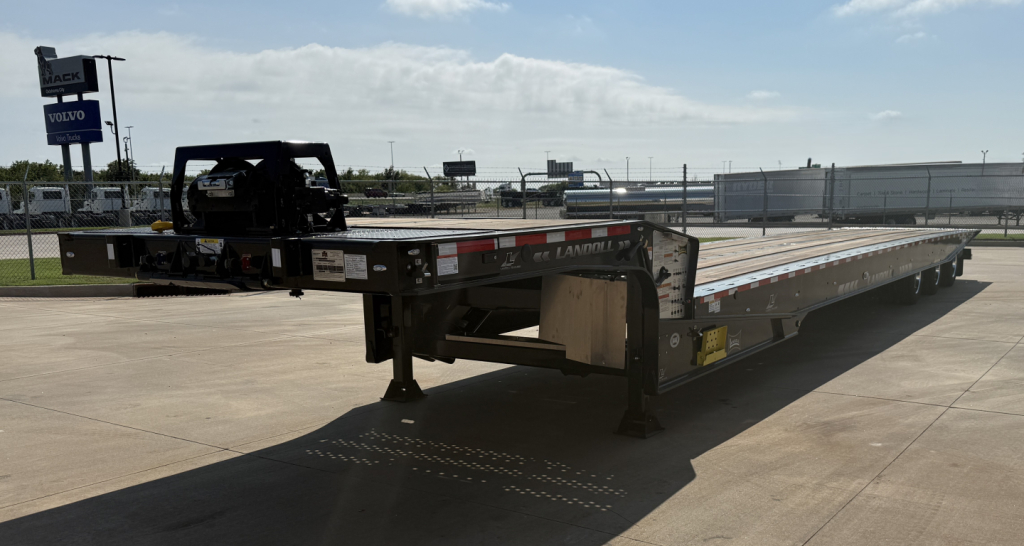
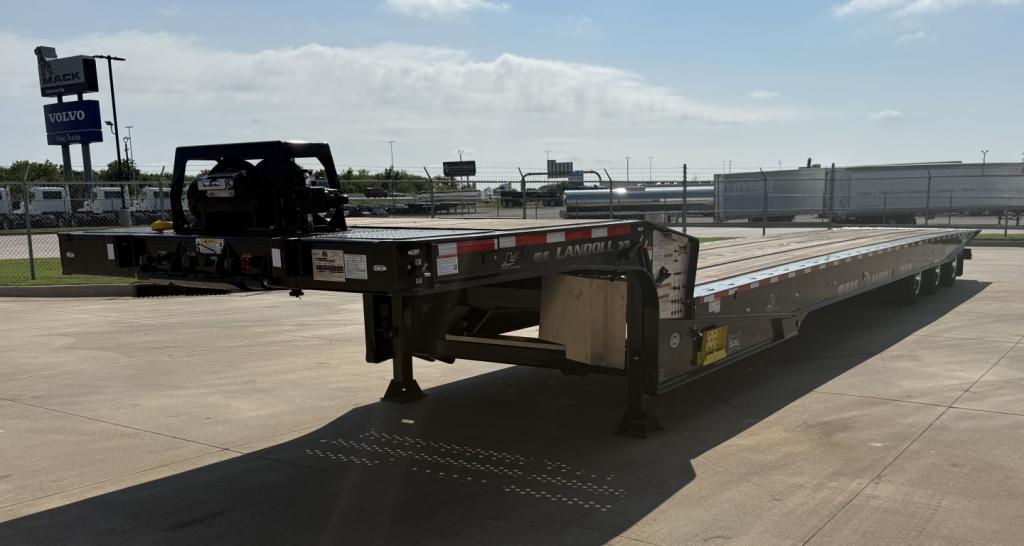
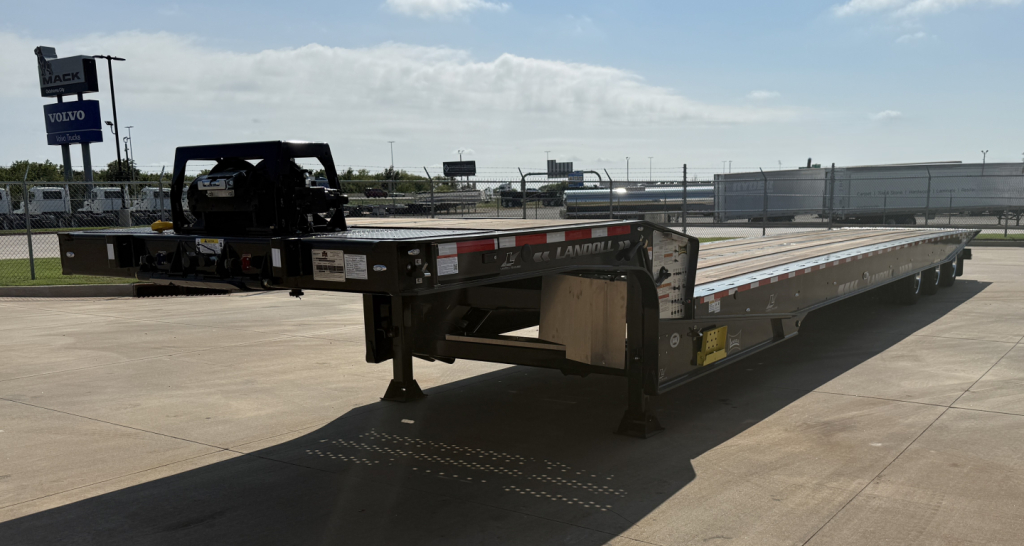
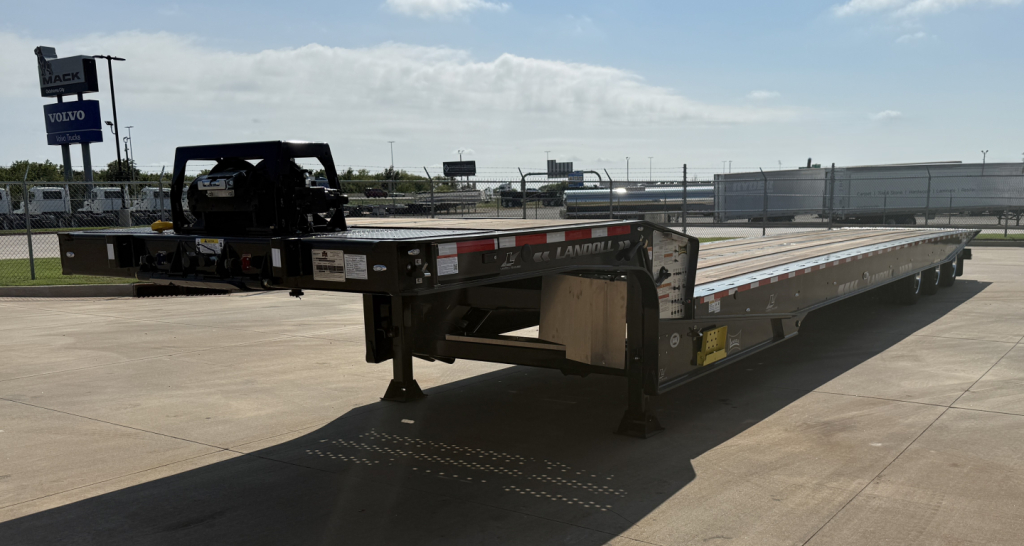
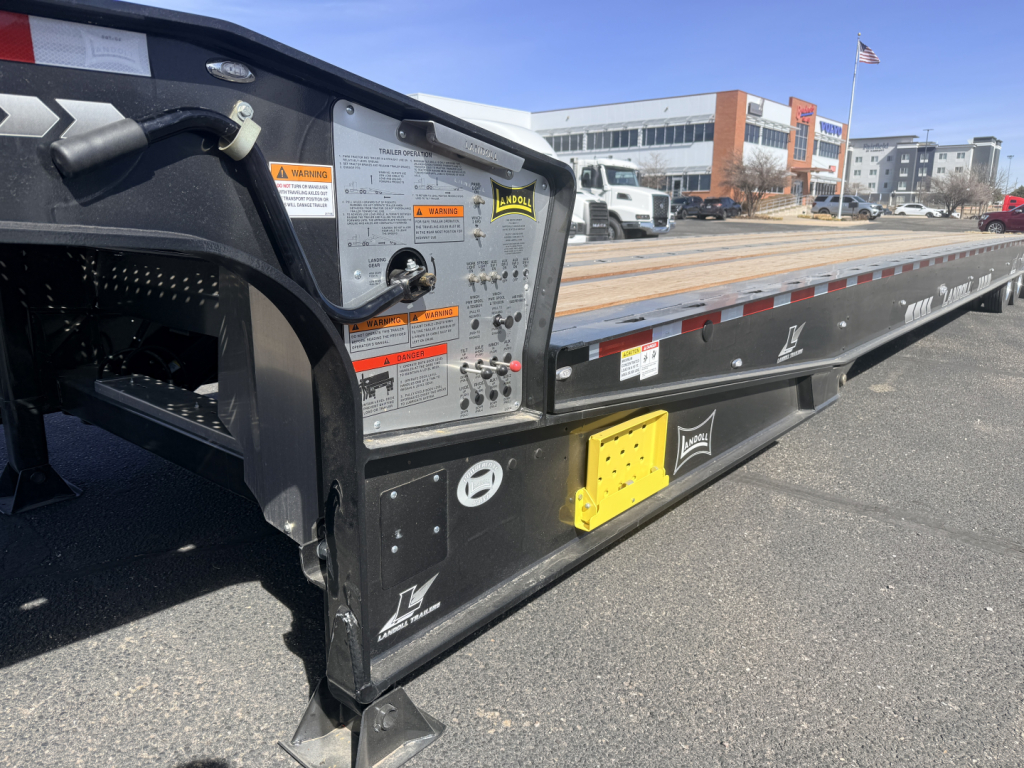
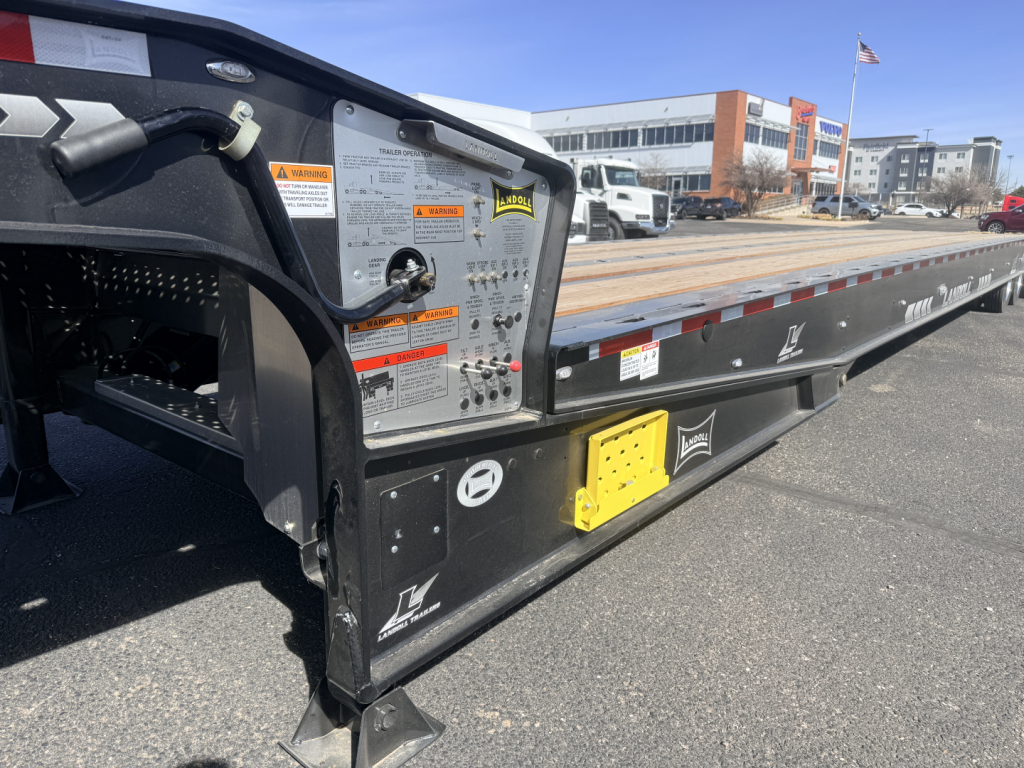
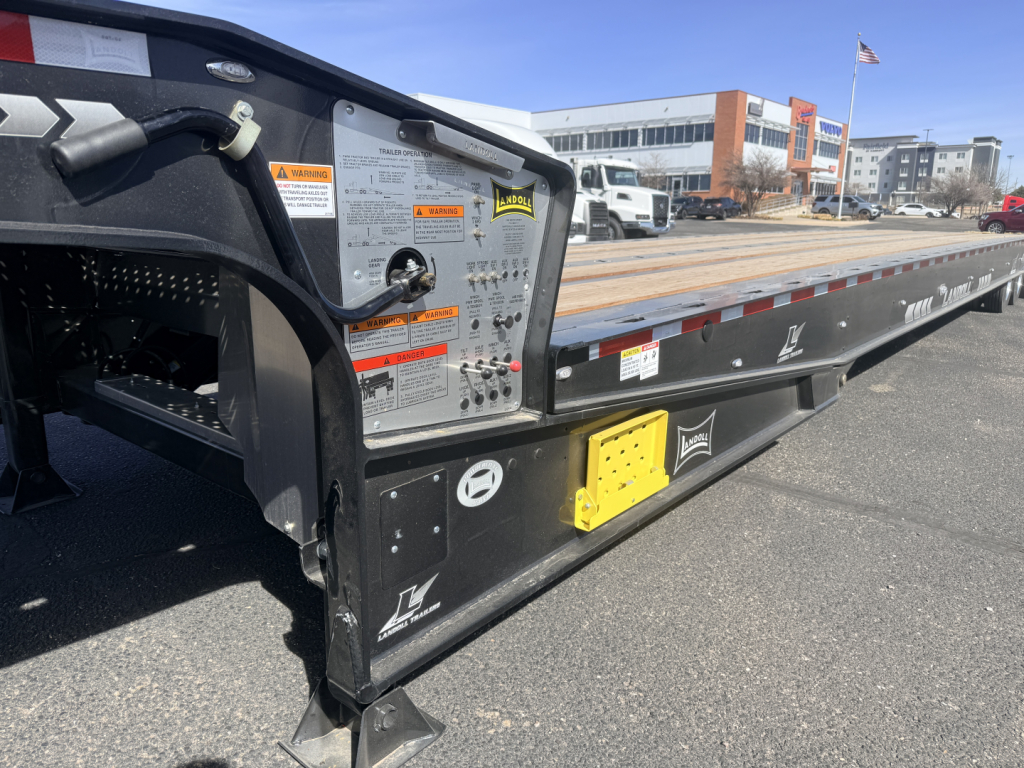
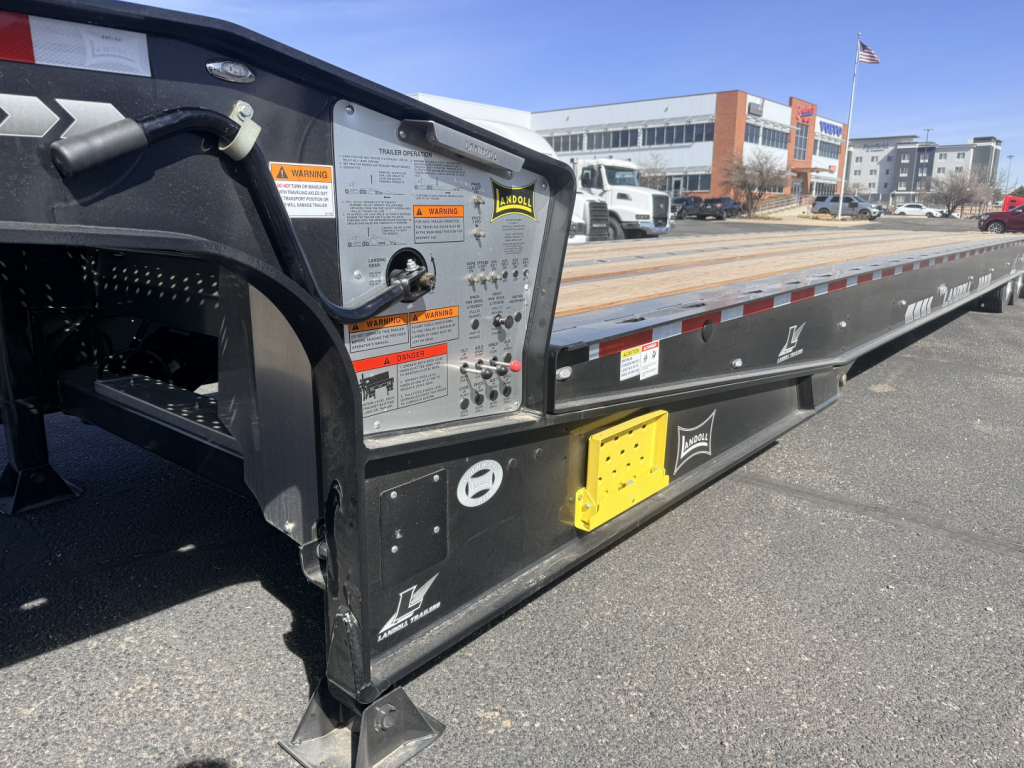
A key spec on Landoll lowboys is the traveling axle design. It helps reduce load angle and improves loading for low-clearance machines that would be more difficult on a fixed-neck or steeper-detach setup. Common configurations in this group include 53-foot overall length, 102-inch width, kingpin settings around 21 inches, swing clearance in the low 80-inch range, loaded deck height around 37 inches, and ground clearance near 14 inches under the gooseneck. Deck ratings matter more than headline GVWR for many buyers. A trailer rated at 80,000 pounds capacity with 50,000 pounds in 10 feet serves a different application than a 110,000 pound capacity unit with 70,000 pounds in 10 feet. If your freight includes excavators, rollers, or other machines with tight axle groupings, concentrated load rating should be near the top of your checklist.
Texas buyers also tend to look closely at axle count, suspension, and permit-friendly load placement. Two-axle and three-axle lowboy setups can affect bridge compliance, empty weight, tire cost, and maneuverability. Air ride suspension is popular for ride quality and cargo protection, and features such as air dump valves, onboard scale systems, PSI tire inflation systems, and centralized grease systems can reduce downtime and simplify daily operation. Landoll trailers in this class often include practical heavy-haul details like Apitong decking, stake pockets with keyhole chain slots, center tie-down points, winches in the 20,000 to 30,000 pound range, wireless remote functions, work lights, toolbox storage, and rear strobe lighting. Those are not just convenience items. They directly affect loading speed, securement options, and serviceability in the field.
When comparing 2027 Landoll lowboy trailers for sale, focus on the freight you move most often, not just maximum advertised capacity. Check the deck rating in 10 feet, number and rating of axles, tire size, suspension type, and the loading geometry created by the traveling axle. Also confirm tie-down layout, winch specification, and any hydraulic couplers or remote controls that support your loading process. A well-matched Landoll lowboy can improve loading safety, reduce machine drag at the tail, and give you a more versatile trailer for regional heavy equipment work.
Frequently Asked Questions about 2027 Landoll Lowboy Trailers in Texas
What is the advantage of a Landoll traveling axle lowboy trailer?
A traveling axle lowboy shifts the axle assembly to create a lower load angle and easier loading profile than many conventional lowboy designs. That matters when hauling pavers, rollers, scissor lifts, and other equipment with low ground clearance or limited approach angle. It also gives the operator more flexibility in positioning the load to meet axle and bridge requirements while keeping loading and unloading efficient.
How do I choose between a 40 ton and 55 ton Landoll lowboy?
Start with the heaviest machine you haul regularly, then look at its concentrated weight over the deck, not just total operating weight. A 40 ton class trailer may be adequate for many mid-size construction machines, but a 55 ton class trailer usually brings higher capacity, stronger deck ratings in 10 feet, and an extra axle for better load distribution. If your freight has heavy point loads or you work in applications where permits and axle spacing are critical, the higher-rated trailer often gives more operating margin.
Why is deck rating in 10 feet so important on a lowboy trailer?
Deck rating in 10 feet measures how much concentrated weight the trailer can safely carry over a short section of the deck. Many machines do not spread weight evenly across the entire well. Excavators, loaders, and similar equipment can place a large share of their weight in a compact footprint. That is why a trailer's stated overall capacity should always be considered alongside its concentrated deck rating when matching it to your equipment.
What specs should Texas buyers pay close attention to on a lowboy trailer?
Texas buyers should closely review axle count, kingpin setting, swing clearance, loaded deck height, ground clearance, and suspension type because these affect route planning, legal compliance, and day-to-day usability. Tire size, onboard scale systems, and tire inflation systems can also matter in longer regional operations where uptime and weight accuracy are important. The right combination depends on the freight mix, tractor spec, and how often the trailer operates on jobsites versus highway miles.
What features improve daily use and maintenance on a Landoll lowboy?
Useful day-to-day features include Apitong decking for durability, multiple tie-down points and chain slots for flexible securement, a properly sized hydraulic winch, toolboxes, LED work lights, and wireless remote functions for loading control. Maintenance-focused options such as centralized grease systems, air ride suspension components, and PSI tire inflation systems help reduce service interruptions and make routine checks faster. These details can have a real impact on trailer uptime over a long work cycle.