
2027 Lowboy Trailers For Sale in Pennsylvania
Shop 2027 lowboy trailers in Pennsylvania. Compare detachable gooseneck, axle setups, deck heights, capacities, and heavy haul features.
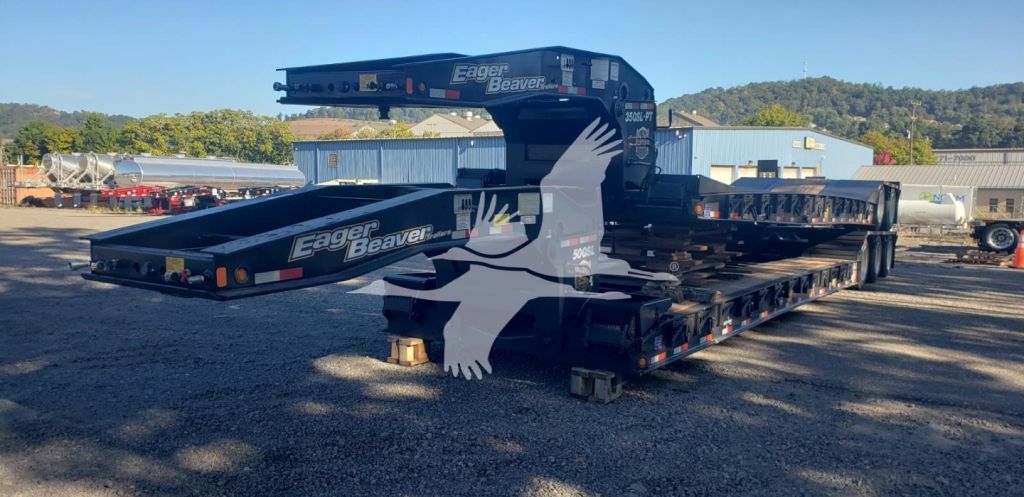
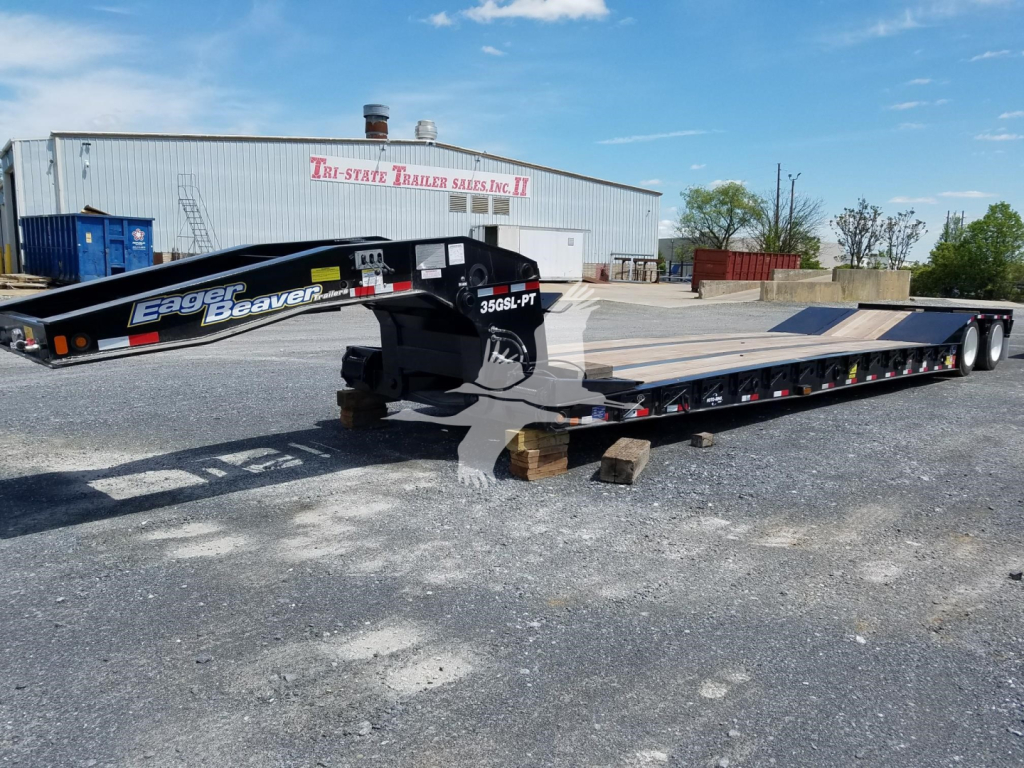
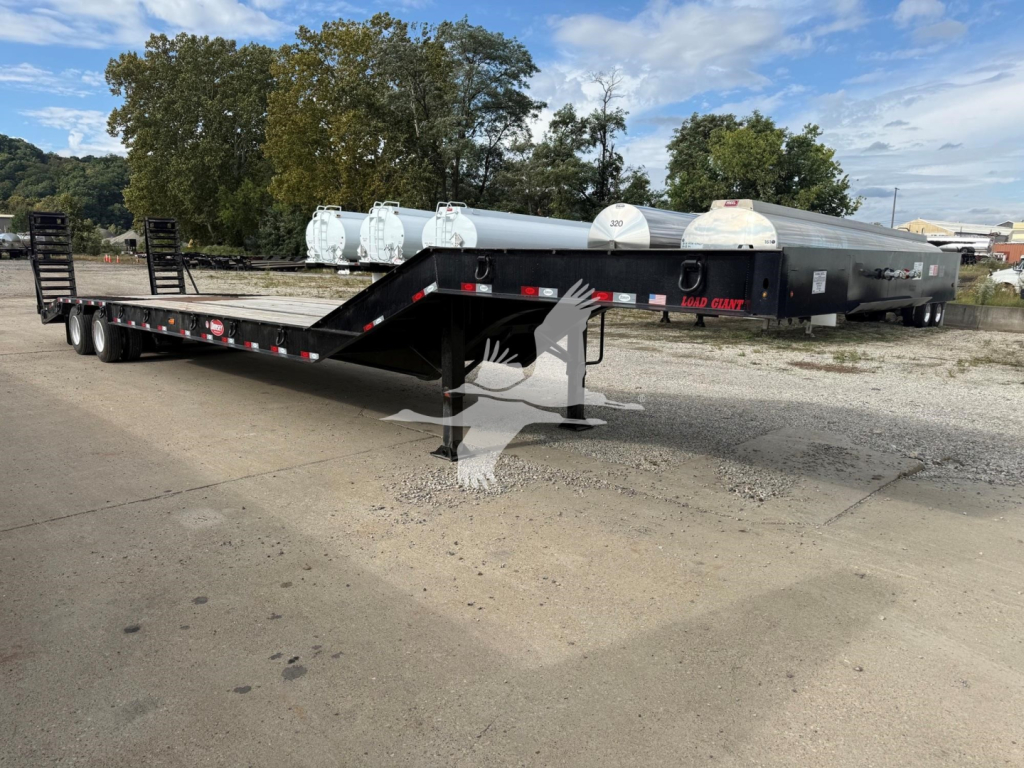
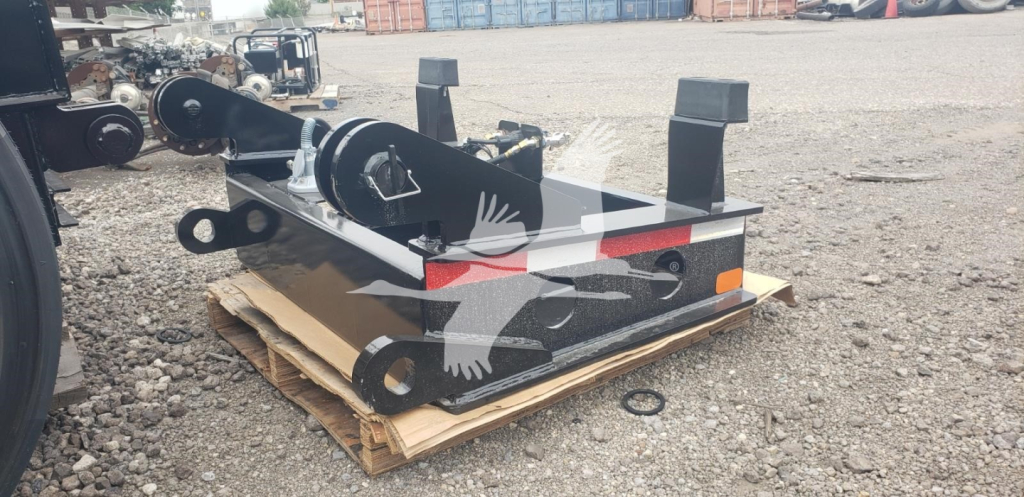
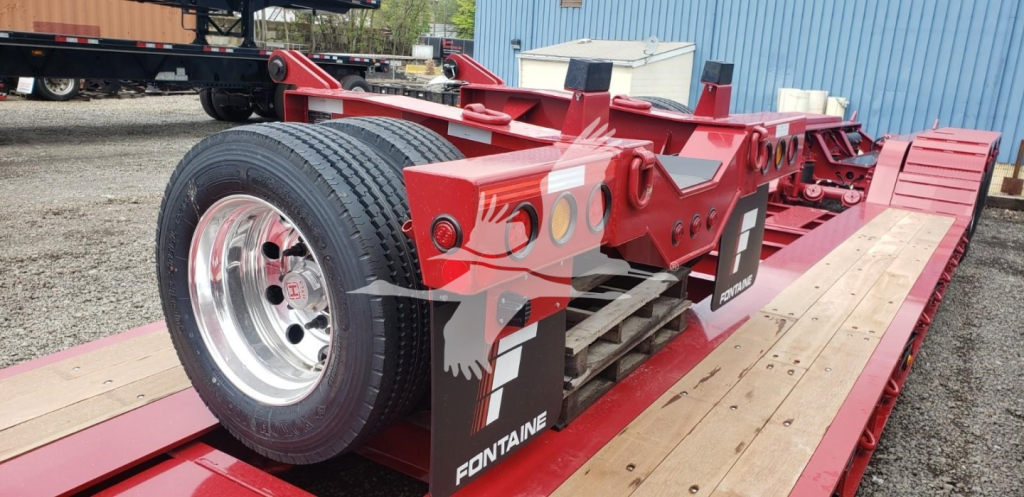
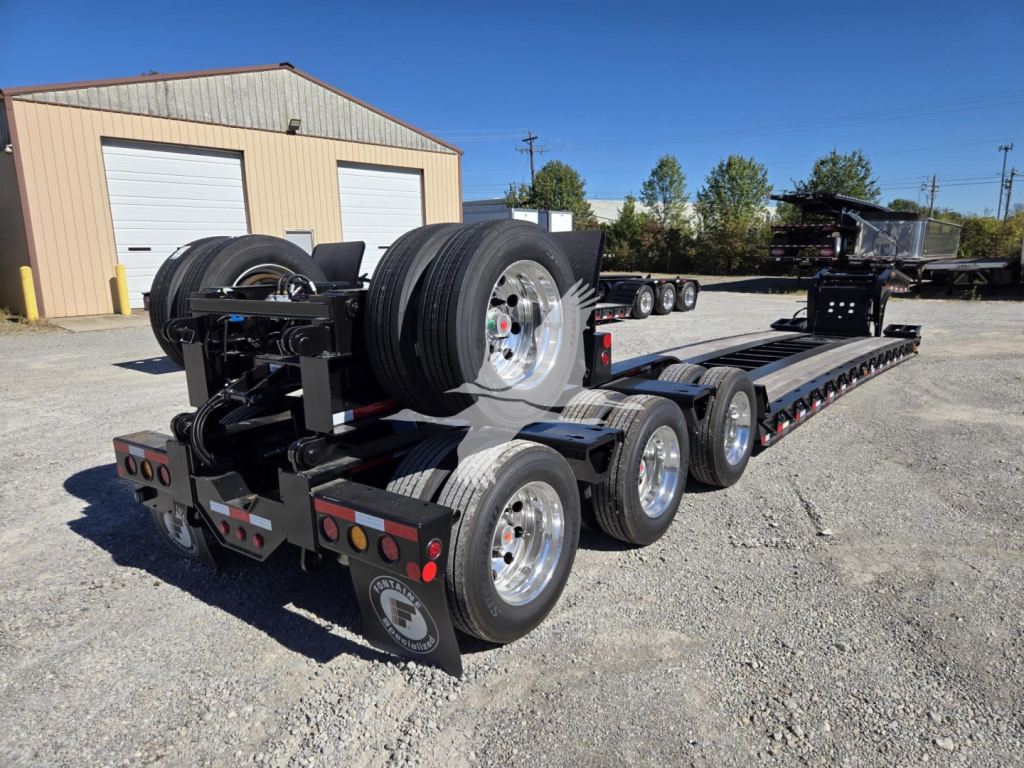
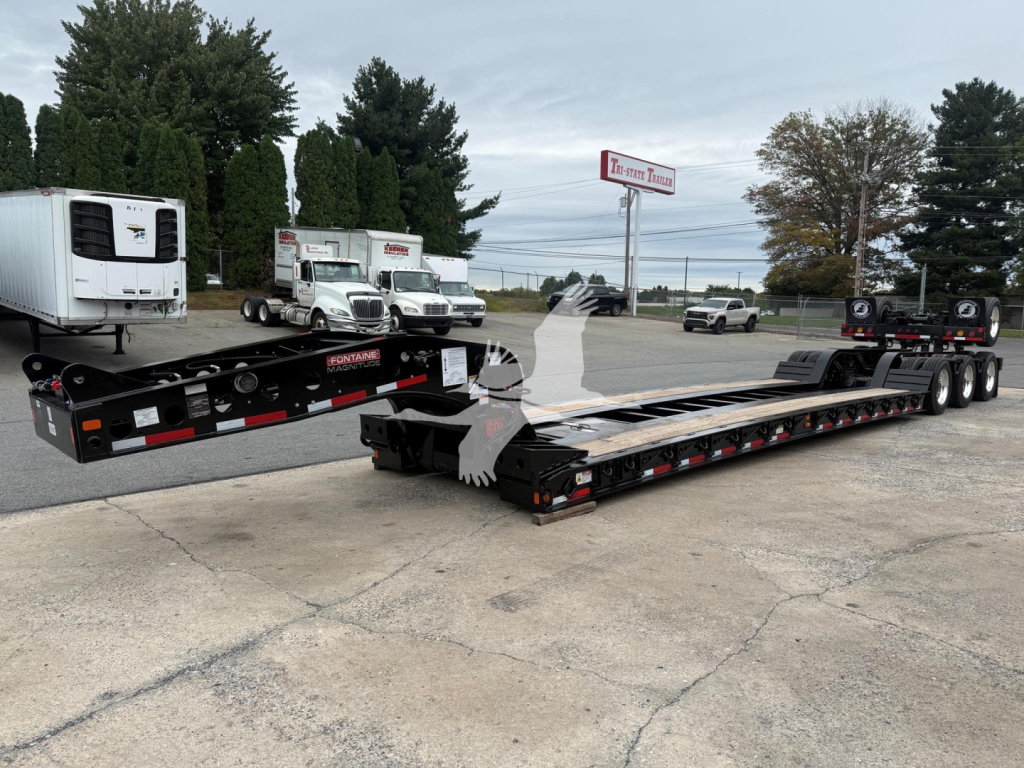
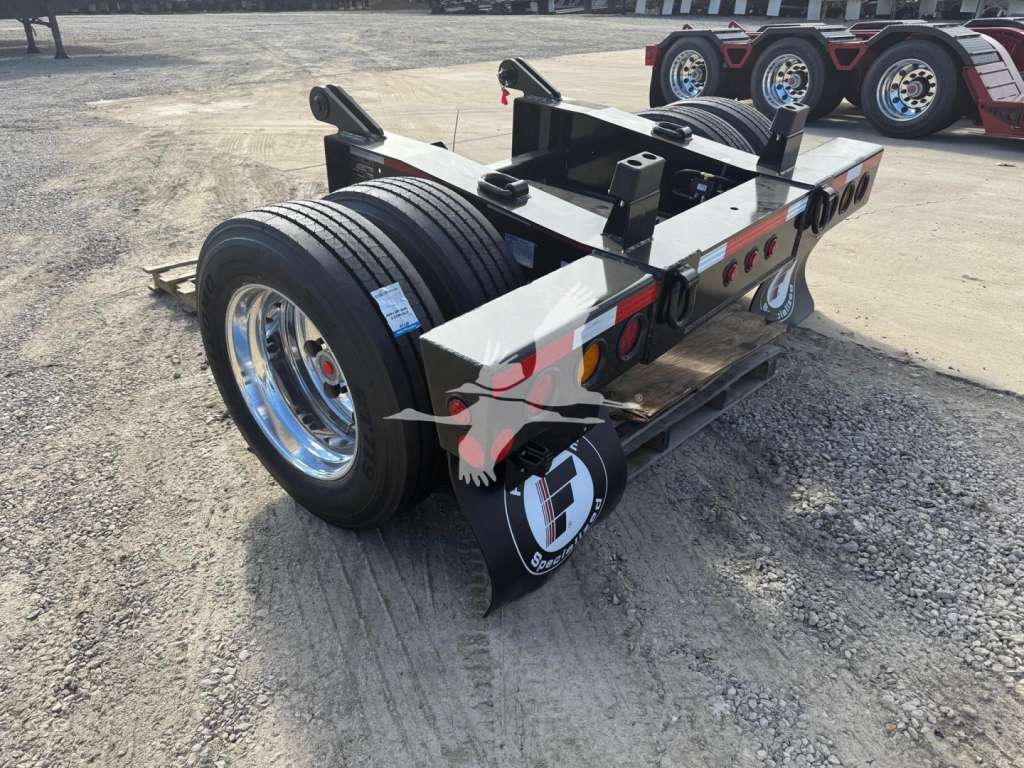
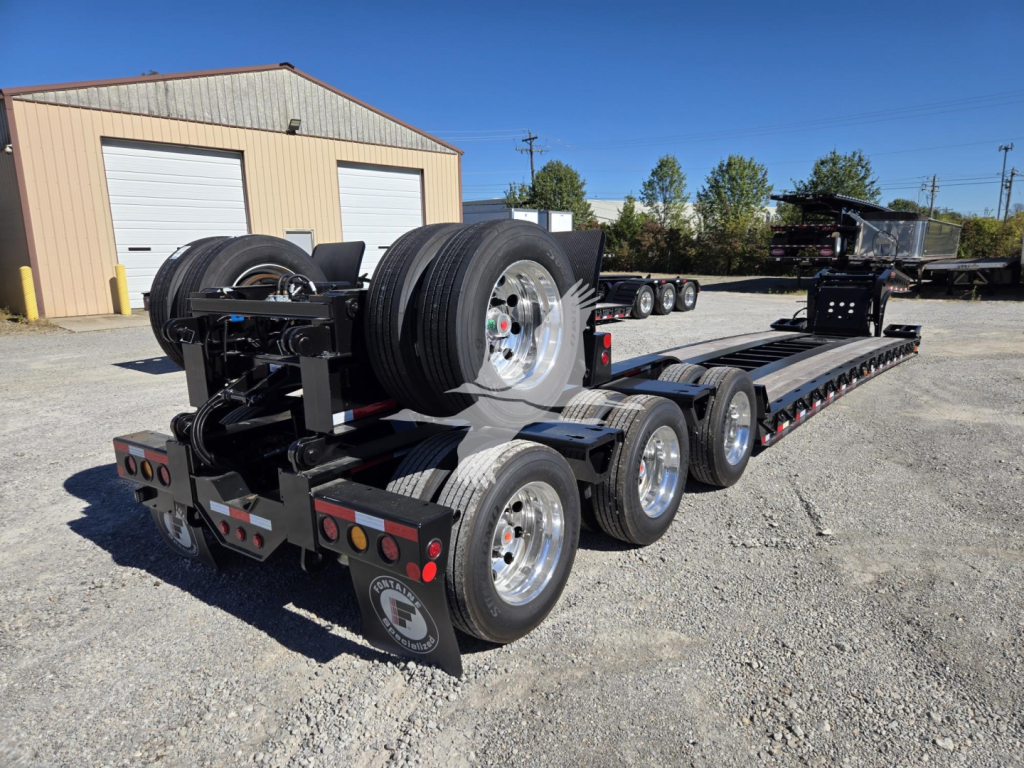
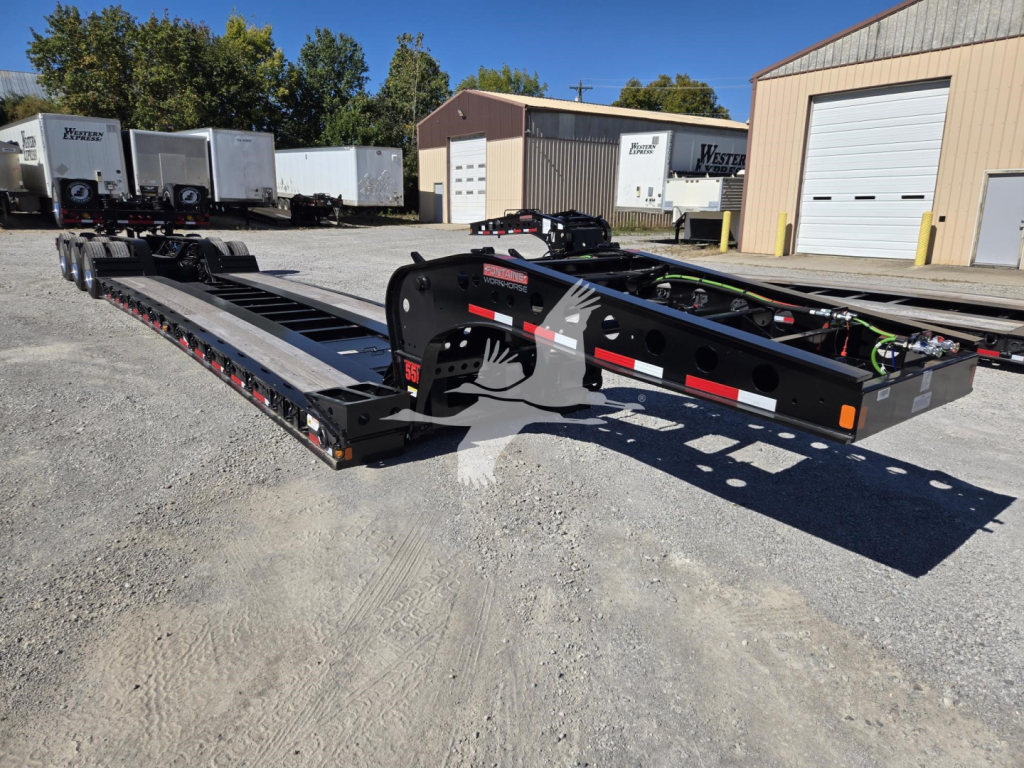
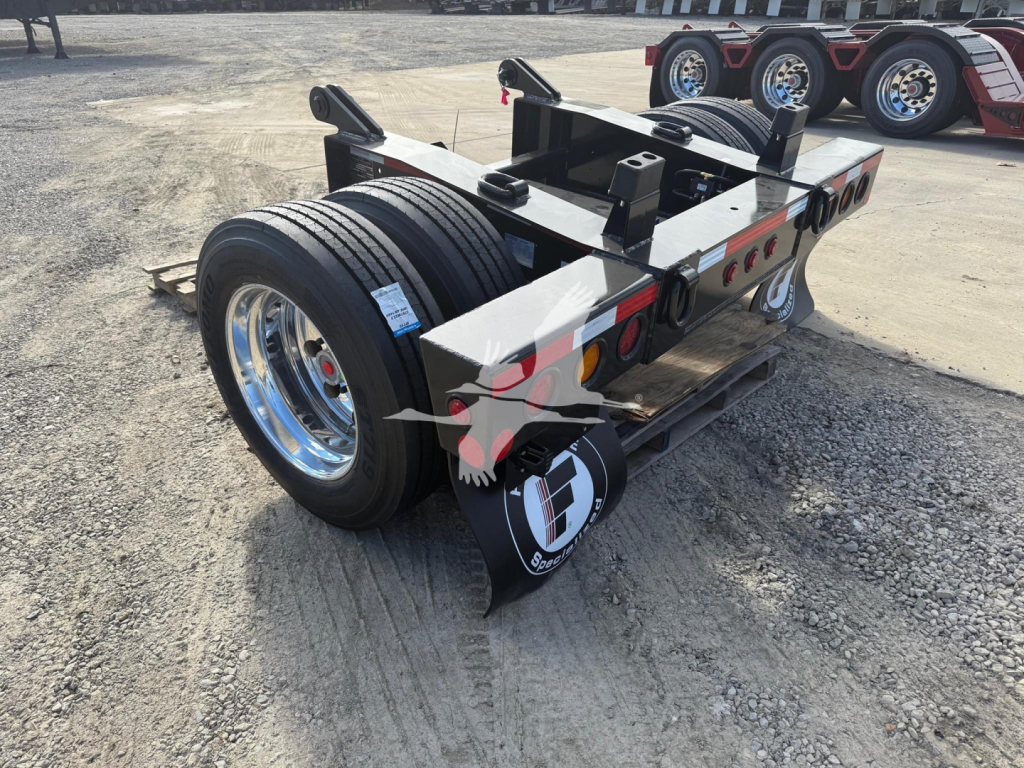
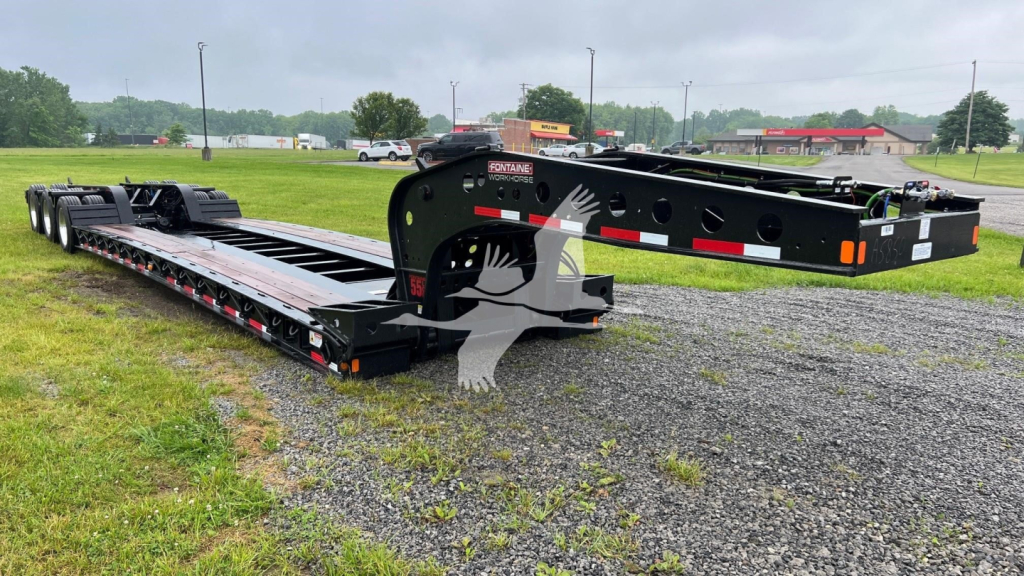
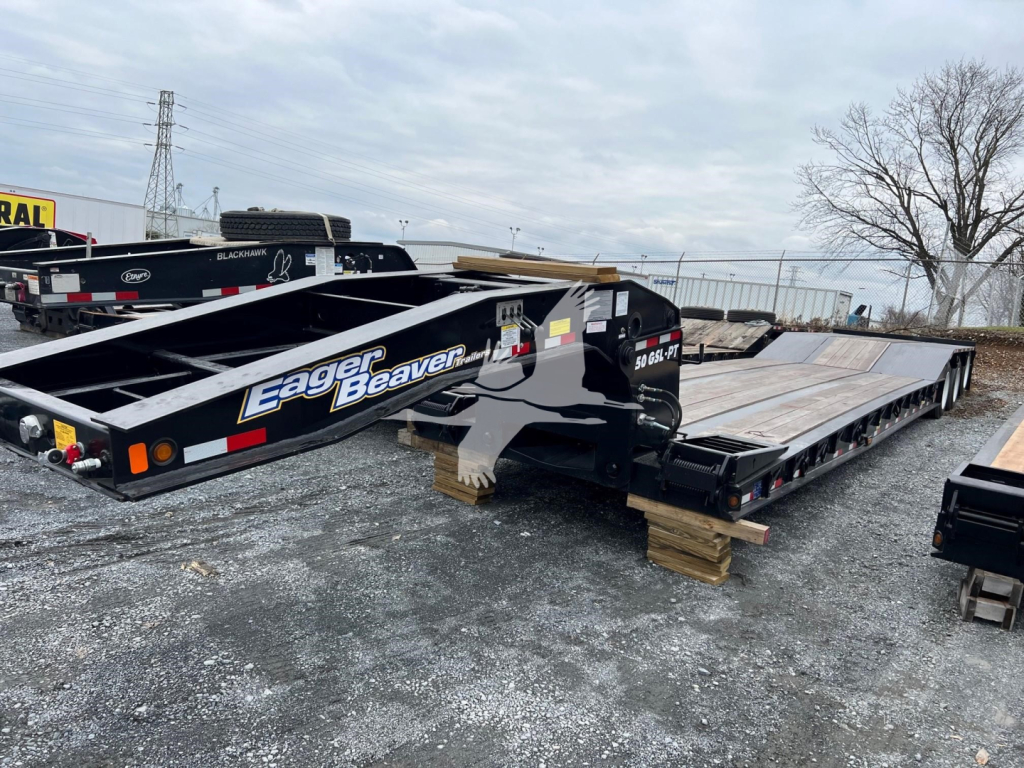
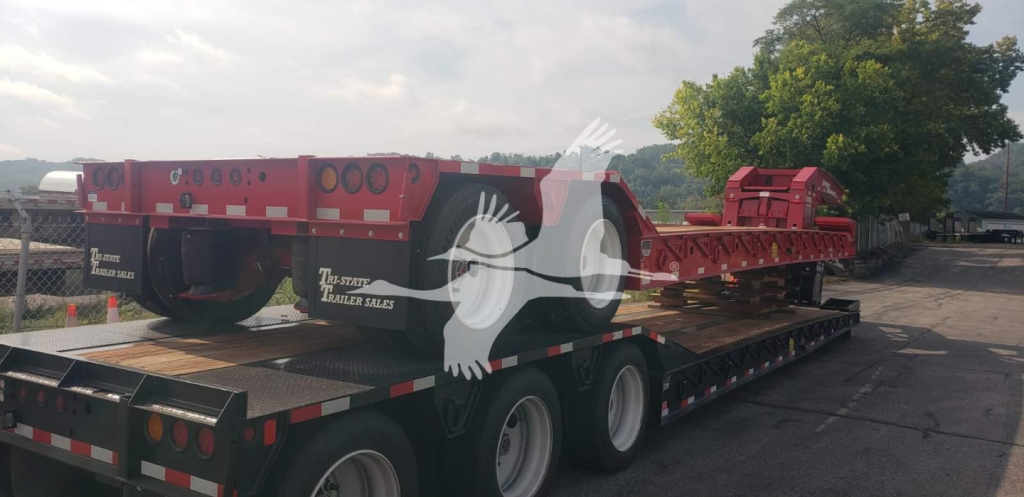
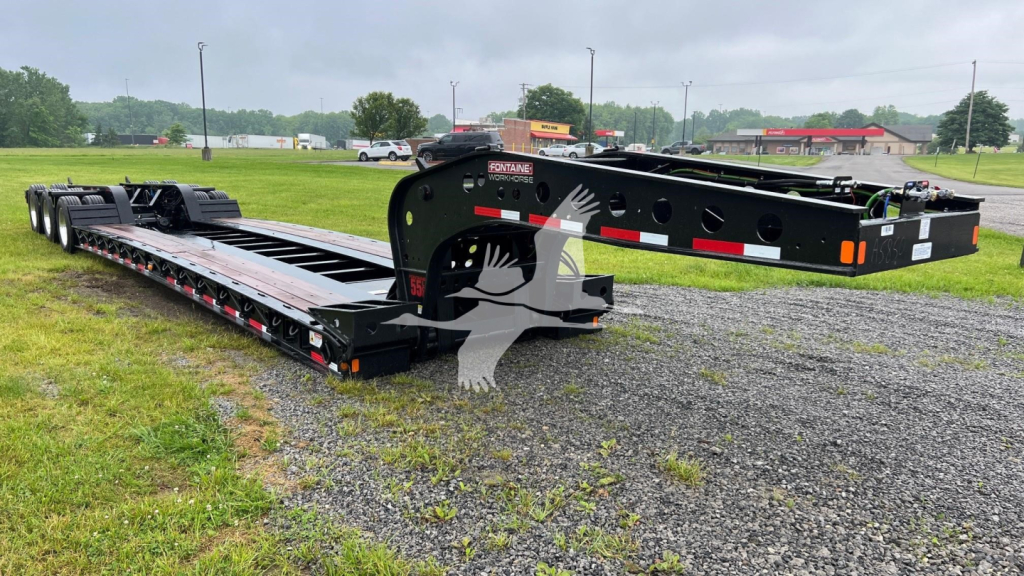
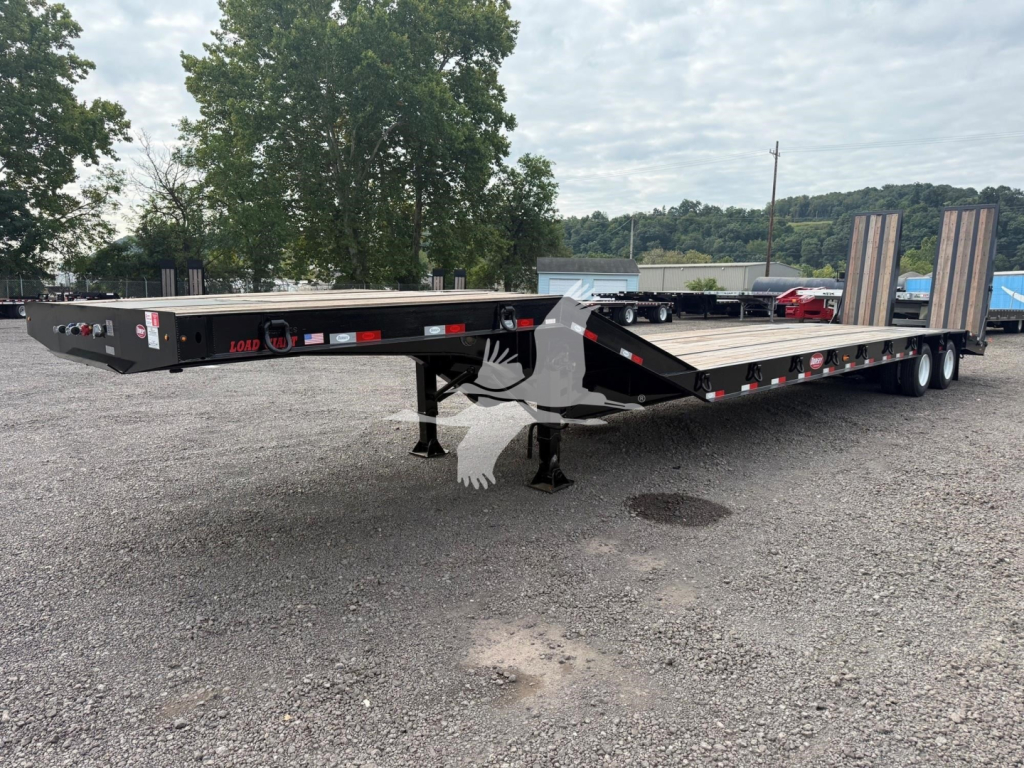
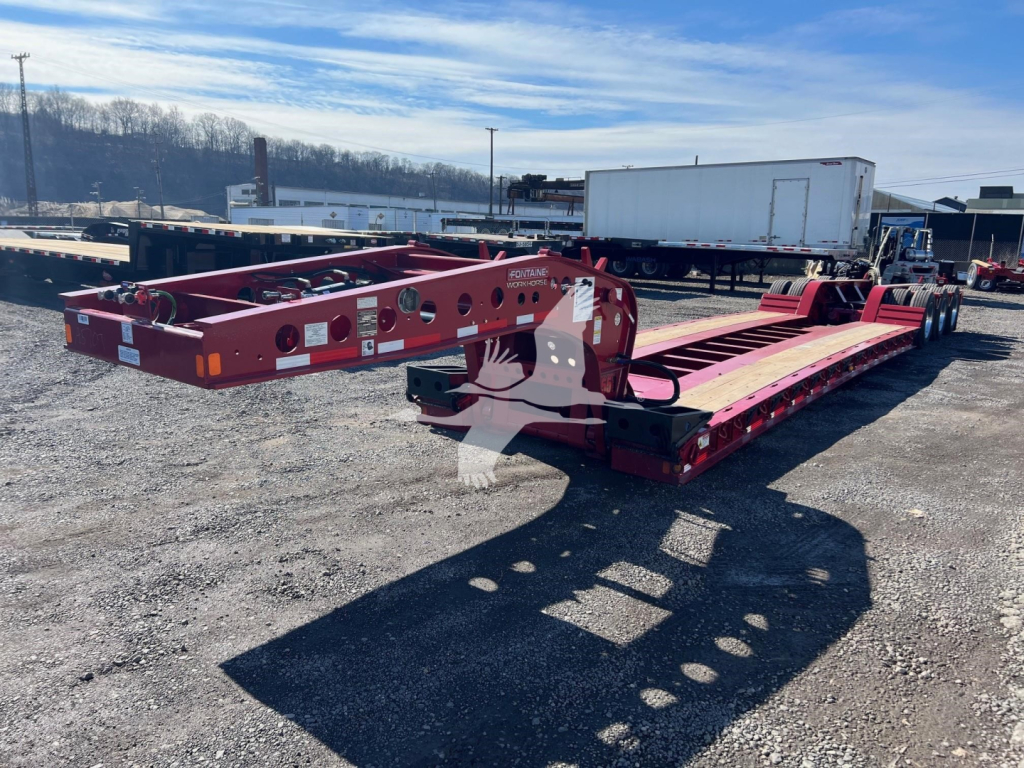
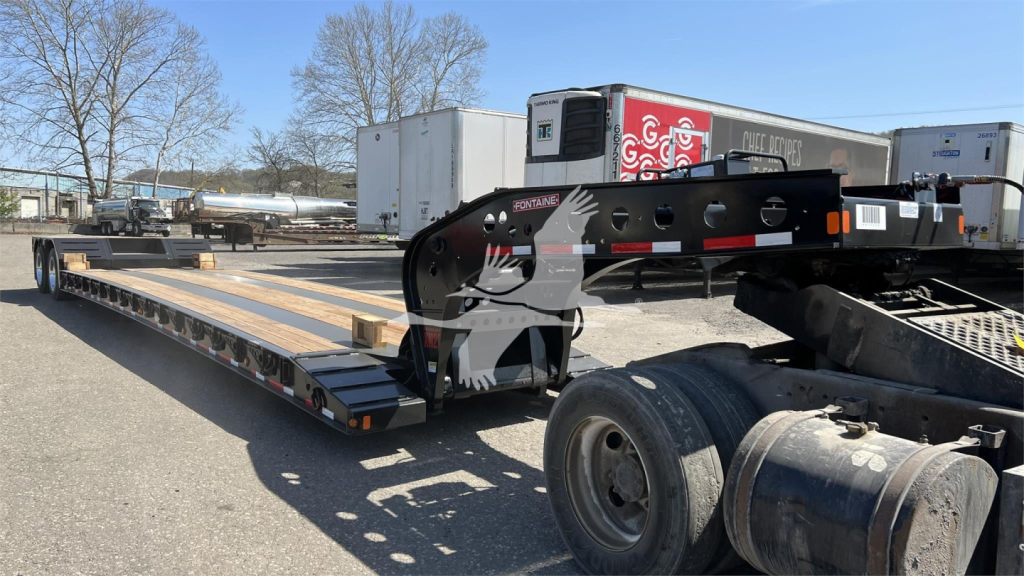
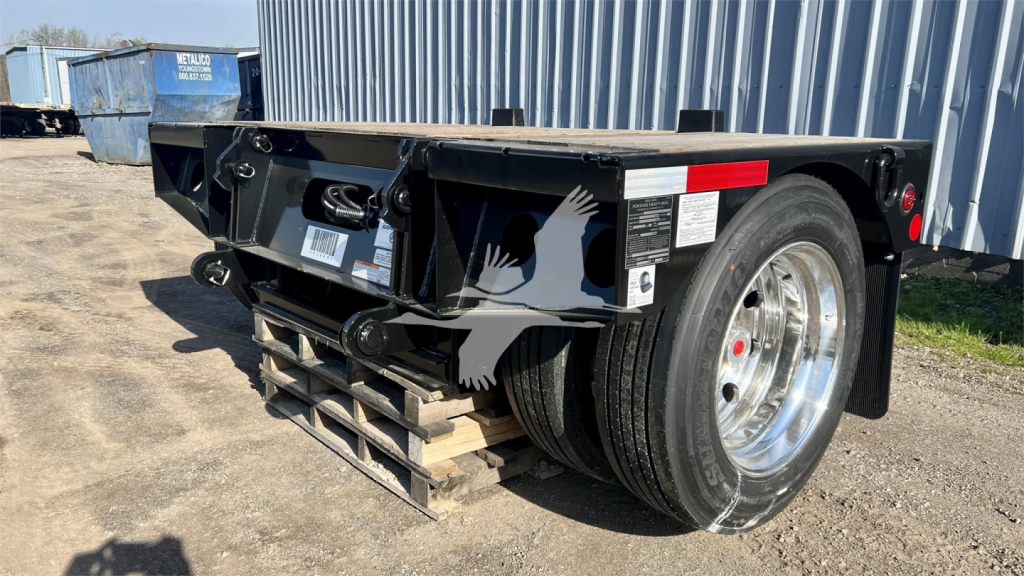
Showing 1 to 28 of 31 results
Selling a 2027 lowboy trailer? List your 2027 lowboy trailer for sale and reach thousands of commercial buyers.
2027 Lowboy Trailers in Pennsylvania
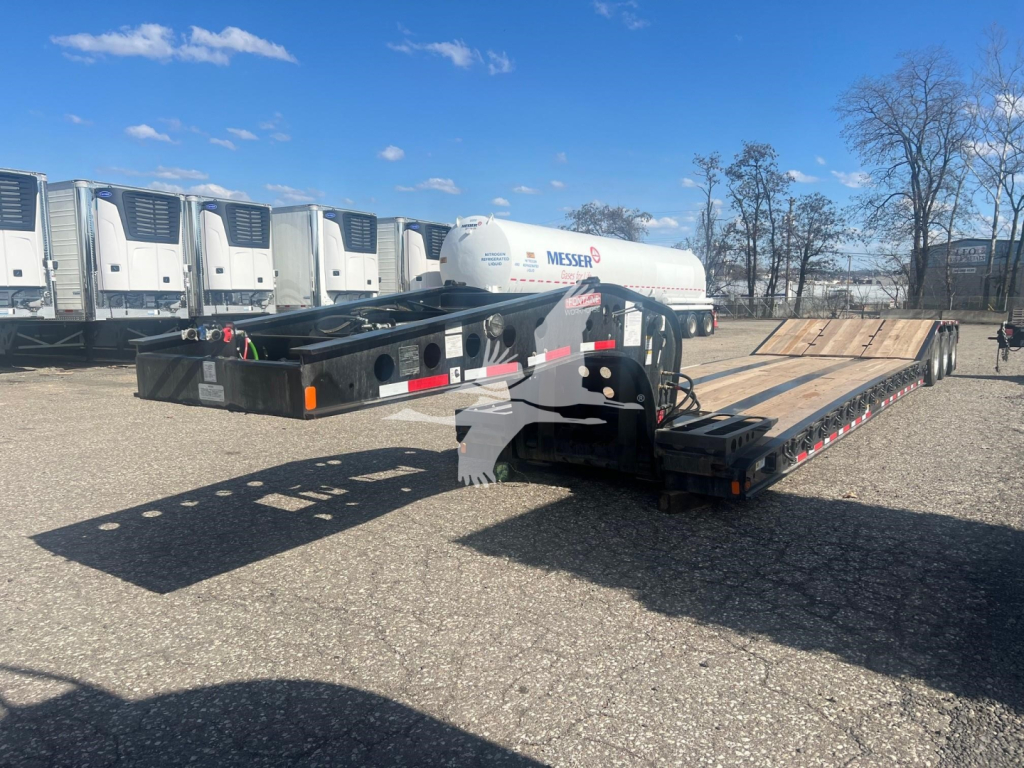
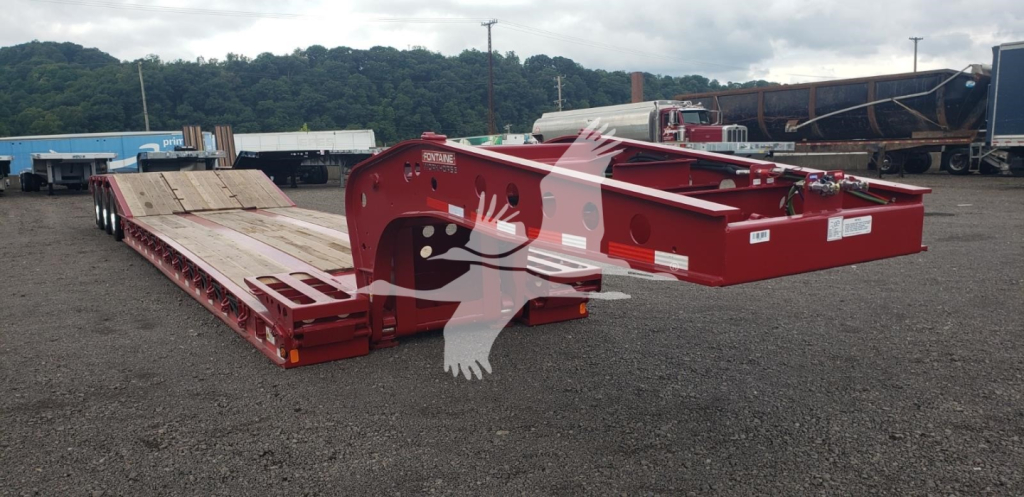
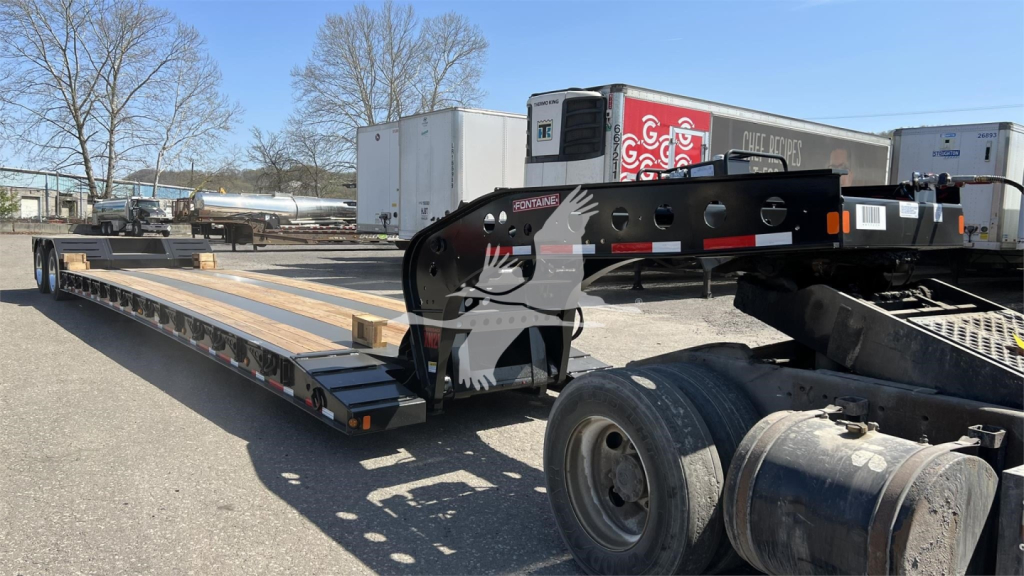
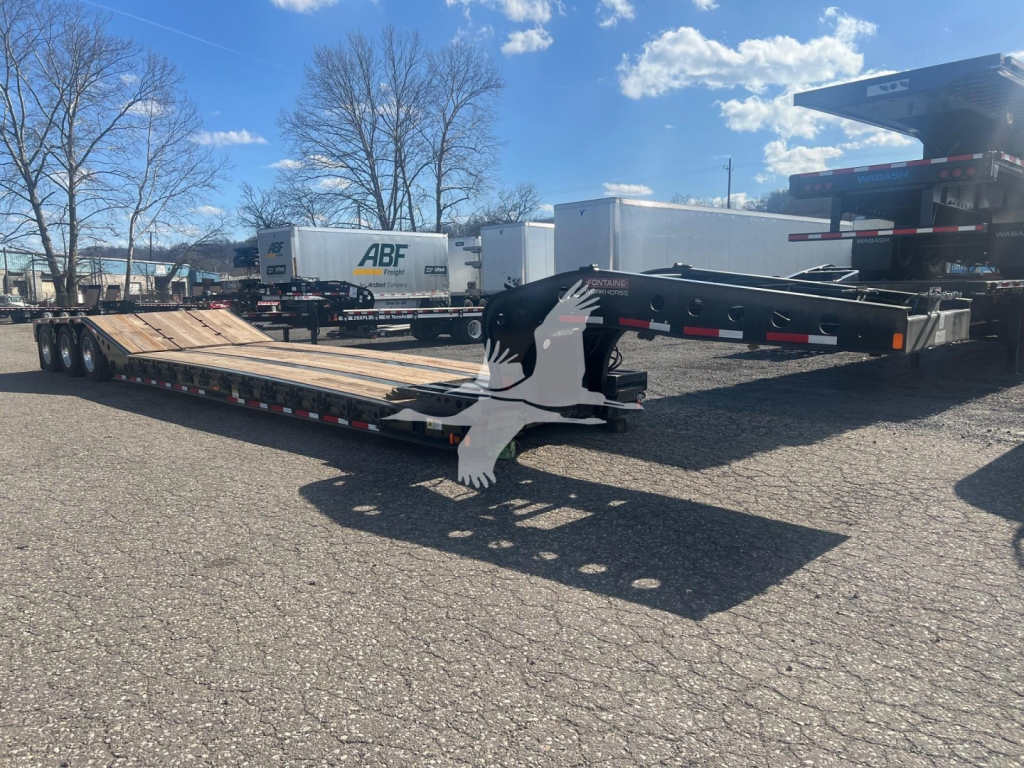
The biggest buying decision is usually capacity matched to deck length. In this class, 30-ton and 55-ton configurations are common, with ratings often stated over a specific concentrated area such as 13 feet or 16 feet of deck. A hydraulic detachable gooseneck is a frequent choice because it simplifies loading tracked equipment from the front and helps reduce loading angle compared with fixed-neck trailers. Main deck height matters just as much as rated capacity. A 12-inch loaded deck height is attractive for taller machines, while an 18-inch deck can still be a strong fit for general heavy equipment and may offer a different balance of frame strength, ground clearance, and maintenance access. Main deck length, rear deck design, top deck length, and kingpin settings also deserve close attention because they affect machine placement, axle loading, and tractor compatibility.
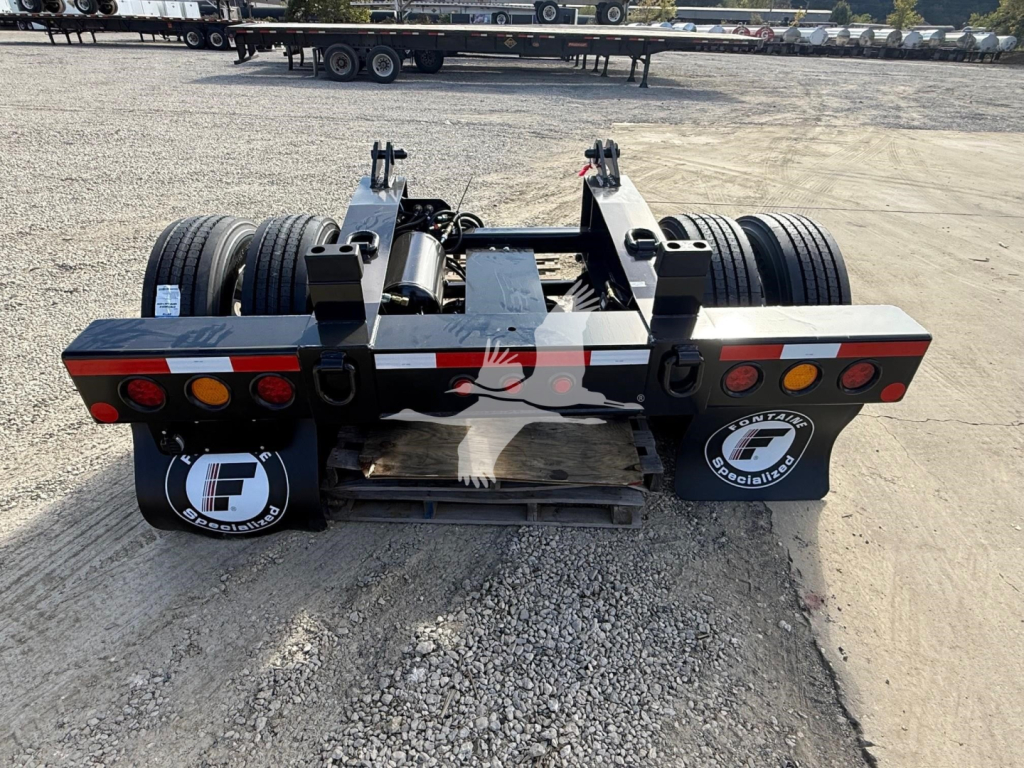
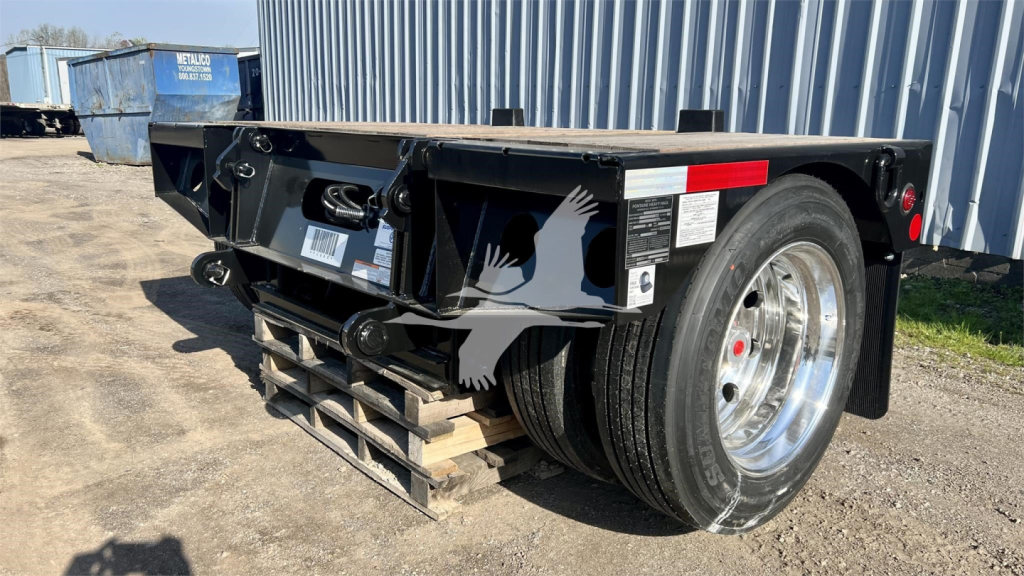
Pennsylvania buyers should pay close attention to suspension, axle expandability, and securement details. Air ride suspensions remain popular for heavy haul because they help manage ride quality and deck control, and many lowboys are built to accept a flip axle or additional axle group when permit loads require more flexibility. Features like ride height adjustment, liquid-filled gauges, mechanical raise and lower valves, chain slots, D-rings, outriggers, hammer plates, and apitong flooring all matter in day-to-day use. A low-profile boom well, traction cleats, and load-bearing wheel areas can make a real difference when hauling excavators, dozers, or other machines with uneven weight distribution. Wheel and tire spec is another practical checkpoint, especially when comparing aluminum versus steel wheel packages and looking at common heavy haul tire sizes such as 275/70R22.5.
For buyers comparing 2027 lowboy trailers for sale in Pennsylvania, the best unit is usually the one that fits the freight mix first and the permit strategy second. A contractor moving compact iron every day may lean toward a lighter 2-axle mini-deck, while a carrier handling larger yellow iron may need a 3-axle 55-ton platform with flip axle provisions, non-ground-bearing hydraulic neck, and more deck securement points. Look closely at loaded fifth wheel height, swing radius, removable kingpin options, rear bogie design, and the exact rating language from the manufacturer. Those details separate a lowboy that simply looks right on paper from one that works efficiently with your tractors, your drivers, and the loads you actually haul.
Frequently Asked Questions about 2027 Lowboy Trailers in Pennsylvania
What is the difference between a lowboy trailer and a standard flatbed trailer?
A lowboy trailer carries freight much lower to the ground than a standard flatbed, which allows taller equipment to move with better legal height compliance. Most lowboys are designed for heavy machinery and concentrated loads, and many use a detachable gooseneck so equipment can be driven onto the deck from the front. A standard flatbed is more versatile for palletized or uniform freight, but it does not offer the same deck height advantage for excavators, dozers, loaders, or other oversized equipment.
How do lowboy trailer weight ratings work?
Lowboy ratings are usually tied to a specific load concentration over a certain deck length, such as 55 tons in 13 feet or 30 tons in 16 feet. That means the stated capacity is not just a gross number. It assumes the load is positioned within a defined part of the deck and that the trailer is equipped as rated by the manufacturer. Buyers should confirm axle count, frame design, neck style, deck construction, and any flip axle compatibility before assuming the trailer will legally or practically carry every load up to the headline rating.
Why does detachable gooseneck design matter on a lowboy?
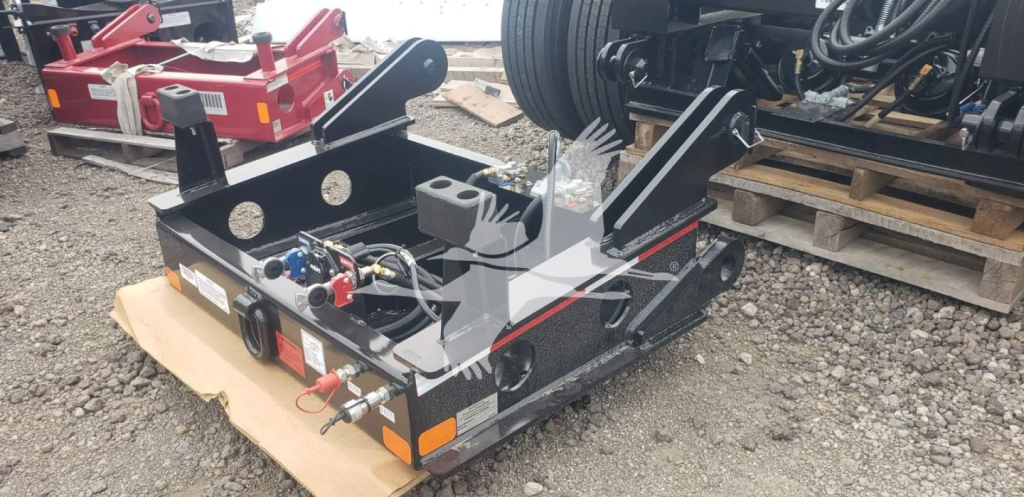
The gooseneck affects loading method, tractor hookup, ride height, and overall jobsite usability. A hydraulic detachable gooseneck is preferred by many heavy haul operators because it allows front loading and can speed up loading and unloading of tracked equipment. Non-ground-bearing designs are also common because they can be easier to manage in certain loading environments. Buyers should compare loaded fifth wheel height, kingpin settings, neck swing radius, and ride height positions to make sure the trailer works correctly with their tractor fleet.
What lowboy features are most important for hauling construction equipment in Pennsylvania?
For Pennsylvania work, buyers often prioritize deck height, axle configuration, permit flexibility, and durable securement points. Air ride suspension, flip axle provisions, multiple D-rings, chain slots, outriggers, apitong flooring, and ride height controls are all practical features for regular equipment moves. Ground clearance also matters on uneven jobsites and rural roads, while lighting, strobes, and conspicuity details are important for visibility during permitted heavy haul operations.
Should I choose a 2-axle or 3-axle lowboy trailer?
A 2-axle lowboy can be a smart choice for lighter equipment, compact machines, and operations that value lower empty weight and simpler maintenance. A 3-axle lowboy is more common when freight is heavier, permit loads are routine, or the trailer needs more flexibility for axle spacing and add-on axle options. The right choice depends on the actual machines being moved, the tractor spec, and the states where the trailer will run, not just the advertised tonnage.