
2027 Lowboy Trailers For Sale in Kansas
Shop 2027 lowboy trailers for heavy equipment hauling. Compare deck height, capacity, neck style, axle setup, and loading features.
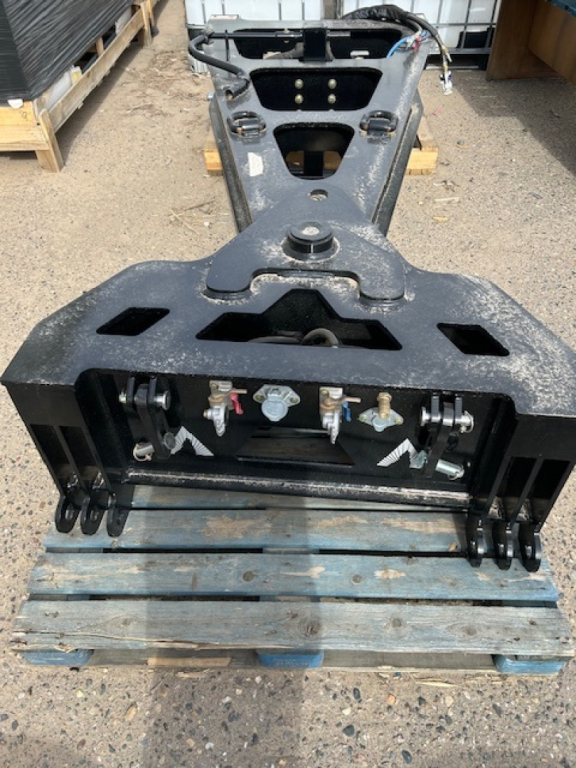
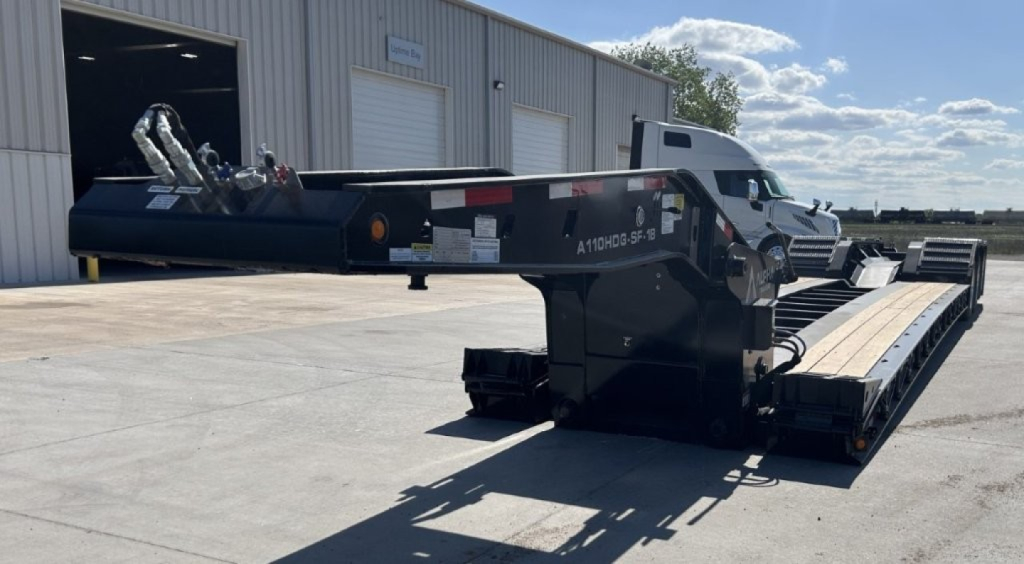
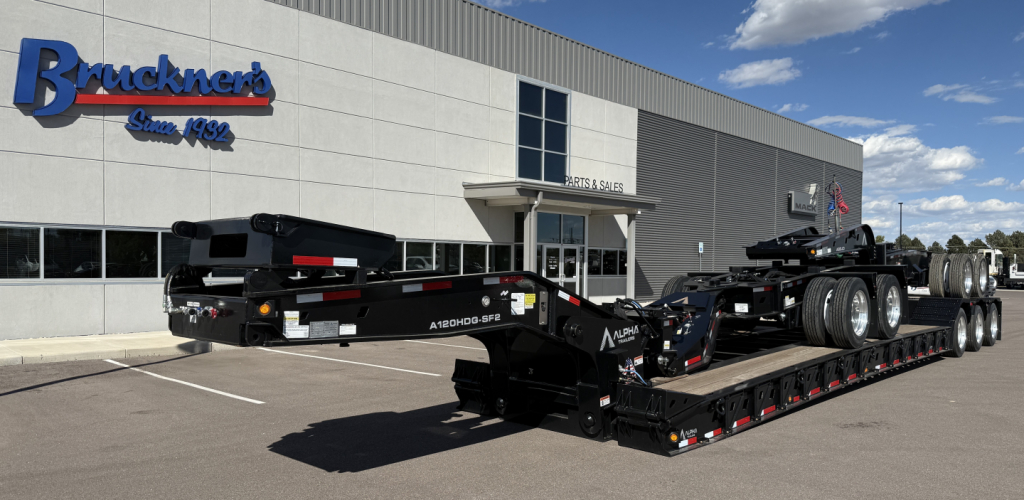
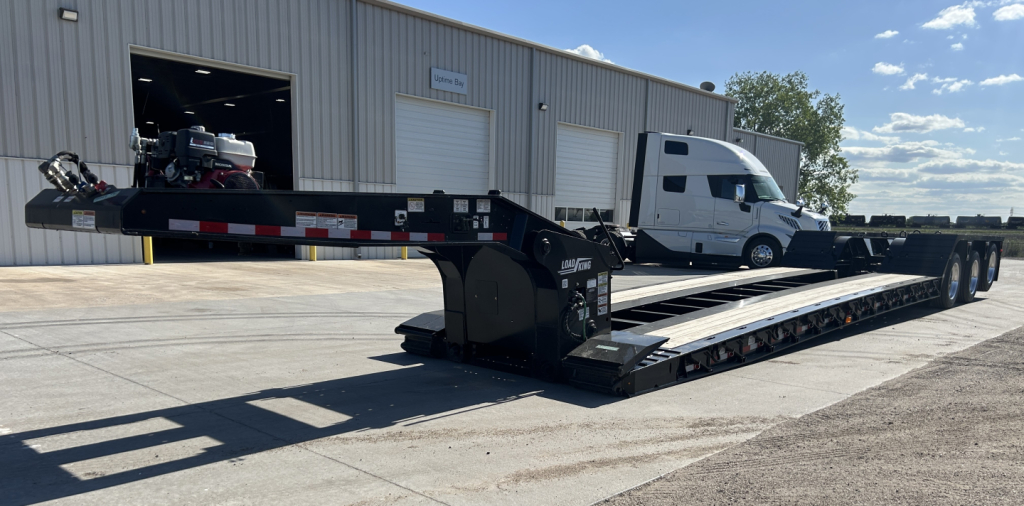
Selling a 2027 lowboy trailer? List your 2027 lowboy trailer for sale and reach thousands of commercial buyers.
2027 Lowboy Trailers in Kansas
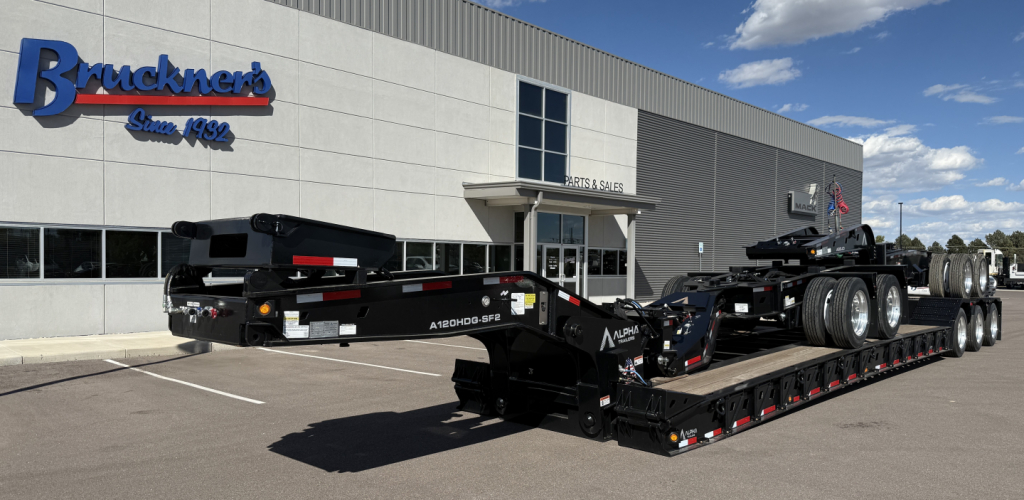
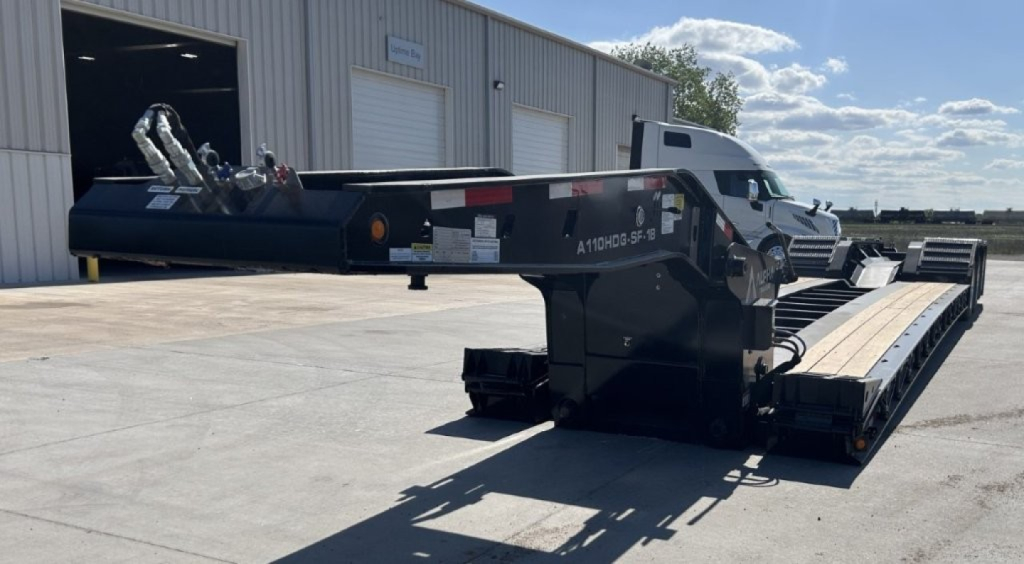
For most buyers, the first decision is neck style and capacity. Hydraulic detachable gooseneck models are popular because they speed up loading and unloading for tracked equipment and make daily equipment moves easier. In this category, common specs include 50 to 55 ton ratings, concentrated load ratings over a 12-foot section, 26-foot main decks, and 102-inch overall width. Kansas buyers often look closely at axle spacing, swing clearance, and ride height adjustment because route flexibility, bridge law compliance, and field access matter as much as headline capacity. Features such as 5-position ride height, high-relief necks, and 110-inch or 84-inch swing clearance can make a real difference when hooking to different tractors or dealing with uneven jobsite approaches.
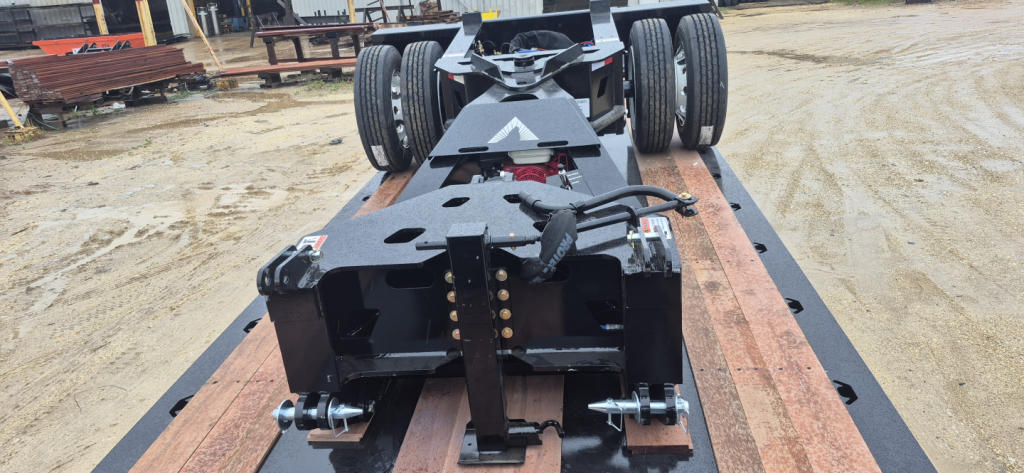
Deck structure and tie-down layout deserve close attention. Heavy-duty outer bay crossmembers, upper flange reinforcement, apitong decking, chain slots, bent D-rings, swing-out outriggers, and front flip ramps all affect how well a lowboy handles mixed equipment and odd-shaped loads. Buyers moving booms, buckets, attachments, or long undercarriages should also look for a boom trough, toolbox space, and enough securement points along the full deck. Tire size, axle rating, brake type, and lift axle configuration also shape maintenance cost and payload flexibility. Common setups include air ride suspensions, 27,500-pound axles, drum brakes, 255/70R22.5 rubber, and a third axle lift for balancing maneuverability with legal roadability.
Newer lowboy trailers also tend to include practical spec upgrades that reduce downtime, not just add polish. LED lighting, sealed electrical harnesses, onboard pony motors, work lights, quick-weigh scale systems, heavy-duty wheel covers, and future stinger prep are all worth comparing between listings. A buyer should match the trailer to the heaviest machine, the tallest machine, and the most restrictive route they expect to run. If the work is primarily in Kansas and surrounding Plains states, a properly spec'd lowboy with the right deck height, neck geometry, and axle package can be a more profitable choice than simply buying the highest tonnage rating available.
Frequently Asked Questions about 2027 Lowboy Trailers in Kansas
What is the main advantage of a lowboy trailer over a flatbed or step deck?
A lowboy trailer gives you a much lower deck height, which is critical when hauling tall equipment. That lower deck helps keep machines under legal overall height limits and improves center of gravity during transport. For excavators, dozers, loaders, and other heavy equipment, a lowboy is usually the right tool when height and concentrated weight are the limiting factors.
How do I choose the right capacity for a lowboy trailer?
Capacity should be matched to the actual operating weight of the equipment, plus attachments, buckets, blades, and any other items carried on the deck. Buyers should also pay attention to concentrated load rating, not just gross rating, because many machines place most of their weight in a shorter section of the deck. A 50-ton or 55-ton lowboy may look similar on paper, but the deck design, axle group, and load concentration rating can make a big difference in legal and practical hauling performance.
Why does loaded deck height matter so much on a lowboy?
Loaded deck height directly affects legal clearance and route options. An 18-inch loaded deck height can be the difference between hauling a machine without permit complications or needing a more restrictive route. Lower deck height also improves stability, but buyers should balance that against ground clearance, neck design, and approach angle for the type of equipment being loaded.
What features should I look for if I haul equipment every day?
Daily-use lowboy buyers usually benefit from a hydraulic detachable gooseneck, front flip ramps, multiple tie-down options, swing-out outriggers, a durable wood deck such as apitong, and a toolbox for chains and gear. Ride height adjustment, onboard pony motor, work lights, and onboard scale systems also add real operational value. These features reduce loading time, improve securement flexibility, and help keep the trailer productive in mixed fleet work.
What lowboy specs are especially important for buyers in Kansas?
Kansas buyers often need a trailer that can handle a mix of highway miles, county roads, and jobsite access conditions. Axle spacing, ride height adjustment, neck swing clearance, and lift axle setup are important because they affect bridge law compliance, turning ability, and tractor compatibility. A lowboy that is well-matched to regional permit rules and common machinery sizes will usually be easier to keep legal and easier to dispatch.