
2027 Hopper Trailers For Sale in Colorado
Shop 2027 hopper trailers for grain and bulk commodities. Compare lengths, side heights, hopper doors, axles, tarps, scales, and suspensions.
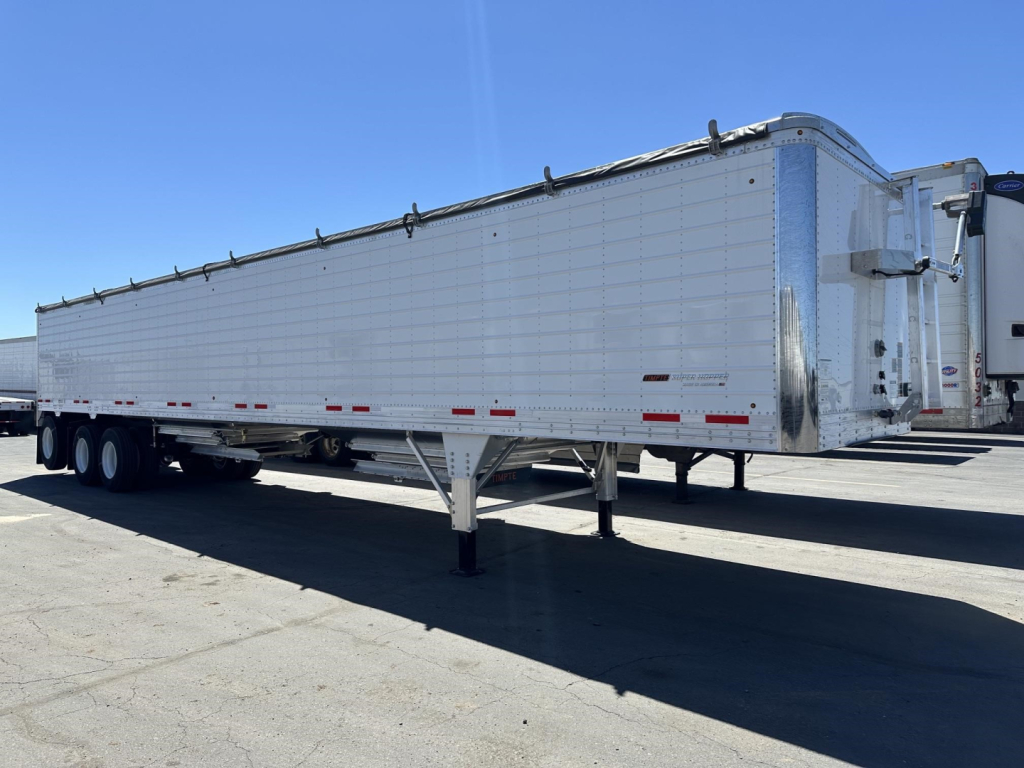
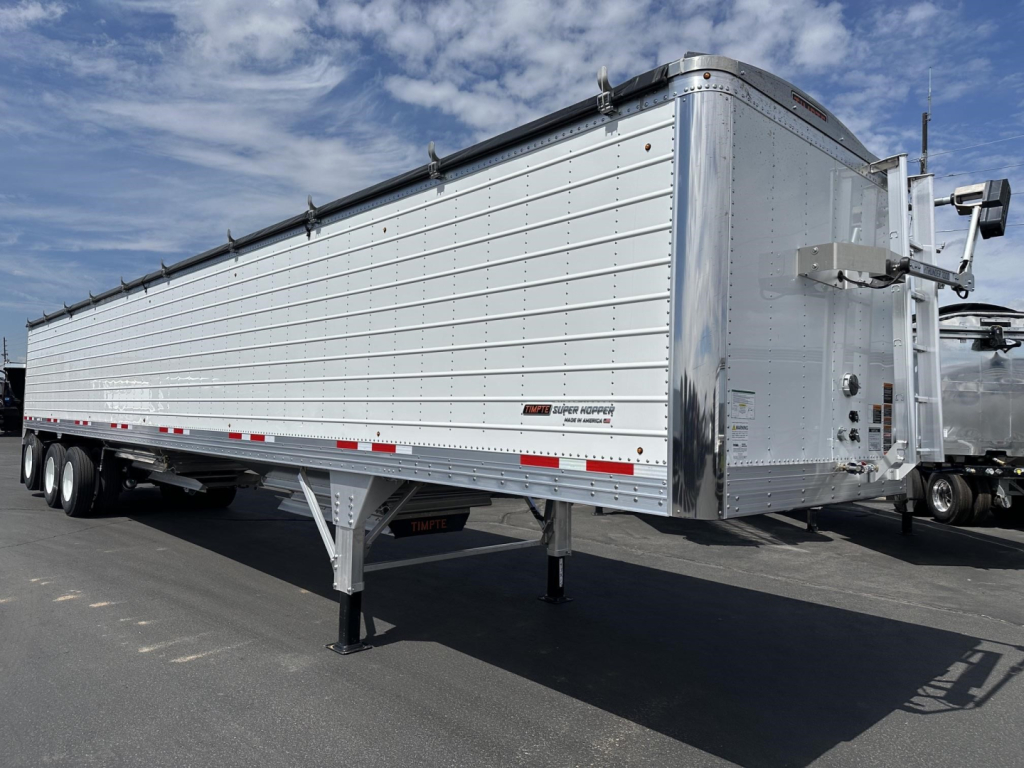
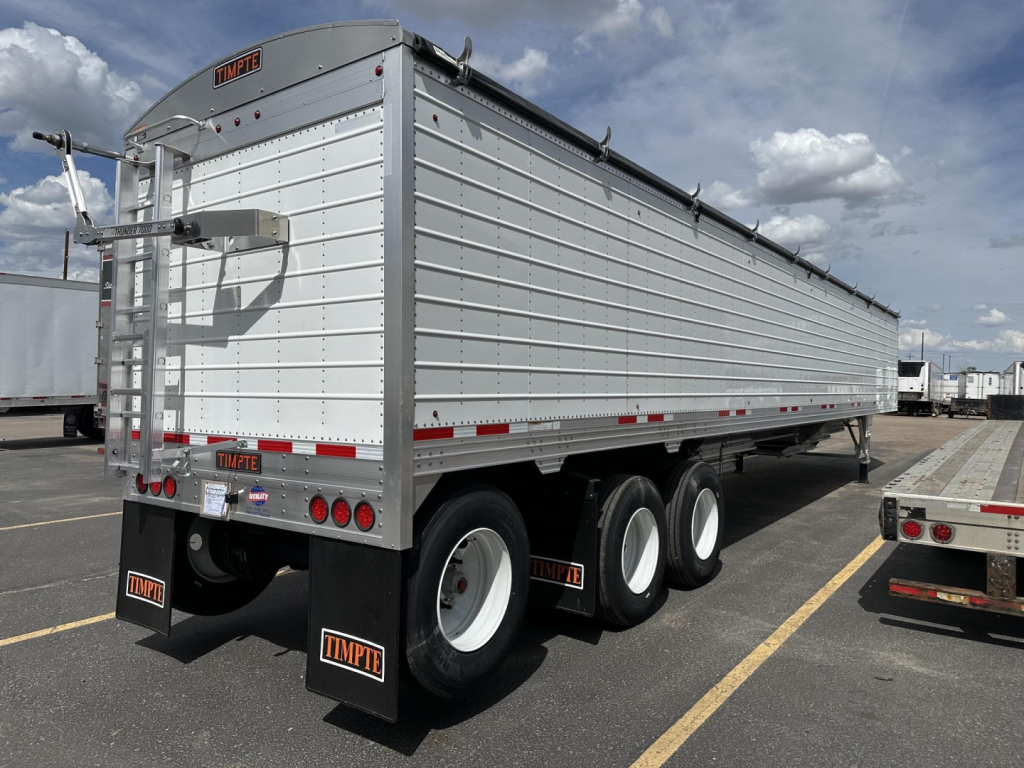
Selling a 2027 hopper trailer? List your 2027 hopper trailer for sale and reach thousands of commercial buyers.
2027 Hopper Trailers in Colorado
Construction details make a real difference in long-term value. Aluminum hopper trailers remain the standard because they help maximize payload while resisting corrosion, but buyers should still compare panel design, front corner reinforcement, rear frame construction, and wear points around the hopper openings. Corrugated side panels are common for strength, while stainless front corners, stainless front panels, or full stainless rear panels can add durability in high-contact areas. Grain trailer buyers also pay close attention to the hopper configuration, usually dual ag hoppers with manual or electric trap openers. Electric hopper doors can speed unloads and reduce driver effort, especially on frequent stop-and-dump routes.
Suspension, axle layout, and tire setup deserve just as much attention as the body. Closed tandem trailers are still common for straightforward legal loading, but tri-axle configurations and lift axles can help when payload targets or state bridge rules require more flexibility. Air ride suspension is widely preferred for cargo protection and ride quality. Tire size, wheel material, and tire inflation systems affect operating cost over the life of the trailer, especially on mixed highway and rural road service. Buyers hauling in windy, dry, or high-elevation conditions often prioritize reliable electric rollover tarps, visible LED lighting packages, ladders, catwalk access, and scale systems or liquid-filled gauge packages to help manage loading accuracy.
When comparing hopper trailers for sale, the best approach is to match the trailer to the commodity and route instead of shopping by model name alone. Heavier commodities may favor a shorter trailer with practical side height and a legal axle group, while lighter grain can justify taller sides and more cubic volume. Check discharge clearance, trap door operation, kingpin setting, suspension type, and overall empty weight before deciding. A well-spec'd hopper trailer, also known as a grain trailer or hopper bottom trailer, should unload cleanly, seal well under a tarp, track straight at highway speed, and hold up to repeated seasonal cycles without excessive maintenance.
Frequently Asked Questions about 2027 Hopper Trailers in Colorado
What is the difference between a hopper trailer and a grain trailer?
In most trucking and ag markets, the terms hopper trailer, hopper bottom trailer, and grain trailer are used interchangeably. They usually describe a bulk commodity trailer with funnel-shaped hoppers underneath the body that discharge through trap doors. The exact spec can vary by commodity, but the basic purpose is the same: carry free-flowing bulk material and unload it quickly by gravity.
What hopper trailer size is most common for agricultural hauling?
A common agricultural hopper trailer spec is 42 feet or 48 feet long, 96 inches wide, with side heights ranging from about 66 inches to 78 inches. The right size depends on the density of the commodity, the legal weight target, and local bridge laws. Buyers hauling heavier grain or feed often prefer a combination that stays legal before the trailer cubes out, while lighter commodities may justify more side height and additional volume.
Are electric hopper doors worth it on a hopper trailer?
Electric hopper doors are a strong option for operations with frequent unloads, multiple stops, or drivers who want faster and easier discharge control. They reduce the physical effort required to open and close traps and can improve consistency at the pit or elevator. Manual doors still have a place because they are simple and familiar, but electric trap systems are often preferred when convenience and unloading speed are priorities.
Should I choose a tandem or tri-axle hopper trailer?
A tandem hopper trailer is still the standard choice for many grain haulers because it is simpler, lighter, and easier to maintain. A tri-axle or a tandem with a lift axle may make sense when bridge compliance, payload distribution, or route-specific legal requirements demand more flexibility. The right choice depends on how the trailer will be loaded, what states it will run in, and whether the extra axle capacity offsets the added tare weight and maintenance.
What features matter most on a hopper trailer used in Colorado?
Colorado buyers often pay attention to axle configuration, air ride suspension, tarp reliability, and overall stability because routes can include wind, elevation changes, and a mix of paved and rural roads. Scale systems, durable lighting, good ladder and catwalk access, and corrosion-resistant materials are also important for seasonal agricultural use. The best hopper trailer spec is one that balances payload, legal compliance, unloading efficiency, and durability under local road and weather conditions.