
2027 Hopper Trailers For Sale
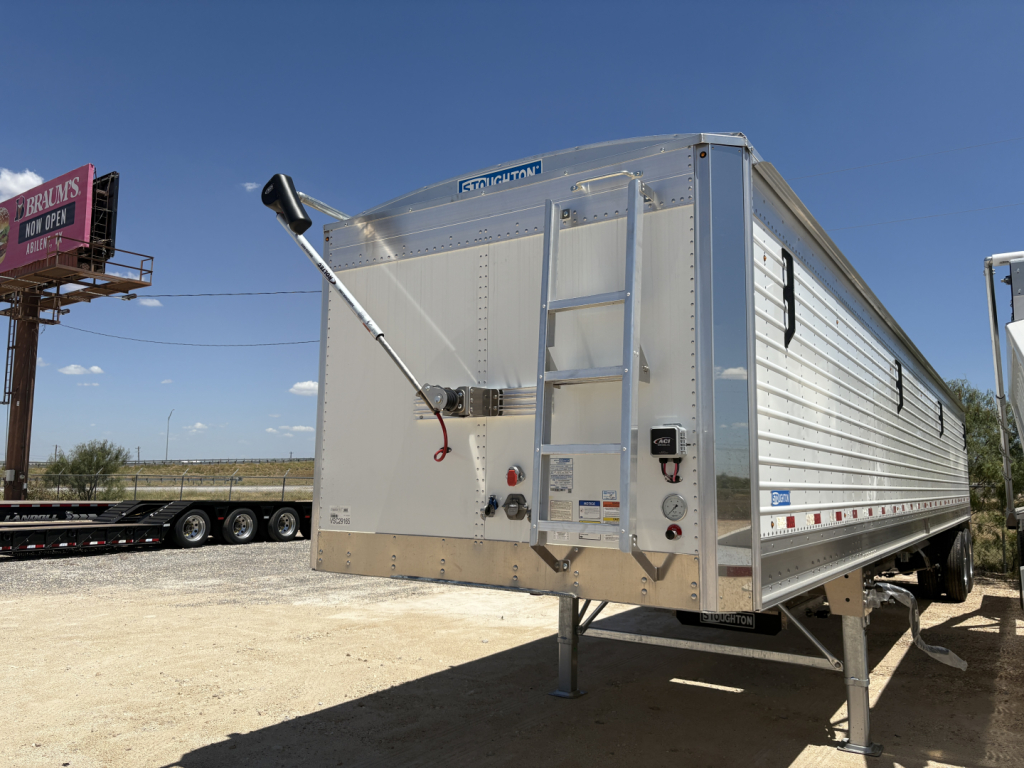
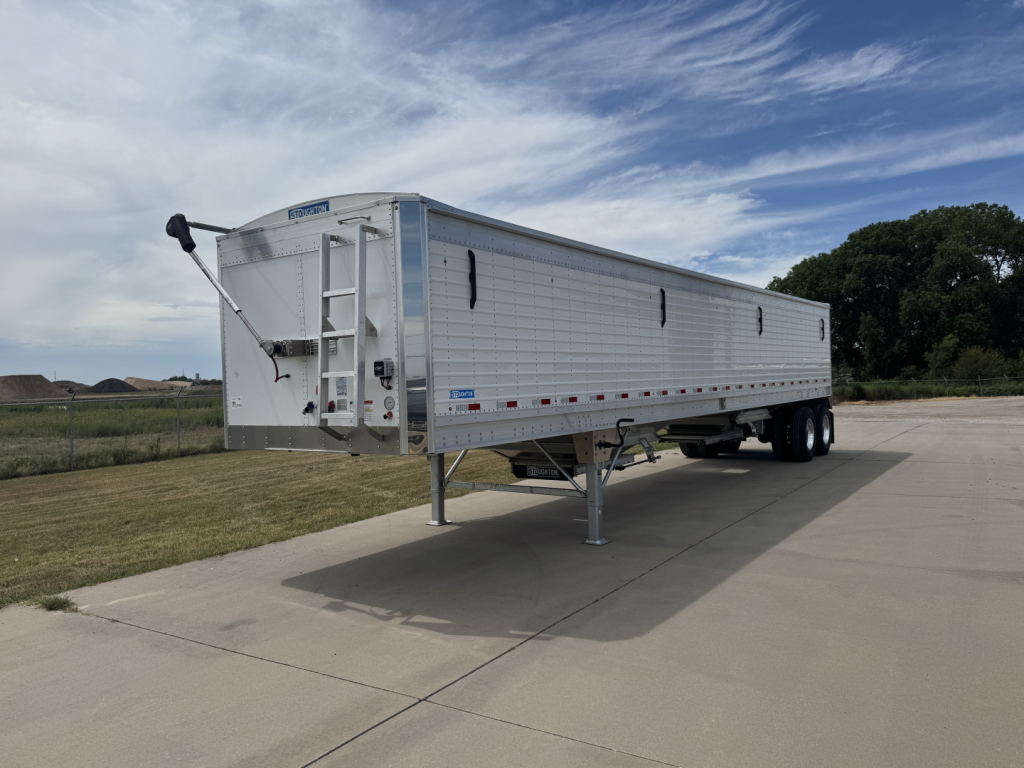
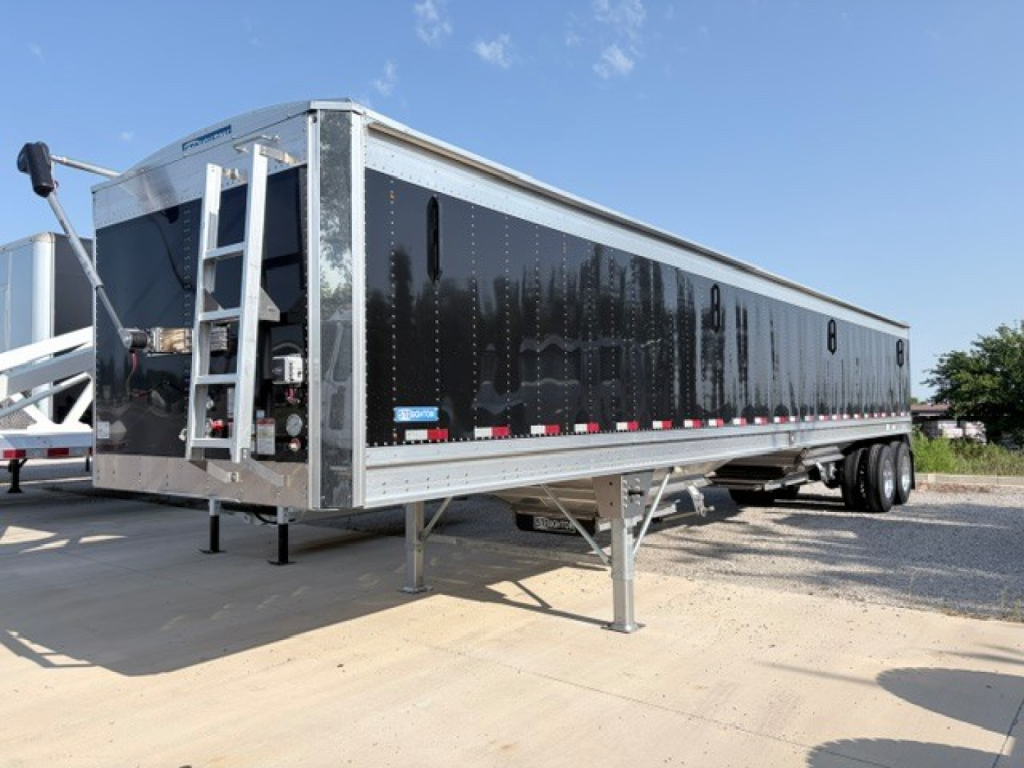
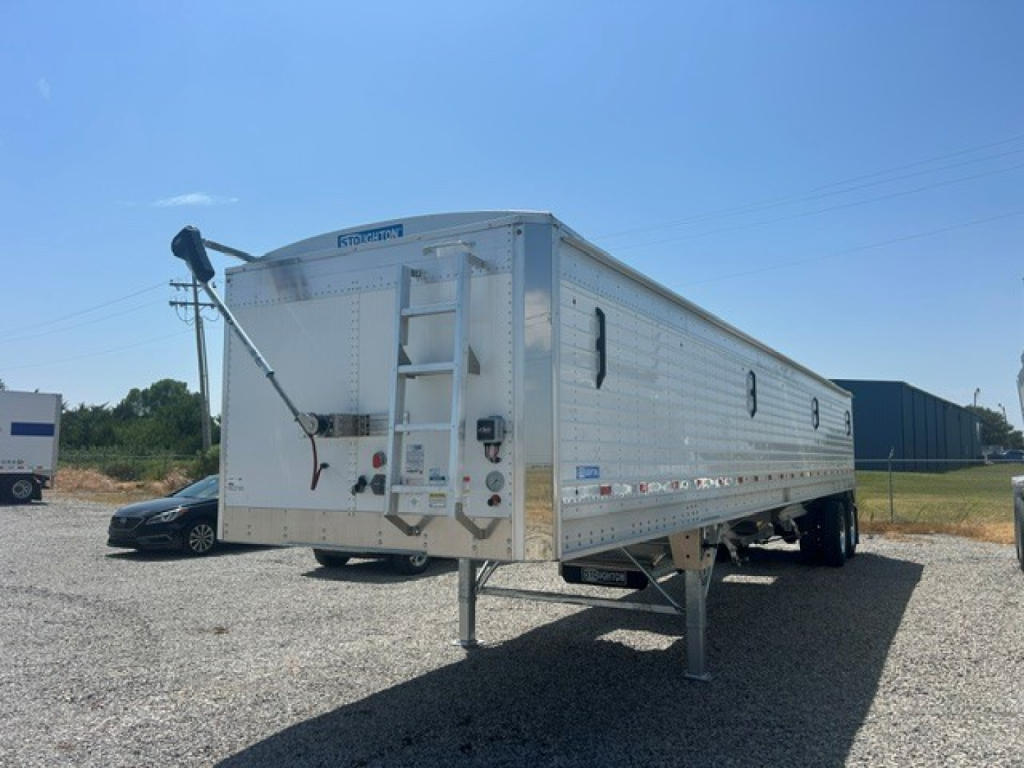
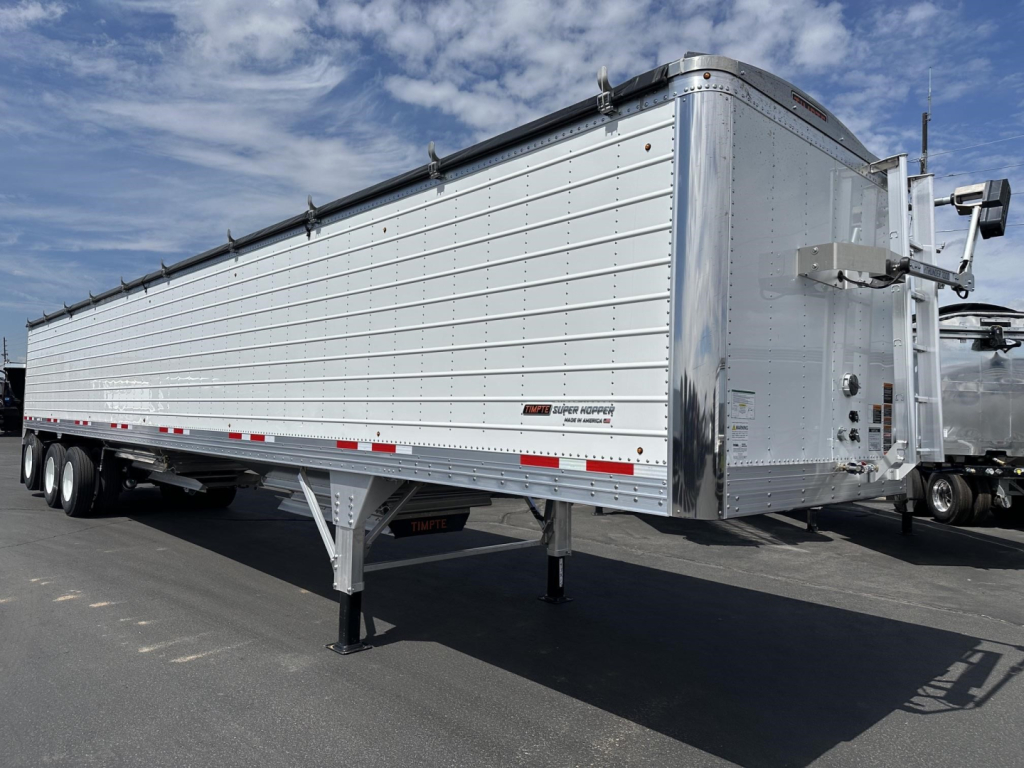
Shop 2027 hopper trailers for grain and bulk ag hauling. Compare lengths, side heights, axle setups, tarp systems, traps, and suspension.
Selling a 2027 hopper trailer? List your 2027 hopper trailer for sale and reach thousands of commercial buyers.
2027 Hopper Trailers
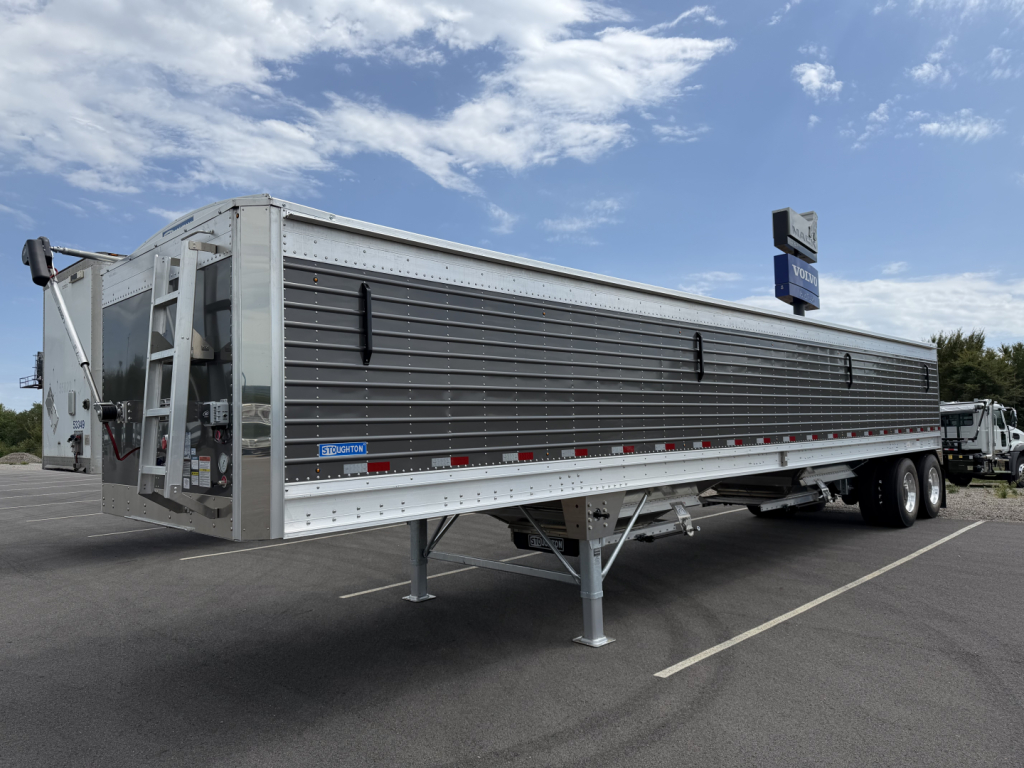
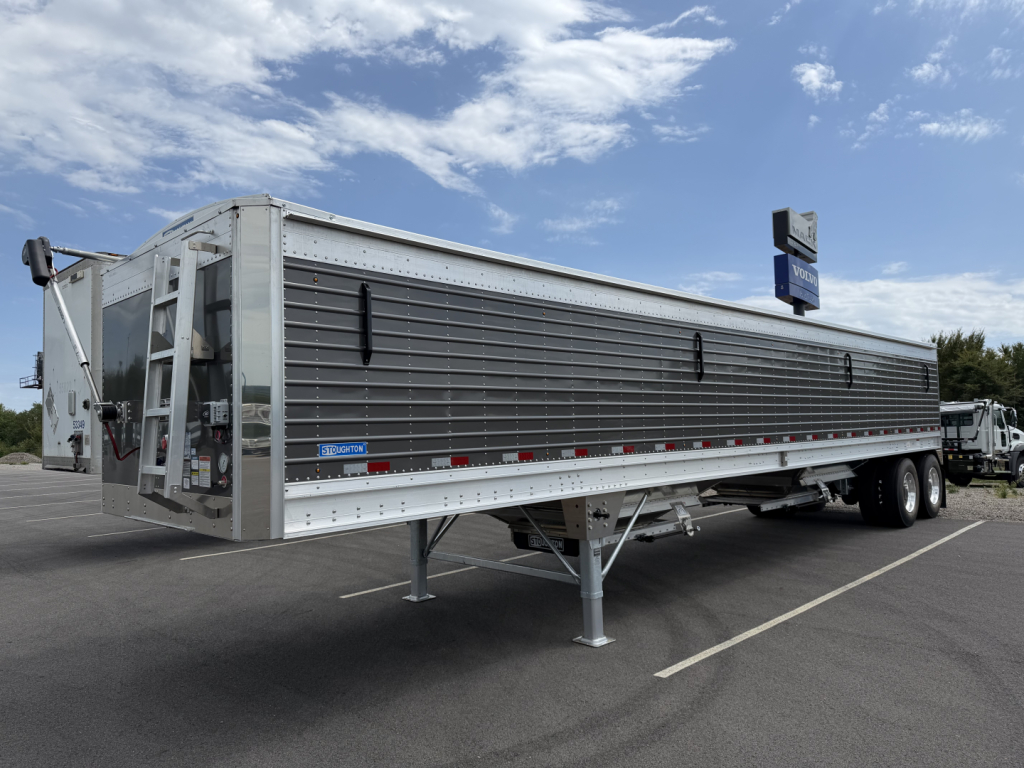
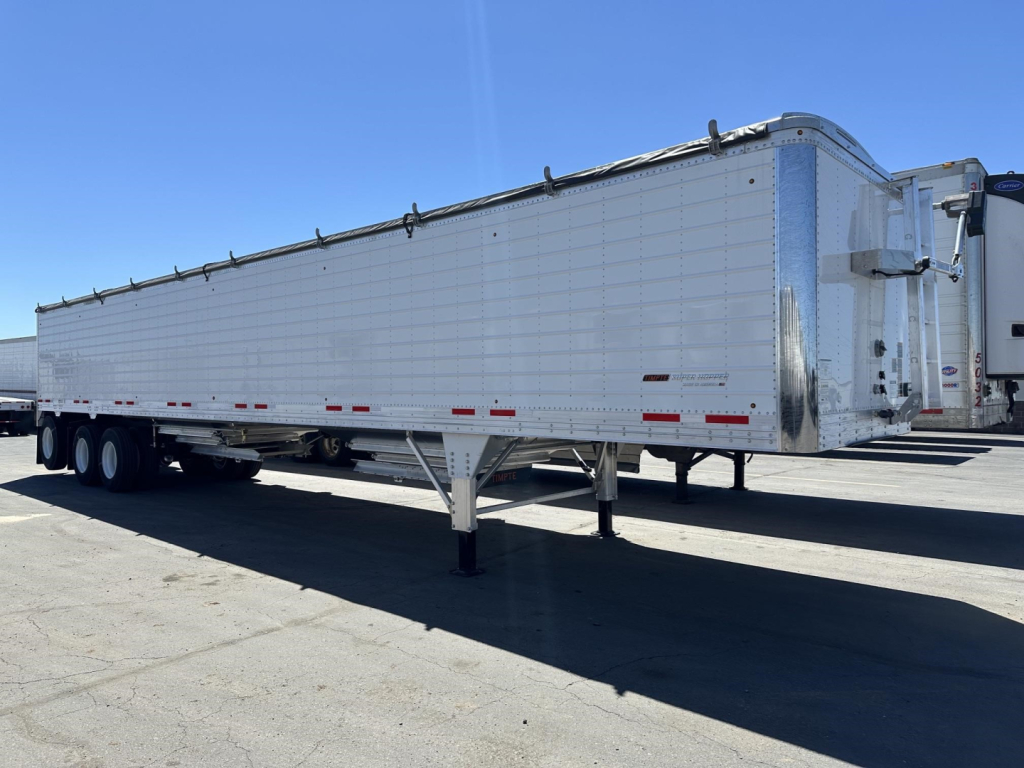
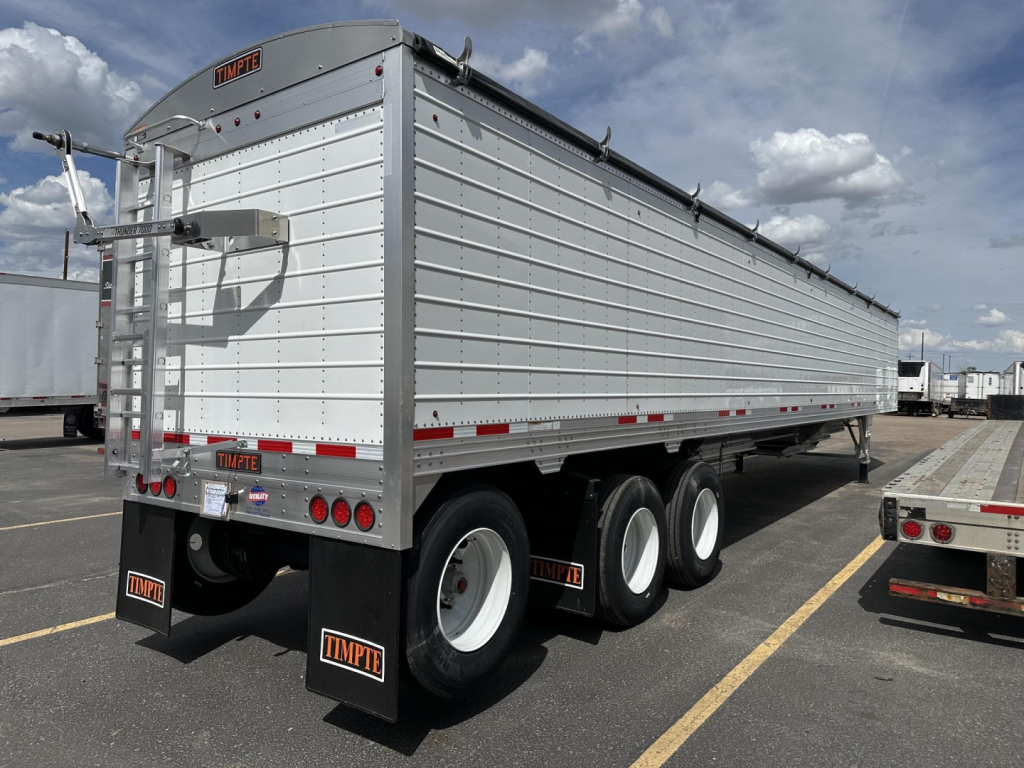
Axle configuration deserves close attention because it changes both bridge compliance and operating flexibility. Closed tandem setups remain common for straightforward grain work, while tri-axle hopper trailers with a lift axle are often chosen for heavier legal payloads or routes where axle laws reward the extra position. Air ride suspension is the standard on many late-model hoppers because it helps protect the trailer structure and cargo while improving ride quality. Tire size, wheel material, and dump valve setup also matter in day-to-day use. Many buyers prefer aluminum outer wheels to cut weight, steel inner wheels for durability, and a load gauge or liquid-filled scale gauge to track suspension pressure and estimate payload before leaving the field or elevator.
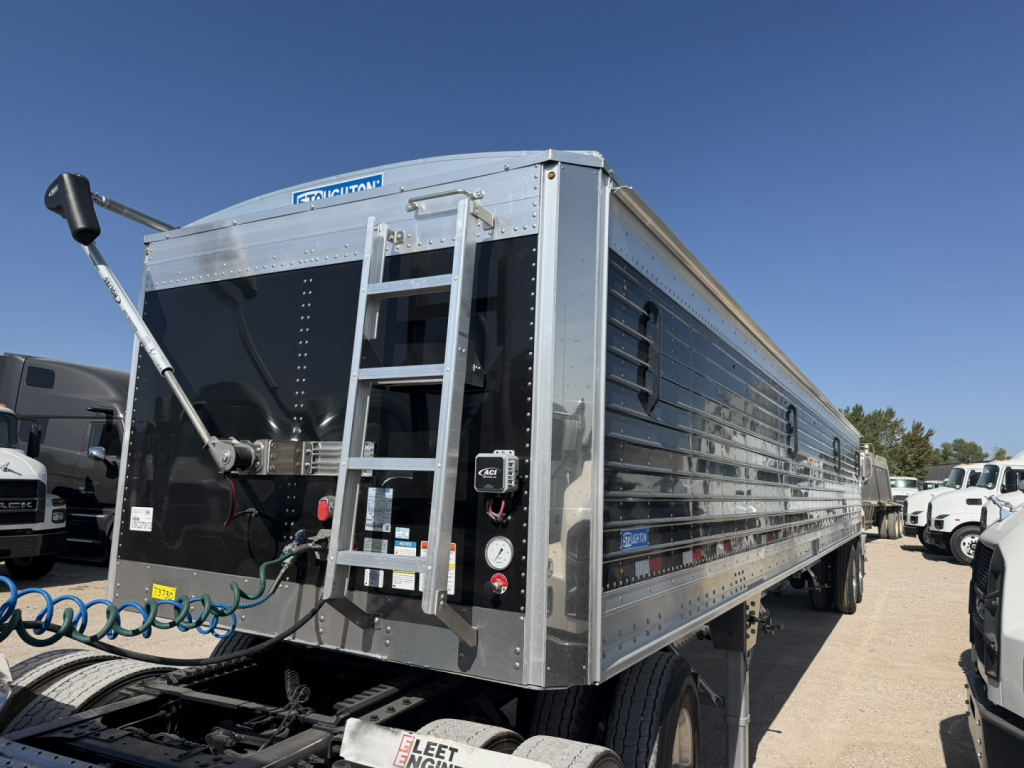
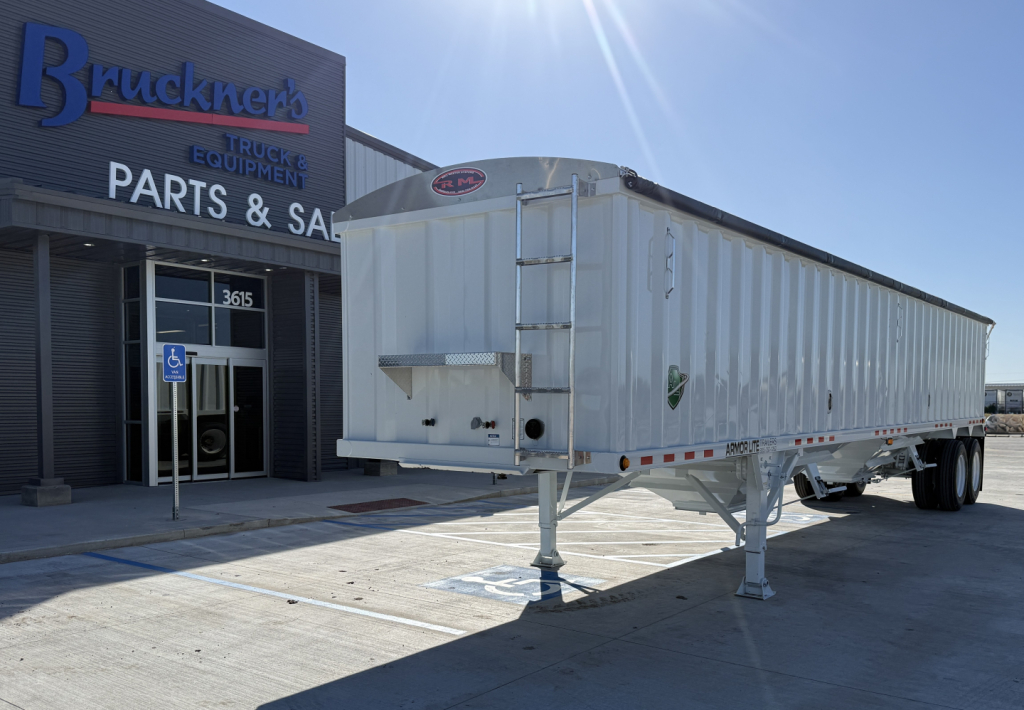
Body construction and discharge hardware separate a basic spec from a trailer that is easier to live with during harvest. Corrugated side panels are common for strength without excessive weight, and stainless front corners or a full stainless rear panel can improve long-term durability in high-wear areas. Electric rollover tarps have become a popular upgrade because they speed loading and reduce climbing, though manual tarps still appeal to buyers who want less electrical complexity. Trap design and opener choice matter if the trailer will see frequent unloads, fine-flowing commodities, or cold-weather use. Electric trap openers, trap work lights, ladders, catwalks, knock rails, and bright LED rear lighting all add practical value for operators who are in and out of pits and elevators all season.
A buyer comparing 2027 hopper trailers should focus on the match between commodity, route, and legal weight target rather than model year alone. Grain, feed, fertilizer, and other free-flowing bulk materials all place different demands on side height, hopper slope, gate operation, and corrosion resistance. Look closely at hopper clearance, trap accessibility, tarp reliability, suspension condition, and any scale or lift-axle controls if equipped. The right hopper trailer is the one that loads fast, unloads cleanly, stays within bridge law, and carries the most profitable payload for the lanes it will actually run.
Frequently Asked Questions about 2027 Hopper Trailers
What is the most important spec to compare on a hopper trailer?
Side height and axle configuration are usually the first two specs to compare because they determine how much commodity the trailer can carry and how that load fits legal weight limits. A taller side package increases cubic capacity, but many operators hit axle or bridge limits before filling the trailer with heavier products. Tandem and tri-axle layouts also change legal payload, tire wear, maneuverability, and maintenance cost.
What is the difference between a tandem hopper trailer and a tri-axle hopper trailer?
A tandem hopper trailer has two trailer axles and is the more common configuration for general grain hauling. A tri-axle hopper adds a third axle, often as a lift axle, to improve bridge compliance and increase legal payload on certain routes. The tradeoff is additional complexity, more tires and brake components, and potentially tighter maneuvering in farm yards or older elevators.
Are electric rollover tarps worth it on a grain hopper trailer?
Electric rollover tarps are popular because they save time, reduce manual effort, and limit the need for climbing during repetitive loading cycles. They are especially useful during harvest when drivers make frequent stops and need to cover quickly in changing weather. Manual tarps still have value for operators who want a simpler system with fewer electrical components to maintain.
What commodities are hopper trailers commonly used for?
Hopper trailers are most commonly used for grain, corn, soybeans, wheat, feed ingredients, and other free-flowing agricultural products. They are also used in some operations for fertilizer and similar bulk materials, provided the trailer spec and liner or corrosion protection are suitable for the product. The commodity matters because density, flow characteristics, and corrosiveness all affect the ideal side height, gate setup, and body materials.
What features improve daily usability on a hopper trailer?
Operators often look for practical features that speed loading and unloading while reducing wear and downtime. Common examples include electric trap openers, front and rear ladders, catwalks, work lights at the traps, load gauges, dump valves, stainless wear areas, and LED lighting. These items do not change the basic trailer category, but they can make a meaningful difference in harvest efficiency, safety, and long-term ownership cost.