
2027 Hopper Trailers For Sale in Kansas
Browse 2027 hopper trailers for grain and ag hauling in Kansas. Compare aluminum and steel specs, capacities, suspension, tarps, and trapdoors.
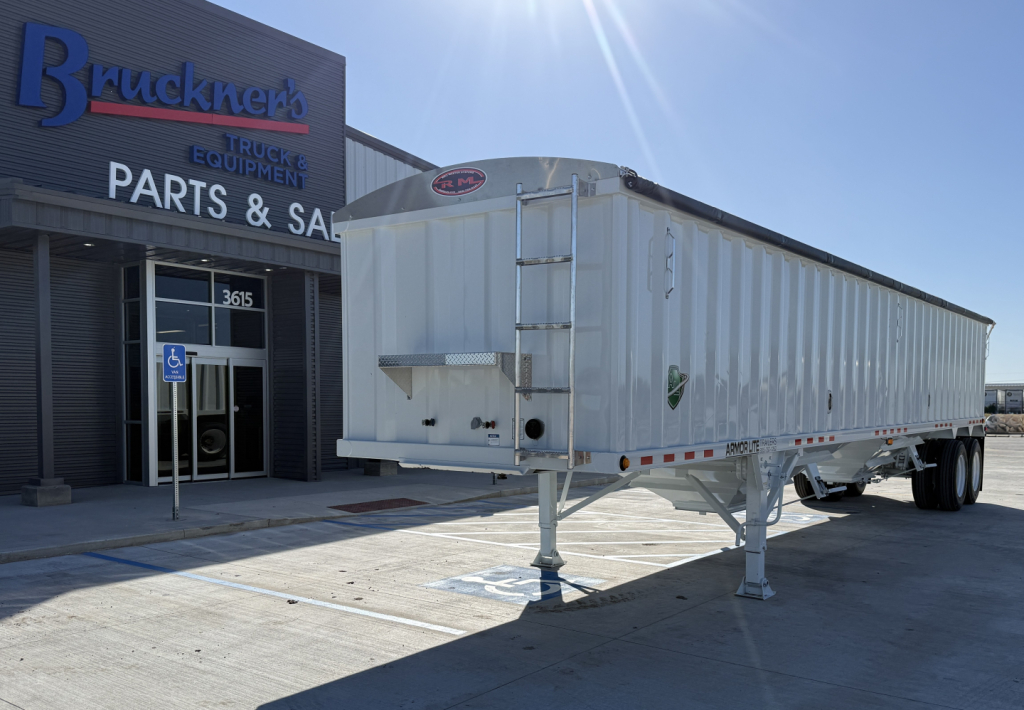
Selling a 2027 hopper trailer? List your 2027 hopper trailer for sale and reach thousands of commercial buyers.
2027 Hopper Trailers in Kansas
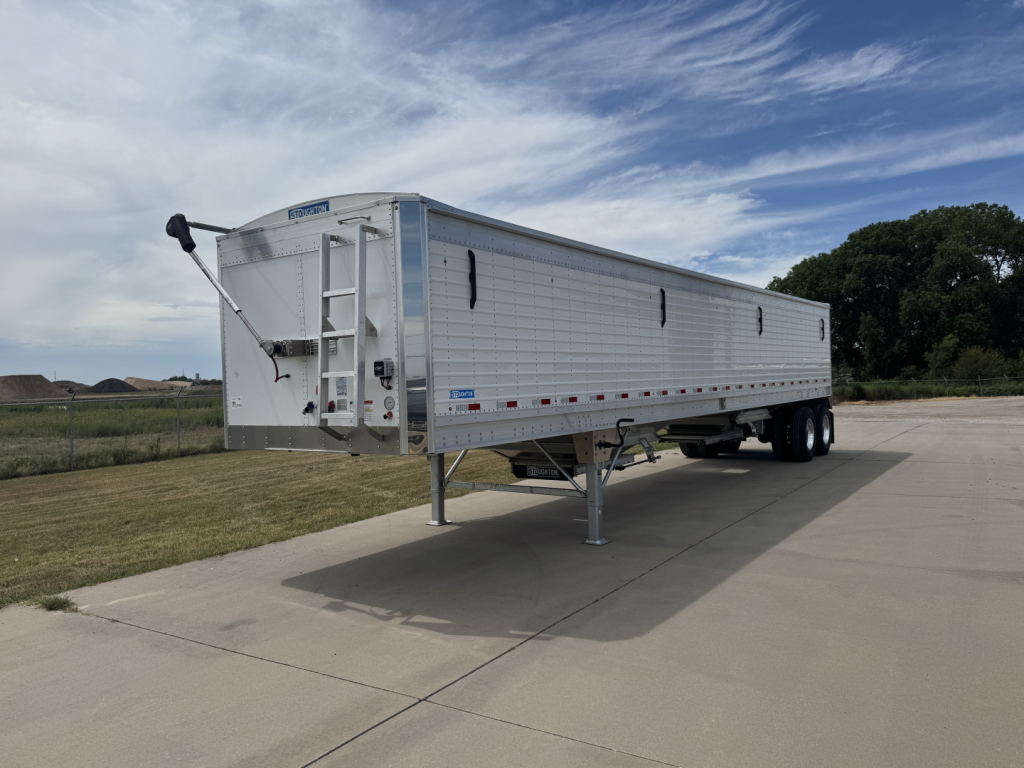
One of the main buying decisions is steel versus aluminum. Steel hopper trailers generally bring a lower acquisition cost and can be a practical fit for farm use, shorter hauls, or buyers who prioritize durability over tare weight. Aluminum hopper trailers, also known as grain hoppers or hopper bottoms, are typically chosen for higher payload and corrosion resistance, especially in fleets that run hard during harvest and want to maximize legal carrying capacity. Pay attention to subframe design, sidewall construction, post spacing, and whether the trailer uses flat, corrugated, or lined panels. Features like galvanized subframes, stainless rear walls, and removable inner liners can make a difference in long-term wear and cleanout.
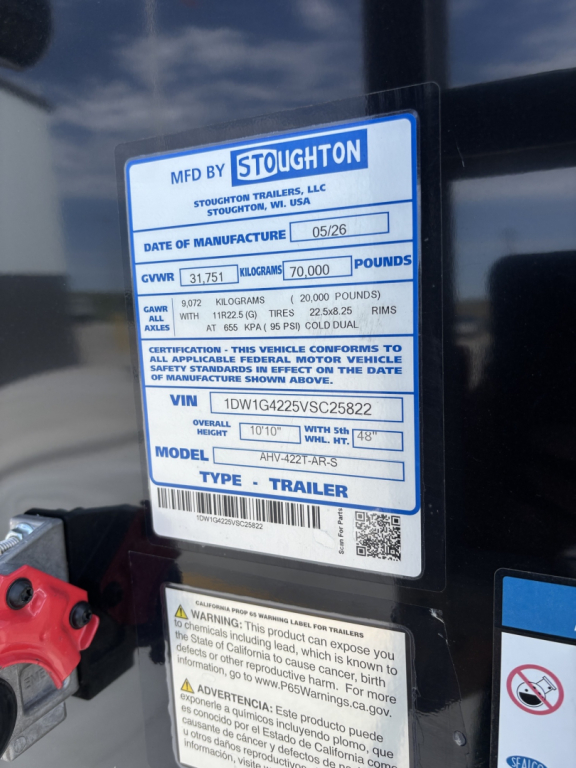
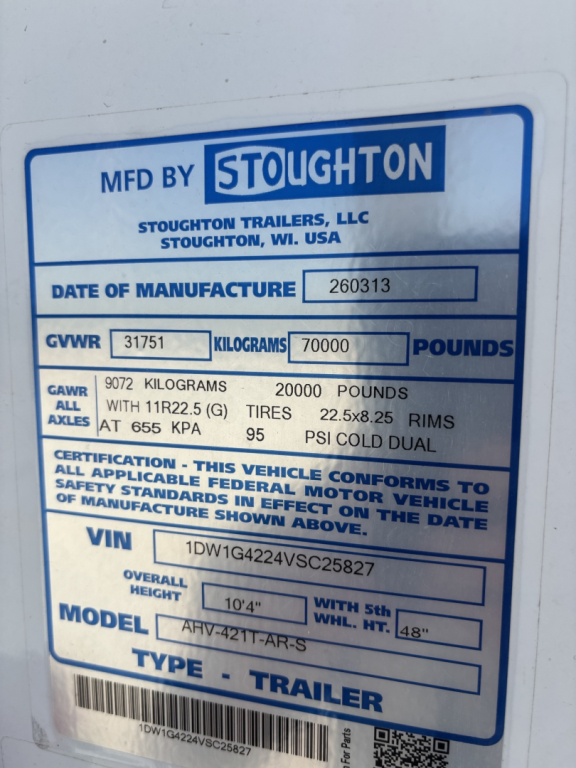
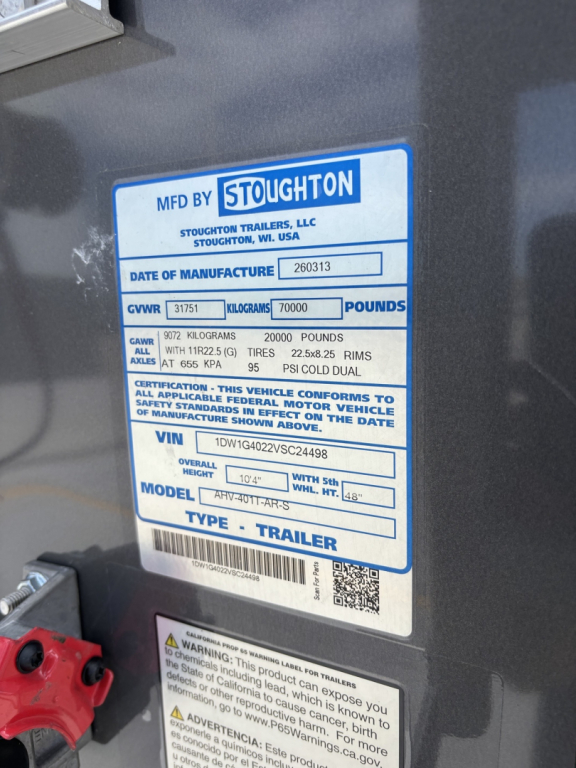
Suspension, running gear, and unloading setup deserve close attention because they affect both service life and day-to-day usability. Tandem axles with a spread around 49 inches are common, paired with either spring suspension or air ride. Air ride is often preferred for smoother handling and cargo protection on longer runs, while spring suspension can be simpler and cost less. Check 5th wheel height, kingpin setting, ground clearance under the hoppers, trapdoor opening size, and whether the trailer uses manual or electric tarp systems. Buyers hauling in windy plains conditions often appreciate electric tarps with remote operation, while manual roll tarps remain common for straightforward farm applications. Tire size, aluminum or steel wheels, drum brakes, ABS configuration, splash guards, sealed wiring harnesses, and LED lighting all factor into maintenance and uptime.
The best hopper trailer spec is the one that matches your commodity mix, scale laws, and unloading locations. Taller sides increase cubic capacity but can affect overall height and legal loading flexibility. Larger hopper openings and two-stage trapdoors help with faster flow and cleaner discharge, especially when switching between different grain types. Ladders, catwalks, and tarp access matter for safety, and anti-spray guards and tire inflation systems can be valuable on high-mileage units. For Kansas operators, it makes sense to compare bushel rating, empty weight, suspension type, and tarp configuration first, then narrow down by material, axle setup, and construction details that fit your route and harvest cycle.
Frequently Asked Questions about 2027 Hopper Trailers in Kansas
What size hopper trailer is most common for grain hauling?
For grain hauling, 40-foot to 43-foot hopper trailers are among the most common sizes. A 40-foot trailer is a popular all-around choice for farm and regional work, while 42-foot and 43-foot models can offer more cubic capacity for lighter commodities. Side height has a major effect on bushel rating, so a 40-foot trailer with taller sides may compete closely with a longer trailer that has shorter sides.
Is an aluminum hopper trailer better than a steel hopper trailer?
Aluminum hopper trailers are usually preferred when payload and corrosion resistance are the top priorities. They generally weigh less than steel models, which can help maximize legal load. Steel hopper trailers often cost less upfront and can be a solid fit for farm use or applications where tare weight is less critical. The better choice depends on haul distance, commodity type, annual mileage, and how important payload is to your operating cost.
How many bushels does a hopper trailer hold?
Bushel capacity varies by trailer length, side height, and body design, but many grain hopper trailers fall in the range of about 1,100 to 1,400 bushels. Some taller-side models exceed that range. Actual legal payload depends on commodity density, trailer tare weight, tractor configuration, and state bridge laws, so advertised bushel volume should be compared with your real operating limits.
What features matter most when comparing hopper trailers?
The most important features are trailer material, empty weight, cubic capacity, suspension type, trapdoor design, tarp system, and overall construction quality. Buyers should also compare kingpin setting, 5th wheel height, hopper ground clearance, axle spread, brake setup, wheel and tire package, lighting, and corrosion-resistant components such as galvanized subframes or stainless rear sections. These details affect loading compatibility, ease of unloading, maintenance, and long-term durability.
Are electric tarps worth it on a grain hopper trailer?
Electric tarps are often worth the added cost for operators who load and unload frequently or work in variable weather. They save time, reduce climbing, and can improve safety by limiting manual tarp handling. Manual tarps still have a place on lower-use trailers and simple farm applications, but fleets and owner-operators covering more miles often prefer electric tarp systems for convenience and efficiency.